Fed's Cook calls recent inflation numbers 'disappointing' --Federal Reserve Gov. Lisa Cook said Wednesday that bringing inflation down to the Fed's 2% target remains her top priority, calling current inflation levels "disappointing."
- Key Insight: Federal Reserve Gov. Lisa Cook said that, after years of above-target inflation, the central bank can't afford to appear complacent on price stability lest that complacency turn into market expectations.
- Expert Quote: "After nearly five years of above-target inflation, it is essential that we maintain our credibility by returning to a disinflationary path and achieving our target." — Fed Gov. Lisa Cook.
- Forward Look: The Trump administration has pushed for the central bank to cut rates to spur consumer borrowing and spending. The personnel of the Fed Board of Governors will largely determine whether the central bank emphasizes maximum employment or stable prices going forward.
Federal Reserve Gov. Lisa Cook said in a speech Wednesday night that the central bank's credibility depends on its ability to bring inflation back to its 2% target.
Fed's Jefferson wary of inflationary pressure from AI -Federal Reserve Vice Chair Philip Jefferson said Friday that, while the central bank's near-term monetary policy choices will be based on incoming data, forthcoming productivity gains brought on by artificial intelligence could compel the Fed to maintain higher interest rates in the future.
- Key takeaway: Federal Reserve Vice Chair Philip Jefferson highlighted the potential for artificial intelligence to boost worker productivity, which could raise the neutral interest rate above what it might otherwise have been, suggesting that the central bank may have to keep rates higher going forward.
- Expert quote: "All other things being equal, persistent increases in productivity growth are likely to result in an increase in the neutral rate, at least temporarily." — Federal Reserve Vice Chair Philip Jefferson.
- Forward look: Jefferson's comments come as the White House has been pressuring the central bank to lower interest rates, and joins other members of the board in raising concerns about inflation in recent days.
Federal Reserve Vice Chair Philip Jefferson said in a speech Friday that long-term productivity gains brought on by artificial intelligence could compel the central bank to maintain higher rates to keep prices stable.
Market Intelligence: Stablecoins are becoming an instrument of US fiscal policy - Unless something goes very wrong at his confirmation hearing, Kevin Warsh will be the next chair of the Federal Reserve. Unfortunately, he inherits a slippery portfolio: He will need to ensure price stability and maximum employment while battling the Fed's waning relevance. Noelle Acheson argues that growing demand for dollar-denominated stablecoins is going to give the Treasury Department increasing influence over the direction of the U.S. economy, perhaps at the cost of the Federal Reserve.
Senate Banking Democrats demand delay on Warsh nomination until Powell and Cook investigations end --Democrats on the Senate Banking Committee demanded that Chair Tim Scott delay the nomination of Kevin Warsh to lead the Federal Reserve until a pair of investigations into central bank Chair Jerome Powell and Governor Lisa Cook conclude. The Department of Justice is investigating potential criminal wrongdoing by Powell related to cost overruns on the renovation of the Fed's headquarters. They are separately probing Cook, whom President Donald Trump has tried to fire, over allegations of mortgage fraud. Trump nominated Warsh last week to succeed Powell at the end of his term in May. The Democratic resistance all but assures that any one Republican senator will be able to hold up Warsh's confirmation until the probes end. The Banking Committee is comprised of 13 Republicans and 11 Democrats, meaning one Republican defection on a nomination, along with all Democrats, will deadlock the panel and prevent the nomination from reaching the floor. "We demand that you delay any nomination proceedings for Mr. Warsh until after the pretextual criminal investigations involving Chair Powell and Governor Cook have been closed," the Democratic senators, led by ranking member Elizabeth Warren, D-Mass., wrote. "The Administration's apparent effort to seize control of the Fed through criminal prosecutions is dangerous and unprecedented," the letter reads. "It would be absurd on its face to allow President Trump to handpick the next Chair of the Federal Reserve as his Department of Justice actively pursues criminal investigations of not one, but two sitting members of the Federal Reserve Board." The eleven Democrats on the panel are not enough alone to block Warsh's nomination in the Banking Committee, from which he will need to advance. But they have help from Sen. Thom Tillis, R-N.C., a Banking Committee member who has vowed to stonewall any Fed nominees until the investigation concludes. "My position has not changed: I will oppose the confirmation of any Federal Reserve nominee, including for the position of Chairman, until the DOJ's inquiry into Chairman Powell is fully and transparently resolved," Tillis said on X after the Warsh nomination was announced.
Exclusive research Community bankers distrust the Fed, fear nonbank competitors - Community bankers have a lot to contend with in 2026, from spikes in fraud to the growing presence of nonbank firms in the financial services market. American Banker’s 2026 State of Open Finance Adoption survey, which was sponsored by Akoya, was fielded online during October 2025 among 218 banking professionals who work across a variety of executive roles at banks and credit unions.A closer look at community banking leaders’ responses reveals what small bank leaders care about most. Top findings from the report:
- Community bankers were the most distrustful of the central bank board’s decisions.
- Security and fraud mitigation are community bankers’ highest priority tech spend categories.
- Community bankers were the group most agreeable to using AI for fraud detection and back-office automation.
- While larger institutions feel more secured against check fraud, 56% of community bankers don’t think they are as prepared as they could be.
- Community bank leaders see nonbank entities grabbing market share from banks as their biggest threats in 2026.
House votes on reopening government pose GOP loyalty test, Democratic dilemma - Votes in the House on Tuesday to end a partial government shutdown pose tricky political challenges for both Republicans and Democrats. On the Republican side, a procedural vote to tee up the funding package will test President Trump’s ability to unify the GOP’s razor-thin House majority behind his play call. Conservatives have expressed their discontent with the Senate changing the funding package at all, with several House Republicans — including Rep. Warren Davidson (Ohio) and Rep. Eric Burlison (Mo.) — saying Monday night they had not yet decided if they would vote for a procedural rule to advance the package. Some members spent days demanding the addition of GOP voting legislation, which would have sent the entire funding package back to the Senate and further delayed reopening the government. Trump on Monday pushed members to drop their demands for changes and get the funding bill to his desk. “We need to get the Government open, and I hope all Republicans and Democrats will join me in supporting this Bill, and send it to my desk WITHOUT DELAY. There can be NO CHANGES at this time,” Trump posted Monday on Truth Social. “We will work together in good faith to address the issues that have been raised.” Two GOP members pushing for the addition of legislation requiring proof of citizenship to register to vote and ID to cast a ballot, Reps. Anna Paulina Luna (R-Fla.) and Tim Burchett (R-Tenn.), had a meeting at the White House with Trump on Monday evening that convinced them to support advancing the funding package on a procedural vote. House Democrats, meanwhile, must decide if they can support even temporary funding for the Department of Homeland Security (DHS) amid the national uproar over Trump’s immigration crackdown in Minneapolis — and if they would reverse course to help Republicans fast-track the latest funding package if the GOP leaders can’t round up the votes to advance the bill over a procedural hurdle.
Senate conservatives seek to sink government funding package in House - Senate conservatives led by Sens. Rick Scott (R-Fla.) and Mike Lee (R-Utah) are working to sink the Senate-passed government funding package in the House, warning that it threatens to leave the Department of Homeland Security unfunded while doing little to rein in the growth in federal spending. They’re demanding that full-year funding for Homeland Security be put back into the bill along with legislation to place stricter requirements on voter registration — two demands that would need to be approved by the Senate before going to President Trump for a signature. Scott, who ran for Senate majority leader after the 2024 election, is venting frustration shared by other Senate conservatives who feel that their party’s leaders are in full retreat after the fatal shooting of two protesters in Minneapolis. “I don’t understand why anybody would support it,” Scott told The Hill on Monday. “Number one, it’s just unbelievable amounts of wasteful spending. … Everyone says they’re concerned about inflation and how it impacts poor and low-income families. Well, if we continue to spend more than we take in, that’s what caused inflation, historically,” he argued. “Number two, I don’t believe that it makes any sense not to fund Homeland Security,” he added, invoking the names of young women who have been killed or sexually assaulted by migrants without legal status, such as Laken Riley, a 22-year-old nursing student who was attacked and killed while jogging in Athens, Ga. “If you look at the people that have lost their daughters or their kids, then what you’re saying is you don’t care about their loss and you’re saying you also don’t care if it happens again,” he said.
Trump rips Massie, wife, ahead of key funding votes - President Trump slammed Rep. Thomas Massie (R-Ky.) and his wife Monday, as the House prepared to vote on a key funding package that could reopen the government after a partial shutdown. “People are saying that Thomas Massie became a Liberal because his new wife, blessed be their marriage, is supposedly a Radical Left ‘flamethrower,'” Trump posted on Truth Social. “This new union all went so fast that maybe he didn’t know what he was getting into but, nevertheless, he is an absolutely terrible and unreliable ‘Republican’ — Perhaps a RINO [Republican in name only], or maybe even worse!” The president then praised retired Navy SEAL officer Ed Gallrein, Massie’s GOP primary challenger, as “a Farmer and War Hero” who is running against Massie and a “HIGH QUALITY individual.” “He is running because he realizes Thomas Massie has been totally disloyal to the President of the United States, and the Republican Party,” Trump continued. “He never votes for us, he always goes with the Democrats. Thomas Massie is a Complete and Total Disaster, we must make sure he loses, BIG!” Massie shared a screenshot of the post on social platform X, and then criticized the president over the comments about his wife.“So now he’s attacking my wife who voted for him three times,” he wrote. “Maybe someone told him she’s actually the one who suggested I ask [Attorney General] Pam Bondi in person at a dinner when we would get Phase 2 of the Epstein files. Bondi said there were no more files. As they say, the rest is history.”The Kentucky Republican, who has emerged as one of the president’s most vocal GOP critics, then shared other negative reactions to Trump’s remarks, including from former Rep. Marjorie Taylor Greene (R-Ga.).“President Trump treats those who support him the most like crap,” Greene wrote on X. “Thomas’s wife voted for him 3 times. She’s not a ‘radical left flamethrower.’ And Thomas Massie votes with the President 91% of the time, but won’t vote to protect Epstein’s sick pedophile and rapists friends or send American’s hard earned tax dollars to Israel’s wars or any other foreign country.”Greene, who left Congress in January after a bitter falling-out with Trump, also lambasted GOP lawmakers who “stay silent refusing to utter even a word of support for their ‘friend’ Thomas Massie. Shame on every one of you.” She added, “Cowards. You make me sick.”
House Rules Committee advances funding bill to reopen government, teeing up tight floor vote - The House Rules Committee on Monday night advanced legislation to end a partial government shutdown, teeing up what will be a tight vote on the House floor for House Republican leadership. The panel advanced the funding package 8-4 along party lines. The legislation, passed by the Senate last week, consists of a so-called minibus of five full-year appropriations bills and a measure extending funding for the Department of Homeland Security for two weeks, providing time to negotiate on demands from Democrats to add reforms on immigration enforcement. The House had already passed all six funding bills in January, but because the House has to approve changes that the White House negotiated with Senate Democrats in wake of uproar about federal immigration enforcement agents killing Minneapolis ICU nurse Alex Pretti, the government was thrust into a partial shutdown starting on Saturday. While the package is expected to get bipartisan support on final passage, Republicans will have to clear the package on a procedural rule vote on Tuesday — which are typically party-line votes that are tests of the majority’s control of the floor. In the razor-thin GOP majorty — which was made smaller with the swearing in of Democratic Rep. Christian Menefee (Texas) on Monday evening — Republicans can afford to lose no more than one defection on any party line vote, assuming all members are present and voting. The House is moving the bill through the rule because House Democrats declined to provide the substantial support needed to fast-track the bill with a two-thirds vote under suspension of the rules, which could have resulted in passage of the bill on Monday. Speaker Mike Johnson (R-La.) expressed optimism that the House will approve the funding bill on Tuesday, despite some demands from the conservative wing from his party. Rep. Anna Paulina Luna (R-Fla.) had been spearheading a push to add the SAVE America Act — legislation requiring proof of citizenship to register to vote and ID to cast a ballot — to the funding package and send it back to the Senate. But in a good sign for the funding package’s prospects of success on Tuesday, Luna told reporters that after meeting with President Trump at the White House Monday and getting encouragement about ways to move the SAVE Act in the Senate, she would vote for the rule on the funding package. Rep. Ralph Norman (R-S.C.), a member who is often a key GOP holdout on various party-line measures, articulated the frustration that some Republicans have about the Senate agreeing to split off the DHS funding bill, casting doubt about the prospects of fruitful negotiation on immigration enforcement. “Homland Security is more than just ICE. They want to dismantle ICE. It’s not going to happen. There is a strong contingency and growing — the minute they start all these outlandish demands — it’s not going to happen,” Norman said during a hearing on the bill on Monday. “I will reluctantly vote the rule and give them a stupid ten days, and let’s see how that plays out. It’s going to get shut down. Let ‘em bear the consequences.”
House hardliners complicate ending government shutdown as Speaker Johnson moves ahead -House Speaker Mike Johnson is running into problems with his own caucus as he tries to advance a Senate-approved measure to reopen most of the government, which shut down on Saturday morning. Though opposition appears to be thawing after a White House meeting Monday with some of the holdouts.The House Rules Committee is meeting Monday evening about the measure that would fund a wide swath of the government, the first step in getting the bill to the House floor. The bill cleared the Senate on Friday after Democrats there had funding for the Department of Homeland Security stripped and replaced with two weeks of stopgap funding for the agency — a change that requires the House to reapprove the measure.Because Democrats are not helping Johnson and the GOP fast-track the measure, the speaker will likely have to work within his own razor-thin majority to advance the bill when it reaches the floor for a critical preliminary vote as early as Monday night. At least two Republicans so far have warned they will not support the bill unless it includes a controversial voter-ID measure known as the SAVE Act, a new hurdle for Johnson as he aims to end the shutdown. And the Republican majority shrunk Monday after Democrat Christian Menefee was sworn in to represent a Houston district after being elected Saturday in a special election."I have been clear: the SAVE Act/Save America Act must be attached to the rule for these appropriations bills and sent back to the Senate for a vote," Rep. Anna Paulina Luna, R-Fla., said Sunday in a post to X. "This is my price for a 'yes' vote." Representative Anna Paulina Luna, a Republican from Florida, during the Republican National Convention at the Fiserv Forum in Milwaukee, Wisconsin, July 16, 2024.On Monday night, however, Luna said she was moving toward supporting the measure in a procedural vote after a meeting with the White House."Based on our discussions right now, we're moving towards it," Luna told reporters at the Capitol Monday night, saying she's comfortable with how the Senate might consider the voter-ID bill. "Frankly, we want a vote on voter ID in the Senate, and I think we're gonna get it."But Rep. Eric Burlison, R-Mo., another holdout who called for the SAVE Act to be included earlier in the day, appears to be digging in."House Republicans shouldn't let Schumer dictate the terms of government funding," Burlison said, referring to Senate Minority Leader Chuck Schumer, D-N.Y. "If Dems want to play games, no spending package should come out of the House without the SAVE Act attached — securing American elections must be a non-negotiable."Later Monday, Burlison posted to X that "The Senate minibus is just as bad as it was when it left the House—filled with Democrat earmarks and $5 billion in refugee welfare funding.""I was a no then, and I'm a no now," he said.
Trump signs bill ending federal government shutdown -- President Donald Trump on Tuesday signed a bill into law to reopen most of the government, officially ending a partial shutdown that began last weekend. The House of Representatives narrowly passed the bill 217-214 earlier in the day after the Senate approved it last week. Much of the government has been shuttered since Saturday morning. The bill provides funding for the departments of Defense, Treasury, State, Health and Human Services, Labor, Housing and Urban Development, Transportation, and Education through the remainder of the fiscal year on Sept. 30. It also provides two weeks of stopgap funding for the Department of Homeland Security after the Senate stripped full-year funding for the agency in response to the killings of two U.S. citizens by federal immigration officers. Now, Congress and the White House will turn to thorny negotiations over new guardrails on immigration enforcement in the DHS funding bill. Democrats insisted on separating out the DHS measure following enforcement actions in Minneapolis. The Tuesday vote in the House was bipartisan. Before the vote, the lead Democratic negotiator on the spending bills, Rep. Rosa DeLauro of Connecticut, urged members of her party to support it. "Passing these five full-year funding bills today puts us in the best position to win that fight" over DHS funding, DeLauro said. Many Democrats and some Republicans still opposed the bill, however. The appropriations package was nearly torpedoed earlier in the day during a procedural vote, but narrowly advanced 217-215. House Speaker Mike Johnson, R-La., kept the House open much longer than expected to clear the procedural vote, where he could only afford to lose one Republican. More than a handful of Republicans held out their votes, and Rep. John Rose, R-Tenn., initially voted against the measure. All Democrats voted no on the procedural vote. Many Republicans wanted to compel a Senate vote on a controversial voter ID measure known as the SAVE Act. That caused a mad scramble on the House floor from the Republican leadership team to get the holdouts to vote yes and to flip Rose. Rose eventually changed his vote and the holdouts relented, unlocking the House's ability to move forward on the bill. Democratic Leader Hakeem Jeffries of New York had told Johnson that Democrats would not help Republicans advance the procedure under which the government funding vote would happen, requiring Johnson to work within his own razor-thin majority to fund the government. After a new Democratic lawmaker was sworn in Monday, Johnson could only afford to lose one Republican vote on any party-line measure.
January US Jobs Report Rescheduled For February 11 -- The government reopened after another theatrical two-day shutdown, but that doesn't mean that Friday's payrolls report will come when it is due (after all, it's not like the BLS had 30 days to prepare for it, oh wait, they did). Instead, the January employment report has been rescheduled for Wednesday, Feb. 11, according to the Bureau of Labor Statistics. The data, originally due Feb. 6, was delayed by the partial government shutdown. BLS announced the changes Wednesday, shortly after funding for a number of agencies, including the Labor Department, was restored. January’s consumer price index report, originally due Feb. 11, is now scheduled for Friday, Feb. 13, the BLS also said. Other BLS reports that were due this week, including December’s Job Openings and Labor Turnover Survey and the Metropolitan Area Employment and Unemployment release, were also rescheduled. The partial shutdown ended late Tuesday after President Donald Trump signed into law a funding deal he negotiated with Senate Democrats. The Labor Department, and most other government agencies, are now funded through Sept. 30. In addition to the usual monthly payrolls and unemployment data, the January jobs report also includes highly anticipated revisions to annual employment. Those are expected to show that job growth was notably weaker in the year through March 2025 than initially reported.
US says it has returned to Venezuela all $500 million of initial oil sale (Reuters) - The United States has now returned to the Venezuelan government all $500 million from the initial sale of oil that was part of a deal reached between Caracas and Washington last month, a U.S. official said on Tuesday. The last $200 million from the sale has been sent to Venezuela, the official said, speaking on condition of anonymity. The deal came about after Venezuelan President Nicolas Maduro was captured in a U.S. military operation on January 3. "Venezuela has officially received all $500 million from the first Venezuelan oil sale," the official said. The official added that the money is to be "disbursed for the benefit of the Venezuelan people at the discretion of the U.S. government." Last week during testimony on Capitol Hill, Secretary of State Marco Rubio said U.S. involvement in the sale of Venezuelan oil was a short-term effort aimed at stabilizing the country, keeping the government afloat and helping the people. "So in essence, we allowed Venezuela to use their own oil to generate revenue to pay teachers and firefighters and police officers and keep the function of government operating so we didn’t have systemic collapse," he said. The funds had been held in Qatar and intended as a "temporary, short-term account to ensure Venezuela received the funds needed to operate," the U.S. official said. The official added that the long-term goal for future sales is to move the proceeds "into a fund located in the U.S. and to authorize expenditures for any obligation or expense of the government of Venezuela or its agencies and instrumentalities upon instructions that are consistent with agreed upon procedures."
Dems warn oil companies against Venezuela investment - A group of 13 House Democrats told oil companies to hold off on investing in Venezuela last week, warning that any moves could be rendered invalid after President Donald Trump leaves office. In letters to 21 oil and oil-field services companies, the Democrats — led by Rep. Sean Casten (D-Ill.) — laid out the legal case against the Trump administration’s recent military actions in Venezuela, arguing that any investment would be built on shaky legal grounds. It is the latest attempt by Democrats, who are in the minority in Washington, to push back on the Trump administration’s military operation in Venezuela and subsequent control of the Latin American country’s oil sector. “Any actions you may be taking with the Trump White House as relates to Venezuelan oil may expose you and your shareholders to significant long-term legal and financial risk,” the lawmakers wrote.Venezuela tells China oil prices won't be set by the U.S. after Maduro capture -Venezuela has assured Beijing that its oil pricing will not be dictated by the U.S. and that Chinese investment in the South American country remains secure, according to state media.Speaking at a press briefing Tuesday, Remigio Ceballos, Venezuelan ambassador to China, dismissed reports that Washington would influence the price China pays for Venezuelan crude, saying Caracas would not abide by U.S. arrangements.The Wall Street Journal reported last month that U.S. President Donald Trump was considering exerting control over Venezuela's state-run oil company Petróleos de Venezuela SA, or PDVSA, including lowering prices to $50 per barrel."Regarding oil pricing, Venezuela will not heed the arrangements of the United States or other countries. We have the right to make independent decisions, and oil prices will be determined based on international market prices," Ceballos said.The comments came about a month after the U.S. captured Venezuelan President Nicolás Maduro and his wife, Cilia Flores, in a surprise military operation, and moved to assert influence over its oil sector through sanctions and negotiated oil sales.China, which has absorbed much of Venezuela's crude exports at steep discounts due to U.S. sanctions, has condemned the U.S. military attack on Venezuela and called for the release of Maduro. Ceballos described the capture of Maduro as a "warning to the entire world" but sought to play down the impact on Venezuela's ties with China. "China and Venezuela are trusted partners," he said, adding that the relationship was built on mutual trust and could not be swayed by any third country.The ambassador also sought to assure that Chinese investment in Venezuela will be secure. "Chinese enterprises operating in Venezuela and investments from other nations have continued to progress as usual. Not only for the petroleum sector, but all areas of cooperation will not be affected."The seizure of Maduro has fueled concerns about the future of Chinese investment in Venezuela as Beijing has been among the few active foreign players in the South American country — a gap it filled after U.S. sanctions limited American involvement.State-owned oil giant China National Petroleum Corporation has joint ventures with PDVSA, while privately held China Concord Resources Corp. announced in August plans to invest more than $1 billion in a Venezuelan oil project, targeting production of 60,000 barrels per day by the end of 2026, according to Reuters.Venezuela holds the world's largest proven oil reserves, but its crude output remained subdued after decades of mismanagement, underinvestment and U.S. sanctions.The Trump administration has touted U.S.-led industry reform — aimed at boosting oil and gas production and attracting foreign investment — as positive for Venezuela and its people. Higher oil output and lower prices would also help lower energy costs for American consumers.During a testimony on Capitol Hill, Secretary of State Marco Rubio said the U.S. government's involvement in the sale of Venezuelan oil was a short-term plan aimed at stabilizing the country and keeping the government afloat.Washington has returned all $500 million from the initial oil sale to the Venezuelan government, Reuters reported, citing a U.S. official.The U.S. government has also reportedly moved to issue a general license that would allow companies to trade, transport and refine Venezuelan crude, as part of efforts to ease sanctions and revive the flagging energy industry.Following the military operation on Jan. 3, the White House reportedly demanded that Venezuela cut economic ties with China, Russia, Iran and Cuba, according to ABC News.But over the weekend, Trump appeared to soften his tone, saying that Chinese and Indian investment would be welcome. "China is welcome to come in and will make a great deal on oil," he said on a flight to Mar-a-Lago on Air Force One on Saturday.
Trump Signals Openness To China, India Investing In Venezuela's Oil, While Tightening Rules - President Donald Trump says he is open to China and India investing in Venezuela’s oil sector, but new U.S. rules show that any reopening of Venezuela’s oil trade will come with strict legal and financial conditions designed to keep Washington firmly in control. Speaking to reporters aboard Air Force One on Jan. 31, Trump said China is “welcome to come in and we’ll make a great deal on oil.” He also said the United States is working with India on a plan to buy Venezuelan crude instead of oil from Iran, adding that the basic “concept” has already been agreed upon. Those remarks came as the U.S. Treasury Department rolled out a new Venezuela-related oil license that lays out who can participate, how money moves, and where disputes are settled. Together, Trump’s remarks and the new rules point to a cautious reopening of Venezuela’s oil trade—one that allows limited activity while channeling it through a system the United States can closely monitor and enforce. The Treasury Department’s Office of Foreign Assets Control (OFAC) issued General License 46, which authorizes certain Venezuela-related oil activities. It allows established U.S. entities to lift, ship, buy, sell, store, and refine Venezuelan-origin oil. But the authorization comes with tight conditions. Contracts covered by the license must be governed by U.S. law, and any disputes must be handled in U.S. courts. Payments to sanctioned or blocked parties cannot be made directly; instead, they must be placed into U.S.-designated “Foreign Government Deposit Funds,” where access and use are restricted. The license also draws clear red lines. It does not authorize transactions involving Russia, Iran, North Korea, or Cuba. China-linked structures face additional limits. The license bars covered transactions involving U.S.- or Venezuela-based entities that are owned or controlled by, or operate in joint ventures with, individuals or companies based in or organized under the laws of the “People’s Republic of China.” In effect, companies seeking to operate under U.S. authorization must accept U.S. legal jurisdiction, U.S. oversight, and U.S.-controlled payment channels—conditions that significantly narrow how Chinese-linked firms can participate when U.S. banks, approvals, or services are involved. Alongside the license, the White House issued an executive order on Jan. 9 to establish and protect the Foreign Government Deposit Funds system. Under this structure, Venezuela-related oil revenues that move through U.S.-designated accounts are held under U.S. custody, with limits on how the funds can be transferred or used. The stated aim is to keep transactions compliant with sanctions and prevent money from flowing directly to blocked actors. The system also shields funds from creditors and certain judicial claims while giving Washington greater leverage over how oil revenues are handled.
US military blows up drug boat in Eastern Pacific, killing 2 ‘narco-terrorists’ - The U.S. military struck another alleged drug-trafficking boat in the Eastern Pacific Thursday.U.S. Southern Command (Southcom) shared a 12-second video of the strike to social platform X. The footage shows the vessel moving, before being struck by a “lethal kinetic strike” and catching on fire.Southcom said that Joint Task Force Southern Spear carried out the strike at the direction of Commander Gen. Francis L. Donovan. The boat, Southcom said, was “transiting along known narco-trafficking routes in the Eastern Pacific and was engaged in narco-trafficking operations.”Southcom added that two “narco-terrorists” were killed in the strike, while no U.S. military forces were harmed. The strike is the second such operation the military has disclosed this year and the first since Jan. 23, when it struck another alleged drug boat in the Eastern Pacific and killed two “narco-terrorists.” That operation left one survivor, with the Coast Guard carrying out a search and rescue mission before suspending it after 56 hours. The U.S. has now disclosed two boat strikes since the Jan. 3 capture of Venezuelan President Nicolás Maduro and his wife, Cilia Flores, in Caracas, Venezuela. The Latin American strongman pleaded not guilty last month to federal drug-trafficking charges.Prior to and after Maduro’s capture, the U.S. has now conducted at least 37 operations targeting boats in the Caribbean and Eastern Pacific since Sept. 2, killing at least 127 “narco-terrorists.” The administration has argued the strikes are to prevent the flow of illegal drugs into the U.S.
China ramps up threats over Panama Canal ruling that handed Trump a major victory - The Chinese government has condemned a ruling from Panama's top court, warning the Central American country "will inevitably pay a heavy price" unless it changes course.The rebuke comes shortly after Panama's Supreme Court ruled to void Hong Kong-based CK Hutchison's licence to operate ports at either end of the Panama Canal.The ruling was seen as a major victory for the Trump administration's security ambitions in the Western Hemisphere, given that the White House has made blocking China's influence over the critically important waterway one of its top priorities.In a commentary posted on Tuesday on its WeChat account, the Hong Kong and Macao Affairs Office of the State Council said the "logically flawed" and "utterly ridiculous" ruling was opposed by the Chinese government and the Hong Kong Special Administrative Region government."The Panamanian authorities should recognize the situation and correct their course," the Hong Kong and Macao Affairs Office said, according to a Google translation."If they persist in their own way and remain obstinate, they will inevitably pay a heavy price in terms of politics and economics!" In a brief statement on Jan. 29, Panama's top court said the terms under which Panama Ports Company (PPC), a subsidiary of CK Hutchison, runs the port of Balboa on the Pacific Coast and Cristóbal on the Atlantic side of the Panama Canal violated its constitution.The ruling came around a year after U.S. President Donald Trump threatened to seize control of the Panama Canal, saying the waterway was "vital to our country" and claiming, "it's being operated by China."The comments from the Hong Kong and Macao Affairs Office reflect an escalation in tone from China's initial response to the ruling.A spokesperson for China's Ministry of Foreign Affairs said on Friday that the decision was "contrary to the laws governing Panama's approval of the relevant franchises, and that the companies will reserve all rights, including legal proceedings."Beijing said it would take all necessary measures to safeguard the legitimate rights and interests of Chinese companies.PPC, which has held the contract to operate the ports of Balboa and Cristóbal since the 1990s, also said that the decision was inconsistent with the relevant legal framework.CK Hutchison, for its part, said on Wednesday that it had launched international arbitration proceedings against Panama after the country annulled its licenses to operate two Panama Canal ports. In a statement, the company said PPC would seek "extensive damages" over the ruling, without specifying the damages sought.
US sending $6M in aid to Cuba -- The State Department announced it will initiate the delivery of an additional $6 million in supplies to Cuba as tensions between the two countries continue. The new round of supplies comes in response to a humanitarian crisis in Cuba partly driven by Hurricane Melissa, one of the strongest Atlantic hurricanes on record, which battered Cuba in October. The hurricane destroyed homes, blocked mountain roads and blew roofs off of buildings across the country, which is still recovering from the impact. A December report from the International Federation of Red Cross and Red Crescent Societies called the humanitarian situation in Cuba “severe.” The U.S. had sent Cuba about $3 million in aid after the hurricane struck in October. The State Department said “pre-packaged commodities” will be delivered to Cuba via local parish representatives of the Catholic Church in Miami. This method of delivery is a strategic way to ensure that the Cuban government cannot “interfere with, or divert, assistance intended for the island’s needy population,” the State Department said in a statement Thursday. “As with the first tranche of direct foreign assistance, let there be no doubt: the regime must not make any effort to interfere with the provision of this lifesaving support,” the State Department said in a statement. “We remain vigilant in tracking any diversion or frustration of U.S. assistance efforts, and the regime will be accountable to the United States and its own people for any interference.”
US And Russia Barrel Toward First Nuclear Arms Race Since Cold War --The U.S. and Russia are barreling toward what could become the first unrestricted nuclear arms race since the Cold War, as the last remaining treaty limiting their nuclear arsenals is set to expire in a matter of days. The New START treaty, signed in 2010 to cap U.S. and Russian nuclear stockpiles, is scheduled to expire on Thursday. If it lapses, Washington and Moscow would be left without any binding limits on the number of long-range nuclear weapons they can deploy, marking the first time in more than half a century that no such constraints exist. Russian President Vladimir Putin has proposed a temporary stopgap measure, suggesting that both sides voluntarily maintain existing missile and warhead limits for one year while negotiations continue. President Donald Trump, however, has indicated he prefers to let the treaty expire and replace it with a broader agreement that includes China. “If it expires, it expires,” Trump told The New York Times on Jan. 8. “We’ll just do a better agreement.” Under New START, each side is limited to 1,550 deployed nuclear warheads and no more than 700 delivery systems, including intercontinental ballistic missiles, submarine-launched missiles, and heavy bombers. The last comparable lapse in arms control restrictions ended in 1972, when former President Richard Nixon and Soviet leader Leonid Brezhnev signed historic arms control agreements.“President Trump has spoken repeatedly of addressing the threat nuclear weapons pose to the world and indicated that he would like to keep limits on nuclear weapons and involve China in arms control talks,” a White House official told the Daily Caller News Foundation.Despite Trump’s push for expanded denuclearization talks involving both Russia and China, Beijing has flatly refused. Chinese officials — whose country has an estimated 600 nuclear warheads — argue it should not be pressured into negotiations alongside two countries with far larger nuclear stockpiles.“China’s nuclear strength is by no means on the same level with that of the U.S.,” China’s Foreign Ministry spokesperson said in August. “It’s neither reasonable nor realistic to ask China to join the nuclear disarmament negotiations with the U.S. and Russia.”While China currently trails the U.S. and Russia, the Pentagon estimates Beijing could possess more than 1,000 nuclear warheads by 2030.“Our nation will soon encounter a fundamentally different global setting than it has ever experienced: we will face a world where two nations possess nuclear arsenals on par with our own,” a bipartisan Congressional commission warned in 2023.“In addition, the risk of conflict with these two nuclear peers is increasing. It is an existential challenge for which the United States is ill-prepared, unless its leaders make decisions now to adjust the U.S. strategic posture,” the commission wrote.Some analysts estimate the U.S. could nearly double its deployed nuclear warheads if New START expires, while Russia could add hundreds of its own within a year, according to Reuters.
Poll: Vast Majority of Americans Want Trump To Accept Putin's Offer on New START Treaty - The vast majority of American voters believe President Trump should accept Russian President Vladimir Putin’s offer to maintain the limits on the US and Russia’s nuclear arsenals set by the New START treaty, the last piece of nuclear arms control between the two powers that’s set to expire on February 5, according to a YouGov poll.New START caps the number of nuclear warheads either side can deploy at 1,550 and also limits the deployment of delivery systems. The treaty doesn’t allow further extensions, but Putin has offeredthat the US and Russia maintain the limits for another year to allow time for diplomacy to negotiate a replacement. So far, Trump hasn’t agreed to the proposal.The poll, commissioned by ReThink Media and the Nuclear Threat Initiative, found that 87% of registered voters, including 86% of Republicans, believe the US should accept Russia’s offer. Even more respondents, 91%, agreed that the US should negotiate a new deal with Russia to maintain current nuclear limits or further reduce both countries’ nuclear weapons. If New START expires without a replacement or temporary deal, there will no longer be any limits on the nuclear stockpiles of the world’s two largest nuclear powers. The poll found that 72% of registered voters believe that removing all nuclear limits on the U.S. and Russian nuclear arsenals would make the US less secure.Russia said on January 29 that it was still waiting for a response from the US on extending the limits of New START. “We keep waiting, but the deadline is approaching. There was no response from the United States,” said Kremlin spokesman Dmitry Peskov. “The Kremlin’s position is well known, and it is consistent.”In an interview with The New York Times in early January, Trump signaled he was ready to let the treaty expire and wasn’t concerned about potential consequences. “If it expires, it expires. We’ll do a better agreement,” he said.Arms control experts have warned that negotiating a new agreement will take time and that ending the New START limits could spark a major new arms race and result in increased nuclear deployments.“If Trump fails to respond positively to Russia’s proposal for an interim deal to maintain the New START limits, each side likely will begin increasing the size of its deployed nuclear arsenal for the first time in more than 35 years by uploading additional warheads on existing long-range missiles,” Daryl Kimball, Director of the Arms Control Association, wrote last month. “Many members of the nuclear-weapons establishment are lobbying for such a buildup.”
Russia Says US Silent on New START as Treaty Set to Expire - Russia said on Tuesday that the US still hasn’t responded to Russian President Vladimir Putin’s proposal regarding the New START, the last remaining nuclear arms control treaty between the two powers, which is set to expire on Thursday, February 5.New START doesn’t have a built-in extension, but Putin has offered a mutual agreement to maintain the treaty’s limits for a year to give room for diplomacy to negotiate a replacement.“The initiative put forward by President Putin remains on the table. We have not yet received any response from the Americans regarding this proposal,” Kremlin spokesman Dmitry Peskov said, according to Russia’s TASS news agency.New START caps the number of nuclear warheads either side can deploy at 1,550 and also limits the deployment of delivery systems. Arms control experts have warned that the expiration of the treaty without a replacement or an agreement on maintaining its limits will likely lead to an increase in the deployment of nuclear weapons and spark a new arms race.Russia is also warning that the expiration of New START will make the world a more dangerous place. “Indeed, time is running out, like shrunken leather. In just a few days, the world will likely find itself in a more hazardous position than before,” Peskov said.“For the first time ever, the United States and the Russian Federation — the two countries with the world’s largest nuclear arsenals — will be left without a fundamental document to limit their capabilities and ensure oversight. We believe this is highly concerning,” the Russian spokesman added.
Trump Says US and Russia Should Negotiate New Nuclear Treaty Instead of Extending New START - President Trump has said that the US and Russia should negotiate a new nuclear arms control treaty instead of extending New START, the last piece of nuclear arms control between the two powers, which expired on Thursday.“Rather than extend ‘NEW START’ (A badly negotiated deal by the United States that, aside from everything else, is being grossly violated), we should have our Nuclear Experts work on a new, improved, and modernized Treaty that can last long into the future. Thank you for your attention to this matter!” the president wrote on Truth Social. The New START treaty caps the number of nuclear warheads each side can deploy at 1,550 and limits the number of deployed and non-deployed strategic launchers to 800. While New START no longer has a built-in extension, Russian President Vladimir Putin has offered a mutual agreement to maintain the limits for another year so the US and Russia could negotiate a replacement treaty.In 2023, Russia said it was suspending participation in New START, citing US support for Ukrainian attacks on Russian facilities housing nuclear weapons. However, at the time, both the US and Russia stated they would continue to abide by the treaty’s limits, and Putin offered to extend that arrangement.Putin made the offer in September, and the Russian Foreign Ministry said in a statement on Wednesday that the Trump administration had not responded. According to a report from Axios on Thursday, US and Russian officials have been discussing the issue in Abu Dhabi over the past day.The Axios report said that the US and Russia may agree to maintain the New START limits for another six months, but that it still needed the approval of both presidents, and Trump’s post on Truth Social suggests he won’t agree.The Trump administration’s line has been that any new deal must include China, but Beijing says it doesn’t want to be part of a trilateral deal because its nuclear arsenal is much smaller than Washington’s and Moscow’s, a position the Kremlin said it “respects.”Arms control experts have warned that the end of New START and the lack of a replacement treaty will make the world a much more dangerous place and will likely lead to more nuclear weapons deployments and a new arms race between the two powers.
Trump calls for 'modernized' nuclear treaty after New START expires - President Trump will let a treaty to limit nuclear weapons for the U.S. and Russia expire on Thursday, he confirmed in a social media post. The New Strategic Arms Reduction Treaty (New START) was set to end Feb. 5 after Trump declined to take an offer from Russia to keep observing the treaty’s limits for an additional year to allow time to negotiate how to move forward. “Rather than extend ‘NEW START’ (A badly negotiated deal by the United States that, aside from everything else, is being grossly violated), we should have our Nuclear Experts work on a new, improved, and modernized Treaty that can last long into the future,” Trump wrote in a Truth Social post. Signed in 2010 and intended to scale back leftover Cold War nuclear arsenals, New START capped the number of deployed strategic warheads the U.S. and Russia can have at 1,550 apiece and deployed launchers at 700 apiece. Trump did not mention whether any talks had begun with Russia for a new treaty, and he has said the talks should include China — a country that is quickly growing its own military and arsenals. Axios earlier Thursday reported that the U.S. and Russia worked out a draft plan to continue to observe New START over at least six months of talks for a follow-on agreement. The plan was reportedly crafted in meetings between Russian officials and President Trump’s envoys Steve Witkoff and Jared Kushner on the sidelines of the Ukraine talks in Abu Dhabi. The White House declined to comment on any such plan, referring The Hill to Trump’s Truth Social post. Democratic lawmakers and arms control advocates had urged the Trump administration to hold talks with Russia to come up with a new agreement on nuclear arsenals, but Trump last month indicated he would let the treaty expire. The lapsed deal means there will be no significant nuclear agreement between Moscow and Washington for the first time in more than half a century. Rep. John Garamendi (D-Calif.), who has advocated for a new treaty, on Thursday expressed his dismay Trump was not taking Russia up on its offer to observe the agreement for another year. “Today we have entered a terrifying new world, one with no limits on the nuclear arsenals of the two largest nuclear powers on Earth,” Garamendi said in a statement. “With the expiration of New START, the United States is tearing away the last remaining guardrail preventing a catastrophic return to the unchecked nuclear buildup of the Cold War, and history has already shown us where that road leads.”
Arms Control Experts Warn of Threat to Global Security as New START Treaty Expires - Arms control experts issued a statement on Thursday warning of risks to global security due to the expiration of New START, the last nuclear arms control treaty between the US and Russia, without a replacement.“We express our profound concern that, following the expiration of the US-Russian Treaty on Measures for the Further Reduction and Limitation of Strategic Offensive Arms (New START) on 5 February 2026, there will be no bilateral nuclear arms control agreements between the two countries for the first time in decades,” the Deep Cuts Commission, a group of experts and former officials who focus on US-Russia arms control, said.“This will reduce nuclear stability and predictability, threaten global security, and increase the risk of a new era of unconstrained nuclear competition,” the group said.New START limited the number of nuclear warheads the US and Russia can each deploy to 1,550 and the number of deployed and non-deployed strategic launchers to 800. The Deep Cuts Commission said the US and Russia are now “free to increase the number of deployed strategic warheads and intercontinental ballistic missiles, submarine-launched ballistic missiles, and heavy bombers beyond the limits established by the Treaty.”The group noted Russian President Vladimir Putin’s offer to continue abiding by the New START limits for another year while the US and Russia negotiate a replacement treaty. So far, there’s no sign the US has agreed, as President Trump said on Thursday that he didn’t want to extend New START.The experts called for the US and Russia to agree to maintain the New START limits and to immediately enter into talks on a new treaty. “Both sides should agree to continue to respect the central limits of New START, which would create a more conducive environment for talks on strategic stability,” the group said. “The Russian Federation and the United States should restart bilateral talks on a new strategic stability and nuclear arms control framework at the earliest possible date.”
Moscow: US and Russia 'No Longer Bound' by New START Limits as Treaty Set to Expire - The Russian Foreign Ministry said in a statement that it believes the US and Russia are no longer bound by New START, the last remaining nuclear arms control treaty between the two powers, which is set to expire on Thursday.“In the current circumstances, we assume that the Parties to the New START are no longer bound by any obligations or symmetrical declarations in the context of the Treaty, including its core provisions, and are in principle free to choose their next steps,” the ministry said in a statement issued on Telegram on Wednesday, the day before the treaty officially expires.The New START treaty caps the number of nuclear warheads each side can deploy at 1,550 and limits the number of deployed and non-deployed strategic launchers to 800. The Russian ministry’s statement noted that President Vladimir Putin had offered a mutual agreement to maintain those limits for another year to make room for diplomacy to negotiate a new treaty, but the Trump administration hasn’t responded to the proposal.“However, no formal official response from the United States with regard to the Russian initiative has been received through bilateral channels… It means that our ideas have been deliberately left unanswered,” the ministry said. Former Russian President Dmitry Medvedev, who signed the New START with then-US President Barack Obama in 2010, mentioned the end of the treaty on X. “That’s it. For the first time since 1972, Russia (the former USSR) and the US have no treaty limiting strategic nuclear forces. SALT 1, SALT 2, START I, START II, SORT, New START – all in the past,” he said in a post that included a meme that said “winter is coming.”
US and Russia agree to reestablish military dialogue after Ukraine talks (AP) — The U.S. and Russia agreed Thursday to reestablish high-level military dialogue for the first time in more than four years in another sign of warming relations between the two countries since President Donald Trump returned to office and sought to end the war in Ukraine. High-level military communication was suspended in late 2021, as tension between Moscow and Washington rose ahead of the full-scale Russian invasion of Ukraine in February 2022. Trump then campaigned for a second term on promises that he would swiftly end the fighting. Many of his proposals for peace have heavily favored the Kremlin, including requiring Ukraine to cede territory to Russia. The restored communication channel “will provide a consistent military-to-military contact as the parties continue to work towards a lasting peace,” the U.S. European Command said in a statement. The agreement emerged from a meeting between senior Russian and American military officials in the capital of the United Arab Emirates. U.S. Gen. Alexus Grynkewich, who is the commander in Europe of both U.S. and NATO forces, was in Abu Dhabi, where talks between American, Russian and Ukrainian officials on ending the war entered a second day. Meanwhile, Moscow escalated its attacks on Ukraine’s power grid in an apparent effort to deny civilians power and to weaken public support for the fight, while hostilities continued along the roughly 1,000-kilometer (600-mile) front line snaking through eastern and southern parts of Ukraine.US accuses China of secret nuclear test, calls for new arms control treaty including Russia - The U.S. on Friday called for a new, broader nuclear arms control treaty with China and Russia after it accused Beijing of conducting a secret nuclear test. “China has conducted nuclear explosive tests, including preparing for tests with designated yields in the hundreds of tons,” Under Secretary of State for Arms Control and International Security Thomas DiNanno said in a Friday post on the social platform X. He claimed China has used “decoupling,” a method to decrease the effectiveness of seismic monitoring to hide its activities, and that the country conducted one such “yield-producing test” on June 22, 2020. The accusations come a day after the New Strategic Arms Reduction Treaty (New START) expired after President Trump allowed the agreement to lapse. The treaty limited U.S. and Russian missile and warhead deployments. Its expiration means that, for the first time in more than half a century, there are no constraints on U.S. and Russian deployment of strategic nuclear weapons “Rather than extend ‘NEW START’ (A badly negotiated deal by the United States that, aside from everything else, is being grossly violated), we should have our Nuclear Experts work on a new, improved, and modernized Treaty that can last long into the future,” Trump wrote in a Truth Social post on Thursday. Secretary of State Marco Rubio also said Friday that New START was “negotiated at a different time to meet a different challenge” and “no longer serves its purpose,” according to a post on X. In a separate statement, Rubio brushed aside concerns from Democratic lawmakers and arms control advocates who had urged the Trump administration to hold talks with Russia to come up with a new agreement on nuclear arsenals. A new treaty, they argued, would prevent a new arms race similar to that of the Cold War. In a Friday letter to Trump, 18 Senate and House members expressed dismay that the president had not agreed to Russia’s offer to observe the agreement for another year. “The lack of progress toward negotiating a replacement treaty—or even securing mutual commitment to abide by New START caps—is deeply disappointing, particularly given this administration’s recognition of the treaty’s objective of reducing nuclear risk and avoiding a new arms race,” wrote the lawmakers, led by Sen. Jeff Merkley (D-Ore.). Rubio, however, said the concerns “ignore that Russia ceased implementing the New START treaty in 2023, after flouting its terms for years.” “A treaty requires at least two parties, and the choice before the United States was to bind itself unilaterally or to recognize that a new era requires a new approach. Not the same old START, but something new. A treaty that reflects that the United States could soon face not one, but two, nuclear peers in Russia and China,” he said.
Trump Again Bypasses Congress To Advance Major Weapons Package for Israel - The Trump administration has approved $6.5 billion in new weapons deals for Israel that include Apache attack helicopters and military vehicles, a step Secretary of State Marco Rubio took without waiting for the normal congressional review process.According to The New York Times, the approval of the arms deals marks the third time that the Trump administration bypassed Congress to send weapons to Israel.The arms packages had been under review by the House Foreign Affairs Committee and the Senate Foreign Relations Committee, and the State Department is supposed to wait until the top two members of each committee approve the deals before advancing them, but Rubio didn’t, drawing a rebuke from Rep. Gregory Meeks (D-NY), the ranking member of the House committee.“Just one hour ago, the Trump administration informed me it would disregard congressional oversight and years of standing practice, and immediately notify over $6 billion in arms sales to Israel,” Meeks said, according to Haaretz.“Shamefully, this is now the second time the Trump administration has blatantly ignored long-standing Congressional prerogatives while also refusing to engage Congress on critical questions about the next steps in Gaza and broader US policy,” Meeks added.According to the Pentagon’s Defense Security Cooperation Agency, the State Department approved a total of four potential arms sales for Israel, which will likely be funded by US military aid. The deals include:
- AH-64E Apache Helicopters and related equipment for an estimated cost of $3.8 billion
- Joint Light Tactical Vehicle and related equipment for an estimated cost of $1.98 billion
- Namer Armored Personnel Carrier Power Packs Less Transmissions and Integrated Logistics Support, and related equipment for an estimated cost of $740 million
- AW119Kx Light Utility Helicopters and related equipment for an estimated cost of $150 million
The US provides Israel with $3.8 billion in annual military aid under a ten-year Memorandum of Understanding, but since October 7, 2023, and the start of the IDF’s genocidal campaign in Gaza, the US has given Israel significantly more.According to Brown University’s Costs of War Project, in the two years following the October 7 attack, the US government spent at least $21.7 billion on military aid to Israel and another $9.65 billion to $12.07 billion on wars in Yemen, Iran, and other military operations in the region in support of Israel.
Biden's Ambassador to Israel Blocked a Memo Describing North Gaza as 'Apocalyptic Wasteland' - Jack Lew, who served as President Biden’s ambassador to Israel, stopped a memo from reaching senior Biden administration officials in early 2024 that described north Gaza as an “Apocalyptic Wasteland” with dire shortages of food and medical aid, Reuters reported on Friday.The cable was drafted by USAID staff and was based on accounts from UN staff who visited northern Gaza in January and February 2024, about three months into Israel’s US-supported genocidal campaign. The UN staffers reported seeing human bones on roads, dead bodies in cars, and “catastrophic human needs, particularly for food and safe drinking water.”The Reuters report, citing former US officials, said that Lew and his deputy, Stephanie Hallet, blocked the memo from wider distribution within the US government over claims that it “lacked balance.” The pair also blocked four other cables describing the worsening situation for Palestinians in Gaza. Former officials told Reuters that the descriptions of the situation in Gaza were unusually graphic and would have gotten the attention of Biden officials and been widely circulated within the administration. While much of the information was available in media reports and online, the distribution of the cable would have been an acknowledgement from Lew about the horrific humanitarian crisis in Gaza as a result of Israel’s bombing campaign.
Top US, Israeli Generals Hold Meeting at Pentagon Amid Threat of New Iran War - The top US and Israeli generals held talks in Washington amid threats of a US attack on Iran, Reutersreported on Sunday.Two unnamed US officials told the outlet that Chairman of the Joint Chiefs of Staff Dan Caine and IDF Chief of Staff Eyal Zamir met at the Pentagon on Friday. The officials didn’t share the details of the talks, which come as the US is deploying additional military assets to the Middle East.After Zamir returned from his visit to the US, Israel’s Army Radio reported that the IDF chiefpredicted a US attack on Iran will likely happen within a timeframe ranging from two weeks to two months.Drop Site News reported on January 30, the day before the Caine-Zamir meeting, that the US had informed a key Arab ally in the Middle East that President Trump could authorize an attack on Iran very soon.“This isn’t about the nukes or the missile program. This is about regime change,” a former US intelligence official who consults Arab governments and serves as an informal advisor to the Trump administration told Drop Site.The former US official said that Israeli Prime Minister Benjamin Netanyahu “is hoping for an attack” and is “assuring Trump that Israel can help put in place a new government that is friendly with the West.”A US aircraft carrier strike group led by the USS Abraham Lincoln recently arrived in the Middle East, and the US is reportedly deploying additional air defenses to the region to prepare for Iranian counterattacks against US bases and Israel.
US, Israel Hold Joint Naval Drills in the Red Sea Amid US Buildup in the Region - The US and Israel on Monday announced that their militaries held joint naval drills a day earlier, exercises that come amid a major US military buildup in the region to prepare for a potential attack on Iran.US Naval Forces Central Command/5th Fleet announced the drills and said the US guided-missile destroyer USS Delbert D. Black conducted a “routine maritime exercise” with the Israeli corvette INS Eilat.”The combined training demonstrated the strong military partnership between US 5th Fleet and the Israeli Navy,” the US statement said.The IDF said in its statement on the drills that it “was held as part of the ongoing cooperation between the Israeli Navy and the US 5th Fleet in the Red Sea arena.”The US and Israel have been coordinating closely as President Trump has been threatening to attack Iran. The maritime drills came a few days after the top US and Israeli generals met at the Pentagon in Washington, DC, a meeting that hasn’t been officially acknowledged.A US aircraft carrier strike group led by the USS Abraham Lincoln recently arrived in the region, and President Trump has pointed to the “armada” in his threats to Iran. The US is also deployingadditional air defenses to bases in the Middle East as it expects Iranian counterattacks if it bombs Iran.
Iran's Khamenei Says US Attack Will Lead to 'Regional War' - Iranian Supreme Leader Ayatollah Ali Khamenei warned on Sunday that any US attack on his country would lead to a “regional war,” comments that come amid threats of a US attack on the Islamic Republic as the US military is building up its forces in the region.“The Americans should know that if they start a war this time, it will be a regional war,” Khamenei said, according to Iran’s PressTV. “We are not the ones who start [a war], and we do not want to attack any country, but the Iranian nation will deliver a hard punch to anyone who attacks and harasses it.” When asked about Khamenei’s remarks, President Trump told reporters, “Of course he is going to say that,” and added that he hopes the US and Iran can “make a deal.” But it’s unlikely Tehran would agree to Washington’s current demands, which include limits on Iran’s ballistic missiles, a condition Iranian officials have made clear is a non-starter.Trump also used previous negotiations with Tehran as a cover to launch the 12-day US-Israeli war against Iran, writing on Truth Social that he was committed to a diplomatic solution just hours before Israeli airstrikes started hitting the country. Despite Trump’s earlier deception, Iranian Foreign Minister Abbas Araghchi has spoken optimistically about reaching a deal with the US.Araghchi told CNN on Sunday that he was “confident that we can achieve a deal” and said there were messages being sent between the US and Iran through mediators that were “fruitful,” though he said that Tehran had lost trust in the US as a “negotiating partner.”The US could be looking to buy more time before bombing Iran, as it’s positioning additional military assets in the region to prepare for the defense of US bases and Israel from Iranian missiles. According to a report published by The Wall Street Journal on Sunday, the US is deploying an additional THAAD battery and Patriot air defenses to bases where US troops are stationed across the Middle East, including Jordan, Kuwait, Bahrain, Saudi Arabia, and Qatar.US sources told the Journal that the US military could conduct limited airstrikes on Iran if the president were to order an attack today, but the kind of decisive attack that Trump has asked the military to prepare would likely prompt a proportional response from Iran, requiring more air defenses to be in place. The report said US strikes aren’t imminent since an attack won’t come until more US firepower arrives in the region.
Witkoff Expected To Meet With Iran's Foreign Minister in Istanbul on Friday - US envoy Steve Witkoff is expected to meet with Iranian Foreign Minister Abbas Araghchi in Istanbul, Turkey, on Monday, according to media reports, as the US continues building up its forces in the Middle East to prepare for a potential attack on Iran. According to Axios, representatives from several Arab and Muslim countries will also be attending the talks, and the meeting is the result of diplomatic efforts by Turkey, Egypt, and Qatar. But one source told the outlet that nothing was finalized until it happened. Witkoff will travel to Istanbul after visiting Israel and meeting with Israeli Prime Minister Benjamin Netanyahu and other senior Israeli officials. Araghchi said on Monday that Iran was “ready for diplomacy” and hoped for results. “Iran’s enemies, who failed to achieve their goals, have now turned to diplomacy. These same parties are talking about diplomacy today, even though Iran has always been ready for this option, provided there is mutual respect and consideration of interests.” If the meeting happens, it will mark the first talks between the US and Iran since the 12-day US-Israeli war against the Islamic Republic. Israel launched the war in June 2025, a few days before the US and Iran were scheduled to hold another round of nuclear talks. Hours before the first Israeli airstrikes hit, President Trump said he was committed to diplomacy with Iran, meaning the current US push for diplomacy could also be a deception aimed at keeping Tehran offguard before an attack.
Iranian Foreign Minister Says Talks With US Will Be Held in Oman on Friday - Iranian Foreign Minister Abbas Araghchi said on Wednesday that nuclear talks between the US and Iran will be held this Friday in Oman.“Nuclear talks with the United States are scheduled to be held in Muscat on about 10 am Friday,” Araghchi wrote on X. “I’m grateful to our Omani brothers for making all necessary arrangements.”Araghchi’s post came after Axios journalist Barak Ravid, a former Israeli intelligence officer, reported that the planned talks were falling apart over US demands that they must include discussions on limiting Iran’s ballistic missiles and its support for its allies in the Middle East.According to Ravid’s reporting, Iran insisted on only discussing the nuclear issue, which US officials initially rejected but later accepted. Iranian officials have been clear that they won’t agree to any deal that would place limits on its missiles, Iran’s only form of deterrence and way to launch counterattacks if bombed by the US or Israel.Despite the agreement, US Secretary of State Marco Rubio was pushing the idea that a deal is only possible if it includes Iran’s missiles and other issues.“In order for talks to actually lead to something meaningful, they will have to include certain things, and that includes the range of their ballistic missiles, that includes their sponsorship of terrorist organizations across the region, that includes their nuclear program, and that includes the treatment of their own people,” Rubio said.Rubio’s demands reflect the Israeli position, which is designed to sabotage any chance of a deal to ensure there is war. President Trump has repeatedly threatened to bomb Iran in recent weeks and has repeatedly shifted the pretext. He said in an interview with NBC News on Wednesday that Iranian Supreme Leader Ayatollah Ali Khamenei “should be very worried” about his threats and buildup in the region.
Iran FM Says Nuclear Talks With US Still On For Oman, Contradicting Earlier Reports | ZeroHedge --Oil is spiking on the breaking headline that the White House has nuked the Iran nuclear talks: "The U.S. told Iran on Wednesday that it will not agree to Tehran's demands to change the location and format of talks planned for Friday, two U.S. officials told Axios." And more per the breaking Axios report: The official said that if the Iranians are willing to go back to the original format, the U.S. is ready to meet this week or next week. "We want to reach a real deal quickly or people will look at other options," the senior official said, alluding to Trump's repeated threats of military action. Trump officials are reportedly insisting that Iran be stripped of any missile range capable of striking Israel. Israel, meanwhile, would retain its full missile arsenal - including the undeclared nuclear weapons that everyone in the world knows about - capable of hitting Iran. Also the US wanted to talk about Iran's support to proxies in the region, but for Tehran anything outside the nuclear domain has remained a non-starter. Update(1515ET): And now a reversal, after hours ago Axios reported that talks for Oman were canceled, as the two sides couldn't come to agreement as to the scope of talks. But now Iran's foreign minister has contradicted this report... Axios itself is now reporting the opposite of its initial headline... Plans for U.S.-Iran nuclear talks in Oman on Friday are back on, after several Arab and Muslim leaders urgently lobbied the Trump administration on Wednesday afternoon not to follow through on threats to walk away, two U.S. officials told me "They asked us to keep the… https://t.co/G4jOH9zJXn — Barak Ravid (@BarakRavid) February 4, 2026
Heavily armed Iranian gunboats attempt to seize US tanker -- Iranian gunboats attempted to seize a U.S.-flagged oil tanker in the Strait of Hormuz on Tuesday amid escalating tensions between Tehran and Washington.The tanker, identified as the Stena Imperative, was transiting international waters around the Strait of Hormuz when it was approached by armed vessels linked to Iran’s Islamic Revolutionary Guard Corps, the U.S. Central Command (CENTCOM) announced. The heavily-armed gunboats threatened to board and seize the ship, but the tanker maintained its course and is now under escort by the guided-missile destroyer USS McFaul and defensive air support from the U.S. Air Force.“CENTCOM forces are operating at the highest levels of professionalism and ensuring the safety of U.S. personnel, ships, and aircraft in the Middle East,” said CENTCOM spokesman Capt. Tim Hawkins. “Continued Iranian harassment and threats in international waters and airspace will not be tolerated. Iran’s unnecessary aggression near U.S. forces, regional partners and commercial vessels increases risks of collision, miscalculation, and regional destabilization.”The U.K. Maritime Trade Operations (UKMTO), which is affiliated with the British Royal Navy, also reported the encounter earlier Tuesday. UKMTO said the vessel had been hailed by multiple small armed boats. Authorities are investigating the incident, according to the statement, while warning ships transiting the area to exercise caution and report suspicious activity.Iran’s state-linked Fars News Agency later claimed the tanker had entered Iranian territorial waters without authorization and was intercepted as a result, according to CBS News. The confrontation comes as the Trump administration weighs potential military action against the Iranian regime following its violent crackdown on protests earlier this year. President Donald Trump has repeatedly warned that the U.S. could launch strikes if Tehran refuses to negotiate a new nuclear agreement or executes protesters. Related video: Yemeni militants target American destroyer with missiles (Navy Media) The U.S. has also been deploying additional aircraft and naval assets to the region, citing the need to promote “regional security and stability.” The USS Abraham Lincoln aircraft carrier strike group arrived in the area in late January, along with F-35 fighter jets and missile defense systems.The president on Jan. 28 warned that the “massive Armada” is “ready, willing, and able to rapidly fulfill its mission, with speed and violence, if necessary.”While regional leaders are pushing for a diplomatic solution, Iranian officials have reportedly threatened to pull out of scheduled talks with U.S. Special Envoy Steve Witkoff and Jared Kushner, set for Friday in Turkey, people familiar with the matter told The Wall Street Journal.Iranian Supreme Leader Ayatollah Ali Khamenei also warned Sunday that any U.S. military action against the country would result in a wider “regional war.”
US military shoots down Iranian drone near USS Abraham Lincoln - The U.S. military shot down an Iranian drone on Tuesday after it approached the USS Abraham Lincoln in the Arabian Sea, as the tension between Washington and Tehran ratchets up. An F-35C fighter plane downed an Iranian Shahed-139 drone after the unmanned aircraft “unnecessarily maneuvered” toward the aircraft carrier, according to the U.S. Central Command (Centcom). “The Iranian drone continued to fly toward the ship despite de-escalatory measures taken by U.S. forces operating in international waters,” Centcom spokesman Capt. Tim Hawkins said in a statement to The Hill. The aircraft carrier, along with its strike group of destroyers, arrived in the Centcom area last week as President Trump has threatened to authorize strikes against Iran, but has not ruled out diplomatic discussions. No U.S. service members were injured in the incident and no U.S. equipment was damaged, according to Centcom. The incident comes as Iran’s neighbors have pushed to set up a meeting between U.S. and Iranian officials over the country’s nuclear program. Trump’s special envoy Steve Witkoff was set to meet Iranian Foreign Minister Abbas Araghchi in Istanbul on Friday. The president previously warned that “bad things” would happen if a deal could not be struck. The Pentagon has amassed a massive military presence near Iran, including a dozen warships, fighter jets and cargo planes. In a separate incident on Tuesday, Iran’s Islamic Revolutionary Guard Corps (IRGC) forces threatened to board and seize a U.S.-flagged, U.S.-crewed merchant vessel transiting near the Strait of Hormuz, according to Centcom. Two IRGC boats and an Iranian Mohajer drone approached M/V Stena Imperative at “high speeds” and tried to seize the boat, Hawkins said. The Navy’s Guided-missile destroyer USS McFaul was in the area and escorted the M/V Stena Imperative “defensive air support” from the U.S. Air Force, he added. “The situation de-escalated as a result, and the U.S.-flagged tanker is proceeding safely,” Hawkins said. “Continued Iranian harassment and threats in international waters and airspace will not be tolerated,” Hawkins said in a statement. “Iran’s unnecessary aggression near U.S. forces, regional partners and commercial vessels increases risks of collision, miscalculation and regional destabilization.”
US Treasury Secretary Says US Sanctions Crushed Iran's Economy and Sparked Protests - US Treasury Secretary Scott Bessent told the Senate Banking Committee on Thursday that the Trump administration’s “maximum pressure campaign” against Iran was responsible for collapsing the country’s economy and sparking the protests and unrest that began at the end of December.At the Treasury, what we have done is created a dollar shortage in the country … It came to a swift and, I would say, grand culmination in December, when one of the largest banks in Iran went under. There was a run on the bank,” Bessent said.“The central bank had to print money, the Iranian currency went into free fall, inflation exploded, and hence we have seen the Iranian people out on the street,” he added.Bessent said that he outlined his plan to destroy the Iranian economy in aspeech he delivered at the Economic Club of New York in March 2025, where he said the goal was to “collapse [Iran’s] already buckling economy” and “make Iran broke again” by targeting its oil sales and efforts to get around US sanctions.“Making Iran Broke Again will mark the beginning of our updated sanctions policy. Watch this space. If economic security is national security, the regime in Tehran will have neither,” Bessent said at the time.
The US Keeps Openly Admitting It Deliberately Caused The Iran Protests -Caitlin Johnstone- Speaking before the Senate Banking Committee on Thursday, US Treasury Secretary Scott Bessent explicitly stated that the US deliberately caused a financial crisis in Iran with the goal of fomenting civil unrest in the country. Asked by Senator Katie Britt what more the US can be doing to place pressure on the Ayatollah and Iran, Bessent explained that the Treasury Department has implemented a “strategy” designed to undermine the Iranian currency which crashed the economy and sparked the violent protests we’ve seen throughout the country. “One thing we could do at Treasury, and what we have done, is created a dollar shortage in the country,” Bessent said. “At a speech at the Economic Club in March I outlined the strategy. It came to a swift and I would say grand culmination in December when one of the largest banks in Iran went under. There was a run on the bank, the central bank had to print money, the Iranian currency went into free fall, inflation exploded, and hence we have seen the Iranian people out on the street.” This is not the first time Bessent has made these admissions. Speaking at the World Economic Forum in Davos last month, the treasury secretary said the following: “President Trump ordered Treasury and our OFAC division, Office of Foreign Asset Control, to put maximum pressure on Iran. And it’s worked, because in December, their economy collapsed. We saw a major bank go under; the central bank has started to print money. There is dollar shortage. They are not able to get imports, and this is why the people took to the street. So, this is economic statecraft, no shots fired, and things are moving in a very positive way here.” Following these remarks, Jeffrey Sachs and Sybil Farres wrote the following for Common Dreams:“What Secretary Bessent describes is of course not ‘economic statecraft’ in a traditional sense. It is war conducted by economic means, all designed to produce an economic crisis and social unrest leading to a fall of the government. This is proudly hailed as ‘economic statecraft.’“The human suffering caused by outright war and crushing economic sanctions is not so different as one might think. Economic collapse produces shortages of food, medicine, and fuel, while also destroying savings, pensions, wages, and public services. Deliberate economic collapse drives people into poverty, malnutrition, and premature death, just as outright war does.” Bessent laid out these plans in advance at the Economic Club of New York back in March of last year, saying the following: “Last month, the White House announced its maximum pressure campaign on Iran designed to collapse its already buckling economy. The Iranian economy is in disarray; 35% official inflation, has a currency that has depreciated 60% in the last 12 months, and an ongoing energy crisis. I know a few things about currency devaluations, and if I were an Iranian, I would get all of my money out of the Rial now.“This precarious state exists before our Maximum Pressure campaign, designed to collapse Iranian oil exports from the current 1.5–1.6, million barrels per day, back to the trickle they were when President Trump left office. […]“We will close off Iran’s access to the international financial system by targeting regional parties that facilitate the transfer of its revenues. Treasury is prepared to engage in frank discussions with these countries. We are going to shut down Iran’s oil sector and drone manufacturing capabilities.“We have predetermined benchmarks and timelines. Making Iran Broke Again will mark the beginning of our updated sanctions policy. Watch this space.”The US has been orchestrating plans to foment unrest in Iran by causing economic strife for years. In 2019 Trump’s previous secretary of state Mike Pompeo openly acknowledged that the goal of Washington’s economic warfare against Iran was to make the population so miserable that they “change the government”, cheerfully citing the “economic distress” the nation had been placed under by US sanctions. As unrest tore through Iran last month, Trump egged protesters on and encouraged them to escalate, saying “To all Iranian patriots, keep protesting, take over your institutions, if possible, and save the name of the killers and the abusers that are abusing you,” adding, “all I say to them is help is on its way.” Deliberately trying to ignite a civil war in a country by immiserating its population so severely that they start attacking their own government out of sheer desperation is one of the most evil things you can possibly imagine. But under the western empire it’s just another day. They’re doing it in Iran, and they’ve also aggressively ramped up efforts to to do it in Cuba, where the government has just announced it will be rationing oil as the US moves to strangle the island nation into regime change.A lot of attention is going into the Epstein files right now, and understandably so. But it’s worth noting that nothing in them is as depraved and abusive as what our rulers are doing right out in the open.
State Department Approves $12 Billion in Arms Sales for Saudi Arabia in Less Than a Week - The State Department on Tuesday approved a potential $3 billion F-15 fighter jet sustainment deal for Saudi Arabia, as the Trump administration is fulfilling its pledge to sell Riyadh a large number of weapons.The latest deal came less than a week after the State Department moved forward with another major potential deal for Patriot air defense missiles worth $9 billion.The $12 billion in arms sales to Saudi Arabia came a few months after Saudi Crown Prince Mohhamed bin Salman visited President Trump at the White House, where they signed a new military agreement, dubbed the US-Saudi Strategic Defense Agreement (SDA), and the USdesignated Riyadh a “major non-NATO ally.”The Pentagon’s Defense Security Cooperation Agency (DSCA) said in a statement on the F-15 sustainment deal that it will “support the foreign policy and national security objectives of the United States by improving the security of a Major non-NATO Ally that is a force for political stability and economic progress in the Gulf Region.”Under the SDA, Saudi Arabia pledged to purchase F-35 fighter jets and 300 US-made tanks, according to a statement from the White House at the time of MbS’s visit in November 2025. The US is expected to sell more than $100 billion in weapons to Riyadh in the coming months and years.While Trump made a commitment to a massive number of arms sales to Saudi Arabia, he stopped short of providing the Kingdom with a mutual defense guarantee similar to NATO’s Article 5, something Riyadh has sought for many years. The latest US arms sales for Saudi Arabia come as the country is at odds with the UAE, another Gulf country Trump strongly supports. Riyadh was recently conducting airstrikes in Yemen against the UAE-backed Southern Transitional Council.
CENTCOM Says It Launched Five Strikes Against ISIS in Syria Within One Week - US Central Command said on Wednesday that its forces conducted five strikes against ISIS in Syria from January 27 to February 2, while the US is also backing the Syrian government, which is led by Hayat Tahrir al-Sham, an offshoot of al-Qaeda with a similar ideology to ISIS.“CENTCOM forces located and destroyed an ISIS communication site, critical logistics node, and weapons storage facilities with 50 precision munitions delivered by fixed-wing, rotary-wing, and unmanned aircraft,” CENTCOM said in a press release.CENTCOM said that pressure was also being applied to ISIS by “partner forces,” which include government forces, who reportedly released ISIS fighters held in prison camps in territory the government recently took from the Kurdish-led SDF, the US’s previous main partner in the fight against ISIS.At the end of January, CENTCOM began an operation to move thousands of ISIS detainees from Syria to Iraq after the government took control of the prisons, suggesting the US doesn’t trust HTS to guard the ISIS fighters. Iraq’s government said this week that more than 1,300 ISIS fighters have been transferred so far.CENTCOM said in its press release that the strikes against ISIS were part of “Operation Hawkeye Strike,” an operation launched in response to US Iowa National Guard soldiers and an American civilian interpreter being killed in Palmyra, central Syria, on December 13. The US blamed ISIS for the attack, though the gunman was a member of Syria’s security forces.
The US Bombed Somalia 25 Times in January - US forces launched at least 25 airstrikes in Somalia in January as the Trump administration has escalated the pace of its record-shattering bombing campaign in the country.A US Africa Command official told AFP last week that AFRICOM conducted 23 strikes in Somalia in January, and after the story was published, the command announced two more bombings in the country; one on January 29 that it said targeted al-Shabaab in southern Somalia and one on January 30 that was launched against the ISIS affiliate in the northeastern Puntland region.AFRICOM offered no details about the airstrikes, as it stopped sharing information about casualties and assessments on potential civilian harm early last year. “Specific details about units and assets will not be released to ensure continued operations security,” the command said in both press releases.Twenty-five airstrikes in a single month in Somalia is an unprecedented rate of US attacks, and if the pace continues throughout the year, it will result in 300 US airstrikes in Somalia in 2026.AFRICOM launched at least 124 airstrikes in Somalia in 2025, breaking the previous annual record for US bombings in the country, which President Trump set at 63 during his first term in 2019.According to New America, an organization that tracks the air war, the US launched more airstrikes in Somalia in 2025 than were conducted during the administrations of Joe Biden, Barack Obama, and George W. Bush combined. Despite the unprecedented bombing campaign, the US air war in Somalia receives virtually no media coverage in the US. Update: US Africa Command told Antiwar.com on February 2 that its forces have launched 26 airstrikes in Somalia so far this year.
US Expands Military Base in Kenya as It Escalates Air War in Somalia - The US has begun a $70 million military construction project to expand a runway at the Manda Bay airbase in Kenya near the Somali border as it continues to significantly escalate its air war in Somalia.US and Kenyan officials held a groundbreaking ceremony on Thursday to launch the construction project, which is being funded by the US State Department. The ceremony was attended by Gen. Dagvin Anderson, the commander of US Africa Command, and US Deputy Secretary of State Christopher Landau.The base at Manda Bay is seen as a key hub for US military operations in Somalia, where the USlaunched at least 25 airstrikes in the month of January alone, an unprecedented rate of US attacks. US strikes have targeted an ISIS affiliate in northeastern Somalia’s Puntland region and al-Shabaab in southern Somalia.Back in 2020, the Manda Bay airbase in Kenya came under attack by al-Shabaab. The militant group targeted Camp Simba, a part of the base used by US forces, and killed one US soldier and two American contractors.The US and its allies have been fighting against al-Shabaab since the group first emerged following a US-backed Ethiopian invasion of Somalia in 2006, which ousted the Islamic Courts Union, a Muslim coalition that briefly held power in Mogadishu.
US AFRICOM Commander Confirms Deployment of 'Small Team' of Troops to Nigeria - The head of US Africa Command said on Tuesday that the US has deployed a “small team” of troops to Nigeria, comments that come more than a month after the US launched its first missile strikes in the country on Christmas Day.It’s unclear when the US troops were sent to Nigeria, but AFRICOM Commander Dagvin Anderson said that it came after he and Nigerian President Bola Tinubu held talks in Rome during the Aqaba Process summit in October 2025, before President Trump threatened to go into Nigeria “guns-a-blazing” if the Nigerian government didn’t do more to protect Christians. “We were able to share some thoughts and agree that we needed to work together on a way forward in the region,” Anderson told reporters during a digital press briefing. “That has led to increased collaboration between our nations, to include a small US team that brings some unique capabilities from the United States in order to augment what Nigeria has been doing for several years.”The US missile strikes on Christmas Day were launched by a US warship in the Gulf of Guinea and targeted ISIS-linked militants in the northwestern Sokoto State, though several missiles fell on two villages far from the intended target, causing damage in one village and injuries, though no deaths were reported. AFRICOM claimed that multiple militants were killed in the strikes, but there’s been no confirmation of the casualties.The US has long been an ally of the Nigerian government, though Trump initially appeared to threaten to take military action without the cooperation of the government over claims that it was looking the other way while a “Christian genocide” was taking place in the country.While Nigerian Christians face significant attacks in Nigeria, the government disputes the idea of a Christian genocide since many Muslims are also killed in the violence, including in the northeastern Borno state, the hub for Boko Haram and the most significant ISIS affiliate in the country, known as the Islamic State West Africa Province (ISWAP).
US Launches Its 27th Airstrike in Somalia of the Year - US Africa Command said in a press release on Tuesday that its forces launched an airstrike in Somalia on February 1 as the Trump administration continues escalating its air war in the country.The command said the strike targeted the ISIS affiliate in Somalia’s northeastern Puntland region, where the US is backing the local government in its fight against ISIS militants based in caves in a remote mountain region. AFRICOM said the attack was launched about 25 miles southeast of the Gulf of Aden port city of Bosaso.AFRICOM provided no additional details about the strike, as it has stopped sharing casualty estimates and assessments of potential civilian harm. “Specific details about units and assets will not be released to ensure continued operations security,” the command said.AFRICOM launched a total of 26 airstrikes in Somalia in January, making the February 1 attack the 27th US bombing of the year. If the US keeps up the pace of 26 airstrikes per month, it would result in a total of 312 US airstrikes in Somalia in 2026, an unprecedented number. US airstrikes this year have also targeted al-Shabaab in southern Somalia.The Trump administration has dramatically escalated the US war in Somalia as AFRICOM launched at least 124 airstrikes in Somalia in 2025, breaking the previous annual record for US bombings in the country, which President Trump set at 63 during his first term in 2019. According to New America, an organization that tracks the air war, the US launched more airstrikes in Somalia in 2025 than were conducted during the administrations of Joe Biden, Barack Obama, and George W. Bush combined. Despite the unprecedented bombing campaign, the US air war in Somalia receives virtually no media coverage in the US.
Trump Reverses Course on Chagos Islands, Says Starmer’s Deal 'Best He Could Make' - Donald Trump said on Thursday, February 5, that he understood British Prime Minister Keir Starmer’s Chagos Islands deal, which transfers Diego Garcia to Mauritius while keeping the US-UK military base, was “the best he could make,” despite weeks of fiery criticism. The US president and Starmer had a phone call to discuss the agreement; Downing Street said they “agreed on the importance of the deal to secure the joint UK-US base on Diego Garcia.” In a Truth Social post, Trump warned that if the lease ever collapsed, the US “retains the right to militarily secure and reinforce the American presence in Diego Garcia.”This marks a sharp U-turn for Trump. In January, he had publicly blasted the deal as “an act of total weakness” and “GREAT STUPIDITY.” Trump had thundered that the UK was “planning to give away” the island’s vital base “for no reason whatsoever,” and suggested the US should take control of Greenland to punish the UK. Only a few months earlier, however, the Trump administration had praised the same agreement as “historic,” commending Britain and Mauritius for ensuring Diego Garcia remained operational.Starmer’s government negotiated the 2025 treaty under pressure from an international court ruling that Britain’s control of the Chagos Islands was unlawful. Under the new deal, London cedes sovereignty of the territory to Mauritius while granting the US and UK a 99-year lease on the military base. The deal still awaits final ratification in Parliament. Downing Street noted that Trump “expressed support” during the call and that the leaders would work together on implementation. UK officials have consistently argued the agreement secures long-term basing rights and avoids litigation, a point echoed by former Trump officials who called it a “monumental achievement.”Trump’s latest comments underscore a hawkish shift. By explicitly reserving the right to use force, he has signaled American willingness to intervene if the agreement falters. Trump vowed “to militarily secure” Diego Garcia if threatened. Observers note that such threats are extraordinary between close allies: most US officials had already told the UK not to worry that the deal would disrupt basing. Last spring, for example, Pentagon leaders assured allies that Diego Garcia would remain available. Trump’s remarks suggest he is positioning himself as the ultimate guarantor of the base, even if it strains relations.
Report finds US biodefense lagging as biological risks intensify -A bipartisan working group convened by the Center for Strategic and International Studies (CSIS) has released a new report identifying critical policy actions that would strengthen US defenses against biological threats. The report, Protecting Americans from Biological Threats, was developed by the CSIS Bipartisan Alliance for Global Health Security Working Group on Biodefense over the course of four months and is endorsed by more than 40 experts spanning public health, national security, biotechnology, and government. The working group concludes that US biodefense capabilities have steadily weakened as biological threats have grown more frequent, complex, and dangerous and as US adversaries see biowarfare as a particular area of advantage. Years of incomplete implementation of biodefense strategies and recent budget and workforce cuts have left critical gaps in US biopreparedness. To strengthen US biodefense, the working group lays out some key proposals, including creating a White House Office of Biopreparedness, empowering public and private institutions to build a skilled biodefense workforce, integrating biosafety requirements and funding into grant agreements with groups conducting research on epidemic- and pandemic-prone pathogens, and strengthening surge manufacturing capabilities for medical countermeasures.
Trump unveils $12B mineral stockpile amid US-China race - President Donald Trump on Monday launched a $12 billion mineral stockpile to buffer automakers, tech companies and other manufacturers from shortages and shocks as the U.S. reduces its reliance on Beijing. The president’s new venture, dubbed “Project Vault,” will combine a $10 billion loan from the U.S. Export-Import Bank, as well as $1.67 billion in private capital. Ex-Im voted early Monday to approve the loan. Trump announced the effort in the Oval Office alongside Cabinet officials, lawmakers, General Motors CEO Mary Barra and Ivanhoe Mines CEO Robert Friedland, and said the project will protect U.S. industry from mineral shortages during market disruptions, a nod to China’s restriction of mineral exports last year. U.S. taxpayers, Trump added, will make a profit from interest on the loan used to start the project. “For years, American businesses have risked running out of critical minerals during market disruptions,” said Trump. “Today, we’re launching what will be known as Project Vault to ensure that American businesses and workers are never harmed by any shortage.” Interior Secretary Doug Burgum said the effort is happening with no appropriations and amounts to the “largest Ex-Im bank deal in the history of the [agency] by more than double, and this is going to help drive national security.” Burgum also applauded Trump for creating a minerals “club” with Australia, Japan, South Korea, Saudi Arabia and Thailand, and said almost a dozen additional members will join this week. House Natural Resources Chair Bruce Westerman (R-Ark.) joined Burgum in thanking Trump for approving the Ambler mining road in Alaska. “We’re bringing back American mining and manufacturing,” said Westerman. Trump is making the move just days before top administration officials kick off a high-level, inaugural meeting with more than 40 U.S. allies in Washington on Wednesday to discuss the creation of a minerals market with the use of a “pricing” mechanism to counter Beijing. Creation of a critical mineral stockpile — an idea that’s also been pitched on a bipartisan basis on Capitol Hill — would include both rare earths and critical minerals needed for military and energy equipment, electric vehicles, and more. The U.S. already maintains a National Defense Stockpile to ensure there are sufficient minerals for defense needs, but the new venture would bolster civilian needs and is poised to include companies like General Motors, Stellantis, Google, Boeing and Corning. A trio of trading houses — Hartree Partners, Traxys North America and Mercuria Energy Group — will handle purchases of raw materials to fill the stockpile. Bloomberg first reported the White House plan. Trump’s Project Vault will feature prominently at both the ministerial and in public appearances by top administration officials this week. On Tuesday, Commerce Secretary Howard Lutnick, Burgum and other top Trump officials will appear at a summit in Washington to discuss partnerships the administration is forging to unlock mineral investments. The ministerial will also offer a window into Trump’s position ahead of a meeting in April with Chinese President Xi Jinping, and whether his administration can overcome challenges dogging his administration’s efforts — including tariff disputes, political unrest, and concerns about the environmental and local communities.
Hill Democrats probing Trump’s mineral megadeals - Top House and Senate Democrats are investigating the Trump administration’s unprecedented move to directly invest or take equity stakes in more than a half-dozen mining and mineral companies. Senate Energy and Natural Resources ranking member Martin Heinrich (D-N.M.), House Natural Resources ranking member Jared Huffman (D-Calif.) and House Oversight ranking member Robert Garcia (D-Calif.) are demanding documents and a briefing from the secretaries of Energy, Defense, Commerce and Interior. “By privileging select corporations through direct ownership — essentially picking winners and losers — the government may undermine broader market competition and the development of innovative technologies or mineral or material substitutions,” the lawmakers wrote in letters to the agencies Monday. When asked about the letters, White House spokesperson Kush Desai said the president “remains committed to reshoring critical manufacturing and supporting American companies with a full policy suite of tariffs, tax cuts and deregulation.”
White House entices allies with critical minerals plan - Vice President JD Vance on Wednesday made a full-throated pitch to 54 countries and the European Union to join a U.S.-led trading bloc for critical minerals. “This morning, the Trump administration is proposing a concrete mechanism to return the global critical minerals market to a healthier, more competitive state,” Vance said at the State Department’s inaugural Critical Minerals Ministerial in Washington. The U.S. is creating a “preferential trade zone for critical minerals protected from external disruptions through enforceable price floors,” the vice president added. The White House is angling to convince allies to sign a nonbinding agreement, which calls on signatories to identify and support key projects — within six months — that can deliver material to the U.S. and allies. The administration is hoping to bring nations together to counter China’s dominating global control of mining and processing. Vance — without mentioning China — laid out the White House’s plan, dubbed the “Forum on Resource Geostrategic Engagement,” or FORGE, which would establish “reference prices” for critical minerals at each stage of production and “pricing that reflects real-world fair market value.” Those prices will operate as a floor — using adjustable tariffs — with hopes of preventing companies from flooding the markets with cheap minerals, undercutting U.S. miners and processors before jacking up prices, said Vance. The initiative replaces the Biden-era Minerals Security Partnership, which was also driven by the State Department to financially and diplomatically support critical mineral projects around the world. “To those of you still on the fence, I say … let’s move together,” said Vance. “I’m pleased that so many of you here today have already signed on to this plan, some of you have not. … We hope that today’s discussions will encourage you to finalize those agreements as quickly as possible.”Trump, Xi discuss Taiwan and soybeans in call aimed at easing China, US relations (Reuters) - China is considering buying more U.S.-farmed soybeans, President Donald Trump said after what he called "very positive" talks with President Xi Jinping on Wednesday, even as Beijing warned Washington about arms sales to Taiwan.In a goodwill gesture two months before Trump's expected visit to Beijing, Trump said Xi would consider hiking soybean purchases from the United States to 20 million metric tons in the current season, up from 12 million tons previously. Soybean futures rallied.Hours after Xi's virtual meeting with Russian President Vladimir Putin, Xi and Trump discussed Taiwan and a wide range of trade and security issues that remain a source of tension between the world's two biggest economies. Both leaders publicly affirmed their personal stakes in strong relations after the call, their first since November.Trump said on Truth Social that the call was "all very positive," that his relationship with Xi is "extremely good," and that "we both realize how important it is to keep it that way." An official Chinese government account said that Xi had said, "I attach great importance to Sino-U.S. relations." Though Trump has tagged China as the reason for several hawkish policy steps from Canada to Greenland and Venezuela, he has eased policy toward Beijing in the past several months in key areas, from tariffs to advanced computer chips and drones."Both sides are signalling that they want to preserve stability in the U.S.-China relationship," One area of tension is Taiwan policy. The United States announced its largest-ever arms sales deal with Taiwan in December, including $11.1 billion in weapons that could ostensibly be used to defend against a Chinese attack. Taiwan expects more such sales.China views Taiwan as its own territory, a position Taipei rejects. The United States has formal diplomatic ties with China, but maintains unofficial ties with Taiwan and is the island's most important arms supplier. The United States is bound by law to provide Taiwan with the means to defend itself."The United States must carefully handle arms sales to Taiwan," China said in an official meeting summary.Investigations into senior military leaders in China have stirred concern about the implications for Chinese foreign policy. Trump downplayed the investigation into Central Military Commission Vice-Chairman Zhang Youxia, saying over the weekend that "as far as I'm concerned, there's one boss in China," and "that's President Xi." The last nuclear treaty between Russia and the United States is soon to expire, raising the risk of a new arms race in which China would also play a key role with its own growing nuclear stockpile. Trump has said that he wants China to be part of arms control.Economic issues continue to be a flashpoint between the world's biggest consumer and its biggest factory. Trump has made tariffs on imports a pillar of his strategy to revive domestic manufacturing jobs. U.S. Vice President JD Vance on Wednesday unveiled plans for a preferential trade bloc of allies for critical minerals, part of an effort to eliminate leverage that China has over the United States because of its control of key metals.The two sides are working to find areas of accord heading into an expected April state visit by Trump to Beijing. Trump and Xi last met in person in October in South Korea, where their current trade truce was struck.Soybeans are key because struggling U.S. farmers are a major domestic political constituency for Trump, and China is the top consumer. Overseas sales of U.S. soybeans this year slumped to the lowest in 14 years due to trade tensions with China. Benchmark Chicago Board of Trade soybean futures surged more than 3% to a two-month high.U.S. supplies are not sufficient to export another 8 million tons to China while also meeting expected demand from other importers, said Arlan Suderman, chief commodities economist for StoneX, a consultancy. U.S. soybean prices could rise and some U.S. and international buyers could satisfy demand by buying soybeans from Brazil instead, he said.In addition to soybeans, the U.S. and Chinese leaders discussed Iran, Russia's war in Ukraine, airplane engines and oil and gas, Trump said. China has been Venezuela's top oil buyer for years, and the sales helped Caracas repay massive loans to Beijing in debt-for-oil deals. The United States removed President Nicolas Maduro last month, and it has suggested that China will have to buy Venezuelan oil on U.S. terms.
US must be prudent when supplying arms to Taiwan, Xi tells Trump -China's leader Xi Jinping called Taiwan "the most important issue" in China-US relations during a phone call with US President Donald Trump on Wednesday. Xi had told Trump to be "prudent" when supplying weapons to the island, state media reported, adding that he "attaches great importance" to ties with Washington and hoped both sides will find ways to resolve their differences. Trump cast the call as "excellent" and "long and thorough". Wednesday's call follows a flurry of visits by Western leaders, including UK's Keir Starmer, to China in recent months, hoping to reset relations with the world's second-largest economy. Trump himself is due to visit China in April, a trip he says he "very much looks forward to". He added that Beijing is considering buying 20 million tonnes of US soybeans, up from the current 12 million tonnes. "The relationship with China, and my personal relationship with President Xi, is an extremely good one, and we both realize how important it is to keep it that way," he wrote in a Truth Social post. The two leaders last spoke over the phone in November about a range of issues including trade, Russia's invasion of Ukraine, fentanyl and Taiwan, according to Trump and China's foreign ministry. Apart from Taiwan and soybeans, Trump and Xi also discussed Russia's war in Ukraine, the current situation in Iran, and China's purchase of oil and gas from the US in the call on Wednesday, the US president wrote. On Taiwan, Xi said the self-governed island was "China's territory" and that Beijing "must safeguard [Taiwan's] sovereignty and territorial integrity". "The United States must handle the issue of arms sales to Taiwan with prudence," he warned, according to the state's Xinhua news agency. China has long vowed to "reunify" with Taiwan and has not ruled out the use of force to do so. The US has formal ties with Beijing rather than Taiwan, and has walked a tight diplomatic rope for decades. But it remains a powerful ally of Taiwan's and is the island's biggest arms supplier. In December, the Trump administration announced a huge arms sale worth around $11bn (£8.2bn) to Taiwan, which included advanced rocket launchers, self-propelled howitzers and a variety of missiles. Beijing said at the time that this "attempt to support [Taiwan's] independence" would only "accelerate the push towards a dangerous and violent situation across the Taiwan Strait". "Just as the United States has its concerns, China for its part also has concerns," Xi told Trump on Wednesday. "If the two sides work in the same direction in the spirit of equality, respect and mutual benefit, we can surely find ways to address each other's concerns," he said. Hours before his call with Trump, Xi held a virtual meeting with Russia's leader Vladimir Putin, in which both hailed the strengthening of ties between Beijing and Moscow.
Xi tells Trump Taiwan is ‘most important’ issue in China-US ties in phone call | South China Morning Post --China’s leader Xi Jinping spoke with US President Donald Trump by phone on Wednesday, just hours after a video call with Russian President Vladimir Putin. According to the Chinese readout, Xi told Trump that the Taiwan question was the “most important” issue in China-US relations, stressing that the island was Chinese territory and that Beijing would never allow it to be separated. Xi said China must safeguard its national sovereignty and territorial integrity, and urged Washington to handle arms sales to Taiwan with “extreme caution”. Beijing sees Taiwan as part of China to be reunited by force if necessary. Most countries, including the US, do not recognise Taiwan as an independent state, but Washington is opposed to any attempt to take the self-governed island by force and is committed to supplying it with weapons. Trump, for his part, said he valued China’s concerns on Taiwan and was willing to maintain communication with Beijing to keep bilateral ties stable, the readout added. While Beijing’s readout emphasised Taiwan, Trump said in a social media post that the two leaders also discussed the protracted war between Russia and Ukraine.
Trump says U.S. and India reached trade deal, will lower tariffs immediately -- The U.S. and India have reached a trade deal and will immediately move to lower tariffs on each other's goods, President Donald Trump announced. Prime Minister Narendra Modi also agreed to buy American products "at a much higher level" as part of the agreement, Trump said in a Truth Social post Monday following a call with the Indian leader. Modi additionally committed to "stop buying Russian Oil, and to buy much more from the United States and, potentially, Venezuela," Trump said in the post. Read Trump's full announcement: It was an Honor to speak with Prime Minister Modi, of India, this morning. He is one of my greatest friends and, a Powerful and Respected Leader of his Country. We spoke about many things, including Trade, and ending the War with Russia and Ukraine. He agreed to stop buying Russian Oil, and to buy much more from the United States and, potentially, Venezuela. This will help END THE WAR in Ukraine, which is taking place right now, with thousands of people dying each and every week! Out of friendship and respect for Prime Minister Modi and, as per his request, effective immediately, we agreed to a Trade Deal between the United States and India, whereby the United States will charge a reduced Reciprocal Tariff, lowering it from 25% to 18%. They will likewise move forward to reduce their Tariffs and Non Tariff Barriers against the United States, to ZERO. The Prime Minister also committed to "BUY AMERICAN," at a much higher level, in addition to over $500 BILLION DOLLARS of U.S. Energy, Technology, Agricultural, Coal, and many other products. Our amazing relationship with India will be even stronger going forward. Prime Minister Modi and I are two people that GET THINGS DONE, something that cannot be said for most. Thank you for your attention to this matter! Trump's announcement asserts the agreements struck on the call will take effect without delay, but the text of the deal has yet to materialize and it is unclear if anything has been signed. The White House and the Office of the U.S. Trade Representative did not immediately respond to CNBC's requests for additional information. Legal experts and some Democratic lawmakers have questioned whether Trump can clinch any binding trade agreements without congressional approval, as he has done multiple times since retaking office. Trump and his supporters argue Congress has ceded authority to the executive branch to secure such deals.
F-35s caught in trade crossfire between US and Canada - Canada is reevaluating its planned purchase of U.S. F-35 fighter jets over the escalating trade tensions between Washington and Ottawa in what has become a flash point in bilateral relations between the two allies. Canada has committed to buying at least 16 F-35A Lightning II, a fifth-generation aircraft, produced by Lockheed Martin. Canadian Prime Minister Mark Carney is weighing whether to buy another 72. A mix of domestic political pressure, rising costs and an increasingly contentious relationship with President Trump has prompted Carney’s government to consider looking elsewhere for military hardware. Vincent Rigby, who previously served as national security and intelligence adviser to Justin Trudeau’s government, said the escalating rhetoric from Washington has pushed a lot of policymakers in Canada to rethink the defense relationship between the two neighbors. “We defend the North American continent very closely with the United States. I think our national interest in that respect will always converge, we hope. At the same time, they’re saying stuff, doing stuff that really puts us in a difficult position,” Rigby said in an interview with The Hill. “And so one of the things that we’ve been thinking about more and more is we should be buying less from the United States and diversifying our defense relationships, buying more equipment, procuring more stuff from Europe, from the Indo-Pacific region, from countries like South Korea. And this is a big break. This is a real, real departure.” Canada in 2022 agreed to purchase 88 F-35 fighter planes, which can fly nearly undetected into adversary territory, function as battle management systems and carry long-range antiship missiles, but the deal has encountered hiccups on the way, with delivery time sliding backward and costs ballooning by more than $27 billion. With trade tensions flaring between Ottawa and Washington since Trump’s return to office, Carney initiated a review of the deal in March last year, which remains ongoing. The rift between the U.S. and Canada over the F-35s seemingly widened last month when the U.S. ambassador to Canada, Pete Hoekstra, said during an interview with CBC that if Ottawa does not buy the Lockheed Martin-made F-35s, North American Aerospace Defense Command (NORAD), a defense partnership operated jointly by the two countries, “would have to be altered” — with Washington flying warplanes into Canada’s airspace more frequently. The State Department later clarified that Hoekstra was not threatening to change the terms of the agreement, which stretches back to 1957, but was commenting on how Canada’s purchase of F-35s fits into plans to modernize the defense partnership. “If Canada decided to significantly reduce its investment in the F-35, that would create a significant gap in the defense structure of North America,” the State Department said in a statement to The Hill. “Filling that gap is not news, it is common sense.” “Ambassador Hoekstra’s comments were taken out of context to create headlines rather than to objectively portray his comments about the role that NORAD and the F-35 play in protecting North America,” the State Department spokesperson said. Still, Hoekstra’s comments sparked confusion and fears over the stability of the defense partnership between Canada and the U.S. One former Canadian official told the CBC that Hoekstra’s remarks were “clearly a political pressure tactic to force the Canadian government’s hand.” “If his end goal was to urge Canada, to hurry up, make a decision about the F-35s and go for the full compliment, which I think is actually best for Canada, this achieves the exact opposite effect,”
Trump strikes deal to allow $800M in beef imports from Argentina to enter US - President Trump has struck a new deal increasing beef imports from Argentina despite facing push back from Republicans and allies in the agricultural sector. Argentina’s foreign ministry said in a statement the agreement was signed Thursday and grants “an unprecedented expansion of preferential access for Argentine beef to its market by 100,000 tons.” The country’s foreign ministry added that the agreement will ensure an additional 80,000 tons of beef from Argentina can enter U.S. markets by 2026 in addition to the 20,000 tons already allowed. This will amount to an increase of $800 million in Argentine beef exports to the U.S. The foreign ministry also noted the U.S. government “reaffirmed its commitment” to reviewing its tariffs on aluminum and steel. Trump is expected to make the announcement Friday. “President Trump pledged to ink fairer trade deals while supporting our nation’s agriculture industry. Promises made, promises kept!” White House spokesperson Anna Kelly told The Hill’s partners at NewsNation. The Trump administration announced in November it had reached frameworks of trade deals with Argentina, along with Ecuador, El Salvador, and Guatemala. The deal is a win for Argentina’s President Javier Milei, who is considered one of Trump’s closest allies in Latin America. “As you can see, we are strongly committed to making Argentina great again,” Milei said, following the framework’s release last year. While the deal is a major win for Argentina, Republican lawmakers have voiced opposition to the prospect of boosting Argentine beef imports due to its effect on the U.S.’ agricultural industry. In a letter sent by more than a dozen House Republicans in October to Agriculture Secretary Brooke Rollins and Trade Representative Jamieson Greer, the GOP lawmakers expressed concern over the Trump administration’s plan to increase beef imports. Additionally, the then-proposal sparked backlash from the National Cattlemen’s Beef Association and lawmakers on both sides of the aisle, particularly in states with high cattle inventory.
Farmers squeezed by Trump tariffs press lawmakers for action - Bipartisan farming advocates are concerned the industry could “collapse” in the near future, with the combination of a downturn cycle and the policies of the Trump administration putting the sector in a precarious position. Former leaders in the industry warned House and Senate lawmakers, in a letter this week, that Congress needs to step up “if we are to avoid a widespread collapse of American agriculture and our rural communities.” While some experts are skeptical about such dire predictions, they say the policies of the administration, particularly tariffs, are not helping the rising costs of production and weak crop prices farmers have experienced in the past few years. While the letter acknowledges the problems in the agriculture industry are complex, its authors say it “is clear that the current administration’s actions, along with congressional inaction, have increased costs for farm inputs, disrupted overseas and domestic markets, denied agriculture its reliable labor pool, and defunded critical ag research and staffing.” The letter was signed by a bipartisan group of leaders including staffers under former Republican administrations, past heads of agriculture organizations, experts in the field and farmers. It points out that policies in President Trump’s first term, such as a trade war with China, dropped the soy bean industry’s market share by 50 percent in 2018. The president also pulled out of the Trans-Pacific Partnership, a trade agreement that the letter says would have boosted farm exports by $4.4 billion. In the first year of his second term, Trump started tariff fights with 60 countries, while the trade deficit for agriculture reached $28.6 billion in the first half of the year. In 2025, crop farmers lost $34.6 billion, according to the American Farm Bureau. “The current administration’s range of tariffs, it’s exacerbated the original trade war that we had with China back in the first administration. I think it’s actually … hurting our soybean export market, in particular to China,” said Ian Sheldon, Andersons chair in agricultural marketing, trade and policy at Ohio State University. “The president did strike a trade deal with China back in November whereby they committed to importing 12 million tons of soybeans through the end of the current marketing year, and then 25 million tons for the next three marketing years. But it’s very clear that soybean farmers in particular have really been hurt in terms of lost export markets in China,” he added. The administration in December announced $12 billion in bridge payments for farmers “in response to temporary trade market disruptions” while also blaming the Biden administration for high prices. “President Trump is the most pro-farmer President of our lifetime, and through his leadership, the administration is supporting farmers through unprecedented international market access including over two dozen trade deals boosting ag market access and exports, lowered taxes, and improvements to the farm safety net in the One Big Beautiful Bill,” a spokesperson for the Department of Agriculture said in a statement to The Hill this week. “The Trump Administration has been working around the clock since January 20th to put American Farmers First after inheriting one of the worst farm economies the country has experienced in decades. President Trump is utilizing all the tools available to ensure farmers have what they need to continue their farming operations,” the spokesperson added. The letter, which was first obtained by The New York Times, is pushing for the Trump administration to exempt all farm inputs from tariffs, roll back tariffs that are hurting exports, pursue free trade agreements, pass a new farm bill and farm labor reform and fully fund staffing and research for agriculture.
US Military Helping DHS Build Massive Network of ‘Concentration Camps,’ Navy Contract Reveals --In the wake of immigration agents’ killings of three US citizens within a matter of weeks, the Department of Homeland Security is quietly moving forward with a plan to expand its capacity for mass detention by using a military contract to create what Pablo Manríquez, the author of the immigration news site Migrant Insider calls “a nationwide ‘ghost network’ of concentration camps.” On Sunday, Manríquez reported that “a massive Navy contract vehicle, once valued at $10 billion, has ballooned to a staggering $55 billion ceiling to expedite President Donald Trump’s ‘mass deportation’ agenda.” It is the expansion of a contract first reported on in October by CNN, whichfound that DHS was “funneling $10 billion through the Navy to help facilitate the construction of a sprawling network of migrant detention centers across the US in an arrangement aimed at getting the centers built faster, according to sources and federal contracting documents.” The report describes the money as being allocated for “new detention centers,” which “are likely to be primarily soft-sided tents and may or may not be built on existing Navy installations, according to the sources familiar with the initiative. DHS has often leaned on soft-sided facilities to manage influxes of migrants.” According to a source familiar with the project, “the goal is for the facilities to house as many as 10,000 people each, and are expected to be built in Louisiana, Georgia, Pennsylvania, Indiana, Utah, and Kansas.”Now Manríquez reports that the project has just gotten much bigger after a Navy grant was repurposed weeks ago. It was authorized through the Worldwide Expeditionary Multiple Award Contract (WEXMAC), a flexiblepurchasing system that the government uses to quickly move military equipment to dangerous and remote parts of the world.The contract states that the money is being repurposed for “TITUS,” an abbreviation for “Territorial Integrity of the United States.” While it’s not unusual for Navy contracts to be used for expenditures aimed at protecting the nation, Manríquez warned that such a staggering movement of funds for domestic detention points to something ominous.“This $45 billion increase, published just weeks ago, converts the US into a ‘geographic region’ for expeditionary military-style detention,” he wrote. “It signals a massive, long-term escalation in the government’s capacity to pay for detention and deportation logistics. In the world of federal contracting, it is the difference between a temporary surge and a permanent infrastructure.” He says the use of the military funding mechanism is meant to disburse funds quickly, without the typical bidding war among contractors, which would typically create a period of public scrutiny. Using the Navy contract means that new projects can be created with “task orders,” which can be turned around almost immediately, when “specific dates and locations are identified” by DHS. “It means the infrastructure is currently a ‘ghost’ network that can be materialized anywhere in the US the moment a site is picked,” Manríquez wrote.Amid its push to deport 1 million people each year, the White House has said it needs to dramatically increase the scale of its detention apparatus to add more beds for those who are arrested. But Manríquez said documents suggest “this isn’t just about bed space; it’s about the rapid deployment of self-contained cities.”In addition to tent cities capable of housing thousands, contract line items include facilities meant for sustained living—including closed tents likely for medical treatment and industrial-sized grills for food preparation. They also include expenditures on “Force Protection” equipment, like earth-filled defensive barriers, 8-foot-high CONEX box walls, and “Weather Resistant” guard shacks.
ICE and Border Patrol in Minnesota − Accused of Violating 1st, 2nd, 4th and 10th Amendment Rights − Are Testing Whether the Constitution Can Survive -Forcibly entering homes without a judicial warrant. Arresting journalists who reported on protests. Defying dozens of federal orders. Killing U.S. citizens for noncompliance. Asking constitutionally protected observers this chilling question: “Have you not learned?”This is daily life in Minnesota. Operation Metro Surge, ostensibly an immigration enforcement initiative, has become something more consequential: a constitutional stress test. Can constitutional protections withstand the actions of a federal government seemingly intent on aggressively violating the rule of law? In Minneapolis, a city still reckoning with its own grim history of policing, the federal operation raises fundamental questions about law enforcement and the limits of executive power. Legal scholars and civil rights advocates are especially worried about ongoing violations of the First, Second, Fourth and 10th amendments, as are other observers, including historians like us.First Amendment concerns stem from reports that agents from ICE – described by some scholars as a paramilitary force– and the Border Patrol have deployed excessive force as well as advanced surveillance methods on suspects, observers and journalists. When enforcement activity impedes the rights to assemble, document and criticize government action, that chills those rights, and the consequences extend beyond any single demonstration. These rights are not peripheral to democracy. They are central to it.Second Amendment issues erupted following the fatal shooting of a legally armed Alex Pretti in Minneapolis. Highly placed administration officials claimed Americans could not bring firearms to protests, despite a long-standing interpretation that in most states, including Minnesota, a person who was legally permitted to carry a firearm could bring it to such events. The assertion was in fact contrary to the Trump administration’s support for gun rights.Thanks to the videos flooding social media, Fourth Amendment concerns are the most familiar. Allegations include entering homes without warrants,stopping, intimidating and seizing legal observers, and detaining suspects byvirtue of their appearance or accent. Those are clear violations of the Fourth Amendment’s safeguards against unreasonable searches and seizures, which were adopted to prevent the exercise of arbitrary government power. Finally, the 10th Amendment lies at the heart of Minnesota’s legal cases against the federal government.One lawsuit contests the federal government’s refusal to allow the Minnesota Bureau of Criminal Apprehension to investigate the killings of Renee Good and Alex Pretti. Another challenges efforts to pressure local governments into assisting federal immigration enforcement. These disputes implicate federalism itself – the constitutional division of authority between states and the federal government that is the foundation of the American system. The massive and rapid accumulation of these alleged constitutional violations – now working their way through the courts – in a single geographic locale is striking. So are the mass resignations from the state’s U.S. attorney’s office, which is responsible for representing the federal government in these cases. And so is the deeper historical context.
GOP, Democrats expect DHS shutdown after talks fizzle -Senators in both parties now expect funding for the Department of Homeland Security (DHS) to lapse at the end of next week, as negotiations over Democratic demands for restrictions on Immigration and Customs Enforcement (ICE) and Customs and Border Protection (CBP) fizzle with the GOP. A DHS shutdown would shutter not only ICE and CBP, but also the Transportation Security Administration (TSA) and the Federal Emergency Management Agency (FEMA), among other federal agencies housed in the massive department. Republicans are dismissing the Democratic demands to reform ICE and CBP in the wake of the killings of two U.S. citizens by federal law enforcement personnel in Minneapolis as “non-starters,” while Democrats are vowing to oppose another short-term DHS funding extension. Senate Majority Leader John Thune (R-S.D.) told colleagues on the Senate floor that he doesn’t see a deal coming together in the next week after Democratic leaders released their 10-point plan Wednesday night for reforming ICE. “We’ve got a — now — one-week-and-one-day time frame in which to do this, which is entirely unrealistic, and a Democrat Party in both the House and the Senate which seems a lot less interested in getting a solution to this than they do in having a political issue,” he said. The lead Republican negotiator, Sen. Katie Britt (Ala.), called the Democrats’ expanded list of proposed reforms “a ridiculous Christmas list of demands for the press” and “NOT negotiating in good faith.” Democrats, meanwhile, say they will not accept another short-term funding extension for Homeland Security beyond Feb. 13, when the current stopgap is due to expire. The Senate approved that stopgap as part of a deal to end a temporary shutdown that had closed the Pentagon and other federal agencies covered by five different appropriations bill. One Democratic senator who requested anonymity to discuss internal deliberations said the eight Senate Democrats who voted to end the previous 43-day government shutdown in November are not going to support another short-term Homeland Security funding bill without significant immigration enforcement reforms. “There is nobody who’s going to ride to their rescue,” the senator said, predicting that moderate Democrats will stick with Senate Democratic Leader Chuck Schumer’s (N.Y.) negotiating position. The senator said the prospect of Democrats voting for another short-term Homeland Security funding measure next week is “hard for me to believe” but acknowledged that colleagues have real concerns about shutting down the TSA, FEMA and the Coast Guard, even temporarily.
Senate Republican backs requiring ICE officers to wear body cameras -- Sen. Ron Johnson (R-Wis.) said Sunday he is not opposed to requiring federal immigration officers wear body cameras, after Senate Democratic Leader Chuck Schumer (N.Y.) proposed such a measure last week.“I don’t have a problem with that, personally,” Johnson, a former chair and current member of the Senate Homeland Security and Governmental Affairs Committee, told host Dana Bash on CNN’s “State of the Union.”Under federal law, Immigration and Customs Enforcement (ICE) and Customs and Border Protection (CBP) personnel are not required to wear body cameras when conducting operations. A majority of states require local police officers to use body cameras. On Wednesday, Schumer proposed a series of reforms to ICE and CBP — including body camera requirements, an end to roving patrols, elevated warrant requirements and a measure to ban officers from wearing masks. Democrats on Capitol Hill have pushed for reforming the agencies in the wake of the fatal shootings of two Minnesotans by federal immigration officers last month.“These are commonsense reforms,” Schumer said in announcing his list. “If Republicans refuse to support them, they are choosing chaos over order, plain and simple.”Members in both chambers of Congress will negotiate on the proposals this week, as the House is set to take up the Senate-passed package to fund the government. The Senate deal includes a two-week continuing resolution that funds the Department of Homeland Security, which oversees ICE and CBP, until Feb. 13.Johnson, though, vocally opposed the New York Democrat’s proposal to require that ICE and CBP officials first obtain a judicial warrant before entering a person’s home. A memo signed by acting ICE Director Todd Lyons last May, which was obtained by The Associated Press, allows ICE officers to enter a home in order to carry out an arrest if they have an administrative warrant and a final order of removal issued by a judge.
Republican senator suggests Billie Eilish should forfeit her Grammy over ICE remarks - GOP Sen. Eric Schmitt (Mo.) said Billie Eilish should give up her Grammy Award after the singer denounced Immigration and Customs Enforcement (ICE) during her acceptance speech Sunday. “I think Billie Eilish ought to give the Grammy back and probably her mansion, which, I guess, is on stolen land, too,” Schmitt told independent journalist Nicholas Ballasy on Thursday. “It’s ridiculous. It’s — these people are completely out of touch, and so, whatever. Yeah.”Eilish won the “song of the year” Grammy for her song “Wildflower” at Sunday’s ceremony. During her acceptance speech, the singer spoke out against ICE after federal immigration officials shot and killed two people during enforcement operations in Minnesota last month. “No one is illegal on stolen land,” Eilish said. “And, yeah, it’s just really hard to know what to do and what to say right now, and I just, I feel really hopeful in this room and I feel like we just need to keep fighting and speaking up and protesting, and our voices really do matter and the people matter. And f‑‑‑ ICE is all I want to say.”
Judge blocks Trump's latest limits on lawmakers’ access to ICE facilities -A federal judge on Monday blocked the Trump administration’s latest bid to limit lawmakers from conducting unannounced visits to immigration detention facilities, ruling it likely runs afoul of oversight measures Congress implemented. It’s the second time U.S. District Judge Jia Cobb has sided with the group of Democratic lawmakers suing. Cobb ruled in December that the Trump administration was violating a rider attached to the Department of Homeland Security’s (DHS) annual appropriations package, which guarantees lawmaker access to detention facilities. Last month, DHS Secretary Kristi Noem reimplemented a notice requirement. It required seven days’ warning for visits to Immigration and Customs Enforcement (ICE) facilities being funded exclusively by the “Big Beautiful Bill Act” Republicans passed last summer. That bill did not include the rider. Cobb rejected the policy, crediting the lawmakers’ contention that it would be logistically difficult to segregate which expenses are being funded by which law. “Defendants’ declarant provides almost no details or specifics as to how DHS and ICE would accomplish this task in the face of the practical challenges raised by Plaintiffs,” wrote Cobb, an appointee of former President Biden.Fearing ICE crackdown, immigrants nationally are avoiding treatment, sometimes with dire consequences — The patient lying before David Hill was in labor, but it was the first time in her pregnancy she had seen a doctor. It was too late. A stillbirth was inevitable. Hill, a pediatrician practicing at the time in North Carolina, had been brought in by the obstetrician to make sense of what went wrong and whether it could have been prevented. “I do not know — because I don’t know the extent of the anomalies — whether that baby could have been saved or whether [the mother] at least could have been prepared for what was likely to happen,” he said. But Hill and his colleague did have a theory of what went wrong. They have been contending with an increase in patients from immigrant communities avoiding care, including pregnant mothers and parents with sick children — especially after the Trump administration launched its aggressive immigration enforcement actions over the past year. The doctors didn’t know the immigration status of this patient, and they didn’t ask. She spoke only Spanish and was in a state of profound grief. Still, Hill and his colleagues agreed she was likely among the many patients who have put off care because they didn’t want to risk leaving the safety of their home. “It’s a tragedy for us,” he said. Doctors nationally are describing harrowing consequences for patients who delayed seeking care or skipped it altogether, including a child who suffered a ruptured eardrum and a patient with a burst appendix. And it’s not just happening in places like Minneapolis where federal enforcement surges are ongoing, doctors and health system leaders told STAT.The fear, they said, is showing up in the data: significant increases in no-show rates for appointments and drops in the number of vaccines given to immigrant populations. In Dallas, for example, the local health department’s clinics saw a particularly large drop in back-to-school vaccinations for Hispanic children in August 2025 compared to August 2024 — down to nearly 5,800 from 11,500 a year earlier. At St. John’s Community Health in Los Angeles, during intense immigration raids last summer, no-show rates more than tripled, with nearly one in three patients missing appointments. The Trump administration’s surge in enforcement in California last summer has faded as the headlines about a pugnacious federal force in Minneapolis have dominated. But the anxiety of patients calling into the California clinic hasn’t changed, Popat said: “It creates a culture of fear.” In Minneapolis, parents are sending their children to the hospital with neighbors, and staying on the phone as their children are seen, Fate said.“The parents are too scared to leave the house,” he said. Many children seem to not be showing up at all.Each emergency room at Children’s Minnesota usually sees about 130 patients per day, Fate said, but they’re now seeing around 100 — especially unusual through a particularly severe flu season.When children do arrive, they’re showing up sicker. Admission rates have increased nearly 5 percentage points. Last week, Fate saw a girl with an ear infection, brought in by the neighbors of the parents. The infection had progressed to the point of rupturing her eardrum, causing fever and pain intense enough to keep her from sleeping.“The whole side of her cheek was just pussed — because the family was too afraid to take her in,” he said. Parents have called hospitals asking whether they should risk coming in for babies having trouble breathing, and a patient’s appendix burst because care was delayed, That’s in part because ICE agents have been in and around health centers, she said.Clinicians also worry about the long-term mental health implications for children of immigration raids. “Kids’ mental health is as bad as I’ve seen it, even compared to the pandemic,” Fate said. “Kids need safe places, and safe places are no longer safe.” Teens have been pepper sprayed and tackled in front of their schools, he said, echoing other providers in the area, who reported minors being put in handcuffs facedown near school and taken outside without coats in sub-zero weather.
GOP senator opposes planned ICE detention facility in home state -Sen. Roger Wicker (R-Miss.) is balking at a plan by the Trump administration to establish a new Immigration and Customs Enforcement (ICE) detention facility in his home state, warning that it will hurt the local economy. Wicker says he supports the enforcement of immigration law but that he does not support the Department of Homeland Security’s plan to convert a warehouse in Byhalia, Mississippi, into a detention center. “The site is currently positioned for economic development purposes. It represents an opportunity for job creation, private investment, and long-term growth in Marshall County,” Wicker wrote in a letter to Homeland Security Secretary Kristi Noem. He warned that “converting this industrial asset into an ICE detention center forecloses economic growth opportunities and replaces them with a use that does not generate comparable economic returns or community benefits.” The Mississippi Republican also warned about what he called “serious feasibility concerns.” “Detention facilities impose substantial and specialized infrastructure demands — including transportation access, water, sewer and energy costs, staffing, medical care and emergency services,” he wrote, noting that the proposed facility would include more than 8,500 beds. He said the existing medical and human services infrastructure in Byhalia would have difficulty supporting such a large expansion of the population. “Establishing a detention center at this site would place significant strain on local resources,” he wrote. Wicker also reported that many of his constituents have already raised concerns about the public safety, medical capacity and economic impact of the proposed facility. “Proceeding with this acquisition without adequately addressing these issues disregards community input,” he wrote. “I strongly urge ICE to reconsider this acquisition and the development of a detention center in Byhalia.” Wicker could attempt to block the facility by adding language to the full-year Homeland Security Appropriations bill, which congressional negotiators hope to pass before Feb. 13, when a stopgap funding measure will expire. A new report by the American Immigration Council said that ICE was holding a record 73,000 people in detention centers in mid-January, a 75 percent increase since the start of President Trump’s second term.DC National Guard deployment costs more than $1M per day, has no public safety impact: Democrats - Democratic Sens. Andy Kim (N.J.) and Gary Peters (Mich.) released a report Thursday estimating that Washington’s National Guard deployment is costing the federal government well more than $1 million per day. That means a price tag of some $330 million since deployments began in August, at about $1.65 million per day for the hundreds of National Guard members deployed in Washington, D.C. Kim said the Trump administration’s decision to deploy soldiers has “no clear strategy, no evidence of effectiveness, and no end in sight” in a statement alongside the report’s release. “Protecting public safety is essential, but this deployment has spent hundreds of millions of taxpayer dollars without making our nation’s capital any safer,” said Peters, ranking member of the Homeland Security and Governmental Affairs Committee. “The Trump Administration’s decision to keep the National Guard in our nation’s capital without clear goals, measurable outcomes, or an end date diverts critical resources away from important national security and public safety missions that keep our communities safe,” he added.
Pirro: Anyone who brings a gun to DC should ‘count on going to jail’ - U.S. Attorney for the District of Columbia Jeanine Pirro on Monday threatened jail time for people who bring firearms into Washington. “I don’t care if you have a license in another district, and I don’t care if you’re a law-abiding gun owner somewhere else,” Pirro said on Fox News. “You bring a gun into this district, count on going to jail.” Local laws in D.C. require gun owners to register any firearms with police, and permits from other jurisdictions are not recognized. The nation’s capital also bars the registration of assault rifles and similar weapons, effectively banning them. But the remarks prompted outrage from gun rights advocates and some Republicans, adding to mounting friction between the Trump administration and gun owners following the fatal shooting of Minneapolis intensive care nurse Alex Pretti. The National Association for Gun Rights called Pirro’s assertion “unacceptable and intolerable,” suggesting it shows how “broken and out of touch” local gun laws are. “Bureaucrats act like the 2A does not exist and brag about jailing people for exercising their rights,” the advocacy group wrote on the social platform X. Rep. Greg Steube (R-Fla.) said he brings a gun into Washington “every week,” noting that he has licenses in Florida and D.C. to carry and goading Pirro to “come and take it.” Rep. Thomas Massie (R-Ky.) similarly noted that nonresidents can obtain permits, adding “don’t ask me how I know.”Ohio’s GOP governor: Ending TPS for Haitians would be ‘blow to the economy’ - Ohio Gov. Mike DeWine (R) defended Haitians under temporary protected status (TPS) who reside in his state, three days after a federal judge blocked the Trump administration from revoking such status from hundreds of thousands of migrants from the Caribbean country.“If they lose temporary protected status and they no longer can work and the companies can’t employ them, that’s a blow to the economy, that’s a blow to the state,” DeWine told host Dana Bash Thursday on CNN’s “Inside Politics.” On Monday, U.S. District Judge Ana Reyes implemented a stay on Homeland Security Secretary Kristi Noem’s order halting TPS for Haitians in the U.S., which was scheduled to go into effect Tuesday. The order is on hold pending the result of a lawsuit five Haitian TPS holders filed against the Trump administration last July. Noem announced in November that TPS status for Haitians would expire this month, after an initial order last summer was delayed due to the lawsuit. In a scathing 83-page memorandum opinion, Reyes wrote that the Homeland Security secretary did not consult with appropriate agencies before issuing the order — as required by federal law — and it seems “substantially likely” she “preordained her termination decision and did so because of hostility to nonwhite immigrants.” She also noted that while the administration contends that “the harms to Haitian TPS holders are speculative,” the State Department issued a travel advisory on July 15 that individuals should not travel to Haiti “due to kidnapping, crime, terrorist activity, civil unrest, and limited healthcare.” “‘Do not travel to Haiti for any reason’ does not exactly scream, as Secretary Noem concluded, suitable for return,” wrote Reyes, an appointee of former President Biden.As of last March, more than 330,000 Haitians had been approved for TPS, according to the Congressional Research Service. That includes a sizable Haitian community in Springfield, Ohio, which was subject to false attacks during the 2024 election from President Trump and Vice President Vance on migrants eating household pets.
SBA re-tightens its eligibility rules, hitting noncitizens - Less than two months after implementing a policy that opened the door a crack to businesses with limited noncitizen ownership, the Small Business Administration has forcefully slammed it shut.
- Key insight: The SBA is backtracking on a policy, instituted last year, that had permitted modest participation in its lending program by noncitizens who are in the country legally. The new policy is stricter than the one enacted earlier in the second Trump administration.
- Supporting data: Small-business advocates and some lenders say the agency's latest guidance, which restricts eligibility to citizens and U.S. nationals, is needlessly strict.
- Forward look: The revised policy will take effect on March 1.
The latest directive, which takes effect in March, allows only U.S. citizens and nationals to seek government-guaranteed financing. It's drawing criticism from Democrats in Congress, small-business advocates and some lenders. Sen. Ed Markey and Rep. Nydia Velazquez have blasted SBA's new eligibility policy.
NFL: ICE Will Not Be Present At Super Bowl - Federal immigration officers will not make an appearance at the Super Bowl this year, NFL Chief Security Officer Cathy Lanier announced at a news conference on Feb. 2. “There are no planned ICE [Immigration and Customs Enforcement] or immigration enforcement operations that are scheduled around the Super Bowl or any Super Bowl-related events,” Lanier said during the briefing. The Seattle Seahawks will face the New England Patriots in Super Bowl LX on Feb. 8 at Levi’s Stadium in Santa Clara, California, about 45 miles south of San Francisco. The NFL’s announcement differed from an earlier statement made by Homeland Security Secretary Kristi Noem in October 2025, after Super Bowl officials announced that outspoken anti-ICE performer Bad Bunny had been selected as this year’s halftime headliner. Noem told conservative commentator Benny Johnson on his podcast that ICE officers would be present at the event and “all over that place.” President Donald Trump has previously criticized the artists selected to headline the Super Bowl halftime show, noting that both Bad Bunny and Green Day have been outspoken critics of him. “I’m anti-them. I think it’s a terrible choice. All it does is sow hatred. Terrible,” Trump told the New York Post. NFL commissioner Roger Goodell has voiced support for Bad Bunny, who won the Latin Grammy award for Album of the Year on Feb. 1. “We’re confident it’s going to be a great show,” Goodell said. “He understands the platform that he’s on, and I think it’s going to be exciting and a united moment.”
Turmoil at FEMA Adds to the Revolt Against Kristi Noem --Kristi Noem faces intensifying public scrutiny over her leadership of the Department of Homeland Security. Criticism of the former South Dakota governor has focused on her handling of the killing of Alex Pretti by a federal immigration agent and her oversight of the Federal Emergency Management Agency. The controversies have prompted calls from Democratic lawmakers — and a small but noteworthy group of Republicans — for her resignation or impeachment.The immediate flashpoint has been the January 24 killing of Pretti, which occurred during ongoing protests in Minneapolis. Noem initially described Pretti, a 37-year-old nurse, as a “domestic terrorist,” a narrative repeated by others in the Trump administration. Her account was almost immediately contradicted by numerous videos that showed Pretti was unarmed and restrained when federal agents shot him repeatedly.“She should be out of a job,” Senator Thom Tillis, Republican of North Carolina, said after the videos emerged. While President Donald Trump has publicly said Noem’s position is secure, a number of potential successors have reportedly emerged, including Virginia Governor Glenn Youngkin and Lee Zeldin, who leads the Environmental Protection Agency.Noem’s handling of the killing — which came two weeks after a federal immigration agent in Minneapolis fatally shot protestor Renee Good — follows sustained criticism of her management of FEMA. Lawmakers, disaster response experts, and disaster survivors say her policies have slowed emergency response and delayed recovery funding. Long before the crisis in Minnesota, concerns were building over her approach to FEMA preparedness and spending and its response to calamities like last year’s devastating floods in the Texas Hill Country.“It’s a policy of chaotic austerity,” said Sarah Labowitz, a senior fellow at the Carnegie Endowment for International Peace who studies disasters and adaptation. “It’s magic-wand policymaking, where you need a crisis in order for something to happen.” FEMA helps coordinate the response to major disasters like last year’s Los Angeles wildfires, but the agency more often acts like a bank, reimbursing states and cities for their disaster preparedness and recovery spending. When Noem took office, she throttled that spending by, among other things, requiring her personal sign-off on all expenses over $100,000. The pace of disbursements has since slowed to a trickle.Those restrictions reportedly hindered the agency’s response to emergencies like July’s floods in Texas because officials could not pre-position search and rescue teams. The acting head of FEMA at the time, David Richardson, was reportedly unreachable for several hours, and the agency did not answer two-thirds of calls to its hotline. More than 130 people died in the floods. On Thursday, a coalition of disaster survivors released a “report card” that gave Noem’s leadership an “F.” Brandy Gerstner, a member of that coalition, lost her home and belongings in the Texas flood. She and her family live in the rural community of Sandy Creek and spent three days without power or water waiting for federal assistance.“Official help was scarce,” she said. “Despite that, Kristi Noem and Texas Governor [Greg] Abbott have described the response as exceptional, a lie that insults the memory of those lost in the floods.”Beyond floods in Texas and fires in Southern California, the United States experienced relatively few major disasters last year. Even so, Noem’s restrictions on FEMA spending has also slowed payments to local governments still recovering from past catastrophes. The reimbursement backlog has reached $17 billion, according to The New York Times — more than the agency spends on such things in a typical year. Delays have also affected FEMA’s efforts to reduce the impact of future catastrophes. A Grist analysis found that the agency’s net spending on resilience grants declined over the past three quarters, even as climate-driven disasters intensified nationwide. The nonprofit news outlet NOTUS identified a $1.3 billion backlog of such allocations, the primary source of federal funding for states and cities seeking to harden infrastructure. FEMA terminated another climate resilience program last year, though a court has ordered it to reinstate that program.
Lawmakers mull FEMA funding bill as immigration talks languish - Lawmakers are considering potential workarounds to a looming Department of Homeland Security shutdown that would keep FEMA’s disaster aid and mitigation programs afloat even as Congress struggles to strike a deal on immigration enforcement. Members on both sides of the aisle are considering legislation to fund DHS subagencies — the Federal Emergency Management Agency, the Coast Guard, TSA and others — if broader negotiations on the DHS funding bill continue to sputter. House Appropriations ranking member Rosa DeLauro (D-Conn.) said in a statement Thursday that she supports funding FEMA and other DHS bureaus “separately while negotiations continue on Immigration and Customs Enforcement (ICE) and Customs and Border Protection (CBP), in order to avoid any disruption to public services or missed paychecks for federal workers.” Rep. Steny Hoyer (D-Md.), a senior appropriator, said at a Bloomberg Government event Thursday morning that he expects House Democratic appropriators to release a spending measure to fund non-immigration DHS programs sometime “in the next few days.”That kind of proposal, while still far from concrete, could provide a fresh influx of tens of billions of dollars for disaster aid and mitigation, insulating FEMA from the partisan strife afflicting its parent agency as its disaster relief fund continues to dwindle.. “Appropriators have to touch gloves, and then if it doesn’t look like they can get [a DHS deal] done, I really think they ought to look at à-la-carte funding of agencies not in play,” said Sen. Thom Tillis (R-N.C.), one of Congress’ most vocal advocates for disaster funding. Senate Majority Leader John Thune (R-S.D.) told reporters Thursday that he could introduce a new stopgap funding bill for all of DHS as soon as Monday, which would keep the agency from shutting down after next Friday’s funding deadline. But it’s not clear how long the funding patch would last or whether it could even pass Congress — especially if Democrats stay united against it. House and Senate Democrats this week issued a list of 10 immigration enforcement reforms that they want to see in a renegotiated Homeland Security spending bill. Republican leaders have flatly rejected some of them. They are likely to continue to push for full funding of DHS, but at least some members of the conference have expressed interest in pursuing a patchwork approach if necessary. Members are wary of another partial shutdown — especially one that would affect agencies that do critical work on disaster recovery and other national security issues. “It’s more than just the Coast Guard; it’s FEMA, it’s TSA,” said Sen. Lisa Murkowski (R-Alaska). “These are important for us, and my preference, obviously, is to figure out what the deal is and to keep these agencies funded and operational.” FEMA would continue to carry out disaster recovery work during a shutdown, but its resources would be limited. The disaster relief fund had roughly $7 billion left in it at the end of January, according to the Congressional Research Service. Tillis proposed having an appropriator go to the Senate floor to request unanimous consent to pass legislation to fund the various nonimmigration subagencies at DHS. That would “take them off the table,” he said, while immigration negotiations continue. “There’s no technical reason you can’t do that, and it seems like that’s a pathway that would actually have legs,” said Sen. Martin Heinrich (D-N.M.), a senior appropriator. “If there’s willingness to do that or not, I don’t know.”
Texas Democrat sworn in to House, shrinking GOP margin to 1 vote -- Rep. Christian Menefee (D-Texas), a former Harris County, Texas, attorney, was sworn in as a member of the House on Monday after winning the special election runoff for the late Rep. Sylvester Turner’s (D-Texas) seat last week. “It’s been more than 330 days since the people of the 18th Congressional District had representation, had a voice in Congress,” Menefee said after being sworn in. “When this body took on important votes about whether to cut [Supplemental Nutrition Assistance Program (SNAP)] benefits, about whether to make it more difficult to access Medicaid, important issues, this district had no voice in Congress, so this one is for the 18th.” Turner died in March of last year at the age of 70, leaving his seat empty for close to a year. With Menefee now a member of Congress, House Republicans are facing an even tighter margin of error for votes. The House now stands at a 218-214 split, in a time of unease among Republicans in the lower chamber directed toward Speaker Mike Johnson (R-La.) and President Trump. The already beleaguered Speaker can now only afford to lose one Republican vote. The government is also currently in a partial shutdown, with Johnson on Monday expressing a positive outlook on the House approving a funding package to end the partial shutdown in spite of demands from conservatives. Johnson has said he believes his chamber will pass the funding package by Tuesday.Trump cuts $1.5B in health, transport from blue states - The Trump administration is rescinding a total of $1.5 billion in health and transportation funds from multiple blue states, a spokesperson for the White House Office of Management and Budget (OMB) confirmed Thursday. The OMB directed the Transportation Department to rescind $943 million from Colorado, Illinois, California and Minnesota, and it directed the Centers for Disease Control and Prevention (CDC) to rescind $602 million from those states. The Transportation funds are mostly for electric vehicle chargers but also include other projects such as green buses. The CDC funds would have gone toward state and local health grants that the administration feels are too “woke.” The spokesperson said the rescissions are targeting “states fraught with waste and mismanagement.” The move comes amid a fraud scandal plaguing Minnesota — and is not the first time the administration has rescinded funds from this group of states. The funding rescissions were first reported by the New York Post. The targeted Transportation programs include: $100 million for deployment of electric vehicle chargers in Illinois near underserved communities; $15 million for Minneapolis and St. Paul to deploy chargers in low-income and high pollution areas; $15 million for a network across the San Francisco Bay area with an emphasis on disadvantaged communities; and $4.9 million for Colorado to install charging stations in low- and middle-income neighborhoods. The health programs facing cuts include: $5.2 million for the Lurie Children’s Hospital of Chicago to increase use of HIV-prevention drug PrEP among Black women; $3 million for Colorado to address COVID-19 related health disparities; $988,000 for Chicago to engage with populations impacted by HIV and other sexually transmitted infections; and $500,000 for the University of California to evaluate intimate-partner violence among LGBTQ youth. A spokesperson for the Transportation Department said in an email that the department was “moving forward with executing on OMB’s plan” but didn’t provide additional details. A spokesperson for Colorado Gov. Jared Polis (D) said that the state had not received official notices of canceled funds, but said the state would fight back. “At this time, Colorado has not received any official cancellation notices from the federal administration related to these grants. There is nothing ‘woke’ about making sure American roads are safer for everyone,” said spokesperson Eric Maruyama in an email. “We will continue to fight back against unlawful grant terminations by the federal administration, as we have done with repeated success over the past year. For every dollar Colorado contributes to the federal government, we only get 90 cents in return, so any attempt to strip away funding to our state is absurd,” Maruyama said. The administration has repeatedly sought to repeal both funds for climate-friendly projects and for blue states. This includes more than $10 billion in child care funds to California, Colorado, New York, Illinois and Minnesota and nearly $8 billion in green projects in mostly blue states from the Department of Energy.A judge ordered the administration to reinstate a portion of the Energy funds last month.. The administration was also ordered last month to unfreeze federal funds for electric vehicle chargers under a $5 billion program. Environmental groups sued the Trump administration in December alleging that it was freezing an additional $2.5 billion in charger funds. “Another day, another example of the Trump administration illegally attempting to eliminate clean energy infrastructure funds that have been promised to communities for cleaner vehicles, cleaner air, and good jobs,” Sierra Club Clean Transportation for All Director Katherine García said in a written statement Thursday. “No matter how hard they try to bend to the fossil fuel industry in betrayal of the American people, they will not succeed in withholding Congressionally-mandated federal funds for EV charging,” García said.
Trump unveils TrumpRx website for prescription drugs -The Trump administration’s promised direct-to-consumer drug platform TrumpRx has officially gone live, with President Trump on Thursday calling it “one of the most transformative health care initiatives of all time.” The website TrumpRx.gov currently features a collection of 43 prescription drugs treating various different conditions at varying discounts. Medications for asthma, infertility and obesity are among those available on the website. TrumpRx is part of the administration’s “Most Favored Nation‘ drug pricing initiative, which seeks to compel drugmakers to sell medicines to the U.S. at the lowest price that they’re sold globally. “Starting tonight, dozens of the most commonly used prescription drugs will be available at dramatic discounts for all consumers throughout a new website,” Trump said at the platform’s unveiling Thursday night. The president was joined by Centers for Medicare and Medicaid (CMS) Administrator Mehmet Oz and Health and Human Services Secretary Robert F. Kennedy Jr. to go over the website. “We were essentially subsidizing the entire world and subsidizing by hundreds of billions of dollars every year,” Trump added. “The United States is just 4 percent of the world’s population and consumes only 13 percent of all prescription drugs. Yet pharmaceutical companies have been making 75 percent from these drugs. Think of it. 75 percent of the money they made came from the United States.” Drugs cannot be bought directly through the website. Instead, customers receive coupons for drugs that they can either print or download onto their phones and take to pharmacies. The website asks customers to confirm that they are not enrolled in “any government, state, or federally funded medical or prescription benefit programs.” Those with both commercial and government-funded plans are considered to be on government insurance and are not permitted to participate in TrumpRx. Airbnb co-founder Joe Gebbia, who joined the Trump administration last year as Chief Design Officer, appeared with Trump and his administration officials to go over the website on Thursday. “I take this coupon and I bring it to the pharmacy. I can print it out. I can add it to my wallet on my phone, whether it’s an apple or an Android. I show it to the pharmacist, and I get the coupon credit right at the register,” said Gebbia.
US allocates $5.9 billion for global HIV programs in spending bill This week, President Donald Trump signed into law a $5.9 billion spending package aimed at supporting the global response to HIV/AIDS and global public health. The signing of the appropriations bill was hailed by the Joint United Nations Programme on HIV/AIDS (UNAIDS) as providing life-saving support for millions of people across the globe. The bill allocates $4.6 billion for HIV support through the America First Global Health Strategy; $1.3 billion for the Global Fund to Fight AIDS, Tuberculosis and Malaria; and $45 million directly to UNAIDS. US investment has been central to decades of progress in combating HIV/AIDS across the globe, according to UNAIDS, and the 2026 investment will help advance UNAIDS’ goal of ending AIDS as a public health threat by 2030. The United States has partnered with UNAIDS since its founding in 1996, and it recently renewed its membership in the UNAIDS Programme Coordinating Board through 2028. The new spending package comes amid broader debates over the US role in global health funding. Last spring, the US House of Representatives allocated $9.4 billion for global health programs as part of a more than $1 trillion spending package, signaling bipartisan support for investing in global health even as total allocations remain lower than previous years and despite the Trump administration’s proposed cuts to global spending. Of the $9.4 billion designated for global health programs, roughly $5.9 billion will be directed to HIV/AIDS programs, including $1.3 billion for the Global Fund to Fight AIDS, Tuberculosis and Malaria; $45 million for UNAIDS; and $4.6 billion for the President’s Emergency Plan for AIDS Relief (PEPFAR), the flagship US program founded in 2003. These numbers represent $200 million more for PEPFAR this year, but a $400 million decrease (24%) for the Global Fund from 2025.
Florida congresswoman accused of stealing COVID-19 funds pleads not guilty 3 months after indictment (AP) — A Florida congresswoman charged with conspiring to steal $5 million in federal COVID-19 disaster funds formally pleaded not guilty on Tuesday, nearly three months after her indictment. U.S. Rep. Sheila Cherfilus-McCormick was not present for the arraignment in Miami federal court, but her attorney, William Barzee, entered the plea on her behalf. He explained that she was in Washington, D.C., where Congress has been debating funding for the Department of Homeland Security. “She’s eager to get back to work,” Barzee said after the hearing. “She’s up in Washington right now fighting for her constituents, and her main focus is representing the people in her district.” Barzee just took over Cherfilus-McCormick’s case this week. Her previous attorney, David Oscar Markus, had requested the arraignment be rescheduled several times while Cherfilus-McCormick resolved issues with her finances, but he ultimately left the case, citing scheduling conflicts. Cherfilus-McCormick is facing 15 federal counts that accuse her of stealing funds that had been overpaid to her family’s health care company, Trinity Healthcare Services, in 2021, before she was elected to Congress. The company had a contract to register people for COVID-19 vaccinations.Supreme Court ruling snarls judge’s thaw of IRA funds - An appeals court in Boston seemed inclined to instruct a federal judge to rework her ruling that ordered the Trump administration to immediately release funds awarded under climate and infrastructure spending laws. During oral argument Thursday, three judges of the 1st U.S. Circuit Court of Appeals noted that since an order last April releasing grants issued under the Inflation Reduction Act and bipartisan infrastructure law, the Supreme Court in Trump v. CASA set new limits on nationwide injunctions from federal district courts. “After CASA, how can this be nationwide?” 1st Circuit Chief Judge David Barron asked Kevin Friedl, an attorney for nonprofits challenging the funding freeze. Friedl, senior counsel at Democracy Forward, a frequent legal opponent of the Trump administration, said the matter falls squarely under the Administrative Procedure Act, which — even in light of CASA — allows courts to set aside unlawful agency rules.
Takeaways from the big FERC hearing - Federal Energy Regulatory Commission members appeared on Capitol Hill on Tuesday to address issues shaping how the country confronts challenges around grid reliability and rising power prices.The House Energy and Commerce Energy subcommittee hearing came at a particularly fraught moment for the nation’s energy infrastructure.Severe winter storms last week pushed regional grids to the brink, while the nation’s grid watchdog warned that the U.S. was ill-prepared to meet surging electricity demand as artificial intelligence operations expand rapidly. Laura Swett, making her first appearance before Congress as FERC chair, sought to assure lawmakers that the agency was focused on delivering “reliable, affordable energy.”“I’m committed to guiding FERC through the monumental growth opportunity before us,” Swett said. “We’re already working to streamline FERC processes, cut down connection times, and ensure efficient, durable infrastructure development and maintenance.”Republicans, led by Energy Subcommittee Chair Bob Latta (R-Ohio), pushed commissioners to prioritize baseload energy like fossil fuels and nuclear. Disagreements over lessons learned from Winter Storm Fern’s impact on New England’s power grid prompted one lawmaker to press FERC members on whether the administration’s recent offshore wind pauses were justified.Rep. August Pfluger (R-Texas) pointed to high power prices during and after the storm, as well as the region’s reliance on oil-fired generation, arguing those problems stem from New England’s refusal to build more natural gas pipelines.That drew a response from Rep. Jake Auchincloss (D-Mass.), who said a fully operational offshore wind farm would have supplied valuable power during the storm. “Those turbines would have been blowing — rotating at absolute peak capacity — during the beginning part of the storm and during the middle part of the storm,” Auchincloss said. “The problem is that the Trump administration keeps canceling permits.”Auchincloss asked Republican Commissioner Lindsay See whether her stated support for “legally durable signals that get steel in the ground” also applied to turbines installed offshore.Auchincloss said her answer was “tortured,” before turning to David Rosner, the commission’s senior Democrat. He offered a sharper critique of policies that remove generation from the grid. “What I would say to Massachusetts — and any state — is we need electrons,” Rosner said. “If you can get us more electrons, that would be great. From every type of fuel.” Swett and Rosner indicated that they believed the agency had authority to act on a controversial proposal from Energy Secretary Chris Wright that the agency streamline the grid interconnection of large loads like data centers. The administration considers the artificial intelligence programs that many data centers service to be a critical national security asset.“As someone who adheres very religiously to the statutes that Congress has provided, we are committed to allowing and facilitating large load connections within our jurisdiction in a way that ensures that consumers pay just and reasonable rates,” Swett told Rep. Doris Matsui (D-Calif.).Rosner was a bit more direct: “I think the commission has jurisdiction over connecting large loads to the transmission system,” he said.Grid operators are currently forecasting a 32 percent growth in U.S. power demand over the next 5 years. A bit more than half of that comes from energy-intensive data centers.But some legal experts are wary that FERC action could cross into states’ turf if it acts on Wright’s proposal.
Key air quality enforcement decision goes down to the wire - EPA Administrator Lee Zeldin faces a looming deadline to make a pivotal call concerning the quality of air that millions of Americans breathe. In what is becoming a legal and bureaucratic cliffhanger, Zeldin must decide whether or not to take a legally required step launching enforcement of a tougher air pollution standard predicted to save thousands of lives. Under a Clean Air Act timetable, Zeldin has until the end of next week to make the initial designations on parts of the country that are flunking the strengthened soot exposure limit put in place two years ago during the Biden administration. That in turn would start the clock for states to turn in long-term cleanup plans to bring failing areas into compliance. Under President Donald Trump, EPA now labels the Biden-era standard a mistake and wants a federal appellate court to throw it out. As of Friday, a three-judge panel on the U.S. Court of Appeals for the District of Columbia Circuit had yet to rule. An EPA spokesperson declined to comment on Zeldin’s plans, citing the pending litigation. But Texas Gov. Greg Abbott (R) is already urging him to delay decisions and a group of state air pollution regulators has noted that EPA could take another year on the grounds that more information is needed. “We hope the Administrator will pursue an extension of attainment designations,” Brandon Farris, executive vice president at the Steel Manufacturers Association, said in a statement Friday to POLITICO’s E&E News. The association was among 17 trade groups that signed on to a recent letter praising Zeldin’s decision “to correct an unlawful rule and one that threatens significant economic consequences nationwide.” An industry coalition also recently challenged the accuracy of some of the monitors used in determining compliance with the stricter soot standard. EPA’s apparent lack of movement is meanwhile alarming some lawmakers and environmental groups. “The area designations are key to ensuring that all people in the country can breathe clean air,” Sen. Lisa Blunt Rochester (D-Del.) and seven other Democratic senators said in a letter to Zeldin last week seeking answers to specific questions on their status. As of Friday morning, Zeldin had not replied, according to a spokesperson for Blunt Rochester. “They have a legal duty to do this,” Seth Johnson, an Earthjustice attorney helping to represent environmental groups in the D.C. Circuit litigation, said in an interview. EPA had previously estimated that the tighter limit would save up to 4,500 lives in 2032 alone, when it is supposed to be fully in effect. “These designations are vital for making sure that this standard is met,” Johnson said. Soot is more technically known as fine particulate matter or PM2.5 because single droplets or specks are no bigger than 2.5 microns in diameter or one-thirtieth the width of a human hair. Long-term exposure is associated with a litany of ills, including a higher risk of lung cancer, heart attacks and premature death. Direct and indirect sources under human control are closely tied to fossil fuels: They include coal-fired power plants, diesel exhaust and oil refineries.
Trump moves to override local rules in post-disaster rebuilding - The Trump administration is taking an unprecedented step to control post-disaster rebuilding efforts by preempting local regulations that it says have delayed projects that are funded with federal loans.The move applies to thousands of homes and businesses that are rebuilt each year with low-interest disaster loans from the Small Business Administration. It took effect Thursday under an 18-page rule the SBA issued with no public input.Although the program is limited to SBA-funded projects, it raised concern among some groups specializing in disasters that the Trump administration would use other grant or loan programs to waive state and local rules, particularly environmental regulations that restrict development in areas such as flood zones.“The question we all have is, is this the first test case?” said Chad Berginnis, executive director of the Association of State Floodplain Managers. “I have to wonder if the bigger target is [state and local] environmental and zoning laws they find objectionable.”The SBA rule was released one day after President Donald Trump issued an executive order Tuesday aimed principally at stripping the authority of California and Los Angeles officials to approve permits for rebuilding homes and other structures destroyed in the January 2025 wildfires. The order indicated that federal officials would takeover the rebuilding process. On Wednesday, Trump gave that job to EPA Administrator Lee Zeldin. The move was denounced by state and local officials, whom Trump blamed for overseeing what he said was the slow-paced reconstruction of tens of thousands of destroyed or damaged properties.His executive order also directed the SBA and the Federal Emergency Management Agency to investigate ways to preempt state and local regulations that he said have “unduly impeded” disaster recovery. “Today, it’s the SBA program. Tomorrow, it’s FEMA programs. What is after that?” Berginnis said. Former FEMA chief of staff Michael Coen said federal efforts to preempt local regulations would be challenged in court.“This is something the federal government has never done before. Permitting and things like that are really under the purview of local governments,” said Coen, who worked at the agency during the Biden and Obama administrations. “FEMA doesn’t have the expertise on permitting for home construction. It’s not something in FEMA’s mission.”White House spokesperson Abigail Jackson said California Gov. Gavin Newsom (D), whom she called “Newscum,” is “sitting on billions in unspent dollars for disaster prevention. Newscum doesn’t need more money, California needs relief.” In a statement Thursday, SBA Administrator Kelly Loeffler addressed the rule’s effect on Los Angeles wildfire victims. “The SBA is opening an expedited path to recovery for every borrower who has been held hostage by the bureaucracy of Gavin Newsom and Karen Bass,” the statement said, referring to the mayor of Los Angeles, a Democrat. The new SBA policy gives the agency authorization to waive certain state and local laws and regulations for homeowners and businesses that received a SBA disaster loan.Borrowers who have not received a state or local permit 60 days after applying for one can fill out two brief forms on the SBA website, according to agency guidance published Thursday. “SBA will review the submission. A case manager will contact you with next steps or any additional requirements,” the guidance said. The process aims to “reduce unnecessary barriers, speed up rebuilding, and support your community’s full recovery.”
Trump finalizes rule making it easier to fire 50,000 federal workers The Trump administration on Thursday finalized a rule that gives it the power to more easily fire an estimated 50,000 federal workers who focus on policy, striking many civil service safeguards while also gutting their whistleblower protections. The rule, dubbed Schedule Policy/Career, converts a wide swath of federal workers into a status similar to that of political appointees who can be fired at will. Federal worker unions have staunchly opposed the switch, casting it as a way for President Trump to politicize a workforce tapped for its expertise to neutrally carry out their role across administrations. The administration has been clear that the goal of the rule is to more easily fire workers it argues are hindering Trump policies — a nod to the president’s claims of a “Deep State” within the federal government trying to undermine him. “This is not about people’s views or ideas. This is about whether they are refusing to actually affect their duties on behalf of the American people consistent with the objectives of this administration,” said Scott Kupor, director of the Office of Personnel Management (OPM), which promulgated the rule. “The only impact Policy/Career has is if their disagreement leads them to then try to actively thwart or undermine the execution of those priorities, then that [is] behavior that we want to declare to people is not acceptable.” The American Federation of Government Employees (AFGE) on Thursday said the rule would open the door to political patronage. “This rule is a direct assault on a professional, nonpartisan, merit-based civil service and the government services the American people rely on every day,” Everett Kelley, the group’s president, said in a release.
Trump rule aims to ease firings of feds who ‘thwart’ him - The Trump administration on Thursday announced its long-awaited final rule that will make it easier to fire civil servants deemed uncooperative with the president’s agenda.The rule marks the latest chapter in an effort launched during President Donald Trump’s first term aimed at federal career employees viewed as hostile to carrying out the administration’s policy priorities. The Office of Personnel Management rule issued Thursday will move some career federal employees into a new category dubbed “Schedule Policy/Career,” exempting them from some job protections available to government workers. The administration says the rule will increase accountability by easing terminations of certain employees with sway over crafting agency policies. Trump’s critics warn that the move threatens to politicize the nonpartisan federal workforce and they’re vowing to fight it in court. The rule says it will “allow agencies to quickly remove employees from critical positions who engage in misconduct, perform poorly, or obstruct the democratic process by intentionally subverting Presidential directives.” Career federal employees “are free to agree or disagree with obviously any of the priorities that the president has — this president or future presidents,” OPM Director Scott Kupor told reporters Thursday. But, “if their disagreement leads them to then try to actively thwart or undermine the execution of those priorities,” that’s “not acceptable,” Kupor said. “You can’t run an organization if people are refusing to actually carry out the lawful objectives and orders of the administration.” The final rule could affect tens of thousands of career positions across the government. OPM said Thursday that the agency had received proposals from agencies including about 50,000 positions that could be covered under the rule. Those proposals are being reviewed by the White House and the actual designation of positions will be made by the president, according to OPM. The overhaul is a long-standing priority for Trump and his allies, who accused civil servants across the government of attempting to stymie or slow-walk Trump’s agenda during his first term. Trump proposed a similar effort dubbed Schedule F during his first term, but that was upended by the Biden administration.Trump issued an executive order on the first day of his second term calling for a civil service overhaul and accusing federal workers of “resisting and undermining the policies and directives of their executive leadership.”The final rule doesn’t take effect until 30 days after its formal publication. Until the president issues an executive order placing positions into the new Schedule Policy/Career category, agencies “must continue to treat employees and positions as they are currently classified,” Kupor told agency leaders Thursday in a memo.
Trump's remarks that Republicans should "take over" voting raises concerns –--President Donald Trump said Monday that he would like to see Republicans nationalize elections, after claiming immigrants had been brought in to alter results and widespread fraud had taken place in states including Georgia. Speaking to Dan Bongino, who recently left his role as deputy director at the FBI, Trump said he felt voting was corrupt in the U.S. and power needed to be taken away from the states, seemingly seeking to go against the Constitution. “The Republicans should say, ‘We want to take over. We should take over the voting in at least 15 places.’ The Republicans ought to nationalize the voting,” Trump said on The Dan Bongino Show. The comments sparked criticism from Democrats and Republicans, with Senate Minority Leader Chuck Schumer describing the proposal as "outlandishly illegal".Trump has long claimed elections have been rigged against him, despite winning two of the three presidential elections he has run in. He has repeated theories widely disproven that ballots were altered or stolen during the 2020 election, which he lost to former President Joe Biden, and that illegal immigrants have been allowed to cast votes in some states in which he has lost. The latest comments are part of a series made by the president that he would seek to make changes to the way voting takes place before the 2026 midterms, raising concerns among Democrats and experts that he would seek to overturn part of the U.S. Constitution.
Sen. Warner calls Gabbard to testify over GA election raid, Trump call --Sen. Mark Warner, D-Va., on Tuesday called on Director of National Intelligence Tulsi Gabbard to testify in person before the Senate Intelligence Committee about her appearance at an FBI raid on a Georgia election office last week. Warner, the vice chairman of the intelligence panel, said he was especially concerned that Gabbard facilitated a phone call between those FBI agents and President Donald Trump after the search warrant was executed. "Let's be clear: It is inappropriate for a sitting president to personally involve himself in a criminal investigation tied to an election he lost," Warner told reporters on Capitol Hill. The senator also sounded alarms about Trump's recent suggestion that Republicans should "take over" and "nationalize" elections. "That statement alone makes clear that this threat to our election security, the basic premise of our democracy, is forward looking to 2026 into 2028," he said. Warner's comments turn up the volume on Democrats' growing fears that Trump — who vehemently refused to accept his 2020 election loss, and continues to falsely claim that he won that race — may try to meddle in thein the upcoming midterms. Even as the minority party, Democrats in the Senate have the power to compel people to testify. Warner accused Gabbard's office of systematically "dismantling" various guardrails designed to protect elections. "When you put all of this together, it is clear that what happened in Fulton County is not about revisiting the past, it is about shaping the outcome of future elections," he said.
Rand Paul on Trump call to ‘nationalize’ elections: ‘That’s not what the Constitution says’ -Sen. Rand Paul (R-Ky.) says he does not support President Trump’s proposal for Republicans to “take over” voting procedures in more than a dozen states and “nationalize” the midterm elections, declaring the president’s call to action blatantly unconstitutional. “That’s not what the Constitution says about elections,” Paul said in an interview Tuesday with MS NOW’s Stephanie Ruhle, when asked about the president’s statement that Republicans “ought to nationalize the voting.” Paul noted the U.S. Supreme Court limits states in some ways, such as by barring them from setting different rules for some issues, including term limits. But he said the Constitution gives states the power to determine the time, place and matter of elections. “The Supreme Court did rule that, for example, Washington state can’t set term limits on federal officials if Georgia doesn’t. It has to be a uniform election law,” the Kentucky Republican said. “But as far as the time, place and manner of elections, that, under the Constitution, is a state activity,” he continued. “So, I’m not for nationalizing it.” Paul added that Democrats tried to implement sweeping national election reforms when former President Biden was in office, but that Republicans blocked in in the Senate. “I was against Nancy Pelosi’s bill, which would have nationalized it, but I would also be against any bill coming from this administration that would nationalize elections,” he said, referring to the Democratic former Speaker from California. Trump doubled down on his call for the GOP to “nationalize” voting Tuesday, despite efforts by the White House to soften his previous statements on the issue. He said the federal government should take a more active role in running elections to combat what he called “corruption.” “Look at some of the places — that horrible corruption on elections — and the federal government should not allow that,” the president said. “The federal government should get involved.” Those comments followed a statement he made to conservative commentator and former Deputy FBI Director Dan Bongino in a podcast that aired Monday, in which he said Republicans should “take over” elections. “The Republicans should say, ‘We want to take over,’” he said. “We should take over the voting, the voting in at least many — 15 places. The Republicans ought to nationalize the voting.”
Chuck Schumer Claims Voter ID Laws Are The Return Of "Jim Crow" | ZeroHedge -The Democrat Party strategy relies heavily on the tactic of associating everything they don't like with the race-based conflicts of the past, even though they have no knowledge or understanding of basic history. Their intention is to energize their low-IQ base with hot button rhetoric while blithely dismissing any reasonable debate on otherwise common sense policies. Once something is deemed "racist", all constructive discussion goes out the window. It is crystal clear that the Democrats are desperate to sabotage voter ID laws at any cost. Why? Because they know that illegal immigrants vote despite laws against it, and they also know voter fraud is easier with mail-in ballots devoid of any concrete identification process. In other words, Democrats know they will never win another election unless they have the option to cheat. The SAVE Act would impose Jim Crow style restrictions on voting. It will be dead on arrival in the Senate. My statement: pic.twitter.com/OAJRsmgkWn — Chuck Schumer (@SenSchumer) February 2, 2026. It's the obvious reason why the progressives are so hostile to bills like the SAVE Act (the Safeguard American Voter Eligibility Act) which would enforce ID requirements common to most countries in the world. It's also one of the reasons why NGO funded activists have become so violent in the face of mass deportations of illegals in recent months. Democrats need to import foreigners, buy them off with subsidies and ensure voting standards remain as loose as possible. The only country in which voter ID is labeled "racist" is the US. Even in the EU, 26 out of 27 member nations have some form of identification law to protect election integrity. Democrat Senator Chuck Schumer, however, disagrees and claims voter ID is a travesty similar to the days of Jim Crow and segregation. Republican midterm chances are riding on the passage of the SAVE Act, not only because of potential fraud by Dems but also because conservatives are increasingly demanding action be taken to secure elections. A failure on the SAVE Act could mean many MAGA voters stay home on November 3rd. Schumer's comparison to "Jim Crow" laws is, of course, absurd, largely because Jim Crow laws had nothing to do with voter identification. Furthermore, some Jim Crow laws that dealt with voting were not necessarily wrong: The requirement for voters to pass a literacy test (in English) would be more than reasonable today. Many US states also still deny voting rights to convicted criminals guilty of certain felonies, just as they did under Jim Crow. If some minority groups are statistically more inclined to commit felonies, then that's their problem and maybe they should stop if they want to vote.
Kennedy family slams Donald Trump's Kennedy Center renovation - Multiple members of the Kennedy family are criticizing President Trump for announcing that the Kennedy Center will close in July for a two-year renovation. Jack Schlossberg, a grandson of former President Kennedy, wrote Sunday evening on the social platform X that “Trump can take the Kennedy Center for himself. He can change the name, shut the doors, and demolish the building. He can try to kill JFK.” “But JFK is kept alive by us now rising up to remove Donald Trump, bring him to justice, and restore the freedoms generations fought for,” added Schlossberg, a Democrat running for Congress in New York. Trump said Sunday that the performing arts center will close for two years of renovations later this year.“The Trump Kennedy Center will close on July 4th, 2026, in honor of the 250th Anniversary of our Country, whereupon we will simultaneously begin Construction of the new and spectacular Entertainment Complex,” Trump wrote in a post on his Truth Social platform. Former Rep. Joe Kennedy III (D-Mass.), a grandson of Robert F. Kennedy, said Sunday that Trump’s move is a “trespass on the People’s will.”“President John F. Kennedy believed that one day this country would live up to its promise of justice and equal rights for all,” he wrote on X. “For those beliefs and for his sacrifice, Congress voted to make The Kennedy Center a living memorial to him, as a place built by the people for the people to celebrate what connects us.“While this trespass on the People’s will is painful, President Kennedy would remind us that it is not buildings that define the greatness of a nation. It is the actions of its people and its leaders.“So, do not be distracted from what this Administration is actually trying to erase: our connection, our community, and our commitment to the rights of all,” he concluded.In December, the board of the center voted to rename it as the Donald J. Trump and the John F. Kennedy Memorial Center for the Performing Arts. Early in his second term, Trump replaced multiple board members with allies and was elected chair of the board.Democratic lawmakers have mounted legal challenges to the name change, arguing that since Congress voted to rename the center in 1964, it has the sole authority to change it again.
Trump deletes racist video of Obamas after stark GOP criticism -President Trump on Friday deleted a video first posted on his social media account late Thursday that included a brief clip of former President Obama and former first lady Michelle Obama depicted as apes. The video was immediately criticized as racist by Democrats, and drew a particularly forceful response from Sen. Tim Scott (R-S.C.), the only Black Republican senator and a close ally of the president. He called it “the most racist thing I’ve seen out of this White House” and prayed it was a mistake. The White House initially defended the depiction, saying it was from a meme related to “The Lion King” in which Trump is the king of the jungle and Democrats are characterized as various animals. But, by midday Friday, the video was taken down, and a White House official told The Hill it was posted by mistake. “A White House staffer erroneously made the post. It has been taken down,” the White House official said. A Trump ally told The Hill the president did not know about the video before it was posted. The official noted that the staffer “really let the president down” by posting the video. A senior adviser to Rep. Byron Donalds (R-Fla.), who is the frontrunner in Florida’s gubernatorial race, called the White House about the post and learned that a staffer let the president down. The broader video, just more than a minute long, largely focused on an unsubstantiated voting fraud theory seeking to explain “some of the anomalies that we noticed in the 2020 general elections.” Trump has for years claimed, without evidence, that the 2020 election was rigged against him. But, in the last couple of seconds, the video flashed to a scene with the Obamas’ heads superimposed on what appeared to be the bodies of primates. With their mouths wide open, the Obamas’ heads bounced along to a recognizable soundbite from the song “The Lion Sleeps Tonight” from “The Lion King.” In the background, a bird flew across the screen over what was depicted as the jungle. The video was met with instant backlash from many of Trump’s most ardent critics, with many criticizing the video as racist for depicting the only Black president and first lady as apes. A number of Republicans also blasted the video, most notably Scott.
Tim Scott calls Obamas video shared by Trump 'most racist thing I’ve seen out of this White House' - Sen. Tim Scott (S.C.), the only Black Republican senator, on Friday sharply rebuked President Trump for posting a since-deleted clip depicting former President Obama and former first lady Michelle Obama as apes, saying it’s “the most racist thing” he’s seen from the administration. Scott, a Trump ally, responded to a news report that Trump “posted a video featuring the Obamas as monkeys on Truth Social” and which included a still image of the Obamas from the video Trump shared. “Praying it was fake because it’s the most racist thing I’ve seen out of this White House,” Scott said about the video in a post on the social platform X. “The President should remove it,” the senator added. A couple hours later, the post was deleted. “A White House staffer erroneously made the post. It has been taken down,” a White House official told The Hill. Scott was not the only Republican to condemn the video, which the White House at first defended as a meme related to “The Lion King” in which Trump is depicted as the king of the jungle and Democrats are characterized as various animals. But Rep. Mike Lawler (N.Y.) — one of only three House Republicans whose districts voted for former Vice President Kamala Harris in 2024 — called the video “wrong” even if the president didn’t intend it that way. He said the president should apologize and delete the post. “The President’s post is wrong and incredibly offensive — whether intentional or a mistake — and should be deleted immediately with an apology offered,” Lawler wrote on X before the video was removed. At least two other GOP senators joined their colleagues in the criticism.
Marjorie Taylor Greene says MAGA 'was all a lie' --Former Rep. Marjorie Taylor Greene (R-Ga.) said President Trump’s Make American Great Again slogan was a “lie,” saying his first year back in office was focused on obliging wealthy supporters. “I think people are realizing it was all a lie. It was a big lie for the people. What MAGA is really serving in this administration, who they’re serving, is their big donors,” Greene said in a Wednesday interview with radio personality Kim Iversen. “The big, big donors that donated all the money and continue to donate to the president’s PACs and donate to the 250th anniversary and are donating to the big ballroom,” she added. The former Georgia representative recently resigned from Congress, after airing concerns over the future of health care premiums and the war in Gaza, citing fractures within the GOP and falling out with Trump and MAGA, despite years of loyal support for the president. On Wednesday, she said the people who truly benefit from backing Trump are financial benefactors, telling Iversen: “Those are the people that get the special favors. They get the government contracts, they get the pardons, or somebody they love or one of their friends gets a pardon.” Since the start of the second Trump administration, the president has encouraged wealthy sponsors to provide private contributions for his political endeavors, including the construction of a White House ballroom and the celebration of the 250th anniversary of America’s founding. Greene criticized the favoritism for Trump’s wealthy allies and also slammed the president for focusing on foreign policy rather than problems at home in her interview. “It’s the foreign countries. They are running the show here. It’s the major big corporations and what is best for the world. That’s really what MAGA is. We are seeing war on behalf of Israel, we are seeing the people in Gaza, innocent people in Gaza, hundreds of thousands of them completely murdered so that they can build some new real estate development. Money can pour in and everybody can get rich there in the new Gaza,” she told Iversen.
Latest release of Epstein files includes some survivors' names, despite DOJ assurances, lawyers say - Attorneys for hundreds of Jeffrey Epstein's survivors told ABC News that names and identifying information of numerous victims appear unredacted in the latest disclosure of files on the late sex offender by the Department of Justice, including several women whose names have never before been publicly associated with the case. Three million pages from the DOJ's files on Epstein were being released to the public Friday, Deputy Attorney General Todd Blanche said at a press briefing this morning. Several categories of pages were withheld from the release due to their sensitive nature, Blanche said. These items include personally identifying information of the victims, victims' medical files, images depicting child pornography, information related to ongoing cases and any images depicting death or abuse. "We are getting constant calls for victims because their names, despite them never coming forward, being completely unknown to the public, have all just been released for public consumption," said Brad Edwards, an attorney for some of the victims, in a telephone interview with ABC News. "It's literally 1000s of mistakes." ABC News has independently confirmed numerous instances of victims' names appearing in documents included in the latest release. Shortly after the new material appeared on Friday morning, Edwards said he and his law partner, Brittany Henderson, began receiving calls from clients. "We contacted DOJ immediately, who has asked us to flag each of the documents where victim names appear unredacted and they will pull them down," Edwards said. "it's an impossible job. The easy job would be for the DOJ to type in all the victims' names, hit redact like they promised to do, then release them." In a statement, the DOJ said, "The Department coordinated closely with victims and their lawyers to ensure that the production of documents includes necessary redactions. We want to immediately correct any redaction errors that our team may have made; so, the Department has established an email inbox (EFTA@usdoj.gov) for victims to reach us directly to correct redaction concerns when appropriate." "They're trying to fix it, but I said 'the solution is take the thing down for now. There's no other remedy to this. It just runs the risk of causing so much more harm unless they take it down first, then fix the problem and put it back up.'" The department has reviewed and redacted "several millions of pages" of materials related to the investigations of Epstein and his associate, Ghislaine Maxwell, and expects to publish "substantially all" of the records "in the near term," according to a letter filed Tuesday by Jay Clayton, the U.S. attorney for the Southern District of New York. Maxwell is currently serving a 20-year sentence. Blanche said Friday's release, which follows the passage of the Epstein Files Transparency Act, will include 2,000 videos and 180,000 images related to the Epstein case. Blanche said in total there were 6 million documents, but due to the presence of child sexual abuse material and victim rights obligations, not all documents are being made public in the current release. Epstein died by suicide in a New York jail in 2019 while awaiting trial on charges that he "sexually exploited and abused dozens of minor girls at his homes in Manhattan, New York, and Palm Beach, Florida, among other locations," using cash payments to recruit a "vast network of underage victims," some of whom were as young as 14 years old.
Epstein victims' lawyers ask court to order DOJ to take down Epstein files website - Attorneys for alleged victims of late sex offender Jeffrey Epstein -- citing an “unfolding emergency” -- are urging two federal judges in New York to order the immediate takedown of the Justice Department’s Epstein files website. The lawyers are contending widespread failures by the DOJ to redact names and identifying information of Epstein’s victims, according to a copy of a letter obtained Sunday by ABC News. They’re Retiring – Last Knitted Sweaters Up to 70% Off “For the victims of Jeffrey Epstein, every hour matters. The harm is ongoing and irreversible,” attorneys Brittany Henderson and Brad Edwards wrote in the letter addressed to U.S. District Judges Richard Berman and Paul Engelmayer. The attorneys write that since the DOJ started posting material to the website last month, they have been in near-constant communication with the department to correct redaction errors and that they had an expectation “such failures would not recur.” “That expectation was shattered on January 30, 2026, when DOJ committed what may be the single most egregious violation of victim privacy in one day in United States history,” the letter states. The lawyers -- who represent more than 200 alleged Epstein victims -- say that over the last 48 hours they have reported “thousands of redaction failures on behalf of nearly 100 individual survivors whose lives have been turned upside down by the DOJ’s latest release,” according to the letter. call to action icon more They cite examples of FBI documents with full names left unredacted, including those of victims who were minors at the time of their exploitation. Other victims, the letter says, have had their names, bank information, and addresses posted without redaction. One email listing 32 minor victims had just one of the names redacted, the letter says. The letter includes quotes from some of the women who say their names have been revealed in the document disclosure. “I have never come forward! I am now being harassed by the media and others,” wrote a victim identified as Jane Doe. “This is devastating to my life. ... Please pull my name down immediately as every minute that these document with my name are up, it causes more harm to me. ... Please, I’m begging you to delete my name!!!” Another victim quoted in the letter said the release of her information is “profoundly distressing” and “places me and my child at potential physical risk.” The DOJ has acknowledged that some mistakes are inevitable in a document disclosure of this magnitude, but has vowed to correct any redaction errors brought to its attention. The department has encouraged victims or their lawyers to report mistakes and has promised to remove documents temporarily until the proper redactions can be put in place. Deputy Attorney General Todd Blanche earlier on Sunday defended the Justice Department's procedures even as survivors and lawmakers criticized the Epstein files disclosure as insufficient and filled with redaction errors. "We took great pains, as I explained on Friday, to make sure that we protected victims," Blanche told ABC News' "This Week" anchor George Stephanopoulos. "Every time we hear from a victim or their lawyer that they believe that their name was not properly redacted, we immediately rectify that." Blanche said that redaction errors only impact "about .001% of all the materials." "We knew this -- I said this on Friday -- that that, of course, the nature of this type of review was so -- the volume of materials that were reviewed, that there would be times when this happened. And so we're, we're working hard to make sure that we fix that, and I expect that that will continue," he said. In their letter, the attorneys argue that the DOJ’s process is ill-suited to deal with the scope of the problem. “It is no longer ethical, moral, or responsible to attempt to remedy these violations through DOJ’s torturously tedious game. This was never a complex undertaking. DOJ has possessed the names of victims that it promised to redact for months,” the attorneys wrote. “There is no conceivable degree of institutional incompetence sufficient to explain the scale, consistency, and persistence of the failures that occurred.” The attorneys urge the judges to step in urgently. “This Court is the last line of defense for victims who were promised protection and instead were exposed. Judicial intervention is not merely appropriate—it is essential.”
Celebrities named in new Epstein files bombshells respond -- Several high‑profile figures named in the Department of Justice (DOJ)’s latest release of Jeffrey Epstein‑related records have issued statements, distancing themselves from the disgraced financier and rejecting any implication of wrongdoing. On Friday, the Justice Department published more than 3 million pages of material under the Epstein Files Transparency Act, signed into law by President Donald Trump in November.The batch includes about 2,000 videos and 180,000 images, Newsweek previously reported, and the documents reference a number of prominent individuals, underscoring the need to describe their contents carefully and to separate unverified claims from established facts, since simply appearing in the release is not an indication of wrongdoing.
- Elon Musk. Newly released records indicate that Elon Musk and Epstein exchanged emails in 2012 and 2013 that touched on the possibility of Musk visiting the financier’s private Caribbean island. The messages include Epstein referencing potential travel plans to Little St. James, the U.S. Virgin Islands property that later became central to numerous allegations of sexual abuse, Newsweek reported Friday. Since the latest batch of documents dropped, Musk has written multiple posts on social media platform X regarding the matter. “No one pushed harder than me to have the Epstein files released and I’m glad that has finally happened,” Musk said in one post on Saturday.“I had very little correspondence with Epstein and declined repeated invitations to go to his island or fly on his ‘Lolita Express,’ but was well aware that some email correspondence with him could be misinterpreted and used by detractors to smear my name.“I don’t care about that, but what I do care about is that we at least attempt to prosecute those who committed serious crimes with Epstein, especially regarding heinous exploitation of underage girls.”
- Bill Gates. Microsoft co‑founder Bill Gates has strongly denied “absolutely absurd and completely false” allegations made by Epstein seen in the new release that he may have contracted a sexually transmitted disease from “Russian girls,” Newsweek previously reported.The materials contain two draft emails from Epstein’s email address dated July 18, 2013. Neither is signed, and none include any messages from Gates. One draft takes the form of a Gates Foundation resignation letter alleging medication had been procured for Gates “to deal with the consequences of sex with Russian girls.” The other, beginning “dear Bill,” accuses Gates of ending a friendship and repeats unverified claims about concealing a sexually transmitted infection from his then-wife.A spokesperson for Gates told the BBC that the allegations stem from “a proven, disgruntled liar.” In a statement to Newsweek, a spokesperson for Gates said: “These claims are absolutely absurd and completely false. The only thing these documents demonstrate is Epstein’s frustration that he did not have an ongoing relationship with Gates and the lengths he would go to entrap and defame.”
- Richard Branson. As reported by The Wall Street Journal, billionaire and Virgin Group co-founder Richard Branson appeared in the latest tranche, including in email threads with Epstein and his assistant, as well as an image of Branson with Epstein on a tropical island, which is undated. An email response from Branson to Epstein dated 2013 read: “Any time you’re in the area would love to see you. As long as you bring your harem!” The outlet reported that a Virgin Group spokesperson said Branson sent the email after hosting Epstein as part of a business meeting on Branson’s private island, adding that Epstein arrived with three adult women who did not take part in the meeting. A Virgin Group spokesperson told Newsweek: “Any contact Richard and Joan Branson had with Epstein took place on only a few occasions more than twelve years ago, and was limited to group or business settings, such as a charity tennis event. When Epstein offered a charity donation, the Bransons asked their team to carry out due diligence before accepting the donation, which uncovered serious allegations. As a result of what the due diligence uncovered, Virgin Unite did not take the donation and Richard and Joan decided not to meet or speak with Epstein again.
- Kathryn Ruemmler. The new documents also show that general counsel for Goldman Sachs and former White House counsel under Barack Obama Kathryn Ruemmler received several gifts including wine, flowers, a Hermès bag, and $10,000 in Bergdorf Goodman gift cards, as per The Wall Street Journal. Ruemmler previously said her relationship with Epstein was professional and she interacted with criminals regularly as part of her work, it noted. “I regret ever knowing him, and I have enormous sympathy for the victims of Epstein’s crimes,” she told the newspaper in a recent statement. “It’s well known that Epstein often offered unsolicited favors and gifts to his many business contacts,” a Goldman Sachs spokesman told the outlet Friday.
- Howard Lutnick. The newly released Epstein documents indicate that Howard Lutnick, who serves as commerce secretary under President Donald Trump, had planned a trip to Epstein’s private island, Newsweek reported Friday.According to DOJ‑released emails from 2012, Epstein invited Lutnick to his Caribbean property Little St. James for lunch. “Hi Jeff, We are landing in St. Thomas early Saturday afternoon and planning to head over to St. Bart’s/Anguilla on Monday at some point.” Lutnick responded in a December 19, 2012, email. “Where are you located (what is exact location for my captain)? Does Sunday evening for dinner sound good?”A Department of Commerce spokesperson told Newsweek via email: “This is nothing more than a failing attempt by the legacy media to distract from the administration’s accomplishments including securing trillions of dollars in investment, delivering historic trade deals and fighting for the American worker. Secretary Lutnick had limited interactions with Mr. Epstein in the presence of his wife and has never been accused of wrongdoing.”
- Steve Tisch. As reported by The Wall Street Journal, New York Giants co-owner Steve Tisch traded emails with Epstein in 2013, including messages involving conversations about meeting with women. “We had a brief association where we exchanged emails about adult women, and in addition, we discussed movies, philanthropy and investments,” Tisch said, per Fox News. “I did not take him up on any of his invitations and never went to his island. As we all know now, he was a terrible person and someone I deeply regret associating with.”
Comer sets noon deadline for Clintons to clarify deposition terms or face contempt -House Oversight and Government Reform Committee Chair James Comer (R-Ky.) has given former President Clinton and former Secretary of State Hillary Clinton a noon EST deadline to clarify the terms they are agreeing to for a deposition in the panel’s investigation of convicted sex offender Jeffrey Epstein. The deadline comes after the Clintons reversed course at the last minute Monday as the House prepared to bring contempt of Congress resolutions to the House floor for a vote this week. The Clintons’ lawyers sent an email Monday night saying the two would agree to the Republicans’ terms. Republicans paused proceedings to advance the contempt resolutions in wake of the email, but say without clarification by noon, they will move forward with contempt over the Clintons not complying with a subpoena. “They’ve been so dishonest about the negotiation process, and their attorneys have been so dishonest about the negotiation process,” Comer told The Hill. “We sent the terms, which are the basic standard terms of a congressional deposition. … They have to sign it, and then if they sign it, then we agree to terms, and we’ll be deposing the Clintons this month.” A person familiar with the terms sent to the Clintons said the Oversight Committee is seeking clarification that the Clintons have accepted sitting for transcribed, filmed depositions in February with no time limit. The Clintons had previously sought to have Hillary Clinton provide a sworn statement instead of testifying, and sought to limit the former president’s deposition to a four-hour transcribed interview. “The devil’s in the details when you comply with a subpoena, and Chairman Comer is exactly right. The Rules Committee can reconvene at any time this week to move forward with contempt, and so I hope they get their ducks in a row by noon,” Speaker Mike Johnson (R-La.) said Tuesday morning.
Clintons agree to testify in House Epstein investigation ahead of contempt vote - Former President Bill Clinton and Hillary Clinton, the 2016 Democratic presidential nominee, will testify in a congressional investigation into the late sex offender Jeffrey Epstein, a staffer said on Monday. The decision could head off a planned vote in the Republican-led House of Representatives to hold the two prominent Democrats in contempt, which could lead to criminal charges. The House Oversight Committee recommended last week that they be held in contempt for refusing to testify about their relationship with Epstein. The Clintons had offered to cooperate with the panel but had refused to appear in person, saying the investigation was a partisan exercise aimed at protecting Republican President Donald Trump. "They told you under oath what they know, but you don't care. But the former President and former Secretary of State will be there. They look forward to setting a precedent that applies to everyone," the Clintons' deputy chief of staff, Angel Urena, said in a post on social media. House Speaker Mike Johnson welcomed the news but did not say whether the chamber would drop its planned contempt vote. "That's a good development," he said. "We expect everyone to comply with Congress's subpoenas." Bill Clinton flew on Epstein's plane several times in the early 2000s after leaving office. He has expressed regret about the relationship and said he knew nothing about Epstein's criminal activity.
Comer: Bill Gates subpoena ‘highly likely’ if he refuses cooperation in Epstein probe - House Oversight and Government Reform Committee Chair James Comer (R-Ky.) said it is a “pretty good bet” that his panel will seek more information from Bill Gates in its investigation of the case related to convicted sex offender Jeffrey Epstein, and that is “highly likely” he will subpoena the billionaire if he refuses to cooperate. “I think it’s a pretty good bet that he’s going to be asked by the committee to answer some questions,” Comer told NewsNation in an interview Wednesday night when asked whether he would subpoena the Microsoft co-founder. “That’s how the subpoena process starts. You don’t just issue a subpoena on Day 1, you invite someone to come in,” Comer said. “I think after the Melinda Gates interview, after members of Congress have already approached me in both parties requesting that, I think it’s probably a decent bet.” “If he refuses to come in, I think a subpoena is highly likely,” the Kentucky Republican added. The subpoena threat comes as Gates, a billionaire and philanthropist, was mentioned in some emails released in the latest batch of “Epstein Files” released by the Department of Justice. Epstein sent himself two emails on July 18, 2013, that were apparent drafts to Gates that contain unverified and disputed allegations of extramarital affairs and more. In one email, Epstein alleged that Gates had asked him to delete emails about a sexually transmitted disease and requested antibiotics that he could “surreptitiously” give his then-wife, Melinda French Gates. In another email, Epstein claimed he helped the billionaire “get drugs” to “deal with consequences of sex with russian girls.” A spokesperson for Gates called the allegations “absolutely absurd and completely false.” “The only thing these documents demonstrate is Epstein’s frustration that he did not have an ongoing relationship with Gates and the lengths he would go to entrap and defame,” they said in a statement.
Heads roll in Europe over Epstein files revelations -New documents released by the Department of Justice (DOJ) reveal that a number of European officials had ties to Jeffrey Epstein, even after he was a convicted sex offender. Peter Mandelson, the former U.K. Ambassador to the U.S. who was sacked by Prime Minister Keir Starmer last September over his connection to the disgraced financier, resigned from the House of Lords on Tuesday after emails showed the two communicated in the years following Epstein pleading guilty to procuring a child for prostitution and soliciting a prostitute in 2008. In December 2009, Epstein asked Mandelson, at the time the first secretary of state, via email whether JPMorgan Chase CEO Jamie Dimon should call Alistair Darling, then the U.K.’s chancellor of exchequer and head of the British treasury, to offer to contribute more money to a small business fund in exchange for a tax reduction during the global financial crisis. Mandelson replied, “Yes and mildly threaten.”Starmer said Thursday that Mandelson “portrayed Epstein as someone he barely knew” before he appointed him as ambassador to the U.S. But in a 10-page note Mandelson wrote to Epstein in 2003, he called the financier his “best pal.”“I am sorry. Sorry for what was done to you, sorry that so many people with power failed you. Sorry for having believed Mandelson’s lies and appointed him, and sorry that even now you’re forced to watch this story unfold in public once again,” Starmer said to victims during a speech in East Sussex, according to The Associated Press. Mona Juul, the Norwegian ambassador to Jordan and Iraq, was sidelined from her post while the country’s Ministry of Foreign Affairs reviews her relationship with Epstein. In October 2014, Camilla Reksten-Monsen sent Epstein an invitation to a dinner party on behalf of Juul and her husband, Terje Rød-Larsen, to pass along to filmmaker Woody Allen and his wife, Soon-Yi Previn. “It is important for me to clarify that the contact I have had with Epstein has originated in my spouse’s relationship with him. I have had no independent social or professional relationship with Epstein, including not mediating or connecting contacts to Epstein,” Juul told Norwegian outlet NTB. “However, in retrospect, I see that I should have been much more careful. This also applies to a short private visit in 2011, while I was on leave from the Ministry of Foreign Affairs, which I now acknowledge that I should have handled differently,” she added. In Slovakia, Miroslav Lajčák, a former president of the United Nations General Assembly and an adviser to Prime Minister Robert Fico, resigned after text messages released by the DOJ show he and Epstein discussing women. In October 2018, Epstein sends Lajčák a photo, which is not viewable, to which the Slovak official responds, “Don’t you miss me there?” After a brief back and forth, Lajčák asks Epstein, “Why don’t you invite me for these games?” and then “I would take the ‘MI’ girl.” “Who wouldn’t,” Epstein replied. “You can have them both, I am not possessive. And their sisters.”
Major law firm’s chair resigns after release of Epstein emails + The chair of Paul, Weiss resigned Wednesday after the Department of Justice (DOJ) released email exchanges between him and convicted sex offender Jeffrey Epstein last week.The DOJ’s release of documents related to Epstein show him and Brad Karp exchanging emails leading up to 2019, the year Epstein died. “Leading Paul, Weiss for the past 18 years has been the honor of my professional life,” Karp said in a statement released Wednesday night. “Recent reporting has created a distraction and has placed a focus on me that is not in the best interests of the firm.” Karp had served as chair at Paul, Weiss since 2008, having spent a total of 40 years working at the firm. Though he stepped down, Karp “will continue to focus his full-time attention to client service at the firm,” the statement reads. Scott Barshay, the former chair of the Paul, Weiss corporate department, was appointed as Karp’s successor. “I step into this role with great confidence in Paul, Weiss’ continued success,” Barshay said in the firm’s statement. “Our strength lies in the talent and dedication of our people and trusted client relationships. Clients come to Paul, Weiss because we deliver excellence, and our firm is unified in our commitment to continuing to provide the highest standards of client service.” Barshay praised Karp for his “immense contributions” to the firm, saying Karp “transformed Paul, Weiss in an unprecedented way to the great benefit of our clients.” Emails between Karp and Epstein varied, with one sent to the financier in July 2015 thanking him for being “an extraordinary host.” “Jeffrey, I can’t thank you enough for including me in an evening I’ll never forget,” Karp wrote. “It was truly ‘once in a lifetime’ in every way, though I hope to be invited again.” The DOJ also released an email from Karp asking Epstein if he could find a role for his son in an upcoming film directed by Woody Allen in 2016. Karp told Epstein that his son “doesn’t need to be paid and he’s a really good, talented kid.” “I will ask, of course,” Epstein replied. “Can you tell me what role he would like to fill, I know little about the movies.” Last year, four top Paul, Weiss lawyers left the firm to form their own practice after Karp reached a deal with President Trump to lift an executive order that would have stripped the law firm of its security clearances. Deputy Attorney General Todd Blanche said last week that the DOJ’s review of its files related to Epstein was “over.” Blanche received pushback from some lawmakers after he said that it “isn’t a crime to party with Mr. Epstein” and that the DOJ will not investigate anyone associated with Epstein.Trump, who once had a relationship with Epstein but has denied any wrongdoing in connection with his crimes, said the recent and final release of the files “absolve” him.
Epstein files reveal criminality of American oligarchy - On Friday, the Justice Department released more than three million documents, including more than 2,000 videos and 180,000 images related to financier and sex trafficker Jeffrey Epstein. The documents associate Epstein, who ran a prostitution ring trafficking children for sexual abuse, with Trump, the current world’s richest man (Elon Musk) and the former world’s richest man (Bill Gates). Others named in the documents include: Former Prince Andrew (referred to as “The Duke”), who is pictured in photographs with Epstein and appears in emails that shed new light on their contact; British billionaire Richard Branson, who appears in images and contact materials; former Treasury Secretary and Harvard President Lawrence Summers, listed in schedules and correspondence about meetings and dinners; former Israeli Prime Minister Ehud Barak, who is described as staying at Epstein’s New York mansion even after his 2008 conviction; and billionaire Steve Tisch, co-owner of the New York Giants, who is included in emails in which Epstein describes arranging to provide women for him. Others include former President Bill Clinton, Donald Trump’s former advisor Steve Bannon, and a wider cast of billionaires, financiers, celebrities and officials whose names populate Epstein’s contact books, flight logs and internal communications. While some of those named deny wrongdoing and claim only incidental contact, the files provide a chilling portrait of a tightly interconnected global elite orbiting Epstein’s criminal enterprise. Epstein was a financier who ran an international sex trafficking operation for decades, procuring underage girls for himself and his wealthy and powerful associates. After a 2008 conviction in Florida for procuring minors for prostitution, Epstein received a sweetheart deal orchestrated by Alex Acosta, who later served as Trump’s labor secretary. The deal allowed Epstein to serve just 15 months in a county jail with work release, despite prosecutors having identified 30 victims. According to a 2019 report by the Daily Beast, Acosta told Trump transition officials he had cut the deal because he “had been told to back off, that Epstein was above his pay grade.” Acosta reportedly said: “I was told Epstein ‘belonged to intelligence’ and to leave it alone.” Epstein was arrested again in July 2019 on federal sex trafficking charges. He was found dead in his cell at the Metropolitan Correctional Center in Manhattan on August 10, 2019, in what the government and the media, without any serious investigation, immediately ruled a suicide. Despite ample evidence, none of Epstein’s clients among leading politicians and business leaders have been charged, let alone convicted. Musk, the largest single donor to Trump’s 2024 campaign, appears throughout the release, with his name referenced more than 1,000 times. In November 2012, four years after Epstein pleaded guilty to procuring minors, Musk emailed him asking, “What day/night will be the wildest party on your island?” In December 2013, Musk again sought to visit Epstein, writing, “Will be in the BVI/St. Bart’s area over the holidays. Is there a good time to visit?” Epstein responded, “I will send heli for you.” Subsequent emails between Epstein, Musk and Epstein’s assistant Lesley Groff show continued coordination over travel to the island in early January 2014. These emails contradict Musk’s 2019 claim to Vanity Fair that he “declined” repeated invitations to Epstein’s island and never visited. Over the weekend, Musk denounced reporting on the emails as “fake” and the files themselves as a “distraction.” Gates also features prominently. In a 2013 email, Epstein appeared to blackmail Gates, referencing requests to delete emails regarding Gates’s sexually transmitted disease, requests for antibiotics to secretly give to Melinda Gates and explicit sexual details. Epstein suggested Gates provide him with millions of dollars and purchase a home for him. Melinda Gates later stated publicly that her divorce was due to her husband’s relationship with Epstein, whom she described as “evil.” Among the files are emails showing emails from billionaire Steve Tisch, co-owner of the New York Giants, seeking Epstein’s help in procuring women for sex—years after Epstein’s 2008 conviction. The exchanges reveal Epstein remained actively engaged in trafficking with the knowledge of elite clients. Tisch is the cousin of NYPD Commissioner Jessica Tisch, reappointed by New York Mayor Zohran Mamdani. The files underscore the international scope of Epstein’s network. Newly released photographs show Andrew Mountbatten-Windsor, formerly Prince Andrew, positioned on top of a young female whose face has been redacted. In Britain, Peter Mandelson, a central architect of New Labour, resigned from a party role after it was revealed he received three payments of $25,000 from Epstein.
Please Understand That Nothing Will Be Done About The Epstein Files -Caitlin Johnstone - I need you to understand that nothing is going to be done about anything in the Epstein files. Nothing. The people in the documents will suffer no consequences. The institutions responsible for the abuses you’ve learned about will not change anything about how they operate. Your government will change absolutely nothing about its policies and behavior. Nothing will be done if you vote in the other political party. Nothing will be done if you vote in new politicians. Nothing will be done if you write letters to your senators and representatives. Nothing will be done if you hold protests outside government buildings. No meaningful laws will be passed. No prosecutions of any meaningful consequence will occur. Don’t believe me? Just watch and pay attention. The power structure which birthed the Epstein abuses is not going to do anything about the Epstein abuses. The only thing that might possibly change is that some people may become radicalized against that power structure. That’s the only real benefit that might come out of these Epstein releases the public has been demanding for years. That a few more eyes might get opened to how creepy and evil the people in charge of their society actually are. How creepy and evil capitalism and the western empire are. That the collective might become a bit more aware that we live in a dystopia which elevates the very worst among us to positions of leadership and control. That’s it. That’s the only positive change that might come out of all this. Our rulers won’t do anything to help right the wrongs, but the people might become a bit more ready and willing to overthrow our rulers. That’s the only way health and humanity is going to win this one. By waking up to reality one pair of eyelids at a time and realizing that the reason everything is fucked is because we live under a fucked up system which elevates fucked up people, and we’re not going to have a healthy world until we abolish the fucked up system that put the fucked up people in power. The Epstein releases won’t change the abusiveness of the system. But they might nudge people toward dismantling that system.
DOJ to allow lawmakers access to unredacted Epstein files starting Monday - The Justice Department said it will begin allowing lawmakers to review the unredacted Epstein files starting Monday in the wake of criticism that the administration has improperly shielded the identities of various people. “I am writing to confirm that the department is making unredacted versions of the more than 3 million pages of publicly released documents available for review by both houses of Congress starting Monday,” Assistant Attorney General Patrick Davis wrote in a letter to all 535 members that was obtained by The Hill. Lawmakers will be able to review the files in a reading room at the Department of Justice (DOJ). While they are not permitted to bring electronic devices, they may take notes. The alert came after several members of Congress said they had questions about whether DOJ had fully complied with a law requiring public release of the files. Deputy Attorney General Todd Blanche held a press conference to announce the release of a final tranche of documents, with DOJ ultimately posting 3 million pages. “Our review is particularly urgent because DOJ itself claims to have identified over 6 million potentially responsive pages, but after releasing only about half of them—including over 200,000 pages that DOJ redacted or withheld—says strangely that it has fully complied with the Act,” Rep. Jamie Raskin (D-Md.), wrote in a letter to DOJ last month. “We seek to ensure that your redactions comply with the Act’s requirement that materials be withheld only in narrow circumstances, such as protecting victims’ personally identifiable information, and not on the basis of ‘embarrassment, reputational harm, or political sensitivity, including to any government official, public figure, or foreign dignitary.’” The latest tranche included a number of salacious details about public figures, including several unverified claims regarding President Trump. Emails also show Epstein communicating with Elon Musk and Bill Gates. But the senders of many lewd emails were also redacted, prompting Reps. Ro Khanna (D-Calif.) and Thomas Massie (R-Ky.), the sponsors of the legislation that forced the file’s public release, to demand a meeting with Blanche. Khanna showed various snapshots of emails on X, demanding the meeting “to ask why the senders of these emails have been redacted.” “Concealing the reputations of these powerful men is a blatant violation of the Epstein Transparency Act we passed,” he wrote. In one such exchange, a sender references a nine-year-old girl, while in another a message references “your littlest girl.”
The Plutocrats Who Rule Our World Aren't Even Enjoying Themselves -Caitlin Johnstone --I saw a tweet by Elon Musk the other day, “Whoever said ‘money can’t buy happiness’ really knew what they were talking about.” He put a sadface emoji at the end. I personally do not feel the slightest bit sorry for Elon Musk and his feelings. But the fact that these billionaires aren’t even enjoying themselves as they poison our planet and rob us all says so much about the madness of the civilization we are living in. I mean, think about it. It’s not even making them happy. All that exploitation and extraction, all the parasiting and hoarding and manipulating politics and inserting themselves into governments, and it’s not even making them happy.It would be terrible if these obscenely wealthy oligarchs were robbing everyone else of happiness in order to make themselves exponentially happier than all of us. But they’re not even making themselves happy. They’re fucking miserable. Everyone involved in this abusive dynamic is suffering from it — even the abusers.And really, how could they not be?Can you think of anyone less likely to be happy than someone who can’t be content simply retiring with a house and maybe twenty million dollars in the bank, ensuring that all their material needs will be cared for for the rest of their lives? Someone who must instead press on until they have obtained more money than they could reasonably spend in a thousand lifetimes?Can you think of anything less conducive to happiness than becoming so much wealthier than everyone else that you have to isolate yourself from normal society, eventually surrounded only by people who are in your life because of your wealth? Never knowing how they truly feel about you or what they’d be doing with their lives if not for your vast fortune?Can you think of a more surefire path to a lifetime of dissatisfaction than spending your years storing away wealth like some kind of fantasy dragon creature hoarding gold in a mountain, while people panicking over paying their bills look upon you with disdain?Can you imagine a more miserable way to spend your days on this planet than becoming an oligarch and manipulating state power to ensure that your unfathomable wealth will never be redistributed to the needful and the struggling, and that ordinary people will forever remain trapped as powerless gear-turners whose labor exists solely to turn billionaires into trillionaires? I know I can’t. The plutocrats who control our society are not sincerely dedicated to the pursuit of happiness; if they were, they wouldn’t be plutocrats, and they wouldn’t be controlling our society. Happiness comes from contentment with one’s present experience, and those who keep compulsively amassing wealth for its own sake can never experience that contentment. As Kurt Vonnegut wrote in his poem “Joe Heller”:
True story, Word of Honor:
Joseph Heller, an important and funny writer
now dead,
and I were at a party given by a billionaire
on Shelter Island.I said, “Joe, how does it make you feel
to know that our host only yesterday
may have made more money
than your novel ‘Catch-22’
has earned in its entire history?”
And Joe said, “I’ve got something he can never have.”
And I said, “What on earth could that be, Joe?”
And Joe said, “The knowledge that I’ve got enough.”
Not bad! Rest in peace!
The Elon Musks of our world can never have the experience of having enough. They exist in a permanent state of lack. They’ve got a giant hole inside themselves that can never be filled, no matter how much money they throw into it, no matter how many private jets and private islands and media outlets and bought politicians they try to fill it with.We are ruled by deeply wounded and dysfunctional emotional infants. The people who control our society are whipped about by primitive forces within themselves that they don’t understand. Their actions are motivated not by the pursuit of the common good, nor even their own good, but by psychological disorder and unconscious compulsion.And yet we are assured this is the best possible way to run a society. I kind of doubt that. I really don’t think that’s true.
SpaceX Acquires xAI as Musk Prepares for Mega IPO - Elon Musk is combining SpaceX and xAI in a deal that values the enlarged entity at $1.25 trillion, as the world’s richest man looks to fuel his increasingly costly ambitions in artificial intelligence and space exploration. The acquisition of xAI was announced in a statement on SpaceX’s website signed by Musk and confirming a Bloomberg News report earlier Monday.
Google Parent Alphabet Spells out Spending Spree - Google’s parent company, Alphabet, announced it intends to nearly double its spending this year to ramp up its AI infrastructure. On Wednesday, Feb. 4, during its earnings call, Alphabet spelled out its plan to spend $175 to $185 billion this year, on capital expenditures (capex), up from $91.4 billion last year. The company said it is investing in computer chips, servers, and data centers. Sundar Pichai, Alphabet’s CEO, said the company has been “supply constrained” and wants to ramp up its capacity this year. But company officials acknowledged this amount of spending carries risk. “The significant increase in our investments in technical infrastructure will continue to put pressure on the P and L in the form of higher depreciation expense and related data center operations costs such as energy,” said Anat Ashkenazi, company CFO.
Amazon Plans to Spend $200 Billion This Year -Amazon announced it will spend as much as $200 billion this year on AI and cloud services, about double what it spent last year. On Thursday, Feb. 5, Amazon held its earnings call, where company officials said they added nearly 4 GW of power over the past 12 months. By 2027, Amazon said it intends to double that number. “…Our team is being aggressive, scrappy, and inventive and adding capacity as fast as we can,” said Andy Jassy, Amazon’s Chief Executive Officer. While Amazon and other tech companies are racing to ramp up AI technology, the company noted that energy costs can affect its earnings. As we have discussed, electricity is one of the largest ongoing expenses for data centers.
Fed's Jefferson wary of inflationary pressure from AI -Federal Reserve Vice Chair Philip Jefferson said Friday that, while the central bank's near-term monetary policy choices will be based on incoming data, forthcoming productivity gains brought on by artificial intelligence could compel the Fed to maintain higher interest rates in the future.
- Key takeaway: Federal Reserve Vice Chair Philip Jefferson highlighted the potential for artificial intelligence to boost worker productivity, which could raise the neutral interest rate above what it might otherwise have been, suggesting that the central bank may have to keep rates higher going forward.
- Expert quote: "All other things being equal, persistent increases in productivity growth are likely to result in an increase in the neutral rate, at least temporarily." — Federal Reserve Vice Chair Philip Jefferson.
- Forward look: Jefferson's comments come as the White House has been pressuring the central bank to lower interest rates, and joins other members of the board in raising concerns about inflation in recent days.
Federal Reserve Vice Chair Philip Jefferson said in a speech Friday that long-term productivity gains brought on by artificial intelligence could compel the central bank to maintain higher rates to keep prices stable.
Water utilities brief Congress on uptick in AI-driven cyberattacks - Artificial intelligence is driving more frequent and sophisticated cyberattacks on water infrastructure and security systems, posing a particular threat in rural and cash-strapped communities, experts told a Senate panel Wednesday. Members of the Environment and Public Works Committee appeared eager to help the water sector track, prevent and deter attacks, but there wasn’t a clear consensus on how. Republicans cautioned against top-down mandates, with Chair Shelley Moore Capito (R-W.Va.) calling for improving data collection on the frequency and severity of cyber incidents. “At every level, we need to make sure the protections we afford the larger [water] systems are the same protections that we can provide for the smaller systems,” Capito said. “I would identify also a gap. I think we need better data on how many attacks there are.”
N.Y. bill proposes 3-year pause on new data center projects (videos) — New York Democratic state lawmakers unveiled a bill on Friday that would prevent construction of new data centers for three years. It would pause the industry’s meteoric growth so officials can study the impact of artificial intelligence on electric bills and the environment. Democratic State Sen. Liz Krueger and Assemblymember Anna Kelles announced the legislation, S9144, during an online press conference. They joined advocacy groups, including Food and Water Watch and the NYC Democratic Socialists of America, to introduce what they called the strongest data center moratorium bill in the country. In the video below, Blair Horner from the New York Public Interest Research Group lays out six concerns about the effects of data centers on the statewide power grid: The bill would prevent the state or local governments from issuing permits for new data centers until state agencies complete a rigorous review. The ban would apply to facilities designed to use at least 20 megawatts of electricity for at least three years and 90 days. Advocates said the boom in AI technology is driving up costs across the state. Household electricity rates nationally increased 13 percent in 2025, and a Bloomberg analysis cited in the legislation found that 70 percent of places with rising electric rates were within 50 miles of significant data center activity. And the bill’s sponsors predicted that data centers’ electricity consumption will grow by over 9,000 megawatts, which would be about twice as high as all the electricity used by households statewide, combined. The legislation also claims that 56 percent of the electricity used to power data centers comes from fossil fuels, so the average carbon footprint of a data center is 48 percent higher than the national average. The sponsors also theorized that tripling the number of data centers nationwide would consume the equivalent of 18.5 million households’ worth of water use, just to cool their feverish computer servers. In the video below, Kelles talks about how and why the state’s freshwater sources should be protected, not handed over to data centers: New York’s residential electric rates increased 43 percent between 2020 and 2025, according to statistics presented by Eric Weltman from Food and Water Watch during Friday’s press conference. The New York Independent System Operator previously estimated the state could face a shortage of 1,600 megawatts of power by 2030, largely due to demand from these new technologies. The moratorium would target private “hyperscale” data centers from major technology companies like Amazon, Meta, or Google, but not projects like the state’s public “Empire AI” research initiative in Buffalo. In the video below, state Sen. Kristen Gonzalez—a cosponsor of the bill and the chair of the Senate’s standing committee on technology— frames the conflict between states, the federal government, and Big Tech:
AI champion Josh Shapiro leans on tech industry to bear energy costs - Pennsylvania Gov. Josh Shapiro on Tuesday called for protecting electric utility customers from the costs of data center development and for tougher scrutiny of potentially dangerous and deceptive artificial intelligence content — bringing a sharper edge to his views on AI ahead of the 2026 campaign season. Shapiro, considered a likely Democratic presidential contender in 2028, has been an “all-in” advocate for bringing the tech industry’s massive computer farms to Pennsylvania. Shapiro’s administration won a pledge from Amazon last year to spend more than $20 billion on AI infrastructure in the state. In his annual address to the General Assembly on Tuesday, Shapiro made the case that multibillion-dollar data centers built for the booming AI industry shouldn’t add to rising household electricity costs. “Developers must commit to bringing their own power generation or paying entirely for the new generation they’ll need,” Shapiro said. “I know Pennsylvanians have real concerns about these data centers and the impact they could have on our communities, our utility bills and our environment, and so do I,” he said. “We need to be selective about the projects that get built here.” Shapiro is running for reelection this year, in what is widely seen as a platform for a potential Democratic presidential bid in 2028. In the speech before lawmakers in Harrisburg, Shapiro said he won agreements from the state’s four largest electric utilities to control costs. Naming PECO, FirstEnergy, Duquesne Light and PPL Electric Utilities, Shapiro said, “I made clear that if they were unwilling to act, the Public Utility Commission would step in and force them.” Shapiro said he had created a new state watchdog office to scrutinize electricity bills. And Shapiro reiterated the price controls that he and 12 other Eastern governors and the White House have demanded of the regional grid operator, PJM Interconnection — the wholesale electricity supplier for mid-Atlantic states. Shapiro’s requirement that data center developers supply their own power and pay for any new generation appeared more demanding than what PJM and its industry members have been debating for months. Shapiro sees Pennsylvania’s abundant natural gas production as a unique asset in the competition for the tech industry’s giant data center investments. Critics see Pennsylvania’s likely reliance on gas to power data centers as a significant source of future greenhouse gas emissions. That could pit Shapiro’s approach to AI infrastructure projects against a core constituency of progressive Democrats. In the Tuesday speech, he called for tech companies to “commit to the highest standards of environmental protection, especially water conservation.” “This is uncharted territory. So let’s come together, codify these principles and take advantage of this opportunity,” he said.
Most employees aren't saving time with AI, despite CEO beliefs: Report – When it comes to artificial intelligence, there’s a growing disconnect between CEOs and their employees.Top executives apparently think their companies’ AI deployments are going swimmingly and that the technology is saving employees’ time. However, staffers said the technology isn’t actually saving them much time.Many also report feeling overwhelmed by trying to incorporate it into their jobs, according to a recent report from Section AI reported on by the Wall Street Journal.The survey of 5,000 workers from the knowledge sector found that people are using AI — just not very effectively.Among the survey’s findings were that:
- 97 percent of the workforce are using AI poorly or not at all
- 25 percent say they save no time with AI
- 40 percent say they would be fine never using AI again
Leadership, meanwhile, seems oblivious to the growing gap between usage and value. Of the C-suite respondents surveyed:
- 81 percent thought their company had a clear, actionable policy for AI guidance, compared to just 28 percent of individual contributors
- 80 percent felt the tools exist with a clear process for accessing the technology, compared to just 32 percent of individual respondents
- 71 percent said there are clear, enforced policies that directly connect to AI strategy, compared to just 46 percent of individual contributors
- 66 percent felt their company had a formal AI strategy, compared to 20 percent of their workforce
Individual contributors, defined by the report as knowledge workers who do not manage a team, are benefiting least from their companies’ deployment of the technology. Many lacked clear access to an AI tool, tool reimbursement or training.As a result, they were more likely to say they felt anxious or overwhelmed by the technology, that to say it was having a transformative impact on their work. Even industries where you’d expect a high-level of AI adoption like tech companies, most use of the emerging tech is for surface-level tasks like Google search, generating drafts and editing for grammar and tone.With 85 percent of the workforce reportedly lacking any kind of value-driving AI use case, and 25 percent saying they don’t use it for work at all, there remains a persistent gap between AI usage and return on investment, the report indicates.The first step in closing that gap may lie in waking CEOs up to the gap between how they think their companies’ AI deployments are going and how their employees actually feel about it.
FBI warns of AI-romance scams costing Coloradans millions — During the season of flowers and chocolates, the Federal Bureau of Investigation is warning Coloradans that love isn’t the only thing in the air — scammers are on the prowl for hearts and wallets. In 2024, 409 Colorado victims reported losing $15,847,070 to romance scams, according to the FBI’s Internet Crime Complaint Center (IC3). Officials stress the numbers are likely higher, as many people never report their loss — or even realize they’ve been deceived. Elizabeth, a Lakewood resident who asked not to use her last name, knows the sting all too well. She met two men on the dating app Plenty of Fish who showered her with attention and promises of cryptocurrency profits. The first man she considered an investment advisor, but the second man was a romantic interest who assured her the investments were legitimate. Over a few months, she sent them more than $14,000 from her 401(k), trusting their advice — even after banks and crypto companies warned of fraud. “They love bomb you,” she said. “There were many signs along the way that I ignored.” Elizabeth believes her ADHD and desire for connection after a breakup made her vulnerable to the emotional pull. Fraud experts say romance scams are now more polished because of artificial intelligence. Claudia Sanchez, with BOK Financial, says AI can perfectly mimic voices, create realistic video calls, and produce flawless fake investment websites — making it harder for victims to tell if they’re being duped. In most cases, the victims cannot get their money back, though there are instances when acting quickly has made a difference, Sanchez said. "Because we were alerted immediately, I contacted the other financial institution, and we were able to get on the move as soon as possible," said Sanchez. "But not everybody gets the same success story. Sometimes people lose their life savings." The Better Business Bureau reports a rise in crypto-themed romance scams in which scammers pose as wealthy, caring partners offering “investment opportunities” for the couple’s future. Once the victim transfers funds into the scammer’s fake platforms, the money is gone. "A lot of these fraudsters are not even based in the U.S.," said Cameron Nakashima with the Better Business Bureau. "For most of them, they know how to cover their tracks, and so they're setting up crypto wallets that are almost impossible to trace."
Scammers use AI to clone children’s voices in new kidnapping scam (KCTV) - Scammers are using artificial intelligence to clone children’s voices and trick parents into sending money, police warn. The Olathe, Kansas, Police Department says it has received multiple reports of a scam targeting parents and grandparents. Investigators note that the caller claims the victim’s child was in a crash and then kidnapped. They demand immediate payment and make violent threats. Police say the scammer also uses what sounds like the child’s voice. “Scams like this are becoming increasingly common,” a department spokesperson says. “They are designed to exploit a parent’s natural instinct to protect their child, using fear, urgency and threats to pressure victims into acting quickly without taking time to verify the information.” In each case, investigators say they quickly found the children safe. No one was in a crash. No money was paid.
China fines firms for fake ChatGPT and DeepSeek services amid tightening AI governance - China’s market regulator has penalised several companies for posing as DeepSeek and OpenAI’s ChatGPT to defraud users, in its latest crackdown on unfair competition in the fast-growing artificial intelligence sector, according to South China Morning Post. The State Administration for Market Regulation (SAMR), China’s market watchdog, fined Shanghai Shangyun Internet Technology 62,692.70 yuan (US$9,034) for operating a fraudulent ChatGPT service on Tencent Holdings’ super app WeChat. The service posed as the official Chinese version of the OpenAI chatbot and misled users into paying for AI dialogues, violating China’s Anti-Unfair Competition Law, according to an SAMR announcement on Friday. “The company was fully aware of the industry status and influence of OpenAI’s ChatGPT,” SAMR said. “They deliberately created a false impression that they are providing the official service to mislead users into making purchases.” In another case, Hangzhou Boheng Culture Media was fined 30,000 yuan for setting up an unauthorised website offering “DeepSeek local deployment” and tricking users into paying for the knock-off service. The fake site used fonts, icons and page design nearly identical to the official DeepSeek platform. SAMR said a surge of knock-off DeepSeek mini-programmes and websites emerged on the market in early 2025, with illegal activities such as brand confusion, trademark infringement and false advertising. “This investigation served as a deterrent to illegal operators … and guided the AI market towards a standardised and orderly path of development,” it added. The two cases were among five “typical” examples made public on Friday as part of the agency’s efforts to strengthen governance in the AI industry, which has seen explosive growth and deep integration into multiple sectors. SAMR has also been refining the legal framework of anti-monopoly enforcement in the AI era, with newly proposed guidelines to address risks such as algorithm-driven price manipulation on online shopping, food delivery and travel platforms. The regulator also fined an engineer 360,000 yuan for illegally accessing company servers containing confidential codes and algorithms and a Shanghai company was penalised 200,000 yuan for developing AI phone call software used by loan agencies to conduct scams. A Beijing-based firm was fined 5,000 yuan for “freeriding” on DeepSeek’s name in its own local deployment software.
UAE 'Spy Sheikh' bought stake in Trump crypto company: WSJ - A government official and top royal from the United Arab Emirates purchased a $500 million stake in the Trump family's cryptocurrency venture last year, months before the Trump administration greenlit the sale of advanced AI chips to the UAE, The Wall Street Journal reported on Saturday.Sheikh Tahnoon bin Zayed Al Nahyan — also known as the "spy sheikh" — is the Gulf nation's national security adviser and manager of its largest wealth fund. Aryam Investment, a Tahnoon-backed company, took a 49% stake in World Liberty Financial, according to the Journal. The deal would make Aryam the largest shareholder of World Liberty, and the company's only known investor besides the founders, the Journal reported.World Liberty is behind the stablecoin USD1, which is pegged to the U.S. dollar and backed by short-term U.S. government treasuries, U.S. dollar deposits, and other cash equivalents. The company counts President Donald Trump and his special envoy Steve Witkoff as co-founders emeritus, and is run by members of the Trump and Witkoff families.The deal, according to the Journal, was signed by Eric Trump in the days before his father's second inauguration as president. It came as Tahnoon was seeking access to advanced artificial intelligence chips from the U.S., which the Biden administration had blocked over concerns that the chips would end up in China.According to the Journal, the agreement saw roughly $187 million flow to Trump family entities and $31 million to Witkoff family entities.
Crypto bill hits road bumps, dimming prospects in election year - A major cryptocurrency bill hit several road bumps in the Senate in recent weeks, dimming the legislation’s prospects in a midterm election year when policymaking efforts are expected to face a shorter runway. Efforts to advance the market structure bill in both the Senate Banking Committee and Senate Agriculture Committee underscored the gap that remains between Republicans and crypto-friendly Democrats on key issues after months of negotiations, while an intractable dispute between the crypto and banking industries has further complicated the push. “We’re in a midterm election year. The legislative window is going to close early,” said Brian Gardner, chief Washington policy strategist for the wealth management and investment banking company Stifel. “With a lot of issues yet to be resolved on the bill and it lacking bipartisan support in the Senate …. I don’t think anybody can say that the prospects are overwhelmingly good for the bill to pass this year,” he added. Republican leaders on the Senate Banking and Agriculture committees sought to move the legislation forward in January despite failing to secure buy-in from their Democratic colleagues. Both committees are involved in drafting the market structure bill, which seeks to clearly split regulatory authority over crypto markets between the Securities and Exchange Commission and Commodity Futures Trading Commission. Senate Banking Chair Tim Scott (R-S.C.) and Senate Agriculture Chair John Boozman (R-Ark.) initially scheduled markups for the same day in mid-January. While Boozman later rescheduled, citing progress on bipartisan talks, Scott appeared to be set on moving forward with the markup as planned. He released an updated draft of Senate Banking’s portion of the bill just days before the meeting. The draft, which still lacked Democratic support, immediately spurred pushback from the crypto industry over a controversial stablecoin provision. The dispute stems from the GENIUS Act, a stablecoin framework passed by Congress last July. The measure included a provision barring stablecoin issuers from providing interest to their customers solely for holding the dollar-backed digital tokens. Since its passage, the banking industry has argued the GENIUS Act left open a “loophole” that allows third parties to offer rewards to stablecoin holders and urged lawmakers to close it in the market structure bill. The crypto industry has fought back hard against the banking effort, contending that stablecoin rewards are necessary to allow the industry to effectively compete. This has resulted in dueling lobbying efforts. When the new Senate Banking draft was released featuring language that would bar digital asset providers more broadly from offering rewards to stablecoin holders, the crypto world roundly criticized the provision. The final straw appears to have been Coinbase, which pulled its support the night before the markup. It cited several concerns, including the stablecoin rewards provision. Within hours, Scott indefinitely postponed the markup. The Senate Banking Committee is now shifting its focus to housing legislation and is expected to return to the market structure bill in late February or March, according to Bloomberg.
Bessent pressures crypto 'nihilists' on market structure bill — Treasury Secretary Scott Bessent pushed the crypto industry to back digital asset market structure legislation, as banks and the crypto industry are mired in a debate over a key provision on yield.
- Key insight: Treasury Secretary Scott Bessent appeared to push crypto companies to line up behind market structure legislation.
- Expert quote: "Amen, brother," said Sen. Mark Warner, D-Va., of Bessent's crypto comments.
- What's at stake: Bankers and crypto interests are currently debating the scope of a prohibition of yield on stablecoin in upcoming market structure legislation, which bankers fear could lead to a fleeing of deposits if not tight enough.
Treasury Secretary Scott Bessent appeared to urge the crypto industry to deal with bankers in the yield stablecoin issue during his regular testimony in the Senate Banking Committee Thursday.
Crypto Thieves Steal $370M in January as Phishing Scams Surge - Phishing scams targeting crypto are on the rise. Crypto thieves reportedly stole $370 million in January, making it the worst month for losses in almost a year. Scams now do more damage than smart contract hacks, and regular users pay the price. The data fits a bigger pattern. Each bull cycle pulls in new users, and scammers follow right behind. More money flows in. More traps appear. Blockchain security firm CertiK reported 40 confirmed phishing scams and exploit incidents throughout January. Phishing and related social engineering attacks dominated, draining approximately $311.3 million: the overwhelming majority of the month’s total. A single, high-profile social engineering scam accounted for about $284 million (roughly 77% of all losses). On January 16, an attacker impersonated official Trezor customer support, tricking the victim into revealing their hardware wallet’s recovery seed phrase. This led to the theft of 1,459 BTC and 2.05 million LTC. The incident highlights how even experienced users with “secure” hardware can fall victim when manipulated into compromising their own security. We used to think only our grandparents would fall for those classic “you’ve won a prize” phishing emails, but the numbers make it painfully clear: these attacks have gotten way smarter, more personalized, and harder to spot, even for people who consider themselves careful. No matter how tech-savvy you think you are, never assume you’re “too safe” to be the next target.
South Dakota targets cryptocurrency kiosk scams with new bill - South Dakota is the latest state fighting back against scammers who use cryptocurrency kiosks to steal money from people unaware they are being targeted. Automatic teller machines for virtual currency like Bitcoin are popping up all over the country but consumer advocates cautioned they are largely unregulated. A South Dakota Senate committee will take up a bill on Feb. 3 which would implement safeguards, including mandating licensing of the machines and providing receipts. Erik Nelson, associate state director of advocacy for AAR South Dakota, said cryptocurrency kiosks still allow for legitimate transactions but unfortunately, they have become a frequent tool for criminals."Overall, what we've learned is that right now, the vast majority of the transactions taking place on crypto ATMs are being used for scams and frauds," Nelson explained. For example, an investigation in Iowa found 98 percent of transactions from one major operator were scams. In many cases, the person targeted is told their assets are in danger and that they can secure them by depositing the money into a crypto ATM. Currently, 22 other states have taken similar prevention steps. AARP reported cooperation from industry groups but lobbyists have pushed back against certain changes, namely daily withdrawal limits.AARP said there are more troubling examples than hopeful ones, including a 79-year-old woman who searched online for a phone number for Netflix assistance but instead got in touch with impersonators. The scammers persuaded her to send more than $250,000 through a virtual currency kiosk. The state Attorney General said in South Dakota, nearly $14 million in cryptocurrency-related losses were reported in 2024.
Argentine crypto scam suspect arrested in Venezuela after ‘escaping with $56m in Bitcoin’ – Venezuelan police have arrested Rosa María González, one of the suspected masterminds behind Generación Zoe, an Argentine crypto scam that left tens of thousands of investors out of pocket to the tune of at least $120 million. The scam’s masterminds offered investors returns of up to 7.5% on their stakes. Police in San Cristóbal, in the Venezuelan state of Táchira, apprehended González almost exactly a year after the scam’s kingpin, Leonardo Cositorto, was jailed for 12 years in Argentina. Cositorto told investigators González had fled with 611 Bitcoin, worth $56 million after Generación Zoe collapsed in mid-2022, the Argentine newspaper Clarín reported. “Hopefully, she will tell the truth, and we can recover the [investors’ lost] money, because we were left with nothing,” an unnamed source close to Cositorto told Clarín. Crypto-related crime is on the rise globally, with a South Korean plastic surgery chief using crypto to embezzle customers’ payments and a mass address poisoning attack targeting Ethereum wallets. “Quantum security” features Generación Zoe promised investors massive returns, claiming to use market-predicting bots and its own gold-backed cryptoasset. Investigators discovered it was actually a Ponzi scheme, with older investors paying “dividends” drawn from newer investors’ stakes. González reportedly introduced Cositorto to the idea of using trading algorithms that she had created. She claimed the algorithms featured “quantum security” features and “could generate returns of up to 70% per month.” “It’s the most advanced crypto trading algorithm out there,” she told would-be investors in a video. “It doesn’t exist anywhere else. But we have it right here.” After evading police detection in Buenos Aires by using private security firms, González reportedly fled to Venezuela. From there, she reportedly worked with associates from her time at Zoe on a new scam project, according to the newspaper.
Anchorage gets $100 million from Tether to fuel crypto race -Crypto bank Anchorage Digital has received a $100 million equity investment from El Salvador-based stablecoin provider Tether, valuing the bank at $4.2 billion and giving Tether a minority interest, the two companies said Thursday.Nathan McCauley, co-founder and CEO of Anchorage Digital, described Tether's investment as "a strong signal of conviction from one of the most scaled and sophisticated operators in the digital asset ecosystem," in a statement.
- Key insight: Tether has taken a $100 million minority stake in crypto bank Anchorage Digital.
- What's at stake: The investment could help give Anchorage an advantage among the crypto and traditional banks seeking to issue and support stablecoins.
- Forward look: Traditional banks will seek to sell their regulatory rigor and conservative reputations, crypto companies will tout streamlined processes and modern technology.
The support from the stablecoin provider follows a string of tech firm acquisitions as Anchorage Digital broadens its crypto services.
BitGo and PicPay go public in 'uncertain' fintech IPO market -The first two fintech IPOs of the year started strong by raising hundreds of millions on their opening days, but lost momentum shortly afterwards as a temporary partial government shutdown and other macroeconomic conditions brought uncertainty into the market.
- Key insight: Macroeconomic conditions impacted the first two fintech IPOs of the year, BitGo and PicPay.
- Expert quote: "The partial government shutdown has increased near-term uncertainty and contributed to volatility, but investor demand for quality issuers remains." — Mergermarket's Cristiano Dalla Bona
- Forward look: Now that partial gov shutdown has ended, look for potential rallies in the fintech IPO market.
The crypto and payment fintechs both debuted on the stock market in late January with strong openings, then traded down ahead of a four-day partial government shutdown.
Where BVNK, Polygon Labs think stablecoin payments will happen -Payment companies are flooding the cryptocurrency and stablecoin markets with cards, apps and portals that enable cryptocurrency and stablecoin payments, though widespread demand has yet to emerge.
- Key insights: BVNK and Polygon Labs are building scale for stablecoin payments.
- What's at stake: Stablecoins are not widely used for consumer payments at merchants, but the firms think cross-border transfers may be a fit.
- Forward look: BVNK will build a global stablecoin network through a partnership with Visa, while Polygon plans to use recent acquisitions to develop a broad technology menu to support international stablecoin payments.
While stablecoins aren't widely used for merchant payments, blockchain tech firms such as BVNK and Polygon Labs are seeking opportunities to add speed to slow-moving international transfers.
BankThink: Global stablecoin uptake could cement the dominance of the US dollar -The "exorbitant privilege" the U.S. has long enjoyed because of the dollar's status as the world's reserve currency would be supercharged if global adoption of stablecoins leads to greatly increased demand, writes Eric Grover. Dollar-denominated stablecoins — private digital currencies backed by low-risk, liquid dollar assets— will strengthen King Dollar. They will be an upgrade to American soft power, reduce the carrying cost of Washington's mountain of debt, and improve the ability of billions of people worldwide to manage their financial affairs and safely and conveniently make and receive payments. The "exorbitant privilege" the U.S. has long enjoyed because of the dollar's status as the world's reserve currency would be supercharged if global adoption of stablecoins leads to greatly increased demand.
Fed 'skinny accounts' take early heat from crypto, fintechs — Responses from industry stakeholders to the Federal Reserve's proposed "skinny" master account are beginning to emerge, reflecting a generally positive sentiment but also raising concerns about the proposal's limitations.Fintech and cryptocurrency trade groups say the proposal is too restrictive, while banking groups are asking the Fed to extend the public comment period by 30 days.
- Key Insight: Feedback from representatives of the fintech and crypto industries warn that access restrictions and balance caps could curb the innovation and independence the account is meant to enable.
- Expert Quote: "While we support the intent of the prototype, the current proposed design includes certain restrictions that would inadvertently undercut key policy objectives and instead could be addressed through more tailored risk management measures." — Penny Lee, CEO of the Financial Technology Association.
- What's at stake: Federal Reserve Gov. Christopher Waller has said the skinny master accounts could be finalized by the fourth quarter of 2026, suggesting that the central bank is eager to finalize the rule quickly.
Fintech and crypto groups said in comment letters to the Federal Reserve that the proposed "skinny" master account is too limited and could keep firms dependent on banks. Banking groups asked for more time to comment.
BankThink: Banks are not prepared for the industrialization of crypto theft -- While bank boards in 2026 are rightfully obsessed with the regulatory hurdles of stablecoin integration and AI-driven compliance, as the GENIUS act finds its foothold within the U.S., a more quiet and efficient revolution is occurring in the shadow economy. It is time we stop viewing crypto theft as a series of isolated hacks and start recognizing it for what it has truly become: a highly scalable model that mirrors the software-as-a-service platforms we use to run banks. If we do not adapt our defensive architecture to counter this "Shopify for theft," the friction of our traditional oversight will continue to be outpaced by the seamless user experience of the criminal enterprise. So-called "Drainer-as-a-Service" platforms that allow low-skilled attackers to execute sophisticated cryptocurrency fraud schemes present a challenge to banks as crypto goes more mainstream, writes Karthik Narayanan, of Entrata.
BofA insider pleads guilty to $8M money-laundering scheme - Renat Abramov, a former relationship manager in Brooklyn, bypassed know-your-customer protocols to open accounts for shell companies involved in a $14.6 billion scheme. Pam Bondi, U.S. attorney general, said last year that the $14.6 billion health care fraud scheme the Department of Justice has been prosecuting is "record-setting" given its size.
- What's at stake: A Brooklyn banker admitted to bypassing know-your-customer protocols to open accounts for shell companies that billed Medicare for fake claims.
- Key insight: The relationship manager allegedly communicated with coconspirators via encrypted apps and booked a one-way flight to Moscow before being caught.
- Supporting data: The fraud ring laundered more than $8 million from fraudulent medical claims through accounts linked to the banker, part of a record-breaking $14.6 billion scheme.
Overview bullets generated by AI with editorial review
Insider threat cited in $22M Iowa bank fraud case - Prosecutors allege Curtis Weston and a bank insider used fraudulent loans to fund stock market trades, leaving the bank with $20 million in losses.
- Key insight: Prosecutors say a bank employee used knowledge of customers from a previous job to facilitate the fraudulent loans.
- Forward look: A trial is currently scheduled for March 30, though the date is expected to be pushed back.
- What's at stake: The indictment charges Curtis Weston with bank fraud, conspiracy to commit bank fraud and money laundering.
Overview bullets generated by AI with editorial review. Visualization created with AI assistance based on original reporting
Banks say core provider power needs to be checked --Banks and their trade organizations recently urged the Office of the Comptroller of the Currency to reevaluate third-party risk management rules given what they say is a highly concentrated market for core service providers. In comment letters responding to the OCC's recent request for information last month, groups largely argued that a small group of core providers dominate the market for critical back-end bank infrastructure. That concentration, the independent Community Bankers of America said in its letter, allows vendors to impose rigid contracts and disincentivize banks from migrating or switching providers. In many cases, regulators continue to hold banks accountable for downstream operational and compliance risks.
- Key insight: Many comment letters received by the Office of the Comptroller of the Currency called for regulators to more evenly share the burden of third-party oversight between banks and third-party service providers and provide more transparency into core service performance.
- Supporting quote: "Community banks face growing challenges in modernizing technology and remaining competitive due to legacy core system limitations, high integration and conversion costs, vendor concentration, and uncertainty in supervisory expectations, rather than a lack of willingness or capacity to innovate." — Kari Neckel, Vice President, Payments & Technology, Independent Community Bankers of America.
- Forward look: Regulators will now review the comments and incorporate them into any necessary reforms.
Banking trade associations told the Office of the Comptroller of the Currency that regulators should reform rules around third-party risk, saying concentration and limited choice of core service providers places an undue burden on banks.
Exclusive: Warren targets narrowed bank risk oversight proposal - — A proposal from bank regulators to narrow the scope of what they can define as "unsafe" or "unsound" would limit those regulators' ability to prevent financial stress, a group of Senate Democratic lawmakers said in a comment letter.
- Key insight: Senate Democrats led by Elizabeth Warren are urging bank regulators to withdraw an October proposal that would narrow the definition of "unsafe or unsound" banking practices to only those "likely" to cause material harm to a bank's financial condition or the Deposit Insurance Fund.
- What's at stake: The lawmakers argue this standard would prevent regulators from addressing risky behaviors early and force them to ignore low-probability catastrophic risks, requiring examiners to wait until harm becomes evident when it may be too late to intervene.
- Forward look: The proposal won't be withdrawn, but it's a signal as to the direction of what oversight could look like in Congress post-midterms.
A group of Senate Democratic lawmakers warn proposed rule change would handcuff regulators from stopping risky bank behavior before it causes financial harm.
Exclusive research Community bankers distrust the Fed, fear nonbank competitors - Community bankers have a lot to contend with in 2026, from spikes in fraud to the growing presence of nonbank firms in the financial services market. American Banker’s 2026 State of Open Finance Adoption survey, which was sponsored by Akoya, was fielded online during October 2025 among 218 banking professionals who work across a variety of executive roles at banks and credit unions.A closer look at community banking leaders’ responses reveals what small bank leaders care about most. Top findings from the report:
- Community bankers were the most distrustful of the central bank board’s decisions.
- Security and fraud mitigation are community bankers’ highest priority tech spend categories.
- Community bankers were the group most agreeable to using AI for fraud detection and back-office automation.
- While larger institutions feel more secured against check fraud, 56% of community bankers don’t think they are as prepared as they could be.
- Community bank leaders see nonbank entities grabbing market share from banks as their biggest threats in 2026.
UBS faces high-stakes Senate hearing over Nazi accounts -Two top UBS executives are scheduled to testify Tuesday before a U.S. Senate panel that's pushing the Swiss banking giant to provide a full historical excavation of Nazi-related accounts from the Holocaust era.
- Key insight: The Swiss banking giant UBS is feeling pressure from a bipartisan pair of U.S. senators and a billionaire Trump donor to provide a full accounting of Nazi-related accounts at predecessor bank Credit Suisse.
- What's at stake: Amid allegations that Credit Suisse engaged in a cover-up, and as UBS looks to expand its U.S. wealth-management operations, the largest remaining Swiss bank faces a delicate political situation in Washington.
- Forward look: An independent ombudsperson, Neil Barofsky of the law firm Jenner & Block, is expected to file his final report later this year.
When the Swiss banking giant bought rival Credit Suisse in 2023, it inherited an investigation over money the Nazis looted from European Jews. The issue now seems to be coming to a head in Washington.
UBS seeks to prevent reopening of Nazi-accounts settlement - A U.S. Senate hearing Tuesday is expected to explore the controversial question of whether to reopen a landmark 1999 settlement involving Swiss banks' enablement of Nazi crimes.
- Key insight: After acquiring Credit Suisse in 2023, Switzerland-based UBS has become embroiled in a dispute with an American lawyer who's been overseeing World War II-era research inside the Credit Suisse archives.
- Why it matters: The dispute is relevant to the question of whether a landmark settlement between Swiss banks and Jewish community organizations should be reopened.
- Forward look: Two high-level UBS executives are expected to face tough questions Tuesday at a Senate Judiciary Committee hearing.
The Swiss banking giant will come under the spotlight Tuesday at a Senate hearing.where the question of whether a 1999 settlement over Holocaust-looted funds should be reopened is expected to be discussed.
Senators grill UBS execs over Nazi-accounts investigation - At a hearing Tuesday, executives at the Swiss banking giant faced tough questions from both Republicans and Democrats. The lawmakers are unhappy with the bank's recent decision to withhold certain documents from a lawyer who's overseeing research regarding Nazi accounts.
- Key insight: A behind-the-scenes dispute between UBS and a lawyer it retained to oversee historical research on Nazi accounts at predecessor bank Credit Suisse spilled into public view on Tuesday.
- What's at stake: The two sides are quarreling over access to information that UBS says is relevant to the question of whether a 27-year-old legal settlement should be reopened.
- Forward look: A federal judge is expected to rule on UBS' request that he issue an order clarifying the parties' obligations under the 1999 settlement. The bank's request has drawn opposition from the Simon Wiesenthal Center, the human rights organization known for its investigations of the Nazi historical record.
Bessent offers deregulatory vision, but few specifics— In a hearing that was high on drama and low on policy substance, Treasury Secretary Scott Bessent said that the Treasury Department would embark on a campaign of deregulation, particularly of the smallest banks.
- Key insight: Treasury Secretary Scott Bessent said that the smallest banks should be deregulated, but didn't endorse any specific policies to do so.
- Forward look: Chairman French Hill's, R-Ark., community bank policy package has been overtaken by crypto bills and other priorities on the House floor and the Senate.
- Expert quote: "Stop being his flunky." — Rep. Gregory Meeks, D-N.Y., to Bessent, referring to President Donald Trump.
In a contentious House Financial Services Committee oversight hearing, Treasury Secretary Scott Bessent sidestepped questions on the Trump family crypto conflicts of interest and inflation with pugnacious responses to Democratic lawmakers' questions.
SBA re-tightens its eligibility rules, hitting noncitizens - Less than two months after implementing a policy that opened the door a crack to businesses with limited noncitizen ownership, the Small Business Administration has forcefully slammed it shut.
- Key insight: The SBA is backtracking on a policy, instituted last year, that had permitted modest participation in its lending program by noncitizens who are in the country legally. The new policy is stricter than the one enacted earlier in the second Trump administration.
- Supporting data: Small-business advocates and some lenders say the agency's latest guidance, which restricts eligibility to citizens and U.S. nationals, is needlessly strict.
- Forward look: The revised policy will take effect on March 1.
The latest directive, which takes effect in March, allows only U.S. citizens and nationals to seek government-guaranteed financing. It's drawing criticism from Democrats in Congress, small-business advocates and some lenders. Sen. Ed Markey and Rep. Nydia Velazquez have blasted SBA's new eligibility policy.
CFPB implements new requirements for complaints on its portal -- The Consumer Financial Protection Bureau suddenly added new requirements to its consumer complaint portal that aims to reduce the number of disputes about inaccurate information on credit reports at a time when complaints have hit an all-time high.
- Key insight: The three credit bureaus — Equifax, Experian and TransUnion — say the complaint portal is being abused by third-party credit repair firms and AI bots.
- What's at stake: Credit repair firms are using the CFPB's complaint portal to try to remove accurate but negative information from credit reports.
- Supporting data: Credit reporting complaints hit an all-time high in 2024 of more than 2 million complaints, up 180% over two years.
Bowing to industry pressure, the Consumer Financial Protection Bureau is warning consumers with notices on its complaint portal not to file disputes about inaccurate information on credit reports, among other changes.
BankThink Nonbank mortgage companies remain a threat to the financial system - Two years on from a report recommending the creation of a resolution fund to guard against disorderly bankruptcies, concentration among nonbank mortgage companies has only increased. Congress must act to avoid a crisis, writes Doug Simons. Earlier this year, I completed my term as a senior fellow at the Consumer Finance Protection Bureau. I joined CFPB in 2022 after a long career as an investment banking advisor to regional banks and other financial institutions. My work at the CFPB included representing the bureau on the Financial Stability Oversight Council's Systemic Risk Committee and Nonbank Servicing Task Force, and I had the privilege of contributing to the May 2024 Nonbank Mortgage Servicing Report. Two years on from a federal report recommending the creation of a resolution fund to guard against disorderly bankruptcies, concentration among nonbank mortgage companies has only increased. Congress must take action to avoid a crisis.
Manufacturing sector expands in January, reaching highest point in four years: PMI - The manufacturing sector expanded in January for the first time in a year, with the Institute for Supply Management’s latest Purchasing Managers’ Index reaching its highest point since February 2022.ISM’s index registered 52.6% last month, up 4.7 percentage points from December, which was the lowest manufacturing activity point in 2025. A PMI index below 50% indicates an industry in contraction.The five subindexes that make up the PMI — new orders, production, employment, supplier deliveries and inventories — all saw improvement, Susan Spence, chair of the ISM’s Manufacturing Business Survey Committee, said in the report.Three demand indicators — new orders at 57.1%, backlog orders at 51.6% and new export orders at 50.2% — are also in expansion. Meanwhile, customers’ inventories decreased by 4.6 percentage points to 38.7%, the lowest reading since June 2022 at 35.2%, Spence said in the report. However, the decrease in inventories could be a key reason why the new orders and backlog orders returned to expansion, accompanied by growth in the production index. Only 20% of the manufacturing sector is in contraction, compared to 85% in December. A PMI index below 50% indicates an industry in contraction.Despite the growth, about 40% of the survey responses focused on concerns over the Trump administration’s tariff policies. Manufacturing employment is still in contraction, although it has improved to 48.1%. The U.S. Bureau of Labor Statistics reported in January that manufacturing employment contracted at a slower pace than in November 2025, with a majority of panelists saying their companies are managing staffing levels rather than hiring. “For every person hiring, there are still two that are not,” Spence said in a media call on Monday. However, she added that employment could turn around depending on whether the new orders and production indices remain in expansion.Some survey respondents have said they’re seeing post-holiday ordering in January to restock shelves. Other respondents said they believe customers are getting ahead of tariffs and, in some cases, are expecting more orders, depending on the Supreme Court’s ruling on the duties. The nine justices heard oral arguments in November focused on the scope of presidential power, the meaning of statutory language and the constitutional limits on imposing tariffs.
Study finds numbing the mouth may speed up silent reading - Parents often tell their children to sound out the words as they are learning to read. It makes sense: Since they already know how to speak, the sound of a word might serve as a clue to its meaning. It turns out there's a surprising and deep connection between what's going on in your mouth and how your brain handles reading, and a University of Alberta research team hopes to use it to help people with dyslexia and other reading difficulties. In a new study with the alliterative title "Perturbing the pathway: The impact of lollipops and lidocaine on supramarginal gyrus activity during silent reading tasks," the team found that numbing the mouth can help people read faster. The findings are published in the journal Brain and Language. They carried out the study on just 30 adults and there's a lot more work to be done, but it points to a mouth-brain connection that may hold the key for future treatments. Study participants—all proficient readers—were asked to carry out two separate reading tasks while their brains were monitored for activity in the neighboring regions that handle reading and speech. "We wanted to see how disruptions to the sensory areas in the mouth while reading could affect performance," Holmes explains. "We know already that when you're reading a new word, your mouth sends information to the sensory parts of your brain. If it detects incongruencies with how that word should sound or feel, it will send a corrective command to the motor parts of your brain to tell it how to correct it and say it better on your next attempt." For the first task, participants were shown a string of letters and asked whether they spelled a real word or not—pressing green for yes and red for no. The second task asked whether a string of letters sounded like a real word. So "bloo," for example, would be a yes, even though that isn't how "blue" is really spelled. Each participant went through the tasks three times under different conditions, first with nothing in their mouth, then with a large lollipop on their tongue and finally, after a swish of lidocaine to numb their mouth. The researchers looked at accuracy and reaction time to assess reading performance. Results showed that the lidocaine helped some of the participants read faster, but still accurately. It also reduced activity in the sensory part of the brain, while the lollipop increased activity there. "Taken together, these preliminary and modest effects suggest that oral somatosensory input influences reading-related brain activity and inter-regional connectivity," says Holmes. "It's a subtle effect, so we don't know how these effects generalize to other reading tasks or populations. That's something we want to explore more."
Why American Life Expectancy is Falling Behind Globally, Falling Apart by State - Yves here. This is a must-read article. It systematically unpacks why US life expectancy has been falling on a relative and even in some years on an absolute basis. Some of the causes may come as a surprise, such as the significance of the comparatively limited number of primary care practitioners, which is now becoming a crisis, and how Americans really do eat more per capita than citizens of any other country (if you travel, you’ll notice how standard portion sizes in other nations are smaller). And this is only set to get worse. Yours truly has been predicting that the US is in a Russia-in-the-1990s collapse trajectory, which included a marked drop in male lifespans. And the disgrace is we are doing this to ourselves. (interview and transcipt By Lynn Parramore, Institute for New Economic Thinking ) For all the talk about American exceptionalism, here’s a shocking truth: when it comes to health and longevity, the U.S. has been losing ground for decades. Not just behind wealthy nations, but behind less affluent countries. Even poor ones.The gap isn’t shrinking; it’s widening.That’s what public health researcher Steven H. Woolf, professor of family medicine at Virginia Commonwealth University in Richmond, has documented. By 2019, just before COVID‑19 hit, U.S. life expectancy ranked 40th among the world’s most populous countries, trailing places like Albania and Lebanon. The pandemic only made things worse: by 2020, the U.S. had fallen to 46th, as six more nations overtook it.Woolf hasn’t just compared the U.S. to wealthy countries like Canada, Germany, or the U.K. He looked at life expectancy across dozens of nations with very different histories and economies, and the results are startling. The U.S. began falling behind as early as the 1950s, with countries in Europe, Asia, and the Middle East steadily overtaking it.If you were born in Albania today, you’d have a longer life expectancy than if you were born in the United States — and that’s been true for several years. Let that sink in.Woolf argues that America’s exceptionalism is not about health but rather how it’s approached. Policy choices, social conditions, and deep inequalities are driving a health disadvantage that hits hardest in the Midwest and South, where life expectancy has stalled or even declined while other nations, and some U.S. states, keep moving.The Institute for New Economic Thinking spoke with Woolf about why Americans are living shorter lives, why life expectancy varies so dramatically from state to state, and what it would take to reverse a decades-long slide that has quietly — but profoundly — reshaped American life.
2024-25 COVID vaccine 80% effective against death, CDC estimates - The 2024-25 COVID-19 vaccine was an estimated 40% effective against hospital admission and 79% effective against invasive mechanical ventilation (IMV) or death, with similar efficacy against the KP.3.1.1 and XEC variants, although with considerable uncertainty, researchers from the US Centers for Disease Control and Prevention (CDC) reported yesterday in JAMA Network Open. The investigators conducted a test-negative case-control study involving 1,888 adults who tested positive for COVID-19 and 6,605 uninfected peers (controls) to determine the vaccine’s efficacy against hospitalization and IMV or death by time since the last dose, variant, and spike protein mutations that allow the virus to skirt the immune system. Participants in the multicenter Investigating Respiratory Viruses in the Acutely Ill Network included adults hospitalized for COVID-like illness from September 2024 to April 2025 at 26 hospitals in 20 states. The main outcomes of interest were COVID-related hospital admission and severe in-hospital outcomes, including the need for supplemental oxygen, acute respiratory failure, intensive care unit (ICU) admission, and the need for IMV or death. The median patient age was 66 years, and 51.1% were women. Of the 1,888 case-patients, 11.4% had received a COVID vaccine, as had 18.5% of the 6,605 controls. Of the 50.4% of COVID-19 patients who underwent whole-genome sequencing, 36.6% were infected with KP.3.1.1, 22.9% with XEC, and 14.1% with LP.8.1. Vaccine effectiveness (VE) against COVID-related hospitalization was 40% (95% confidence interval [CI], 27% to 51%) through 90 to 179 days (about 6 months) post-vaccination. VE was higher against IMV or death, at 79% (95% CI, 55% to 92%). The vaccine was 49% (95% CI, 25% to 67%) against hospitalization with KP.3.1.1, 34% (95% CI, 4% to 56%) against XEC, and among vaccinated case-patients due to sequential circulation patterns (60, 89, and 141 days, respectively). The VE against lineages with spike protein mutations that enable them to evade immunity was 41% (95% CI, 22% to 56%) for the S31 deletion and 37% (95% CI, 9% to 57%) for T22N and F59S substitutions. Of 6,131 adults with healthy immune systems (immunocompetence), VE against hospitalization was 40% (95% CI, 27% to 51%), with a median time since vaccination of 80 days among case patients and 108 days in controls. The VE was 34% (95% CI, 14% to 49%) 7 to 89 days after vaccination and 52% (95% CI, 34% to 65%) at 90 to 179 days. Among 3,450 immunocompetent adults 65 years or older, VE was 45% (95% CI, 31% to 56%) overall, 44% (95% CI, 25% to 59%) 7 to 89 days after vaccination, and 51% (95% CI, 31% to 66%) 90 to 179 days post-vaccination. VE against severe outcomes among immunocompromised adults aged 65 years or older was 36% (95% CI, 6% to 57%), with a median time since vaccine receipt of 79 days in case-patients and 106 days for controls. Of the 1,888 case patients, 57.0% required supplemental oxygen, 19.1% experienced acute respiratory failure, 17.6% were admitted to an ICU, and 8.6% needed IMV or died. The VE for immunocompetent adults was 46% (95% CI, 31% to 59%) against the need for supplemental oxygen, 49% (95% CI, 22% to 68%) against acute respiratory failure, 60% (95% CI, 36% to 77%) against ICU admission, and 79% (95% CI, 55% to 92%) against IMV or death.
Large share of older US adults haven’t had a recent flu or COVID vaccine, poll finds -Despite a severe influenza season and rising COVID-19 activity this winter, 42% of adults ages 50 and older remain unvaccinated, according to a new University of Michigan National Poll on Healthy Aging. The survey also highlights gaps in understanding the vaccines’ ability to reduce the risk of severe illness. The poll, conducted from December 29, 2025, to January 13, 2026, asked 2,964 US adults ages 50 to 98 about their vaccination status and reasons for not getting vaccinated. Overall, 42% reported that they had not received either a flu or COVID vaccine in the past six months. For 49% of people over 50, it had been more than a year since their last COVID vaccine, and 15% said they had never been vaccinated against COVID. In total, 29% said they had received both vaccines, while 27% had received just the updated flu shot. The poll findings did not include a margin of sampling error. The leading reason people gave for not getting vaccinated was thinking they didn’t need to: 28% of older adults who didn’t get the flu vaccine in the past six months and 29% of those who didn’t get a COVID-19 vaccine in the past year (or ever) cited this as the main reason. This may reflect how people underestimate their personal risk from respiratory diseases or the benefits of vaccination, or both, even as strong evidence suggests that staying current on vaccines helps reduce the risk of severe illness and death in older adults. Concerns about side effects and doubts about vaccine effectiveness were the next most-reported reasons for not getting vaccinated: 19% of respondents who didn’t get the flu vaccine and 27% who didn’t get the COVID vaccine cited side effects as the reason, and 18% of those who didn’t get the flu vaccine and 19% who didn’t get the COVID vaccine cited doubts about vaccine effectiveness. Only a nominal number of respondents cited time, cost, or eligibility concerns. The poll found clear differences in vaccination rates among different subgroups, with uptake highest among those at greatest risk. Nearly half (46%) of adults ages 75 and older (who face the highest risk of severe illness) said they had received a COVID vaccine in the past six months, compared with 37% of those ages 65 to 74 and 20% of those ages 50 to 64. Flu vaccination rates were higher across all age-groups: 76% among those 75 and older, 64% among those ages 65 to 74, and 42% of those age 50 to 64. Adults with at least one chronic health condition were more likely than those without such conditions to have received both vaccines, but gaps remained. Nearly four in 10 respondents with chronic conditions (39%) said they had not received either vaccine in the past six months. The poll also highlights a group at growing risk: older adults who have never received a COVID vaccine. One in five adults ages 50 to 64 reported never being vaccinated against COVID, along with 12% of those ages 65 to 74 and 7% of those 75 and older. Income disparities were also evident. Nearly one in five respondents (19%) with household incomes under $60,000 said they had never received a COVID vaccine, compared with 12% of those with higher incomes.
Local political climate tied to COVID vaccine uptake - The political climate where people live may matter as much as what they believe politically when it comes to COVID-19 vaccination, according to a study published this week in PLOS One. Researchers from Colgate University and Syracuse University found that politically conservative US adults living in liberal areas were both less hesitant about COVID vaccines and more likely to receive booster doses than conservatives living in conservative regions of the country. There is a well-documented relationship between conservatism and vaccine hesitancy in the United States, and these findings suggest that local political climates may moderate that relationship, the authors say. For the study, the researchers surveyed 683 adults from March 8 to April 19, 2023. Participants completed an online questionnaire assessing political ideology, COVID vaccine and booster status, and vaccine hesitancy. The team determined regional political climate by using ZIP code data and 2020 presidential election results. Consistent with earlier research, political conservatism was associated with greater COVID vaccine and booster hesitancy and lower rates of vaccine uptake. But when researchers examined how personal ideology interacted with local political climate, conservatives appeared more responsive to their surroundings. Conservative participants living in liberal political climates were less hesitant about vaccination and substantially more likely to have received a COVID booster than conservatives living in conservative areas. “As political conservatism increases vaccine hesitancy also increases, but this increase is even greater for individuals who live in a more conservative regional climate,” the authors write. Liberals showed consistently low vaccine and booster hesitancy, regardless of whether they lived in conservative or liberal regions. That contrast was especially pronounced for booster doses. Politically liberal participants were more than 65% likely to receive a booster, regardless of regional political climate. Among conservatives, booster uptake varied widely: those living in liberal regions had a 60% likelihood of receiving a booster dose, compared with less than 35% among conservatives in conservative regions.
Long-COVID symptoms persist for years in nonhospitalized adults, study reveals -Persistent physical and mental health impairments remained common up to 2.5 years after infection among nonhospitalized adults with long COVID, or post-COVID-19 condition (PCC), according to a cohort study published today in BMC Public Health. Karolinska Institutet researchers followed up on 130 adults with PCC who were never hospitalized for acute COVID and were assessed at a specialized post-COVID clinic in Stockholm, Sweden. Participants underwent clinical evaluations at a median of 12 months and again at 30 months after infection to measure physical function, physical activity, mental health, and self-rated health. Data were collected from August 2020 to December 2024. Participants were predominantly middle-aged women who had been physically active before COVID infection, with no functional limitations. Roughly half had shortness of breath 2.5 years on Although some improvement occurred over time, impairments persisted across multiple domains. At 2.5 years, roughly half of participants demonstrated severe dyspnea (shortness of breath) and symptoms of moderate to severe depression, and 42% showed impaired lower-body strength on a one-minute sit-to-stand test. The researchers identified several factors at the 12-month assessment that were associated with poorer self-rated health at 2.5 years. These factors included impaired physical performance on the sit-to-stand test, low levels of physical activity, and symptoms of depression. Older age was also independently associated with worse self-rated health. The findings suggest that recovery in nonhospitalized individuals may be slow and incremental, even years after infection. “Although most outcomes showed statistically significant improvements between assessments, the changes may not represent clinically meaningful improvement,” write the researchers. “These findings contribute to the understanding of the clinical course of PCC, suggest a slow improvement over time, and highlight the need for further research to better characterise recovery trajectories in this population.”
New review highlights growing evidence that diabetes drug metformin can prevent long COVID --Multiple randomized clinical trials and analyses of electronic health records (EHRs) suggest that metformin, a widely available diabetes drug, may reduce the risk of developing long COVID when taken during or shortly after acute COVID-19 infection, according to a literature reviewpublished last week in Clinical Infectious Diseases.The review, written by University of Minnesota Medical School researchers Carolyn T. Bramante, MD, MPH, and David R. Boulware, MD, MPH, was commissioned to comment on a recent population-based cohort study by Ubonphan Chaichana, MSc, and colleagues and to situate the findings within a widening body of evidence that suggests metformin use during COVID infection can substantially reduce the risk of developing long COVID. The Chaichana study looked at overweight or obese people and found a strong protective association between metformin use and reduced risk of long COVID. The studies reviewed, including randomized controlled trials and EHR reviews, suggest that starting metformin during or shortly after acute SARS-CoV-2 infection lowers the risk of clinician-diagnosed long COVID by roughly 40% to 60%. The authors emphasize that none of the studies examined metformin as a treatment for already-established long COVID. Rather, they focused on prevention and whether use of the drug during acute infection could reduce the likelihood of developing persistent post-COVID symptoms. “That’s an important point,” Bramante told CIDRAP News. “None of the four studies that we wrote the editorial on were studying long COVID treatment. They address preventing long COVID.” The earliest randomized trial included in the review, the 2021 COVID-OUT study, found a 41% lower risk of long COVID among participants who received metformin during acute infection. But defining and measuring long COVID posed challenges early in the pandemic, complicating interpretation and comparison across studies. “The issue is that long COVID is a new disease, and the whole biomedical research community has grappled with how to define it,” says Bramante. “So for the first clinical trial, we asked participants, ‘Has a clinician diagnosed you?’” Relying on clinician diagnosis rather than symptom surveys allowed the results to be replicated in EHR reviews and larger trials conducted later. “The big news now is that this has been replicated in these additional studies.” Replication is a central theme of the commentary. Subsequent trials expanded participant eligibility, enrolling adults of any body mass index and those with prior COVID infection. The trials and EHR analyses confirmed similar risk reductions in real-world settings. “This effect—that starting metformin during acute infection is safe and reduces the risk of developing long COVID by about half—has been replicated in multiple studies,” says Bramante. “And these results are relevant to most people getting infected today.”
Multiple flu strains has virus activity rising in US — Flu activity has ticked back up slightly in the U.S. thanks to a very small increase in infections caused by Influenza B, viruses distinct from the new Subclade K strain that’s been the biggest player this flu season so far. “We’re actually seeing activity come back,” said Dr. Caitlin Rivers, director of the Center for Outbreak Response Innovation at the Johns Hopkins Bloomberg School of Public Health. Rivers said the country is seeing an increase in cases of Influenza B, primarily among children aged 5 through 17. “What we often see is that kids are the first to be affected by new trends, and then older age groups really start to see the effects,” said Rivers. “Flu B often becomes more common in the spring, so there’s some of that going on, but I don’t think it really explains the full rebound.” Rivers, who also writes about infectious disease trends in her Force of Infection Substack, says this pattern is similar to what the U.S. saw last year, when flu cases climbed to a second peak in late February after initially falling. The recent winter storm across the country might also play a role. “I am hopeful, but not certain, that the severe winter weather that a lot of the country experienced over the last week will interrupt that expansion into other age groups, but we’ll have to wait and see what happens,” said Rivers. Influenza B strains are a whole different family of viruses. Even if you’ve had the flu once this season, it’s possible to get it again if you catch a different strain. The good news is this year’s flu vaccine protects against two A strains and one B strain, so the shots should offer some protection against severe illness and hospitalization. “A majority of the deaths that we see from influenza are in older adults,” said Rivers. “So extra important if you are, say, over the age of 65, that you get your flu vaccine and that you’re careful during flu season.”
North Carolina sees uptick in flu-related deaths. What data shows -- There have been 236 flu-related deaths this flu season, surpassing that of last year's death toll, data from the North Carolina Department of Health and Human Services shows. By this time last year, the NCDHHS reported 172 flu-related deaths, with the season total reaching 542 by May 31, 2025. “2024-2025 observed the highest number of statewide flu deaths recorded since broad reporting began in 2009,” state health officials reported in the North Carolina Respiratory Diseases Annual Report for 2024-2025. In just three weeks, the death toll from flu-related deaths has jumped up by 102 individuals across the state. So far, only 21.93% of North Carolinians have received their flu shot during the 2025-2026 flu season. Flu season takes place between October and May, but despite the name, it's not just the flu that's spreading. This is when many common respiratory illnesses are prone to rising in case numbers. Common respiratory illness include, but are not limited to, the common cold, flu, COVID, RSV and measles. Each of these illnesses spread through tiny droplets released in the air when an individual coughs, sneezes or talks. Sick individuals are asked by health officials to stay home, or wear a mask and practice proper hygiene to prevent the spread of disease to others.Between Oct. 4 and Jan. 31, the NCDHHS reports that there were nearly 28,000 hospital admissions to the emergency department for respiratory illnesses. In addition to the flu, measles cases are being closely tracked as the upstate South Carolina outbreak continues to grow, spreading cases into the Carolinas. Since December 2025, 15 cases of measles have been seen across the state, with all but one case being found in individuals who reside in southwestern North Carolina.
52 Kids Have Died From Flu So Far This Season as Child Hospitalizations Rise - The flu is hitting kids hard this season. So far, 52 kids have died from the flu, the U.S. Centers for Disease Control and Prevention (CDC) said on Jan. 30. About 9 in 10 had not received a flu shot. Health experts say they’re worried the worst may still be ahead. “We’re absolutely bracing ourselves,” Michele Slafkosky, executive director of Families Fighting Flu, told NBC News. “We’re concerned that we’re not even at the peak of flu season yet.” The CDC estimates there have already been at least 20 million flu cases this season, leading to about 270,000 hospital stays and 11,000 deaths across all ages. Flu activity rose again last week after several weeks of slowing. Most cases are linked to a flu A strain called H3N2, but a flu B strain is now spreading quickly. The CDC says it’s common to see more than one flu wave in a season, especially in January and February. This season also has the highest rate of flu hospitalizations among kids in 15 years, the CDC reported. By late December, weekly hospital admissions for kids under 18 had reached their highest level since the 2010-2011 flu season. Emergency room visits for flu also increased among children ages 5 to 17 in late January. Rates for other age groups were stable or declined. At the same time, fewer kids are getting vaccinated. As of Jan. 17, 45.1% of children ages 6 months to 17 years had received a flu shot, data show. That compares to 63.7% during the 2019-2020 season. Last season was the deadliest ever recorded for children, with 289 pediatric flu deaths. By this point last year, 47 kids had died. Earlier last month, the Trump administration changed long-standing guidance that recommended yearly flu shots for all children starting at 6 months of age. Parents are now encouraged to talk with their pediatrician instead. Major medical groups, including the American Academy of Pediatrics, continue to recommend annual flu vaccines. “How can you not see a correlation of more deaths and more hospitalizations with less vaccinations?” Slafkosky said. “I can’t stress it enough: It’s not too late to get a flu shot. It may not keep you from getting the flu, but it may prevent you from more serious complications, and keep you and your children out of the hospital.”
Estimated effectiveness of this season’s flu vaccine against medically attended illness in low to mid range - The effectiveness of this season’s flu vaccine in Canada is 40% against medically attended infection with influenza A(H3N2) viruses, 37% against newly emerged and predominant subclade K of the H3N2 strain, and 31% against the H1N1 influenza A strain, an interim analysis estimates. Researchers from the Canadian Sentinel Practitioner Surveillance Network (SPSN) conducted the test-negative study, which evaluated samples from patients aged one year or older who had acute respiratory illness. Community-based sentinel health care providers in Alberta, British Columbia, Ontario, and Quebec collected the specimens from October 26, 2025, to January 10, 2026, and the findings were published yesterday in Eurosurveillance. Important mutations in H3N2 viruses In Canada, only trivalent (three-strain) flu vaccines were available, and nearly all publicly funded vaccines in SPSN provinces were inactivated and egg-based. Adjuvanted vaccine (those with added substances to enhance immune response) was also available for adults aged 65 years and older, and this age-group received high-dose vaccines in Ontario. This season’s H3N2 vaccine strain was updated to subclade J.2 but stayed the same since 2023-24 for H1N1 (clade 5a.2a.1, subclades C.1.1 and D) and since 2022-23 for influenza B (Victoria lineage; clade V1A.3a.2, subclade C). This viral evolution culminated in sweeping predominance of subclade K, an antigenically distinct variant showing early surge in Europe and elsewhere, and leading to further threat assessments and vaccine mismatch concerns expressed by others. “Canadian investigators used global genomic and antigenic surveillance data to highlight important mutations in circulating influenza A(H3N2) viruses,” the authors wrote. Antigens are molecules that trigger an immune response, in this case against viruses. “This viral evolution culminated in sweeping predominance of subclade K, an antigenically distinct variant showing early surge in Europe and elsewhere, and leading to further threat assessments and vaccine mismatch concerns expressed by others,” the researchers added. Of 4,873 samples, 44% tested positive for influenza. Overall vaccine effectiveness (VE) against medically attended H3N2 was 40% at a time when infections were primarily driven by subclade K. For sequenced viruses, VE was comparable for subclade K (37%) and K-like J.2.4 viruses, at 32%, although the confidence interval (CI) for the latter finding ranged below zero (95% CI, –25% to 63%), which typically indicates the results are not statistically significant. Estimated VE against H3N2 by age-group was 36% for ages 1 to 17 years (95% CI, 10% to 55%) and 48% (95% CI, 33% to 60%) for 18 to 64 years, similar to subclade K viruses. Estimates suggested higher VE for adults aged 18 to 29 years (63%; 95% CI, 32% to 80%) than for those aged 30 to 49 (30%; 95% CI, 0% to 51%) but similar efficacy among those 50 to 64 (56%; 95% CI, 29% to 73%). VE was lowest in adults aged 65 years and older (25%; 95% CI, –7% to 48%). Estimated VE against H1N1 was 31% (95% CI, 3% to 50%), but the authors noted a small sample size and wide CIs with age grouping. Nearly all (99%) of viruses were influenza A. A total of 86% of the 1,959 subtyped influenza A specimens were H3N2 only, while 13% were H1N1 only, and two were coinfections (one H3N2 plus B and one H3N2 plus H1N1). All 835 sequenced H3N2 viruses were clade 2a.3a.1, with 87% being subclade K. The vast majority of H3N2 viruses (91%) were vaccine-mismatched. Of the 12 antigenically characterized viruses that were also genetically sequenced, 10 non–subclade K variants were vaccine-matched, except for two of 12 J.2.3 viruses, which have two more mutations than the J.2 vaccine strain. All 79 subclade K and K-like viruses were vaccine-mismatched. Of the 264 sequenced H1N1 viruses, 99% were vaccine clade 5a.2a.1 but belonged to descendant subclades D.3.1 (28%) and D.3.1.1 (72%). All but one of the 53 H1N1 viruses that underwent antigenic characterization were vaccine-matched. Since 2012-13, the SPSN has produced eight mid-season estimates of H3N2 VE: two were less than 20%, three were 40% to 45%, and three were 54% to 62%, placing this season’s VE in the low to mid range, the authors said.
Nipah in India, measles is the first building block to fall, flu increasing again, and US out but CA in on WHO --Katelyn Jetelina | Your Local Epidemiologist --Measles blew January out of the water, Nipah virus (yes, the virus that inspired the movie Contagion) is making headlines, and flu and RSV are still lingering. Meanwhile, the U.S. officially left the WHO, which seems… poorly timed, to say the least. We are watching the first building block of childhood disease protection fall in real time: protection against measles. Because this is the most contagious virus on Earth, even small drops in vaccination coverage give it an opening. And boy, are we giving it openings both nationally and globally. On January 23, 2026, the World Health Organization (WHO) announced six European countries lost their measles elimination status: Armenia, Austria, Azerbaijan, Spain, the United Kingdom, and Uzbekistan. Canada lost its elimination status late last year. This means measles is no longer a random event in these countries; it’s endemic and freely flowing. WHO will examine the U.S. measles elimination status in April, and all signs point toward us losing it. In January 2026 alone, 662 measles cases were reported. This is an astonishing number for a single month. It’s especially concerning because January is typically a slower month for measles spread. Public health eyes are on several areas:
- South Carolina, where a large outbreak has surpassed the size of Texas’s outbreak last year, and is spreading through a tightly knit religious community with low vaccination rates. Wastewater is showing some hopeful signs that the outbreak may be slowing down.
- Utah and Arizona, where cases continue to raise concern.
- ICE detention centers in Arizona and Texas are reporting cases. This is concerning because these facilities have close quarters, making them a perfect breeding ground for measles.
What’s most troubling, in all of this, is the silence from national leadership. In the past, federal health leaders publicly encouraged vaccination and ran national prevention campaigns. Right now, that messaging is absent. Awareness, education, and empowerment are not front and center. As a result, measles will likely demand far more public health attention in the years ahead.Do you remember the movie Contagion? That fictional outbreak was inspired by Nipah, a serious virus that can cause brain swelling and has a high fatality rate (40-75%). There’s no approved treatment yet, though vaccines are in development, including one in clinical trials at Oxford. Vaccine progress in the U.S. has largely stopped due to vaccine skepticism and regulatory headwinds. Right now, Nipah is causing a small outbreak in India. Social media and international headlines are lighting up, but we are not on the brink of another pandemic.Here’s why. Nipah poses a serious but highly localized risk rather than a global pandemic threat. While it could mutate, the risk of a pandemic is very, very small (about 2%). Epidemiologists are keeping a close eye on this, and India has moved fast on containment. For now, Nipah still makes a great movie, but your risk is essentially zero. Reports of fever, cough, and sore throat are rising again, as is typical when schools resume after the holidays. This increase is mostly driven by flu, especially among children. RSV is also contributing. Covid-19 levels continue to drop nationally. While they remain highest in the Midwest, there might be increasing activity in the South. We will see where this virus takes us next. At this point, it probably doesn’t make sense to get a flu vaccine until next season. Covid-19 vaccines for spring should be coming soon for those over 65 years old. Bottom line: Infectious diseases love this time of year, and this week is no exception.
Study ties adult RSV hospitalization to a higher risk of heart and lung problems in next 6 months -This week in JAMA Network Open, a team led by researchers from respiratory syncytial virus (RSV) vaccine-maker Pfizer reported an elevated risk of cardiorespiratory events in adults for up to six months after RSV hospitalization. For the self-controlled case series (SCCS), the investigators obtained data on 11,887 patients from the Optum Market Clarity Dataset on US RSV hospitalizations and related outcomes from January 2017 through March 2024. The aim was to compare the incidence of cardiorespiratory events during the risk period (the six months after RSV hospitalization index date) and control periods (more than 21 days before or 180 days after the index date). Participants had at least one RSV hospital admission and one or more cardiorespiratory events (heart attack, stroke, chronic obstructive pulmonary disease [COPD] exacerbation, congestive heart failure [CHF] exacerbation, and abnormal heart rhythms). The average age was 69.4 years, and 61.4% of participants were women. “RSV has been clinically underrecognized as a cause of severe respiratory illness among adults for several reasons, including nonspecific symptoms, infrequent standard-of-care testing rates, narrow case definitions that exclude some RSV disease (eg, influenza-like illness), and low sensitivity due to lower viral loads than in children and the use of single-specimen polymerase chain reaction testing,” the study authors wrote. The most common cardiorespiratory event was arrhythmia (5,844 patients), followed by COPD exacerbation (5,018), CHF exacerbation (4,204), heart attack (2,421), and stroke (1,622). In the first 14 days after RSV hospitalization, risk was elevated for each cardiorespiratory event, with the highest estimated incidence rate ratios (IRRs) occurring in the initial seven days. IRRs compare the speed of health outcome occurrence between two groups. For heart attack, the IRRs were 8.7 from days 1 to 7, falling to 5.2 for days 8 to 14 and 2.6 on days 15 to 21. For stroke, the IRRs were 7.4, 5.9, and 3.7, respectively, with a comparable pattern for CHF exacerbation (12.5, 4.1, and 2.4, respectively). For COPD exacerbation and arrhythmia, the IRRs dropped during the first three weeks, from 23.1 through day 7, to 1.3 on days 15 to 21, and from 16.5 to 1.6, respectively. IRR estimates were significantly elevated for all outcomes except COPD exacerbation for as long as 42 days and attenuated with time. The risk stayed significantly elevated after RSV hospitalization for up to 63 days for heart attack (IRR, 1.8) and stroke (IRR, 1.8) and up to 84 days for CHF exacerbation (IRR, 1.5).
South Carolina measles outbreak hits 876 with 29 new cases - Today the South Carolina Department of Public Health (DPH) said the state’s outbreak total is now 876, after adding 29 more cases since January 30 in an outbreak report.“DPH has also confirmed a case of measles in a Sumter County resident. At this point in the investigation, it is not yet clear whether this new case is linked to the Upstate outbreak centered around Spartanburg County or if the case may have been exposed where measles is occurring in other locations,” DPH said in its report.Most of the new cases are close case contacts, but multiple sites of possible public exposure are listed on the DPH website, including restaurants and grocery stores in Sumter County.There are currently 354 people in quarantine and 22 in isolation in South Carolina. Among confirmed cases, 800 case-patients are unvaccinated against measles. Only 22 are fully vaccinated, and 16 are partially vaccinated against the virus. Vaccination status is unknown for 38 patients.Almost two-thirds of cases (555) have occurred in patients ages 5 to 17, 233 cases are in children under the age of 5 years, 71 cases are in those 18 or older, and 17 have unknown age.A statewide dashboard shows 841 (96%) of the 876 cases are in Spartanburg County, 28 cases are in Greenville County, and fewer than five cases each are in Anderson and Cherokee counties. Those four counties are in the Upstate region of the state. Sumter County, also with fewer than five cases, is in the center of the state, or Pee Dee region of South Carolina.In other news, Ave Maria University in Ave Maria, Florida announced a growing measles outbreak on campus. At least 12 cases have been confirmed, and four patients have required hospitalization.
Campus measles outbreak grows in Florida -At least 20 students at Ave Maria University in Florida now have confirmed measles infections. The Collier County outbreak still has 14 cases pending testing, according to local news sources.According to a dashboard maintained by Johns Hopkins University, Florida has the fourth most measles cases so far in 2026, with 21 confirmed. South Carolina has by far the most (553), followed by Utah (48) and Arizona (34), with those three states experiencing ongoing outbreaks that began in 2025.Florida had 29 measles infections in all of 2025, according to the dashboard.During a press conference yesterday, South Carolina’s State Epidemiologist Linda Bell, MD, told reporters that at least 19 people have been hospitalized in her state during the current outbreak, with an untold number of patients suffering from measles-related encephalitis, or brain swelling, that has been linked to several severe measles outcomes, including loss of hearing.Bell said measles complications are not reportable to the state health department, and details of encephalitis cases could not be shared with the public. In addition to measles encephalitis, Bell said her office is aware of several pregnant women who were exposed to measles and required administration of immune globulin to protect against the high risk of complications for both the mother and newborn.
Measles outbreak at Dilley concentration camp: An indictment of Trump’s war on immigrants and public health - A measles outbreak is now ripping through the Dilley Immigration Processing Center in South Texas, where the Trump administration confines hundreds of immigrant families and children under conditions of deliberate brutality and medical neglect. The outbreak, confirmed January 31 by the Texas Department of State Health Services, is a social crime committed by a fascistic regime that treats human beings as disposable and public health as an obstacle to profit. In a letter dated February 1 and addressed to Texas health officials, Dr. Lee C. Rogers, Chief of Podiatry at UT Health San Antonio, called for an “immediate, unified public health command-and-control” to stop the outbreak, warning that “congregate detention creates near-universal exposure risk” and that the outbreak “has the potential to quickly overwhelm local health resources.” Rogers stressed that “any large-scale dispersal of exposed persons without a coordinated public health plan would materially increase the risk of multi-jurisdictional transmission.” He concluded, “Viruses are not political. They do not care about one’s immigration status. Measles will spread if we allow uncertainty and delay to substitute for reasoned public health action.” Measles spreads through the air and can linger in a room for up to two hours after an infected person leaves. In crowded, poorly ventilated facilities where medical care is rationed such as at the Dilley detention center, a single case can ignite mass transmission. The conditions now exist for explosive spread among children, parents, workers and surrounding communities. The Dilley center, run by the for-profit prison contractor CoreCivic, has a capacity of 2,400. It is the same facility where 5-year-old Liam Conejo Ramos was held before his recent release home to Minneapolis. On January 24, a protest broke out at the facility, with hundreds shouting, “Let us out!” and “Liberty for the kids!” This was first made public by attorney Eric Lee, who represents the El Gamal family, which includes five children—two five-year-olds, a nine-year-old, a 16-year-old and an 18-year-old—who have been detained at Dilley for eight months, far exceeding the 20-day limit for child detention under the Flores settlement. In interviews following these protests, Lee described conditions inside Dilley, noting that baby formula is mixed with “putrid” water, food has “bugs in it,” and guards are “often verbally abusive.” When one of his clients with appendicitis collapsed in the hallway, he was initially denied treatment and told to “take a Tylenol and come back in three days.”
US measles total grows by 145 as South Carolina outbreak hits 920 cases -- Today the Centers for Disease Control and Prevention (CDC) said US measles cases have now reached 733, which is 145 more than a week ago. And South Carolina, which is combating by far the largest outbreak in the country, now has 920 infections in an outbreak that started last fall, 44 of which are new in the past few days.Of the 733 US cases, six were travel-related and 727 reported by 20 states. Fully 92% of confirmed cases (671) are outbreak-related, mostly outbreaks that began last year and continue to grow.Among measles patients, 95% are unvaccinated or have an unknown vaccine status, compared with 4% who are fully vaccinated. Eighty-five percent of patients are children or young adults up to 19 years old, while 28% are younger than five years old.Twenty-three patients this year (3%) have required hospital care, compared with 11% last year. No deaths have yet been reported, compared with three in 2025, which saw 2,276 infections for the year, the most since 1991. The country, however, is on track to pass that total this year and lose the measles elimination status it had gained in 2000 after coordinated vaccination efforts.Top CDC officials, however, have recently downplayed the impact of measles on US children, even though it is one of the most contagious diseases known. Last month Ralph Abraham, MD, the CDC’s principal deputy director, said losing measles elimination status is the “cost of doing business.” And Robert F. Kennedy Jr., the secretary of the Department of Health and Human Services, which oversees the CDC, has issued confusing vaccine advice.In an update today, the South Carolina Department of Public Health (SCDPH) noted that the state’s outbreak—the largest in decades—grew from 876 cases to 920. It is almost certain to top 1,000 cases in the coming weeks.Last year’s largest outbreak, centered in West Texas, began in late January 2025 and was declared over in August after 762 cases. The SCDPH reported South Carolina’s first cases on October 2, 2025. The outbreak is centered in the Upstate region of the state, especially Spartanburg County, and closely tied to students in private schools with low vaccination rates.Of the 920 cases so far, 879 (96%) have been in Spartanburg County. Similarly, 95% of case-patients have been unvaccinated or have an unknown vaccine status. Almost 90% of cases involve children, including 240 children (26%) under age five years.
New Mexico warns raw milk linked to infant death, while FDA announces new testing of baby formula - Officials in New Mexico are warning state residents to avoid consuming raw dairy products following the death of a newborn from a Listeria infection. The New Mexico Department of Heath (NM Health) says the infant’s source of infection was likely unpasteurized, or “raw,” milk consumed by the infant’s mother in pregnancy. Pregnant women, young children, and the elderly are especially susceptible to severe Listeria infections. Individuals who are pregnant should only consume pasteurized milk products to help prevent illnesses and deaths in newborns. "Individuals who are pregnant should only consume pasteurized milk products to help prevent illnesses and deaths in newborns,” said Chad Smelser, MD, deputy state epidemiologist for NM Health, in a press release. Raw milk is any milk that has not been pasteurized, or heated quickly to a temperature that kills germs. In addition to Listeria, raw milk can contain pathogens such as Brucella, tuberculosis-causing bacteria, Salmonella, Campylobacter, Cryptosporidium, E coli, and even avian flu viruses. “New Mexico’s dairy producers work hard to provide safe, wholesome products, and pasteurization is a vital part of that process,” said Jeff M. Witte, New Mexico’s secretary of agriculture. “Consumers, particularly those at higher risk, are encouraged to choose pasteurized dairy products to reduce the risk of serious foodborne illness.” Raw milk has been regularly touted for its purported health benefits by Health and Human Services Secretary Robert F. Kennedy Jr., though food safety experts and the Centers for Disease Control and Prevention (CDC) warn it carries great risk. In other foodborne illness news, in an interview with Bloomberg yesterday, Kyle Diamantas, deputy commissioner for human foods at the Food and Drug Administration (FDA) said the agency will test ingredients such as milk powder and whey protein concentrate as well as infant formula to help determine whether there is contamination that could lead to botulism poisoning. This decision comes in the wake of the ByHeart infant formula outbreak, which has sickened at least 51 infants, all of whom have been hospitalized. Diamantas said the testing will help determine whether contamination that could lead to botulism is “a foreseeable hazard that companies could test for.” No deaths were reported in the ByHeart outbreak, but babies who ingested spores via the formula experienced difficulty feeding, lethargy, and loss of head control.
Public Health Alerts: Paenibacillus dendritiformis as a cause of destructive meningitis in infants A Public Health Alerts report today details two US infants with severe neurologic symptoms after infection with Paenibacillus dendritiformis, raising awareness of an emerging infectious disease threat. Public Health Alerts, a new collaboration between NEJM Evidence and CIDRAP, fills a gap in reliable data, offering expert-reviewed reports that translate frontline observations into actionable public health evidence. An NEJM Evidence editorial explains the initiative further. The first case involved a 2-month-old girl born extremely prematurely, at 26 weeks’ gestation a year ago in Pennsylvania. Her blood and cerebrospinal fluid (CSF) cultures grew Paenibacillus thiaminolyticus, a gram-positive spore-forming bacterium widely found in the environment. Brain imaging showed progressive hydrocephalus, encephalomalacia, and abscesses, which required placement of a shunt. The infant was treated with a variety of antibiotics but at age 8 months was still not able to eat by mouth, sit unsupported, or roll over. The second case involved a 37-day-old boy born at 33 weeks’ gestation who had been doing well following a 22-day stay in the neonatal intensive care unit and 15 days at home. He returned to the hospital because of poor feeding and unresponsiveness. Blood and CSF cultures also grew P thiaminolyticus. Although P thiaminolyticus was identified by matrix-assisted laser desorption ionization time of flight mass spectrometry (MALDI-TOF MS) in both cases, whole-genome sequencing of isolates from both infants identified P dendritiformis. This bacterium is soil-dwelling and is also gram-positive and spore-forming. The author concluded, “Clinicians who care for young infants should be aware of this emerging pathogen, as empiric antibiotic regimens for treating bacteremia and meningitis may be inadequate, and pediatric neurosurgical expertise for abscess drainage or treatment of hydrocephalus is typically needed.”
CDC data show decline in hospital-related infections in 2024 -A new report released last week by federal health officials shows the rate of patients getting infections in US hospitals fell in 2024, marking a continued decline from COVID pandemic–era highs. The data from the Centers for Disease Control and Prevention’s (CDC’s) National Healthcare Safety Network (NHSN) show that most health care–associated infections (HAIs) declined at US acute care hospitals from 2023 to 2024. Among the HAIs that saw significant declines were some of the most serious hospital-related infections, including central line–associated bloodstream infections, which fell by 9%. Catheter-associated urinary tract infections (CAUTIs) fell by 10%.US acute care hospitals also saw an 11% decrease in hospital-onset Clostridioides difficile infections, a 7% drop in methicillin-resistant Staphylococcus aureus bacteremia, a 4% decline in surgical site infections following colon surgery, and a 2% reduction in ventilator-associated events (VAEs). Progress was also seen in other health care settings. Long-term acute care hospitals, which care for critically ill patients and are considered a high-risk environment for HAIs, reported a 23% decrease in VAEs and a 15% drop in C difficile infections. Inpatient rehabilitation facilities saw an 18% drop in C difficile cases and an 8% decline in CAUTIs.Measurement of state-level performance shows 17 states performed better on at least two infection types in 2024 than they did in 2023, and 50 performed better when compared with the baseline year of 2015.NHSN is the nation’s most widely used HAI surveillance system. The data from the 2024 National and State HAI Progress Report come from more than 38,000 US health care facilities.The report marks the third straight year of declines in HAIs at US hospitals, following two years (2020 and 2021) of dramatic increases in HAIs. The increases were driven primarily by increased demand for hospital resources during the height of the COVID-19 pandemic, along with staffing and supply shortages. The combination of those two factors created new opportunities for transmission of bacterial pathogens in hospitals.Some of those pathogens were antibiotic-resistant. A 2022 CDC report found that infections and deaths from drug-resistant, hospital-acquired bacteria rose by 15% from 2019 to 2020. Prior to the pandemic, the rate of HAIs at US hospitals had been dropping since 2015, a decrease largely attributed to improved infection prevention and control (IPC) measures. The Centers for Medicare and Medicaid Services also implemented a program in 2015 that financially penalizes hospitals based on their performance in preventing HAIs and other preventable conditions that occur during hospital stays, like fall-related fractures.The CDC estimates that roughly 1 in 31 US hospital patients contract at least one infection linked to their health care every day. The CDC said the results of the 2024 report show the continued need for hospitals to reinforce IPC measures.
Study highlights antibiotic-related ED visits in kids - Antibiotics continue to be the most commonly implicated drugs in children’s emergency department (ED) visits for adverse drug events (ADEs), researchers from the Centers for Disease Control and Prevention reported late last week in the Journal of the Pediatric Infectious Diseases Society. Adverse reactions to antibiotics in kids accounted for an estimated average of 47,628 ED visits annually from 2019 through 2023, according to an analysis of data from the National Electronic Injury Surveillance System-Cooperative Adverse Drug Event Surveillance and corresponding US Census Bureau estimates. Antibiotic-related ADEs represented 37% all ED visits for ADEs over the study period. Among children under age two years and ages three to four, antibiotics were implicated in 53.7% and 54.3% of ED visits for ADEs, respectively. In children ages 10 to 19, antibiotics were implicated in 21.4% of such visits. The vast majority of visits for antibiotic-related ADEs (86.6%) involved allergic reactions, and 3.3% resulted in hospitalization. Oral antibiotics, primarily penicillins, accounted for 98.8% of antibiotic-related ADEs. The study authors note that while the estimated average number of annual ED visits for ADEs over the study period is lower than found in an analysis of the same surveillance system from 2011 through 2015, the new findings likely reflect the impact of the COVID-19 pandemic, which contributed to declines in ED visits and antibiotic prescribing in 2020 and 2021. In 2023, the estimated number of ED visits for antibiotic-related ADEs in kids climbed to 73,095. “If the risk of an ADE outweighs the likelihood of the possible complication, watch-and-wait approaches for children without a clear diagnosis of a bacterial infection are prudent, and conversations with families should routinely include the risks associated with antibiotics as part of the shared decision-making process,”
CDC study highlights growing threat of invasive E coli -A new study by federal and state health researchers indicates invasive Escherichia coli infections are a growing problem in the United States and becoming harder to treat. The study, by scientists with the Centers for Disease Control and Prevention (CDC) and state and local public health departments, published this week in JAMA Network Open, found an estimated annual incidence rate of more than 74 extraintestinal invasive E coli infections per 100,000 population, with urinary tract infections (UTIs) accounting for more than half of the associated infection types identified by blood culture. Incidence was more than seven times higher in patients age 60 and older than in younger patients and higher in women than men among younger age-groups. The study, which was based on active laboratory- and population-based surveillance data from nine labs belonging to the CDC’s Emerging Infections Program (EIP), also found high rates of resistance to antibiotics typically used to treat invasive E coli infections. The study authors say the findings highlight the “significant burden” of the pathogen in the United States, its role in causing illness and hospitalizations, and the challenges it poses for treatment and infection prevention. When most people hear about E coli infections, they likely think of food poisoning. Reports of E coli outbreaks linked to food are common. While most foodborne E coli infections are mild, some can be severe. But E coli—the most common gram-negative bacterial pathogen in people—can move beyond the stomach and intestine, causing several other types of infection, according to Amesh Adalja, MD, a senior scholar at the Johns Hopkins Center for Health Security who wasn’t involved in the study. “E. coli infections are responsible for a significant amount of urinary tract infections, kidney infections, and bloodstream infections.” Invasive E coli is also a leading cause of sepsis, which occurs when an infection causes a severe immune system reaction that can lead to tissue damage, organ failure, and death. The CDC estimates sepsis affects 1.7 million Americans a year and is the leading cause of death in hospitalized patients.Adding to the concern is the level of antibiotic resistance they found in their analysis of the E coli isolates. Substantial resistance was reported for trimethoprim-sulfamethoxazole (28.8%), levofloxacin (26.9%), and ciprofloxacin (25.9%)—three antibiotics that are commonly prescribed for UTIs. More than 15% of isolates were resistant to ceftriaxone, a first-line treatment for sepsis. In addition, 14% of the infections were caused by E coli carrying extended-spectrum beta-lactam (ESBL) enzymes, which can confer resistance to multiple antibiotic classes and be shared with other types of bacteria. The authors called this finding “alarming” and said it may give pause to clinicians who have to make antibiotic treatment decisions before they’ve received antibiotic susceptibility test results. This is one of the first large population-based studies in the United States for this pathogen, and we identified a higher estimated incidence rate in U.S. communities than expected. “The high percentage of antimicrobial-resistant E. coli we identified raises concerns, especially the percentage of E. coli resistant to extended-spectrum cephalosporins—some of the most common antibiotics given to hospitalized patients,” Gromes said. “This finding may have implications for clinicians trying to make critical treatment decisions for patients with life-threatening infections, such as urinary sepsis, frequently caused by E. coli.”
Emerging bat virus found in stored throat swabs from 5 patients with suspected Nipah vir us infection -Bangladeshi researchers have uncovered an emerging bat-borne virus in archived throat swabs and viral cultures from five patients initially thought to be infected with Nipah virus (NiV).The discovery of Pteropine orthoreovirus (PRV), which raises the concern that dangerous bat viruses may be silently co-circulating with NiV, prompted the authors to recommend the consideration of PRV in the diagnosis of patients with NiV-like illness.The patients were admitted to hospitals in Bangladesh for acute respiratory illness and encephalitis from December 2022 to March 2023. Polymerase chain reaction (PCR) and blood tests were negative for NiV, but high-throughput genetic sequencing detected PRV, and the researchers were able to grow virus in culture from the samples of three patients.All patients had recently eaten raw date-palm sap, which is also a food source for fruit bats and the main route of NiV spillover from bats to humans.“Bats are the natural reservoir of numerous known and novel zoonotic viruses, including rabies, Nipah, Hendra, Marburg, and severe acute respiratory syndrome viruses,” the researchers wrote. “PRV is classified under the genus Orthoreovirus, family Reoviridae, which includes Nelson Bay virus (NBV), identified in Australia in 1968. Zoonotic potential of NBV was confirmed in 2006, when a human case occurred in Melaka, Malaysia.”The researchers’ findings were published in Emerging Infectious Diseases. The patients were identified through an NiV surveillance program operated by the Institute of Epidemiology, Disease Control and Research and the International Centre for Diarrheal Disease Research in Bangladesh and the US Centers for Disease Control and Prevention (CDC).All five patients, who didn’t live near each other and had no contact, had clinical signs and symptoms that included fever, disorientation, altered mental status, abnormal gait, and difficulty breathing. A pediatric patient had fever-related convulsions. After release from the hospital two or three weeks after admission, two patients fully recovered, but two reported lingering fatigue, disorientation, and difficulties with breathing and walking, and one patient died in August 2024 after experiencing declining health and unexplained neurologic problems."Our findings show that the risk of disease associated with raw date palm sap consumption extends beyond NiV," senior author Nischay Mishra, PhD, of the Center for Infection and Immunity at Columbia University Mailman School of Public Health, said in a press release. Complete coding sequences of all 10 Bangladesh PRV segments showed 91.1% to 100% genetic similarity. Certain segments of the virus’s double-stranded RNA genomes clustered with different PRVs isolated from fruit bats and, less often, from humans in Indonesia and Malaysia. “That finding suggests unique evolution of each segment from reassortment events among strains circulating in Southeast Asia and long flight ranges of fruit bats,” the authors wrote. “Reassortment is common for segmented RNA virus evolution and enhances risk for zoonotic potential.” “The potential for reassortment in segmented viruses like PRV can result in changes in transmissibility and virulence,” they concluded. “Thus, in areas where raw date palm sap is consumed, molecular and serologic surveillance and differential diagnoses of respiratory illnesses with encephalitis and other unexplained febrile illnesses should include PRV, NiV, and other batborne viruses.”
US allocates $5.9 billion for global HIV programs in spending bill This week, President Donald Trump signed into law a $5.9 billion spending package aimed at supporting the global response to HIV/AIDS and global public health. The signing of the appropriations bill was hailed by the Joint United Nations Programme on HIV/AIDS (UNAIDS) as providing life-saving support for millions of people across the globe. The bill allocates $4.6 billion for HIV support through the America First Global Health Strategy; $1.3 billion for the Global Fund to Fight AIDS, Tuberculosis and Malaria; and $45 million directly to UNAIDS. US investment has been central to decades of progress in combating HIV/AIDS across the globe, according to UNAIDS, and the 2026 investment will help advance UNAIDS’ goal of ending AIDS as a public health threat by 2030. The United States has partnered with UNAIDS since its founding in 1996, and it recently renewed its membership in the UNAIDS Programme Coordinating Board through 2028. The new spending package comes amid broader debates over the US role in global health funding. Last spring, the US House of Representatives allocated $9.4 billion for global health programs as part of a more than $1 trillion spending package, signaling bipartisan support for investing in global health even as total allocations remain lower than previous years and despite the Trump administration’s proposed cuts to global spending. Of the $9.4 billion designated for global health programs, roughly $5.9 billion will be directed to HIV/AIDS programs, including $1.3 billion for the Global Fund to Fight AIDS, Tuberculosis and Malaria; $45 million for UNAIDS; and $4.6 billion for the President’s Emergency Plan for AIDS Relief (PEPFAR), the flagship US program founded in 2003. These numbers represent $200 million more for PEPFAR this year, but a $400 million decrease (24%) for the Global Fund from 2025.
Report finds US biodefense lagging as biological risks intensify -A bipartisan working group convened by the Center for Strategic and International Studies (CSIS) has released a new report identifying critical policy actions that would strengthen US defenses against biological threats. The report, Protecting Americans from Biological Threats, was developed by the CSIS Bipartisan Alliance for Global Health Security Working Group on Biodefense over the course of four months and is endorsed by more than 40 experts spanning public health, national security, biotechnology, and government. The working group concludes that US biodefense capabilities have steadily weakened as biological threats have grown more frequent, complex, and dangerous and as US adversaries see biowarfare as a particular area of advantage. Years of incomplete implementation of biodefense strategies and recent budget and workforce cuts have left critical gaps in US biopreparedness. To strengthen US biodefense, the working group lays out some key proposals, including creating a White House Office of Biopreparedness, empowering public and private institutions to build a skilled biodefense workforce, integrating biosafety requirements and funding into grant agreements with groups conducting research on epidemic- and pandemic-prone pathogens, and strengthening surge manufacturing capabilities for medical countermeasures.
More avian flu outbreaks in Pennsylvania, Colorado --- Millions of birds, including 1.3 million commercial table egg layers in Weld County, Colorado, have been sickened with highly pathogenic avian influenza, per this week’s notifications from the US Department of Agriculture’s Animal and Plant Health Inspection Services (APHIS). In addition to the major outbreak in Colorado, 722,000 birds on a commercial table egg layer farm facility in Lancaster County, Pennsylvania, were also sickened. Lancaster County had two other detections this week involving roughly 70,000 poultry. Also of note, two live-bird markets in Philadelphia reported avian flu among 500 animals. In Charles Mix County, South Dakota, 71,800 animals were infected at a commercial turkey meat facility. Within the past 30 days, avian flu has been detected in 59 flocks, including 19 commercial flocks and 40 backyard flocks. A total of 4.9 million birds have been involved in these outbreaks. In wild bird detections, APHIS noted 25 detections, including several Canada goose detections in multiple counties in New York, and Canada geese in Garfield County, Oklahoma.
Federal testing improves detection of H5N1 avian flu in US dairy herds -Influenza A(H5N1) viral RNA was widely present in US retail milk during the spring 2024–25 outbreak among dairy cattle, according to a report published late last week in Emerging Infectious Diseases. In milk samples collected from April 13 to May 3, 2024, researchers detected influenza A viral RNA in 36% of samples from 13 states, including in five states (Arkansas, Indiana, Minnesota, Missouri, and Oklahoma) that had no reported outbreaks at the time. Across the country, only 29 infected herds had been reported as of April 12, a total that was inconsistent with the number of positive samples. “Our study revealed that early in the outbreak, the influenza A(H5N1) virus was more widespread than reported,” the researchers write. The team led by scientists at The Ohio State University College of Veterinary Medicine compared the findings with samples collected from December 27, 2024 to January 29, 2025. During the later period, only 6.9% of retail samples were positive. All the infected milk samples had been processed in California. Federal directives in April and December 2024 mandated increased testing to help identify infected herds and slow the spread of A(H5N1). Reported cases rose to more than 1,000 herds (which is expected when surveillance efforts broaden). The increased surveillance efforts revealed infection patterns more closely aligned with official detection numbers, suggesting that enhanced testing improved outbreak monitoring. “Taken together, our findings suggest that early in the outbreak, cases in US dairy herds were widespread and went undetected, but federal regulations have since improved detection and worked to control the spread of H5N1 virus in dairy herds,” write the researchers.
Skua deaths mark first wildlife die-off due to avian flu on Antarctica - More than 50 skuas in Antarctica died from the high pathogenicity avian influenza virus H5N1 in the summers of 2023 and 2024, marking the first documented die-off of wildlife from the virus on the continent. That is confirmed for the first time in a study led by Erasmus MC in The Netherlands and the University of California, Davis. It was published this week in the journal Scientific Reports. A relative of gulls, skuas are predatory, large brown birds living mostly in polar and subpolar environments. Similar to raptors, they play an important ecological role as scavengers. That role could position them to further spread the virus across Antarctica, the report notes. Scientists previously detected the virus in a kelp gull and two skuas in Antarctica found dead in January and February 2024. However, avian flu had not been confirmed as the cause of their deaths. "We knew there were animals with the infection, but this is the first study to show they died of the viral infection," said co-senior author Ralph Vanstreels, a wildlife veterinarian with the UC Davis One Health Institute within the Weill School of Veterinary Medicine. "It's an important distinction in the early days of an outbreak." A skua stands with some gentoo penguins in the background in Antarctica. In March 2024, the authors traveled to Antarctica on a research expedition shortly after the breeding seasons of skuas and penguins. They surveyed wildlife at 10 locations in the South Shetland Islands, northern Weddell Sea, and Antarctic Peninsula. When they found infected or dead wildlife, they collected tissue samples and environmental samples for analysis and performed necropsies. The team found and performed post-mortem examinations on carcasses of gentoo penguins, Adélie penguins, and Antarctic fur seals, but H5N1 was not diagnosed as the cause of death of those animals. "As the expedition progressed, it became obvious quickly that skuas were a major victim," said Vanstreels. The team detected H5N1 in skuas at three locations – Hope Bay, Devil Island, and Beak Island, which experienced a mass die-off of south polar skuas. The research team boarded the Support Vessel S/V Australis in March 2024 to investigate how avian influenza may be impacting wildlife in Antarctica. Credit: Antonio Alcami/CSIC"We diagnosed high pathogenicity avian influenza as the cause of death for nearly all of the dead skuas we found at Beak Island," said first author Matteo Iervolino, a Ph.D. candidate at Erasmus MC in Rotterdam, The Netherlands. "There, I could really see with my eyes the impact this virus can have on these populations." Vanstreels called it a "crisis in animal suffering." The virus hits the brain, causing neurological symptoms, like a twisted neck or abnormal stretching. The birds swim or walk in circles. Sometimes they stumble blindly into an object or fall out of the air. The authors emphasize that humans are partly responsible for the virus and for preventing its spread.
Global aid cuts could lead to 23 million deaths by 2030, study estimates - Two decades of humanitarian and development assistance have driven major reductions in preventable deaths worldwide, but ongoing and proposed cuts to global aid funding could reverse that progress and result in millions of additional deaths by the end of the decade, according to an analysis published this week in The Lancet Global Health. For the study, a team led by researchers from the Institute of Collective Health at the Federal University of Bahia in Brazil examined data from 93 low- and middle-income countries (LMICs) representing 6.3 billion people. They estimated that higher levels of official development assistance (ODA) were associated with a 23% reduction in age-standardized all-cause mortality and a 39% reduction in deaths among children younger than 5 years across LMICs from 2002 to 2021. The biggest declines were observed for deaths from communicable diseases, including HIV/AIDS (70%), malaria (56%), and neglected tropical diseases (54%). Other significant declines were seen in deaths from tuberculosis, diarrheal diseases, lower respiratory tract infections, and maternal/perinatal causes. Using forecasting models to look at current defunding trends, the researchers estimate that funding cuts could result in 9.4 million overall deaths worldwide, including 2.5 million among children 5 years and younger, by 2030. In a severe defunding scenario, the authors write, projected overall deaths could reach 22.6 million, including 5.4 million deaths among children younger than 5 years. The study comes amid a sharp shift in global aid policy. In 2023, total ODA reached a record $250.3 billion, but major donor countries, including the United States, the United Kingdom, Germany, and France, have since announced substantial reductions. These changes mark the first major funding decline in almost three decades. The dismantling of the US Agency for International Development (USAID) in July 2025 deepened concerns about global assistance, especially for the world’s poorest countries. “The resulting loss in overall USAID funding is currently estimated at nearly 40%,” write the authors. In 2025, the world’s least developed countries “were expected to experience a 13–25% reduction in net bilateral ODA, while countries in sub-Saharan Africa faced potential declines of 16–28%.” Health-specific aid in 2025 was projected to fall by 19 to 33% compared with 2023 levels. Preliminary projections as of late 2025 indicate “further substantial reductions” from major donor countries, write the authors, “amounting to an estimated overall decline of 11.3% from 2025 to 2026, and resulting in estimated reductions in ODA funding by 2026—relative to 2023 levels—of 56.1% for the USA, 38.9% for the UK, 36.0% for Germany, 18.5% for France, and similarly large decreases for nearly all other donor countries, with only a few exceptions.” These cuts could have profound implications for LMICs. Some models project 14.1 million deaths in LMICs by 2030, including 4.5 million deaths among children, if USAID programs remain halted. Other models that looked at a smaller subset of LMICs estimated that an abrupt stop to USAID from 2025 to 2030 could add more than 4 million AIDS deaths, more than 600,000 deaths from tuberculosis, and 2.5 million child deaths, as well as millions of unplanned pregnancies and unsafe abortions. The findings, write the authors, shine a spotlight on the human toll of rapid aid withdrawal. “Our findings underscore the pivotal contribution of ODA funding to mortality reduction across LMICs over the past two decades,” the authors wrote. Abrupt and sustained reductions, they add, “could have grave repercussions, potentially resulting in a global death toll approaching—or even exceeding—that of the COVID-19 pandemic.”
A crisis emerges across the US as 'forever chemicals' quietly contaminate drinking water wells --State scientists were checking private drinking water wells across Wisconsin for a widely used family of harmful chemicals called PFAS in 2022. Months later, Kristen Hanneman found herself on the phone with a state toxicologist who told her to stop drinking the water—now. The well her three kids grew up on had levels thousands of times higher than federal drinking water limits for what are commonly known as forever chemicals. Hanneman's well was hardly the only one with a problem. And the chemicals were everywhere. Now officials say the fish and deer should be eaten sparingly or not at all. Stella is far from the only community near industrial sites and military bases nationwide where enormous amounts of PFAS have contaminated the landscape, posing a particular threat to nearby well owners. Forever chemicals get their name because they resist breaking down, whether in well water or the environment. In the human body, they accumulate in the liver, kidneys and blood. Research has linked them to an increased risk of certain cancers and developmental delays in children. Government estimates suggest as much as half of U.S. households have some level of PFAS in their water—whether it comes from a private well or a tap. But while federal officials have put strict limits on water provided by utilities, those rules don't apply to the roughly 40 million people in the United States who rely on private drinking water wells. At least 20 states do not test private wells for PFAS outside of areas where problems are already suspected, according to a survey of state agencies by The Associated Press. Even in states that do, residents often wait years for help and receive far fewer resources than people tied into municipal tap water. PFAS are so common because they are so useful. Uniquely able to repel moisture and withstand extreme temperatures, the chemicals have been critical to making waterproof shoes, nonstick cookware and foam that could extinguish the hottest fires. When the chemicals reach soil or water, as they have near factories and waste sites, they are extremely difficult to remove. North Carolina saw an early example, with well owners downstream from a PFAS manufacturing plant still dealing with tainted water years later. In rural northwest Georgia, communities are reckoning with widespread contamination from PFAS that major carpet manufacturers applied for stain resistance. Robert Bilott, an environmental attorney who pursued one of the first major lawsuits against a PFAS manufacturer in the late 1990s, said many states don't have the money to help. "The well owners—the victims of the contamination—shouldn't have to be paying," he said. "But where's this money going to come from?" The alarming results from Hanneman's well triggered a rush of testing, beginning with the wells of nearby neighbors and later expanding miles away. How the chemicals infiltrated water beneath Stella's sandy soil was initially a mystery. State officials eventually suspected the paper mill in the small city of Rhinelander, a 10-mile (16-kilometer) drive from town. The mill had specialized in making paper for microwave popcorn bags—a product that was greaseproof thanks in part to PFAS. The mill's manufacturing process also produced a waste sludge which could be used as a fertilizer. By 1996, and for decades after with state approval, the mill spread millions of pounds on farm fields in and around Stella. Wisconsin officials now believe the PFAS it contained seeped into the subterranean reserves of groundwater that feed lakes, streams and many residential wells. In September, the state sent initial letters assigning cleanup and investigation responsibilities to current and former owners of the mill. These companies point out that the state permitted their sludge spreading, starting long before the dangers of PFAS were widely understood. The problem in Stella remained hidden because well owners don't have a utility testing their water. Rhinelander's water utility first tested for PFAS in 2013 to comply with federal rules. By 2019, the city shut down two utility-owned public wells to protect customers. In Stella, meanwhile, some well owners found out only last year that their water is unsafe. Several plaintiffs in the growing lawsuit allege property damage and that their cholesterol, thyroid and kidney diseases are linked to contaminated groundwater. The companies have denied responsibility. Very tiny amounts of PFAS consumed regularly over years can be dangerous. As scientists better understood those risks, federal advice for water utilities slowly followed and tightened. The current limit is just 4 parts per trillion, or less than a drop diluted in an Olympic-size swimming pool. The Environmental Protection Agency recommends private wells be tested for bacteria and a limited number of commonly found chemicals, but not PFAS unless it is a known local problem. Experts say testing mandates would be deeply unpopular. Many well owners value their freedom from government oversight and a monthly bill, and take pride in the taste of their water. PFAS has turned some of those freedoms into liabilities. The chemicals can only be removed from water with costly filters that must be regularly monitored and replaced. Some well owners opt instead to drill deeper or even connect to city water pipes. Facing expensive and uncertain options, many resort to bottled water.
Some bottled water is worse than tap for microplastics, study shows - Some brands of bottled water contain significantly higher levels of microplastics than tap water, according to new research by scientists who have developed a novel method for detecting these tiny particles. The result of a global buildup in plastic pollution, microplastics and nanoplastics are small synthetic particles produced when plastic products are used or degrade. These plastic fragments are found nearly everywhere in the environment, including the nation's waterways.To better understand the concentration levels in a segment of the U.S. water supply, scientists analyzed water samples from four treatment plants near Lake Erie and six different brands of bottled water. Their results showed that bottled water contained three times as many nanoplastic particles as the treated drinking water, said Megan Jamison Hart, lead author of the study and a Ph.D. candidate in environmental sciences at The Ohio State University."We can make educated choices to try and reduce our daily exposure to these harmful chemicals," said Hart. "For the average person who is thirsty and wants a drink, the best way to do that would be drinking it straight out of the tap rather than grabbing pre-bottled water." While previous research evaluated the presence of microplastics in different drinking water sources few have centered on nanoplastics, likely because their extremely small size makes them a challenge to study, said Hart. Using a combination of imaging (scanning electron microscopy) and chemical identification (optical photothermal infrared spectroscopy) techniques allowed the team to detect and identify particles down to their smallest parts.The study was recently published in the journal Science of The Total Environment.
Using influencers to encourage people to drink tap water - Against the backdrop of climate change and dwindling water resources, supplying water to large metropolitan areas is becoming an increasingly challenging task for public authorities, who must find urgent solutions. One of the clearest and most viable ways forward is to incorporate recycled tap water into urban supply systems. However, despite being sustainable and safe, this option faces a major obstacle: consumers' instinctive, psychological resistance. Now, an international study led by the Universitat Oberta de Catalunya (UOC) has identified a method that could prove key to overcoming resistance: influencer marketing. Research led by Professor Inma Rodríguez-Ardura, coordinator of the UOC's Digital Business Research Group (DigiBiz), found that influencers on platforms such as Instagram use sensory and emotional content to build mental images, and that this is more effective than purely rational arguments for overcoming resistance to drinking recycled tap water and encouraging sustainable consumption. Recycled tap water is not consumed directly, but is fed back into supply systems, where it is mixed with water from other sources and subjected to the treatment processes required for human ingestion. The study, published in the British Food Journal, is based on the experience of 800 Instagram users from Barcelona and Phoenix. The authors also include Professor Antoni Meseguer-Artola and Gisela Ammetller, fellow members of the UOC's Faculty of Economics and Business. The research team understood that, while there is a real and urgent need to encourage the consumption of recycled tap water in areas threatened by the climate emergency, the main obstacle to uptake is not its safety, but how it is perceived. Although recycled tap water is safe for human consumption if it has gone through appropriate water treatment systems, when people know that the source is treated and purified waste water, for many their instinctive reactions include rejection, fear, and even revulsion. This visceral reaction is compounded by a widespread tendency among consumers to undervalue the supply of tap water, or take it for granted until a supply crisis occurs. In this context, traditional communication strategies, based predominantly on technical data, scientific presentations, and rational arguments about collective savings, are demonstrably insufficient for changing deeply ingrained habits. "Although sustainable water consumption objectively benefits society as a whole in the long term, just communicating this idea is not enough to get consumers' full engagement," said Rodríguez-Ardura. This is where influencer marketing comes in. According to the research, this tool helps make abstract benefits like sustainability more tangible, linking them to positive emotions and feelings, aspects that public institutions and supply companies have failed to exploit to date. The study centers on the concept of mental imagery and how social media, specifically Instagram, can be used to evoke it. The researchers set out to determine how the content created by influencers can generate subjective, transformative, and compelling experiences for their followers. Rodríguez-Ardura, who is affiliated to the UOC-DIGIT research center, explained the importance of this psychological mechanism: "Mental imagery is a subjective experience that involves conjuring up vivid feelings, objects, people or events, even if they did not happen or are not real. It's a type of feeling we create in our minds that makes things that were perceived as abstract, complex or distant seem tangible, understandable and real." The research identifies two dimensions within this phenomenon: elaborated imagery, which the consumer creates voluntarily through cognitive effort (such as calculating how much plastic is saved by drinking tap water), and spontaneous imagery, which arises effortlessly or unconsciously, prompted by a stimulus. For example, a video of an influencer drinking recycled tap water out in the sunshine might automatically evoke mental images of it being refreshing and thirst-quenching, without the need for complex rational processing. One of the key findings of the study, conducted on a sample of 800 Instagram users between the ages of 18 and 54, is the asymmetric impact of different types of message. Although informativeness is important for the formation of mental images, hedonic or sensorial content has a significantly greater impact. "To break down the barriers to sustainable water consumption, it's not enough to get people to understand that tap water is healthy and safe. It's also vital to recreate the experience of drinking it as something desirable, refreshing and emotionally satisfying," said Rodríguez-Ardura.
The Derailment That Never Ended - On a balmy evening last September, Michael Fowler stumbled out to the south rail line in East Palestine, Ohio, and sat down in the middle of the tracks. His dog, a white Chihuahua, was beside him. The sun was setting. He waited perilously for the next oncoming train. He wouldn’t have to wait long. Dozens of times a day, freight trains blare through East Palestine, cleaving the small Ohio town in two. The stretch of tracks on which Fowler sat was just a few hundred yards west of the site where two and a half years earlier, a Norfolk Southern train carrying tank cars full of toxic chemicals derailed and burned. The accident sent dark plumes of smoke over the town, leached toxins into local creeks and soil, and ignited a national reckoning around rail safety, one that has since delivered few reforms. Fowler, 54, was upset with Norfolk Southern, an East Palestine police officer later reported in a sworn affidavit. He had not received the money he was promised from the $85 billion rail company — his cut of the $600 million settlement that Norfolk Southern had agreed to pay to resolve residents’ class-action lawsuit over the derailment. Eighteen months after the settlement’s announcement, still no check had arrived. That September night, Fowler had decided to take matters into his own hands. He hoped to “cost the railroad money,” the police officer wrote, by putting himself in the path of the trains, which ran so close to his home that he could see the tracks from his front lawn. Fowler was not the only East Palestine resident waiting on restitution from the settlement, which was touted as “historic” by the deep-pocketed lawyers who negotiated it. Nearing the three-year anniversary of the derailment, the railroad, lawyers, and myriad companies involved in the settlement have all been paid — while many residents have yet to receive anything. The settlement has been mired by delays and scandal. Many checks first promised in 2024 have yet to arrive. The class-action lawyers, who have already collected their $180 million cut of the total, face allegations in court that they misled clients into accepting paltry sums. The private-equity-backed company responsible for doling out cash to residents has allegedly misallocated over $17 million and wrongly denied thousands of claims, all while carving out millions in fees from the settlement. As a result, payouts have been delayed for months, leaving residents in the dark about when — or if — they will see any kind of justice for a disaster that upended their lives and whose long-term impacts on the town and their health remain unknown. On a Friday afternoon in May 2023, three months after the derailment, Will Schaffer was driving down Market Street in East Palestine when his Jeep spun off the road, crumpling against a telephone pole.A local cop who witnessed the accident assumed Schaffer was drunk. But when the officer got to the car, he realized Schaffer was having a seizure. Schaffer, 59, worked at a manufacturing plant in East Palestine, a half mile from what’s become known as “ground zero,” the site of the derailment. Despite the dayslong evacuation order, the machines at Schaffer’s employer had to keep running. So while the Norfolk Southern train still smoldered a few hundred yards away, the chemical plume wafting overhead, Schaffer remained at his post. The symptoms soon began for Schaffer: headaches, strange rashes. (Some 60 percent of people in the vicinity of the derailment, in one survey, reported “persistent headaches,” alongside eye and nasal irritation.) The more serious warning signs came later: Mild brain fog, an occasional slip in his memory. Now, behind the wheel, he’d lost all control.Schaffer broke his back in two places. A concussion brought lingering cognitive issues. He’s been unable to work ever since, unable even to take the desk job offered by his former employer. Without income, Schaffer lost his lot at a local mobile home park. To help with his care, his daughter quit her job as a cancer nurse. Now he spends his days in a small, spare apartment in Bessemer, Pennsylvania, waiting by the window for his five-year-old grandson, Knox, to get home from school. “We couldn’t get help with nothing,” said Michele Gasper, his ex-wife. “And this man, who had worked constantly, all his life, is sitting there, and he’s losing everything.”
Trump admin reapproves cancer-tied pesticide targeted by MAHA - EPA will continue to allow farmers to spray a hotly contested and MAHA-targeted weedkiller linked to cancer. The agency announced Friday afternoon it approved an application for dicamba uses on genetically engineered soybean and cotton, with restrictions. Federal courts have rejected EPA’s past two attempts to register dicamba over the herbicide’s tendency to drift when sprayed, killing neighboring crops. “EPA recognizes that previous drift issues created legitimate concerns, and designed these new label restrictions to directly address them,” the agency’s Friday alert said, which deemed the decision “the strongest protections in agency history for over-the-top (OTT) dicamba application.”
Increasing pesticide toxicity threatens global biodiversity protection goal: Only one country is currently on target -At the 15th UN Biodiversity Conference (COP15) in Montreal, Canada, in 2022, nations committed to reducing the risks associated with pesticide use in agriculture by 50% by 2030. A new study by a research team from RPTUKaiserslautern-Landau, published in the journal Science, reveals that this global target is now under serious threat. Using a novel analytical method, the researchers assessed trends in pesticide toxicity worldwide and found that current trajectories fall far short of the 2030 goal. The study concludes that immediate, coordinated action across nearly all countries is essential to reverse the trend and meet the UN commitment.The scientists analyzed global pesticide use data, comparing the amount of each active ingredient applied in agriculture with its environmental toxicity.Using this approach, a research team led by environmental scientists Ralf Schulz and Jakob Wolfram developed a novel method to calculate applied toxicity—a measure of the annual environmental risk posed by pesticides in a country's agricultural systems. This metric enables a more accurate assessment of the global threat or potential impacts pesticides pose to biodiversity."This gives us a whole new perspective on the potential risks to the environment and biodiversity posed by pesticide use," emphasizes Schulz. . To assess and compare risks globally, data must be available from as many nations as possible. The study used commercial application data that met these requirements, covering the period 2013 to 2019, aligning with the reference period (2010–2020) established by the UN biodiversity resolution."To ensure continuous and comprehensive monitoring, it is essential that all countries regularly report updated annual data on agricultural pesticide use, broken down by active ingredient. This would enable real-time tracking of progress toward the targets set at the UN Biodiversity Conference," says Wolfram.To calculate global applied toxicity, the study presents, for the first time, a comprehensive dataset of 625 pesticides. The dataset integrates data from seven major regulatory systems and covers the toxicity of eight organism groups used in pesticide approval processes.The results reveal a substantial increase in applied toxicity over the review period. "This rise is driven in part by higher pesticide amounts being applied—due to expanding farmland and intensified farming practices—and in part by the growing toxicity of the active ingredients themselves, particularly insecticides," says Schulz. The increases were particularly pronounced for land-dwelling insects, soil organisms, and fish. However, positive trends were also observed for aquatic invertebrates, pollinating insects, and terrestrial plants.Only two groups—aquatic plants and terrestrial vertebrates—showed declines. All major pesticide groups (herbicides, insecticides, and fungicides) contributed to the increase in applied toxicity, although only around 20 active ingredients were decisive for different animal and plant groups. Brazil, China, the U.S., and India were the top contributors to global applied toxicity during the study period. In contrast, Nigeria showed comparatively low levels of applied toxicity. However, researchers warn this could change—even across Africa—as agricultural intensification accelerates and more toxic active ingredients are adopted. Globally, fruit, vegetables, corn, soybeans, cereals, and rice accounted for approximately 80% of total applied pesticide toxicity. Without immediate action, only Chile is projected to meet the UN's 2030 target. While China, Japan, and Venezuela showed a downward trend in applied toxicity during the observation period, most other countries, including Germany, must reverse their current trajectory."This can likely only be achieved by shifting to less toxic active ingredients and expanding the transition from conventional to organic agriculture, which would also deliver broader benefits for global biodiversity," concludes Wolfram.
Samples Show Israel Mass Spraying Herbicide in Syria, Lebanon - For the past several days, Israel has been reported to be spraying “unidentified chemicals” on land in southern Lebanon, as well assouthwestern Syria’s Quneitra Governorate. The chemicals were sprayed largely over farmland in both areas.Samples taken in the Lebanese area finally answered the question of what was being sprayed, and the answer isn’t good for farmers in the area, as the areas showed they were exposed to glyphosate at heavy concentrations. Glyphosate is a broad spectrum herbicide, and while commonly used at lower levels, it has been the subject of repeated concerns worldwide because of the health risks it poses, particularly at higher doses, including likely causing cancer.Higher level concentration on farmland, particularly in the Levant, is bad news, because of the damage it does to the soil and the chelation of minerals by the chemical, which makes them no longer available for the crops. Since farmland in both of these areas are already not the richest soil in the world, this could easily do long term damage to the viability of growing crops there.Lebanese Agriculture Minister Nizar Hani warned the use of the chemicals was in keeping with an effort to create a “vegetation-free” land, and that the damage to the soil and water in the area could pose serious risk to humans.Since Israel has been pushing a plan for months to totally depopulate southern Lebanon and create a “Trump economic zone” out of the area, the deployment of chemicals that stand to poison the land and water for years to come is unlikely to appear accidental.The Euro-Mediterranean Human Rights Monitor issued a statement warning the chemical spaying amounting to “large-scale destruction of private property without specific military necessity amounts to a war crime,” adding that deliberately targeting civilian farmland was a violation of international law.
Huge areas of Australia are vulnerable to tree-killing beetle, study warns - A new Curtin University study warns that large parts of Australia, including major cities and farming regions, could be highly vulnerable to a fast-spreading invasive beetle, already causing severe damage across the Perth metropolitan area. The study looked at the full life cycle of the polyphagous shot hole borer (PSHB), a tiny insect which releases a fungus that can starve trees of nutrients, killing them in the process. The study resulted in a model to analyze where new outbreaks are most likely to occur in Australia. Researchers combined daily climate data, vegetation maps and biological parameters to predict where the beetle can survive, grow and spread. The research found the destructive pest thrives in many Australian climates, and several other states like Queensland and New South Wales are at high risk of future PSHB infestations. Lead author Dr. Andrew Coates, from Curtin's School of Molecular and Life Sciences, said the modeling showed the PSHB was capable of extremely rapid population growth and could spread far beyond its current range in Perth, if not tightly contained. "Our modeling shows that the east coast in particular offers ideal conditions for this beetle to establish and grow," Dr. Coates said. "The biggest risk is the beetle hitchhiking long distances in infested plant material such as unseasoned firewood or green wastes. If it reaches the east coast, the impact on urban trees, bushland and crops could be very serious." Without human assistance, the beetle could advance up to three kilometers per year, but the movement of infested plant material could transport the PSHB much faster. Summer is the highest-risk period for new outbreaks in most areas, as warm conditions cause beetle numbers to surge.
Invasive termites threatening homes in Florida are spreading farther than predicted - Florida's coastal and urban counties continue to see the spread of two invasive termite species beyond South Florida. The species are now threatening structures statewide, according to a new University of Florida study. According to the study based on more than three decades of monitoring data, the Formosan subterranean termite and the Asian subterranean termite continue to expand their range showing no signs of slowing. Drawing from records collected between 1990 to 2025 as part of the University of Florida Termite Collection, Thomas Chouvenc, a UF associate professor of urban entomology at the Institute of Food and Agricultural Sciences (UF/IFAS), analyzed long-term distribution trends of both invasive species. The study, published in the Journal of Economic Entomology, documents their ongoing spread and establishment in new areas, underscoring a persistent growing threat to other parts of the South. "Because the spread of these invasive termite species was underestimated for decades due to inconsistent reporting across the state, it has been unclear which communities are currently experiencing damage from these species and which communities are about to experience them," said Chouvenc. The collection underscores how a longstanding partnership between UF/IFAS researchers and hundreds of pest control providers statewide, and in many cases across the globe, has made monitoring a critical first step toward management success. "Subterranean termites have a cryptic lifestyle, where early detection of their activity is challenging, and where one would only notice them when damage is already extensive," he said. "Not only are they hard to detect without regular professional inspections, but they are also rarely reported, making the tracking of their spread much more difficult." The Asian subterranean termite has expanded beyond its previously assumed range. Once thought to be largely confined to South Florida, the study documents its establishment in new places as far north as Brevard County on the southeast coast and Hillsborough County on the Gulf Coast. Researchers now expect that the species will eventually be detected in all 24 of Florida's southernmost counties before 2040. The study also confirms that the Formosan subterranean termite is no longer confined to few cities. It is now established across most of Florida's coastal counties and in most large urban centers statewide. Based on current trends, the study determined there is a high likelihood that the Formosan subterranean termite will be detected in all of Florida before 2050.
Air pollution causes social instability in ant colonies -A research team from the Max Planck Institute for Chemical Ecology has shown in a new study that ants returning from habitats affected by air pollution are attacked when they re-enter the colony. The cause: air pollution, especially ozone, changes the colony-specific odor profile of the animals. In experiments with six ant species, the scientists were able to demonstrate in five species that ants exposed to ozone were no longer recognized by their nest mates—and were instead attacked as enemies. This is due to alkenes: organic compounds with carbon-carbon double bonds that form a small but crucial part of the odor signature of a colony. Ozone reacts specifically with these double bonds and destroys them. Even tiny changes in the odor signal are enough to distort social identity—a dramatic example of how human pollution can disrupt social systems in nature. Markus Knaden's Odor-guided Behavior research group at the Max Planck Institute for Chemical Ecology has been studying the effects of ozone on chemical communication in insects for some time. he research team was able to show that increased ozone levels alter the mating signal in fruit flies because ozone breaks down the carbon-carbon double bonds in the insects' sex pheromones. After male flies were exposed to ozone, they were no longer able to distinguish females from other males. Ozone also altered mating signals in such a way that the mating barrier between different fly species was removed, leading to the emergence of sterile hybrids.. These findings led Knaden and his team to investigate the effects of ozone on social insects such as ants, as nest recognition in the colony is also based on chemical signals. The work is published in the Proceedings of the National Academy of Sciences. Ants usually recognize nest mates based on species-specific mixtures of hydrocarbons produced in their glands. These mixtures consist mainly of stable alkanes but also contain alkenes, which are compounds with carbon-carbon double bonds that can be oxidized and degraded. Although alkenes occur in very small quantities, they are crucial for the colony's unique odor. Ants learn their colony's odor immediately after hatching. Later, when they come into contact with other ants, they compare their smell with the familiar odor of their own colony. If they recognize the odor, the other ants are regarded as nest mates and treated friendly. Otherwise, they usually become aggressive toward ants whose odor profiles do not match that of their own colony.
Key air quality enforcement decision goes down to the wire - EPA Administrator Lee Zeldin faces a looming deadline to make a pivotal call concerning the quality of air that millions of Americans breathe. In what is becoming a legal and bureaucratic cliffhanger, Zeldin must decide whether or not to take a legally required step launching enforcement of a tougher air pollution standard predicted to save thousands of lives. Under a Clean Air Act timetable, Zeldin has until the end of next week to make the initial designations on parts of the country that are flunking the strengthened soot exposure limit put in place two years ago during the Biden administration. That in turn would start the clock for states to turn in long-term cleanup plans to bring failing areas into compliance. Under President Donald Trump, EPA now labels the Biden-era standard a mistake and wants a federal appellate court to throw it out. As of Friday, a three-judge panel on the U.S. Court of Appeals for the District of Columbia Circuit had yet to rule. An EPA spokesperson declined to comment on Zeldin’s plans, citing the pending litigation. But Texas Gov. Greg Abbott (R) is already urging him to delay decisions and a group of state air pollution regulators has noted that EPA could take another year on the grounds that more information is needed. “We hope the Administrator will pursue an extension of attainment designations,” Brandon Farris, executive vice president at the Steel Manufacturers Association, said in a statement Friday to POLITICO’s E&E News. The association was among 17 trade groups that signed on to a recent letter praising Zeldin’s decision “to correct an unlawful rule and one that threatens significant economic consequences nationwide.” An industry coalition also recently challenged the accuracy of some of the monitors used in determining compliance with the stricter soot standard. EPA’s apparent lack of movement is meanwhile alarming some lawmakers and environmental groups. “The area designations are key to ensuring that all people in the country can breathe clean air,” Sen. Lisa Blunt Rochester (D-Del.) and seven other Democratic senators said in a letter to Zeldin last week seeking answers to specific questions on their status. As of Friday morning, Zeldin had not replied, according to a spokesperson for Blunt Rochester. “They have a legal duty to do this,” Seth Johnson, an Earthjustice attorney helping to represent environmental groups in the D.C. Circuit litigation, said in an interview. EPA had previously estimated that the tighter limit would save up to 4,500 lives in 2032 alone, when it is supposed to be fully in effect. “These designations are vital for making sure that this standard is met,” Johnson said. Soot is more technically known as fine particulate matter or PM2.5 because single droplets or specks are no bigger than 2.5 microns in diameter or one-thirtieth the width of a human hair. Long-term exposure is associated with a litany of ills, including a higher risk of lung cancer, heart attacks and premature death. Direct and indirect sources under human control are closely tied to fossil fuels: They include coal-fired power plants, diesel exhaust and oil refineries.
Snow Drought in the West Reaches Record Levels - The New York Times -While record snowfall and single-digit temperatures pummel much of the United States, an extreme snow drought and unusually warm weather are keeping skiers off the mountains, snowmobilers off the trails and water out of the rivers across much of the West. In many places famed for deep natural snow, including Park City, Utah; Vail, Colo.; and central and eastern Oregon, much of the ground is bare or blanketed with mere inches rather than feet of snow. The extent of snow-covered ground is at a record low. Instead of the typical winter sports, people across the West are still hiking and biking in 50- and 60-degree weather. Many are closely watching snowpack measurements because snow in the mountains provides natural storage for water in the arid West. The runoff will be slowly released in the coming months, acting as a primary water resource for millions of Western residents and for irrigating farm fields and filling trout streams and reservoirs. The stunning decline in snowpack in the Colorado Rockies and the Colorado River basin adds to the 26-year-long megadrought in the region, which has led to extremely low levels in the two largest reservoirs on the Colorado River. And the assessments represent the latest backdrop for tense negotiations this year between Upper and Lower Basin states on how the river will be managed in the future. What’s occurring across the region isn’t easily explained. Scientists have found that it is difficult to attribute the snow drought entirely to climate change. But the changes are striking. From Dec. 1 last year to Jan. 15, temperatures were up to 15 degrees above normal in the Rockies, the Cascades and the Sierra Nevada. Colorado is having its warmest winter since 1895. Precipitation that normally would have arrived as snow in many places instead appeared as rain and caused widespread flooding. The mountains of Oregon are one of the hardest hit. “We are struggling with the lack of snow,” said Presley Quon, a spokesperson for Mt. Bachelor, a ski resort near Bend, Ore. “It’s been a really rough season for ski resorts.” Last year at this time, Mt. Bachelor had 109 inches of snow at its base; this year it has 27 inches. Snow on the runs is so thin that the resort has closed two of its 12 ski lifts. ImageA giant mountain, thickly covered with snow, dwarfs skiers at its base. Skiers at the Mt. Bachelor ski resort in Oregon in January 2025. Last year at this time, Mt. Bachelor had 109 inches of snow at its base; this year it has 27 inches.Credit...Ruth Fremson/The New York Times Elsewhere, cross-country ski events, snowshoeing and snowmobile tours have been canceled. In Montana, the annual Race to the Sky sled-dog event was called off in January. “Trail conditions — bare ground, icy and rock‑hard sections, unseasonably warm temperatures, and no measurable snow in the forecast — left us without a safe route for the race,” event officials wrote on their Facebook page. The Salt Lake City airport may set a new record this winter for low snowfall. So far, only one-tenth of an inch has fallen; the previous low, in 1933-34, was 14.3 inches. The snow drought has taken a toll on Colorado’s $5-billion-a-year ski industry. Vail Resorts said that in December, just 11 percent of the terrain at its sites in the Rockies was open and that snowfall in November and December was 60 percent below normal. “We experienced one of the worst early season snowfalls in the Western U.S. in over 30 years,”
Columbus works to address more than 60 water main breaks caused by winter storm, cold temperatures - Bruck Street turned into a river on Saturday, just before the record-breaking winter storm hit. Hey Hey Bar & Grill's owner Susan Gall described how a water main broke, freezing over the street and trapping a Nissan sedan and a pickup truck in nearly a foot of ice on Bruck Street and the alley behind the historic German Village watering hole. Both cars are still there and the street is closed, but Gall has kept her bar open to any patrons willing to brave the elements for a drink. Gall said the sedan's owner has tried to remove the car, with no luck. Columbus is still digging itself out from last weekend's record-breaking winter storm as the city addresses more than 60 water main breaks that have flooded and froze over roads, like Bruck Street. Water main breaks have been reported from German Village to Clintonville to the Hilltop neighborhood in west Columbus. Jennifer Barkley, a Mount Carmel Grove City employee, has been stuck in her home since Tuesday, when a water main broke, flooding Wheatland Avenue. "The water was flowing into the street ever since Tuesday morning when I got home from work. I've seen a salt truck, a tow truck and an ambulance all get stuck on this road," Barkley said. .Barkley said she thinks the city has done a poor job addressing the ice paralyzing her neighborhood. She tried messaging 311 and even Mayor Andrew Ginther's office to get the issue fixed. "It's disappointing. I've lived in Columbus since 2022. Nothing like this has ever happened, obviously, but the fact that the water was running solid for almost three days in the street is not a good look for the city to me," Barkley said. Columbus Water Assistant Administrator Brian Haemmerle said there are only six crews working on the water main breaks around the city. He said addressing water main breaks is like a game of whack-a-mole. "In my 20 year career here at the city, this is one of the worst I've seen," Haemmerle said. Haemmerle said the city prioritizes water main breaks if a neighborhood loses water and if there is damage to property. He said crews are scheduled on other water main breaks as they happen, but it is time consuming to completely fix them because the city has to work with utilities to avoid gas lines. Haemmerle estimated the pipes under Wheatland Avenue date back to the 1950s. He said the city spends between $30 million and $40 million working on grid main pipes that feed neighborhoods. When it comes to addressing the rest of the pipes, Haemmerle said the city relies on a statistical model that tells crews where water main breaks are happening and how to best prioritize pipe replacement. He said there are also city programs that try to replace lead and copper pipes. He said roughly 50,000 and 60,000 copper and lead service lines remain.
Late-January US snowstorm wasn't historically exceptional: NOAA -Despite its deadly impacts, the recent winter storm that battered much of the United States was not historically exceptional, official data showed Monday.The January 23–26 system dumped snow and crippling ice from New Mexico to Maine, with some of the worst effects felt in the South, and it was linked to more than 100 deaths.But according to the National Oceanic and Atmospheric Administration (NOAA), the storm ranked only as a Category 3, or "major," on the Regional Snowfall Index (RSI)—a scale that measures the societal impact of snowstorms from 0 to 5 and has been calculated back to 1900.Category 5 storms are extremely rare, accounting for about 1% of events classified as "extreme," while Categories 0 and 1 are common, together making up 79% of storms.Last week's system reached Category 3 levels in the Ohio Valley and the South, Category 2 in the Northeast, Category 1 in the Southeast, and Category 0 in the Upper Midwest and Northern Rockies and Plains."Snowstorms are complex and impacts can be determined by a number of varying factors, which makes communicating the severity of a snowstorm challenging," John Bateman, a NOAA meteorologist, told AFP."For the Regional Snowfall Index (RSI), the area of snowfall, the amount of snowfall, and the number of people living within the snowfall boundaries are used to determine a range of impacts."By comparison, the "Blizzard of 1996" was a Category 5 storm that struck the Northeast in January of that year, affecting more than 58 million people. The "Groundhog Day Blizzard of 2011" impacted four regions and reached Category 5 intensity in the Ohio Valley and Category 3 in the South. More notable than the snowfall itself was the prolonged blast of extreme cold that followed, hardening snow into what has been informally dubbed "snowcrete" and making cleanup efforts especially difficult. Another storm hit the South over the weekend, with cold-stunned iguanas falling from trees in normally mild Florida, while the city of Lexington in North Carolina recorded 16 inches (40 centimeters) of snow.
Rapidly intensifying coastal storm brings heavy snow and Arctic cold to the Carolinas and mid-Atlantic - YouTube videos - A powerful winter storm underwent rapid intensification along the East Coast from January 30 to February 1, 2026, bringing historic snow to the Carolinas and deep winter cold across much of the eastern United States. The nor’easter disrupted travel, caused power outages, and extended freezing conditions into Georgia and Alabama.The powerful winter storm that formed near the U.S. Southeast coast on January 30 rapidly intensified as it moved northeastward, producing widespread snow, strong winds, and severe cold across the Carolinas and mid-Atlantic. The system deepened offshore by more than 24 hPa within 24 hours, meeting the National Weather Service criterion for explosive cyclogenesis. About 28 cm (11 inches) of snow accumulated in Charlotte, ranking among the city’s largest events on record, while nearby areas of North and South Carolina measured between 30 and 40 cm (12–16 inches). Local reports described hundreds of roadway incidents and extensive transportation disruption. Near-blizzard conditions were observed in eastern North Carolina and southeastern Virginia, where sustained winds exceeded 60 km/h (37 mph), and visibility was reduced by blowing snow. As the cyclone strengthened offshore, a strong pressure gradient generated onshore winds that drove elevated tides and coastal flooding along portions of the Outer Banks and southeastern Virginia. Power outages affected tens of thousands of customers, and major airports, including Charlotte Douglas International Airport, experienced widespread flight cancellations. States of emergency were declared in Georgia, North Carolina, and South Carolina as snow and ice rendered many roads impassable, while ports along the Carolinas temporarily suspended operations amid gale-force winds and high surf.
Iguanas fall from trees in Florida as icy weather bites southern US- Iguanas stunned by cold temperatures dropped from trees in usually balmy Florida on Sunday as icy conditions blasted southern U.S. states, dumping nearly a half-meter of snow in some areas and whipping up high winds that caused traffic chaos. The heaviest snows were reported in North Carolina—a state that rarely sees snow other than in its highest elevations. The city of Lexington saw 16 inches (40 centimeters), and Faust in the state's Walnut Mountains got 22 inches (56 centimeters). State Governor Josh Stein reported 1,000 road collisions and two fatalities on Saturday and Sunday, and urged people to stay off the roads. He also advised citizens to be aware of the symptoms of frostbite. The latest bout of extreme weather came about a week after a monster storm pummeled a wide swath of the United States, killing more than 100 people and leaving many communities struggling to dig out from snow and ice. While Florida did not see snow like the Carolinas, Georgia, Tennessee, Kentucky and the southern part of Virginia, it saw record low temperatures, with the mercury touching 24F (-4C) in Orlando, the lowest recorded in February since at least 1923. Typically at this time of year, the temperature ranges between daily lows of 12C and highs of 23C. Florida's WPLG 10 TV network, based in Miami, reported that it was "raining iguanas" on Sunday morning, as the cold-blooded reptiles fall from trees when the temperature gets too low. Videos posted on social media showed the stunned creatures on sidewalks after falling from trees in southern parts of the state. Jessica Kilgore, who runs a service called Iguana Solutions that removes invasive species, told WPLG 10, she has collected hundreds of pounds worth of the lizards, both alive and dead, during the cold snap. Florida's Fish and Wildlife Conservation Commission issued an executive order, seen by AFP, allowing people to transport iguanas—which run wild in the state but can't be owned without a permit—to commission offices. The National Weather Service predicted that heavy snows would taper off in the Carolinas on Sunday but forecast high winds to spread up the east coast of the United States as an intense cyclone "slides out to sea." Governor Stein said that the highway running through North Carolina's Outer Banks—a sliver of land filled with beach homes that juts out from the Atlantic coast—saw overwash from the ocean due to heavy winds and high tides and could take a while to reopen. The weekend storm forced more than 800 flight cancellations on Sunday at Charlotte Douglas International Airport in North Carolina, a major hub for American Airlines, data from the tracker FlightAware showed. About 158,000 customers remained without power Sunday, mostly in the south, according to poweroutage.us, with Mississippi, Tennessee, Florida and Louisiana hardest hit.
Historic cold breaks multiple February records across Florida - Record-breaking cold affected nearly all of Florida at dawn on February 1, 2026, when minimum temperatures fell to between −5 and −3°C (26–23°F) across central and eastern regions. The National Weather Service Melbourne Office reported that daily records were broken or tied at all of their official climate observation sites, including Orlando, Daytona Beach, Sanford, Melbourne, Vero Beach, and Fort Pierce. Florida experienced one of its sharpest February temperature drops in recent history on February 1, as Arctic air swept deep into the peninsula and broke records across nearly every major observation site. According to the National Weather Service Melbourne Office, morning lows either broke or tied daily records at all of their official climate stations, including Orlando, Daytona Beach, Sanford, Melbourne, Vero Beach, and Fort Pierce. Daytona Beach, Leesburg, and Sanford all recorded −5°C (23°F), Orlando registered −4°C (24°F), Melbourne −4°C (25°F), while Vero Beach and Fort Pierce both bottomed out at −3°C (26°F). Several of these readings set new all-time February lows, replacing records that had stood since the early to mid-twentieth century. The outbreak was caused by a dense Arctic air mass that surged southward behind a rapidly intensifying storm system over the western Atlantic. As the cyclone moved up the East Coast, strong north-northwesterly winds transported sub-freezing air into the Southeast US. By the evening of January 31, the front had cleared the Florida peninsula, and a high-pressure ridge over the lower Mississippi Valley allowed skies to clear and winds to calm. Under these radiational-cooling conditions, surface temperatures continued to fall through the night, reaching their minimum just after sunrise. Reports of light snow flurries accompanied the leading edge of the front in parts of the Panhandle and north Florida, although no accumulation was observed. Elsewhere, clear skies and dry air favored frost formation. Freeze warnings issued by the National Weather Service remained in effect through February 2, covering nearly the entire state except for the southernmost coastal zones. Agricultural monitoring stations recorded several hours below 0°C (32°F) in citrus-growing areas north of Lake Okeechobee, raising concerns about localized fruit damage, while in southern counties, residents observed cold-stunned Green iguanas falling from trees as temperatures dropped below 10°C (50°F). Frost and thin surface ice were also recorded in Palm Beach County and Indian River County. The NWS Melbourne Office confirmed the persistence of the Arctic air mass on the morning of February 2 when it reported that “daily low temperature records were tied or broken at all local climate sites once again this morning.” Two of those readings also set new monthly records for February.
It was so cold in Central Florida on Sunday morning, it broke records — It was so cold in Central Florida on Sunday morning that the National Weather Service says it broke records.It happened again on Monday. "Ctrl+C, Ctrl+V... It's again! Daily & monthly cold records have already been broken AGAIN!," the NWS said on X on Monday morning. "All of our climate sites set new record lows for the date this morning and most even set new monthly record lows for February!" NWS said on X.
- Daytona Beach: 23 degrees; Record: 24
- Leesburg: 23 degrees; Record: 23
- Sanford: 23 degrees; Record: 25
- Vero Beach: 26 degrees; Record: 28
Orlando's record low is 18 degrees (set in 1894). The city hit 24 degrees early Sunday morning."Daily low temperature records were tied or broken at all local climate sites once again this morning. Two monthly February records were also broken, including one set yesterday!" the NWS said on X. Melbourne hit a new low for February, dropping to 24 degrees early Monday morning. It was 25 degrees on Sunday morning.Fort Pierce dropped to 23 degrees on Monday morning. Its record low for February is 25 degrees in 1996. All of Central Florida faced a record-cold weekend. Flurries were spotted in several areas, including Mount Dora and New Smyrna Beach. The region is under an extreme cold weather warning through Monday.
South Florida Miami cold sets more records | Miami Herald - So you got through Sunday’s record cold in South Florida. But then came Monday — and more chills in the 30s slapped you in the face as you set out for work or school. At Miami International Airport, Monday’s low plunged to 38 degrees around 7 a.m., according to the National Weather Service in Miami. We missed the record 35-degree mark set at MIA on Feb. 2, 1942, meteorologist Will Redman said.Broward County hit a record low of 36 degrees at Fort Lauderdale-Hollywood International Airport, he said. The previous coldest temperature was 38 in 1942 and 1979. Palm Beach International Airport “shattered” the previous record of 37 in 1912 and 1979 with a low of 30 degrees.“Miami was the only one that didn’t have a record,” Redman said.Still, how much longer will Miami be colder than Alaska?According to the weather service, Sunday morning, just before 7, the Miami airport registered arecord-setting 35 degrees. That beat a 36-degree record low for Feb. 1 set way back in 1909. Kodiak, Alaska, in the southwestern region of the state notched 39 degrees at the same time.And the cold isn’t going away soon. Tuesday will start off cold once again, and more of it is coming later in the week.
An estimated 8,000 cold-stunned iguanas removed from parts of Florida - An estimated 8,000 invasive green iguanas were removed from various Florida communities this week after a record-breaking freeze event that sent overnight temperatures down to the mid-30s for two nights in a row. On Wednesday, the Florida Fish and Wildlife and Conservation Commission released official numbers for its iguana drop-off sites. All told, the five sites collected 5,195 dead or cold-stunned iguanas. The drop-off sites were in Marathon, Sunrise, Tequesta, Fort Myers and Lakeland. The FWC suspended rules prohibiting possession of iguanas by the general public for a few days to allow people to transport the reptiles to collection sites, which are now closed. The combined total when adding up FWC numbers with those of just a few private iguana removal companies was well over 8,000. Pompano Beach's IggyTrap said they collected a total of 800 iguanas on Sunday, Feb. 1, and an additional 700 Monday and Tuesday, for a total of 1,500 for the week. The company Iguana Control, which covers the east coast of Florida, from Palm Beach County to Key West, collected at least 1,300 from various clients, such as municipalities and HOAs all over South Florida. Trapper Dan Andrade of American Iguana Management said he captured 400 iguanas on his own, and his haul went into the FWC's total. Additionally, dozens of municipalities and other iguana control companies were on the job during the cold snap, meaning the tally of collected iguanas likely is higher. "We rounded up 50 that first morning here at the zoo alone," said Zoo Miami's wildlife expert and communications director Ron Magill. "It's certainly a significant number," said Magill of the 8,000-plus lizards that have been collected. "But I think there are still a lot of iguanas left, and I think it speaks to the number of these animals that are actually in our environment. As soon as it starts warming up again, people are going to start seeing iguanas and wonder, 'Gosh, we eliminated thousands, and we're still seeing lots more.'" The state considers the green iguana, which hails from the tropical regions of Central and South America, to be an invasive species. They've become nearly ubiquitous in the region, and damage seawalls, levees, gardens, agriculture and other human endeavors. They also harm native protected species such as gopher tortoise and burrowing owls when they commandeer their dens. The invasive lizards get into the dens of protected species such as gopher tortoises and burrowing owls, and compete for food with native wildlife. "They also produce a tremendous amount of (fecal) waste," said Magill. "People with swimming pools know that."
Temperature in Cuba hits 0°C (32°F) for the first time on record - Cuba saw historic low temperatures on February 3, 2026, with a weather station in the province of Matanzas recording a temperature of 0°C (32°F) for the first time on record. The weather station at Indio Hatuey, in the municipality of Perico, province of Matanzas, recorded 0°C (32°F) at 07:00 local time (LT) on February 3, setting a new national low temperature record. “Zero degrees in Indio Hatuey! National record absolute cold in Cuba Winter 2025-2026 will be recorded in the history of Cuban meteorology, when for the first time officially a minimum temperature of 0°C (32°F) (freezing point), was recorded in Indio Hatuey, Matanzas,” meteorologists at the Cuban Institute of Meteorology (INSMET) said.Ad ends in 12 The previous record low for the country was 0.6°C (33.1°F), recorded at a station in Bainoa, Mayabeque Province, in 1996. “The marked influence of very cold air over Cuba has produced winter-like days across the entire national territory. During the nights, early mornings, and at dawn, this air combines with low cloud cover and a decrease in wind strength, allowing typical nocturnal processes to occur, which favors a notable drop in temperatures,” said Aylin Justiz Águila, Head of the Forecast Center at INSMET. At least 32 meteorological stations across Cuba registered minimum temperatures below 10 °C (50 °F) during the morning of February 3, with several recording new local records. The exceptionally low temperatures produced frost on vegetation in some areas, including visible frost deposits on crop leaves at the Indio Hatuey station in Matanzas Province. The lowest temperatures included 2.8°C (37°F) in Tapaste, 3°C (37.4°F) in Aguada de Pasajeros, 3.2°C (37.8°F) in Güines, 3.3°C (37.9°F) in Jagüey Grande, 3.7°C (38.7°F) in Bainoa, 4.4°C (39.9°F) at José Martí International Airport, 5.4°C (41.7°F) in Venezuela, Ciego de Ávila, 5.4°C (41.7°F) in Bauta, and 5.4°C (41.7°F) in Santo Domingo, Villa Clara.
Japan deploys Self-Defense Forces in Aomori for first time in 21 years as record snowfall kills 30 - 4 YouTube videos - At least 30 people have died across Japan since January 20, 2026, due to record-breaking snow affecting much of the country, with Aomori seeing the heaviest accumulation in 40 years on February 1. The self-defense forces were deployed in Aomori City for the first time in 21 years due to the serious threat to life amid heavy snow. Heavy snowfall across northern and western Japan since last month has produced severe accumulations and widespread disruption. The Fire and Disaster Management Agency (FDMA) confirmed 30 fatalities and 324 injuries from January 20 to February 3, 2026. Most deaths occurred during snow-clearing work, including falls from roofs and accidents involving snow-removal machinery. Niigata Prefecture reported the most fatalities, with 12 deaths, followed by Akita with six and Aomori with three. Officials warned that elderly residents are at particular risk during manual clearing and continue to urge the use of safety harnesses and teamwork when removing snow from roofs. According to the Daisen Police Station, a man was found collapsed on the first-floor roof of a house in Daisen City of Akita Prefecture at approximately 4:30 p.m. on January 31. Firefighters who arrived at the scene later found a woman buried in the snow. Both were reported dead at the scene. The victims were a 79-year-old man and his 78-year-old wife, who lived in the house. Their son, who lives separately, visited the home after being unable to contact them and dialed the police after finding his father collapsed on the roof. Meanwhile, two men were swept into a waterway while clearing snow in a residential area near JR Tokamachi Station in Niigata Prefecture on February 1. According to police, the 74-year-old and 67-year-old men were clearing snow from a vacant house when the accident occurred. Police and firefighters conducted a search, and the two men were found in a river flowing near the scene. At least one house was destroyed, while three others were partially destroyed, and eight more were damaged in different parts of northern Japan due to the snow accumulations. Snow accumulations peaked in Aomori City on February 1, reaching 183 cm (72 inches), over 2.5 times the seasonal average. This broke the 40-year-old record of 181 cm (71.2 inches) set in 1986. It was also the fourth-highest snowfall total on record for the city. Snow accumulation in the city of Joetsu reached 146 cm (57.5 inches), about 2.4 times the seasonal average. Kazuno, in Akita Prefecture, recorded 142 cm (55.9 inches), approximately three times the average, while Sapporo measured 106 cm (41.7 inches), about 1.6 times the seasonal average, NHK reported. YouTube videoThe heavy snow prompted the deployment of the self-defense forces for the first time in 21 years, following a request from Aomori City. Governor of Aomori Prefecture Miyashita Soichiro formally asked the commander of the Japan Ground Self-Defense Force 9th Division in communication dated February 1 to dispatch troops for disaster relief operations in the city.. “In Aomori Prefecture, the ‘Disaster Relief Act’ has been applied to 21 cities, towns, and villages, and the Self-Defense Forces, having received a disaster dispatch request, are carrying out on-site activities,” said the Cabinet Office for Disaster Management. YouTube videoAlong the Sea of Japan coast, Niigata and the Hokuriku region reported snow depths of over 2 m (6.6 feet) in some towns. In Hokkaido, Sapporo recorded more than 100 cm (40 inches) of accumulation, well above the monthly average. At many stations, January-to-early-February totals were more than twice the long-term mean. The snowfall was brought by repeated intrusions of cold Arctic air over the Sea of Japan, producing intense sea-effect bands and localized bursts of accumulation. More snow is forecast through the coming days, with additional totals of up to 60–70 cm (23.6–27.6 inches) expected in parts of Niigata, Yamagata, and Fukui prefectures.
Snowstorm brings much of Denmark to a halt - Denmark authorities halted public transport, closed schools and canceled flights on Friday as heavy snowfall blanketed much of the country. The Nordic country’s meteorological institute DMI warned that heavy snow would likely continue until Friday evening in the east, where the capital Copenhagen is located. Police said people should avoid going outdoors unless necessary and stay indoors in the capital and the surrounding region. Copenhagen’s airport canceled flights to Paris and Berlin and warned of “delay and cancelation risks because of snowy conditions.” Many schools were closed. In the second-largest city of Aarhus, bus services were canceled.
Morocco says evacuated 140,000 people due to severe weather Authorities have evacuated more than 140,000 people from their homes since heavy rainfall flooded several provinces in northern Morocco last week, the interior ministry said Thursday. Authorities have not announced any casualties, and the national weather service forecast heavy rains and strong winds to continue on Thursday and Friday across the north. The severe weather came after Morocco struggled with seven consecutive years of drought. The evacuations began last Friday and mainly concerned Larache province, where the city of Ksar El Kebir—about 100 kilometers (60 miles) south of Tangier—has seen significant flooding. Some residents including children and elderly people were stranded on rooftops before being rescued, at times in small boats. In Sidi Kacem province, around 120 kilometers south of Ksar El Kebir, more than 10,000 people were rescued, some by helicopter, as floodwaters inundated roads and farmland. AFP images showed Sidi Kacem residents struggling to move through muddy floodwaters, sometimes using partly submerged tractors or motorbikes. More than 100,000 people have been evacuated since January 30, 2026, in the northwest of the country, mainly as a precaution, following exceptional rainfall that led authorities to place several provinces under weather alert.Other people were evacuated in areas near Oued Loukos, a major river flowing into the Atlantic Ocean. In December, 37 people were killed in sudden floods in Safi, in Morocco's deadliest weather-related disaster in the past decade. In recent weeks, severe weather and flooding in neighboring Algeria killed two people, including a child. In Tunisia, at least five people died, with others still missing, after the country saw its heaviest rainfall in over 70 years last month.
Spain, Portugal face floods and chaos after deadly new storm - Spanish rescuers on Thursday desperately searched for a woman missing after a new storm hit the Iberian peninsula while Portugal warned of a heightened flood risk after several months' worth of rain fell in a few hours. One death has already been confirmed in Portugal from the seventh storm to hit the peninsula this year. Portugal has barely recovered from a battering by rain and winds last week that killed five people, injured hundreds and left tens of thousands without power. Storm Leonardo on Wednesday dumped more than 40 centimeters (15 inches) of rain in some districts of Andalusia in southern Spain, the equivalent of several months of rainfall. Thousands of people were evacuated and roads and rail lines paralyzed. Portuguese officials on Thursday issued their highest flood alert for the Tagus river in the Santarem region. Authorities in Sanatarem evacuated people from homes near the river. Portugal's civil protection chief Mario Silvestre said it was the worst flood threat along the Tagus in nearly three decades. Already on Wednesday, at Alcacer do Sal, south of Lisbon, the Sado river burst its banks and submerged the town center. Fire brigade divers helped evacuate residents on inflatable boats. The Civil Protection authority told AFP that 89 people were rescued. Scientists say human-driven climate change is increasing the length, intensity and frequency of extreme weather events such as the floods and heat waves that have struck the Iberian Peninsula in recent years.
At least 12 dead, 2 000 homes destroyed as Tropical Cyclone Fytia hits Madagascar - YouTube videos - At least 12 people were killed and more than 77 000 affected after Tropical Cyclone Fytia struck northwestern Madagascar at 01:40 UTC on January 31, 2026. Winds of 185 km/h (115 mph) and intense rainfall caused severe damage across 35 districts, with Soalala and Mitsinjo among the hardest hit. Fytia is the 7th named storm of the 2025/26 South-West Indian Ocean cyclone season. Tropical Cyclone Fytia formed over the Mozambique Channel on January 30 and made landfall at Soalala in northwestern Madagascar at around 01:40 UTC on January 31. It then tracked southeast over the southern Indian Ocean on February 2 and 3, weakening after crossing Madagascar. The storm made landfall with an estimated minimum central pressure of 962 hPa. Maximum sustained winds near the center reached over 185 km/h (115 mph), with gusts of up to 210 km/h (131 mph), making it a Category 3-equivalent cyclone. It then moved east-southeast across central and eastern regions until February 1, bringing intense rainfall and damaging winds to multiple regions. A total of 35 districts in nine regions were affected by the cyclone, including Analamanga, Atsinanana, Vakinankaratra, Boeny, Betsiboka, Melaky, Sofia, Alaotra Mangoro, and Itasy. Soalala and Mitsinjo districts in the Boeny region were the worst hit. Access is currently limited to air transport due to flooded and damaged roads. At least 12 people were confirmed dead, while seven others were injured. Over 77 000 people were affected by the cyclone, and nearly 31 000 displaced. Over 18 500 homes were affected by the cyclone, including 13 500 homes that were flooded, according to the National Disaster Risk Management Office (BNGRC). At least 1 950 homes were completely destroyed, while 2 211 homes were partially damaged. A total of 282 schools and public buildings were also affected, including 54 completely destroyed, 133 damaged, and 94 partially damaged. Water levels in the Sisaony rose rapidly on Sunday and were expected to continue rising throughout Monday. Authorities have warned of a high risk of flooding from a weakened dyke on the Sisaony River in the plains around the capital, which has been weakened by heavy rainfall in recent weeks.Mozambique, which is currently at the peak of the 2025/26 rainy and cyclone season, was also impacted by Fytia. The cyclone brought heavy to very heavy rainfall to parts of the country, severe thunderstorms, and flooding, compounding conflict-related displacement. “Communities in Nampula were already severely affected by last year’s cyclones and the current flooding and do not have the systems, services, or resources needed to support those who are newly displaced,” said Mozambique Country Director Katia dos Santos Dias. In response to escalating risks, the government has activated a nationwide red alert, including compulsory evacuations in high-risk flood zones. Floods have affected much of Mozambique since last year, with over 600 000 people across the country affected by heavy rains that began on December 24, 2025. Nearly 14 000 homes were damaged or destroyed by the flooding — 10 853 flooded, 1 406 partially damaged, and 1 776 destroyed. At least 13 healthcare facilities were affected. Disasters have been exacerbated by ongoing conflicts in the region. Renewed attacks across Cabo Delgado since mid-December have forced tens of thousands of people to flee their homes in northern Mozambique, increasing fears that the conflict is expanding deeper into the densely populated province of Nampula. Over 107 000 people have been displaced from the Memba district, with many seeking refuge in Erati, Mecufi, and Nacala districts. These previously calm districts, where displaced people had fled, are now under threat from the fighting.
Argentina declares emergency over Patagonia wildfires - Argentina's government on Thursday declared an emergency in Patagonia, where wildfires have ripped through vast tracts of forest since the start of the Southern Hemisphere summer. The biggest blazes are in southern Chubut province, where at least 45,000 hectares of forest—an area roughly the size of San Francisco—have gone up in smoke since mid-January. Hundreds of firefighters are trying to prevent the flames reaching populated areas. President Javier Milei's spokesman Manuel Adorni said a state of emergency would take effect in Chubut, Rio Negro, Neuquen and La Pampa provinces of Patagonia on Friday. The measure is expected to facilitate cooperation between provincial and national firefighters. Los Alerces National Park, a vast reserve of pristine forest and glacial lakes, has been among the worst-affected areas. In the past few days, colder weather and drizzle have provided some respite for firefighters, the deputy director of the federal emergencies agency, Ignacio Cabello, told El Chubut FM radio. "Today, the weather conditions helped," Manuel, a volunteer firefighter in the Chubut town of Cholila, which is threatened by flames, confirmed. "We are ensuring that the fire doesn't continue to expand," the man, who did not wish to give his surname, told AFP. Another major fire near the small Andean town of Epuyen was said by provincial authorities to be "85% contained." The fires have been fanned by high temperatures and strong winds at the height of summer.
Severe dust storm engulfs Broken Hill, Australia - YouTube video - A fast-moving dust storm affected outback communities in New South Wales on January 31, 2026, resulting in hazardous driving conditions and widespread dust deposition. Meteorologists from the Bureau of Meteorology reported the system formed as dry topsoil was lifted by intense westerly gusts exceeding 70 km/h (45 mph). The Bureau of Meteorology (BoM) reported that strong convective activity over northern South Australia during the afternoon of January 31 produced intense gust fronts that mobilized large quantities of loose soil and transported them eastward into New South Wales overnight. The main dust plume reached Broken Hill late afternoon, accompanied by wind gusts estimated between 65 and 80 km/h (40–50 mph). Witnesses described the advancing front as several hundred metres high and extending for kilometres across the horizon. Visibility dropped to near zero within minutes as airborne dust infiltrated homes, covering furniture and interior surfaces. According to BoM’s Dust-Risk Bulletin issued January 30, central and western inland Australia were under “very high” wind-erosion risk following weeks of anomalously dry weather. Rainfall during January measured only 3 mm (0.12 inches) at Alice Springs, while daytime maxima exceeded 40°C (104°F) for several consecutive days, creating optimal conditions for large-scale dust entrainment. Transport for NSW issued road-safety warnings for the Barrier Highway and secondary routes between Broken Hill and Menindee. Motorists were advised to use headlights and reduce speed until visibility improved. Cleanup operations began early February 2 as winds subsided and a fine red layer of dust settled across streets, vehicles, and vegetation.
Driest short rains season since 1981 push over 2 million people into crisis-level food insecurity in Kenya - YouTube videos - Severe drought conditions are affecting over 2 million people across Kenya as of February 2026, following the failure of the short rain season between October and December 2025, which was the driest since 1981. Rainfall across most arid and semi-arid counties reached only 30%–60% of the long-term average, significantly worsening food and water insecurity. Severe drought conditions are affecting more than 2 million people in Kenya after the driest short rain season since 1981. Cumulative rainfall in most arid and semi-arid counties, including Turkana, Marsabit, Garissa, Mandera, Wajir, Isiolo, and Samburu, reached only 30% to 60% of the long-term average, resulting in widespread drought. According to the National Drought Management Authority (NDMA), 10 counties are experiencing drought conditions. Nine counties–Wajir, Garissa, Kilifi, Marsabit, Kitui, Kwale, Kajiado, Isiolo, and Tana River– are in the alert phase, while Mandera is in the critical alarm phase. Thirteen other counties in the Arid and Semi-Arid Lands (ASAL) region, currently categorized as normal, are showing increasing signs of drought stress, particularly in water and livestock indicators. The Kenyan government has warned that 2.5 million citizens are at risk of severe hunger and water scarcity if the drought persists. The drought’s severe impacts are also being felt in neighboring countries such as Somalia, Tanzania, and Uganda, where millions more are at risk due to similar weather patterns and water shortages. “We are seeing multiple health threats converging,” said Dr. Martins, Head of Emergency Preparedness and Response at the World Health Organization (WHO) Kenya. “Water scarcity is forcing families to rely on unsafe sources, raising the risk of cholera, typhoid, and diarrheal diseases. Drought-induced heat and limited vegetation are concentrating disease vectors near scarce water points, heightening transmission risk. Livestock herds, which provide a vital food source for pastoralist communities, have been affected, leaving children and pregnant women at severe risk of acute malnutrition.” YouTube videoAccording to the NDMA and the World Food Programme (WFP), more than 2 million people currently face crisis-level food insecurity (IPC Phase 3 and above). The decline followed five consecutive below-average rainy seasons since 2020, extending a multi-year dry period that has eroded water resources and soil-moisture reserves throughout Kenya’s arid zones. Drought conditions began worsening in 2024 following the failure of seasonal rains. The NDMA released the Kenya IPC Short Rains Assessment (SRA) in February 2025. The assessment, covering the post-harvest period from February to March 2025, found that approximately 2.2 million people were experiencing acute food insecurity (IPC Phase 3 or higher—Crisis or worse). Among them, about 266 000 people were classified in IPC Phase 4 (Emergency), primarily in Turkana, Mandera, Garissa, Wajir, and Marsabit counties. By June 2025, it was expected that around 292 000 people would be in IPC Phase 4 and 2.5 million in IPC Phase 3 (Crisis).
Major X1.0 flare erupts from Region 4366, Earth-directed CMEs possible in days ahead - YouTube video - A major X1.0 solar flare erupted at 12:33 UTC on February 1, 2026, from Active Region 4366, following a sequence of strong M-class flares earlier in the day, including M6.6 and M6.7 flares within two hours. The event started at 11:52 and ended at 12:38 UTC. With the region now rotating toward the center of the solar disk and maintaining a complex beta-gamma-delta magnetic configuration, conditions are favorable for Earth-directed CMEs in the days ahead. Solar activity reached major levels on February 1 as Active Region 4366 (N14E40, beta-gamma-delta) produced a series of M-class flares followed by a major X1.0 flare at 12:33 UTC. Activity began intensifying late January 31 with several C-class flares ranging from C2.8 to C7.8 between 16:00 and 22:18 UTC. By early February 1, the region produced a steady sequence of M1.7, M1.0, and M1.9 flares, followed by M6.6, M2.4, and M6.7 before X1.0, suggesting rapid magnetic reconfiguration and increasing magnetic shear within Region 4366’s delta-spot structure as it rotates toward the central solar meridian. Radio frequencies following the X1.0 flare were forecast to be most degraded over the South Atlantic Ocean and parts of South America and Africa. Preliminary analysis indicates possible coronal-shock formations today, suggesting a coronal mass ejection (CME) may have accompanied one or more of the day’s major events.
Major X8.1 solar flare erupts from AR 4366 following explosive growth - YouTube videos -A major X8.1 solar flare erupted from Active Region 4366 at 23:57 UTC on February 1, 2026, following rapid magnetic expansion and intense flaring throughout the day. The region also produced an X1.0 flare at 12:33 UTC on February 1 and an X2.8 event at 00:36 UTC and an X1.6 at 08:14 UTC on February 2, accompanied by more than 20 M-class flares since 02:00 UTC on February 1. Solar activity reached very high levels over the past 36 hours as Region 4366 produced an extensive sequence of strong flares culminating in an X8.1-class eruption at 23:57 UTC on February 1, one of the strongest of Solar Cycle 25 to date. GOES-18 X-ray flux (1–8 Å channel) recorded continuous elevated emission as the region underwent rapid magnetic expansion on February 1, developing a ‘beta-gamma-delta’ configuration and increasing in area to more than 500 microhemispheres. Throughout February 1, GOES-18 data registered 17 M-class and two X-class flares from the same region. Notable events included M6.6 at 10:02 UTC, M6.7 at 12:12 UTC, X1.0 at 12:33 UTC, M5.8 at 12:50 UTC, M5.1 at 16:05 UTC, and the X8.1 flare at 23:57 UTC.After midnight on February 2, the region produced an X2.8 flare at 00:36 UTC, followed by six M-class events (M4.4, M5.2, M1.9, M3.0, M1.6, M2.3) in just 5 hours. An additional X1.6-class flare was recorded at 08:14 UTC on February 2, confirming continued high-level instability within the region. Two CMEs detected earlier on February 1 at 01:32 and 13:32 UTC in GOES CCOR-1 and SOHO/LASCO C3 imagery originated from the west and southeast limbs and were not Earth-directed. However, SUVI 195 imagery showed post-flare dimming after the X8.1 eruption. A CME was produced, but it appears that most of it is directed away from Earth. The > 10 MeV proton flux at geosynchronous orbit remained at background levels through most of February 1 but is forecast to briefly exceed S1 – Minor thresholds on February 2, with a continued chance on February 3 as a response to the X8.1 flare. The > 2 MeV electron flux reached high levels (~7 080 pfu) and is expected to remain moderate to high through February 4. Solar-wind measurements at L1 showed no transient or recurrent disturbances. Speed declined from 400 to 300 km/s and total magnetic field strength (Bt) stayed below 6 nT. Interplanetary magnetic-field polarity remained negative. The geomagnetic field was quiet, with planetary K-indices of 0 to 2 and predicted. Continued moderate to high solar activity is forecast for the next three days. “Region 4366 is expected to continue producing M-class flares, and another X-class event would not be surprising,” SWPC forecasters said at 01:45 UTC today. “Trends in area and magnetic complexity at this time suggest the threat will linger for at least the next 24 hours, and flare probabilities have been raised through February 4 accordingly.”
Sun unleashes extraordinary solar flare barrage as new volatile sunspot turns toward Earth | Space -- The sun has erupted in a relentless barrage of powerful solar flares over the past 24 hours, firing off at least 18 M-class flares and three X-class flares, including an X8.3 eruption — the strongest solar flare of 2026 so far. Solar flares are ranked by strength from A, B and C up to M and X, with each letter representing a tenfold increase in energy — meaning X-class flares are the most powerful explosions the sun can produce The culprit is sunspot region 4366, a volatile active region that has grown rapidly in just a few days. The flurry of activity began late Feb. 1 and has continued into Feb. 2, with multiple M-class and X-class flares erupting in quick succession. The prolific region appears to be far from finished. Spaceweather.com described the region as a "solar flare factory", warning that its rapid growth and magnetic complexity make further eruptions highly likely.The X8.3 solar flare peaked at 6:57 p.m. EST (2357 GMT) on Feb. 1, unleashing a blast of extreme ultraviolet and X-ray radiation that ionized Earth's upper atmosphere. The flare triggered strong R3 radio blackouts across parts of the South Pacific, with shortwave radio disruptions reported across eastern Australia and New Zealand, according to NOAA's Space Weather Prediction Center.Scientists are closely watching for signs of any coronal mass ejections (CMEs) that could follow these powerful flares. Early analysis of a CME linked to the recent X8.3 eruption suggests that most of the solar material is likely to pass north and east of Earth, with only a possible glancing blow expected around Feb. 5, according to NOAA's Space Weather Prediction Center.If those glancing impacts materialize, they could briefly elevate geomagnetic activity and increase the chances of auroras at high latitudes. However, forecasters stress that it is too early to know whether conditions will be favorable, as much depends on the CME's speed, direction and magnetic orientation.It's also possible that more eruptions are still to come. Sunspot AR4366 remains highly active and continues to rotate into an Earth-facing position, raising the chance that future eruptions could launch CMEs more directly toward our planet. NOAA forecasters say they expect more exciting space weather activity from this region in the coming days.
Sunspot launches 27 solar flares in 24 hours, including strongest outburst in years A monster sunspot is taking aim at Earth after firing off dozens of powerful flares Sunday and Monday (Feb. 1-2) — including the most intense solar eruption in years. Elevated geomagnetic activity — possibly resulting in vibrant northern lights at lower latitudes than usual — is possible Thursday (Feb. 5), according to an alert from the National Oceanic and Atmospheric Administration's Space Weather Prediction Center (SWPC). However, it's still too soon to know for certain. The sunspot, called region 4366, appeared suddenly several days ago and has rapidly grown to roughly half the size of the infamous Carrington Event sunspot, which, in September 1859, fired a flare that triggered the most destructive geomagnetic storm in recorded history. This swift growth has left sunspot 4366 highly unstable; in a 24-hour period between Sunday and Monday, the region erupted with more than 20 solar flares, including at least 23 M-class flares and four X-class flares, the strongest category of solar flare, according to NASA. This barrage of activity peaked Sunday around 6:57 pm EST, when the sunspot launched a strong X8.1 solar flare, according to the SWPC. This was the single strongest solar flare since October 2024, when the sun launched an X9.0 outburst. The recent X-class flare immediately triggered partial radio blackouts in the South Pacific, according to Spaceweather.com, and fired a slower-moving blast of plasma called a coronal mass ejection (CME) in Earth's direction. The SWPC predicts that this CME will just miss Earth when it passes by on Feb. 5, but a glancing blow could be possible. If the CME does clip our planet, charged solar particles will race toward Earth's magnetic poles, resulting in bright auroras. Sunspots are vast, dark regions of magnetic instability that form in the sun's lower atmosphere. When the magnetic-field lines near these regions become too tangled, they may violently snap back into alignment, triggering solar flares and CMEs.Sunspot activity peaks every 11 years, when the sun's magnetic poles flip places during a period called solar maximum. The frequency and intensity of solar flares and CMEs also peak during this turbulent time.In 2024, NASA confirmed that solar maximum was well underway, with violent space weather likely to remain high through 2026. This could result in extremely rare and widespread auroral displays, like those observed in May 2024, when a monster CME pushed the northern lights as far south as Florida. The sunspot responsible for that storm lingered on the sun for more than three months, firing off nearly 1,000 solar flares in its lifetime, a recent study found.Intense solar radiation storms can also have adverse consequences, such as radio blackouts, GPS disruptions, and damage to satellites and spacecraft.
X1.5 solar flare erupts from Region 4366, fifth X-class since February 1 - - YouTube video - An X1.5 solar flare erupted from AR 4366 at 14:08 UTC on February 3, 2026, the fifth X-class event recorded since February 1. The flare caused an R3-level radio blackout over daylight regions of Earth, affecting HF communication across the Atlantic and parts of Europe and Africa. An X1.5 solar flare erupted from active region AR 4366, positioned at N14E14, beginning at 13:58 UTC, peaking at 14:08 UTC, and ending at 14:18 UTC on February 3. There were no confirmed radio signatures detected that would suggest a coronal mass ejection (CME) was produced. Radio frequencies were forecast to be most degraded over the Atlantic Ocean and South America. This was the fifth X-class solar flare since February 1, continuing a series of major eruptions from the same region. AR 4366 produced X1.0 and X8.1 events on February 1, X2.8 and X1.6 on February 2, and the current X1.5 on February 3. Five high-energy events in less than 60 hours make AR 4366 one of the most active regions of Solar Cycle 25 so far. Optical and EUV imagery from SDO show AR 4366 as a large, complex ‘beta-gamma-delta’ sunspot group spanning about 730 millionths of the solar disk with 45 visible spots. The region maintains intense magnetic shear and mixed polarities, favoring continued major flare activity as it approaches the central meridian. A coronal mass ejection (CME) from the X8.1 flare at 23:57 UTC on February 1 is already en route to Earth. SWPC models and independent forecasts indicate its outer edge will glance Earth late on February 5, causing G1 – Minor geomagnetic storm conditions and possible auroral activity poleward of 60° geomagnetic latitude. Under G1 conditions, minor power-grid fluctuations and auroral visibility in northern U.S. states such as Michigan and Maine are possible.
Impulsive X4.2 solar flare erupts from geoeffective Active Region 4366 - YouTube videos --An impulsive X4.2 solar flare erupted from geoeffective Active Region 4366 at 12:13 UTC on February 4, 2026. The flare originated from a magnetically complex beta-gamma-delta region that produced dozens of M- and 5 other X-class flares since February 1. Its location near the central solar disk raises the possibility of Earth-directed coronal mass ejections (CMEs) this week. A major X4.2 solar flare erupted from geoeffective Active Region 4366 at 12:13 UTC on February 4. The event began at 12:12 UTC and ended at 12:18 UTC. No coronal mass ejection (CME) signatures have been detected thus far. AR 4366 is a magnetically complex beta-gamma-delta region currently dominating solar activity on the Earth-facing disk. The region has produced dozens of M-class flares since February 1 and five previous X-class flares, including X8.1 — the third strongest flare of Solar Cycle 25. The CME it produced is expected to reach Earth late February 5. During February 4 alone, AR 4366 generated M1.2 at 01:10 UTC, M1.4 at 01:39 UTC, M1.4 at 01:39 UTC, M4.9 at 02:39 UTC, M2.1 at 03:55 UTC, and M1.8 at 09:20 UTC, M1.5 at 10:55 UTC, and M1.1 at 11:35 UTC. No coronagraph imagery or official CME analysis was available at the time of press, but CME seems unlikely. Given the source region’s near-central position on the solar disk, any ejection associated with this flare would have a higher likelihood of being Earth-directed. Radio frequencies were forecast to be most degraded over the South Atlantic Ocean and parts of Africa at the time of the flare. SWPC forecasters expect moderate to high solar activity for the next three days, with a high chance forX-class flares due to expected further activity from AR 4366. The >10 MeV proton flux at geosynchronous orbit remained at background levels over the past 24 hours while the >2 MeV electron flux reached high levels, peaking at 10 479 pfu at 17:20 UTC on February 3. The >2 MeV electron flux is expected to remain at moderate to high levels through February 6. The >10 MeV proton flux has a chance of exceeding S1 – Minor levels during February 4–6 due to the high eruptive potential of AR 4366. The probability of a proton event is expected to increase as the region moves into a more favorable magnetic connection point in the Sun’s western hemisphere. Solar wind conditions were nominal before a clear disturbance developed around 18:35 UTC on February 3. The interplanetary magnetic field strength remained near 5–6 nT over the past 24 hours before increasing sharply to a peak of 9 nT at 20:54 UTC on February 3. Solar wind speed stayed within a slow-wind regime, gradually rising from about 290 km/s to near 340 km/s near 12:30 UTC today. Plasma density showed a modest enhancement during the disturbance, while temperature increased from around 20 000 K early in the period to nearly 100 000 K. The phi angle transitioned from a negative (toward) to a positive (away) orientation beginning near 18:35 UTC, consistent with a solar sector boundary crossing. Solar wind conditions are expected to remain slightly enhanced before returning to nominal levels until around mid-day on February 5. A renewed disturbance is likely following the expected arrival of complex CME ejecta associated with the aforementioned X8.1 flare. The geomagnetic field is currently at quiet levels and expected to remain quiet through February 4. Geomagnetic activity is likely to increase to unsettled to G1 – Minor storm levels on February 5 due to the anticipated arrival of the CME associated with the X8.1 flare. Active to G1 – Minor geomagnetic conditions are expected to continue through February 6.
Scientists explain why methane spiked in the early 2020s - (note there is no mention of increased fracking of methane laden shale mentioned here, nor any other fossil sources) A combination of weakened atmospheric removal and increased emissions from warming wetlands, rivers, lakes, and agricultural land increased atmospheric methane at an unprecedented rate in the early 2020s, an international team of researchers report today in the journal Science.A sharp decline in hydroxyl radicals—the primary "cleaning agent" that breaks down methane in the atmosphere—during 2020–2021 explains roughly 80% of the year-to-year variation in methane accumulation, according to the team, including Boston College Professor of Earth and Environmental Science Hanqin Tian.At the same time, an extended La Niña period from 2020 to 2023 brought wetter-than-average conditions across much of the tropics, expanding flooded areas and stimulating the production of methane, the second-most important greenhouse gas after carbon monoxide.Atmospheric methane levels rose by 55 parts per billion between 2019 and 2023, reaching a record 1921 ppb in 2023. The rate of increase peaked in 2021 at nearly 18 ppb, an 84% jump compared with 2019."As the planet becomes warmer and wetter, methane emissions from wetlands, inland waters, and paddy rice systems will increasingly shape near-term climate change," said Tian. "Our findings highlight that the Global Methane Pledge must account for climate-driven methane sources alongside anthropogenic controls if its mitigation targets are to be achieved." This response extended beyond natural wetlands to include managed systems such as paddy rice fields and inland waters—sources that remain underrepresented in many global methane models, according to Tian, who acts as Director of Center for Earth System Science and Global Sustainability in Schiller Institute for Integrated Science and Society. The largest emission increases occurred in tropical Africa and Southeast Asia, while Arctic wetlands and lakes also showed significant growth as warming enhanced microbial activity. In contrast, methane emissions from South American wetlands declined in 2023 during an extreme El Niño–related drought, highlighting the sensitivity of methane fluxes to climate extremes, according to the report.Tian and his team played a central role in identifying and quantifying the contributions of wetlands, rivers, lakes, and reservoirs, and global paddy rice agriculture to this rapid rise in atmospheric methane.By integrating land, freshwater, and atmospheric processes within advanced Earth system models, the Boston College team helped reveal how climate variability amplified methane emissions across interconnected ecosystems.Crucially, fossil fuel and wildfire emissions played only a minor role in the recent methane surge. Isotopic evidence confirms that microbial sources—wetlands, rivers, lakes and reservoirs, and agriculture—dominated the observed changes."By providing the most up-to-date global methane budget through 2023, this research clarifies why atmospheric methane rose so rapidly," said study lead author Philippe Ciais, of the University of Versailles Saint-Quentin-en-Yvelines. "It also shows that future methane trends will depend not only on emission controls, but on climate-driven changes in natural and managed methane sources."
Republicans Let ‘Carbon Tax Framework’ Slip Through Funding Bill, Opponents Warn | - A directive buried in January “minibus” materials is the first step toward carbon taxes or tariffs, several energy policy experts told the Daily Caller News Foundation.The Jan. 15. energy and environment bill package included a Senate Appropriations Committee’s bill report, which directs the Department of Energy (DOE) to review the carbon intensity of U.S.-produced goods and compare those emissions with similar products made abroad, including aluminum, cement, steel, plastics and crude oil. Opponents of the initiative told the DCNF that the review could eventually punish companies for energy use and serves as a gateway for carbon taxes and tariffs. They argue the review effectively instructs the government to set a price for carbon emissions but doesn’t clearly limit how the government could use that price later. Though not legally binding, federal agencies tend to comply with a report’s directives, according to the Congressional Research Service. It is not clear who placed the directive into the report, E&E News reported. The DCNF reached out to every Republican on the Senate Appropriations Committee to determine who added the language, but received no responses.“This Senate Appropriations report quietly resurrects carbon accounting as federal policy, giving legitimacy to the same ESG [environmental, social and governance] framework driving Europe’s carbon border taxes,” Jason Isaac, CEO of the American Energy Institute, told the DCNF. “Once Washington starts ranking U.S. products by ’emissions intensity,’ those metrics inevitably become regulatory and trade weapons, regardless of intent. That approach contradicts the administration’s effort to unwind the Endangerment Finding and the greenhouse gas reporting regime. America should be dismantling ESG, not laundering it through appropriations language written for Brussels, not U.S. consumers.”
Supreme Court ruling snarls judge’s thaw of IRA funds - An appeals court in Boston seemed inclined to instruct a federal judge to rework her ruling that ordered the Trump administration to immediately release funds awarded under climate and infrastructure spending laws. During oral argument Thursday, three judges of the 1st U.S. Circuit Court of Appeals noted that since an order last April releasing grants issued under the Inflation Reduction Act and bipartisan infrastructure law, the Supreme Court in Trump v. CASA set new limits on nationwide injunctions from federal district courts. “After CASA, how can this be nationwide?” 1st Circuit Chief Judge David Barron asked Kevin Friedl, an attorney for nonprofits challenging the funding freeze. Friedl, senior counsel at Democracy Forward, a frequent legal opponent of the Trump administration, said the matter falls squarely under the Administrative Procedure Act, which — even in light of CASA — allows courts to set aside unlawful agency rules.
US clean energy project cancellations hit $34B - Companies canceled or downsized more than $34 billion in U.S. clean energy projects last year, underscoring challenges facing renewables and low-carbon industries, according to a new report. Last year marked the first time since 2022 that companies abandoned more annual investments than they announced in the sector, clean energy business group E2 said Wednesday. The 61 nixed projects affect roughly 38,000 current and planned jobs, the group said. Since taking office in January 2025, President Donald Trump has sought to bolster fossil fuels while taking aim at renewable energy and efforts to slash carbon dioxide emissions. AdvertisementThe past year was “a turning point for the U.S. clean energy economy,” said Michael Timberlake, director of research and publications at E2, in a statement. “When nearly three dollars in investment are abandoned for every dollar announced, it means capital is no longer choosing American communities.”
Canada dumps Trudeau-era EV mandates - If Prsident Donald Trump’s auto tariffs are here to stay, Prime Minister Mark Carney says he has a backup plan. The prime minister launched Canada’s new automotive strategy Thursday to protect an industry that is being squeezed by Trump’s trade war, announcing new measures to support and grow a domestic industry under siege. “Tariffs have upended the bargain that’s existed for as long as I’ve lived,” Carney said during a stop in Vaughan, Ontario. And if the United States keeps hitting Canada with auto tariffs, he said, then there will be new programs to “strongly” incentivize Canadian production. He floated a “tradable credit system” to entice automakers to invest in Canada. “Companies that manufacture and invest here would earn credits, while companies seeking to sell vehicles in Canada without paying tariffs would be required to purchase those credits,” he said.
Trump plans to roll back mileage standards for heavy pickup trucks and vans --The Trump administration plans to roll back vehicle mileage standards for heavy-duty pickup trucks and vans, it announced in a letter to manufacturers Friday.In the letter, National Highway Traffic Safety Administration (NHTSA) Administrator Jonathan Morrison said the administration would propose to roll back the standards, which were tightened under the Biden administration. “NHTSA is moving forward with the next phase of its work to reset the fuel economy program: ensuring realistic standards for heavy-duty pickups and vans (HDPUV) that comply with the law,” Morrison wrote. He added that while the administration is already moving to loosen standards for passenger cars and light trucks, “we are also working in parallel on a proposal to reset the HDPUV standards.”Morrison, whose NHTSA is part of the Transportation Department, added that “unrealistic” standards “harm American consumers and business owners who use these commercial vehicles.The Biden administration ratcheted up fuel economy standards, with the goal of making the nation’s fleet of heavy-duty trucks and vans reach 35 miles per gallon in test conditions by the year 2035. This would require a 10 percent annual improvement for model years 2030 through 2032 and an 8 percent annual improvement for 2033 through 2035.Friday’s announcement comes after the administration indicated in June that it wouldn’t enforce the Biden-era standards.It also comes after the administration proposed to significantly loosen standards for passenger cars and light trucks.
US Rooftop Solar Installers Cut Jobs, Restructure as Homeowner Subsidy Expires - (Reuters) – U.S. residential solar companies are preparing for a steep drop in business this year after the expiration of a federal tax credit that helped drive more than a decade of rapid growth, prompting layoffs, restructurings and some company failures. The 30% federal income tax credit for homeowners who purchase rooftop systems expired at the end of 2025 under President Donald Trump’s tax overhaul. That has caused the most labor-intensive segment of the solar industry to contract sharply at a moment when it was already weakened by high interest rates and shrinking state-level incentives. “We’re going to see, between now and July, a very meager market that is going to be struggling to sustain itself,” said Chris Castro, chief sustainability officer at Climate First Bank, which offers solar loans. Enphase, which produces microinverters that turn solar energy into usable power, said last month it would cut 160 jobs, or 6% of its workforce, and reduce operating costs because of the policy change. Freedom Forever, the nation’s No. 2 residential installer behind Sunrun, abandoned 10 of its 30 state markets and laid off about 20% of employees, policy director Ben Airth told Reuters. Purelight Power, an Oregon-based installer operating across a dozen states, filed for Chapter 11 bankruptcy protection on December 30, impacting about 200 workers. And Texas-based TriSMART Solar halted operations at the end of last year, according to employee posts on LinkedIn. Its CEO did not respond to requests for comment. Trump has enacted widespread cuts to clean energy subsidies since taking office last year, arguing solar and wind power are more expensive and less efficient than fossil fuels and dismissing concerns about climate change. Solar analytics firm Ohm Analytics last year slashed its forecast for residential solar panel installations due to the loss of the tax credit. It now expects them to decline 20% in 2026, instead of rise 8%. Wood Mackenzie, meanwhile, predicts installations will fall to their lowest level since 2020 – when the COVID-19 pandemic froze the market – and will not recover until the end of the decade. That slump could make it harder for the United States to meet rising power demand driven by the proliferation of new datacenters, undermining a key policy goal of the administration, according to industry players. “This is the easiest and fastest way to support the increased demand,” said Emily Walker, director of content and insights at EnergySage, an online solar marketer which has now diversified into heat pumps and other home energy equipment. The company said the loss of the federal incentive has lengthened the typical payback period for rooftop systems to about 10 years from around seven and made systems roughly $8,000 more expensive for homeowners.
Trump moves to override local rules in post-disaster rebuilding - The Trump administration is taking an unprecedented step to control post-disaster rebuilding efforts by preempting local regulations that it says have delayed projects that are funded with federal loans.The move applies to thousands of homes and businesses that are rebuilt each year with low-interest disaster loans from the Small Business Administration. It took effect Thursday under an 18-page rule the SBA issued with no public input.Although the program is limited to SBA-funded projects, it raised concern among some groups specializing in disasters that the Trump administration would use other grant or loan programs to waive state and local rules, particularly environmental regulations that restrict development in areas such as flood zones.“The question we all have is, is this the first test case?” said Chad Berginnis, executive director of the Association of State Floodplain Managers. “I have to wonder if the bigger target is [state and local] environmental and zoning laws they find objectionable.”The SBA rule was released one day after President Donald Trump issued an executive order Tuesday aimed principally at stripping the authority of California and Los Angeles officials to approve permits for rebuilding homes and other structures destroyed in the January 2025 wildfires. The order indicated that federal officials would takeover the rebuilding process. On Wednesday, Trump gave that job to EPA Administrator Lee Zeldin. The move was denounced by state and local officials, whom Trump blamed for overseeing what he said was the slow-paced reconstruction of tens of thousands of destroyed or damaged properties.His executive order also directed the SBA and the Federal Emergency Management Agency to investigate ways to preempt state and local regulations that he said have “unduly impeded” disaster recovery. “Today, it’s the SBA program. Tomorrow, it’s FEMA programs. What is after that?” Berginnis said. Former FEMA chief of staff Michael Coen said federal efforts to preempt local regulations would be challenged in court.“This is something the federal government has never done before. Permitting and things like that are really under the purview of local governments,” said Coen, who worked at the agency during the Biden and Obama administrations. “FEMA doesn’t have the expertise on permitting for home construction. It’s not something in FEMA’s mission.”White House spokesperson Abigail Jackson said California Gov. Gavin Newsom (D), whom she called “Newscum,” is “sitting on billions in unspent dollars for disaster prevention. Newscum doesn’t need more money, California needs relief.” In a statement Thursday, SBA Administrator Kelly Loeffler addressed the rule’s effect on Los Angeles wildfire victims. “The SBA is opening an expedited path to recovery for every borrower who has been held hostage by the bureaucracy of Gavin Newsom and Karen Bass,” the statement said, referring to the mayor of Los Angeles, a Democrat. The new SBA policy gives the agency authorization to waive certain state and local laws and regulations for homeowners and businesses that received a SBA disaster loan.Borrowers who have not received a state or local permit 60 days after applying for one can fill out two brief forms on the SBA website, according to agency guidance published Thursday. “SBA will review the submission. A case manager will contact you with next steps or any additional requirements,” the guidance said. The process aims to “reduce unnecessary barriers, speed up rebuilding, and support your community’s full recovery.”
Meta is building a massive data center. Why it's fueling fears of an AI bubble - In a rural pocket of northeastern Louisiana, Meta is building a $30 billion data center called Hyperion. The project highlights an opaque system of financing that's fueling fears of an AI bubble. Meta is building a $30 billion data center called Hyperion in a rural pocket of northeastern Louisiana. Wailin Wong and Darian Woods of The Indicator explain the unusual financing behind the project and why it is contributing to fears of an AI bubble. Meta's partner in the Hyperion project is a private credit firm called Blue Owl Capital. The two companies agree to share ownership in the data center. Meta's stake is 20%, and Blue Owl gets the remaining 80%. Dhaval Shah is a director at the credit ratings agency S&P. He specializes in infrastructure. Hyperion data center is key for Meta's AI ambitions, but they want a partner who would share ownership risk with them. And most importantly, Blue Owl, not Meta, is the one borrowing most of the money to build the data center. This keeps the debt off Meta's books.And how much debt are we talking about? Well, Blue Owl formed a legal entity called Beignet Investor LLC. Beignet Investor sold $27 billion in bonds to Wall Street investors. Blue Owl plans to pay investors back by collecting rent from Meta because Meta is leasing the data center. So to recap, Meta will pay rent to use the data center. That rent money flows to Blue Owl. Blue Owl uses the money to pay back bondholders. And this rental arrangement brings us to something that Dhaval says is unique about the Hyperion deal. Meta gets to renew its lease on the data center every four years. The lease terms are unusually short. Now, this gives Meta a lot of flexibility. If it changes its mind on its AI plans, for example, it could walk away from Hyperion. But Dhaval says if Meta decides not to renew its lease, Blue Owl will sell the data center. And then if the property doesn't fetch a certain price, Meta will make up the difference. Their risks are covered. If Meta decides to leave, they will get their money back. But when there's billions of dollars flowing between companies and through financial markets, well, this is where nervous chatter about bubbles tends to start.And people like Paul Kedrosky are making their worries known. He's a venture capitalist who also advises hedge funds.There tends to be a great technology story underneath them. They tend to have loose credit. It helps to have, weirdly enough, a real estate component, and it helps to have a government involvement. So the weird thing about this bubble is it's the first bubble in modern U.S. economic history that combines all of those.
South Jersey AI Gas-Fired Data Center Claims Near-Zero Emissions -- Marcellus Drilling News - The CEO of French company DataOne recently held a town hall in Vineland, New Jersey, regarding a 2.4 million-square-foot AI data center currently under construction. Residents expressed frustration over being consulted only after the project was nearly finished, citing concerns about noise, transparency, and environmental impact. The CEO defended the facility, claiming its “breakthrough” technology ensures near-zero emissions for its gas-fired power and zero water consumption while protecting local utility rates. Despite promises of private funding and a community vertical farm, skepticism persists.
$10B Data Center Coming to Former Bruce Mansfield Power Plant Site -- Marcellus Drilling News - Last July, President Trump and PA U.S. Senator Dave McCormick attended a meeting in Pittsburgh to announce an amazing $92 billion of private (no taxpayer funding) investment in the Keystone State, mainly in the data center sector (see Pittsburgh Energy Event Truly Mind-Blowing, $92B+ Investments for PA). One of the projects announced at that meeting is the Shippingport Power Station, a $3.2 billion conversion of the former Bruce Mansfield coal power plant in Beaver County into a natural gas power station and data center site (seeFrontier Group Converting Coal to Gas-Fired Plant, NatGas from EQT). We have more/new details about the gas-fired power plant and about a proposal for a new data center at the site.
New Gas-Fired Data Center Coming in Clearfield County, PA - Marcellus Drilling News -- We’ve just learned about a new AI data center coming to Clearfield County, PA. Pennsylvania’s Department of Environmental Protection (DEP) has granted Iron City Wells LLC a permit allowing the construction and installation of 15 “behind-the-meter” natural gas-fired electric generators to power an AI data center in Karthaus Township. We don’t know much about this project. Here’s what we could find
NEPA Landowners Offered $175,000/Acre to Sell to Data Centers - In a report coming from Luzerne County, PA (northeastern part of the state), rural landowners in Hollenback Township are allegedly being offered $175,000 per acre to sell their property for a massive artificial intelligence (AI) data center campus. This “data center takeover” has alarmed some Luzerne County residents who fear the project will destroy the area’s rural character and strain local utility resources. The high-value offers follow months of community pushback led by State Representative Jamie Walsh (a Republican), who has criticized the secrecy surrounding these large-scale developments.
PA Senate Passes Bill to Identify, Promote Gas-Fired Power Sites -- Marcellus Drilling News - On Wednesday, the Pennsylvania Senate approved Senate Bill (SB) 704, known as the Grid Stabilization and Security Act, sponsored by Republican State Senator Gene Yaw. This legislation directs the Department of Community and Economic Development (DCED) and the Department of Environmental Protection (DEP) to collaborate to identify suitable sites for natural gas-powered electricity generation. By streamlining site preparation, the bill aims to address critical shortfalls in electricity generation on the PJM grid and attract new investment in baseload power, which has stagnated since 2019.
AI champion Josh Shapiro leans on tech industry to bear energy costs - Pennsylvania Gov. Josh Shapiro on Tuesday called for protecting electric utility customers from the costs of data center development and for tougher scrutiny of potentially dangerous and deceptive artificial intelligence content — bringing a sharper edge to his views on AI ahead of the 2026 campaign season. Shapiro, considered a likely Democratic presidential contender in 2028, has been an “all-in” advocate for bringing the tech industry’s massive computer farms to Pennsylvania. Shapiro’s administration won a pledge from Amazon last year to spend more than $20 billion on AI infrastructure in the state. In his annual address to the General Assembly on Tuesday, Shapiro made the case that multibillion-dollar data centers built for the booming AI industry shouldn’t add to rising household electricity costs. “Developers must commit to bringing their own power generation or paying entirely for the new generation they’ll need,” Shapiro said. “I know Pennsylvanians have real concerns about these data centers and the impact they could have on our communities, our utility bills and our environment, and so do I,” he said. “We need to be selective about the projects that get built here.” Shapiro is running for reelection this year, in what is widely seen as a platform for a potential Democratic presidential bid in 2028. In the speech before lawmakers in Harrisburg, Shapiro said he won agreements from the state’s four largest electric utilities to control costs. Naming PECO, FirstEnergy, Duquesne Light and PPL Electric Utilities, Shapiro said, “I made clear that if they were unwilling to act, the Public Utility Commission would step in and force them.” Shapiro said he had created a new state watchdog office to scrutinize electricity bills. And Shapiro reiterated the price controls that he and 12 other Eastern governors and the White House have demanded of the regional grid operator, PJM Interconnection — the wholesale electricity supplier for mid-Atlantic states. Shapiro’s requirement that data center developers supply their own power and pay for any new generation appeared more demanding than what PJM and its industry members have been debating for months. Shapiro sees Pennsylvania’s abundant natural gas production as a unique asset in the competition for the tech industry’s giant data center investments. Critics see Pennsylvania’s likely reliance on gas to power data centers as a significant source of future greenhouse gas emissions. That could pit Shapiro’s approach to AI infrastructure projects against a core constituency of progressive Democrats. In the Tuesday speech, he called for tech companies to “commit to the highest standards of environmental protection, especially water conservation.” “This is uncharted territory. So let’s come together, codify these principles and take advantage of this opportunity,” he said.
Why Is Data Center Cooling Becoming Critical in a World Powered by Data? - As the world becomes increasingly digital, data centers have emerged as the backbone of modern technology. From cloud computing and artificial intelligence to streaming platforms and online banking, almost every digital service relies on data centers operating around the clock. However, behind this massive data processing capability lies a major challenge: heat generation. Servers, storage systems, and networking equipment produce enormous amounts of heat, making effective cooling essential for uninterrupted operations. Data center cooling is no longer just a technical requirement; it has become a strategic priority. Without proper cooling systems, data centers face risks such as equipment failure, reduced performance, higher energy consumption, and costly downtime. As data usage continues to grow exponentially, efficient cooling solutions are becoming more critical than ever. Data center cooling refers to the technologies and processes used to maintain optimal temperature and humidity levels within a data center facility. These systems ensure that IT equipment operates within safe temperature limits, preventing overheating and extending hardware lifespan. Cooling systems work by removing excess heat generated by servers and transferring it away from the equipment. Traditional cooling methods relied heavily on air conditioning systems, but modern data centers now use a combination of advanced airflow management, liquid cooling, and energy-efficient technologies to improve performance and reduce costs. Maintaining the right balance between cooling efficiency and energy consumption is a key objective, as cooling can account for a significant portion of a data center’s total energy usage. Key Drivers Behind the Rising Need for Advanced Cooling The rapid growth of digital technologies is a major driver behind the increasing demand for advanced cooling solutions. Cloud computing, big data analytics, artificial intelligence, and the Internet of Things require high-density computing environments, which generate more heat than traditional systems. Another important factor is the expansion of hyperscale and edge data centers. Hyperscale facilities process massive volumes of data, while edge data centers are located closer to end users to reduce latency. Both require reliable and efficient cooling systems to maintain performance across diverse locations and conditions. Regulatory pressure and sustainability goals are also influencing cooling strategies. Governments and organizations are pushing for energy-efficient infrastructure to reduce carbon emissions, making advanced cooling technologies an essential part of compliance and environmental responsibility.Final EPA rule grants coal ash dumps extra time to install ground monitoring - The Trump administration on Friday unveiled a final rule to delay cleanup of coal ash dump sites that gives companies more than twice as long an extension as EPA initially proposed last year.The deadline extension chips away at one of the Biden administration’s signature efforts to curb pollution from power plants. Rather than comply with impending deadlines set by the Biden administration, coal plant owners can now wait an additional 33 months to begin monitoring for groundwater pollution at hundreds of coal ash dump sites. That’s more than double the amount of extra time, 15 months, that EPA last year proposed giving operators. After hearing from industry, EPA said the initial 15-month proposed extension it had contemplated was “not feasible” because it did not provide enough time for facilities to design and install groundwater monitoring systems and then properly analyze samples from monitoring wells. Owners now have until Feb. 10, 2031, to comply with the requirements, a timeline based on the time previously given to existing coal ash units and an additional six months because of labor shortages and backlogs. “This new deadline is based on the Agency’s assessment of the time required to complete the groundwater monitoring requirements and to provide time for unforeseen and facility-specific delay, accounting for delays such as procuring qualified personnel on contractors, seasonal and regional weather, and permitting and approval needs,” the final rule (Reg. 2050-AH36) said. EPA officials said the delay in groundwater monitoring and inspection reports would relieve the power sector of unreasonable deadlines. Large ash dumps can span dozens of acres, and companies have reported difficulties in obtaining records and finding personnel to complete inspections. “Today’s deadline extensions and revisions will ensure that electric utilities can efficiently meet regulatory standards while protecting human health and the environment,” EPA Administrator Lee Zeldin said in a statement. One of the largest industrial waste streams in the U.S., coal ash is what’s left over after the fossil fuel is burned for electricity and contains toxic heavy metals like mercury, cadmium and lead. The new rule relaxes oversight of older ash dumps, including those located at power plants that have closed down, and which had been exempt from federal regulations for years. The ash dumps subject to the rule are classified as “legacy” sites and coal combustion residual management units, with a total of almost 200 coal ash sites spread across over 100 power plants. Because both categories include sites established before federal regulations were in place, the ash is often stored in unlined earthen pits, potentially allowing pollutants like mercury, arsenic and lead to seep into groundwater. The rule would also delay other deadlines set by the Biden administration’s 2024 coal ash policy. Written closure and post-closure care plans are now due August 2031 instead of November 2028, and plants now have until February 2032 to close the coal ash units officially, almost three years after the initial deadline of May 2029. Environmentalists quickly lashed out at the delayed deadlines. “Rather than enforcing the law and making polluters clean up their toxic coal ash, Trump’s EPA lets them continue to pollute our water with toxic chemicals that threaten our health,” Earthjustice senior counsel Lisa Evans said in a statement. “The longer industry delays, the more toxic waste enters our water, and the more difficult cleanup becomes.”
China Sees Record Coal Plant Bids Even as Usage Declines: Report - Takeaways by Bloomberg AI:
- China fielded a record number of proposals for new coal-fired power plants last year, with proposed new and re-activated projects rising to 161 gigawatts.
- The country commissioned 78 gigawatts of new coal plants last year, and started construction on another 83 gigawatts, despite generation from fossil fuels falling amid a surge of clean energy.
- China is building coal capacity far faster than it is using it, with the government planning to peak use of the fuel between 2026 and 2030, and shifting coal's role to supporting solar and wind power.
China fielded a record number of proposals for new coal-fired power plants last year — even as generation from fossil fuels fell amid a surge of clean energy.Proposed new and re-activated projects rose to 161 gigawatts in 2025, according to a joint report from the Centre for Research on Energy and Clean Air, and Global Energy Monitor. China also commissioned 78 gigawatts of new coal plants last year, the most in a decade, and started construction on another 83 gigawatts, according to the report.China is by far the world’s biggest coal user. In 2025, the amount of coal-power capacity it brought online in just one year was comparable to India’s buildup over the previous 10 years, the report found.The building boom underscores the government’s priority of ensuring stable energy supplies after being stung by a series of power shortages in 2021 and 2022. Construction is coinciding with a huge wave of solar and wind and their battery backups, which are more than meeting growth in electricity demand, putting thermal power generation in decline last year for the first time in a decade.“China is building coal capacity far faster than it is using it, pushing utilization down as wind and solar power surge,” said Christine Shearer, a research analyst at GEM. “The bigger risk is the opportunity cost: every idle coal plant is capital not spent on the truly flexible, clean power system China could be leading the world to build.”Just because new coal plants are being proposed doesn’t mean they’ll ultimately get built. The government plans to peak use of the fuel between 2026 and 2030, and only 45 gigawatts of permits were given out last year, the least since 2021, according to the report.Beijing wants to shift coal from baseload supplier of electricity to a role supporting solar and wind, which fluctuate through the day. The government’s economic planning agency said last week it will broaden payments to thermal power plants and energy storage stations for being on standby to adjust their generation as needed.
Nuclear startup TerraPower is moving fast. Some say too fast. -The people of Kemmerer, Wyoming, braced for the worst when the owner of the town’s coal-fired power plant scheduled its closure in 2020. Jobs would disappear, along with tax revenue. Then came TerraPower, an advanced nuclear company based out of Bellevue, Washington, that needed a place to build. TerraPower pitched itself to local officials as future employment for the power plant workers about to lose their jobs. Instead of closing the power plant, its owner, PacifiCorp, is retrofitting it to burn natural gas. And TerraPower is charging ahead with plans to build the first small U.S. nuclear reactor of its kind close by, with the support of local officials in western Wyoming. TerraPower is widely considered one of the strongest contenders to build advanced nuclear reactors for the U.S. grid. It also continues to have backing from Microsoft co-founder Bill Gates, its board chair who has poured hundreds of millions of dollars into the company. In Wyoming, TerraPower has started preparing the site and is expected to get a construction license from the Nuclear Regulatory Commission in the first quarter. The only other small nuclear power plant with a permit to build is California’s Kairos Power. “The significance of this milestone — particularly in a period when there is significant ‘buzz’ around a range of new advanced reactor designs — is that it positions TerraPower firmly as one of the leaders of the pack,” said Alan Ahn, deputy director for nuclear at Third Way. Others are worried that TerraPower is moving too fast, with its design getting less scrutiny as the Trump administration pushes regulators to deliver federal permits more quickly. TerraPower is looking to the next project. Last September, the company began studying for sites in the United Kingdom, and it is exploring a project in Kansas. Last month, it scored a deal to sell power to Facebook parent company Meta, which would help finance up to eight reactors across the country. But even those with high expectations see reasons to be wary of the sodium-cooling technology TerraPower plans to deploy — a concept with a checkered history in the lab. And the company faces the same questions about the costs of building new reactors. “The biggest challenge nuclear faces is proving it can build them in a way that makes them economically viable,” said former NRC Chair Richard Meserve. TerraPower did not provide POLITICO’s E&E News with an estimate of how much it would sell power for, but CEO Chris Levesque said a 2023 report from DOE provided a good estimate for costs. Applying that report’s formula to TerraPower’s first reactor — alongside current estimates for the price of fuel — suggests it will take 11 to 17 years of operation to break even if the company sells power at Wyoming’s average price. Operation is currently slated to start in 2032 and continue for up to 80 years. Construction costs should come down by 40 percent with subsequent iterations, the DOE report says. Levesque thinks TerraPower can do one better, cutting more than 50 percent off its reactor price tag with time. “Design effort, a thousand people for three-plus years: That is now behind us. That’s a nonrecurring cost that future customers won’t have to pay for,” he said, adding that nuclear power from developers like TerraPower will help with the affordability of electricity in the long run.
DOE prepares to send nuclear waste cross-country - A rail journey years in the making will pull away from Dominion Energy’s North Anna nuclear plant in Virginia in the fall of 2027 bound for Idaho National Laboratory. Aboard a specially designed railcar will be a 180-ton lead and steel cask containing spent nuclear fuel. The trip crossing 13 states and traveling more than 2,500 miles will be the first shipment of spent nuclear fuel from commercial reactors in more than two decades. Aboard a specially designed railcar will be a 180-ton lead and steel cask containing spent nuclear fuel. The trip crossing 13 states and traveling more than 2,500 miles will be the first shipment of spent nuclear fuel from commercial reactors in more than two decades. The shipment has another purpose: to demonstrate to the public that the government and private industry can safely manage nuclear waste transportation. Next year’s shipment — born out of a collaboration between the Department of Energy and the Electric Power Research Institute — is seen as a potential model for future shipments. The Trump administration is working to resolve the political stalemate over spent nuclear fuel that has made it harder for the United States to expand nuclear power. “Public trust and confidence are really essential to transporting this material, any radioactive material, safely and securely,” said a DOE official who was granted anonymity to describe the department’s reasoning for making the journey. In all, there are some 95,000 metric tons of spent nuclear fuel at reactors across the U.S. Trump’s DOE, which is responsible for final disposition under the Nuclear Waste Policy Act, has indicated interest in finding a long-term answer. When policymakers studied the plan to build a single repository at Yucca Mountain in Nevada, DOE contemplated shipping 3,000 metric tons of used fuel per year. That translates to about 40 train shipments a year — or almost three times the volume shipped each year in France, the country that moves more spent fuel than any in the world. Next year’s shipment, planned for the fall, involves just a single cask of high burnup nuclear fuel that has been in dry cask storage for almost a decade. High burnup fuel is nuclear fuel that’s been used in reactors for a longer period. While the Navy has shipped 900 used nuclear fuel from submarines and aircraft carriers across the country for more than 60 years, those shipments, handled under a national security exemption, differ in certain ways, including the fact that they are smaller and transported on unmarked railcars without advance notice to states. DOE shipments of spent fuel from commercial power reactors will be more visible to the public. The department is required to notify states and tribes along the route, even though doing so opens the whole process to political blowback. When it comes to disposal of nuclear fuel, the king of all NIMBY issues, some level of public opposition is all but certain.
Will-Power 3rd OH Facebook Gas-Fired Plant Begins Const. Any Time -In December, MDN reported that pipeline giant Williams, through its new subsidiary, Will-Power, plans to build a third gas-fired power plant to power a Meta (Facebook) data center complex in Bowling Green, OH (see Will-Power to Build Third Facebook Gas-Fired Plant Near Toledo). The project will use 21 natural gas turbines, generators, and backup diesel generators for reliability. Will-Power aims to have 150 MW online by July 2027 and the full 350 MW by October 2027. Great news! The Ohio Power Siting Board (OPSB) has authorized the construction of the facility, which is likely to begin this week.
M-U Rig Count Stays @ 39 But PA & OH Swap 1 Rig; Nat’l Count @ 546 - The Marcellus/Utica rig count gained 1 rig eight weeks ago in the Ohio Utica, bringing the regional total to 39 rigs. The combined number of 39 remained the same last week, however, there was an important change. The Pennsylvania Marcellus picked up one rig last week, while the Ohio Utica lost a rig. PA is now operating 19 rigs, OH is operating 13 rigs, and WV maintains its 7 rigs, which it has operated since May of last year. There were 25 rigs targeting the Marcellus and 14 targeting the Utica last week. The national count gained 2 rigs last week, bringing the national total to 546 active rigs.
Shell Weighs PA Cracker Plant Future as Chemical Losses Hit $66M -- Marcellus Drilling News - Yesterday, Shell’s chemical division reported a $66 million fourth-quarter loss, driven by weak margins and operational hurdles at its $14 billion Beaver County ethane cracker plant complex. Shell CEO Wael Sawan acknowledged the chemicals business is underperforming, making a turnaround a “top priority” for 2026. Although Shell is exploring a sale or joint venture for the Monaca facility due to its geographic isolation and high costs, no specific updates were shared during the latest earnings call.
PA EHB Denies CNX Motion to Dismiss Fracking Well Water Case -On February 3, 2026, Pennsylvania’s Environmental Hearing Board (EHB) denied a motion by CNX to dismiss an appeal from James and Barbara Ullom regarding significant water loss on their Washington County property. The Ulloms allege that fracking operations at CNX’s NV110 well pad, located approximately 890 feet from their well, caused their water supply to fail (loss of water). Although the Department of Environmental Protection (DEP) initially found no link, the EHB, a special court that hears appeals of DEP decisions, ruled that the Ulloms had established a prima facie case. A central legal issue remains: whether the Oil and Gas Act’s “rebuttable presumption” of liability applies to water loss or strictly to contamination.
MPLX Working on $450M Marcellus Gathering System Expansion Marcellus Drilling News -- In 2015, MPLX (i.e., Marathon Petroleum) bought out and merged in the Utica Shale’s premier midstream company, MarkWest Energy, for $15 billion (see MarkWest Energy Investors/Unitholders Approve Merger with Marathon). The “new” MarkWest, aka MPLX, now plays on a much larger stage, owning and operating major assets in the Permian Basin, the Bakken Shale, and the Marcellus/Utica. However, the M-U still plays a starring role for the company. MPLX recently issued its fourth quarter 2025 update. Based on 4Q earnings materials, MPLX's operations in the Marcellus and Utica (Northeast) region are characterized by near-capacity utilization and significant ongoing infrastructure expansions.Antis Ignore Huge Natural Methane Leaks to Focus on Tiny M-U Leaks - Marcellus Drilling News -- Anti-fossil fuelers, using one of their favorite mainstream media sources (the Financial Times of London), claim that satellite data revealed over 20 massive methane “super-emitter” plumes linked to EQT Corp. and Expand Energy in the Appalachian Basin between 2024 and 2025. These events, which exceed 100kg per hour, challenge the companies’ claims of low emission intensity and effective mitigation. EQT rightly disputes the findings. So-called environmental “experts” emphasize that actual emissions often surpass industry reports. The antis say that given methane’s potency in trapping heat, these recurring leaks from major U.S. producers underscore the urgent need for infrastructure upgrades and more transparent monitoring to meet global climate goals. The thing is, these same antis ignore 79% of global methane emissions (40% of which is natural, from the Earth itself) to focus on just 21% of the “problem,” illustrating the hypocrisy of the environmental left.
Propane Inventory Draw Meets Weak Exports and Storm Impacts - The EIA reported that total U.S. propane/propylene inventories posted a draw of 6.2 MMbbl for the week ended January 30, exceeding industry expectations for a 5.1 MMbbl decline and the average draw for the week of 3.5 MMbbl. Even after the draw, total U.S. propane/propylene stocks stood at 82.7 MMbbl, or 35% higher than the same week in 2025. Inventories also remained 20% above the five-year maximum and 40% above the five-year average, with inventories remaining elevated relative to historical levels.Weekly U.S. propane exports decreased by 178 Mb/d to 1.92 MMb/d, remaining below the four-week average of 1.97 MMb/d, the 2025 average of 1.95 MMb/d, and the 2.1 MMb/d reported in the year-ago week. Total U.S. propane/propylene production declined by 418 Mb/d from the prior week to 2.35 MMb/d due to winter storm-related disruptions, though the week-over-week decline was smaller than anticipated.
Frigid Weather Slashes Ethane Production -Again: Drives a 325 Mb/d Dip in 5 of the Past 6 Years -U.S. ethane production has been one of the fastest growing energy commodities, increasing from just over 1.0 MMb/d in 2015 to more than 3.0 MMb/d in 2025 (left graph below). But even with that astronomical growth, a seasonal pattern has emerged. For five of the past 6 winters, frigid winter weather has resulted in natural gas wellhead freeze-offs and other market disruptions, which has slashed ethane production – regular as clockwork (right graph below). It sometimes happens in December or February, but most often in January, as it has this year. According to RBN’s Natgas Billboard report, U.S. natural gas was curtailed about 15 Bcf/d during most of last week. Combined with opportunistic sales of ethane in the gas stream (incremental ethane rejection), we estimate that ethane production will be cut by about 300 Mb/d on average for January, with recovery expected in February – unless the market suffers another round of weather-related curtailments.
2nd Circuit Hears Arguments to Overturn NYC, NYS Ban on Gas Hookups - Marcellus Drilling News -- In January 2023, New York Gov. Kathy Hochul, a leftist Democrat, floated a plan to ban natural gas hookups in every single new home and business across the “Empire” State (seeNY Gov. Hochul Loses Her Mind – Wants to Ban Gas in New Buildings). She even wanted to ban gas in existing homes, but that was too much to stomach even for NY’s left-wing Democrats (see New York Legislators Block Hochul NatGas Ban for Existing Homes). As part of the 2023-2024 budget deal, Hochul got her statewide ban on new hookups (see NY State has Fallen – Gas Stoves & Peaker Plants Banned in Budget). So, beginning Jan. 1, 2026, new homes (or businesses) in New York State were scheduled to be banned from connecting to an existing natural gas pipeline system. Except Hochul backpeddled, using a lawsuit as an excuse to delay implementing the new law (see NY’s Jan. 1 Ban on New Gas Hookups Delayed by Lawsuit). The Second Circuit heard arguments in the case last Friday.
Record-High NatGas Withdrawals from Storage for Week Ending Jan 30 - Marcellus Drilling News - Winter Storm Fern left a historic chill on the energy market, driving natural gas stocks in the Lower 48 down by 360 billion cubic feet (Bcf) for the week ending January 30, 2026—the largest weekly withdrawal ever recorded in the history of the report. This massive dip, fueled by a “perfect storm” of surging heating demand and weather-related production freezes, exceeded the five-year average by a staggering 89% (170 Bcf) and pushed current inventories 1.1% below the five-year average for this time of year.
Arctic Blast Triggers Largest-Ever US Gas Storage Withdrawal - US natural gas consumers withdrew more gas from storage last week than they ever have before as a powerful late-January storm boosted demand for the heating fuel while also disrupting production across key gas-producing basins. Consumers withdrew 360 billion cubic feet of gas in the week leading up to Jan. 30, the largest weekly storage decline on record, according to an Energy Information Administration report released Thursday. Stockpiles totaled 2.463 trillion cubic feet in the same period, the report said. That’s 1.1% below the five-year average. By comparison, inventories were 5.3% higher than average a week earlier. Nearly half of US grid power is generated by natural gas, which means gas-fired power plant operators and other businesses withdraw more stored gas to meet heating demand when temperatures drop sharply. Severe winter weather during the last days of January choked off as much as 18% of US gas production as water froze in wellheads, causing pipeline “freeze-offs.” Frigid conditions over the same period pushed gas demand 25% higher than the average for the time of year, BloombergNEF data show. Anticipation of the cold blast also spurred the largest-ever weekly price increase for US gas futures, while prices for physical near-term delivery of gas at the US benchmark on Jan. 26 hit a record high. Wholesale gas prices in the US are strongly correlated with weather because of consumers’ reliance on gas furnaces and electric heat. Regional grids declared emergencies as the storm battered fuel supplies, triggering blackouts across the South and record power prices in the Northeast. Record gas prices forced some grids to switch from gas to burning dirtier, less efficient oil to keep the lights on.
Northeast Price Spike Draws LNG Flows Through Saint John Import Terminal -- As cold weather continues to impact supply and prices in the pipeline-constrainted in the Northeast, Canada’s Saint John LNG import terminal has seen a spike in volumes to help meet U.S. demand.Map showing Saint John LNG and nearby natural gas infrastructure in Atlantic Canada and the northeastern United States, including operational pipelines, LNG import and export facilities, NGI price index locations, and key hubs across New Brunswick, Nova Scotia, Maine and Quebec. At A Glance:Maritimes prices retreat from extremes
Zone 6 prices follow cooling trend
Foreign gas supports New England power
A Little Bit More – A Big Push Is On to Pipe More PADD 2 Refined Products East to PADD 1 - For the past several years, a potent combination of market developments has incentivized PADD 2/Midwest refiners — and their midstream partners — to move increasing volumes of gasoline and diesel east into Pennsylvania and other states in the Northeast. The limiting factors have been eastbound pipeline capacity and the concerns PADD 1/East Coast refiners have expressed to regulators about the potentially negative impacts of the shift in product flows. In today’s RBN blog, we’ll discuss what’s been happening lately on this front and how it’s affecting refiners. We’ll start with a brief, big-picture review of refining and refined-product flows in the Midwest and Northeast. Since 2000, there’s been a substantive buildup in refining capacity in PADD 2 — a 17% gain in overall capacity and a 33% increase in delayed coking capacity. This has been driven primarily by the growing availability of favorably priced heavy sour crude being piped in from Western Canada. The Midwest now has more than 4.2 MMb/d of refining capacity, including 1.5 MMb/d in the four PADD 2 states closest to PADD 1 (Indiana, Kentucky, Michigan and Ohio), and produces more refined products than it consumes. Over the same 25-year period, refining capacity in the Northeast (almost all of it in Delaware, New Jersey and southeastern Pennsylvania) has fallen by half, to about 800 Mb/d. Most of the decline in PADD 1 refining can be tied to economics — including the lack of pipeline access to U.S. shale oil — but part of it is due to events, such as the devastating June 2019 fire at Philadelphia Energy Solutions’ 330-Mb/d refinery in Philadelphia, which led the facility’s owner to shut it down. The fall-off in PADD 1 refining capacity has increased the Northeast’s reliance on gasoline and diesel that is shipped in from elsewhere — waterborne imports for sure, but also piped-in volumes from refineries in PADD 2 and PADD 3/Gulf Coast. While Gulf Coast refineries have provided the majority of these domestic movements, the economics of making refined products in the eastern Midwest and piping them east into PADD 1 are becoming more compelling.Over the past 15 years, several refineries in Indiana, Kentucky, Michigan and Ohio made significant investments in the delayed cokers and other equipment that enable them to break down price-discounted low-API, high-sulfur Canadian crude into valuable refined products. Much of the time, the cost of making those products and piping them east into the Northeast is lower than the cost PADD 1 refiners and other suppliers there can offer — sometimes considerably so, especially for gasoline. Also contributing to these economics is the trend toward an overall surplus of refined products in PADD 2 as in-region demand stagnates and refiners look to new markets. But while that “arb” encourages the eastbound movement of Midwest-sourced refined products into PADD 1, those flows are limited not just by the capacity of the eastbound pipes but also by how far east the flows can go. Next, we’ll discuss the pipelines that can transport refined products from refineries in the eastern Midwest to western Pennsylvania, and from there east across that state and beyond (see Figure 1 above). We’ll start with the Ohio and western Pennsylvania portions of the extensive Midwest pipeline network owned by MPLX, a master limited partnership formed by refiner Marathon Petroleum in 2012. As shown by the green lines, these include pipes to batch refined products to terminals as far east as Midland, PA — about 25 miles northwest of Pittsburgh — and to pipelines owned by others. (Significant volumes are also barged up the Ohio River from Catlettsburg, KY, to the Pittsburgh market; see black barge icons in map.)Then there’s Buckeye Partners, which over the past 10-plus years has been expanding its refined-product pipeline network in Michigan, Ohio and Pennsylvania. The company’s Michigan/Ohio Pipeline Expansion Project (MOPEP; orange line) — aka the Broadway Project — can now transport up to 80 Mb/d from Michigan and Ohio refineries to Coraopolis, PA (~10 miles northwest of Pittsburgh). From there, up to 40 Mb/d of refined products can flow as far east as the Altoona, PA, area, along the western part of Buckeye’s Laurel Pipeline (yellow line), which has been bidirectional between Coraopolis and Altoona since October 2019. (Laurel can also move as much as 120 Mb/d west on that bidirectional section.) But Buckeye is seeking to make an additional section of pipe east of Altoona bidirectional; more on that in a moment. In addition, Buckeye owns other refined product pipelines (red lines) in Michigan, Ohio, Pennsylvania, New York and New Jersey that are not part of the MOPEP/Broadway or Laurel systems.Next up is Energy Transfer (ET), whose 160-mile Allegheny Access pipeline (magenta line), a combination of existing and new pipes in Ohio and western Pennsylvania, has since 2015 enabled up to 85 Mb/d of PADD 2-sourced gasoline and diesel to flow east as far as Delmont, PA. In January 2022, ET completed the Pennsylvania Access project (PA Access; purple line), which involved the conversion of the section of the company’s Mariner East 1 ethane pipeline from Delmont, PA, to the Reading, PA, area to refined product service. The combination of Allegheny Access and PA Access allows refined products to flow east from PADD 2 refineries to other Northeast markets — including northeastern Pennsylvania and upstate New York — on ET’s legacy Sunoco Pipeline system (Legacy Line; blue line).As a group, the pipelines we discussed just above have provided refiners in the eastern Midwest with important new markets for their refined products, not just in Pennsylvania but in other parts of the Northeast. Figure 2 above shows the growth in pipeline flows of gasoline and diesel from PADD 2 to PADD 1 since 2010. As you can see, eastbound flows of diesel (blue line) from Ohio to Pennsylvania exceed 30 Mb/d, and flows of gasoline (orange line) aren’t far behind.As things stand now, a portion of the refined product flows into western Pennsylvania still gets only as far as the Pittsburgh market, much of the rest flows to the Altoona market in central Pennsylvania, and no more than 25 Mb/d — the current capacity of ET’s PA Access — moves east from there to Reading in Berks Countyand points beyond, perhaps via ET’s legacy pipelines.
Crews continue cleanup, containment of Wyoming County oil spill — Crews are working to clean up and contain an oil spill from an Appalachian Power substation in Wyoming County that was reported last week, state officials said. The spill was reported just after 8 a.m. Friday and containment measures were put in place immediately. The West Virginia Department of Environmental Protection said it recovered approximately 10,000 gallons of oil-and-water mixture following the incident.A collection trench has been installed at the substation site preventing any further release of the oil into the watershed, a news release from WVDEP said Tuesday. Downstream, crews constructed underflow dams in Reedy Branch and deployed containment booms throughout the watershed, including Clear Fork, the Guyandotte River, and at the inlet of R.D. Bailey Lake. Officials said some material did enter Clear Fork before all containment measures were in place. As a result, localized pockets of material remain visible between containment structures, particularly near the Toler Farm Bridge area, the news release said. The agency has directed Appalachian Power, which is required to conduct the cleanup and remediation efforts, to deploy additional resources to expedite recovery in that location. Cleanup efforts are also focused on areas where potential material may be trapped in ice and debris, the news release said. Crews are working to access and remove those pockets ahead of expected thawing conditions, which could increase streamflow. As of Tuesday, WVDEP said it has not observed sheen or other material outside of Clear Fork. It also said there have been no signs of impacts to aquatic life of downstream water intakes. WVDEP said its staff has been onsite daily since the release, including overnight in some cases. Inspectors have established sampling locations and are routinely moving throughout the affected area to assess stream conditions, verify containment performance and oversee contractor activities as cleanup continues, the news release said. The spill is similar to one in Wayne County weeks earlier that has disrupted the town’s water system and left residents under a ‘do not consume’ order for more than two weeks. Flushing efforts andtesting continue in that case.
FERC Approves Williams Transco SESE Pipeline Project for VA, NC -- Marcellus Drilling News - Two pipeline kingpins are engaged in a deathmatch with the Federal Energy Regulatory Commission (FERC) to get their competing pipeline projects approved. One is Williams’ Transco Southeast Supply Enhancement Project (SESE), the other is EQT’s MVP Southgate project (see Update on N.C. Pipe Deathmatch: Transco SESE vs. MVP Southgate). Both projects would be built in the same general area, starting near Chatham, Virginia, and ending near Eden, North Carolina. Both claim they have customers ready to take their gas. In a July 2025 FERC filing, Williams said that its project could easily handle Southgate MVP’s capacity by adding meter tubes and regulation at an existing station. EQT was not pleased with the attempt to undercut Southgate. However, MVP Southgate appeared to have the regulatory momentum when FERC approved a change in the project in December (see FERC Votes to Approve Change of MVP Southgate Route, Capacity). But now, the Williams SESE project has leapfrogged Southgate by garnering a final approval from FERC to build
Cleanup ongoing after 20K gallons of diesel spill in Spartanburg creek (WSPA) — Cleanup efforts are underway after an estimated 20,000 gallons of diesel fuel spilled into a Spartanburg creek, prompting environmental concerns and questions about how the incident happened. Kinder Morgan, the company responsible for the spill, said an alarm system alerted operators to a diesel release from one of its tanks around 10 p.m. on Sunday at its Products (SE) Pipe Line Corporation facility. The tank was shut down, stopping the leak, but fuel had already leaked into a catch basin and flowed into Four Mile Branch Creek. According to state officials, roughly 15,400 gallons had been recovered as of Tuesday. More than 50 people, including Kinder Morgan personnel and contractors, are working at the site using vacuum trucks, absorbent booms, and skimmers to remove diesel from the water. Crews are also collecting a diesel-water mixture, which is placed into temporary storage tanks to separate before proper disposal. “The company has activated its emergency response plans and mobilized its spill response contractors to assist with cleanup activities,” the company said in a statement. “All appropriate regulatory and emergency response authorities have been notified.” Agencies overseeing the response include the Environmental Protection Agency (EPA), Pipeline and Hazardous Materials Safety Administration, South Carolina Department of Environmental Services (SCDES), and the South Spartanburg Fire District. While the company said it does not expect impacts to wildlife or fisheries, environmental advocates say important questions remain unanswered. “The big question is to dial back and say, ‘Why did this happen, and what can we do to prevent it?’” said Frank Holleman, an attorney with the Southern Environmental Law Center. “Another question is, are there smaller leaks that have been going on over time?” The spill comes just six years after Kinder Morgan settled a lawsuit with local nonprofit Upstate Forever following a nearly 400,000-gallon gasoline spill in Belton. Holleman explained that while companies often attempt to make amends after major spills, the long-term impacts can be harder to measure. “What are they going to do to improve the habitat, the health [and] the natural resources of that watershed in that creek in response to this pollution event?” he asked. He said one of the biggest long-term concerns is possible groundwater contamination, which could affect the area for years. “So many of our streams are struggling to hold on anyway,” Holleman shared. “When you have a major pollution event, it’s further stress on the stream—the water quality and the life that lives in it. You’d be surprised how much wildlife there is around our little streams.” He added that petroleum is not the only substance that can be harmful. “In areas where you have had groundwater contamination from petroleum, there can be other substances that are toxic or raise health concerns,” Holleman explained. The EPA told 7NEWS the agency is actively monitoring the diesel spill and working with state agencies to oversee cleanup efforts. Kinder Morgan said once visible diesel is fully removed, crews will begin digging up stained soil and testing it. The company is also monitoring air quality in real time via handheld devices to ensure the safety of workers and the public.
LNG Exports, Data Centers Have North American Natural Gas Poised for Rapid Growth | RBN Energy - The next four years will reshape the future of North America’s natural gas market. LNG exports are set to surge as new terminals across the U.S., Canada and Mexico come online, causing ripple effects through global energy trade and fueling new demand from Europe and Asia. At the same time, the rise of AI and the data centers powering it are contributing to growth in electricity demand, much of which will be met by natural gas. And all of this growing demand is predicated on increasing supplies of affordable natural gas and the midstream infrastructure to get it to market. In today’s RBN blog, we preview our upcoming GasCon 2026 conference, where we’ll bring together expert analysis and leading executives from the upstream, midstream and downstream to show how all the pieces fit together.Over the next four years, North American gas will be reshaped by a LNG export surge and AI-driven power demand. Massive infrastructure buildouts loom. Warning: Today’s blog is a blatant advertorial for our upcoming GasCon 2026 conference, to be held on Wednesday, February 25, in Houston. It’s a one-day deep dive into everything shaping the North American natural gas market. The North American natural gas market began 2026 in high gear. Output in the Lower 48 (see Figure 1 below) reached 110.1 Bcf on January 9, not far from the record 112.6 Bcf set on November 30, 2025, according to RBN’s NATGAS Billboard. Although production fell to 86.6 Bcf on January 25, a result of freeze-offs and weather-related disruptions caused by Winter Storm Fern, output rebounded to 104 Bcf by January 30. To put those figures in context, that’s about double where Lower 48 production was before the Shale Revolution — it averaged 52.8 Bcf/d in 2007 .Gas production has been surging north of the border as well. Western Canada (see Figure 2 below) saw record production of 20.45 Bcf on January 25, inching ahead of the prior record of 20.42 Bcf set on December 4, 2025, according to RBN’s Canadian NATGAS Billboard. This latest high comes after a very strong recovery in supplies since the end of September 2025 and at a time of the year when production strength is most pronounced in Western Canada. We should note that while Western Canadian output is well above where it was in 2007 — about 16 Bcf/d — production fell to as low as 13 Bcf/d in the early 2010s before beginning its increase to today’s levels. As dramatic as North American natural gas supply growth has been, it’s just the precursor to the massive changes we’ll be seeing in the market over the next few years as downstream demand and capacity grow. The changes are so profound we can’t possibly get it all into a single blog. Rather, we’ve got an entire day planned — GasCon 2026 — where we’ll combine RBN’s expert analysis with panels and discussions with those that have their thumbs on the pulse of gas markets. The starting point for our conference will be to give you the full picture of the state of the North American natural gas market and how it could change in the coming years. Module 1 will kick things off with a look at the current domestic supply and demand picture, along with some of the upcoming challenges. We’ll then dive deeper into the driving forces of natural gas demand, by region, within North America.That will set us up for Module 2, where we’ll turn our focus to the elephant in the room: exports of LNG — which have been the most transformative force in the natural gas market over the past decade and are set to ramp up quickly over the next few years. The ripple effects will be felt worldwide as European and Asian buyers recalibrate their import priorities and long-term supply strategies. And there’s still more growth to come. But as monumental as LNG is — and will be — the biggest hype (and most hand-wringing) over the past year has centered on the expected growth of AI and resultant increases in power demand. Much of that new load will ultimately be served, directly or indirectly, by incremental gas-fired generation. All of that growth on the export and domestic fronts depends on a vast supply of low-cost natural gas. From there, the primary question — and the focus of Module 3 — is obvious yet complex: Where will all the gas come from? U.S. and Canadian producers have proven remarkably adept at pushing output ever higher, but the scale of what’s needed to meet future demand is staggering. By 2030, the market may require as much as 25% more gas than is produced today. The Permian will continue to lead the charge with rising volumes of associated gas, and the Haynesville will do its part as well, but additional supply will need to come from other key producing basins that will be increasingly called on to help close the supply/demand gap.
U.S. LNG Feedgas Demand Starts to Snap Back after Winter Storm -U.S. LNG feedgas demand is rebounding after Winter Storm Fern, with most Gulf Coast terminals returning to pre-storm operations within days. Before Winter Storm Fern, U.S. LNG feedgas demand in January averaged about 18.8 Bcf/d, which dropped to 10.9 Bcf/d on January 26, before bouncing back. By January 27, most terminals had returned to pre-storm operations. Feedgas demand averaged 16.5 Bcf/d last week, down 0.7 Bcf/d from the previous week (see the blue-dotted line on the left side of the chart below).Freeport Train 3 tripped offline as the storm's impact unwound, delaying full recovery there by a few days, but the terminal is back to full operations. Feedgas intake at the commissioning Plaquemines has been somewhat volatile since the storm, bouncing between 3.5 Bcf/d and 4 Bcf/d. The other Gulf Coast terminals have resumed pre-storm intake levels, but Cove Point and Elba Island are still operating well below full capacity. While temperatures have mostly recovered, the cold lingered in the Northeast and Southeast and prices in those markets were still elevated at the end of last week. During cold weather, LNG feedgas demand declines due to operational issues and financial incentives. Stay tuned to the LNG Voyager Weekly Report for more insights on the LNG industry.
Record Natural Gas Demand Growth Expected After LNG Contracting, FIDs Hit Overdrive, IEA Says - LNG contracting and final investment decisions (FID) for new export terminals reached multi-year highs in 2025, according to the International Energy Agency (IEA). This chart tracks global LNG export terminal FIDs from 2014 to 2025, highlighting capacity surges led by the United States, Qatar and Russia, reflecting cyclical investment waves in global liquefied natural gas supply. At A Glance:FIDs hit highest level since 2019
Contracting strongest in a decade
Lower prices expected to drive demand
Caturus Inches Commonwealth LNG Toward FID With Mercuria Offtake, Gas Supply Pacts -Caturus Energy LLC has secured more than 70% of offtake from the first phase of its proposed Commonwealth LNG project and a natural gas supplier under a long-term agreement with the trading arm of Mercuria Energy Group Ltd. At A Glance:
- Mercuria signs 20-year LNG deal
- Caturus targets FID by 1Q2026
- Commonwealth capacity 73% contracted
ANR Pipeline Maintenance Expected to Curb U.S. LNG Feed Gas Deliveries This Week -ANR Pipeline Co. on Tuesday kicked off a five-day stretch of maintenance that’s expected to reduce feed gas deliveries to the Calcasieu Pass LNG export terminal in Louisiana. Dashboard titled North America LNG Export Flow Tracker showing daily U.S. LNG feed gas deliveries from Jan. 25 to Feb. 3, 2026, with volumes rising from about 12.2 million Dth/d to near 18.2 million Dth/d, alongside facility-level deliveries, operating capacity utilization, and a U.S. map highlighting major LNG export terminals. At A Glance:
Feed gas volumes could near 16 Bcf/d
Maintenance scheduled Feb. 3–7
Some volumes rerouted
Cameron Parish Pipeline Fire Linked to Delfin LNG Project, One Injured -- Louisiana state police are investigating the cause of a pipeline explosion in Cameron Parish reportedly connected to infrastructure for the proposed Delfin LNG project. Map of the Delfin LNG Project in the Gulf of Mexico showing offshore floating LNG vessels (FLNGs) connected by pipelines to Port Delfin Deepwater Port, UTOS pipeline route, WC 167 and WC 327 blocks, onshore facilities and compressor station along the Texas Gulf Coast near Louisiana.
At A Glance:
One operator reported injured
Fire contained within hours
Incident precedes impending Delfin FID
ConocoPhillips Says Port Arthur, North Field East LNG Projects Remain On Track -ConocoPhillips said Thursday it expects the North Field East (NFE) LNG expansion project in Qatar to start up in the second half of this year, keeping global LNG supplies on track to continue surging as U.S. projects ramp up too.At A Glance:
- NFE startup expected in 2H2026
- Port Arthur on Track for first LNG in 2027
- Offtake portfolio balloons
Texas LNG Secures Bank Group for $5.7B Debt Financing, FID Soon - Marcellus Drilling News - Glenfarne’s Texas LNG facility in Brownsville, Texas, will have a capacity of 4 MTPA. EQT Corporation, the largest natural gas producer in the Marcellus/Utica, signed two agreements with Glenfarne to liquefy 2.0 million tons per annum (MTPA) of EQT-extracted shale gas at the facility when it’s built (see EQT Signs Contract to Ship 264 MMcf/d to LNG Export Plant in Texas). That works out to be roughly 264 million cubic feet per day (MMcf/d) of EQT’s M-U molecules hitching a ride to South Texas. Good news: Glenfarne has raised $5.7 billion in debt financing to build it. The company actually had people raise their hands, representing $10 billion on offer.
Texas LNG Organizes Financing, Advances Toward FID Later This Year -A unit of Glenfarne Group LLC has inked a preliminary agreement with a consortium of lenders to organize a financial package of more than $5.7 billion in funding for its Texas LNG project. At A Glance:
- Lender interest exceeds $10 billion
- Early 2026 FID targeted
- FERC deadline set for 2029
Tetco Work Could Limit Freeport LNG Feed Gas, Further Limiting U.S. Flows in February --Maintenance announced for a stretch of the Texas Eastern Transmission LP (Tetco) pipeline system could further impact U.S. feed gas deliveries this month.North America LNG export flow tracker chart showing U.S. LNG export volumes from Jan. 26 to Feb. 4, 2026, with daily flows rising to about 18.8 Bcf/d. Graphic includes bar chart of total LNG exports, facility-level deliveries and utilization for Corpus Christi, Freeport, Golden Pass, Sabine Pass, Cameron, Calcasieu Pass, Plaquemines, Elba Island and Cove Point, plus a U.S. map highlighting LNG export terminal locations and total deliveries of roughly 18.8 million dekatherms as of Feb. 4, 2026.At A Glance:
Tetco to start pipe cleaning
Deliveries will be cut at Stratton Ridge
Freeport could offset loss with other lines
Cheniere Moving Ahead With Yet Another LNG Expansion Project at Corpus Christi Terminal - North America LNG Export Flow Tracker showing daily U.S. LNG export volumes by terminal, operating capacity utilization and total deliveries in dekatherms, with a map of export facilities and data current as of Feb. 6, 2026. Cheniere Energy Inc. has filed an application to construct the Corpus Christi LNG (CCL) Stage 4 expansion project that would add another 24 million tons/year of liquefaction capacity at the export terminal in South Texas. nAccording to the application, the expansion would add four liquefaction trains, two storage tanks and a marine terminal. It would also include building a 42-inch, 26-mile pipeline to increase feed gas deliveries to the CCL terminal by 2.75 Bcf/d
Cheniere Submits Application to Build Massive LNG Plant in Texas - (Reuters) – Cheniere Energy, the largest liquefied natural gas exporter in the U.S., has submitted an application to build a 24 million metric tonnes per annum LNG plant at its Corpus Christi location in Texas, according to a filing with the Federal Energy Regulatory Commission. The proposed project will be an expansion of Cheniere’s Corpus Christi plant, which at present has a capacity of 18 mtpa but could soon produce as much as 25 mtpa with the ongoing Stage 3 expansion expected to be completed by the end of 2026. If the Stage 4 project is approved, Corpus Christi capacity would eventually rise to 49 mtpa. The latest expansion would entail adding four new LNG processing plants, also called trains, that will each produce 6 mtpa of LNG, according to the filing with FERC. Cheniere expects that the Stage 4 expansion will require 3.3 billion cubic feet of gas per day and it hopes to get federal approval by May next year for the project. In 2025 the U.S. exported 111 million metric tonnes of LNG according to preliminary data from financial firm LSEG. The U.S. has another 100 mtpa under construction to come online between 2027 and 2030, leading to concerns by some energy majors that there could be an over supply of LNG by 2030. With the more favorable permitting climate in the U.S., Cheniere has been in a race with Venture Global (VG.N) to be the first U.S. exporter to get to 100 mtpa. Cheniere has a present capacity of 52 mtpa with another 8 mtpa under construction. Venture Global has a capacity of 40 mtpa with another 28 mtpa under construction.
LNG Wave Poised to Revive European Industry at Expense of U.S. End Users, Wood Mackenzie Cautions --The United States’ role as Europe’s leading LNG supplier could ultimately undermine the country’s competitive advantage in the global manufacturing and industrial sectors as energy prices are poised to fall on the continent, according to a recent analysis by Wood Mackenzie. Bar chart showing Europe LNG imports by region of origin from 2020 to 2025, highlighting growing volumes from the United States, Qatar, North Africa, and Sub-Saharan Africa, with declining Russian Federation supply measured in million tonnes (Mt). -- At A Glance:$8 European gas price expected
U.S. gas prices could jump 50%
Regulations could limit European impact
NYMEX Natural Gas Futures Price Suffers “Historic” Collapse of 26% -- Marcellus Drilling News - Natural gas futures suffered a historic 26% collapse—the steepest one-day percentage drop since 1995 (over 30 years!)—as the most-active “front month” contract plunged over a dollar to close at $3.237/MMBtu. This dramatic retreat was fueled by forecasts of “well above normal” temperatures across the Eastern U.S. and a recovery in production following recent freeze-offs, both of which point toward a looming inventory buildup. Although analysts at NatGasWeather.com suggest the market may have overshot the actual data, the combination of a thawing climate and stabilizing supply clearly spooked investors enough to trigger this record-breaking slide.
US natural gas futures rise 2% on output decline, increased LNG flows (Reuters) - U.S. natural gas futures climbed about 2% on Tuesday on a small decline in output, along with increases in gas flows to liquefied natural gas (LNG) export plants and forecasts for more demand this week than previously expected. That price increase came despite forecasts for the weather to turn warmer than normal through mid-February, and for lower demand next week than previously expected. Gas futures for March delivery NGc1 on the New York Mercantile Exchange rose 7.4 cents, or 2.3%, to settle at $3.311 per million British thermal units (mmBtu). On Monday, the contract closed at its lowest since January 16. Gas futures soared 140% between January 20 and 28 as extreme cold boosted heating demand to near-record highs and cut output to a two-year low by freezing oil and gas wells, before dropping 57% from January 29-February 2 as warmer weather thawed wells and boosted output. Those massive price changes boosted historic or actual 30-day close-to-close futures volatility to a record high for a fourth day in a row, reaching 258.1% on Tuesday. That volatility boosted trading volume in the front-month to a record 554,860 contracts on Monday, topping the prior all-time high of 459,200 contracts set in November 2018. Higher market volatility increases traders' opportunities to profit in a shorter amount of time, but also carries greater risks. Financial firm LSEG said average gas output in the Lower 48 states eased to 106.2 billion cubic feet per day (bcfd) so far in February due mostly to reductions in North Dakota and Wyoming, down from 106.3 bcfd in January. That compares with a monthly record high of 109.7 bcfd in December. After extreme cold last week, meteorologists projected weather across the country would turn mostly warmer than normal through February 18. Temperatures in the U.S. Northeast, however, were still expected to remain below normal for another week. LSEG projected average gas demand in the Lower 48 states, including exports, would fall from 159.7 bcfd this week to 143.4 bcfd next week. The forecast for this week was higher than LSEG's outlook on Monday, while its forecast for next week was lower. Analysts projected energy firms likely pulled so much gas out of storage to meet nearrecord demand during the Arctic blast last week that stockpiles would go from around 5% above normal for this time of year during the week ended January 23 to about 1% below normal during the week ended January 30. Average gas flows to the eight large U.S. LNG export plants rose to 18.2 bcfd so far in February, up from 17.8 bcfd in January. That compares with a monthly record high of 18.5 bcfd in December.
Natural gas rebounds after brutal crash as traders brace for record storage draw - U.S. natural gas futures climbed roughly 15 cents Wednesday, as the NYMEX March Henry Hub contract gained 15.4 cents to reach $3.465 per million British thermal units (mmBtu) in early afternoon trading. 1 The rally is driven by traders eyeing the upcoming U.S. storage data. Analysts polled by Platts, part of S&P Global Commodity Insights, forecast the Energy Information Administration will report a 366 billion cubic feet (bcf) withdrawal for the week ending Jan. 30 — which would shatter the previous record and push inventories from surplus into deficit against the five-year average. “Nobody is going to care if it warms up, but right now it’s going to be a draw for the ages,” said Phil Flynn, senior account executive at The Price Futures Group. 2 The market remains unsettled after a sharp selloff. U.S. natural gas plunged the most in a single day since 1995 on Monday, with the March contract closing down 25.7% at $3.237 per mmBtu, according to Bloomberg. 3 Prices edged up slightly on Tuesday despite forecasts showing warmer-than-usual temperatures through mid-February and an expected drop in demand next week. March futures climbed 4.9 cents, or 1.5%, settling at $3.286. Meanwhile, 30-day close-to-close volatility stayed at a record high of 258.1% for the third consecutive day, Reuters noted. 4 Spot prices reveal just how quickly the panic eased. Henry Hub’s cash price hit $4.40 per mmBtu on Monday, Feb. 2, down sharply from the $30.72 peak on Jan. 22 during the storm-induced surge, according to EIA data. 5 LNG flows continue to impact U.S. supply figures. Exports dropped to 11.3 million metric tons in January, down from a record 11.5 million in December, Reuters said, citing preliminary data from LSEG. The decline followed a late-month freeze that hit output. 6 Overseas demand also plays a role. Eni executive Cristian Signoretto told Reuters the LNG market this year appears “very finely balanced,” noting that “Europe has very low storages, and we need to refill it in the summer.” 7 Producers highlight how volatile markets impact realized prices. Equinor revealed it sold roughly 30% of its U.S. gas volumes on the spot market in January amid the cold snap. CFO Torgrim Reitan noted, “We held around 30% of our exposure to cash prices or spot prices.” 8 Natural gas-linked stocks showed a mixed picture in U.S. trading. EQT dipped roughly 0.4%, while Antero Resources climbed around 0.8%. Cheniere Energy edged up about 0.4%, and Equinor’s U.S.-listed shares jumped approximately 1.3%. On the downside, Comstock Resources dropped close to 4.3%, and Kinder Morgan slid nearly 1.0%. The market remains unsettled. If withdrawals come in smaller than expected or production bounces back faster, futures could slip sharply. On the other hand, another spell of extreme cold would reignite supply concerns and send cash prices climbing once more. Traders will be watching Thursday’s EIA storage report, usually out at 10:30 a.m. Eastern. Alongside that, fresh weather model updates and daily LNG feedgas flow data will also factor in.
Natural gas price heads into next week under pressure as warm forecasts, rising rigs crowd the trade -- Natural gas futures in the U.S. dropped on Friday, as traders factored in warmer weather outlooks and fresh supply cues heading into next week. The March Henry Hub contract slipped 8.7 cents, closing at $3.422 per million British thermal units (mmBtu), down roughly 2.5%. 1 The market’s still feeling the aftershocks of last week’s weather swing—a wild Arctic surge sent prices soaring, only to see them sink again as the outlook warmed. February’s heating demand hasn’t gone anywhere. Each tweak in those temperature models? It hits prices immediately. Next week’s real test: does the market keep chasing those mild forecasts, or does it snap back to the tightening storage story after booking the largest weekly withdrawal on record? Liquidity usually dries up heading into the weekend. The first signs of direction will show up Sunday evening, when futures kick back into gear. U.S. natural gas storage just logged a record-breaking drawdown. Inventories across the Lower 48 dropped by 360 billion cubic feet (Bcf) for the week ended January 30, according to the Energy Information Administration—the steepest weekly withdrawal the federal Weekly Natural Gas Storage Report has ever recorded. Stocks now sit roughly 1.1% under the five-year average for this period, as Winter Storm Fern cranked up heating demand and triggered production cuts via freeze-offs and shut-ins. 2 On the supply side, the picture is shifting. U.S. natural gas rigs climbed to 130 for the week ending February 6, up from 125 the previous week, Baker Hughes numbers from YCharts show. The next data drop lands February 13. 3 Near-term balance isn’t just about the weather—exports and pipeline limits are also in play. Reuters, citing LSEG figures, noted U.S. gas production edged up early February, even as overall demand, exports included, is expected to dip next week. Gas headed to LNG export plants still acts as a lever, pulling supply out of the domestic mix. 4 European gas prices swung sharply again. Dutch TTF natural gas futures finished Tuesday at 35.694 euros per megawatt-hour, a 5.81% jump from the previous session, according to Investing.com data. 5 There’s fresh movement on the long-term demand front, too. Cheniere Energy has submitted paperwork to U.S. regulators for a 24 million tonnes-per-year expansion at its Corpus Christi facility in Texas—enough to require roughly 3.3 billion cubic feet of gas daily. The filing adds fuel to the ongoing debate around the pace of U.S. LNG capacity growth. 6 A Greek joint venture is out shopping for a long-term U.S. LNG contract, aiming to bolster southern Europe’s supply line—another sign Europe is hustling to secure gas before Russian imports are off the table. “If Europe doesn’t want to be again hostage to gas, they need to secure long-term agreements with the United States,” CEO Alexandros Exarchou told Reuters. He also said, “now (is) the best possible time to negotiate prices for the future.” 7 The risk is simple enough here: February weather models can change on a dime, so if cold settles back in, tighter balances could follow, despite more drilling. On the other hand, if forecasts for milder weather stick and output continues to rebound post-storm, prices could slide further and remain depressed. All eyes now turn to the EIA’s weekly storage report coming up February 12, a key marker. Traders are tracking updated temperature forecasts and LNG feedgas data, looking for any hint that demand is slowing down as much as the models have projected.
Winter Storm Fern Freezes Gulf Coast Crude Flows --U.S. Gulf Coast crude exports averaged 3.7 MMb/d for the week ended January 30, sliding nearly 350 Mb/d from the prior week and coming in roughly 200 Mb/d below the 2026 YTD average as Winter Storm Fern swept across much of the country. The storm disrupted production, port operations, and terminal loadings, with freeze-offs tightening supply into export docks. According to our Crude Oil Permian report, Fern led to as much as 1.3 MMb/d of Permian production shut-ins during its peak, constraining feedstock availability just as ports were contending with weather-related disruptions. Corpus Christi continued to serve as the backbone of Gulf Coast exports and showed a slight increase in exports week-on-week, but volumes out of Houston, Beaumont, and Louisiana pulled back. As discussed in our Crude Voyager, Houston-area terminals loaded an estimated 1.21 MMb/d across 12 vessels, down 16% from the prior week, and reflecting the Port of Houston’s closure, which started at 6 pm on Saturday, January 24. After U.S. Coast Guard approval, the port partially reopened to outbound traffic on Monday morning, January 26, and returned to full operations on Tuesday, January 27. For the third straight week, no crude loadings were recorded at Seaway Texas City or Texas International terminals in the Houston region. While exports are expected to rebound as weather impacts fade and ports normalize, last week’s data highlights how Gulf Coast crude flows remain exposed when winter freeze-offs and port closures collide.
Freeze Offs Tighten Crude Supplies as Distillate Draws Lift Cracks - Last week’s U.S. crude oil market was dominated by weather driven disruptions that tightened crude and distillate balances. Winter Storm Fern triggered widespread freeze offs, cutting Lower 48 weekly average production by 480 Mb/d (see graph below) and driving a 3.46 MMbbl draw in commercial crude inventories, with exports also falling due to terminal disruptions. Refinery runs declined as winter maintenance accelerated, while cold weather sharply reduced gasoline demand but boosted distillate demand, leading to a 5.55 MMbbl draw in distillate stocks, the largest since this period last year. These shifts strengthened margins, with the 3-2-1 crack rising to $24.52/bbl, led by a 20% jump in diesel cracks even as gasoline cracks weakened. Unaccounted for crude volumes swung deeply negative, likely reflecting reporting distortions tied to the scale of weather related supply and logistics disruptions.
Judge finds Texas anti-ESG law unconstitutional -A federal judge has blocked a Texas law aimed at protecting the oil and gas industry, finding that the law is “unconstitutionally vague” and violates the First Amendment right to free speech. Judge Alan Albright of the U.S. District Court for the Western District of Texas ruled on Wednesday that the 2021 law barring the state from investing in or contracting with businesses that “boycott” fossil fuels is “unconstitutional and unenforceable” because it affects activity protected under the Constitution. The law’s “definition of ‘boycott energy companies’ permits the state to penalize companies for all manner of protected expression concerning fossil fuels,” wrote the judge, a Trump appointee. Albright ordered Texas to stop implementing or enforcing the law.
Houston-based energy company files Chapter 11 bankruptcy — Houston-based Nine Energy Service Inc. (NYSE: NINE) has filed for Chapter 11 bankruptcy protection and plans to restructure.Nine’s subsidiaries in the U.S. and Canada are included in the filing but its operations in Norway are not. According to court documents, the debtors had approximately $388 million in total funded debt obligations as of the Feb. 1 petition date. Nine had $340.7 million in assets as of Sept. 30, 2025.In a Feb. 1 news release, the oil field services company said it reached an agreement with its debtholders on a comprehensive recapitalization transaction prior to filing the prepackaged Chapter 11 case. Through restructuring transactions, Nine will eliminate about $320 million of senior secured notes, reducing its annual interest expense by about $40 million. Nine said it will continue operating as usual through the court-supervised process and has received a commitment for $125 million in debtor-in-possession financing through its asset-based lender to support the operations.
Coterra and Devon announce a $21.4 billion merger. The deal creates a new Houston-based oil giant -- Houston's Coterra Energy announced a blockbuster $21.4 billion all-stock merger with Oklahoma City-based Devon Energy - a deal that would land the combined company among the biggest oil companies in the energy capital. The merger announced Monday would create a $58 billion oil giant based in Houston, the companies said. It is the largest in the sector since Diamondback Energy's $26 billion acquisition of Endeavor Energy Resources in 2024. The deal continues a yearslong consolidation trend across the U.S. oil and gas industry as producers weigh how best to navigate a maturing market in historic oilfields. Now, they also face higher production costs, lower crude prices and an increasingly bloated global oil market as Venezuelan oil production takes off. TEXAS OIL DEALS: Eagle Ford on the chopping block as Exxon refocuses drilling strategy "The combination of Devon and Coterra demonstrates that the wave of consolidation sweeping U.S. shale isn't finished yet and the march towards fewer, larger producers feels inevitable," said Andrew Dittmar, principal analyst at Enverus Intelligence Research. Both companies operate in Oklahoma's Anadarko Basin and the Delaware portion of the Permian Basin, in Texas and New Mexico. "The Delaware Basin is the real prize of the deal from Devon's perspective and the centerpiece of the combined company," said Dittmar. "The deal propels Devon from the third largest to top producer in the prolific Delaware Basin based on gross operated volumes and positions it as a top three overall Permian producer on a gross operated basis." The merger is expected to close in the second quarter of 2026. The company will be helmed by Devon Energy's current Chief Executive Clay Gaspar, and will keep its name after moving to Houston from Oklahoma City.ConocoPhillips Increases Production, Lowers Capex Highlighting Drilling Efficiencies --ConocoPhillips (COP), on its Q4 earnings call on February 5, described its Lower 48 production in 2025 as “more production for less capital.” The numbers don’t lie: in Q&A, management highlighted that Delaware oil productivity per foot is up 8% year over year even as lateral lengths increased 9%. In the Eagle Ford, 2025 oil productivity per foot was up another 7% from last year, and COP plans to reduce capital spending by more than 5% versus 2025 while maintaining 2026 production guidance of 2.33 to 2.36 MMboe/d, in line with the 2.32 MMboe/d produced in 2025. COP emphasized that its upcoming LNG projects in Qatar (NFE and NFS), along with Port Arthur LNG, will drive future free cash flow. In 2026, balancing capex and operating costs while keeping production flat or growing will largely be about increasing free cash flow. EVP of Strategy and Commercial Andy O’Brien mentioned, “as we get into ’27 and ’28 a significant part of that is being driven by the LNG where we have NFE coming on, Port Arthur coming on, and NFS coming on.” He went on to mention, “we’ve placed the first 5 million tons that we have out of Port Arthur Phase 1 into Europe and Asia… and our view is that we’re feeling pretty confident around LNG prices holding up over the rest of this decade.” When asked about WCS spreads, COP’s view was that Venezuelan barrels returning to market shouldn’t materially disrupt Canadian heavy in the near-to-medium term, because “PADD 2 refiners are structurally reliant on the Canadian heavy and have minimum alternative options to displace those barrels… Gulf Coast refiners can process the heavy barrels, and we’re starting to see some of those refiners express interest in purchasing some of those Venezuelan barrels.” O’Brien went on to say, “our view is the incremental Venezuelan barrels will likely be absorbed… The way we’re thinking about it is that the annual global demand is growing at 1 MMb/d. We’re going to need incremental sources of supply to help meet that demand growth. So, our modeling isn’t showing that the Venezuelan crude coming in is going to have a material impact on Canadian heavy.”
Ruptured pipe spills oil near marina at Port of Los Angeles in Wilmington - ABC7 Los Angeles (KABC) -- Cleanup efforts are underway after a pipe ruptured and leaked oil near the marina in Wilmington early Thursday morning. The incident unfolded on Anchorage Road near the Island Yacht Marina. The U.S. Coast Guard says it responded to reports of a ruptured pipe just before 5 a.m., leaking a mixture of water and oil. Initial reports suggested that liquid spilled into the marina, but officials later said they didn't observe any pollution on the water. However, some soil and vegetation in the area was impacted. AIR7 was over the scene where there was a large amount of the substance spilled on the road. The rupture was secured a short time after. The Coast Coast will conduct an assessment to determine how much of the mixture spilled. Officials said that no oiled wildlife has been observed. Some who live in the are described a hectic scene but said they were appreciative of prompt response by officials. Evacuation orders were issued for live-aboard boats at several of the nearby docks as a precaution, but they have since been lifted. No injuries were reported. Two contracted clean-up crews were working to clear the spill.
California regulators try to save ‘critical’ oil pipeline with rate hike - California regulators on Thursday approved a nearly 60 percent increase on what oil producers must pay to use the only pipeline carrying crude oil from the state’s oil fields to Bay Area refineries. The rate hike is an attempt to save a flagging centerpiece of the state’s oil infrastructure, although the pipeline’s operator said it may close it if business does not pick up quickly. The California Public Utilities Commission adopted an emergency relief measure that will raise the rates on the San Pablo Bay pipeline system from $2.36 per barrel to $3.75 per barrel — a 59 percent jump. The pipeline is a “critical part of California’s crude oil infrastructure,” the CPUC wrote in its decision, since it is the only connection between the heart of oil production in Southern California and refineries in the north. If it closes, it will leave the state’s oil system more vulnerable to major disruptions and could force producers to seek alternative means of oil transportation, such as trucking. Oil producers stopped shipping product through the pipeline in December, according to Robert Waldron, the CEO of CorEnergy Infrastructure Trust, which owns the Crimson California Pipeline company that operates the pipeline.
Bill targets oil refineries’ use of ‘exceptionally hazardous chemical’ - Oil refineries would be banned from using the toxic compound hydrofluoric acid — which can be deadly even at low concentrations — in making high-octane gasoline under a new bill from California Democratic Rep. Maxine Waters.The “Preventing Mass Casualties from Release of Hydrofluoric Acid at Refineries Act,” H.R. 7384, would give existing plants five years to find alternatives to what it describes as “an exceptionally hazardous chemical” that could kill or injure thousands of people in the event of a major accident. Violators would be subject to fines of up to $37,500 per infraction.About 40 refineries currently use hydrofluoric acid, which is also known as hydrogen fluoride or HF. More than 14 million people living near refineries are at risk, many of them in communities “disproportionately impacted by environmental burdens,” the legislation states. One of those refineries is located in the city of Torrance in Waters’ Southern California district. In 2015, the plant was shaken by an explosion that could have been catastrophic had a tank containing tens of thousands of pounds of modified HF ruptured, according to a later inquiry.
US adds 5 rigs, Canada’s rig count drops by 4 | Oil & Gas Journal - US drilling activity increased this week with a 5-unit gain. For the week ended Feb. 6, there were 551 rigs working in the US, down 35 from the same period a year ago. Three additional rigs were drilling on land this week, bringing the total to 532. That count is down 38 from the same period in 2025. There were 2 additional rigs drilling offshore for a total of 16 this week, while the rig count for inland waters remained unchanged at 3. Of those rigs drilling in the US and its waters, 130 were gas-directed, 5 more than last week. One additional rig drilled for oil, bringing the count to 412. Canada's rig count decreased by 4 rigs to 228 this week. That compares with 249 rigs working at this time a year ago. Of those rigs working this week, 155 were drilling for oil, down a single unit from last week, and 73 were drilling for gas, down 3 from last week. Six additional rigs were running in Texas to reach 232 rigs running. New Mexico and California each dropped a rig to hit 101 and 7 rigs working, respectively, to end the week.
Amigo LNG Nears FID as President Sheinbaum Pledges Final Permits for Export Facility -Mexico’s President Claudia Sheinbaum visited the port of Guaymas in Sonora on Sunday (Feb. 1), where she was joined by private sector companies including the developers of Amigo LNG. At A Glance:
- West Texas gas feeds project
- Permitting expected in a month
- Mexico eyes southern industrial growth
AECO 2026 averages C$2.50
Forward AECO basis deeply negative
LNG capacity reshapes regional flows
Oil spill cleanup underway at Sidney marina following boat fire - Western Canada Marine Response Corporation (WCMRC) crews were at Van Isle Marina on Monday, continuing cleanup efforts following an oil spill caused by a Feb. 1 boat fire that destroyed and sank three large vessels. The spill stems from a blaze early Sunday morning at the Sidney marina, where three 70-foot fibreglass boats caught fire near the fuel dock and were ultimately lost. All three vessels sank in place, prompting an environmental response as fuel was released into the water. While the WCMRC has not yet determined how much fuel entered the harbour, a significant on-site presence remains as containment and recovery work continues. “At this time, there are approximately 14 WCMRC crew members on-site actively responding to the incident. In addition, multiple WCMRC staff are supporting the response behind the scenes, including logistics, planning, and operational coordination,” a spokesperson from WCMRC said. They’ve focused on stopping the spread of marine diesel in the immediate aftermath of the fire. “In the first 24 hours, our efforts focused on containing the diesel released during the incident,” they said. “A containment boom was deployed immediately and remains in place to prevent further spread. Once containment was secure, crews transitioned to mechanical recovery operations, using skimmers and sorbents to remove diesel from the water. These activities are ongoing, and our team continues to monitor conditions.” As cleanup continues, the fuel dock at Van Isle Marina remains temporarily closed. “Fuel containment and surface cleanup are actively underway, with environmental protection as a top priority. Salvage planning is in progress and will proceed in close coordination with the appropriate authorities to safely remove the vessels and debris,” the marina said in a Facebook post. The fire itself broke out around 7:30 a.m. on Feb. 1, with Sidney Fire Department crews responding to reports of a vessel fire near the fuel dock. Upon arrival, firefighters found three large vessels fully engulfed. It took roughly 90 minutes to extinguish the fire, after which the WCMRC came in to address fuel containment and cleanup. Determining the cause of the blaze may prove difficult due to the extent of the damage and the vessels sinking. “We may never know what caused it, but we did what we had to do to mitigate the impacts of the fire,” Sidney Fire Chief Brett Mikkelsen said.
Shell Says LNG Canada Exports Cut AECO Exposure as Phase 2 Talks Progress --Key LNG Canada partners are crediting the project’s export ramp-up for staunching impacts from falling oil and natural gas prices as talks of a potential expansion heat up. At A Glance:
- Shell LNG volumes support profit outlook
- AECO basis remains deeply discounted
- LNG Canada shipments outpace 2025 totals
European storage dips below 40%
Hydro risks boost gas demand expectations
Asian LNG demand muted on milder weather
Poland and Lithuania reached record gas consumption - The harsh winter brought numerous records for Polish TSO and Świnoujście terminal operator Gaz-System. The first was the annual gas transmission volume, which reached 22.8 billion cubic metres in 2025. A record daily transmission of 108 million cubic metres was set on 8 January and was surpassed on 2 February, reaching 114.8 million. The monthly transmission also hit an unprecedented level, exceeding 3 billion cubic metres for the first time in January. The export figures are equally remarkable. Last year, the company shipped 2 billion cubic metres of gas abroad, 13 times as much as in 2024. Lithuania reached a record on 2 February as well. Lithuania reached a record high in gas consumption on 2 February, with 135.24 GWh. The majority of this volume, 114.67 GWh, arrived in the country through the Klaipėda LNG terminal, while the rest was delivered via the Santaka gas entry point from Poland. The last time Lithuania saw gas demand this high was in February 2021. The spike was driven by the cold weather and a higher need for electricity, with Ignitis Gamyba, the country’s main power generator, accounting for one-sixth of the consumption. The maximum capacity, 58.7 GWh, has been used to transmit flows from Poland towards Latvia.
Greek joint venture to deliver its first US LNG to Ukraine - Atlantic See LNG Trade, a joint venture between the Greek AKTOR Group and DEPA Commercial, signed the first agreement for the sale of US LNG with BP as supplier and Naftogaz as buyer, Naftemporiki reported.The first LNG cargo will arrive at Revithoussa, with its delivery to Ukraine scheduled in March. The gas will be transported via Route 1 (Greece – Bulgaria – Romania – Moldova – Ukraine). The quantity may reach up to 1 million megawatt-hours MWh (1 terawatt-hours TWh/89,34 million cubic metres), depending on the available capacity of the network operators.This agreement is the first major commercial transaction of Atlantic See LNG Trade, which was established last November. The company has already entered into a long-term agreement with Venture Global for the supply of LNG from the United States starting in 2030.“Following the delivery of the first American LNG cargo in March, we are moving from planning to action, commercially exploiting the infrastructure of the Vertical Corridorthat enhances the interconnectivity and diversification of supply sources in the wider region,” said Konstantinos Xifaras, President of Atlantic See LNG Trade and CEO of DEPA Commercial.
Ukraine Steps up U.S. LNG Imports With Initial Delivery via Poland --A look at the global natural gas and LNG markets by the numbers. North America LNG Export Flow Tracker chart showing U.S. LNG export volumes by terminal, daily deliveries in dekatherms, operating capacity utilization and a U.S. map highlighting LNG export facilities, with data through 05-Feb-2026.
- 100 MMcm: Ukraine received its first cargo of U.S. LNG via a transportation agreement with Poland’s Orlen SA, according to state-owned Naftogaz Group. Around 100 million cubic meters (MMcm) of U.S. supplies regasified at the Świnoujście terminal in Poland was transported to Ukraine, with more deliveries expected through March. Ukraine has been ramping up imports of U.S. LNG through its strategic partnership with Poland as Russian attacks on infrastructure continue to curtail domestic supplies. Imports of U.S. gas could reach 1 billion cubic meters this year, according to Naftogaz.
- 2.28 Mt: U.S. LNG exports are estimated to swing upward week/week, driven by a return of feed gas flows to Gulf Coast terminals and swelling demand from Latin America. U.S. export volumes are expected to reach 2.28 million tons (Mt) for the week of Feb. 2, up by around 1 cargo, according to Kpler predictive data. Latin America saw the largest weekly gains, with around 0.20 Mt headed to the region. Predicted imports to Europe fell for the second week in a row, while U.S. exports to Asia saw a slight gain.
- 4 Bcf/d: Venture Global Inc. has awarded an engineering, procurement and construction contract for the second phase of CP2 LNG to Worley Ltd., according to a U.S. Securities and Exchange Commission 8-K filing. Venture Global, which selected Worley for the first phase of the 28 Mt/y project, has targeted a final investment decision for the remaining trains later this year. CP2 could add up to 4 Bcf/d in feed gas demand at peak capacity before the end of the decade.
- 20 months: The European Union (EU) has begun phasing out Russian natural gas projects ahead of a complete ban in 2027. The bloc’s energy officials detailed Feb. 3 the full plan for transitioning from Russian gas supply, including canceling a first tranche of contracts as soon as April 25. So far this year, the United States has supplied more than 57% of all LNG imports to the EU.
Oil, natural gas prices both down
U.S. feed gas hits pre-storm levels
Europe well supplied
Oil prices fall sharply on US-Iran de-escalation - Oil prices fell more than 4% on Monday after U.S. President Donald Trump said Iran was “seriously talking” with Washington, signaling a de-escalation of tensions with an OPEC member, while a stronger dollar also weighed on prices. Brent crude futures were down $3.34, or 4.8%, at $65.98 per barrel at 1113 GMT. U.S. West Texas Intermediate crude fell $3.37, or 5.2%, to $61.84 per barrel. Brent and WTI fell after posting their biggest monthly increase since 2022 in January, as risks of a military strike on Iran receded after Trump’s weekend comments. Brent gained 16% in January, while WTI rose by 13%. The lack of a further escalation of tensions in the Middle East, as well as falling supply disruptions in the U.S. and Kazakhstan, weighed on oil prices. On Saturday Trump told reporters Iran was “seriously talking”, hours after Tehran’s top security official Ali Larijani said arrangements for negotiations were underway. Trump had repeatedly threatened Iran with intervention if it did not agree to a nuclear deal or continued killing protesters. The persistent threats have underpinned oil prices throughout January. The weakness in oil this morning is the combination of the disappearance of the geopolitical risk premium as the U.S. and Iran show tentative willingness to negotiate, and the uptick in the dollar due to the appointment of the next Federal Reserve chairman. The slump was also driven by a broader commodities markets selloff led by deep losses in gold and silver, which analysts partially attributed to a stronger U.S. dollar. “The recent pullback has also been reinforced by renewed strength in the U.S. dollar, which typically makes dollar-denominated oil more expensive for non-U.S. buyers, further weighing on prices,” Concerns about global oil supply exceeding demand also came back into focus following de-escalation in the Middle East, analysts said. At a meeting on Sunday, OPEC+ agreed to keep its oil output unchanged for March. In November, the grouping had frozen further planned increases for January through March 2026 because of seasonally weaker consumption. “Geopolitical risks mask a fundamentally bearish oil market,” “The historical example of last year’s 12-day war (between Israel and Iran), and a well-supplied oil market, will still bear down on Brent crude prices by end-2026.”
Oil Prices Tumble on Announced US-Iran Talks -- Oil and product futures plunged around 5% Monday, Feb. 2, morning after U.S. President Donald Trump and Iranian officials announced talks between Washington and Tehran. WTI futures for March delivery plummeted $3.31 to $61.90 bbl, and ICE Brent for April delivery fell $3.33 to $65.99 bbl. Downstream, front-month RBOB futures were down 4.2%, or $0.0812, to $1.8610 gallon, and ULSD for March delivery plunged $0.1415 to $2.3915 gallon, down 5.6%. The U.S. Dollar Index strengthened by 0.351 points to 97.210 against a basket of foreign currencies. Growing geopolitical risks centered around Iran have been pushing oil prices higher throughout January, peaking at a four-month high last Thursday on fears of an imminent U.S. attack. On Saturday though, Trump said that Washington and Tehran are "seriously talking". Iranian officials over the weekend struck a similar tone, announcing that negotiations were being arranged. Lessened supply risks and a return of previously shut-in production in the U.S. and Kazakhstan had market participants refocus on bearish fundamentals. Most analysts expect crude oil to be in oversupply throughout 2026, forecasting a large overhang particularly in the first quarter amid seasonal refiner maintenance. A broader commodity sell-off, supported by the U.S. dollar recovering from recent lows, further pressured oil prices. The U.S. Dollar Index remained some two points below the mid-January high, however. Oil prices, meanwhile, were still up more than 7% from the beginning of the year after today's plunge. Several manufacturing PMIs set to be released today will provide further insight into oil demand growth, which is expected to lag global supply additions this year. The Institute for Supply Management's U.S. manufacturing PMI for December showed the decline in U.S. manufacturing activity speeding up last month.
Easing U.S.–Iran Tensions Trigger Sharp Selloff in the Oil Market - The crude market on Monday sold off sharply as geopolitical tensions between the U.S. and Iran appeared to ease. Over the weekend, U.S. President Donald Trump said Iran was “seriously talking” with Washington, signaling a de-escalation of tensions, while a stronger dollar and milder weather forecasts also pressured the oil complex. The market opened at its high of $64.74 and sold off sharply amid the news that arrangement for negotiations between Iran and the U.S. were underway. U.S. and Iranian officials are expected to meet on Friday to discuss a possible nuclear deal. The oil market extended its losses to over $3.80 as it posted a low of $61.39 in overnight trading. The market later settled in a sideways trading range during the remainder of the session. The March WTI contract settled down $3.07 at $62.14 and the April Brent contract settled down $3.02 at $66.30. The product markets ended the session sharply lower, with the heating oil market settling down 17.32 cents at $2.3598 amid a change in the 8-15 day weather forecast calling for near normal to above normal temperatures for most of the country. The RB market settled down 9.08 cents at $1.8514. Axios reported that U.S. President Donald Trump’s special envoy Steve Witkoff and Iranian Foreign Minister Abbas Araqchi are expected to meet on Friday in Istanbul to discuss a possible nuclear deal. Earlier, Iran’s semi-official Fars news service reported that President Masoud Pezeshkian ordered the start of negotiations with Washington “within the framework of the nuclear issue.” Ukrainian President, Volodymyr Zelenskiy, said a new round of U.S.-brokered trilateral talks between Ukraine and Russia will take place in Abu Dhabi on February 4th and 5th, adding that Kyiv was ready for a “substantive discussion”. On Monday, U.S. President Donald Trump’s senior envoy Steve Witkoff will arrive in Israel on Tuesday, where he will meet Israeli Prime Minister Benjamin Netanyahu amid heightened regional tensions with Iran and as the Trump administration presses ahead with its plan to end the Gaza war. The Kremlin also said that the next round of U.S.-brokered trilateral talks between Ukraine and Russia will take place in Abu Dhabi from February 4th-5th, saying talks planned for February 1st had not happened for scheduling reasons. OPEC+ agreed to keep its oil output unchanged for March at a meeting, even after crude prices hit six-month highs on concern the U.S. could launch a military strike on Iran. Sunday’s brief meeting reaffirmed their decision to keep output unchanged for March, after earlier gatherings did the same for January and February. Crude oil producers in the United States continued bringing oil wells back online on Monday, with only around 0.7% of national output still halted in the aftermath of a winter storm that cut output in late January. According to consultancy Energy Aspects, about 100,000 bpd of crude output remained shut, with outages in the Anadarko accounting for the majority of the losses, followed by the Appalachia.
Oil Drifts Lower as Iran Talks and Russia Supply Risks Reshape the Outlook -- Crude prices are easing as the market responds to early signs of diplomatic cooling between the U.S. and Iran, reducing the immediate geopolitical risk premium that had supported prices. Brent is down 0.4% at $66 a barrel, while WTI is lower by 0.3% at $60.84, reflecting a shift in trader focus from military escalation scenarios toward the possibility of renewed negotiations. Officials from both countries are expected to meet in Turkey this week, and the mere scheduling of talks has been enough to temper fears of near-term disruption, even though the underlying stakes remain high. The price reaction underscores how sensitive oil remains to geopolitical signaling rather than outright supply changes. With concerns about imminent U.S. military action subsiding, markets are recalibrating around the potential for a nuclear deal framework to re-emerge. That would alter expectations for regional stability and the future flow of Iranian barrels, even before any concrete policy outcome is delivered. For now, crude is trading on probability rather than certainty, and the current softness reflects a market that is increasingly unwilling to price worst-case outcomes without confirmation. At the same time, the supply balance is being complicated by shifts in global trade pressure. President Trump’s agreement to reduce tariffs on India to 18%, in exchange for New Delhi halting purchases of Russian oil, introduces a separate tightening channel. This development increases pressure on the Urals discount, as Russia may be forced to offer steeper concessions to attract alternative buyers. If demand for those barrels continues to thin, the implication is not just weaker Russian pricing power but the possibility that output would eventually have to decline, which would tighten the market from the supply side even as headline crude prices drift lower today. Investors are now watching two key threads. The base case is that talks in Turkey proceed without collapse, keeping geopolitical risk contained and limiting upside pressure in the near term. The risk scenario is that negotiations break down or trade measures further restrict Russian flows, rapidly reintroducing supply anxiety and forcing crude to reprice higher. For oil markets, the coming days are less about current demand signals and more about whether diplomacy and policy decisions stabilize supply expectations or reopen volatility.
Oil Steady as Iran Tensions Ease, OPEC Sticks to Target (DTN) -- Oil and product futures edged higher Tuesday, Feb. 3, morning, after dropping more than 4% in the previous session as a portion of the geopolitical risk premium tied to U.S.-Iran tensions faded after both sides announced talks. OPEC on Monday, meanwhile, revealed that Iraq, Kazakhstan, Oman and the UAE agreed to lower voluntary production cuts to compensate for past overproduction in the months ahead. On Sunday, eight OPEC+ countries reaffirmed plans to extend the pause in production hikes to March. The OPEC commitment, along with U.S. President Donald Trump's announcement of a trade deal with India, supported oil prices. NYMEX traded WTI futures for March delivery rose $0.41 to $62.55 bbl, and ICE Brent for April delivery advanced $0.31 to $66.61 bbl. Downstream, front-month ULSD futures added $0.0334 to trade near $2.3932 gallon, and RBOB for March delivery gained $0.0193 to $1.8707 gallon. The U.S. Dollar Index remained little changed, softening by 0.102 points to 97.545 against a basket of foreign currencies. U.S. and Iranian diplomats are to resume in Turkey on Friday nuclear talks last held in June. Some of the military escalation risk remained priced-in, as U.S. President Donald Trump on Monday reiterated his willingness to strike Iran should negotiations fail and U.S. warships remained in the region. Trump also announced on Monday that the U.S. tariffs on Indian imports would drop to 18% from a prior 25%, following his phone call with Prime Minister Narendra Modi of India. The U.S. president said an additional 25% tariff imposed on India for its purchases of Russian oil would also be revoked, with New Delhi's agreement to buy U.S.-owned or marketed oil. Modi separately confirmed the new tariff rate of 18% but did not comment on the future of Indian oil purchases from Russia. The U.S.-India deal announcement came less than a week after the European Union announced a free trade agreement with India, which aims to double EU goods exports to the fastest growing large economy by 2032 and reduces tariffs by more than 96%. OPEC's commitment to stick to its production targets reinforced its desire for a balanced crude market, supported by OECD inventories that trail long term averages.
Oil prices climb 2% after US shoots down Iranian drone, worries about armed boats (Reuters) - Oil prices climbed about 2% on Tuesday after the U.S. shot down an Iranian drone and armed boats approached a U.S.-flagged vessel in the Strait of Hormuz, stoking concerns that talks aimed at de-escalating U.S.-Iran tensions could be disrupted. Brent futures rose $1.03, or 1.6%, to settle at $67.33 per barrel, while U.S. West Texas Intermediate crude rose $1.07, or 1.7%, to settle at $63.21. On Monday, both crude benchmarks had dropped more than 4% after U.S. President Donald Trump said Iran was "seriously talking" with Washington. But on Tuesday, the U.S. military shot down an Iranian drone that "aggressively" approached the Abraham Lincoln aircraft carrier in the Arabian Sea. In the Strait of Hormuz between the Persian Gulf and the Gulf of Oman, a group of Iranian gunboats approached a U.S.-flagged tanker north of Oman, maritime sources and a security consultancy said on Tuesday. OPEC members Saudi Arabia, Iran, the United Arab Emirates, Kuwait and Iraq export most of their crude via the strait, mainly to Asia. "The diplomatic effort to avoid a U.S. military strike in Iran is unravelling... it would appear (elements in Iran) are trying their best to sabotage the process right now," Iran was the third-biggest OPEC crude producer in 2025, according to U.S. Energy Information Administration data. Regional power United Arab Emirates urged Iran and the U.S. on Tuesday to use the resumption of nuclear talks this week to resolve a standoff that has led to mutual threats of air strikes. Iran, meanwhile, is demanding that talks with the U.S. this week be held in Oman not Turkey, and that the scope be narrowed to two-way talks on nuclear issues only, casting doubt on whether the meeting will go ahead as planned. Oil prices had climbed further post-settlement, with Brent surpassing $68 and WTI hitting over $64 per barrel, but pared slightly after Trump said the U.S. was still negotiating with Iran. Brent was last trading at $68 per barrel, and WTI at $63.91. Oil prices also gained some support from estimates that U.S. crude stockpiles declined sharply last week. Crude inventories in the top producing and consuming nation fell over 11 million barrels last week, sources said, citing American Petroleum Institute figures. Earlier on Tuesday, oil prices had gained support as a trade agreement between the U.S. and India raised hopes that global energy demand could increase, while Russia's continued attacks on Ukraine boosted worries Moscow's oil would remain sanctioned for longer. Trump's move to slash tariffs on Indian imports lifted sentiment among exporters and policymakers even as details of the agreement remained scant.Trump announced a trade deal with India on Monday to cut tariffs to 18% from 50% in exchange for New Delhi halting Russian oil purchases and lowering trade barriers. India is one of the world's biggest economies and oil importers. While the deal might appear bullish for oil, "the near-term impact will likely be on a further discount on Russian crude barrels that is unlikely to affect exit of shadow cargoes into the world market," In Ukraine, President Volodymyr Zelenskiy accused Russia on Tuesday of exploiting a U.S.-backed energy truce to stockpile munitions, and using them to attack Ukraine a day before peace talks. The overnight attack knocked out heating in cities including the capital Kyiv as Ukrainian negotiators headed to Abu Dhabi for a second round of U.S.-brokered trilateral talks set for Wednesday and Thursday. Any delay to ending the war in Ukraine would likely keep oil prices elevated by leaving sanctions limiting Russia's oil exports in place following Moscow's 2022 invasion. Russia was the world's third-biggest crude producer behind the U.S. and Saudi Arabia in 2025, according to EIA data.
WTI Holds Losses As Freezing Temps Sparked Massive Drop In US Production -Crude oil prices (WTI) are trending moderately lower this morning as traders weigh geopolitical tensions in the Middle East and a report of sharply lower US stockpiles reported by API overnight. Iranian Foreign Minister Abbas Araghchi and US envoy Steve Witkoff will hold indirect negotiations in Oman on Friday, Iran’s semi-official Tasnim reported, adding talks would be “limited to the nuclear issue and the lifting of sanctions.” “Geopolitical tensions are really driving it,” Equinor Chief Financial Officer Torgrim Reitan said in a Bloomberg TV interview. “The underlying balance is a lower price than there is today, but with everything going on it’s very hard to say where this will end.”We can't help but feel like the API reporting (and very mixed picture) was related to the impact of the freezing weather across most of the country. API
- Crude -11.1mm (+700k exp)
- Cushing
- Gasoline +4.7mm
- Distillates -4.81mm
DOE
- Crude -3.45mm (+700k exp)
- Cushing -743k
- Gasoline +685k
- Distillates -5.55mm - biggest draw since Feb 2021
The official data showed a sizable crude draw (but considerably less than API reported) as distillates saw their biggest drawdown since Feb 2021. Bloomberg's Will Zubanskuy notes that the largest portion of that distillates draw came from PADD 1, which includes the East Coast -- where homes in the Northeast lean on heating oil to warm their houses in frigid temperatures. Adding to the demand, diesel and oil-fired power plants start running when the grid comes under strain and some utilities begin pulling from heating oil for certain customers instead of natural gas when supply of the latter gets tight. Stockpiles at Cushing, Oklahoma, declined for the second straight week, bringing inventories at the storage hub to around 24 million barrels.Despite the draw, levels at Cushing remain several million barrels above where they were this time last year. Gasoline stocks rose for the 12th straight week... (Graphs Source: Bloomberg) Crude production in the Lower 48 fell to the lowest since November 2024 as freezing temperatures disrupted drilling in the Permian and Bakken formations. In the past two months, output is down by 632,000 barrels a day. Overall, production has been shaved off by 4.4 million barrels since early December. Bloomberg's Alex Longley also noted another data point showing how much of this storm impact was centered on the gas side of the market rather than oil. While crude production was down 481k b/d versus a week earlier, NGL output tumbled 1.25m b/d. It’s the lowest since 2024 and the biggest weekly decline on record. WTI prices edged lower, likely driven by the smaller draw than API reported... Circling back to where we started, the bullish drop in inventories comes as tensions between the U.S. and Iran continue to run hot. While the U..S. Administration said negotiations over Iran's nuclear program will start this week, U.S. naval forces sent to the Arabian Sea off Iran shot down an Iranian drone approaching an aircraft carrier 500 miles off Iran's coast in the Arabian Sea, the BBC reported. As well, a U.S.-flagged merchant ship in the Strait of Hormuz, the choke point for more than 20-million barrels per day of Persian Gulf exports, was harassed by Iranian gun boats. "Oil would be lower without Middle Eastern sabre-rattling. Post-settlement API figures, faithfully echoing the impact of the cold spell in the US, provide additional support this morning, as crude oil stocks dropped 11 million bbls. These are extraordinary days, weeks and months, in which perceived oversupply has been overwhelmingly overlooked, yet it is still able to set a price ceiling when perceived supply disruptions are in the crosshairs of investors," PVM Oil Associates noted.
Oil prices climb 3% on report US officials reject Irans request to change location of talks (Reuters) - Oil prices climbed about 3% on Wednesday on a report that the U.S. would not agree to change the location and format of talks with Iran planned for Friday. Brent futures rose $2.06, or 3.06%, to $69.39 a barrel at 1:09 p.m. EST (1809 GMT), while U.S. West Texas Intermediate (WTI) crude rose $1.93, or 3.05%, to $65.14. The U.S. has decided to reject Iran's request to change the location of talks planned for Friday, Axios reported on Wednesday, citing two U.S. officials. Tehran is "fully ready to hold talks with U.S. only on nuclear issue," a senior Iranian official told Reuters on Wednesday. Both crude benchmarks have seesawed this week between news of talks to de-escalate tensions between the U.S. and Iran and heightened fears of potential disruption to oil flows through the Strait of Hormuz. "Oil would be lower without Middle Eastern sabre-rattling," PVM analysts said in a note. The U.S. military on Tuesday shot down an Iranian drone that "aggressively" approached a U.S. aircraft carrier in the Arabian Sea, the U.S. military said. Separately, a group of Iranian gunboats approached a U.S.-flagged tanker north of Oman, maritime sources and a security consultancy said. The U.S. and Iran were due to hold talks in Oman on Friday, according to a regional official. OPEC members Saudi Arabia, Iran, the United Arab Emirates, Kuwait and Iraq export most of their crude via the Strait of Hormuz, mainly to Asia. Meanwhile, India's Russian oil imports slipped in January, continuing a downturn that began in December, as refiners sought alternative sources due to Western sanctions pressure and ongoing U.S.–India trade talks, Reuters sources said and data showed. The U.S. Energy Information Administration said on Wednesday that U.S. crude stocks fell last week as a winter storm gripped large swaths of the country. U.S. crude oil inventories fell by 3.5 million barrels to 420.3 million barrels last week, as oil output slid to the lowest level since November 2024, the EIA said, compared with analysts' expectations in a Reuters poll for a 489,000-barrel rise. The gains from the oil inventories draw were likely limited as the decline was not as large as the more than 11 million-barrel decline estimated by the American Petroleum Institute on Tuesday
Iran FM Says Nuclear Talks With US Still On For Oman, Contradicting Earlier Reports -- Oil is spiking on the breaking headline that the White House has nuked the Iran nuclear talks: "The U.S. told Iran on Wednesday that it will not agree to Tehran's demands to change the location and format of talks planned for Friday, two U.S. officials told Axios." And more per the breaking Axios report: The official said that if the Iranians are willing to go back to the original format, the U.S. is ready to meet this week or next week. "We want to reach a real deal quickly or people will look at other options," the senior official said, alluding to Trump's repeated threats of military action. Trump officials are reportedly insisting that Iran be stripped of any missile range capable of striking Israel. Israel, meanwhile, would retain its full missile arsenal - including the undeclared nuclear weapons that everyone in the world knows about - capable of hitting Iran. Also the US wanted to talk about Iran's support to proxies in the region, but for Tehran anything outside the nuclear domain has remained a non-starter. Update(1515ET): And now a reversal, after hours ago Axios reported that talks for Oman were canceled, as the two sides couldn't come to agreement as to the scope of talks. But now Iran's foreign minister has contradicted this report... Axios itself is now reporting the opposite of its initial headline... Plans for U.S.-Iran nuclear talks in Oman on Friday are back on, after several Arab and Muslim leaders urgently lobbied the Trump administration on Wednesday afternoon not to follow through on threats to walk away, two U.S. officials told me "They asked us to keep the… https://t.co/G4jOH9zJXn — Barak Ravid (@BarakRavid) February 4, 2026
Oil jumps after Trump says Iran supreme leader 'should be very worried' --Oil prices rose Wednesday after President Donald Trump said Iran's Supreme Leader Ayatollah Ali Khamenei "should be very worried." U.S. crude oil rose $1.93, or 3.05%, to close at $65.14 a barrel. Global benchmark Brent was up $2.13, or 3.16%, to settle at $69.46 a barrel. "I would say he should be very worried. Yeah, he should be," Trump told NBC News in an interview. "As you know, they're negotiating with us." The president has threatened to launch strikes on Iran if it doesn't agree to a deal governing its nuclear program. He previously threatened to intervene on the side of protestors who rose up against the Islamic Republic in January, but ultimately backed away from military action. A conflict with Iran or a collapse of the regime could disrupt crude oil supplies in the Middle East. Iran is an OPEC member and significant oil producer. But talks between the U.S. and Iran could still de-escalate tensions. Iran Foreign Minister Abbas Araghchi said discussions with the U.S. on the Islamic Republic's nuclear program will take place at 10 a.m. Friday in Muscat, Oman. The planned discussions were on the verge of collapsing earlier Wednesday after Washington and Tehran couldn't agree on a location and format, according to Axios. Middle Eastern leaders successfully lobbied the U.S. to not walk away from the discussions, two U.S. officials told Axios. Trump's warning comes after the U.S. military said Tuesday it shot down an Iranian drone that approached the USS Abraham Lincoln aircraft carrier. Iranian gunboats also tried to board a U.S. merchant vessel in the Strait of Hormuz, according to U.S. Central Command. Iranian media said the drone was conducting routine surveillance that is permitted under international law.
Oil Tumbles 3% as Iran Focus Triggers Market Swings - Crude oil product futures tumbled about 3% in morning trade Thursday as optimism that U.S.-Iran talks would avert war between the two sides scaled down risks to Middle Eastern energy supplies. The two countries announced on Wednesday they would meet in Oman on Friday to resume negotiations discontinued since June. The U.S. says it wants to dismantle Iran's nuclear program which it fears would enable the Islamic republic to assemble an atomic bomb one day to strike at Israel. The Iranian government denies the assertion. Oil prices have swung heavily in recent days amid saber rattling by the two sides in the run-up to the talks, including incidents involving their navies in the Persian Gulf, which provides passage to a fifth of the world's crude cargoes. In the latest escalation reported on Thursday, Iran seized two foreign oil tankers, according to the Associated Press, which cited state television as claiming the vessels were smuggling fuel. The downside in oil prices was, however, limited by lower U.S. crude inventories over two consecutive weeks reported by the Energy Information Administration on Wednesday. Commercial crude stocks dropped by 3.5 million barrels (bbl) to 420.3 million during the week ended Jan. 30, for the second consecutive week, said the EIA. The decline came in the aftermath of Winter Storm Fern, which led to production outages of approximately 2 million barrels per day (bpd) in the Permian Basin in Texas and New Mexico. NYMEX WTI crude futures for March delivery were down $1.75, or 2.8%, to $63.39 bbl, after a 3% rise at Wednesday's close. ICE Brent crude for April delivery fell by $1.86, or 2.7%, to $67.60 bbl. ULSD futures for March slid by $0.0789 to $2.3911 gallon, and RBOB for March delivery eased by $0.0298 to $1.9354 gallon. The U.S. Dollar Index strengthened 0.101 points to 97.590 against a basket of foreign currencies.
Oil Falls More Than 2% on Easing Supply Concerns After US, Iran Agree to Talks - (Reuters) – Oil prices fell more than 2% on Thursday but held close to multi-month highs after the U.S. and Iran agreed to hold talks in Oman on Friday. Brent crude futures were down $1.54, or 2.2%, at $67.92 per barrel at 1306 GMT. U.S. West Texas Intermediate crude was down $1.52, or 2.3%, at $63.62. Oil prices are strongly influenced by tensions in the Middle East, with markets closely watching the talks in Oman, said UBS analyst Giovanni Staunovo. The discussions come as the U.S. builds up forces in the Middle East, and regional players seek to avoid a military confrontation that many fear could escalate into a wider war. About a fifth of the world’s total oil consumption passes through the Strait of Hormuz between Oman and Iran. Other OPEC members, Saudi Arabia, the United Arab Emirates, Kuwait and Iraq, export most of their crude via the strait, as does Iran. PVM Oil Associates analyst John Evans said that ahead of Friday’s meeting the market would likely drift, with hopes of a diplomatic breakthrough. “However, there will be no comfort as such in prices, for one untoward remark or a breakdown in talks and the Brent price will soon be banging on the door of $70 a barrel and looking at year-to-date highs,” he said. Volatility has led investors to rush to lock in oil prices this year, trading a record number of WTI Midland at Houston contracts in January, amid concerns around Middle Eastern supply risks and more Venezuelan barrels heading to the U.S. Gulf Coast. Strength in the U.S. dollar and volatility in precious metals also weighed on commodities and risk sentiment more broadly on Thursday, analysts said. On the supply side, discounts on Russian oil exports to China widened to new records this week to attract demand from the world’s top crude importer and offset the likely loss of Indian sales, traders said. This comes after a trade deal announced between the U.S. and India earlier in the week where the latter agreed to halting purchases of Russian crude. Argentina’s energy trade surplus could be higher in 2026 from records hit last year due to crude output from the Vaca Muerta shale formation, in the range of $8.5 billion to $10 billion, three analysts told Reuters.
Easing U.S.–Iran Tensions and a Stronger Dollar Weigh on the Oil Market -- The crude market traded lower on Thursday as concerns over the geopolitical tensions between the U.S. and Iran eased after the U.S. and Iran agreed to hold talks in Oman on Friday. The strength in the U.S. dollar also weighed on the oil complex. The oil market traded sideways in overnight trading, posting a high of $64.67 in early morning trading as the market weighed the likelihood of escalation versus diplomacy. The market later sold off to a low of $62.65 by mid-morning and settled in a sideways trading range during the remainder of the session. The March WTI contract settled down $1.85 at $63.29 and the April Brent contract settled down $1.91 at $67.55. The product markets ended the session lower, with the heating oil market settling down 7.68 cents at $2.3932 and the RB market settling down 3.86 cents at $1.9266. The Iranian Foreign Ministry’s spokesperson said Iran’s Foreign Minister Abbas Araqchi has departed for the Omani capital Muscat at the head of a diplomatic delegation for nuclear talks with the U.S. due to be held on Friday. The spokesperson, Esmail Baghaei, said Iran will engage in the talks “with authority and with the aim of reaching a fair, mutually acceptable and dignified understanding on the nuclear issue.” Turkey’s President Tayyip Erdogan said Turkey is working hard to prevent U.S.-Iran tensions from tipping the Middle East into a new conflict, as the two adversaries signal that disagreement over Tehran’s missile arsenal threatens to collapse a deal. He added that talks at the level of the U.S. and Iranian leadership would be helpful after lower-level nuclear negotiations due in Oman on Friday. Iran and the U.S. remain at odds over Washington’s insistence that negotiations include Iran’s missile arsenal and Iran’s vow to discuss only its nuclear program, in a standoff that has led to mutual threats of airstrikes. Differences over the scope and venue for the discussions have raised doubts whether the meeting would take place, leaving open the possibility that U.S. President Donald Trump could carry out a threat to strike Iran. On Thursday, United States envoy Steve Witkoff said that trilateral discussions with Russia and Ukraine were constructive and would continue in the coming weeks. He said they had wide-ranging discussions on the remaining open issues including methods to implement a ceasefire and monitor the cessation of military activities. The Trump administration said it would hold a sale of oil and gas drilling rights across 5.5 million acres of Alaska’s National Petroleum Reserve on March 9th. Exxon Mobil reported a unit upset at its 264,000 bpd Joliet, Illinois refinery on February 4th. United Steelworkers is asking members at BP’s 440,000 bpd refinery in Whiting, Indiana, to prepare for a strike or lockout.
Oil Markets Waver as Iran Prepares for Prolonged Nuclear Negotiations - Ahead of the U.S.-Iran nuclear talks on Friday, Tehran signaled that the negotiations will likely be a long process, dashing hopes of a quick and more sustainable de-escalation of tensions in the key oil-producing Middle Eastern regions. Oil prices initially rose early on Friday in Asian trade on the news, with Brent climbing to $68 per barrel and WTI Crude prices trading at $64 a barrel, before both fell back later in the day. Investors and speculators seemed to interpret the signals from Iran to mean the initial round of discussions in Muscat, Oman, today would only look to outline a roadmap for further negotiations and broad topics. Iran’s Foreign Minister Abbas Araghchi, who is already in Oman, wrote in an X post early on Friday that “Iran enters diplomacy with open eyes and a steady memory of the past year.” “We engage in good faith and stand firm on our rights,” said the Iranian official, who will represent the Islamic Republic in the talk mediated by Oman.Steve Witkoff, the special envoy for U.S. President Donald Trump, will lead the U.S. delegation at the talks.“Commitments need to be honored. Equal standing, mutual respect and mutual interest are not rhetoric—they are a must and the pillars of a durable agreement,” the Iranian minister said. The main priorities for Iran in the round of talks on Friday include “assessing the other side’s goodwill and seriousness,” the Islamic Republic News Agency (IRNA)reported. The start of a potentially long process of negotiations doesn’t allay concerns of further escalation between the United States and Iran, especially if President Trump loses patience in case of a stalemate, as it has happened in the past with U.S-Iran nuclear talAhead of the Friday talks, the U.S. Virtual Embassy in Tehran issued an alert urging U.S. citizens to “leave Iran now” and “have a plan for departing Iran that does not rely on U.S. government help.”
Oil falls as investors assess US-Iran talks - Oil prices fell on Friday as investors assessed talks between the United States and Iran that took place in Oman amid fears of another supply-disrupting Middle East conflict, according to Reuters. Brent crude futures fell 55 cents, or 0.8%, to $67.00 a barrel by 1410 GMT, while U.S. West Texas Intermediate crude was down 60 cents, or 1%, at $62.69 a barrel. Brent was down 5.2% on the week, while WTI had lost 3.7%. Iran and the United States held negotiations via Omani mediation on Friday to try to overcome over Tehran's nuclear programme. Iranian state TV reported in late afternoon that the talks had ended. Iran's foreign minister said negotiators will return to their capitals for consultations, and the talks will continue. Ahead of the talks, a lack of consensus on the agenda for the meeting kept investors anxious about geopolitical risk, as Iran wanted to stick to nuclear issues, while the U.S. wanted to discuss Iran's ballistic missiles and support for armed groups in the region. Any escalation of tension between the two nations could disrupt oil flows, since about a fifth of the world's total consumption passes through the Strait of Hormuz between Oman and Iran. Saudi Arabia, the United Arab Emirates, Kuwait and Iraq export most of their crude via the strait, as does fellow OPEC member Iran. If the prospect of conflict in the region eases, oil prices could decline further. Still, Kazakhstan's planned oil exports could fall by as much as 35% this month via its main route through Russia, four trading sources have told Reuters, as the giant slowly recovers from fires at power facilities in January. On a weekly basis, prices were weighed down by a broader selloff in markets and by persistent expectations of an oversupply of oil, analysts said. Saudi Arabia cut the official selling price of its Arab Light crude to Asia for March to around a five-year low on Thursday, marking the fourth straight month of price cuts. "The underlying fundamental backdrop is not really encouraging, it implies an oversupplied market,"
Oil prices climb on worries of possible Iran-US conflict (Reuters) - Oil prices settled higher on Friday, reversing earlier losses as traders worried that this week's talks between the U.S. and Iran had failed to reduce the risk of a military conflict between the two countries. Brent crude futures settled at $68.05 a barrel, up 50 cents, or 0.74%. U.S. West Texas Intermediate crude finished up 26 cents, or 0.41%, at $63.55 a barrel. In overnight trading, both benchmarks fell, but during the U.S. session both Brent and WTI rose more than $1 a barrel before moderating gains toward settlement. Iran and the U.S. held negotiations via Omani mediation to try to overcome sharp differences over Tehran's nuclear program. "We keep going back and forth on this Iran situation," "It's better one day or even one hour then worse the next. It's status quo nervousness over Iran." Iranian state TV reported in late afternoon that the talks had ended. Iran's foreign minister said negotiators will return to their capitals for consultations, and the talks will continue. Ahead of the talks, a lack of consensus on the agenda for the meeting kept investors anxious about geopolitical risk, as Iran wanted to stick to nuclear issues, while the U.S. wanted to discuss Iran's ballistic missiles and support for armed groups in the region. Any escalation of tension between the two nations could disrupt oil flows, since about a fifth of the world's total consumption passes through the Strait of Hormuz between Oman and Iran. Saudi Arabia, the United Arab Emirates, Kuwait and Iraq export most of their crude via the strait, as does fellow OPEC member Iran. If the prospect of conflict in the region eases, oil prices could decline further. Kazakhstan's planned oil exports could fall by as much as 35% this month via its main route through Russia, four trading sources have told Reuters, as the giant Tengiz oilfield slowly recovers from fires at power facilities in January. On a weekly basis, prices were weighed down by a broader selloff in markets and by persistent expectations of an oversupply of oil, analysts said. Saudi Arabia cut the official selling price of its Arab Light crude to Asia for March to around a five-year low on Thursday, marking the fourth straight month of price cuts.
Saudi Arabia's Airstrikes in Yemen Killed at Least 13 Civilians in January - Airstrikes launched by Saudi Arabia in Yemen during the month of January that targeted the UAE-backed Southern Transitional Council (STC) killed at least 13 civilians, according to the Yemen Data Project. The worst case of civilian deaths recorded by the YDP was a January 2 strike on a house in the city of Sayun in the Hadhramaut Governorate in eastern Yemen, which killed at least seven civilians. Another strike on a residential area in the Dhale Governorate in southwestern Yemen killed at least six civilians and wounded seven. Two civilians were also wounded by a Saudi airstrike on a military site in the Mahrah Governorate, Yemen’s easternmost province, which borders Oman.The YDP recorded a total of 12 Saudi air raids in January and three in December, which marked the first Saudi airstrikes in Yemen since Riyadh reached a ceasefire with the Houthis, officially known as Ansar Allah, in 2022. The renewed Saudi airstrikes started after the STC began capturing territory from Saudi-backed forces in eastern and southern Yemen. Saudi-backed forces quickly routed the STC, and the group appears to have disbanded.Following Saudi Arabia’s airstrikes in Yemen, the Trump administrationapproved a $3 billion deal to sustain Riyadh’s fleet of US-made F-15 fighter jets, a key component of the Saudi Air Force. The US also approved a $9 billion sale of Patriot missiles to Saudi Arabia.The Saudi air war against the Houthis in Yemen from 2015 to 2022 was known for its brutality, as many strikes targeted civilian infrastructure and killed civilians. Riyadh relied on US support to sustain its air campaign, and the war also involved a blockade that the US helped enforce. According to the UN, by the end of 2021, the war killed at least 377,000 people, with more than half dying of starvation and disease caused by the siege.
Israel Has Killed at Least 529 Palestinians in Gaza Since Signing Ceasefire Deal: Health Ministry -Israeli forces have killed at least 529 Palestinians in Gaza since the ceasefire deal was supposed to go into effect in early October, Gaza’s Health Ministry said on Tuesday, as the IDF continues its constant violations of the US-backed truce.The Health Ministry said that another 1,462 Palestinians have been injured in that time, meaning there have been nearly 2,000 Palestinian casualties.The ministry’s count is based on the number of dead and wounded Palestinians who arrive at hospitals, and it points out in each press release that a “number of victims are still under the rubble and in the streets, as ambulance and civil defense crews have been unable to reach them so far.” Smoke rises after Israeli airstrikes targeted tents belonging to displaced people, according to the Ministry of Health, in the al-Mawasi area of Khan Younis, in the southern Gaza Strip, January 31, 2026. IDF officials recently told Israeli media that the ministry’s overall death toll, which reached 71,803 on Tuesday, is accurate and acknowledged that it doesn’t include missing Palestinians presumed dead under the rubble. Several studies have concluded that the real violent death toll is likely near or over 100,000.The IDF launched more attacks in Gaza on Tuesday, which continue every day despite the US declaring the second phase of the ceasefire deal and forming the so-called “Board of Peace.”According to reports from the Strip, at least two Palestinians were killed by IDF fire on Tuesday. Turkey’s Anadolu Agency reported that a young man was killed after being shot by Israeli forces in the al-Mawasi tent camp in southern Gaza.The Palestinian news agency WAFA reported that a woman was killed by Israeli forces in the Tuffah neighborhood of Gaza City. A child who was injured by an Israeli attack on al-Mawasi a day earlier also succumbed to his wounds.
Israel Forcing Doctors Without Borders To Shut Down Gaza Operations by February 28 - Israeli authorities have ordered the international medical charity Doctors Without Borders (MSF) to cease all operations in Gaza by February 28 as Israel continues to impede humanitarian relief efforts inside the Palestinian territory.Israel said that it was shutting down MSF’s operations in Gaza due to its refusal to turn over the identities of its Palestinian staff, a requirement of Israel’s stringent new rules for NGO’s operating in the Palestinian territories, which MSF said are a clear pretext to obstruct humanitarian aid.“This is a pretext to obstruct humanitarian assistance. Israeli authorities are forcing humanitarian organisations into an impossible choice between exposing staff to risk or interrupting critical medical care for people in desperate need,” MSF said in a statement in response to the Israeli order.MSF said in a previous statement on Friday that it was prepared to handover the information about its Palestinian employees with their permission if Israel provided assurances for their safety. “However, despite repeated efforts, it became evident in recent days that we were unable to build engagement with Israeli authorities on the concrete assurances required,” the charity group said.MSF said it was asking Israel to guarantee that “any staff information would be used only for its stated administrative purpose and would not put colleagues at risk; that MSF would retain full authority over all human resource matters and management of medical humanitarian supplies, and that all communications defaming MSF and undermining staff safety would cease.”As a result of Israel not providing such assurances, MSF said it “concluded that we will not share staff information in the current circumstances. No staff information has been shared with the Israeli authorities in this process.” Since October 7, 2023, Israeli forces have killed hundreds of aid workers in Gaza.
UNICEF: Gaza’s Children Suffering a Total Collapse -The United Nations Children’s Fund (UNICEF) issued a stark statement on Saturday regarding the deteriorating humanitarian conditions in both the Gaza Strip and Sudan, warning that the situation remains extremely fragile and deadly for thousands of children. The organization said that children in Gaza continue to endure relentless airstrikes and are suffering from a comprehensive collapse of health, water, and education systems, making survival a daily struggle. These reports reflect the scale of international failure to protect the most vulnerable groups in conflict zones, where bombardment, hunger, and epidemics combine to create an environment hostile to life. UNICEF renewed its call for an immediate halt to hostilities and for the opening of safe corridors to deliver life-saving aid before it is too late in these stricken areas. Collapse of the Health System Palestinian medical sources in the Gaza Strip also reported that thousands of patients and wounded individuals are facing an unknown fate due to the collapse of the healthcare system. They explained that the remaining hospitals still operating in Gaza, which are struggling to continue providing services, have effectively become forced waiting stations for thousands of patients and injured people facing an uncertain future. They added that the catastrophic impacts of what they described as a “healthcare annihilation” have turned the continuation of medical care into a daily miracle and a major challenge to recovery efforts and the restoration of many specialized services. The sources noted that the depletion of medicines and medical supplies has turned even the most basic painkillers into a luxury unavailable to those facing death every minute. Zero-stock levels have reached 46% of the essential medicines list, 66% of medical consumables, and 84% of laboratory materials and blood bank supplies. They pointed out that cancer treatment, blood diseases, surgery, operating rooms, intensive care, and primary healthcare services are at the top of the list of sectors most affected by the crisis. The limited quantities of medicines reaching Gaza’s hospitals fall far short of actual needs to sustain healthcare services.
Samples Show Israel Mass Spraying Herbicide in Syria, Lebanon - For the past several days, Israel has been reported to be spraying “unidentified chemicals” on land in southern Lebanon, as well assouthwestern Syria’s Quneitra Governorate. The chemicals were sprayed largely over farmland in both areas.Samples taken in the Lebanese area finally answered the question of what was being sprayed, and the answer isn’t good for farmers in the area, as the areas showed they were exposed to glyphosate at heavy concentrations. Glyphosate is a broad spectrum herbicide, and while commonly used at lower levels, it has been the subject of repeated concerns worldwide because of the health risks it poses, particularly at higher doses, including likely causing cancer.Higher level concentration on farmland, particularly in the Levant, is bad news, because of the damage it does to the soil and the chelation of minerals by the chemical, which makes them no longer available for the crops. Since farmland in both of these areas are already not the richest soil in the world, this could easily do long term damage to the viability of growing crops there.Lebanese Agriculture Minister Nizar Hani warned the use of the chemicals was in keeping with an effort to create a “vegetation-free” land, and that the damage to the soil and water in the area could pose serious risk to humans.Since Israel has been pushing a plan for months to totally depopulate southern Lebanon and create a “Trump economic zone” out of the area, the deployment of chemicals that stand to poison the land and water for years to come is unlikely to appear accidental.The Euro-Mediterranean Human Rights Monitor issued a statement warning the chemical spaying amounting to “large-scale destruction of private property without specific military necessity amounts to a war crime,” adding that deliberately targeting civilian farmland was a violation of international law.
Iraq Starts Investigating 1,300 ISIS Detainees the US Transferred from Syria - Iraq’s judiciary announced on Monday that it has begun investigating more than 1,300 ISIS detainees who the US recently transferred from Syria after Syrian government forces captured territory held by the Kurdish-led SDF, where the ISIS fighters were held.“Investigation proceedings have started with 1,387 members of the terrorist organization who were recently transferred from the Syrian territory,” the judiciary’s media office said in a statement. “Under the supervision of the head of Iraq’s Supreme Judicial Council, several judges specialising in counterterrorism started the investigation.”US Central Command announced on June 21 that it began an operation to transfer ISIS detainees from Syria to Iraq that could lead to the movement of up to 7,000 prisoners. CENTCOM said the purpose of the transfers was to “help ensure the terrorists remain in secure detention facilities.”During fighting between the SDF and the Syrian government, which is led by Hayat Tahrir al-Sham, an offshoot of al-Qaeda with a similar ideology to ISIS, there were reports of government forcesreleasing thousands of ISIS fighters from a detention facility in Hasakah, Syria, the same place where CENTCOM began transferring detainees.Despite the fact that the Syrian government is led by a former al-Qaeda commander and its militaryabsorbed many foreign jihadists, the Trump administration now says that it’s a better ally in the fight against ISIS than the SDF.US Ambassador to Turkey Tom Barrack, who also serves as an envoy to Syria, said in a post on X on January 20 that the US’s new alliance with the Syrian government “shifts the rationale for the US-SDF partnership: the original purpose of the SDF as the primary anti-ISIS force on the ground has largely expired, as Damascus is now both willing and positioned to take over security responsibilities.”Barrack also said the Syrian government was willing to take over “control of ISIS detention facilities and camps,” though the US transferring thousands of ISIS detainees to Iraq signals it doesn’t trust HTS with that role.The US has been deeply involved in the SDF-run ISIS detention facilities in northeastern Syria, providing funding and helping with construction. Amnesty International said in a report in 2024that the SDF was responsible for torture and “mass death” that occurred in the facilities due to inhumane conditions, allegations based on testimony from people held in the prisons.At the time of the report, Amnesty said that a total of 56,000 people, including 30,000 children, 14,500 women, and 11,500 men, were being held at the facilities. The report said that many of the women are victims of human trafficking and forced marriage to ISIS members, and many detained boys and young men are victims of ISIS’s child recruitment.
Russia and Ukraine Resume Talks After a Huge Attack by Moscow - The New York Times -The second round of peace talks among Russian, Ukrainian and American officials began on Wednesday in the United Arab Emirates, following another huge Russian attack on Ukraine’s power grid early Tuesday. Negotiators spent about five and a half hours behind closed doors, and a Ukrainian official said the talks would resume on Thursday. While officials did not publicly say what was discussed, the delegations had been expected to talk about the two main sticking points in reaching a peace deal: the fate of Ukrainian-controlled territory in the east that Russia wants, and how Ukraine’s security would be guaranteed if Russia again attacks. Photographs released by the Emirati government showed Rustem Umerov, who leads Ukraine’s delegation and is the secretary of the country’s National Security Council, and President Volodymyr Zelensky’s chief of staff, Kyrylo Budanov, seated at a table with other Ukrainian officials. At another table, facing them, sat the Russian delegation, made up of military intelligence figures. At a third table between them sat the American delegation, which included Steve Witkoff, President Trump’s special envoy; Jared Kushner, the president’s son-in-law; and Daniel P. Driscoll, the Army secretary. “The work was meaningful and productive, with a focus on concrete steps and practical solutions,” Mr. Umerov said on social media after the meeting. The trilateral negotiations, first held Jan. 23 and 24 in Abu Dhabi, the capital of the Emirates, are the most public sign of progress so far in Mr. Trump’s push to negotiate an end to the war that began with Russia’s full-scale invasion of Ukraine almost four years ago. But the two sides remain far apart. On Wednesday, Ukraine’s foreign ministry said the Ukrainians hoped to use the new round of negotiations to understand Russia’s real intentions. “The Ukrainian side expects these meetings to provide clarity on the feedback the Russians will bring,” Georgiy Tykhyi, a spokesman for the ministry, said in a news briefing. “After the last round, they had time to coordinate their positions with their leadership, having heard what was discussed previously and the proposals put forward by the Ukrainian side.” The U.S. and Ukraine have agreed to potential postwar security guarantees, according to Mr. Zelensky, although these have not been made public. But the Kremlin is deeply hostile to any arrangement that may include Western troops on Ukrainian soil. President Vladimir V. Putin of Russia insists that as part of any peace deal, Ukraine give up not only the territory his forces have seized, but also the portion of the eastern Donetsk region that Ukraine still controls. Mr. Zelensky has said that is a non-starter. On Wednesday, shortly after the talks began in Abu Dhabi, Russian forces shelled a market in Druzhkivka, a city still under Ukrainian control in Donetsk that faces daily bombing attacks by Russia. At least six people were killed, officials said. A day before, Mr. Zelensky said on social media that Ukraine would shift its approach to the talks in the Emirates in light of the immense Russian bombardment of the Ukrainian power grid this week, although he did not say how.
Ukraine-Russia talks under way in Abu Dhabi in wake of ‘massive’ strikes on Kyiv – as it happened - Rustem Umerov, Ukraine’s national security council chief and top negotiator, has confirmed in a Facebook post that the US-brokered talks between Ukrainian and Russian officials in Abu Dhabi have begun. His statement doesn’t reveal much, but he does say that Ukraine is working towards achieving a “dignified and lasting peace”. This is what he’s said of the meeting so far: The negotiation process started in a trilateral format – Ukraine, the United States, and Russia. Next comes work in separate groups by area, after which a follow-up joint synchronisation of positions is planned. We are working within the clear directives of President Volodymyr Zelenskyy to achieve a dignified and lasting peace. Ukrainian and Russian negotiators began a second round of US-brokered talks in Abu Dhabi, as they sought to advance efforts to reach a deal to end the war in Ukraine. The talks in the Emirati capital are expected to continue for a second day on Thursday. Attacks have continued in Ukraine, with officials reporting a “massive” drone strike in the southern region of Odesa. The Kremlin confirmed there were ongoing technical discussions between Russia and France after French president Emmanuel Macron suggested Europe should re-engage with Vladimir Putin. The Kremlin did not indicate any current dialogue between Putin and Macron. The UAE’s foreign minstry has released photographs of the second round of talks in Abu Dhabi, showing representatives of the US, Russia and Ukraine sat around a U-shaped table, with the Americans seated at the centre. Among the US reps are special envoy Steve Witkoff and Jared Kushner, Trump’s son-in-law. We haven’t yet had any official statements or comments on the outcome of the meeting, but talks are expected to continue on Thursday. The first trilateral negotiations in the Emirati capital were held on 23 January and 24 January. Negotiators were expected to discuss the main sticking points in reaching a peace deal, namely Russia’s demand for Ukraine to give up land it still controls but which Moscow wants, and security guarantees for Ukraine from future Russian attacks. Rustem Umerov, the head of the Ukrainian delegation, commented earlier that his team were “working within the clear directives of President Volodymyr Zelenskyy to achieve a dignified and lasting peace”.
Ukraine, Russia wrap 'productive' first day of US-backed peace talks (Reuters) - Ukrainian and Russian officials wrapped up a "productive" first day of new U.S.-brokered talks in Abu Dhabi, Kyiv's lead negotiator said on Wednesday, as fighting in Europe's biggest conflict since World War Two raged on. The two-day trilateral meetings come after Ukrainian President Volodymyr Zelenskiy said Russia had exploited a U.S.-backed energy truce last week to stockpile munitions, attacking Ukraine with a record number of ballistic missiles on Tuesday. "The work was substantive and productive, focused on concrete steps and practical solutions," Rustem Umerov, the head of Ukraine's National Security and Defence Council, wrote on X. A U.S. official, who offered comment on condition of anonymity, also called the talks productive and said they would continue on Thursday morning. Zelenskiy, speaking in his nightly video address, said it was critical for the talks to lead to real peace and not offer Russia a new opportunity to continue the war. Ukraine's partners, he said, had to exert more pressure on Moscow. "It must be felt now. People in Ukraine must feel that the situation is genuinely moving toward peace and the end of the war, not toward Russia using everything to its advantage and continuing attacks," Zelenskiy said. Zelenskiy also said Ukraine expected the talks to lead to a new prisoner exchange soon. The president, interviewed by French television channel France 2, said the number of Ukrainian soldiers killed on the battlefield as a result of the war with Russia was estimated at 55,000. Zelenskiy had previously cited a figure of more than 46,000 Ukrainian servicemen killed in an interview with U.S. television network NBC in February 2025. Shortly after the talks began, Russian forces struck a crowded market in eastern Ukraine with cluster munitions, killing at least seven people and wounding 15, the Donetsk region's Governor Vadym Filashkin said. Photographs released earlier in the day by the United Arab Emirates' foreign ministry showed the three delegations sitting around a U-shaped table, with U.S. officials seated at the centre, including special envoy Steve Witkoff and U.S. President Donald Trump's son-in-law Jared Kushner. In Paris, diplomatic sources said French President Emmanuel Macron's most senior diplomat, Emmanuel Bonne, met Russian officials in the Kremlin on Tuesday. One of the sources said the aim was to have dialogue on key issues, most importantly Ukraine, but did not give details beyond that. Trump's administration has pushed both Kyiv and Moscow to find a compromise to end the four-year-old war, but the two sides remain far apart on key points despite several rounds of talks with U.S. officials. "The good news is that for the first time in a very long time, we have technical military teams from both Ukraine and Russia meeting in a forum that we'll also be involved in with our experts," U.S. Secretary of State Marco Rubio said in Washington on Wednesday. "I don't want to say talks alone is progress, but it's good that there's engagement going on." The most sensitive issues are Moscow's demands that Kyiv give up land it still controls and the fate of the Zaporizhzhia nuclear power plant, Europe's largest, which sits in a Russian-occupied area. Moscow wants Kyiv to pull its troops out of all the Donetsk region, including heavily fortified cities regarded as one of Ukraine's strongest defences, as a precondition for any deal. Ukraine said the conflict should be frozen along current front lines and rejects any unilateral pullback of its forces. Kremlin spokesperson Dmitry Peskov said on Wednesday that Russian troops would keep fighting until Kyiv made "decisions" that could bring the war to an end. Russia occupies about 20% of Ukraine's national territory, including Crimea and parts of the eastern Donbas region seized before the 2022 invasion. Analysts say Russia has gained about 1.5% of Ukrainian territory since early 2024. "Russia is not winning its war against Ukraine," Ukrainian Foreign Minister Andrii Sybiha told online media outlet Liga on Tuesday. Polls show that the majority of Ukrainians oppose a deal that hands Moscow more land. Kyiv residents told Reuters they were sceptical that new talks would bring a major breakthrough. "Let's hope that it will change (something), of course. But I don't believe it will change anything now," said Serhii, 38, a taxi driver. "We will not give in, and they will not give in either." The first round of talks was held in the UAE last month. Chinese President Xi Jinping and Russian President Vladimir Putin hailed their ties during a video call on Wednesday held in the run-up to the fourth anniversary of the war. The Kremlin said Xi, who it said supported the talks, had invited Putin to China in the coming months. Beijing has sought to cast itself as a peacemaker and is a close ally of Moscow, which is increasingly struggling to fund its vast war economy.
Rutte Says NATO Forces Will Be Deployed to Ukraine 'Instantly' Once a Peace Deal Is Signed - NATO Secretary-General Mark Rutte said on Tuesday that once a peace deal is signed between Russia and Ukraine, NATO troops will “instantly” deploy to Ukrainian territory.Russia has made clear that it would never accept a peace deal that involved NATO troops deploying to Ukraine, but the Ukrainian government and many of its Western backers, known as the “coalition of the willing,” continue to insist on it, making an agreement unlikely even though peace talks resumed in the UAE on Wednesday.“Ukraine needs strong support. The coalition of the willing has made progress on guarantees, as mentioned by Zelensky,” Rutte said during a speech to Ukraine’s parliament.“As soon as a peace deal is signed, there will instantly appear armed forces, planes in the sky, and maritime support from those in NATO who have agreed,” Rutte added.Russian Foreign Minister Sergey Lavrov said on Wednesday that if Ukraine asks for such security guarantees during talks in Abu Dhabi, the talks would make no progress.“I do not know what will be offered to our delegation in Abu Dhabi. I discussed with them yesterday the security guarantees that Mark Rutte spoke about yesterday in parliament in Kiev. If this is what the Ukrainians came to Abu Dhabi with, then this is another confirmation that Zelensky does not want peace,” Lavrov said, according to Russia’s TASS news agency.


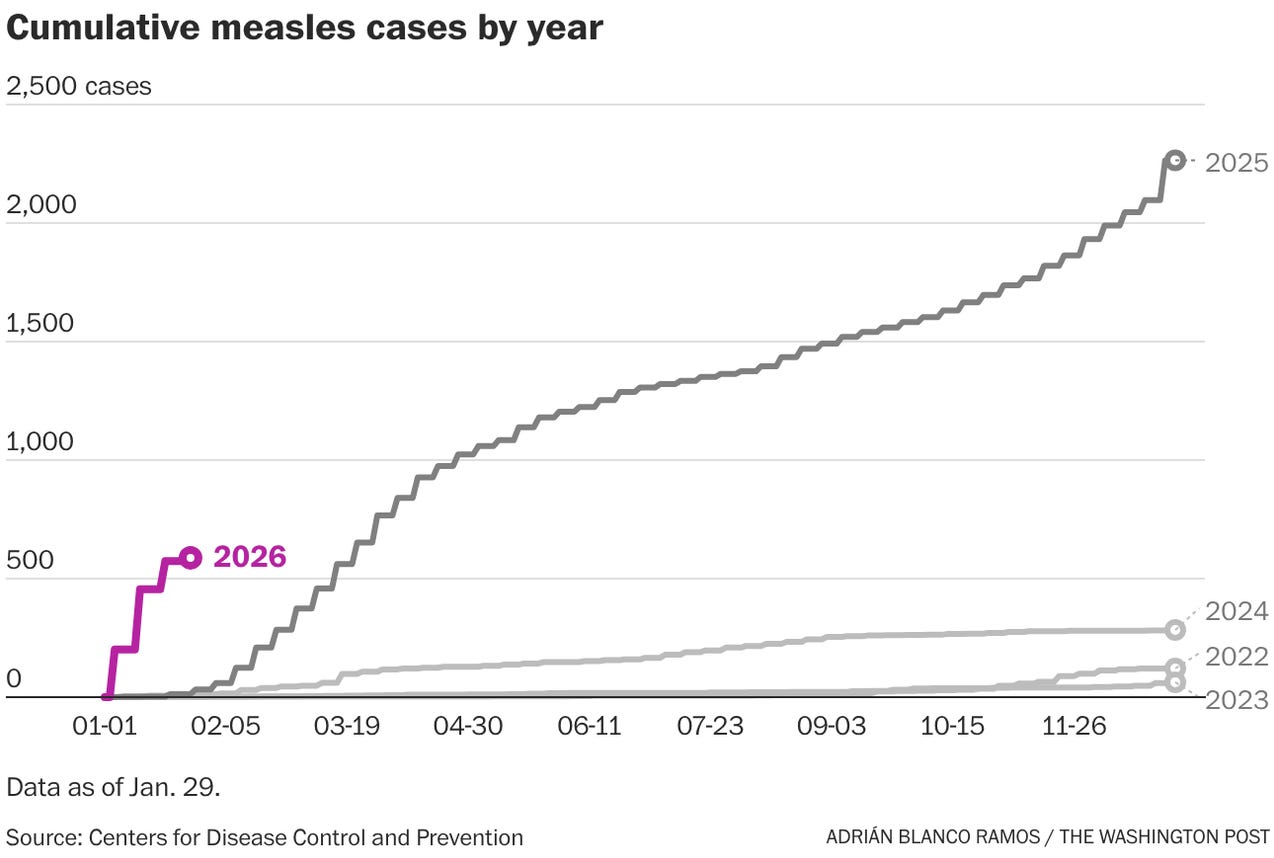
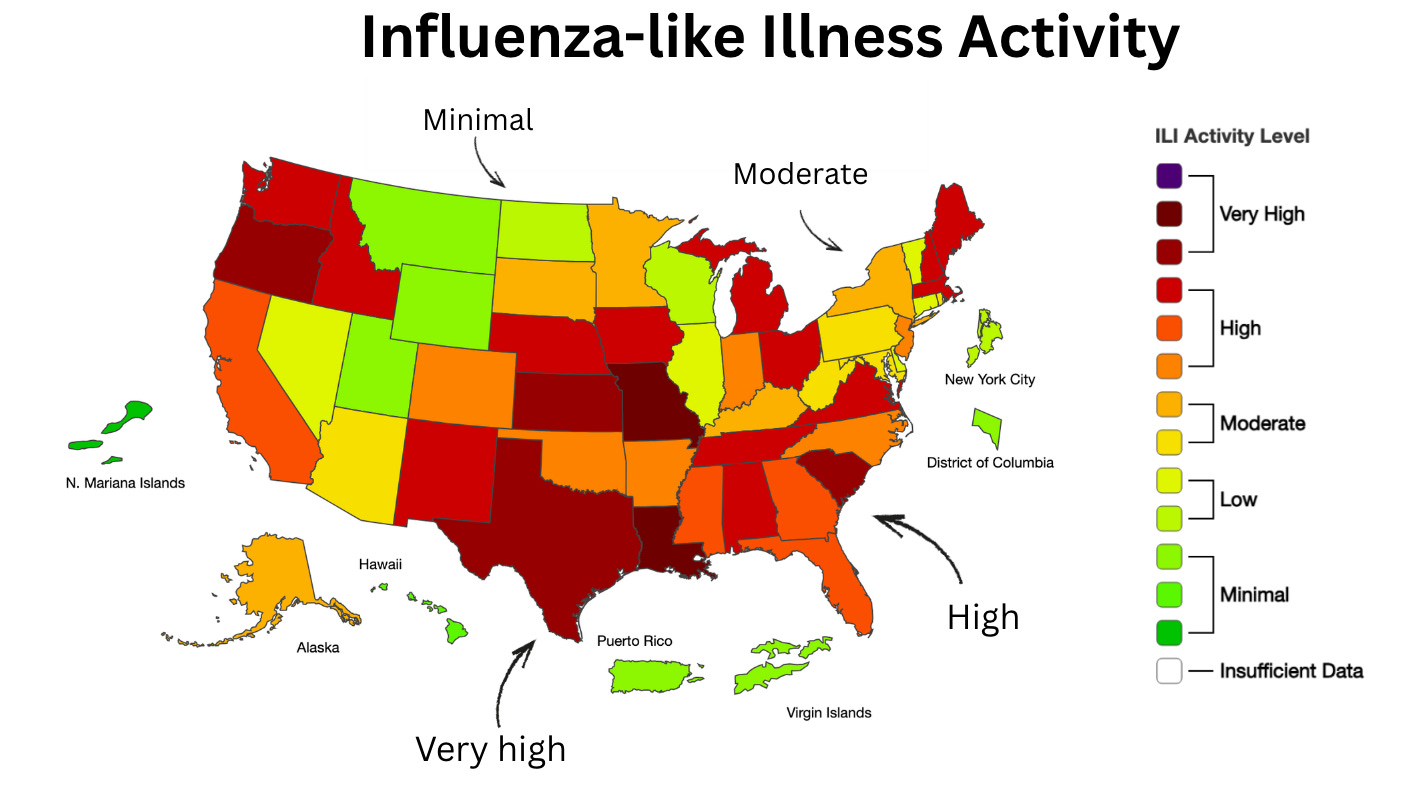
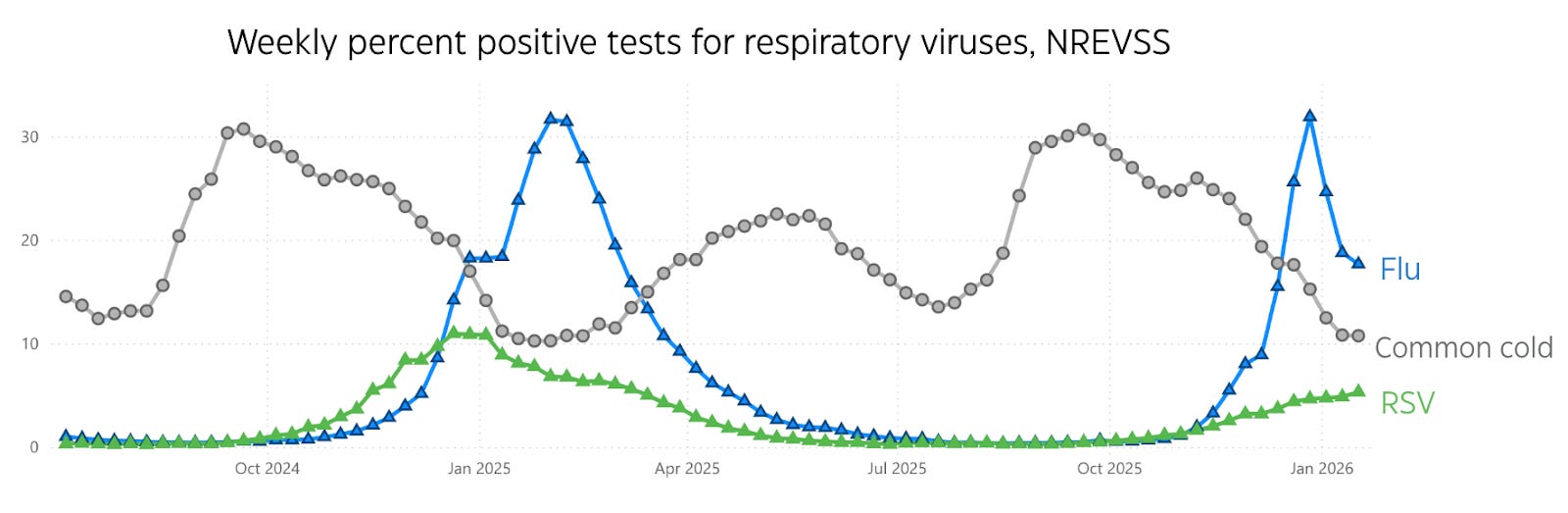




No comments:
Post a Comment