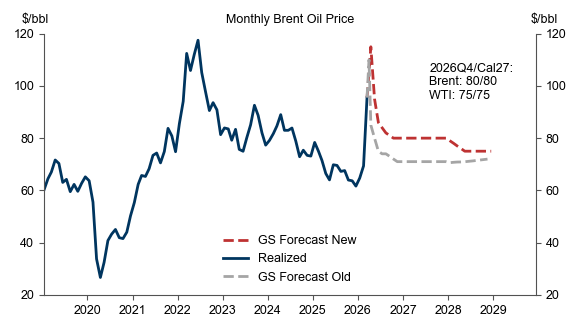
Fed Vice Chair Jefferson, Others Call For Stand Pat Rate Stance Amid War Worries — – Just over a week after the Federal Reserve’s policymaking Federal Open Market Committee left short-term interest rates unchanged, majority thinking on the course of monetary policy is little changed, judging from Fed policymakers’ recent comments. Fed Vice Chairman Phillip Jefferson and other members of the Fed Board of Governors emphasized the inflationary implications of the war with Iran and the related spike in oil and gas prices Thursday evening. All of the officials echoed the FOMC’s assertion about the increased uncertainty which that war has caused. A notable exception to the consensus on leaving monetary policy on hold has been Gov. Stephen Miran, who continues to argue for additional rate cuts, though not as aggressively as before. Jefferson said the war poses both upside risks to inflation and downside risks to employment, but he echoed Fed Chairman Jerome Powell in saying monetary policy is “well positioned” to respond to economic developments. Earlier Thursday, Governor Lisa Cook said the war has tilted the balance of risks “more to inflation,” although she said a “precarious” risk to employment also bears close watching. And Gov. Michael Barr said the Fed needs to be “especially vigilant” to prevent oil price pressures from unhinging inflation expectations and said it should “take some time” to assess the economic impact of the war. And he said the current policy stance puts the Fed “in a good place to hold steady” while it does that. The comments come just over a week after the FOMC voted to leave the short-term interest rates it controls unchanged for the second straight meeting amid heightened uncertainty about how the war against Iran and related oil market disruptions will affect the U.S. economy. After cutting the federal funds rate by 75 basis points in the final three meetings of 2025 and 175 basis points since September 2024, the FOMC left the funds rate unchanged in a target range of 3.50-3.75% (a median 3.6%) last Wednesday. Miran dissented in favor of an immediate 25 basis point rate cut. In their revised Summary of Economic Projections, the 19 FOMC participants projected a single 25 basis point rate cut by the end of 2026, taking the funds rate down to a target range of 3.25% to 3.50% (a median 3.4%) — the same as in the Dec. 10 SEP. The FOMC revised its policy statement, which had previously alluded to “elevated” uncertainty about the economic outlook, to add that “the implications of developments in the Middle East on the economy are uncertain.” T Powell reinforced that point in his post-FOMC press conference and said “we just don’t know” how Middle East developments will evolve. Therefore, he said, the FOMC’s best course is to “wait and see” whether it should change its “moderately restrictive” policy stance. A host of Fed officials weighed in on the policy implications of the war Thursday, led by Jefferson, who said he “confront(s) an outlook where there is downside risk to the labor market and upside risk to inflation.” “While that is a potentially challenging situation, I am confident that our current policy stance is well positioned to respond to a range of outcomes,” he said at a Dallas Federal Reserve Bank event hosted by its President Lorie Logan. Although the FOMC left the funds rate unchanged last Wednesday with his support, Jefferson said the previous 175 basis points of funds rate reductions had ‘.put the rate broadly in the range of neutral while maintaining a balanced approach to promoting our dual-mandate objectives.” He said “the current policy stance should continue to support the labor market while allowing inflation to resume its decline toward our 2% target as the effects of tariff pass-through are completed. Looking ahead, I believe that the current policy stance leaves us well positioned to determine the extent and timing of additional adjustments to our policy rate based on the incoming data, the evolving outlook, and the balance of risks in a timely manner.” Jefferson said “uncertainty about the economy is elevated, and the rise in energy prices and the conflict in the Middle East add to that uncertainty,” but he added that he still “sees our current policy stance as appropriately positioned to allow us to assess how the economy evolves.” Despite the war, Jefferson said he “see(s) the U.S. economy continuing to grow, led by resilient consumers and healthy business investment.” But he said “the ongoing uncertainty over tariff policy and the recent jump in energy prices, however, complicates, at least in the short term, the picture on both sides of our dual mandate of maximum employment and price stability.” Although he still sees the economy “expanding at a similar or slightly faster rate than last year,” he said “there are also significant headwinds to consider.” “If elevated energy costs persist, they can weigh on consumer and business spending,” Jefferson said. “The potential for an extended conflict in the Middle East adds considerable uncertainty to the global economic outlook.” While calling the labor market “roughly in balance” and forecasting the unemployment rate will stay near 4.4%, Jefferson said, “The risks to my labor market forecast, however, are skewed to the downside.” Meanwhile, he said “progress on disinflation has stalled” above the Fed’s 2% target, and he said the war has added “upside risk” to inflation. “It has been my expectation that the disinflationary process would resume once higher tariffs are no longer pushing up consumer prices,” Jefferson said. “The ongoing trade policy uncertainty and geopolitical tensions, however, pose upside risk to my inflation forecast. At least in the short term I expect overall inflation to move higher, reflecting a rise in energy prices stemming from the conflict in the Middle East.” In response to a question, Jefferson said the dollar’s appreciation since the war began “actually helps us on the inflation front.” Cook left no doubt that she too thinks the FOMC must continue to focus primarily on containing inflation in wake of the war in a speech and discussion at Yale University late Thursday afternoon. She confined most of her comments to financial stability issues in remarks, but when asked about how she sees the Fed’s “balance of risks,” she replied, “I see the balance of risks as being largely, on net, in balance. But I would argue that the inflation risk is greater right now as a result of the Iran war.” Cook, whom President Trump has attempted to fire for alleged mortgage fraud, noted that, even before the outbreak of war, “we haven’t seen in five years our inflation target being met.” “So, if that’s the case, and this (war) could have potentially a substantial effect on inflation, and before we were on this disinflationary trajectory, even with excluding tariffs we were close to the vicinity of the target, but certainly tariffs have taken us away from that and now this (war) is added on,” she continued. “So we could be at this much longer than we anticipated,” Cook added. “So, I think right now the balance of risks has shifted more to inflation.” Turning to labor market risks, she said, “I see it as being in balance but precariously so.” In the current “low fire environment” with immigration curbed, “this is a lower equilibrium than we’ve had before in recent years,” said Cook, adding this is “especially tough on young people looking for their first job.” Labor market softness is “something that we’re watching really very carefully,” she said, “but I think the Iran war has put the balance of my concerns about risks to the dual mandate more towards inflation.” Also Thursday evening, Barr took a firm stance against resuming rate reductions for the foreseeable future. “Given the considerable uncertainty about the potential effects of developments in the Middle East on our economy, as well as the other factors I mentioned, it makes sense to take some time to assess conditions,” he told the Brookings Institution. “Our current policy stance puts us in a good place to hold steady while we evaluate incoming data, the evolving forecast, and the balance of risks.”Before the war caused oil to jump to nearly $120 per barrel, Barr said the economy had been growing “at a solid pace,” but he said the outlook has now been clouded, and different scenarios have become possible. “If the conflict were to end soon, it is possible its effects on inflation and economic activity could be limited,” he said. “But if it continues for some time, the spike in energy prices and other commodities could have broader implications for both prices and economic activity.” “We have had five years now of inflation at elevated levels, and near-term inflation expectations have risen again, so I am particularly concerned that yet another price shock could increase longer-term inflation expectations,” Barr went on, adding, “We need to be especially vigilant. Uncertainty about how these developments will unfold is just one of the reasons why I thought it necessary to hold policy steady at least week’s FOMC meeting.” Miran devoted his Thursday evening speech to the Economic Club of Miami to one of his favorite themes – reducing the size of the Fed’s balance sheet, saying it could be reduced by $1-$2 trillion if certain regulatory and operational changes were made. “All else equal, reducing the balance sheet has contractionary effects for the economy,” he said. “Contractionary economic effects of balance sheet reduction can be offset with a lower federal funds rate, so long as we are not at the effective lower bound. It is therefore likely that a resumption of balance sheet reduction warrants additional reductions in the federal funds rate relative to baseline projections.” Although he didn’t address more near-term monetary policy, Miran had said on Monday that he still thinks the FOMC needs to cut rates.
Fed Govs. express concern about Iran war-driven inflation -Three members of the Federal Reserve's rate-setting committee said Thursday that inflation risks are rising due to the ongoing war in Iran.
- Key insight: Fed Gov. Lisa Cook, Gov. Michael Barr and Vice Chair Philip Jefferson said in separate appearances Thursday that uncertainty over tariffs and geopolitical tensions is shifting the balance of risks toward combating a rise in inflation.
- Expert quote: "The ongoing trade policy uncertainty and geopolitical tensions … pose upside risk to my inflation forecast." — Fed Vice Chair Philip Jefferson.
- Look ahead: The officials' views come as the Organization for Economically Developed Countries Thursday raised its forecast for inflation in 2026 and as economists are scaling back expectations for rate cuts in 2026.
In three separate appearances Thursday, Fed Gov. Lisa Cook, Gov. Michael Barr and Vice Chair Philip Jefferson said they are worried that U.S. involvement in the war with Iran could drive up inflation, leading them to conclude that interest rates should remain steady in the near term.
Iran war-fed inflation is taking rate cuts off the table — Geopolitical pressures emanating from the ongoing war with Iran are clouding the Federal Reserve's already-murky monetary policy outlook, leading some former central bank officials to predict that interest rates will remain where they are into the foreseeable future.Two former members of the Federal Open Market Committee said in interviews that they expect the Federal Reserve to keep rates steady amid uncertainty over the ongoing war with Iran and the resulting upward pressure on inflation.
- Key insight: Patrick Harker, former president of the Federal Reserve Bank of Philadelphia, and Loretta Mester, former president of the Federal Reserve Bank of Cleveland, predict the Fed will keep its federal funds target range unchanged for the foreseeable future amid rising energy-driven inflation and concerns that expectations of higher prices will become entrenched.
- Expert quote: "There's a lot of uncertainty, and it will depend on how long this war lasts." — Patrick Harker, former president of the Federal Reserve Bank of Philadelphia
- Look ahead: How long the war with Iran lasts will be a key determining factor in how significant and enduring its effects on global energy prices — and, by extension, prices for food and transportation — will affect the global economy.
Markets see Fed's next move as potential rate hike as oil prices, inflation fears rise -- Surging energy prices, rising import costs and mounting stagflation concerns are pushing markets to consider that the Federal Reserve’s next move could be a rate hike.Traders in the futures market pushed the probability of a rate increase by the end of 2026 to 52% on Friday morning, the first time it has crossed the 50% threshold, according to the CME Group FedWatch tool. The move comes as global benchmark crude prices topped $110, adding to a series of developments this week signaling that inflation pressures may be building as the Iran war drags on and U.S. tariffs raise costs.Adding to the inflation concerns, the Bureau of Labor Statistics reported Wednesday that import prices jumped 1.3% in February, the largest monthly increase since March 2022, while export prices rose 1.5%, the biggest gain since May 2022.At the same time, the Organization for Economic Cooperation and Development sharply raised its forecast for U.S. inflation this year. The global forecasting agency estimates headline prices to rise at a 4.2% rate, far above its prior forecast and well above Fed expectations for 2.7%. The concerns about inflation come at the same time as Wall Street economists have boosted probabilities for a recession in the next 12 months.Moody’s Analytics sees the chances for a downturn near 50%, Goldman Sachs raised its forecast this week to 30%, and firms such as EY Parthenon and Wilmington Trust are putting odds at 40% or greater.The chances for both elevated inflation and an economic pullback place the Fed’s dual goals of low inflation and full employment further into tension. Central bank officials at their March meeting indicated a consensus view of one rate cut this year, but market pricing, while far from a lock for an increase, points to no chance of a reduction. However, in a speech Thursday, Federal Open Market Committee Vice Chair Philip Jefferson indicated that the recent developments are not necessarily an impetus to raise rates.Instead he noted that uncertainty over tariffs and the jump in oil prices “complicates, at least in the short term, the picture on both sides of our dual mandate of maximum employment and price stability” meaning “downside risk to the labor market and upside risk to inflation.”“While that is a potentially challenging situation, I am confident that our current policy stance is well positioned to respond to a range of outcomes,” Jefferson added.
Fed's Miran makes case for small balance sheet - Federal Reserve Gov. Stephen Miran on Thursday detailed a plan to reduce the central bank's balance sheet, saying a smaller footprint would reinforce policy boundaries but could also bring more market volatility. Miran said he sees significant upside in reducing the central bank's balance sheet, though he cautioned the process will not be quick.
- Key insight: Federal Reserve Gov. Stephen Miran said the central bank should aim to reduce its balance sheet as much as possible so that markets can set prices and allocate money without government intervention.
- Expert quote: "We should aim for as small a footprint in markets as possible to minimize government-induced distortions, including funding market disintermediation." — Federal Reserve Gov. Stephen Miran.
- Look ahead: The issue of shrinking the Fed's balance sheet could take on greater importance after Fed Chair-designate Kevin Warsh is confirmed to lead the central bank.
Fed’s Operating Losses Declined to $19 Billion in 2025, “Unrealized Losses” Declined to $844 Billion -by Wolf Richter - The Fed disclosed in its audited annual financial report today that its results in 2025 were less atrocious than in 2024, which had been less atrocious than peak-atrociousness in 2023 when the hangover from its prior monetary policies of ultra-low interest rates and QE had set in.This is the consolidated report of the Federal Reserve System consisting of the Federal Reserve Board of Governors – a self-funded federal agency whose governors and chair are nominated by the President and confirmed by the Senate – and the 12 regional Federal Reserve Banks, such as the New York Fed, the San Francisco Fed, the Boston Fed, the Dallas Fed, etc., which are private companies whose shares are held by the largest financial institutions in their districts. The financial report was audited by KPMG.Today, the Fed disclosed two types of losses:
- An operating loss of $18.7 billion, compared to operating losses of $77.6 billion 2024, and $114 billion in 2023 (red columns in the chart).
- Cumulative “unrealized losses” of $844 billion at the end of 2025, an improvement from the $1.06 trillion at the end of 2024, on its holdings of Treasury securities and MBS.
The Fed creates its own money and therefore cannot become insolvent. But these losses matter to the Treasury Department – and the taxpayer.The Fed has to remit nearly all of its operating income to the Treasury Department (similar to a 100% income tax). From 2008 through September 2022, the Fed remitted $1.36 trillion (blue columns in the chart above). At Treasury, these funds became part of the tax receipts. Those remittances stopped with operating losses in September 2022. The Fed’s income:
- $155.3 billion interest income from its securities portfolio: $106.6 billion from Treasury securities and $48.0 billion from MBS, mostly purchased before 2022. The Fed’s QT reduced its holdings by $2.4 trillion from peak-balance-sheet in mid-2022.
- $3.1 billion in other income, including: $1.6 billion in “foreign currency translation gains”; $0.5 billion from services it provides to banks; and $0.9 billion from “reimbursable services” it provides to government agencies.
The Fed’s interest expenses: $167.4 billion, of which:
- $147.7 billion paid to banks on their Reserve Balances (cash they deposited in their accounts at the Fed, just under $3 trillion at the end of 2025)
- $19.7 billion paid to its counterparties, mostly money market funds, on their overnight reverse repurchase agreements (ON RRP) balances at the Fed, which dwindled to near $0 in 2025.
The interest rate that the Fed pays on reserve balances and the interest rate that the Fed pays ON RRPs are part of the Fed’s five policy rates, respectively 3.65% and 3.50% since the last rate cut in December.The Fed started hiking its policy rates in March 2022, and on a quarterly basis started booking operating losses in Q4 2022, after years of huge gains. And these rate hikes continued through mid-2023, so its interest expenses ballooned with the rate hikes. In September 2024, the Fed started cutting its interest rates, and its interest expenses began to decline.At the same time, the Fed began unwinding part of its Treasury and MBS holdings under its QT program. This liquidity drain had the effect of reducing reserve balances and ON RRPs. By the end of 2024, ON RRP balances were near $0, having dropped by over $2 trillion from their peak in 2021. By the end of 2025, reserve balances had fallen just below $3 trillion. And so the dollar amounts the Fed was paying interest on got smaller.The rate cuts combined with the reduction in ON RRPs and reserve balances reduced the Fed’s interest expense to $167.4 billion in 2025, from the peak of $281 billion in 2023.
The Fed’s operating expenses: $9.8 billion, of which:
- $4.4 billion in salaries at the Federal Reserve Board of Governors and the 12 regional Federal Reserve Banks. By comparison: JP Morgan Chase compensation expenses: $54.5 billion. Truist Financial, a much smaller regional bank: $2.2 billion.
- $2.7 billion in operating expenses of the Federal Reserve Board of Governors including printing and managing the Federal Reserve Notes (the paper dollars)
- Smaller expense items include: $577 million for pension service costs; $352 million for occupancy; $286 million for equipment; $245 million for the Consumer Financial Protection Bureau, which is funded by the Fed.
The “unrealized losses”: $844 billion.The Fed’s cumulative “unrealized losses” on its holdings of Treasury securities and MBS declined to $844 billion at the end of 2025, from $1.06 trillion at the end of 2024, and from $948 billion at the end of 2023.Unrealized losses represent the theoretical losses the Fed would have incurred if it had sold all its $6.47 trillion in securities at market prices on December 31, 2025.These cumulative unrealized losses are the difference between the securities’ amortized cost (which will be equal to face value by the time the security matures) and their market value at the end of the year:
- Securities at amortized cost: $6.47 trillion ($4.39 trillion of Treasuries, $2.08 trillion of MBS)
- Market value at year-end: $5.63 trillion
- Cumulative unrealized loss: $844 billion.
Status of US Dollar as Global Reserve Currency: USD Share Drops to 31-Year Low as Central Banks Diversify into Other Currencies & Gold -by Wolf Richter - Foreign central banks have not been dumping US-dollar-denominated assets. But they’ve been loading up on assets in other currencies, and their total holdings of foreign exchange reserves have ballooned, while their USD-assets have remained nearly flat for over 10 years. So the share of USD-denominated exchange reserves dropped to 56.8% of total foreign exchange reserves in Q4, the lowest since 1994, according to the IMF’s data on Currency Composition of Official Foreign Exchange Reserves, released on Friday.It has been zigzagging down toward the 50% line for years. It does have consequences. And it has been there before.USD-denominated foreign exchange reserves are US securities held by central banks other than the Fed. They include US Treasury securities, US mortgage-backed securities (MBS), US agency securities, US corporate bonds, and other USD-denominated assets. After a long plunge from a peak share in 1977, the dollar’s share broke through the 50%-line in 1990 and dropped further in 1991. This period from the mid-1970s through 1991 was accompanied by waves of sky-high inflation and interest rates, four recessions, including the nasty Double-Dip recession, and high unemployment. And other central banks lost confidence in the US dollar.But then the economy picked up, inflation calmed, the Dotcom Bubble began to perform miracles on a daily basis, confidence returned, and USD denominated assets became desirable again.Enter the euro. European politicians were talking about “parity” with the dollar until the Euro Debt Crisis began in 2009. Since then, the euro lost share and then stalled, as central banks diversified into other currencies, and since 2021, into dozens of smaller “non-traditional reserve currencies,” as the IMF calls them. Throughout, the dollar’s share zigzagged down toward the 50% line.Since 2013, foreign central banks have roughly maintained their holdings of USD-denominated assets. In Q4 2025, their holdings of $7.46 trillion of US securities were up just a hair from 2014, but below 2020 and 2021. What has caused the share of USD assets to decline over these years was the surge of assets denominated in dozens of other smaller currencies. When foreign central banks buy US Treasury securities and other US securities, they in essence provide some of the funding for the huge twin deficits the US has: the trade deficit and the federal budget deficit. Being the top dog in terms of securities that other central banks buy – having the dominant reserve currency – has enabled the US to run those twin deficits for decades.This path is obviously not permanently sustainable. And the “twin deficits” need to be brought down substantially before something goes off the rails, such as a surge of inflation and much higher bond yields, and all the issues that come with it. Central banks’ combined holdings of foreign exchange reserves in all currencies, and expressed in USD, rose to $13.14 trillion in Q3.Excluded are any central bank’s assets denominated in its own currency, such as the Fed’s Treasury securities or the ECB’s euro-denominated securities. Top holdings, expressed in USD:
- USD assets: $7.46 trillion
- Euro assets (EUR): $2.66 trillion
- Yen assets (YEN): $0.76 trillion
- British pound assets (GBP): $0.58 trillion
- Canadian dollar assets (CAD): $0.33 trillion
- Australian dollar assets (AUD): $0.27 trillion
- Chinese renminbi (RMB) assets: $0.26 trillion
Iran targeting buyers of US Treasury bonds: Parliament speaker - Mohammad Bagher Ghalibaf, the speaker of the Iranian parliament, on Sunday warned that his country will target buyers of U.S. Treasury bonds. “In addition to military bases, those financial institutions that fund the U.S. military budget are considered legitimate targets,” he wrote on the social platform X. “U.S. Treasury bonds are tainted with the blood of Iranians. “If you proceed to purchase them, you are in fact attacking your own assets and primary headquarters. We are monitoring your investment portfolios.”As of January, the countries holding the most American bonds are Japan, the United Kingdom, China, Belgium and Luxembourg, according to the Treasury Department. In the Middle East, countries with more than $100 billion in bonds include Saudi Arabia, Israel, and the United Arab Emirates. Axios reported Monday, citing an Israeli official, that U.S. envoys Steve Witkoff and Jared Kushner were in touch with Ghalibaf, the parliament speaker since 2020. President Trump also said Monday that he is not in contact with the new Iranian Supreme Leader, Mojtaba Khamenei, but noted that Witkoff and Kushner spoke with their Iranian counterparts on Sunday.“We’re dealing with a man who I believe is the most respected and the leader,” Trump told reporters in Palm Beach, Fla. Earlier Monday, the president said U.S. strikes on Iranian energy infrastructure would halt for five days after “very good” and “productive conversations” regarding an end to the conflict with Iran. But Ghalibaf on Monday denied that negotiations between the U.S. and Iran are taking place, writing on X that “fakenews is used to manipulate the financial and oil markets and escape the quagmire in which the US and Israel are trapped.” Oil prices fell and stocks surged on Monday after the president announced a five-day pause.
Terrible 5Y Auction: Worst Bid To Cover In 4 Years, Highest Tail Since 2024, Dealers Jump - Another day, another very ugly auction. After yesterday's appallingly bad 2Y auction, moments ago the Treasury sold $70BN in 5Y paper in what was another terrible auction. Just after 1pm, the auction stopped at a high yield of 3.966%, up from 3.608% in February and the highest since May 2025. It also tailed the When Issued 3.966% by 1.4bps, the biggest tail since Oct 2024. The bid to cover was 2.29, down from 2.32 last month and the lowest since Sept 2022. The weak demand picture was also seen in the internals, where Indirects dropped to 61.9% from 62.5%, but was above the recent average of 61.7%. Like yesterday, Directs dropped - if to a lesser extent - taking down 22.48% of the auction, down from 24.70% and the lowest since May 2025. Dealers were left to cover the balance, taking 15.6%, the most since May 2024. Overall, this was another very ugly auction, if slightly better than yesterday's dismal sale of 2Y paper. Still, that is hardly a endorsement at a time when the US is about to see a surge in war-related deficit funding demands.
State Department warns US travelers of Iran conflict impact - The U.S. government has issued a “worldwide caution” alert for American travelers, with the conflict against Iran nearing the one-month mark.“The Department of State advises Americans worldwide, and especially in the Middle East, to exercise increased caution. Americans abroad should follow the guidance in security alerts issued by the nearest U.S. embassy or consulate,” the State Department said in a security alert Sunday. “Periodic airspace closures may cause travel disruptions. U.S. diplomatic facilities, including outside the Middle East, have been targeted,” the department added.The State Department said earlier this month that over 43,000 Americans had safely come back from the Middle East since the U.S. and Israel started striking Iran late last month. Last week, the department directed all of its U.S. embassies and consular posts throughout the world to “immediately” evaluate their security operations in the wake of retaliatory attacks on embassies in the Middle East, per multiple outlets. NBC News reported that cables from Undersecretary of Management Jason Evans pushed embassies to go through with the evaluations because of the “the ongoing and developing situation in the Middle East and the potential for spillover effects.”On Monday, President Trump said U.S. strikes on Iranian energy infrastructure would stop for five days following “very good” and “productive” talks with Iranian leaders.Israeli Prime Minister Benjamin Netanyahu explained Monday that Trump saw an opportunity for a deal with Iran as the U.S.-Israeli conflict with the Middle Eastern country raged on.
Trump Administration Issues Waiver To Permit Iranian Oil Sales for 30 Days - The Trump administration has issued a sanctions waiver allowing the purchase of Iranian oil for 30 days without the threat of US economic penalties, as it scrambles to address oil and gas prices that have been driven up as a result of the US and Israel launching a war against Iran. “Today, the Department of the Treasury is issuing a narrowly tailored, short-term authorization permitting the sale of Iranian oil currently stranded at sea,” Treasury Secretary Scott Bessent wrote on X. “At present, sanctioned Iranian oil is being hoarded by China on the cheap. By temporarily unlocking this existing supply for the world, the United States will quickly bring approximately 140 million barrels of oil to global markets, expanding the amount of worldwide energy and helping to relieve the temporary pressures on supply caused by Iran,” he added. For its part, Iran denied the idea that it had oil “stranded at sea” and suggested the US waiver was meant to manipulate the global oil market. “Iran currently has no crude oil left on the water and no surplus intended for other international markets,” said Saman Ghodousi, spokesman for Iran’s petroleum ministry. “The US Treasury Secretary’s remarks are simply aimed at reassuring buyers and influencing market sentiment.” Bessent said that the US was “using the Iranian barrels against Tehran to keep the price down as we continue Operation Epic Fury,” but it’s unclear how allowing Iranian oil to be sold to more countries will hurt Iran, which has continued to export oil as it has taken control of the Strait of Hormuz. Bessent did suggest that Iran wouldn’t be able to access funds used to purchase Iranian oil under the sanctions waiver, saying Tehran will “have difficulty accessing any revenue generated and the United States will continue to maintain maximum pressure on Iran and its ability to access the international financial system.”
Thousands More Marines Headed To Middle East as Trump Considers Ground Operations in Iran - The US is deploying thousands of additional Marines to the Middle East amid reports that President Trump is considering launching ground operations in Iran as the US-Israeli war against the Islamic Republic continues to escalate. US officials told Reuters on Friday that the 11th Marine Expeditionary Unit (MEU), which consists of about 2,200 Marines, left California and is heading to the region aboard the USS Boxer, an amphibious assault ship. The Boxer’s Amphibious Ready Group consists of two other warships, the USS Comstock and the USS Portland, which are expected to join the deployment. The 11th MEU will join the 31st MEU, which is still on its way to the Middle East, giving the US a significant amphibious force to launch attacks on Iran’s Persian Gulf islands. However, it’s unlikely that any US warships could make it through the Strait of Hormuz without coming under significant missile and drone attacks.Options the Trump administration is considering include capturing Kharg Island, through which most of Iran’s oil exports travel, though the island is deep inside the Persian Gulf. Other potential operations include attempting to seize control of Iranian ports, oil facilities, or conducting a raid to capture Iran’s stockpile of uranium enriched at 60%, though it’s likely buried under rubble.CBS News reported on Friday that Pentagon officials have made detailed preparations for deploying US ground forces into Iran. Preparations have included meetings to discuss how to handle the potential detention of Iranian soldiers.Since launching the war on February 28, President Trump has refused to rule out the idea of putting “boots on the ground.” When asked about the possibility, Trump said on Friday, “No, I’m not putting troops anywhere. If I were, I certainly wouldn’t tell you.”
Lindsey Graham on Iran's Kharg Island: 'We Did Iwo Jima. We Can Do This.' - Sen. Lindsey Graham (R-SC) on Sunday called for the US to capture Iran’s Kharg Island, where most of the country’s oil exports pass, comparing the potential operation to the Battle of Iwo Jima in World War II. “Here’s what I’d tell President Trump: Keep it up for a few more weeks, take Kharg Island … control that island. Let this regime die on the vine,” Graham said in an appearance on Fox News. When pressed on the fact that US troops involved in the operation would face significant missile and drone attacks, Graham said, “I’m sort of tired of all this armchair quarterbacking. This has been an amazing military operation — God bless the fallen.” The South Carolina senator said that he “trusted the Marines” and noted that two Marine Expeditionary Units are heading to the region. “We did Iwo Jima. We can do this,” Graham said. “My money is always on the Marines. I don’t know if you take the island or you blockade the island, but I know this: the day we control that island, this regime, this terrorist regime, will die on the vine.” The Battle of Iwo Jima is known as one of the most brutal battles in World War II, involving US troops, and resulted in about 26,000 US casualties, including more than 6,000 deaths. On the Japanese side, more than 18,000 defenders of the island were killed. Graham’s comments come after NBC News reported that President Trump is considering whether to send thousands of troops into Iran for potential operations aimed at opening up the Strait of Hormuz. The report said ground operations could involve attempts to seize control of Iranian ports, small islands, or oil infrastructure. Another option being considered is launching a raid to capture Iran’s stockpile of uranium that’s enriched at the 60% level, though it’s believed to be buried under rubble following the June 2025 US airstrikes on Iran’s nuclear facilities.
NYT: Pentagon Considers Deploying 82nd Airborne Troops for Potential Attack on Iran's Kharg Island - US military officials are considering deploying a combat brigade from the Army’s 82nd Airborne Division to the Middle East to support the war with Iran and potentially take part in an operation aimed at seizing control of Iran’s Kharg Island, The New York Times reported on Monday. The troops would come from the 82nd Airborne’s “Immediate Response Force,” a brigade of about 3,000 soldiers that can deploy anywhere in the world. Officials speaking to the Times said that while planning was underway, there has been no order from the Pentagon to deploy troops to the region so far. The report said that the 3,000 Airborne troops could be used to seize the island, or the US could opt to use about 2,500 Marines from the 31st Marine Expeditionary Unit, who are already en route to the region, for the operation. A second MEU is also reportedly being deployed to the Middle East.One issue with using the Marines is that they’re traveling on warships and would sustain significant Iranian missile and drone fire when attempting to cross the Strait of Hormuz and reach Kharg Island, which is deep inside the Persian Gulf.Former US commanders told the Times that recent US airstrikes damaged an airfield on Kharg Island, making it more likely to first bring in Marines, whose combat engineers could quickly repair airfields and other airport infrastructure, and then augment the Marines with the 82nd Airborne troops.The Trump administration does appear to be seriously considering an operation to take Kharg Island, which would mark a major escalation of the war and could lead to significant US casualties. If US forces successfully capture the island, it will be difficult to hold under a heavy barrage of Iranian missiles and drones.
Iran War: Trump Issues 48 Hour Unhinged Ultimatum to Iran; Iran Vows Mass Destruction Countermeasures; Israel Takes Hit to Dimona Area, Other Blows After Second Firing on Iran Nuclear Reactor Site ; More Warnings of Deep Damage from Strait of Hormuz Closure, LNG Reduction Effects by Yves Smith - Donald Trump is coming apart. He may have finally realized that he has no good options but is reverting to his bad habit of domination and attempting to create new options when he has none, thanks both to his epic miscalculation of Iran’s capabilities and his over-estimation of American military prowess. First to the state of play. Trump issued two unhinged tweets1 in a short time succession: As of the time of writing, Tasnim News’ latest article is Source Rejects Reports about Iran’s Evacuation Warning for Doha . There is no story yet on an IRCG statement at Press TV or tweet from an Iranian official source on Twitter. However, even if there is nothing yet in Iran’s English venues, there are enough reports of a strong Iran rejection of Trump’s demand to say it has occurred…..aside from the fact that it would be entirely in character. Note that this threatened monster jump up the escalation ladder comes shortly after the US was trying to sell the idea that it was well on the way to prying open the Strait of Hormuz. This “degradation” claim was the lead headline in both the BBC and Bloomberg live feeds. From Bloomberg in US Says Iran Threat to Hormuz Degraded After Facility Destroyed: The US said Iran’s ability to threaten marine traffic on the Strait of Hormuz has been “degraded” after it took out a facility along the Iranian coastline earlier this week.The US military dropped several 5,000-pound bombs on an underground facility located along Iran’s coastline, according to Admiral Brad Cooper, the head of US Central Command. The facility was used to store equipment, including anti-ship cruise missiles and mobile missile launchers, he said.“Iran’s ability to threaten freedom of navigation in and around the Strait of Hormuz is degraded as a result and we will not stop pursuing these targets,” Cooper said in a video posted on X. He said the military also destroyed Iranian intelligence support sites and missile radar relays used to monitor ship movements.` A fine hot take on Trump’s visible derangement and its implications from Daniel Davis:However, he calls for the use of the 25th Amendment, which is operationally not possible fast enough even if there were the political will, which seems vanishingly unlikely unless Trump’s Cabinet was already considering that move based and waiting for Trump to cross a further America-destroying red line.The one thing that might arrest Trump is if, contrary to form, he does not act in advance of his self-declared deadline of 7:44 PM EDT on Monday. An epic market meltdown on Monday might check him. If investors are rational, they should run for exits. However, given that Iran has flatly rejected his demand and described their countermeaures, Trump may decide to move before markets open in the US.A second possibility is that US business leaders will describe the considerable downside to Trump on Sunday, as the Gulf states seem certain to do as well. We said before that Trump could blame a climb-down on Middle East energy nations. Will he do so now?This lashing out is likely the result of military officials finally getting through to Trump that any of his hoped-for special forces jujitsus are almost certain to result in high-profile disasters, be it trying to take Kharg Island or some small islands near the Strait of Hormuz or attempting to remove Iran’s enriched uranium. And even if any of these stunt were miraculously to succeed, they would not produce what Trump needs most, the opening of the Strait of Hormuz.However, the financial press is bizarrely playing down the Trump threat to set off events which are sure to end the world economy as we know it. Since the start of the Iran war, big banner headlines been the norm at Bloomberg. Have they been told not to further spook investors? The landing page at 7:45 AM EDT: Even worse, the Wall Street Journal is affirmatively downplaying the possible massive escalation. Admittedly, the Financial Times and BBC have not changed their formatting during the war and both give the Trump escalation pride of place. RT identified the Iranian power plants Trump threatened: Iran’s largest power plant – the gas-powered Damavand plant – is located near Pakdasht, southeast of Tehran. Other major facilities include the Shahid Abbaspour, Karun-3, and Masjed Soleyman hydroelectric dams in Khuzestan province, as well as the Kerman thermal power plant in Kerman province.Iran’s sole nuclear power plant is in Bushehr on the Persian Gulf coast. The International Atomic Energy Agency (IAEA) said earlier this week that a projectile struck a structure about 350 meters from the facility.Also keep in mind that other kinetic war developments have put the belligerents even more on the back foot. A second, hugely escalatory strike on the Nantaz nuclear plant came up short. Even if this was meant as a warning as opposed to a serious attempt, it’s wildly reckless. From Al Mayadeen in Iran’s Natanz nuclear facility again attacked by US, ‘Israel’: The Natanz enrichment complex in central Iran was targeted in a renewed US-Israeli attack on Saturday morning, according to Iranian authorities. The Shahid Ahmadi Roshan nuclear facility at Natanz was struck earlier today, March 21, marking another dangerous attack on a nuclear site in the ongoing US-Israeli war on Iran.The attack violates international law and obligations, including the Nuclear Non-Proliferation Treaty (NPT), as well as regulations related to nuclear safety and security.Following the strike, the country’s National Nuclear Safety System Center carried out technical assessments to evaluate the possibility of radioactive contamination at the site.Authorities confirmed that no radioactive materials were released, adding that existing safety measures, prior planning, and continuous monitoring systems ensured that no threat is posed to residents in the surrounding areas. Russian Foreign Ministry spokeswoman Maria Zakharova slammed the attack on the Natanz uranium enrichment facility in Iran as a blatant violation of international law. Iran retaliated promptly. From Middle East Eye: Iranian state television says a missile strike on Dimona, home to a nuclear facility in southern Israel, was a “response” to an earlier attack on its Natanz nuclear site.Iran’s atomic energy organisation said the “Natanz enrichment complex was targeted this morning”, adding there was “no leakage of radioactive materials reported”, according to local media.The Israeli army confirmed “a direct impact of an Iranian missile” on a building in the city that houses a nuclear research facility, AFP reported.Israeli media report that at least 39 people were injured, although officials have yet to provide a full breakdown of casualties.Dimona sits near one of the most sensitive locations in Irael: the Shimon Peres Negev Nuclear Research Center, long linked to Israel’s undeclared nuclear weapons programme. My spooky contact added: “Israel said it didn’t strike Natanz, US did. Iran dropped a half ton hypersonic missile on a shelter containing nuclear scientists from Dimona and they also hit the spent fuel store in Dimona.” This is consistent with an IRGC statement that it targeted “military facilities and security centers in Arad and Dimona” Israel may have lost an F-16 over Iran: This incident follows Iran damaging a supposedly stealthy F-35 and firing missiles that landed near Diego Garcia, showing its strike range is twice what was previously assumed. After the first version of this post went live, Irrational in comments flagged a report in Middle East Monitor, citing an interview on Aljazeera with a senior Iranian official, that Iran had denied that it shot that missile. Similarly, an informed contact opined: I don’t believe Iran targeted Diago Garcia. There is no evidence and Iran said they never did it. I think it’s a psyop so European ‘leaders’ can convince their populations that they’re in danger and they’ll have to go to fight Iran.However, even if the denial is accurate, it will still be hard to put that informational toothpaste back in the tube. My helper told me he had heard about the alleged Iranian shot at Diego Garcia on Thai TV. Reader Ann pointed out Israel’s chest-thumping response: Israel threatens a surge in attacks as Iran fires missiles farther than ever Israel’s defense minister threatened a surge in attacks against Iran on Saturday and Britain condemned Iran for targeting a joint U.K.-U.S. base in the Indian Ocean as the war in the Middle East entered its fourth week. This tweet provides additional detail on the kinetic state of play. I encourage you to click through and read it in full:
Iran Says It Will Completely Close Strait of Hormuz If US Bombs Iranian Power Plants - The Iranian military has warned that if the US or Israel bomb Iran’s power plants or other energy infrastructure, it will completely close the Strait of Hormuz and target similar infrastructure in Israel and regional countries hosting US bases. Lt. Col. Ebrahim Zolfaqari, spokesman for Iran’s Khatam al-Anbiya Central Headquarters, issued the warning in response to President Trump’s threat to destroy Iran’s power plants if Iran didn’t “fully open” the Strait of Hormuz within 48 hours. “If Iran doesn’t FULLY OPEN, WITHOUT THREAT, the Strait of Hormuz, within 48 HOURS from this exact point in time, the United States of America will hit and obliterate their various POWER PLANTS, STARTING WITH THE BIGGEST ONE FIRST!” Trump said on Truth Social in a post published at 7:44 pm EST on Saturday night. Zolfaqari said that Iran has “repeatedly declared that the Strait of Hormuz is closed only to the enemy and harmful passage and has not yet been closed completely and is under our smart control.” He added that “non-harmful transit continues under specific regulations which guarantee our security and interests.” But if Trump follows through on his threat, Zolfaqari said no ships will be allowed to transit the strait and that it will remain closed until Iran’s energy infrastructure is rebuilt. He said that Iran would also hit back and was prepared to “completely destroy all the US economic interests in the West Asia region.” Zolfaqari also suggested that Iran would target oil infrastructure in response as well. “Nothing can prevent us from proceeding with our operation to demolish energy and oil infrastructure and industry of the US and its allies in the region,” he said.
Trump Backs Off on Threat To Bomb Iran's Power Plants - President Trump has backed off on his threat to bomb Iran’s power plants if the Strait of Hormuz wasn’t “fully opened” by Monday night and claimed that Washington and Tehran had held talks over the past two days, which has been denied by Iranian officials.“I AM PLEASED TO REPORT THAT THE UNITED STATES OF AMERICA, AND THE COUNTRY OF IRAN, HAVE HAD, OVER THE LAST TWO DAYS, VERY GOOD AND PRODUCTIVE CONVERSATIONS REGARDING A COMPLETE AND TOTAL RESOLUTION OF OUR HOSTILITIES IN THE MIDDLE EAST,” Trump wrote on Truth Social. “BASED ON THE TENOR AND TONE OF THESE IN DEPTH, DETAILED, AND CONSTRUCTIVE CONVERSATIONS, WHICH WILL CONTINUE THROUGHOUT THE WEEK, I HAVE INSTRUCTED THE DEPARTMENT OF WAR TO POSTPONE ANY AND ALL MILITARY STRIKES AGAINST IRANIAN POWER PLANTS AND ENERGY INFRASTRUCTURE FOR A FIVE DAY PERIOD, SUBJECT TO THE SUCCESS OF THE ONGOING MEETINGS AND DISCUSSIONS,” the US president added.In response to Trump’s initial post, Iranian media reported that there had been no talks and that Trump backed down because of Iran’s warning that it would retaliate with major attacks on energy infrastructure in Israel and in Arab countries housing US bases. A source told Iran’s Tasnim news agency that the US had sent messages through mediators, but that Iran’s message is that it will continue fighting until “deterrence” is established.“With this kind of psychological warfare, neither the Strait of Hormuz will return to pre-war conditions nor will calm return to energy markets,” the source added. The Iranian Foreign Ministry also denied that any negotiations with the US were taking place.Speaking to reporters later in the day, President Trump continued to claim that negotiations were underway and that his envoy, Steve Witkoff, was in talks with an official in Iran he couldn’t name over concerns they would get killed. An Israeli official told Axios that Witkoff had been in contact with Mohammad Bagher Ghalibaf, Iran’s parliament speaker, but Ghalibaf quickly denied the claim.“Our people demand the complete and humiliating punishment of the aggressors. All officials stand firmly behind their Leader and people until this goal is achieved,” Ghalibaf wrote on X. “No negotiations with America have taken place. Fake news is intended to manipulate financial and oil markets and to escape the quagmire in which America and Israel are trapped.” Amid the confusion over Trump’s claim, the war continues, and the Israeli military claimed that it was carrying out “wide-scale” strikes on targets in Iran.
Traders bet $500 million on oil price just before Trump’s post on delay to Iran attack (Reuters) – Traders bet half a billion dollars on the price of crude only 15 minutes before U.S. President Donald Trump announced a five-day delay to attacks on Iran’s energy infrastructure that sent the market plunging, exchange data and Reuters calculations showed. Having issued Iran with a Monday deadline to reopen the critical Strait of Hormuz or face its power plants being “obliterated”, Trump’s post on Truth Social at 1105 GMT on Monday unleashed a powerful selloff in oil and natural gas. Brent crude fell as much as 15% in a matter of minutes as Trump indicated constructive talks between Washington and Tehran were ongoing, prompting investors to price in the possibility of a de-escalation that could unblock the millions of barrels of oil now choked off in the Gulf. LSEG data shows that between 1049 and 1050 GMT, traders placed bets on 5,100 lots of Brent and WTI crude futures, worth well over $500 million, based on a Reuters calculation. The data also shows that, in the minute in which those contracts changed hands, it was selling that dominated volumes. It was not possible to establish who traded the oil. The roughly 2,000-lot spike in volume in Brent futures at that point was far larger than those logged earlier in the day. But turnover was dwarfed by what followed when Trump posted. Over 13,000 lots of Brent and WTI crude futures, equivalent to 13 million barrels of oil, changed hands in the space of 60 seconds at 1105 GMT. Brent crude crashed to around $99 a barrel from $112 before the pre-announcement trades took place, while WTI fell to $86 from closer to $99 prior to Trump’s post. The Intercontinental Exchange, on which Brent crude is traded, and CME Group, which owns the NYMEX exchange on which WTI trades, did not immediately respond to Reuters’ requests for comment. The U.S. Securities and Exchange Commission declined to comment. The White House also did not respond to a request for comment. The Commodity Futures Trading Commission was not immediately available for comment. With around a fifth of the world’s daily oil supply cut off by the Middle East war, prices are still more than 40% higher than they were when the conflict erupted in late February. Trading volumes and volatility have exploded. On average, in the three years leading up to the war, some 300,000 lots of Brent crude futures would change hands on a daily basis. That amount has doubled in the last four weeks as daily volumes have hit record highs above 1 million lots, equal to a billion barrels of oil. For now, the Brent oil price is just below $104 as uncertainty persists over the total hit to the global economy – and even over the status of negotiations, as Iran denied it was engaged in discussions with the U.S.
Report: US Proposes Talks Between Vance and Iranian Parliament Speaker With Turkey as Mediator - News From Antiwar.com - The US has proposed holding talks with Iran that would be led by Vice President JD Vance and Iran’s parliament speaker, Mohammad Bagher Ghalibaf, with Turkey acting as the mediator, Al-Monitor reported on Monday, citing a Turkish source.The report said that so far, there’s been no response from Iran, and Ghalibaf called reports from Israeli sources that he was speaking with US officials “fake news,” though other Iranian officials have acknowledged receiving messages from the US through mediating countries.Iran’s position has been that it’s not seeking talks since it has been attacked twice while negotiating with the US. Iranian officials have also said that they don’t want a ceasefire without real guarantees that they won’t be attacked again in the coming months or years.Middle East Eye reported that Turkey has been seeking an off-ramp for the war and has been engaging in talks with US and Iranian officials. Turkish Foreign Minister Hakan Fidan on Sunday spoke with officials from the US, Iran, Egypt, Gulf Arab states, and Europe to discuss steps toward ending the conflict.Fidan told reporters that Ankara was seeking a potential short-term ceasefire to allow time for negotiations, but said Israel was an obstacle to peace. “Israel may pursue a policy of prolonging the war and inflicting greater damage on Iran,” he said.“In the face of such an approach, the stance the United States takes will become crucial. Israel gives the impression that it will not stop until it has eliminated the military and industrial targets it considers vital. The problem is that Israel does not want peace,” Fidan added.President Trump claimed on Monday morning that the US and Iran had held talks over the past two days and could potentially reach a deal, but Iran has denied that any negotiations have taken place and suggested that Trump’s claims were an effort to manipulate global markets.
'Unprecedented' US-Israeli Strikes Reported in Tehran Despite Trump's Talk of Diplomacy - --An Al Jazeera correspondent based in Tehran reported “unprecedented” US-Israeli strikes on the Iranian capital on Monday despite President Trump’s insistence that progress was being made toward a diplomatic solution, a claim Iranian officials have rejected. The Israeli Air Force announced that it was conducting a “wave” of airstrikes across Tehran and that it bombarded the city overnight Sunday into Monday.The Al Jazeera correspondent, Suhaib al-Asa, reported that the strikes were especially heavy in eastern Tehran, where Iranian air defenses were activated. Strikes also hit other parts of the country, with the Fars news agency reporting six killed in the northwestern city of Tabriz and one child killed by strikes in the city of Khorramabad. The Iranian Red Crescent published videos of its rescue workers pulling a child and his father from a residential building that was bombed in Tehran and rescuing a one-year-old girl in Tabriz. “She is the sole survivor of her family, all four of whom were tragically martyred in the attack,” the Red Crescent said on X. The Iranian military also announced another round of attacks targeting Israel and US bases in the region. “The Army said drone units of its ground, air, and naval forces from across the country conducted the operations against Tel Nof Air Base near Tel Aviv and Muwaffaq Salti Air Base, also known as Azraq, in Jordan,” reported Iran’s PressTV. The US military has claimed that it has hit over 8,000 targets inside Iran, a bombing campaign that has had a devastating impact on civilians. The Iranian Red Crescent Society and the Iranian government haven’t released death tolls since earlier this month, but according to the Human Rights Activist News Agency, or HRANA, a US-based and US-funded NGO that’s very critical of the government, at least 1,443 civilians have been killed in the US-Israeli bombing campaign.
- Iran’s military dismisses US President Donald Trump’s latest claim of negotiations and promises to continue fighting.
- US-Israeli attacks on Iran continue as Iranian missiles set off alarms across Israel and send residents rushing to shelters.
- Bahrain and Saudi Arabia intercept missiles and drones as Kuwait announces a fire at its main airport caused by a strike on a fuel tank.
- Israeli forces bomb Beirut as they push further into southern Lebanon after outlining plans to occupy the region.
- Visit our live tracker for the latest casualty figures from across the region.
Zeidon Alkinani, an independent Iraqi Swedish political analyst, told Al Jazeera that Iraq’s government must tread carefully as it balances relations with its two key partners, the US and Iran, amid ongoing hostilities between them.“It is a very, very delicate act,” Alkinani said, adding that the Popular Mobilisation Front (PMF), a state-recognised umbrella network of mostly Shia armed groups, a number of which are aligned with Iran, has been undergoing internal shifts, even as it exchanges fire with the US.“One cannot deny that Iran’s influence has been going through a major decrease since the 2019 protests in the country. The fate and the future of the Iran-aligned factions within the PMF has been a conversation which has been growing and is much more mature in the Iraqi political circles.”Alkinani said Iraqi political elites are increasingly assessing how feasible it would be to contain the influence of Iran-aligned factions within the PMF, particularly if Iran emerges from the conflict with the US having secured a deal.We understand these attacks are a continuation of the targeting of the Popular Mobilisation Forces.We’ve seen continuous attacks on Anbar, Mosul and other places around the country.The PMF come under the Iraqi military, they have state funding, and some factions within the PMF are aligned with Iran, and those factions have been targeting US assets, bases and even the consulate in Erbil, as we saw overnight.But the biggest development so far is a statement by Iraq’s PM following that emergency security meeting. Now, what he has done is reassert his support for the PMF, saying they’re a pillar of national security. What Baghdad is trying to do is reassert control. It also says there will be arrest warrants issued for anyone who attacks security forces, targets civilian infrastructure and threatens diplomatic missions.
Chris Van Hollen: Trump is 'lying' about talks with Iranians - Sen. Chris Van Hollen (D-Md.) said Monday that President Trump is “lying” about holding talks with Iranian officials. “We know he’s lying when he says that the Iranians are talking with us and they’re about to give Donald Trump everything he wants. Yes, that’s a lie,” Van Hollen told host Kasie Hunt on CNN’s “The Arena.” Earlier Monday, Trump said U.S. strikes on Iranian energy infrastructure would halt for five days after “very good” and “productive conversations” regarding an end to the conflict with Iran. Also Monday, the president said that U.S. envoys Steve Witkoff and Jared Kushner spoke with their Iranian counterparts on Sunday. But the president declined to say to whom they spoke with, saying he did not want them to be killed. “We’re dealing with a man who I believe is the most respected and the leader,” Trump told reporters in Palm Beach, Fla. He also said he has not spoken with new Iranian Supreme Leader Mojtaba Khamenei, who has not been seen publicly since he succeeded his father, the late Ayatollah Ali Khamenei, on March 8. Axios reported Monday, citing an Israeli official, that Witkoff and Kushner were in touch with Mohammad-Bagher Ghalibaf, the speaker of the Iranian parliament. However, Ghalibaf on Monday denied that negotiations between the two sides are taking place, writing on the social platform X that “fakenews is used to manipulate the financial and oil markets and escape the quagmire in which the US and Israel are trapped.” Oil prices fell and stocks surged on Monday after the president announced the five-day pause. But Van Hollen said that oil and gas prices will increase unless Trump and Israeli Prime Minister Benjamin Netanyahu end the war. As for the president’s threat to target the Iranian power grid, the Maryland Democrat called that a potential “war crime” that Trump will “hopefully” back off from after the five-day halt ends. “There are very narrow circumstances where a country can target infrastructure for military purposes, but when the president said, ‘Here, unless you open the Strait of Hormuz, we’re going to blow up all your civilian infrastructure,’ which is clearly a violation of international law,” he said.
Joe Kent says Israel undermining Trump's attempt at de-escalation in Iran - Joe Kent, the former director of the National Counterterrorism Center who resigned last week over the Iran war, accused Israel on Monday of attempting to undermine President Trump’s attempts to de-escalate conflict with Iran. His comments follow Trump’s Monday decision to issue a five-day pause on strikes he’d threatened to make against Iran’s energy infrastructure. “Step 1 in deescalation must be restraining the Israelis, otherwise all efforts to negotiate will follow this pattern: POTUS publicly announces deescalation. Israel takes major strikes to destroy the negotiations & in turn weaken our ability to negotiate,” Kent wrote in a Monday post on the social platform, X. “The war accelerates,” he added. After the president shared plans to de-escalate attacks on Iran, Israel’s Air Force announced another wave of strikes “targeting infrastructure” across Tehran. Kent resigned from his post as director of the National Counterterrorism Center last week, arguing Iran posed no imminent threat to the U.S. and arguing Israel pressured the administration into the war. “Iran posed no imminent threat to our nation, and it is clear that we started this war due to pressure from Israel and its powerful American lobby,” Kent wrote in his resignation letter. Trump, asked last week about the resignation, said Kent was a “nice guy” but “weak on security.” While Iran denied holding direct talks with Trump on Monday, a source said the president is speaking with Iranian parliament speaker Mohammad Bagher Ghalibaf, according to The Jerusalem Post. A source familiar told the news outlet advanced talks are underway to schedule a meeting this week between senior U.S. and Iranian officials in
USS Gerald R. Ford aircraft carrier leaves Middle East amid Iran fight - The United States’ largest aircraft carrier, the USS Gerald R. Ford, on Monday reached Crete, Greece for repairs after leaving the Middle East due to a fire onboard. Photos from AFP show the aircraft carrier arrived at Souda Bay naval base, where it had last stopped in February for food, fuel and ammunition. The ship was damaged due to a fire in the laundry room on March 12 amid the ongoing U.S.-Israeli war in Iran. With the Ford now in Greece, the U.S. military only has one aircraft carrier in the war against Iran unless Washington sends another such vessel to replace it, leaving a gap for U.S. forces in the Middle East. The Navy said the Gerald R. Ford arrived at Souda Bay for maintenance and repairs on Monday but “remains fully mission capable.” “The port call allows for the ship to undergo efficient assessment, repairs, and resupply. Gerald R. Ford Carrier Strike Group continues its overseas deployment,” it said in a statement. The ship, along with the USS Abraham Lincoln aircraft carrier, has played a key role in the Trump administration’s war against Tehran, housing dozens of aircraft and thousands of service members supporting a massive air campaign against Iran. The Ford has been at sea for nearly nine months after departing Norfolk, Va., in June, initially sent to the European theater. The vessel was then ordered to head to the Caribbean as the Pentagon was establishing a massive military presence near Venezuela. That operation led to the capture and ouster of the Venezuelan leader Nicolas Maduro, numerous strikes on alleged drug-smuggling boats, and interdiction of sanctioned tankers. Then, in early February, the Ford was ordered to the Persian Gulf region as tensions climbed between Washington and Tehran. The ship has experienced problems since arriving in the Middle East, reportedly suffering issues with its toilet system followed by the laundry room fire, which injured two sailors and damaged some 100 beds. Sen. Mark Warner (D-Va.), the vice-chair of the Senate Intelligence Committee, last week criticized ship’s extended deployment, calling the fire “incredibly concerning.” “The Ford and its crew have been pushed to the brink after nearly a year at sea, and they have been paying the price for President Donald Trump’s reckless military decisions,” Warner said in a statement.
US Pilot Suffered Shrapnel Wounds After F-35 Hit Over Iran - - A US Air Force pilot suffered shrapnel wounds when a US F-35 fighter jet was struck while flying over Iran last week, Air and Space Forces Magazine has reported, citing people familiar with the matter.US Central Command (CENTCOM) hasn’t shared any details about the incident other than acknowledging that the F-35 was hit, made an emergency landing, and that the pilot was in “stable” condition.The Air and Space Forces report said the jet was hit by ground fire, most likely a surface-to-air missile rather than small-arms fire or another projectile, due to the altitude at which F-35s fly.Iran’s Islamic Revolutionary Guard Corps (IRGC) posted a video on March 19, the day the F-35 was hit, that purported to show the aircraft being hit by Iranian air defenses. “The fate of the fighter jet is unclear and under investigation, and the likelihood of its crash is very high,” the IRGC said.A Pentagon official told The Hill on Friday that since the US and Israel launched the war on February 28, at least 232 US service members have been injured by drone and missile attacks across the Middle East. The US military has confirmed that at least 13 US troops have been killed in the conflict.
Iran war takes mounting toll on America’s military - The U.S. war in Iran is taking a mounting toll on America’s military, with rising casualties, dwindling munitions stockpiles, a sidelined aircraft carrier and numerous downed aircraft just three weeks into the conflict. At least 13 U.S. service members have been killed, while another 232 have been injured since the U.S.-Israeli war against Tehran began on Feb. 28. In addition, some 16 American aircraft have been destroyed, the USS Gerald R. Ford aircraft carrier was damaged in a laundry room fire earlier this month and American forces are quickly blowing through stocks of air defense and long-range munitions. Now, with reports that Pentagon officials have made detailed preparations for deploying U.S. ground forces into Iran — a move that is almost sure to be met by fierce retaliation from Tehran — those losses could quickly increase. Experts say the developments in the Middle East threaten U.S. security in other areas of the world, namely the Indo-Pacific. “The problem, I think, is several-fold,” said Seth Jones, a former Pentagon official now with the Center for Strategic and International Studies. “You’re taking an area that is not your top priority, and you’re now sort of blown through readiness and maintenance issues with aircraft and ships that will be important for a China contingency operation.” President Trump said Monday that the U.S. and Iran renewed talks over the latter’s nuclear program over the weekend after he threatened to bomb Tehran’s energy infrastructure if it did not reopen the Strait of Hormuz. But even with restarted negotiations, the U.S.-Israeli offensive in Iran continues, with reports Monday that senior military officials are weighing a possible deployment of a combat brigade from the Army’s 82nd Airborne Division. The Pentagon also last week reportedly sped up the deployment of thousands more Marines and three warships to the region. The 11th Marine Expeditionary Unit, made up of at least 2,200 Marines, set off from San Diego aboard the amphibious assault ship USS Boxer on Wednesday, three weeks sooner than expected, but it’s still a month away from reaching the U.S. Central Command area of responsibility. That deployment follows less than a week after the 31st Marine Expeditionary Unit, made up of 2,200 Marines and sailors, left for the area aboard the Japan-based USS Tripoli. The ship is expected to arrive in the region as early as this week. The additional troops to the Middle East come even as the Trump administration has downplayed the mounting costs of the conflict — by some accounts racking up to $1 billion per day — as well as the broadening scope of the fighting. Trump last week said he’s “not putting troops anywhere,” but the U.S. “will do whatever’s necessary to keep the price” of oil down, amid reports Trump is considering sending troops into Iranian territory to force the reopening of the Strait of Hormuz. Sparking concerns of a longer war, the White House plans to ask Congress for an expected $200 billion request for supplemental funding for the conflict — another nod to how the war is taking a costly toll on U.S. equipment. At least 16 aircraft have been shot down or crashed, including 10 Reaper drones, three F-15s and a KC-135 tanker, Bloomberg reported. Five other KC-135s were reportedly damaged by an Iranian missile strike on an airfield in Saudi Arabia, and an American F-35 fighter jet was forced to make an emergency landing after a combat mission on Thursday in the Middle East.
Commander of 82nd Airborne Ordered to Middle East for Potential Ground Operation in Iran - - Maj. Gen. Brandon Tegtmeier, the chief of the US Army’s 82nd Airborne Division, and his headquarters staff have been ordered to the Middle East as the Pentagon prepares for potential ground operations in Iran, The Intercept reported Tuesday, citing two US government officials.The New York Times reported a day earlier that the US War Department was considering deploying the 82nd Airborne’s “Immediate Response Force,” a brigade of about 3,000 soldiers, and that order is now said to be imminent.Thousands of US Marines are also heading for the Middle East as the Trump administration is considering several options for ground operations, including seizing Iran’s Kharg Island, taking control of Iranian ports and oil infrastructure, or securing Iran’s stockpile of uranium that’s enriched at 60%, which is believed to be buried under rubble following the June 2025 US airstrikes on Iran’s nuclear facilities.Any one of the potential ground operations is fraught with risk and could result in massive US casualties, as US forces would face significant and sustained Iranian drone and missile attacks. It would also be difficult for a few thousand US troops to hold Kharg Island or any of Iran’s ports once they are captured.One of the sources speaking to The Intercept said that President Trump’s fascination and fixation with the US attack on Venezuela, dubbed “Operation Absolute Resolve,” to abduct Venezuelan President Nicolas Maduro, may lead him to order something similar in Iran.From Trump’s perspective, the attack on Venezuela was a resounding success since no Americans were killed, though the operation involved major airstrikes on Caracas and killed at least 83 people, including Venezuelan troops, Cuban guards, and four civilians.
Suspected US Airstrike Kills Seven Iraqi Soldiers - Seven members of Iraq’s armed forces were killed on Wednesday in what was likely a US airstrike on a base the Iraqi military shares with the Popular Mobilization Forces (PMF), a coalition of mostly Iran-aligned Shia militias that the US has targeted since the start of the war with Iran. The Iraqi Defense Ministry said that the Habbaniyah military base and its medical clinic in the western Anbar province were struck and that 13 Iraqi soldiers were also injured by the attack. The ministry called the attack “a heinous crime” that violated “all international laws and norms.”The same base was hit by what the PMF said was a US airstrike a day earlier, an attack that killed 15 PMF fighters, including a senior commander.Last week, Chairman of the Joint Chiefs of Staff Gen. Dan Caine acknowledged that US Apache helicopters were carrying out strikes against Iran-aligned factions in Iraq, but the US military has not been regularly announcing its attacks in the country. Israel has also previously launched airstrikes against Shia militias in Iraq, but it’s much more common for the US military to do so.A US airstrike killing members of the Iraqi military would mark a significant escalation since it is a US-backed force. The strike came a day after the Iraqi government gave the PMF, which is technically part of Iraq’s security forces, a green light to respond to attacks on its positions. Iraqi Prime Minister Mohammed al-Sudani on Wednesday instructed his Foreign Ministry to summon the US chargé d’affaires in Baghdad over the strike that killed seven Iraqi soldiers. “We emphasize that the government and the armed forces reserve the right to respond by all available means as sanctioned by the United Nations Charter,” a spokesman for al-Sudani said. US bases and diplomatic facilities in Iraq have come under constant missile and drone attacks that have mostly been claimed by a group that calls itself the Islamic Resistance in Iraq (IRI), which includes some of the factions in the PMF. On Tuesday, the IRI posted a video that showed a drone striking a parked Black Hawk helicopter at the US’s Camp Victory Base in Baghdad.Iran’s Islamic Revolutionary Guard Corps (IRGC) has also claimed attacks on US assets and what it described as Israeli Mossad bases in Erbil, Iraqi Kurdistan, where most US forces in the country are now based. Amid the heavy attacks, the US ordered all American citizens to leave Iraq, and NATO has withdrawn its forces from the country.
US Has Been Engaged In Major Airstrikes On Pro-Iran Paramilitaries In Iraq - Iraq’s Popular Mobilization Forces (PMF) said Tuesday that US airstrikes in Anbar, western Iraq, killed 15 of its fighters, including a senior commander."In a blatant and cowardly attack, the commander of the Anbar Operations in the Popular Mobilization Forces, Saad Dua al-Bayji, was martyred along with a group of his heroic comrades following a treacherous American airstrike that targeted the command headquarters while they were performing their national duty," the PMF said in a statement, according to The Cradle.The group added that it was holding the Iraqi government "fully responsible" for "confronting these repeated American violations and taking clear and resolute positions to preserve the country’s sovereignty and put an end to these grave transgressions.”Iraqi media later reported that Iraq's National Security Council, chaired by Iraqi Prime Minister Mohammed Shia al-Sudani, has given the PMF the green light to respond to attacks on its positions, a significant step from the US-backed Iraqi government that will likely lead to further escalations inside the country. The PMF is a coalition of mostly Shia militias aligned with Iran that formed in 2014 to fight ISIS and is officially part of Iraq's security forces. Since the US and Israel launched the war against Iran on February 28, the US has launched extensive strikes against the PMF, killing dozens of its fighters. US bases and diplomatic facilities in Iraq have come under constant missile and drone attacks and have mostly been claimed by a group that calls itself the Islamic Resistance in Iraq (IRI), which includes some of the factions in the PMF. Amid the heavy attacks, the US ordered all American citizens to leave Iraq, and NATO has withdrawn its forces from the country. The IRI said on Monday that the US has also pulled all of its forces out of Camp Victory, a major US base near the Baghdad airport, but the withdrawal hasn’t been confirmed. "We confirm that the American and NATO forces have completed their withdrawal from Camp Victory near Baghdad Airport via cargo planes and vehicles overland towards Jordan," the group said. "We will not allow the current government, or the future government, God willing, to allow the Americans and NATO to return to Iraq."If the US did pull its troops out of Baghdad, there would still be US forces in Iraqi Kurdistan. Kataib Hezbollah, one of the main Iran-aligned militias in Iraq, has said that it has halted attacks on the US Embassy in Baghdad to give the US time to evacuate the facility. "Our primary condition is the expulsion of all foreign troops from the north to the south of Iraq," a Kataib Hezbollah official said.
US Sends Iran 15-Point Proposal To End War, But No Sign Tehran Is Interested in Talks - - The US has reportedly sent a 15-point proposal to Iran to end the war that the US and Israel launched on February 28, but there’s still no sign Tehran is interested in negotiations at the moment, despite President Trump’s claims that they’ve been happening.According to a report by Middle East Eye, the 15-points include a series of demands that Iran is unlikely to accept. Iran’s position is that it’s currently not interested in diplomacy with the US since it has been attacked twice now during negotiations and doesn’t want a ceasefire until it can get guarantees to ensure another war won’t happen again in the future. Israeli media reports say that the US proposal would involve a one-month ceasefire while the deal is being negotiated. Israel’s Channel 12 published what is purported to be 14 of the 15 points (listed at the end of this article). According to Axios reporter Barak Ravid, a former Israeli intelligence officer, the US and mediating countries have discussed the possibility of holding a summit with Iran on Thursday, but there has still been no Iranian response to the proposal. In public comments, Iranian officials have dismissed the idea that Trump is genuine about diplomacy and have described his comments as an effort to manipulate global oil prices, a view that was reaffirmed on Tuesday by Iranian Parliament Speaker Mohammad Bagher Ghalibaf, who the US is reportedly seeking to hold talks with that would be led by Vice President JD Vance.“We are aware of what is happening in the paper oil market, including the firms hired to influence oil futures. We also see the broader jawboning campaign,” Ghalibaf wrote on X. “But let’s see if they can turn that into ‘actual fuel’ at the pump —or maybe even print gas molecules!”For his part, President Trump continued to claim on Tuesday that the US and Iran have been talking and suggested Tehran offered the US some sort of “prize” related to the Strait of Hormuz. He also claimed that the US has “won” the war despite the continued Iranian drone and missile attacks across the region.
Iran denies peace talks with US taking place as Gulf hit by renewed strikes -- The White House says talks are proceeding while Iran's foreign minister says they are not. Meanwhile, the US is working to arrange a meeting in Pakistan to discuss an off-ramp, two administration officials told CNN. The White House said talks with Iran are proceeding apace, even after Tehran did not immediately accept a 15-point plan to end the war. The US is working to arrange a meeting in Pakistan to discuss an off-ramp, two administration officials told CNN. Foreign Minister Abbas Araghchi said messages have been exchanged with the US through mediators, but added that Washington’s shift in tone – having previously demanded Tehran’s “unconditional surrender” – amounted to an acknowledgment of failure. Falling debris from an intercepted ballistic missile killed two people in Abu Dhabi as several Gulf states fended off attacks Thursday. Meanwhile, Israel and Iran continued to trade strikes. Iran has been laying traps and moving military personnel and air defenses to Kharg Island in preparation for a possible US operation to take control of it, according to people familiar with US intelligence reporting. Israel’s military said Thursday morning that it has completed a wide-scale wave of strikes targeting key infrastructure across several areas in Iran. Also on Thursday, there were reports of fragments and debris falling in the Israeli cities of Petah Tikva and Kfar Qassem. Israeli emergency and rescue unit at area hit by Iranian missile debris in Kafr Qassem on Thursday morning. Reuters A spokesperson for the Israel Defense Forces said: “Search and rescue forces from the Home Front Command are on their way to a scene where reports have been received of an impact in central Israel.”Separately, Iran’s state media reported that two teenage boys were among those killed on Wednesday in an attack in the southern Iranian city of Shiraz, blaming the United States and Israel for the assault.Falling debris from an intercepted ballistic missile killed two people in Abu Dhabi, the city’s authorities said on Thursday.The debris had fallen on Sweihan Street, a major thoroughfare on the city’s east side, according to the Abu Dhabi government’s media office. Besides the two deaths – of people only described as “unidentified individuals” – the incident also caused three injuries and damaged a number of cars.The United Arab Emirates has come under retaliatory Iranian strikes since the war began more than three weeks ago. Authorities reported interceptions of Iranian missiles and drones from early Thursday morning, with CNN staff in Abu Dhabi hearing loud booms overnight.
Iran suspects Trump push to end war with peace talks is a trick -Iranian officials have told the countries trying to mediate peace talks with the U.S. that they have now been tricked twice by President Trump and "we don't want to be fooled again," according to a source with direct knowledge of those discussions. The U.S. is pushing for in-person peace talks as soon as Thursday in Islamabad, Pakistan. But during the two previous rounds of U.S.-Iran talks, Trump green lit crippling surprise attacks while still claiming to be seeking a deal. Israel attacked Iran with Trump's backing last June, days before a planned round of nuclear talks. Then three weeks ago, the U.S. and Iran reached a tentative agreement in Geneva to continue talks the following week — two days before the U.S. and Israel attacked. B Iranian officials have told the mediators — Pakistan, Egypt and Turkey — that U.S. military movements and Trump's decision to deploy major troop reinforcements have increased their suspicion that his proposal for peace talks is just a ruse. To the Trump administration, the massing of forces is a sign he's serious about negotiating from gunboats, not that he's negotiating in bad faith. "Trump has a hand open for a deal and the other is a fist, waiting to punch you in the f***ing face," said a Trump adviser. The White House has sent messages to the Iranians that Trump is serious about the negotiations, and floated Vice President JD Vance's possible involvement in the talks as proof. Two sources said Witkoff recommended Vance because of the stature of his office and because the Iranians don't see him as a hawk. What he is saying: On Tuesday, Trump revealed to reporters an apparent trust-building effort with the Iranians. "They did something yesterday that was amazing actually. They gave us a present and the present arrived today. It was a very big present worth a tremendous amount of money," Trump said. Offering no specifics, Trump said the Iranian "gift" was "oil and gas-related" and connected to the "flow" in the Strait of Hormuz. Trump contended that showed the U.S. was dealing with the right people in Tehran. "They said they were going to do it and it happened, and they are the only ones that could have done it." Yes, but: Trump is simultaneously trying to build up options for diplomacy and military escalation in order to be able to decide based on developments, U.S. and Israeli officials say. Those officials say another two to three weeks of war is planned even if talks do take place. Trump told Secretary of Defense Pete Hegseth on Tuesday to keep up the military pressure on Iran, a White House official said. "We negotiate with bombs," Hegseth told reporters in the Oval Office shortly thereafter. The efforts to launch negotiations haven't led to any changes thus far in the orders the Pentagon has given CENTCOM about military operations and planning. More reinforcements, including several fighter jet squadrons and thousands of troops, are expected to arrive in the Middle East in the coming days and weeks. One Marine expeditionary unit will arrive this week and another is expected to start making its way soon. The command element of the 82nd Airborne division has been directed to deploy to the Middle East with an infantry brigade consisting of several thousand troops. A White House official said a ground operation is an option but stressed Trump hasn't made a decision. What to watch: The Iranians received a 15-point U.S. plan through the mediators on Monday morning, several hours before Trump revealed that talks were taking place, sources said. At the moment, the U.S. wants to discuss the plan as a package: Ending the war, reopening the strait, lifting sanctions and receiving assurances on Iran's nuclear activity, missile program and support for proxies. The U.S. considers the 15-point plan a basis for negotiations and wants Iran to discuss it at an in-person meeting in Pakistan this Thursday, sources say. A White House official said Trump is optimistic about the negotiations and a meeting in Pakistan is possible, but nothing has been finalized yet. The White House official said Iran's priority is to stop the bombing and secure a ceasefire, while the U.S. wants to see if the Iranians will make concessions they weren't willing to make in previous talks. Both sides remember how those earlier negotiations ended.
Live Updates: White House says Trump will "unleash hell" if Iran doesn't make deal -- What to know about the Iran war:
- Iran's state-owned Press TV says the regime has rejected a list of points sent by the Trump administration via an intermediary in a bid to get peace talks going. Tehran has mocked the Trump administration for "negotiating with yourselves" but said earlier it was reviewing terms for potential negotiations.
- White House press secretary Karoline Leavitt said that talks between Washington and Tehran are ongoing. She warned that President Trump would "unleash hell" if a peace deal isn't made.
- While Iran and Israel continue trading strikes and the Strait of Hormuz remains effectively closed, markets appear to have taken hope in Mr. Trump's optimism. But oil prices rose and stocks were mixed Thursday as investors tracked mixed developments in the war.
- Amid the market tumult, concerns have been raised about possible insider trading after an unusual spike in oil futures transactions just before Mr. Trump announced talks with Iran
Iran Rejects US Proposal To End War, Lays Out Its Own Conditions: Iranian Media – News -- Iran’s PressTV reported on Wednesday that Tehran has rejected the Trump administration’s 15-point proposal to end the war the US and Israel launched on February 28 and laid out its own conditions to end the conflict.“Iran will end the war when it decides to do so and when its own conditions are met,” an unnamed Iranian official told PressTV. The official added that the US proposal includes demands that are “excessive” considering the situation on the battlefield.The official pointed to the fact that Iran has been attacked twice during previous negotiations with the US, suggesting the current US push for diplomacy could be a deception. Publicly, Iranian officials have denied President Trump’s claims that the US and Iran have held negotiations and have said they don’t seek a ceasefire.The official speaking to PressTV said Iran laid out five conditions to end the war, which include:
- A complete halt to “aggression and assassinations” by the enemy.
- The establishment of concrete mechanisms to ensure that the war is not reimposed on the Islamic Republic.
- Guaranteed and clearly defined payment of war damages and reparations.
- The end of the war across all fronts and for all resistance groups involved throughout the region (which includes an end to Israel’s attack on Lebanon)
- Iran’s exercise of sovereignty over the Strait of Hormuz is and will remain Iran’s natural and legal right, and it constitutes a guarantee for the implementation of the other party’s commitments, and must be recognized.
According to a report from Axios, Iran had told mediating countries that it suspected the US proposal was a ruse since it came as the US was surging more troops to the region and planning for potential ground operations in Iran. A US official told Axios reporter Barak Ravid that the US hasn’t received a formal response to the proposal through the mediators.Reuters reported that Iran was still reviewing the proposal despite the public rejection, but there are still no signs that Iranian officials are taking the prospect of negotiations with the US seriously. In the meantime, US-Israeli strikes have continued to pound targets across Iran, and the Iranian military continues to launch drone and missile attacks across the region.
Iranian Official Suggests Yemen's Houthis Could Close Bab el-Mandeb Strait If US Launches Ground Attacks ---An Iranian official on Wednesday suggested that Yemen’s Houthis, officially known as Ansar Allah, could close the Bab el-Mandeb Strait, which connects the Gulf of Aden and the Red Sea, if the US launches ground operations against Iran.So far, the Houthis, who govern an area of Yemen where most of the population lives, have not entered the war, but the group’s leader, Abdul-Malik al-Houthi, has affirmed a “military readiness” based on the “development of events” in the region.Both the US and Israel failed to put an end to the Houthis’ Red Sea blockade on Israeli shipping, which it imposed in response to Israel’s genocidal campaign in Gaza. The Houthis only ended the blockade after the US-backed Gaza ceasefire deal was signed in October.An Iranian official speaking to Iran’s Tasnim news agency said that Tehran is “constantly monitoring and keeping an eye on the enemy front’s preparations and developments.” The comments come as the US is sending thousands more troops to the region in preparations for a potential operation aimed at seizing Iran’s Kharg Island or Iranian ports and oil infrastructure.“If the enemy wants to take action on land in the Iranian islands or anywhere else in our lands or to inflict costs on Iran with naval movements in the Persian Gulf and the Sea of Oman, we will open other fronts for them as a surprise so that their action will not only be of no benefit to them but will also double their costs,” the Iranian official said.“The Bab al-Mandab Strait is considered one of the world’s strategic straits, and Iran has both the will and the ability to create a completely credible threat against it. Therefore, if the Americans want to think of a solution for the Strait of Hormuz with stupid measures, they should be careful not to add another strait to their problems and predicaments,” the official added.Shutting down maritime traffic through the Red Sea would significantly exacerbate the global economic fallout and spike in oil prices caused by the US-Israeli attack on Iran and Tehran’s steps to shut down the Strait of Hormuz to the vast majority of traffic.Iranian officials have also made clear that they’re preparing militarily for potential US ground attacks and are ready to face US troops. Mohammad Bagher Qalibaf, the speaker of Iran’s parliament, suggested on Wednesday that one of the US’s Gulf Arab allies would be involved in a US attempt to seize Iran’s islands and warned of severe consequences. “According to certain data, Iran’s enemies, with the support of one of the regional countries, are preparing an operation to occupy one of Iran’s islands,” he wrote on X in Arabic. “All enemy movements are under the supervision of our armed forces. If they take any step, all vital infrastructure of that regional country will be targeted relentlessly, without limitation.”
Top GOP Lawmaker Says Pentagon Not Sharing Enough Details on Potential Iran Ground War - Rep. Mike Rogers (R-AL), chair of the House Armed Services Committee, denounced the US War Department on Wednesday for not providing enough information about the US war against Iran, including plans for potential ground operations.According to POLITICO, Rogers said that during a briefing, members told Pentagon officials that any US troop movements should be “thoughtful and deliberate” and that they were not given enough details about the war.“We want to know more about what’s going on, what the options are, and why they’re being considered,” Rogers said. “And we’re just not getting enough answers on those questions.”Rogers’ comments appeared to be reaffirmed by his Senate counterpart, Senate Armed Services Chair Roger Wicker (R-MS). “Let me put it this way: I can see why he might have said that,” he told POLITICO after a Senate briefing. “I haven’t heard his comment, and I don’t know the context. But I can see why he might have said that.”Rogers also said that he warned the administration could lose support for the war if it didn’t share more information. “That’s what I conveyed to them at the end of this hearing, is this has consequences if you don’t remedy it,” he said.The comments from Rogers and Wicker, who are both known as hawks, come as the Trump administration is sending thousands of Marines to the region and is poised to deploy the 82nd Airborne for potential operations aimed at seizing Iran’s Kharg Island or Iranian ports near the Strait of Hormuz. Any ground operation would likely result in significant American casualties since US troops would face major Iranian drone and missile barrages.Rep. Nancy Mace (R-SC), who attended the House briefing, suggested in several posts on X that the Trump administration was heading toward a ground invasion of Iran. “Just walked out of a House Armed Services briefing on Iran. Let me repeat: I will not support troops on the ground in Iran, even more so after this briefing,” she said. In another post, Mace said, “Washington’s war machine is hard at work. They are trying to drag us into Iran to make it another Iraq. We can’t let them.” The South Carolina congresswoman also suggested that the administration was lying to the American public about the war.“The justifications presented to the American public for the war in Iran were not the same military objectives we were briefed on today in the House Armed Services Committee. This gap is deeply troubling. The longer this war continues, the faster it will lose the support of Congress and the American people,” she wrote.
Trump Again Says He's Delaying Attacks To Destroy Iran's Power Plants - - President Trump on Thursday again said he was delaying his plan to order major strikes on Iran’s power plants, claiming that negotiations with Iran were going well despite Tehran’s continued insistence that talks with the US aren’t even happening. “As per Iranian Government request, please let this statement serve to represent that I am pausing the period of Energy Plant destruction by 10 Days to Monday, April 6, 2026, at 8 PM, Eastern Time,” the president wrote on Truth Social. “Talks are ongoing and, despite erroneous statements to the contrary by the Fake News Media, and others, they are going very well. Thank you for your attention to this matter!” Trump added. he president initially threatened to destroy Iran’s power plants by this past Monday if Tehran didn’t “fully open” the Strait of Hormuz, then backed off and pushed the deadline to this Friday. For its part, Iran has said that it would retaliate with major attacks on energy infrastructure in Israel and countries hosting US bases, which would exacerbate the global economic crisis and spike in oil prices caused by the war.Earlier on Thursday, Trump contradicted himself in a post on Truth Social about the purported negotiations with Iran, suggesting that Tehran was desperate for a deal but was also not taking talks seriously.“The Iranian negotiators are very different and ‘strange.’ They are ‘begging’ us to make a deal, which they should be doing since they have been militarily obliterated, with zero chance of a comeback, and yet they publicly state that they are only “looking at our proposal.” WRONG!!!” he said. “They better get serious soon, before it is too late, because once that happens, there is NO TURNING BACK, and it won’t be pretty!”Iranian officials have acknowledged that the US has sent messages through mediators, but they maintain they’re not engaged in negotiations or seeking a ceasefire. Iranian media reported that Iranian officials had rejected a 15-point US proposal to end the war and set their own conditions.Trump has previously used negotiations with Iran as cover for war preparations, as Iran has now been attacked twice while engaging with the US diplomatically. Trump’s new deadline on the power plant strikes could be related to the timing of when thousands of US Marines are set to get to the region, as the US is reportedly preparing for a major escalation of the war that could involve ground attacks on Iranian islands.
US 'Only Certain Of Having Destroyed A Third' Of Iran's Missiles - The US is only certain it has destroyed around a third of Iran's missiles, despite comments from President Donald Trump boasting of military success. According to five people familiar with the US intelligence who spoke to Reuters, the status of around another third is less clear. However, US-Israeli strikes have likely damaged, destroyed or buried those missiles in underground tunnels and bunkers. Iran's drone capability has also likely been reduced by a third, another source said. The assessment, which comes one month after the beginning of the US-Israeli assault on Iran, suggests Tehran still retains substantial missile capability and its ability to retaliate is far from eliminated. At a cabinet meeting on Thursday, Trump said - while discussing options to open the Straits of Hormuz - that 99 percent of Iran's missiles had been destroyed. "The problem with the straits is this: let's say we do a great job. We say we got 99 percent [of its missiles]. 1 percent is unacceptable, because 1 percent is a missile going into the hull of a ship that cost a billion dollars," he said.US Central Command has so far declined to specify how much of Iran's missile or drone capability has been destroyed in its attacks. According to Israeli military officials, Iran had 2,500 ballistic missiles capable of reaching Israel prior to the war. So far, over 335 missile launchers have been "neutralized", representing 70 percent of Iran's launch capacity, a senior Israeli military official told Reuters.Meanwhile, officials have warned that the US and Israel are "burning through" their supply of Tomahawk and interceptor missiles.According to officials speaking to The Washington Post, the US has fired more than 850 Tomahawk cruise missiles in the four weeks of its war with Iran.Only a few hundred of the cruise missiles are manufactured each year. While the Pentagon does not publicly disclose its stockpile, one official told the news outlet the number of Tomahawks left in the Middle East is “alarmingly low”. Despite dwindling resources, a report by Axios on Thursday said the US Department of Defense was drafting plans for a “final blow” against Iran that includes ground troops and a massive bombing campaign. The first is invading or blockading Kharg Island, from which Iran exports roughly 90 percent of its oil. The US could also seize Larak, a small island next to Iran’s heavily fortified Qeshm Island. Iran has redirected vessels transiting the Strait of Hormuz to Larak, reportedly for security screening.
Vance Tries To Justify Continued Iran War by Suggesting Iran Could Make a Nuclear Suicide Vest - - Vice President JD Vance on Thursday attempted to justify the continued US-Israeli war against Iran by implying that Iran could potentially turn a nuclear bomb into a suicide vest, a claim not grounded in reality.Vance made the claim during a cabinet meeting while discussing military and diplomatic “options” that the US has regarding the conflict with Iran. He has continued to portray the war as being necessary to prevent Iran from making a nuclear weapon, though there was no evidence that Tehran had decided to build a bomb either before the June 2025 war or the current war that was launched on February 28.“What we have now that we didn’t have when the president took over, just a little over a year ago, is the ability to use every tool at our disposal to ensure that Iran doesn’t get a nuclear weapon,” Vance said.“Because when I say options, I think it’s important the American people know options for what? And it’s options to ensure that Iran never has a nuclear weapon,” the vice president added. “You talk about people who walk into a crowded supermarket and have a vest on, and they blow up the vest and a couple of people get killed, and that’s a terrible tragedy. What happens when what’s on the vest is not something that can kill a couple of people, but can kill many, many tens of thousands of people?”A nuclear bomb could not be miniaturized to the point where it could be worn as a vest, and if Vance was alluding to a “dirty bomb” that uses some nuclear material, such a weapon at that size would not cause tens of thousands of casualties. Plus, in recent decades, the overwhelming majority of suicide bombings in the region were carried out by Sunni Muslim extremists, not Iran and its Shia allies.
US Arms Control Official Refuses To Comment When Asked If Israel Has Nuclear Weapons - A senior US arms control official on Wednesday refused to comment when asked during a congressional hearing if Israel has nuclear weapons, maintaining the US government’s ambiguity over Israel’s undeclared nuclear arsenal.“I can’t comment on that specific question. I’d have to refer you to the Israelis on that,” Thomas DiNanno, the US undersecretary of state for arms control and international security, told Rep. Joaquin Castro (D-TX) when asked about Israel’s nuclear capabilities.Castro asked why DiNanno wouldn’t answer whether or not Israel has nuclear weapons, but DiNanno continued to say he wouldn’t comment. “I don’t understand why this issue is so taboo when it’s a basic question, and we’re in a war alongside Israel against Iran. We’re dealing with the potential for nuclear fallout, and you won’t answer this basic question,” Castro said.Every US presidential administration since President Nixon has maintained an understanding with Israel under which the US and Israel do not acknowledge Israel’s nuclear weapons program, and the US doesn’t pressure Israel to sign the Non-Proliferation Treaty. The ambiguity has allowed the US presidents to provide military assistance without worrying about the 1976 Symington Amendment, a foreign assistance law that prohibits aid to countries that traffic in or receive nuclear enrichment equipment or technology outside of international safeguards. Israel’s nuclear arsenal, which is estimated to be somewhere between 70 and 400 nuclear warheads, is almost always missing from the conversation in US media coverage and political discussions surrounding Iran’s nuclear program, which has never been used to develop weapons. Unlike Israel, Iran is a signatory of the NPT, and Ayatollah Ali Khamenei, the Iranian supreme leader killed by an Israeli strike on February 28, had maintained a Fatwa banning the development of nuclear weapons.Iran recently targeted the Israeli city of Dimona, which is near the Shimon Peres Negev Nuclear Research Center, a facility where Israel first developed nuclear weapons in the 1960s and is believed to still be a crucial part of Israel’s undeclared nuclear weapons program. Last year, The Associated Press reported that satellite images showed construction work on a major new facility at the Dimona nuclear site, and seven experts who examined the images all told the AP that they believed the construction was related to Israel’s nuclear weapons program.
Pro-Iran memes go viral, striking back at Trump in propaganda war - The war on Iran is the first major conflict where the propaganda battle might be won or lost in memes. Pro-Iran accounts have unleashed viral videos in recent days mocking President Trump, casting him as a dupe of Israeli Prime Minister Benjamin Netanyahu and suggesting U.S. forces could suffer major losses if the conflict continues.The videos make use of AI technology and sophisticated animation, holding Trump and his allies up to ridicule and sometimes presenting the protagonists in the war as Lego-style characters. The videos are plainly designed not only to show Iranian defiance but to foment dissent against Trump’s war among Americans. They function almost entirely on a visual level, removing any real language barrier, and the spare text is more often in English than in Farsi. Some videos also make reference to potent topics in American political culture, such as the Jeffrey Epstein scandal.
China Signals Strong Support For Pakistani Offer To Host US-Iran Peace Talks - China has made clear that it condemns the US-Israeli attack on Iran, saying the war should have never started, but is now signaling strong support to Pakistani-mediated efforts at finding peace. Beijing has commented on the Pakistani offer to host US-Iran talks aimed at ending the war, with Chinese Foreign Ministry spokesman Lin Jian telling reporters in Beijing: "Ceasefire and peace talks are more important tasks at hand." The statement comes amid fresh reports that Tehran has rejected an initial 15-point draft delivered by Islamabad. US Navy/Handout via Reuterscive to easing tensions, de-escalating the situation and restoring dialogue," the statement added. On Iran's continued control of the Strait of Hormuz, Lin said: "Maintaining peace and stability in the Middle East and keeping shipping routes safe serves the common interests of the international community." Iran has said "non-hostile" vessels can still pass through the Strait of Hormuz - of course largely with its main crude buyer China in mind - even as traffic through the chokepoint collapses and fuels what's shaping up to be the worst global energy shock in decades. In a statement Tuesday delivered to the United Nations, Tehran said ships may use "safe passage" - but only if they "neither participate in nor support acts of aggression against Iran" and strictly adhere to its security rules, which has included reports of paying a $2 million passage fee. Also on Tuesday, Chinese Special Envoy to the Middle East Zhai Jun said at a briefing after his shuttle-diplomacy trip that included recent stops in Saudi Arabia, the United Arab Emirates and Kuwait that the US-Israeli operation against Iran must immediately cease or else a "vicious cycle" toward destabilizing the region and disrupt global trade would persist.
Trump Sets Xi Meeting Date As Clock Ticks On Iran War Offramp -- The long-anticipated Trump-Xi meeting will take place in Beijing on May 14 and 15, the White House said Wednesday, after the bilateral summit was previously pushed back due to the Iran war. This marks a roughly six week postponement compared to when it was earlier supposed to happen. President Trump indicated in a fresh social media post that US representatives are "finalizing preparations for these Historic Visits." He added that "I look very much forward to spending time with President Xi in what will be, I am sure, a Monumental Event." Since the war kicked off on Feb.28, White House officials have offered an ever-evolving timeline for offramp and exit from the war, vowing the whole time that it's not a "forever war" and "not like Iraq and Afghanistan" - to quote from Hegseth's latest Pentagon briefings. The latest administration assessment is that it will last around five weeks, and prediction markets are adjusting for that... White House Press Secretary Karoline Leavitt was specifically asked Wednesday whether Trump's China trip means Washington expects the war will be wound down by mid-May. She responded: "We’ve always estimated approximately four to six weeks, so you could do the math on that." Should the war not be over by then, Beijing is likely to see Trump as being in a weakened position for Washington-Beijing negotiations. By then the media might also start increasingly applying the word 'quagmire' to the whole ordeal - and Trump may start losing political support at home if there's no wind down, even among Republicans. At the moment things aren't looking great, given on Wednesday Iran's Foreign Ministry sought to make clear "there are no talks with the US." It also declared that the US and Israel have "failed" in their "war goals including quick victory and change of regime."
Chinese Publication Claims U.S. Has Two Months of Rare Earths Left – The U.S. has already launched hundreds of missiles and precision-guided weapons in the escalating conflict with Iran, an air campaign that has consumed billions of dollars in advanced military hardware in just weeks. But a new warning circulating in Chinese and Western media suggests the materials needed to keep producing those weapons may be running dangerously low. Reports from the South China Morning Post and Reuters indicate Washington could have only weeks or months of certain rare-earth inventories available for defense manufacturing if supply disruptions deepen.Rare earth elements are embedded throughout modern military systems—from missile guidance and drone propulsion to radar systems and fighter aircraft electronics. “You can’t fight a twenty-first-century war with twentieth-century supply chains,” said Lipi Sternheim, CEO of REalloys. “Modern weapons rely on materials that are difficult to source, difficult to process, and difficult to replace once inventories begin to tighten.”REalloys is one of the few companies rebuilding the rare-earth metals stage of the supply chain in North America, converting rare-earth oxides into the metals and alloys used by magnet manufacturers and defense suppliers.And it’s the 11th hour for American defense and the entire defense industry, even if it wasn’t in the middle of a war with Iran that reportedly cost $5.6 billion just in the first two days.That vulnerability isn’t new. For decades, the United States allowed much of its rare-earth processing and metallization capacity to migrate overseas, leaving China to dominate the stages of the supply chain that convert raw materials into the metals and magnets used in advanced technology. Today, much of the rare-earth material used in Western defense systems still traces through Chinese processing facilities. The Pentagon is now racing to reverse that dependence ahead of a 2027 deadline that will prohibit U.S. weapons systems from using magnets made with Chinese-origin rare earths.
US Bombs Somalia for 47th Time This Year - - US Africa Command said on Saturday that its forces launched an airstrike in Somalia on March 19 as the Trump administration continues its record-breaking bombing campaign in the country amid the US-Israeli war against Iran. AFRICOM said the strike targeted al-Shabaab about 50 miles northeast of the town of Jamaame in Somalia’s Lower Juba region. The command offered no other details about the attack, saying, “Specific details about units and assets will not be released to ensure continued operations security.” The US-backed Somali government didn’t release a statement on military operations that day, but it recently escalated its campaign against al-Shabaab. On March 1, the Somali Defense Ministry released a statement announcing “Operation Rolling Thunder,” the same name the US used for a major bombing campaign in the Vietnam War. The Somali Defense Ministry said its new operation was focused on Somalia’s Lower Shabelle region, north of the Lower Juba region. “The forces, supported by AUSSOM (African Union) troops from Uganda and international partners, are conducting operations aimed at dismantling key Al-Shabaab strongholds and cutting off the routes used for their terrorist activities,” the ministry said. The US has also been launching airstrikes in the northeastern Puntland region against an ISIS affiliate, which started in 2015 as an offshoot of al-Shabaab. The March 19 strike marked at least the 47th time the US bombed Somalia this year, according to AFRICOM’s numbers. President Trump oversaw a major escalation of the US bombing campaign in Somalia after he came into office last year. According to New America, an organization that tracks the air war, the US launched more airstrikes in Somalia in 2025 than were conducted during the administrations of Joe Biden, Barack Obama, and George W. Bush combined. Despite the unprecedented bombing campaign, the US air war in Somalia receives virtually no media coverage in the US.
At Miami forum, Delcy Rodríguez makes once-unthinkable appeal for U.S. investment — Venezuela’s interim president, Delcy Rodríguez, made a pitch Wednesday for foreign investment in Miami — a city long vilified by her socialist movement — as sweeping political changes following Nicolás Maduro’s capture drive a rapid reopening of the country’s oil sector to U.S. companies. Rodríguez spoke on video from Venezuela as her country navigates a dramatically altered political landscape after the Jan. 3 capture of Maduro and his wife, Cilia Flores, in a predawn U.S. raid in Caracas — an operation that triggered a fragile transition now being shaped by the Trump administration. That shift has opened the door to a new phase of cooperation between Washington and Venezuela’s remaining socialist leadership, with the oil and mining sectors increasingly opening to U.S. firms as part of a broader economic realignment. After years of sanctions, confrontation and mutual distrust, the relationship is being recalibrated around energy security, investment and political stabilization. Speaking to the FII Priority forum — a global gathering in Miami Beach of more than 1,000 business leaders, policymakers and investors — Rodríguez cast Venezuela as an economy in recovery and newly open to private capital, particularly in the energy sector. Her appearance — even virtually — underscored the scale of the political shift. For years, Venezuela’s ruling movement portrayed global capitalism as a driver of inequality and dismissed Miami — home to the larges Venezuelan exile community in the U.S. — as a bastion of the “extreme right” and anti-Chavista opposition. Over the past two decades, officials in Caracas have also repeatedly accused exiles in the city of orchestrating dozens of plots to overthrow the socialist revolution. Against that backdrop, her participation in an investor forum in Miami would have been unthinkable just months ago. The moment reflects a pragmatic pivot driven by economic necessity and geopolitical change.
Two Killed by US Missile Strike on Boat in the Eastern Pacific - -- US Southern Command announced on Friday that its forces bombed a small boat in the Eastern Pacific Ocean a day earlier, as the US bombing campaign targeting alleged drug-running vessels in the waters of Latin America continues.As usual, SOUTHCOM offered no evidence to back up its claim that the boat was carrying drugs, something the Pentagon hasn’t done for any of the dozens of vessels it has blown up since the bombing campaign began on September 2, 2025.SOUTHCOM said three people survived the strikes, but later in the day, the US Coast Guard said that it retrieved two dead bodies and one survivor from the strike. The bodies and the survivor were then transferred to the Costa Rican Coast Guard. Video of the strike released by SOUTHCOM.SOUTHCOM described the three victims of the strikes as “narco-terrorists,” a term the Trump administration has used to justify extra-judicial executions at sea for an alleged crime that doesn’t receive the death penalty in the US.According to a count from Airwars, the strike brings the total number of people killed in the bombing campaign to 159. Airwars classifies all the deaths as civilians since they are non-combatants and posed no threat to the US military at the time of the attacks. The strikes on small boats are part of a US military operation dubbed “Operation Southern Spear,” which also involved the January 3 attack on Venezuela to abduct Venezuelan President Nicolas Maduro. The US assault on Venezuela killed 83 people, including four civilians
Cuba suffers another island-wide blackout as US bars arrival of Russian fuel - Cuba has suffered a second nationwide blackout in less than a week, underscoring the catastrophic impact of the US fuel embargo. The latest collapse began Saturday with a domino effect from the failure of a unit at the Nuevitas thermoelectric plant in Camagüey, which tripped the entire grid, according to the state electricity company. Just last Monday, an island‑wide outage left Cuba in the dark for nearly 30 hours, while some areas went more than two days without electricity. The consequences are devastating. The lack of fuel has halted virtually all tourism, disrupted education, slashed hospital services, halted public transportation and blocked farmers from harvesting sugar cane and transporting produce. Cuba’s energy system, already dependent on aging Soviet‑era thermal plants, has been pushed beyond the breaking point by the US fuel blockade, which is aimed at forcing regime change. Speaking Friday at an event welcoming the “Nuestra América Convoy” of humanitarian aid, First Deputy Minister of Energy and Mines Argelio Jesús Abad Vigoa bluntly described the situation: After three months without receiving diesel, fuel oil, gasoline, jet fuel and LPG—that is, liquefied petroleum gas for cooking food—we have run out of the ability to produce electricity with the distributed generation that cost us so much effort to restore. Distributed generation in Cuba is a decentralized model using thousands of small diesel and fuel‑oil engines to reduce dependence on large thermoelectric plants. In other words, outside of individual generators, the island is now forced to rely almost entirely on decrepit thermoelectric stations that now shut down every few days. In an interview with Bloomberg, Havana’s representative to the United Nations, Ernesto Soberón Guzmán, explained that Cuba’s power plants “are ready to produce electricity, but they cannot do so because we do not have oil.” If fuel arrived, he said, it would relieve pressure on the grid. Washington has now moved to criminally strangle this lifeline. In recent weeks, two Russian‑linked tankers, the Sea Horse and the Anatoly Kolodkin, were tracked in the Atlantic heading toward Cuba with diesel and crude. The Sea Horse, carrying up to 200,000 barrels of Russian diesel and widely seen as a potential source of immediate relief, abruptly changed course Friday toward Trinidad and Tobago, as reported by El País and Reuters, based on maritime tracking data.
Cuba rejects US embassy’s ‘shameless’ request for diesel -The Cuban government rejected a request from the U.S. Embassy in Havana to import diesel for its generators, as the island grapples with a fuel shortage due to a blockade imposed by the Trump administration earlier this year.Citing diplomatic cables, The Washington Post reported the embassy warned the State Department on Wednesday that the denial could force nonessential staff to leave the Caribbean island in May or “possibly earlier.” The embassy sought permission to import two containers of fuel from the U.S., per the Post.“The Ministry interprets as shameless the claim by the diplomatic mission to access a good as a privilege that it denies to the Cuban people,” the Cuban Foreign Ministry reportedly said in its refusal, according to a State Department translation.Cuba, which is heavily dependent on Venezuelan oil, has not received any shipments in the past three months as a result of a sustained U.S. embargo put in place in January following the military operation that ousted Venezuelan leader Nicolás Maduro. President Trump also threatened tariffs on countries that do business with Cuba.The burgeoning crisis reached a tipping point when the island’s electrical grid collapsed earlier this week, leaving nearly 11 million people in the dark for more than a day before power was partially restored.Amid the island-wide blackout, Trump told reporters Monday that he believed he would have the “honor of taking Cuba.”“Whether I free it, take it, I think I can do anything I want with it,” he said. “You want to know the truth? They’re a very weakened nation now.”
Rep. Tenney to Newsmax: Cubans Would Rather Be US Citizens --Rep. Claudia Tenney, R-N.Y., told Newsmax on Monday that she believes many Cubans would trade spots with American citizens if given the choice.Her comments came in response to a trip by the left-wing activist group Code Pink, whose members traveled to Cuba to protest U.S. policy toward the island, including the oil blockade put in place under President Donald Trump — a stance Tenney suggested does not reflect the views of many Cubans themselves."Cubans would do anything, would give anything to be able to become American citizens and do what we do in our country," Tenney told "Ed Henry The Big Take." "And I would say probably many of the Cubans — even in Cuba — probably support President Trump's policies." She said the protesters will support Cuba over an energy blockade while ignoring crippling energy policies imposed by the state of New York on its residents. "They're protesting an oil blockade into Cuba when they're not letting us use fossil fuels in upstate New York," Tenney said. "We can't even ... do safe gas exploration with a gift that we've been given of the Marcellus and Utica Shale all over the Southern Tier and parts of my district in upstate New York." She said blocking use of valuable energy reserves in New York is a terrible and unfair policy. "But they use all the fossil fuels in New York City — 95% dependent for their electrical grid on fossil fuels — while upstate New York is only about 30%," Tenney said. "It is just absolutely hypocritical and astounding that they're down celebrating Cuba," she said. "They need to go and march through Miami with this parade, because guess what? The Cuban diaspora there will chase them out of town." "All the protesters, whether they're the anti-ICE [Immigration and Customs Enforcement], the 'No Kings,' the whole group ... they're really all anti-Trump."
Democrats demand answers on sanctioned Russian lawmakers visiting Capitol - Democratic lawmakers and one Republican colleague on Friday demanded answers from Secretary of State Marco Rubio and Treasury Secretary Scott Bessent about why sanctioned Russian lawmakers visited the U.S. and toured the U.S. Capitol building this week, a visit organized by Rep. Anna Paulina Luna (R-Fla.). The letter, signed by Reps. Dina Titus (D-Nev.), Brian Fitzpatrick (R-Pa.), Marcy Kaptur (D-Ohio), Mike Quigley (D-Ill.), Jim Costa (D-Calif.) and Chellie Pingree (D-Maine), called the lawmakers’ visit to meet with some members of Congress and other officials “deeply concerning.” “Because these individuals are subject to U.S. sanctions imposed in response to Russia’s full-scale, unjustified invasion of Ukraine, their entry into the United States would have required the issuance of sanctions waivers,” the letter reads. The House members warn that the State Duma members’ “presence in Washington risks undermining” U.S. efforts supporting Ukraine and European allies amid the war with Russia. They argued that the visit legitimizes Russian officials who have been actively involved in “the dismantling of international rules and norms” and goes against “the core purpose of sanctions policy itself.” The letter demands answers about who decided to approve sanctions waivers to allow the Russian lawmakers into the U.S., who issued them visas, which office or agency initiated or requested the waivers, and what national security or foreign policy objectives were advanced by the meetings, among other questions.
Pentagon Press Association calls for immediate restoration of members’ credentials after ruling -The Pentagon Press Association is pressing for the immediate restoration of journalists’ access to the Defense Department after a federal judge on Friday ruled that the federal agency’s media policy was unconstitutional. “Our clients and the public face ongoing, irreparable harm so long as the experienced military reporters of the P.P.A. are excluded from the Pentagon while active combat operations are being conducted in multiple arenas,” David Schulz, counsel for the association, wrote in a letter. U U.S. District Judge Paul Friedman late last week ruled that the Pentagon’s new policy restricting press access violates the First and Fifth amendments, siding with The New York Times in a lawsuit brought in December.“The Court recognizes that national security must be protected, the security of our troops must be protected, and war plans must be protected,” Friedman wrote in his 40-page ruling. “But especially in light of the country’s recent incursion into Venezuela and its ongoing war with Iran, it is more important than ever that the public have access to information from a variety of perspectives about what its government is doing,” he continued. Pentagon spokesman Sean Parnell said the department disagrees with the decision and is pursuing an appeal. The PPA, a group representing journalists who cover the Defense Department, believes that the ruling means the Pentagon must legally return press passes to all reporters who decided to give them up rather than sign the Department of Defense’s restrictive new policy. The policy states that publishing sensitive information “is generally protected by the First Amendment” but that soliciting any such information could mark a reporter as a “security or safety risk.”
Pentagon closes office space for journalists after judge's ruling on building press policy -- The Defense Department will issue new press credentials but is still looking to keep some reporters out of the building by closing its media offices after a federal judge ruled last weekthat the Pentagon’s restrictive press policy was unconstitutional. U.S. District Judge Paul Friedman in Washington, D.C., sided with The New York Times, which had sued the Trump administration for banning journalists who refused to sign a contract that put limitations on how they could solicit or report on information on the military. Pentagon spokesperson Sean Parnell on Monday said the agency disagrees with the ruling and will appeal, but in the meantime he has signed a revised press policy that shutters the Correspondents’ Corridor — the area from which reporters worked at the Pentagon — “effective immediately.” The Correspondents’ Corridor has largely sat empty since October, when journalists who refused to sign the Pentagon’s press policy had their badges revoked. Reporters can still access the building without a badge, but only via escort — including to and from the bathroom. “In assessing the Department’s security posture following the court’s removal of all security screening authority, the Department determined that unescorted access to the Pentagon cannot be responsibly maintained without the ability to screen credential holders for security risks,” Parnell said in a statement. “Effective immediately, the Correspondents’ Corridor is closed.” Parnell added that a new press workspace will be established in an “annex facility” still on Pentagon grounds but outside the building, and it “will be available when ready.” Journalists who do go to the Pentagon also must be escorted by authorized personnel while there, according to the statement. “The Department remains committed to transparency and to working with credentialed journalists who cover the Department and the U.S. military,” Parnell writes. “The Department is equally committed to the security of the Pentagon and the protection of the men and women who work there. The revised policy reflects both commitments.” The revised policy appears to try to wrestle back control over press coverage in the building after Friedman dealt a major blow to Defense Secretary Pete Hegseth’s effort to keep certain outlets from the Pentagon’s halls. Friedman struck down the requirement that journalists must sign a pledge not to obtain or use material that wasn’t specifically approved of by Defense officials, even if it was unclassified. More than 50 reporters, including from The Hill, refused to sign the agreement and were denied a press badge as a result. “A primary purpose of the First Amendment is to enable the press to publish what it will and the public to read what it chooses, free of any official proscription,” wrote Friedman, an appointee of former President Clinton. “Those who drafted the First Amendment believed that the nation’s security requires a free press and an informed people and that such security is endangered by governmental suppression of political speech,” he added in his opinion. “That principle has preserved the nation’s security for almost 250 years. It must not be abandoned now.”
At Pentagon Service, Hegseth Prays for Violence Against Those Who 'Deserve No Mercy' - US Secretary of War Pete Hegseth held a “worship service” at the Pentagon on Wednesday, where he prayed for God to inflict violence on “those who deserve no mercy” and for “wicked souls” to be delivered to “eternal damnation,” as the US war chief continues to portray the US-Israeli war against Iran as one sanctioned by God.Hegseth said that the prayer he recited was said by a US military chaplain to troops ahead of the January 3 attack on Venezuela to abduct Venezuelan President Nicolas Maduro.“Snap the rod of the oppressor, frustrate the wicked plans, and break the teeth of the ungodly. By the blast of your anger, let the evil perish. Let their bulls go down to slaughter, for their day has come, the time of their punishment. Pour out your wrath upon those who plot vain things, and blow them away like chaff before the wind. Grant this task force clear and righteous targets for violence,” Hegseth said. e continued, “Let every round find its mark against the enemies of righteousness and our great nation. Give them wisdom in every decision, endurance for the trial ahead, unbreakable unity, and overwhelming violence of action against those who deserve no mercy. Preserve their lives, sharpen their resolve, and let justice be executed swiftly and without remorse, that evil may be driven back, and wicked souls delivered to the eternal damnation prepared for them.”Hegseth, a Christian Zionist and author of a book titled “American Crusade,” has frequently invoked God during his briefings on the Iran war, drawing criticism from Cardinal Pierbattista Pizzaballa, the Latin Patriarch of Jerusalem, the most senior Roman Catholic cleric in the Holy Land.“The abuse and manipulation of God’s name to justify this and any other war is the gravest sin we can commit at this time,” Pizzaballa said last week when asked about Hegseth’s behavior. “War is first and foremost political and has very material interests, like most wars. We must do everything we can to leave no room for this pseudo-religious language, which speaks not of God, but of ourselves.”Pizzaballa added that if “God is present in this war, He is among those who are dying, who are suffering, who are in pain, who are oppressed in various ways, throughout the Middle East.”
TSA crisis at airports grows, raising pressure on Congress to end DHS shutdown - Congress is facing mounting pressure to fund the Department of Homeland Security (DHS) and end the partial government shutdown as flight delays and long security lines are worsening at airports nationwide. President Trump said this past weekend he would deploy Immigration and Customs Enforcement (ICE) officers to airports to help manage the strain, a move that appeared aimed at pressuring Democrats to drop their demands for reforms and agree to fund the DHS. But the announcement has drawn sharp pushback from congressional Democrats, and questions remain about what role the officers will play in the days ahead. In floor remarks on Sunday, Senate Minority Leader Chuck Schumer (D-N.Y.) condemned the deployment of ICE at airports, expressing concern about ICE officers’ apparent lack of training in airport security screening. “This is really disturbing,” Schumer said. “ICE agents who are untrained and have caused problems everywhere they’ve gone lurking at our airports. That’s asking for trouble, and it will certainly make the chaos at the airports even worse.” Schumer pointed to remarks from border czar Tom Homan, who said earlier Sunday he was “working on the plan” with acting ICE Director Todd Lyons and acting TSA Administrator Ha Nguyen McNeill, adding, “We’ll have a plan by the end of today.” House Minority Leader Hakeem Jeffries (D-N.Y.) expressed similar concerns about ICE officers’ behavior in an interview on CNN’s “State of the Union” on Sunday. “The last thing that the American people need are for untrained ICE agents to be deployed at airports all across the country, potentially to brutalize or, in some instances, kill them,” Jeffries said. “We have already seen how ICE conducts itself,” he added. The DHS has been shut down for more than a month, with Democrats refusing to fund the department without immigration enforcement changes and Republicans rejecting those demands. But the chaos plaguing air hubs throughout the country has injected stalled negotiations with newfound momentum, as lawmakers begin to feel the pressure from their constituents to pay Transportation Security Administration (TSA) officers before they leave Washington on Friday for a two-week Easter recess.
Trump: No shutdown deal until Democrats support SAVE America Act - President Trump late Sunday said there would be no deal to end the partial government shutdown until Democrats join with Republicans to pass the Safeguard American Voter Eligibility (SAVE America) Act. “I don’t think we should make any deal with the Crazy, Country Destroying, Radical Left Democrats unless, and until, they Vote with Republicans to pass ‘THE SAVE AMERICA ACT,’” Trump wrote in a Truth Social post. “It is far more important than anything else we are doing in the Senate, and that includes giving these same terrible people, the Dems (who are to blame for this mess!), a Five Billion Dollar cut in ICE [Immigration and Customs Enforcement] funding, a deal which, even when disguised as something else, is unacceptable to me and the American people – UNLESS it includes their approval of Voter I.D., (with picture!), Citizenship to Vote, No Mail-In Voting (with exceptions), All Paper Ballots, No Men In Women’s Sports, and No Transgender MUTILIZATION of our precious children,” he added. Trump has pressed for passage of the legislation, which would require proof of citizenship to vote and largely do away with mail-in ballots. Senate Majority Leader John Thune (R-S.D.) has repeatedly said there aren’t enough votes to get the bill over the line any time soon. Trump also wrote that Thune should “clearly identify” the few Republicans that aren’t supporting the measure while accusing them of “Voting against AMERICA.” “They will never be elected again! In other words, lump everything together as one, and VOTE!!! Kill the Filibuster, and stay in D.C. for Easter, if necessary,” he added. Few lawmakers have supported abandoning the 60-vote supermajority required to end debate on legislation. Senators have remained largely pessimistic about the Department of Homeland Security funding impasse with some stating there’s no end in sight absent of Trump’s demand to see the SAVE America Act passed prior to any other bill. On Sunday, the president told NewsNation that Democrats were looking to fold after he said ICE agents would help cut down on airport wait times caused by the partial government shutdown. However, Sen. Lisa Murkowski (R-Alaska) said she doesn’t think that’s the answer. “This is not the answer for what we need to do. We need to figure out how we get DHS funded. My preference, of course, is to get all of DHS funded, get it done and behind us. But I think we all need to be looking to see if there are any [other] avenues that can gain support. We got to figure it out before [the end of] next week,” she said, citing the upcoming recess. Democrats have refused to fund DHS in totality due to concerns about Trump’s immigration crackdown. Party members have voted against funding bills five times, holding to their demands to see an overhaul at the department.
GOP cracks in Senate begin to show in DHS shutdown fight -- Cracks are beginning to show in the Senate GOP’s unity as the Department of Homeland Security (DHS) shutdown stretches into its 38th day, as some Republicans worry trying to pin the blame on Democrats won’t produce a deal and could politically boomerang back on their own party. Images of huge chaotic lines at major airports in Atlanta, Houston, New Orleans and New York City caused by Transportation Security Administration (TSA) workers calling in sick are rattling Republican senators who don’t see an end in sight given the hard lines taken by both the White House and Senate Democrats during the funding stalemate. While Republicans feel the shutdown was forced by Democrats, they also know their party owns the White House and both majorities in Congress and could suffer the blame — particularly amid the war with Iran that is already stoking political controversy. Sen. Ted Cruz (R-Texas), a prominent conservative and an influential voice in the Senate GOP conference, has pushed colleagues to consider breaking up the Homeland Security appropriations bill to fund and reopen the TSA and other critical agencies immediately and use the budget reconciliation process later to increase funding for Immigration and Customs Enforcement (ICE). Sen. Lisa Murkowski (R-Alaska), a senior member of the Senate Appropriations Committee, said Cruz’s proposal to end the five-week standoff by setting aside funding for ICE and Customs and Border Protection (CBP) and reopening the TSA and other critical agencies is gaining momentum in the GOP conference. “It is something that a lot of us have been talking about,” she said, calling it a “viable proposal.” But it could run into severe opposition from President Trump, who has linked any deal to open parts of the DHS to elections legislation opposed by Democrats: the Safeguard American Voter Eligibility (SAVE America) Act. That legislation is on the Senate floor but would need 60 votes to advance. Asked in a Sunday phone interview by NewsNation’s Hannah Brandt about his thoughts on funding the TSA to allow negotiations on a broader DHS deal, the president was decidedly cool. “And I don’t think any deal should be made on this until they approve SAVE America,” he said. “OK, so you have a scoop.” Murkowski noted the Department of Homeland Security received more than $170 billion for immigration enforcement operations from the One Big Beautiful Bill Act, which Republicans passed through the budget reconciliation process last year. Most of that money went to ICE and CBP. Murkowski said she doesn’t think Trump’s proposal floated over the weekend to send ICE officers to airports to handle security screening operations is the answer to the crisis.
Donald Trump urges GOP to skip Easter recess for SAVE Act, DHS vote - President Trump told Republican lawmakers on Monday to not “worry about Easter” in order to stay in Washington to vote on a bill that ties Department of Homeland Security funding with voter identification requirements in the SAVE Act. Trump said that he’s “requesting that the Republican Senators do that immediately” and joked that lawmakers shouldn’t go home for what is slated to be a two-week recess starting at the end of this week. “You don’t have to take a fast vote, don’t worry about Easter, going home — in fact make this one for Jesus,” he said while hosting a roundtable in Memphis. “I’m tying Homeland Security into voter identification, with picture, and proof of citizenship in order to vote,” he said. “Those two items are the most important thing having to do with homeland security so it should be part of the Homeland Security bill.” The president previously encouraged tying the two together in a TruthSocial post late Sunday, saying he doesn’t think any deal should be made “with the Crazy, Country Destroying, Radical Left Democrats unless, and until, they Vote with Republicans to pass ‘THE SAVE AMERICA ACT.’” “It is far more important than anything else we are doing in the Senate, and that includes giving these same terrible people, the Dems (who are to blame for this mess!), a Five Billion Dollar cut in ICE funding, a deal which, even when disguised as something else, is unacceptable to me and the American people – UNLESS it includes their approval of Voter I.D. (with picture!), Citizenship to Vote, No Mail-In Voting (with exceptions), All Paper Ballots, No Men In Women’s Sports, and No Transgender MUTILIZATION of our precious children,” he wrote. The DHS funding shutdown has stretched well past a month and is starting to impact airports with long lines. Lawmakers have been working to come to an agreement or at least get some functions of DHS funded like the TSA but Trump has introduced a new wrinkle by forcing one big bill that Senate Majority Leader John Thune (R-S.D.) said would be difficult to pass. The SAVE America act would require photo ID to vote and proof of citizenship when registering. It has passed the House but is not expected to pass the Senate without Democrat support.
Senate GOP says DHS deal in sight after Trump signals he can back compromise with Democrats - Senate Republicans believe that President Trump is willing to accept a potential deal to fund the Department of Homeland Security following a White House meeting on Monday night. It would be a significant shift for Trump, who over the weekend repeatedly he would not make a deal with Democrats unless they moved separate voting legislation known as the SAVE America Act. But Trump signaled he is open to a deal to reopen the Homeland Security Department even if it doesn’t fully fund Immigration and Customs Enforcement (ICE) during a two-hour meeting at the White House Monday evening, according to GOP senators briefed on the meeting. A Senate Republican source familiar with the discussion said Trump is willing to separate funding for the Enforcement and Removal Operation from the Homeland Security appropriations bill in order to get enough Democratic support it. Under the proposal presented to Trump, Senate Republicans would pass additional money for ICE’s removal operations under the budget reconciliation process, which allows them to circumvent a Democratic filibuster in the Senate as long as the legislation being considered meets certain requirements related to the spending, taxation or deficit reduction. Senate Republicans told Trump that they would also attempt to pass elements of the SAVE America Act, which Trump has called his No. 1 legislative priority, in the follow-up reconciliation bill. “I think we showed him that we can run a parallel process where we can fund DHS now and have a second reconciliation bill that would put a down payment on some of the SAVE [America] Act,” said a person familiar with the meeting. Republican senators who met with Trump later briefed Senate Majority Leader John Thune (R-S.D.) at the Capitol. Sen. Katie Britt (R-Ala.), the chair of the Senate Homeland Security Appropriations Subcommittee, told reporters as she returned to the Capitol from the White House meeting that Republicans feel they have a path to ending the Homeland Security shutdown, which will reach its 39th day on Tuesday. “We do,” Britt said when asked whether the group that met with Trump has a solution to ending the stalemate. Senators felt they landed in a “pretty good spot” with Trump after the lengthy meeting, according to the person familiar with the discussion. White House border czar Tom Homan, White House Deputy Chief of Staff Stephen Miller, who runs much of the administration’s immigration enforcement policies, and newly confirmed secretary of Homeland Security Markwayne Mullin attended the meeting, according to sources familiar with it. Britt met with Trump along with Sens. Lindsey Graham (R-S.C.), Steve Daines (R-Mont.), and Bernie Moreno (R-Ohio), who all have good relationships with the president. Graham, however, was tight-lipped about the prospect of whether Trump would agree to break up the Department of Homeland Security funding bill to reopen the Transportation Security Administration (TSA) and other critical agencies, such as the Federal Emergency Management Agency (FEMA) and the Coast Guard. “We’ll see what happens,” he said. “I’m not going to say anymore, so leave me alone.”
Trump rejects Senate-passed Homeland Security funding bill - President Trump said Friday he is not on board with the Senate-passed funding bill for the Department of Homeland Security (DHS) because it does not fully fund the agency, which has been a sticking point with congressional Democrats. Trump, in a phone interview with Fox News, said the bill “wasn’t appropriate” because it does not include appropriations for Immigration and Customs Enforcement (ICE) and Border Patrol. “Well, it wasn’t good. It wasn’t appropriate. Now what they should do is they should terminate the filibuster,” he told the outlet’s Jacqui Heinrich. “In my opinion, you can’t have a bill that’s not going to fund ICE. You can’t have a bill that’s not going to fund any form of law enforcement,” he said. “This whole thing is about the Democrats wanting to have open borders, no ICE, no Border Patrol,” he said. Later Friday, Trump reiterated to reporters traveling with him to Miami that he wanted the whole agency funded, and he appeared to offer some understanding of both House and Senate leadership’s opposing sides on measures making their way through Congress. “So I understand [Senate Majority Leader] John Thune, and I understand [Speaker] Mike Johnson. … They want to be sure that people aren’t coming into our country like they have for the last four years,” he said. The Senate passed a DHS funding bill in the early hours of Friday morning that would end the department’s shutdown. It funds most of the department, including the Transportation Security Administration (TSA), but not ICE or Border Patrol. The House rejected the measure and offered up an alternative continuing resolution, but Senate Democratic leaders offered their rejection back to them.
House Republicans pass short-term DHS funding bill after rejecting Senate deal -- House lawmakers on Friday passed a Republican bill to fund the Department of Homeland Security (DHS) in its entirety for eight weeks, after GOP leaders rejected a Senate-passed bill that would exclude money for immigration enforcement. The partisan package was a nod to conservative immigration hawks, who hailed Speaker Mike Johnson (R-La.) for pushing it through. But it has no chance of passing the Senate and ensures that the weeks-long DHS shutdown will become the longest in history. The tally was 213-203, with three centrist Democrats joining every voting Republican in supporting the bill: Reps. Don Davis (D-N.C.), Marie Gluesenkamp Perez (D-Wash) and Henry Cuellar (D-Texas). Rep. Jared Golden (D-Maine), who had previously voted in favor of DHS funding bills, was a “no.” The late-night vote came after a tumultuous day on Capitol Hill, sparked by Johnson’s rejection of a bipartisan Senate deal to fund most of DHS while withholding money for immigration enforcement operations under U.S. Immigration and Customs Enforcement (ICE) and Border Patrol. Democrats had demanded the carveout after federal officers killed two U.S. citizens in Minneapolis earlier in the year, and Senate Majority Leader John Thune (R-S.D.) ushered the bill to the floor in the early hours of Friday. It passed by unanimous consent.
Senate funding deal with FEMA money on the rocks - The Senate passed a slimmed-down funding bill for the Department of Homeland Security on Friday morning, but the measure is getting a cold reception among House Republican leaders and conservatives. Approval in the upper chamber followed weeks of back-and-forth between Republicans and Democrats over how to fund DHS — which houses the Federal Emergency Management Agency and other agencies — while reforming immigration enforcement operations. In the meantime, the disaster fund dwindled and airport security lines across the country grew out of control.But neither party got everything it wanted. The bill contains none of the immigration reforms Democrats wanted nor does it fund Immigration and Customs Enforcement or Border Patrol. That lack of money may be fatal in the House.“We want to solve these problems as quickly as possible, but we also understand this dangerous gambit about not funding the border, securing the border and the ability to deport criminal illegal aliens is a serious problem,” House Speaker Mike Johnson (R-La.) told reporters Friday morning.
FEMA shutdown now set to drag on - The near-record shutdown affecting FEMA and the rest of the Department of Homeland Security is poised to continue indefinitely after House Republicans rejected a Senate-passed funding bill Friday and charted a different path forward.House GOP leaders are plowing ahead with a 60-day extension of DHS’ previous funding levels, balking at the full-year funding bill the Senate passed just hours earlier under unanimous consent.In theory, either bill would top up the country’s dwindling disaster accounts and alleviate some of the airport delays caused by the funding lapse at TSA. But it appears neither measure will make it to President Donald Trump’s desk anytime soon.Speaker Mike Johnson (R-La.) is rallying his conference against the Senate plan, which — at the demand of Democrats — would fund DHS except for Immigration and Customs Enforcement and parts of the U.S. Border Patrol. House conservatives say any funding bill must fund the immigration agencies to earn their support.
Lee calls on Senate to ditch spring recess, reconvene to fund DHS - Sen. Mike Lee (R-Utah) on Saturday called on his Senate colleagues to cut their two-week recess short and return to Washington, as funding for the Department of Homeland Security (DHS) hangs in the balance. “If you don’t want to fight fires, don’t become a firefighter. If you don’t want to take grueling votes at difficult hours and sometimes have to work longer than you want to, maybe you shouldn’t become a United States senator,” Lee said candidly during an appearance on Fox News. The Senate left for Easter recess after passing by unanimous consent a proposal to fund the Transportation Security Administration (TSA) and other critical DHS agencies, without money for Immigration and Customs Enforcement (ICE) and Border Patrol, early Friday morning. The late-night deal came after weeks of negotiations aimed at ending the shutdown, which began on Feb. 14 over Democrats’ demands for sweeping changes in immigration enforcement operations. Later Friday, the House passed a Republican-crafted bill that funded the entire agency — including ICE and Border Patrol — at current levels for eight weeks, then also left town. The differing approaches meant lawmakers were no closer to breaking the stalemate, prolonging a shutdown that is disrupting air travel across the country due to mounting TSA staffing challenges. More than 480 TSA officers have quit since the shutdown began, and callout rates are surging as workers continue to miss paychecks. President Trump on Friday signed an executive order directing DHS to pay TSA employees during the shutdown, but they are not expected to see that money until at least Monday. The staffing shortage, coupled with an already-busy spring break travel period, has created a growing backlog at security checkpoints, with lines stretching several hours at some of the nation’s busiest airports.
Markwayne Mullin confirmed by Senate to lead DHS - The Senate on Monday confirmed Sen. Markwayne Mullin (R-Okla.) to lead the Department of Homeland Security (DHS) after President Trump dismissed his first Cabinet official. Mullin earned support from both sides of the aisle, with two Democrats joining Republicans to approve his nomination in a 54-45 vote. Mullin was fast-tracked through the Senate, with the Homeland Security and Governmental Affairs Committee advancing his nomination just one day after a contentious hearing in which he was repeatedly bashed by Chair Rand Paul (R-Ky.). Monday’s floor vote came less than a week later. He will take leadership of DHS at a time when the department has been marred by a shutdown, with the Senate and White House still deadlocked over demands for reforms to immigration enforcement. As the shutdown enters its sixth week, Trump dispatched U.S. Immigration and Customs Enforcement (ICE) officers to airports Monday, claiming they would assist Transportation Security Administration (TSA) employees in dealing with surging wait times at security. Mullin was largely rejected by Democrats, who, alongside Paul, argued he did not have the temperament to lead the department, noting not only his support for the neighbor who violently attacked Paul but his threat to fight Teamsters leader Sean O’Brien during a hearing.
Oil executive picked for Oklahoma Senate seat - Oklahoma Republican Gov. Kevin Stitt picked oil and gas executive Alan Armstrong to be the state’s next U.S. senator. Armstrong will be sworn in as soon as Tuesday. Armstrong, 63, is a political newcomer. And he’ll only serve until January, when the winner of the November election — which Oklahoma law prevents him from running in — takes office. Former Sen. Markwayne Mullin (R), who was elected in 2022, stepped down Monday after the Senate confirmed him to be secretary of the Homeland Security Department. Armstrong, a Republican, is executive chair of Williams Cos., which operates natural gas pipelines, processing, electricity transmission and other energy businesses. He has worked for the Tulsa-based company for four decades and was CEO until last year.
Trump, global investors launch mineral, energy consortium - The Trump administration has launched a consortium with major investment funds and allies to shore up energy and critical minerals and compete with China, while working to stay in front of potential supply chain vulnerabilities that could curb its artificial intelligence build-out. The unfolding war in the Middle East and curtailment of shipments through the Strait of Hormuz demonstrate how “single points of failure can be incredibly disruptive to markets” and demonstrate a need for a long-term strategy to de-risk those potential weak spots, Jacob Helberg, under secretary of state for economic affairs at the State Department, said during a panel at the Hill and Valley Forum on Tuesday. The administration, he said, is launching a consortium with Mubadala Investment, an Abu Dhabi-based sovereign wealth fund; Temasek, a Singaporean investment fund; and SoftBank, a Japanese conglomerate and investment holding company focused on AI and technology. The group will focus on bolstering investment in projects like tech, mineral processing projects, and infrastructure like railroads and highways, and deploying a “pro-innovation agenda on AI.” “This will be a group that is actually going to be a great mechanism to coordinate with some of the institutional investors that have incredible expertise” to deploy and allocate capital in ways that are commercially viable and strategic, said Helberg, who was previously an adviser to the Council of Economic Advisers at the White House. Helberg emphasized that the effort, focused on competing with China, will build on the so-called Pax Silica initiative, an effort the administration launched last year aimed at building secure supply chains for technologies central to AI. He also said he will host a U.S.-United Arab Emirates working group focused on AI this week. The New York Times, which first reported the consortium, quoted Helberg as stating the initiative is voluntary; aims to raise $1 trillion; and will include countries like Singapore, the United Arab Emirates, Qatar and Sweden, in addition to the U.S., which will contribute $250 million toward the investment. “We have actually approached Pax Silica in a way that has minimal bureaucracy,” Helberg said at the event on Tuesday, adding that the group meets to “get things done.” “When we have things done, we talk about them and celebrate them, but it is entirely around outcomes and projects, not around governance to create yet another grouping that becomes a bureaucracy unto itself,” he said. The fund is part of the Trump administration’s multiprong effort to shore up mineral supply chains that Beijing controls. The White House has also launched a $12 billion mineral stockpile, Project Vault, and called on U.S. allies and partners to join a new trading bloc that will use price floors. Trump officials and Republicans at the event on Tuesday reiterated calls for Congress to codify a White House directive on AI. “We have a big challenge ahead of us, we have to find a way to create a bipartisan piece of legislation that can pass both houses of Congress and get to the president’s desk,” said Michael Kratsios, director of the White House Office of Science and Technology Policy. At the same forum, House Speaker Mike Johnson (R-La.) implored audience members to build in the United States. “We’ve seen what can happen when we hinder America’s ability to build at home, when we cede rare earth processing, and we build supply chains dependent on adversarial nations,” he said. “So all we’re asking is a very simple, simple request: build here.”
More U.S. Natural Gas-Fired Power Plants Proposed as Part of Japan Trade Deal - Another natural gas-fired power plant has been proposed in Appalachia as part of a commitment announced last year by Japan to invest $550 billion in the United States. Dual chart showing global and U.S. power demand growth by generation source through 2040, highlighting rising natural gas, solar, and wind demand, with solar leading growth and U.S. demand increasing at a 2.5% CAGR post-2025. At A Glance:
- Facilities planned for Ohio, Pennsylvania, Texas
- NextEra developing Pennsylvania, Texas plants
- Details remain scarce
Republicans float permitting reform for ‘reconciliation 2.0’ - Congressional Republicans are renewing their pursuit of a second reconciliation bill this Congress, and the demand for new energy policies — including on permitting reform — is high. The Senate Budget Committee announced Wednesday that it will move “expeditiously” toward a new party-line budget bill that could help Republicans pass parts of their election security legislation, the “SAVE America Act,” without having to endure a Democratic filibuster. The opportunity to pass another sweeping bill full of Republican priorities right before the midterm elections has some GOP members salivating at the prospect of tacking on their own partisan priorities, and energy-related proposals are almost certain to be in the mix. “We would love to do anything on permit reform if we can get it to fit,” said House Energy and Commerce Chair Brett Guthrie (R-Ky.). Rep. Kevin Hern (R-Okla.), chair of the Republican Policy Committee, said, “There’s going to be a real push to figure out more of the permitting process, not just for pipelines, but for transmission lines as well.” But the effort faces major challenges because of Republicans’ narrow majority, and calls for partisan provisions on streamlining permits for energy projects could run head-first into procedural troubles — not to mention resistance from key negotiators. House Natural Resources Chair Bruce Westerman said his committee has priorities it wants to see included in any potential reconciliation bill, but he conceded that some of those decisions are out of his hands. Further, the Arkansas Republican has repeatedly pushed back on efforts to turn permitting reform into a partisan exercise. Lawmakers on both sides of the aisle, particularly in the Senate, are actively trying to assemble a package of policies to ease approvals for all kinds of energy and infrastructure projects. The negotiations are fragile, and leaders from both parties believe a deal needs to have Republican and Democratic buy-in to last. “We could do some of it [through reconciliation], but the vast majority of permitting needs to be done through regular order, through the 60-vote process in the Senate,” Westerman said in an interview earlier this year. “So that’s why I keep saying it has to be bipartisan.”
Trump administration will reimburse company for fossil fuel investment as it ditches wind - The Trump administration and French oil major TotalEnergies announced an agreement Monday under which the government would reimburse the company for oil and gas investments as the company abandons investments in wind power off the U.S. coast. The administration said in a press release that the company would invest about $1 billion in oil, gas and liquified natural gas (LNG) production in the U.S. and the federal government would reimburse it “dollar-for-dollar, up to the amount they paid in lease purchases for offshore wind.” In addition to giving up its leases off the coasts of the Carolinas and New York, Total pledged not to develop any new U.S. offshore wind projects. “This agreement is yet another win for President Trump’s commitment to affordable and reliable energy for all Americans,” said Interior Secretary Doug Burgum in a written statement. Patrick Pouyanné, chairman of the Board of Directors and CEO of TotalEnergies, said in a statement that the company “is pleased to sign this settlement agreement with the [Interior Department] and to support the Administration’s Energy Policy.” Pouyanné said that the funds will finance the construction of its Rio Grande LNG plant as well as oil and gas activities. “These investments will contribute to supplying Europe with much-needed LNG from the U.S. and provide gas for U.S. data center development,” Pouyanné added. The move marks a new strategy in the Trump administration’s latest efforts to both stifle offshore wind and bolster fossil fuel production. Previously, the administration sought to revoke construction permits for major offshore wind farms, but those efforts faced court setbacks. After Trump was elected, Total said it would pause plans to build an offshore wind project near New York, though it said at the time that it would hold onto the lease, preserving the option to restart it in the future.
Two Years Later, No Key Bridge As Maryland Dems Focus On Tampons In Men's Bathrooms | ZeroHedge The two-year anniversary of the catastrophic collapse of the Francis Scott Key Bridge at the Port of Baltimore is on Thursday. Gubernatorial candidate Ed Hale criticized Democrats in the one-party-ruled state for their inability to properly manage the reconstruction of the Key Bridge, which is critical to the port and local economy and regional supply chains across the Mid-Atlantic region. Hale described the Democrats as exhibiting a "failure of leadership" and cited "unacceptable delays" in rebuilding one of Maryland's major freight networks, which links to broader regional supply chains. "Two years. And what do the people of this community have to show for it?" Hale asked reporters earlier. He said, "As a Maryland developer, I know what it takes to move projects forward. These delays are unacceptable, and Maryland families and businesses are paying the price every single day." Two years later. Where is the bridge? Meanwhile, Maryland Democrats in Annapolis have prioritized providing "appropriately sized tampons" for men's bathrooms while advancing a failed left-wing agenda that has sparked a massive exodus of residents, as the state's fiscal status deteriorates.
It's three times harder for blue states to get disaster funding under Trump - President Donald Trump has rejected disaster aid for Democratic-run states at the highest rate in the 47-year history of the Federal Emergency Management Agency. He approved just 23 percent of disaster funding requests from states with a Democratic governor and two Democratic senators since returning to office 14 months ago. For states with a Republican governor and two Republican senators, it’s the opposite — Trump has approved 89 percent of their requests. There has never been such a sharp partisan disparity in the approval of federal disaster funds since FEMA was created in 1979, according to a review of 2,500 natural disaster declarations by POLITICO’s E&E News. The denials have blocked Democratic-led states from getting a total of $250 million in disaster aid that would have been approved by every previous president including Trump in his first term, E&E News found. Trump rejected most of the requests even after FEMA had documented that the damage met its financial threshold to warrant receiving federal aid. “Never in my lifetime has a president treated disaster relief as a political cudgel,” Washington Sen. Patty Murray, the top Democrat on the Appropriations Committee, said after seeing E&E News’ analysis. “What President Trump has done to politicize disaster relief and hold up support for Americans who need it — including my constituents in Washington state — is frankly unforgivable.” Presidential approval rates for disaster requests from Democratic-led states and Republican-led states Trump’s recent disaster declarations contrast sharply with his first term, when he approved 93 percent of requests from Democratic-led states — compared to 89 percent from states controlled by Republicans. Political considerations had “zero” effect on disaster decisions in his first term, said Peter Gaynor, who ran the agency from 2019 to 2021. “From the administration, the secretary, the president — zero,” Gaynor said about political influence on decisions. White House spokesperson Abigail Jackson said, “There is no politicization to the President’s decisions on disaster aid.” “President Trump provides a more thorough review of disaster declaration requests than any Administration has before him — gone are the days of rubber stamping FEMA recommendations,” Jackson said in a statement that did not directly address E&E News’ findings. The Department of Homeland Security, which houses FEMA, also did not address the partisan disparity in Trump’s approval rates. “Any suggestion that disaster decisions are politically motivated does not reflect how the process works or how FEMA carries out its mission,” DHS said in a statement. E&E News obtained state documents and reviewed thousands of federal disaster records going back to the start of Republican Ronald Reagan’s presidency in 1981. The review excludes disasters that weren’t caused by natural catastrophes, such as the coronavirus pandemic. Here are the findings:
- Trump’s 23 percent approval rate of Democratic requests is unprecedented. Every president since Reagan has approved at least 67 percent of requests from Democratic-led states. Republican Presidents George H.W. Bush, George W. Bush and Trump in his first term each approved a higher percentage of requests from Democratic states than from Republican states.
- Trump has taken 80 days on average to approve or deny requests from Democratic-led states — compared to 39 days for Republican-led states.
- Trump has been openly partisan on social media about using disaster funding for political purposes. He has linked his decisions to grant aid with his electoral victories in Republican-led states.
- Eight out of Trump’s 10 denials for Democratic-led states came despite FEMA having documented high levels of damage after on-the-ground inspections. Previous presidents have rarely denied disaster aid for events that caused as much damage as FEMA found for the eight denials.
- Trump’s denials of Democratic-led states overwhelmingly affected counties that supported him in 2024, suggesting that Trump’s rejections were directed at state leaders who oppose him politically.
Trump’s actions are legal. Federal law gives presidents complete authority over whether and when to approve state disaster requests. Presidential decisions are considered discretionary and cannot be challenged in court under federal disaster law, which says the government “shall not be liable for… the failure to exercise or perform a discretionary function.”Yet Congress has given FEMA a strong advisory role, which presidents have routinely followed. FEMA makes recommendations to a president on each request for so-called public assistance, after it determines whether the projected costs of cleanup and repairs for an event exceed a threshold the agency sets for each state based on its population.
Women, early-career investigators hit hardest by 2025 NIH grant cuts - An analysis of National Institutes of Health (NIH) funding changes in early to mid 2025 found that nearly 2,300 active research grants were abruptly terminated, eliminating roughly $2.5 billion in funding and disrupting thousands of scientific projects, according to a study published this week in PNAS. While cuts occurred across all regions and institution types, the findings show that early-career investigators and women were disproportionately affected. Using federal grant data, a team led by a researcher at the University of North Dakota identified 2,291 terminated NIH awards, plus an additional 1,534 grants that were frozen mid-project from February to August last year. The team found that women and early-career investigators were more likely to hold smaller grants with a higher proportion of committed funds when support ended, and those projects “appeared especially vulnerable to abrupt changes.” In addition, projects led by women had more ongoing funding in place at the time of cancelation (57.9% vs 48.2% for men). “Consequently, women lost a greater portion of unrealized scientific output,” they write. Projects led by early-career investigators were also disproportionately affected by the cuts; many of those projects were led by women. “Among assistant professors, 59.8% of terminated projects were women-led. Women represented 60.2% of affected doctoral candidates and 48.0% of postdoctoral fellows,” report the researchers. The team estimated that the $2.5 billion in canceled grants translated to roughly $6.3 billion in lost economic output, and because women led a larger share of the training and early-career grants that were eliminated, “the terminations disproportionately disrupted stages of the biomedical pipeline where women are most represented,” they write. “Overall, the 2025 terminations unevenly affected women investigators and key career stages, magnifying long-term consequences for the U.S. biomedical workforce,” the investigators add. The findings highlight how dependent the biomedical research community is on federal support and how abrupt funding cuts can profoundly alter the scientific landscape. The researchers did not measure the long-term career impacts of the cuts, so the findings should be “interpreted as unrealized benchmarks rather than verified outcomes,” they caution. At the same time, their observations match previous research that suggests that funding interruptions for early-career scientists can disrupt research continuity and stymie career advancement. Maintaining US scientific leadership will depend on paying sustained attention to equity, stability, and support for researchers, the authors conclude. And, “as additional data emerge, an important direction for future research will be to measure directly how the magnitude and distribution of funding cuts across researcher groups shape the trajectory of the U.S. scientific workforce,” they write.
Supreme Court mulls limiting mail-in ballots, forcing states to prepare for changes -States are already preparing for the possibility that the Supreme Court could eliminate grace periods for mail-in ballots received after Election Day, which could pose unexpected consequences for this year’s midterm elections and beyond. The high court on Monday weighed the lawfulness of a Mississippi statute that allows ballots postmarked by Election Day but received five business days afterward to still be counted. More than a dozen states have similar laws. As the justices questioned each side, they seemed likely to limit mail-in ballots, though a decision is not expected until summer. It has left election officials and legal experts on edge. “This isn’t just a singular action that’s not going to have a ripple effect,” said Rebekah Caruthers, president and CEO of the nonpartisan voting rights organization Fair Elections Center. Mississippi’s statute was enacted during the COVID-19 pandemic but was later made permanent. A lower court ruled that federal law preempts it, prompting the state’s appeal to the Supreme Court.
Democrats Flip Trump's Mar-a-Lago District In Florida Special Election Upset --Democrats flipped a reliably red Florida state House seat that includes President Donald Trump’s Mar-a-Lago estate on Tuesday, scoring a narrow but symbolically significant victory in a special election that drew national attention. Democrat Emily Gregory defeated Trump-endorsed Republican Jon Maples in House District 87 by just over 2 percentage points, according to unofficial results. The win marks an approximately 11-point swing toward Democrats compared to the 2024 performance in the Palm Beach County district. Gregory, a first-time candidate who runs a fitness center for postpartum moms and has a background in public health and mental health administration, campaigned on affordability, taxes and kitchen-table issues. Maples, a financial planner and former local council member, had received an endorsement from Trump, who along with first lady Melania Trump and their son Barron voted by mail in the contest.“I think it demonstrates where the Florida voter is,” Gregory told Politico after her victory. “They want someone who is focused on solutions and the issues and not focused on the noise.” Democrats also picked up a narrow win in a Tampa-area state Senate seat, where union leader and Navy veteran Brian Nathan defeated former state Rep. Josie Tomkow by a slim margin despite being outspent roughly 10-to-1. The two Democratic victories will not alter Republican supermajorities in the Florida Legislature. But they come as the latest data point in a series of special-election overperformances and flips for Democrats in the state since Trump’s 2024 victory there - and amid a broader national trend of Democrats gaining ground in state legislative races over the past year.
House Republicans flee Congress in record numbers amid growing dysfunction - An unprecedented number of House Republicans are opting to retire or pursue other offices, complicating Speaker Mike Johnson’s (R-La.) bid to fend off a potential blue wave in the 2026 midterms and preserve his razor-thin majority. So far, 36 House Republicans — including the most recent, Rep. Sam Graves (Mo.) — have announced they will leave their seat at the end of their term, pointing to legislative gridlock, family commitments or a wish to make room for the next generation of leaders. That total exceeds the record set in the 2018 midterm cycle, when 34 House Republicans chose not to run for reelection and Democrats regained control of the lower chamber under President Trump’s first term. By comparison, 21 House Democrats are not seeking reelection this year. But the number is only likely to grow in the weeks ahead, as Republicans reassess their roles in Washington amid a Trump 2.0 era and the expectation that the president’s party historically faces losses in a midterm year.
Senate Democrats defeat amendment from Sen. Jon Husted to require photo ID to vote -Senate Democrats on Thursday defeated an amendment sponsored by Sen. Jon Husted (R), Ohio’s former secretary of state, to require voters to show photo ID when casting ballots in person or voting by mail, despite previous statements by Senate Democratic Leader Chuck Schumer (N.Y.) that Democrats support photo ID requirements for elections. The Senate voted 52-47 to defeat the amendment, which needed 60 votes to be adopted.
Democrat vows to turn ‘Epstein files into Epstein trials’ after release of new depositions -The House Oversight Committee on Tuesday released hours of deposition footage from its interviews with two former close associates of Jeffrey Epstein, attorney Darren Indyke and accountant Richard Kahn. Rep. Melanie Stansbury, D-N.M., a member of the committee, joined “The Weeknight” to discuss the interviews and the efforts to hold any accomplices of the late sex offender accountable. “What is remarkable is that even in death, his closest associates and co-conspirators are still covering for him,” Stansbury said.During their depositions, both Indyke and Kahn insisted they had no knowledge of Epstein’s illegal behavior. The New Mexico Democrat cast doubt on those claims, taking particular issue with Indyke’s testimony, during which she said it was possible that Epstein’s former attorney may have “perjured himself.” “He claimed that he had no knowledge of all of these nefarious activities, and yet he literally has spent decades of his life at the center of this controversy,” she said. “I’m sorry, I’m not buying it.”Stansbury told MS NOW she believed it was important for the public to understand that both Indyke and Kahn “stand to make tens of millions of dollars off of their execution” of Epstein’s will. She added that “the way the will is structured, there is a survivor fund, and at the end of that, they get to basically keep whatever is left over.”“We don’t know what was written into whatever contracts, but it’s clear that they have a financial interest,” she said.Stansbury said the pair’s depositions should be part of a greater effort from lawmakers and law enforcement across the country to pursue accountability for Epstein’s victims, even after his death. She highlighted how her home state, New Mexico, was doing just that.“That is why we are going to continue to seek justice in this case, and it’s why in New Mexico, not only did we pass a truth commission, but one of the updates that we want to tell people about is that we plan to pursue convictions against individuals who were implicated in these crimes who were not prosecuted by the federal government,” she said. “We want to turn these Epstein files into Epstein trials — and that’s exactly what we plan to do.”
Jury Finds Meta and Google Liable in Landmark Social Media Addiction Trial | -- A jury in Los Angeles Superior Court reached a verdict Wednesday in a major "social media addiction" personal-injury trial - finding both Meta Platforms Inc. (Instagram) and Google (YouTube) liable for harms suffered by the plaintiff. The jury awarded the plaintiff - a now-20-year-old woman identified in court filings as K.G.M. (publicly referred to as “Kaley”) - $3 million in compensatory damages, assigning 70 percent of the award to Meta and 30 percent to Google, according to Courthouse News' Hillel Aron. The verdict came after more than eight days of deliberations. KGM alleged that she became addicted to YouTube beginning around age 6 and to Instagram beginning around age 9. Her lawsuit claimed the companies’ platforms were defectively designed with features such as infinite scroll, algorithmic content recommendations, notifications, autoplay, and engagement-reward systems that foreseeably caused or worsened her depression, anxiety, body dysmorphia, and suicidal thoughts."This case is about two of the richest corporations in history, who have engineered addiction in children’s brains," Lanier said in February.TikTok and Snap Inc. settled with the plaintiff before trial for undisclosed amounts. The case against Meta and Google proceeded as the first “bellwether” trial in a massive coordinated proceeding involving approximately 1,600 similar lawsuits filed by individuals, families, and school districts. Plaintiff attorneys argued that internal company documents showed Meta and Google were aware of the risks to minors but prioritized user engagement and revenue. Defense attorneys, meanwhile, maintained that the plaintiff’s mental-health struggles had other causes predating her social-media use and that the companies provide parental controls and safety tools. At the beginning of the trial, the jury was instructed that the companies could not be held liable merely for hosting user-generated content under Section 230 of the Communications Decency Act. The trial, presided over by Los Angeles Superior Court Judge Carolyn B. Kuhl, featured roughly one month of testimony, including from the plaintiff, mental-health experts, former platform employees, and Meta CEO Mark Zuckerberg.This Los Angeles verdict follows by one day a separate March 24, 2026, decision in New Mexico in which a jury found Meta liable under the state’s Unfair Practices Act and ordered the company to pay $375 million in a consumer-protection lawsuit focused on child safety and misleading marketing. Google was not a defendant in the New Mexico case.The K.G.M. case is one of nine selected bellwether trials expected to guide resolution of the larger litigation wave. While the verdict is not binding on other plaintiffs, it is widely expected to influence settlement discussions across the consolidated cases.
Trump AI directive could spur congressional action on data centers - - A White House directive on artificial intelligence is putting renewed pressure on Congress to act on data center energy use worries.Congressional leaders have not yet unified behind one approach to regulate the data centers that make artificial intelligence possible. It seemed unlikely any legislation would get serious consideration. That may all change. The White House on Friday released a policy road map for Congress to legislate on AI. Top leaders followed up with a pledge to act on legislation that would implement the plan.“AI has begun to demonstrate its potential to improve Americans’ lives. To ensure we continue to harness its potential and beat China in the global AI race, Congress must take action,” said a statement from House Speaker Mike Johnson (R-La.), House Majority Leader Steve Scalise (R-La.) and House Energy and Commerce Chair Brett Guthrie (R-Ky.). They said Republicans would work with Democrats to “enact a national framework that unleashes the full potential of AI, cements the U.S. as the global leader, and provides important protections for American families.”The policy framework takes a light touch on most aspects of AI regulation, but it makes clear Congress must “ensure that residential ratepayers do not experience increased electricity costs as a result of new AI data center construction and operation.”Michael Kratsios, director of the White House Office of Science and Technology Policy, took a stronger tone on social media Friday, saying that “Congress should codify” the “ratepayer protection pledge” that President Donald Trump unveiled earlier this month. The pledge, signed by companies like Google and Amazon, requires tech companies to provide or pay for their own power use. The White House guidance also calls on Congress to “streamline federal permitting for AI infrastructure construction and operation.”The House Republican response is a chance in tone from leaders being relatively silent about data center legislation. Pending bills have gained no traction so far.Reps. Greg Landsman (D-Ohio) and Don Beyer (D-Va.) have a bill, H.R. 6529, that would require the Federal Energy Regulatory Commission to hold a conference with operators and then issue a report on how to protect ratepayers.Landsman’s H.R. 8033, the “No Harm Data Centers Act,” would require studies of the environmental effects of data centers. It would also give FERC new powers to help set rates.A bill last week from Reps. Sean Casten (D-Ill.) and Mike Levin (D-Calif.), the “Energy Bills Relief Act,” H.R. 7977, includes provisions to make sure data centers pay for their energy. But other pro-renewable energy provisions are meant to outline a Democratic plan for retaking power rather than entice Republicans.In the Senate, high-profile bills focused on data centers are pending before the Senate Energy and Natural Resources Committee. Chair Mike Lee’s (R-Utah) office did not respond to request for comment.Ranking member Martin Heinrich (D-N.M.) said earlier this month that he would like a markup of data center proposals. “I would definitely welcome that, and this is one of those areas where Mike Lee and I have been somewhat aligned,” Heinrich said.Sens. Josh Hawley (R-Mo.) and Richard Blumenthal (D-Conn.) have put forward what may be the preeminent bipartisan bill on data centers, the “Guaranteeing Rate Insulation from Data Centers (GRID) Act,” S. 3852.It would mandate that all new data centers use their own power sources separate from the grid and that all currently operating data centers migrate off the grid within 10 years.Hawley’s office did not respond to requests for comment on the White House’s new AI guidance. But the Missouri Republican said earlier this month that Congress should codify Trump’s ratepayer pledge.“I think getting that codified, making it clear that these companies who I don’t trust any further than I can throw this building should be on the hook for paying their own way — I think that’s the key thing,” Hawley said.Blumenthal, meanwhile, was one of a number of Democrats to spurn the White House AI framework on Friday. Blumenthal called the entire proposal — which also calls for federal regulations to preempt state laws on AI — “pathetic and a non-starter.”“This weak proposal is dead-on-arrival in the Senate — I and my Democratic colleagues will block it,” Blumenthal wrote on social media.
Illinois moves to blunt rate hikes tied to data centers - Illinois regulators have approved new terms for data centers seeking to take service from Commonwealth Edison, and they’re opening a broader investigation aimed at protecting other customers from rising electricity costs. The steps taken last week by the five-member Illinois Commerce Commission follow a surge in electricity prices for customers in Chicago and the northern part of the state, which is part of the PJM Interconnection regional grid. The higher bills are tied in part to rising costs for generating capacity needed to serve data centers in PJM. “The current surge in data centers and other customers with exceptionally high energy requirements pose a unique challenge for how utilities and energy regulators all over the country should be planning for an affordable and effective power grid,” ICC Chair Doug Scott said Monday in a statement. Scott described the ICC inquiry as a “first step toward investigating how Illinois’ largest electric utility can serve large load customers while preventing undue cost shifts.”
Construction of Data Centers, Power Plants, Factories, and Office Buildings: Boom & Bust - by Wolf Richter - Construction spending on data centers soared by 31% in January from the already spiking levels a year ago to a seasonally adjusted annual rate (SAAR) of $47 billion, up by 409% since the beginning of 2021 – it more than quintupled! – and up by 670% since the beginning of 2018, according to data from the Census Bureau today. Spending on the construction of data centers is reportedly limited by various supply constraints and bottlenecks, ranging from labor, especially electricians, to electrical equipment and of course power – grid power and on-site power generation equipment when grid power is not available. No one was ready for this sudden boom. This construction spending on data centers does not include the amounts spent on the immensely expensive AI-specialized servers, networking equipment, etc. inside those facilities, which have reached astronomical levels. Five companies alone announced $700 billion in capital expenditures in 2026, the bulk of which are related to AI with a focus on AI infrastructure – data centers and everything in them and around them, from AI servers to onsite power-generation equipment if the utility cannot supply the juice.
- Amazon: $200 billion
- Alphabet: $175-185 billion
- Meta: $135 billion
- Microsoft: $145-150 billion
- Oracle: $42 billion
Other companies also boosted their capital expenditures, and the overall capex figures are much larger. But only a small portion of it will go into actual construction costs of data centers (Here’s where they get the money to do all this). Office construction spending fell by 13% year-over-year in January, to a seasonally adjusted annual rate of $46 billion, the lowest since 2015, and has plunged by 37% since the beginning of 2023, as the commercial real estate sector of office began to spiral into a depression. Spending on data center construction (red line) exceeded spending on office construction (blue line) for the first time ever in January. Boom and bust in one chart: Construction cost inflation: The Producer Price Index for Construction of Nonresidential Buildings, which was part of the hot PPI data released last week, edged up by 0.1% in January from December, and on a year-over-year basis accelerated to +3.1%. Construction costs had been relatively stable in 2023 through mid-2025, after the huge two-year 36% spike in 2021 and 2022. In October 2025, the PPI for nonresidential construction started to accelerate again. The chart shows the PPI for the price level (red line, left scale) and the year-over-year percentage change of that price level (green line, right scale). Spending on Power Plants & Distribution rose by 2.9% year-over-year to a seasonally adjusted annual rate of $122 billion, up by 31% since the beginning of 2023. This includes construction spending on power plants and transmission infrastructure. Data centers require prodigious amounts of power, and utilities or the data center providers themselves have to invest in new generating capacity and in transmission infrastructure to get the power to the data centers. But the process of planning and getting permits for a power plant or a transmission line takes a long time, and the construction spending won’t show up here until construction actually starts. And utilities, before spending billions of dollars to provide 500 megawatts of power to a cornfield owned by a fly-by-night hedge fund, want to make sure the infrastructure will not become a stranded asset when the AI bubble implodes. They’re proceeding with some prudence because they have to live with the consequences.
Why the Iran War May Have Just Killed the AI Boom | OilPrice.com
- The $1.5 trillion in committed AI infrastructure spending by major tech companies is built on an assumption of a functional global supply chain, which the Iran conflict has fundamentally broken.
- The war's effects, including the collapse of shipping insurance in the Strait of Hormuz, attacks on data centers, and a spike in oil prices, are structural problems that will increase component costs and slow the AI buildout.
- Compounding issues—higher costs for fuel and fertilizer, coupled with elevated electricity bills from data center demand—will shorten the political window for the AI transition and fuel consumer backlash.
The stock market spent the first week of the Iran war doing something strange: mostly shrugging. Oil spiked. Insurance markets effectively collapsed. Amazon had two data centers blown up. And the Nasdaq dipped, steadied, and the conversation shifted within days to whether the Fed might still cut in June. The prevailing read was: disruption, yes. Catastrophe, no. This thing will be over soon. I think that read is wrong. And wrong in a specific, structural way, not because the war will necessarily escalate further, but because the damage being done right now is the kind that compounds quietly. It hits a system that had no room left to absorb it. And it is aimed, with surprising precision, at the single largest economic bet America has ever made. Add it up. Meta has pledged over $600 billion in US AI infrastructure by 2028. Apple committed $500 billion over four years. Amazon is projecting $200 billion in data center spending in 2026 alone, up from $131 billion last year. Google sits at $175 to 185 billion. Microsoft is tracking toward $105 billion for the year. That is roughly $1.5 trillion in committed AI capital, most of it tied to data centers, chips, and the supply chains that feed them.These numbers have a numbing quality. They are so large they start to feel theoretical. But they’re not theoretical. They’re the load-bearing wall of the current bull market. Goldman Sachs noted in December that consensus capex estimates have been too low for two years running, with actual spending growth exceeding 50% in both 2024 and 2025 against forecasts of 20%. The market has priced in the spending, the compounding returns that spending is supposed to generate, the AI productivity boom, the new revenue streams, the structural advantage that justifies Nvidia trading at the multiples it does.The whole thing is a bet. A very large, very confident, very specific bet. And that bet has one core assumption embedded in it: that the global supply chain stays roughly functional.Tiffany Wade, a senior portfolio manager at Columbia Threadneedle, was already nervous before the war started. "This feels like a return to Meta's old days of overspending," she told Bloomberg. "Investors are losing patience." That was November. Before the Strait of Hormuz closed.
Meta To Lay Off Hundreds Of Workers Today As AI Pivot Accelerates - Meta Platforms is laying off a few hundred employees today as its workforce restructuring continues, following years of terrible metaverse bets and overhiring during the Covid era. Reports of another round of layoffs surfaced earlier this month, and just last week, Meta shut down Horizon Worlds, its virtual reality social network for Quest headsets.The Information reports that a few hundred employees will be let go today as part of the company's effort to reposition itself in the AI space.People familiar with the workforce restructuring say a majority of the cuts will focus on staff in Reality Labs, social media teams, recruiting, and a smaller number of sales roles. ‘Teams across Meta regularly restructure or implement changes to ensure they’re in the best position to achieve their goals. Where possible, we are finding other opportunities for employees whose positions may be impacted," a Meta spokesperson told the outlet.In mid-March, Reuters reported that a new round of layoffs at Meta was imminent and would reduce the workforce by 20%. The outlet said that the workforce restructuring is intended to redirect capital flows toward AI infrastructure.The latest Bloomberg data show Meta's total workforce at the end of 2025 was about 79,000. Any layoffs today would amount to only a quarter of a percent.Meta CEO Mark Zuckerberg has been downsizing the workforce since the 2022–23 "year of efficiency" layoffs.
Debbie Dupes Dallas: Porn Legends Clone Themselves With AI To Keep Raking It In Long After Retiring - Worn-out porn stars have found a fresh way to keep raking in the cash long after they've aged out of the business, according to a new report from WIRED. OhChat, a British startup that lets adult creators clone themselves with AI, has inked deals with Lisa Ann and Cherie DeVille to license their likenesses on the platform, basically creating a digital version of them in every possible way that can churn out custom sex scenes for paying customers. Despite leaving the business in 2019, Lisa Ann now charges $30 per month to give fans the ability to cook up X-rated scenarios of her using the bot. “This keeps my name alive,” said of her AI clone in an interview with WIRED. “She’s never going to age.”“For guys that like to say good morning or good night, they now have that access. The fact that I'm not shooting scenes anymore also allows new scenes to be created,” she added. WIRED reports: Other competitors in the space include My.Club, Joi AI and SinfulX AI, the platform that adult film actress Georgia Koneva partnered with this month, saying, in a press statement, that her avatar gave her a “new way to share my voice and personality with the people who follow me.” According to SinfulX AI, it also develops “original” synthetic characters using licensed source imagery from adult performers whose content it has the rights to use. In the same statement, the company said that those AI-generated “characters” are “designed not to replicate any single individual while still maintaining the realism for which its content is known.” However, Ann concedes that human porn is still preferred by a majority of people.“Guys are always going to want real content. Men are always going to want to see new scenes. There will always be a need for all of it. But the fact that I’ve never been awake from 11 pm to 7 am, and now there’s a 24-hour clone that can chat for me—that alone is something. It allows me to keep my brand alive,” she said.
Gould wants crypto rules to level the playing field — Comptroller of the Currency Jonathan Gould said the agency's stablecoin regulatory framework is designed to broaden smaller banks' ability to compete in offering new technologies.
- Key insight: Comptroller of the Currency Jonathan Gould says the agency's goal is to widen banks' access to new technologies, including stablecoins, to keep them relevant in a dynamic and changing financial landscape.
- Supporting data: Gould said the agency wants to ease barriers for smaller firms to avoid a two-tier system, where large banks dominate novel technology spaces.
- Forward look: The OCC's stablecoin implementation rule is out for public comment and will be further refined based on public feedback.
Speaking at the Digital Asset Summit, the Comptroller of the Currency argued that part of his goal in shifting the agency's posture toward the crypto industry is to allow smaller financial institutions to engage in novel technologies, which he said will keep banks relevant.
Stablecoin yield language unloved by banks and crypto alike — The new crypto market structure bill language circulating among stakeholders isn't winning over banks, due to its inclusion of loopholes for stablecoin and crypto companies to continue to offer yield-like products, four people briefed on the language said.
- Key insight: Draft legislative language circulating on Capitol Hill meant to break an impasse between crypto firms and banks on stablecoin yield contains a lengthy list of exemptions for crypto firms, which is unlikely to generate bank support.
- What's at stake: Bankers are worried that crypto firms can offer yield-like products without the oversight and disclosure requirements that come with being a bank.
- Forward look: The language has not been incorporated into any bill and could change as lawmakers continue hashing out details.
Draft legislative language meant to break an impasse on stablecoin yield circulating among stakeholders includes a lengthy list of exceptions to a ban on rewards for stablecoin holdings, making it unlikely to satisfy banks as negotiations continue.
Regulatory clarity will reignite the on-chain race among banks American Banker data finds that regulatory clarity is the top ask from executives holding back on adoption planning. For banks and credit unions, regulatory guidance is the key to unlocking on-chain technology planning and kickstarting adoption once again. mAmerican Banker’s 2026 Value of On-Chain survey was fielded online during February of 2026 among 199 banking professionals who work across a variety of roles at banks, credit unions, online-only divisions of traditional banks and unchartered neobanks. Top findings from the report:
- Failing to participate in the on-chain technology trend could mean losing a competitive edge.
- About half of respondents feel clients are ready for on-chain products.
- Legacy systems and regulatory uncertainty are holding back financial institutions from accelerating on-chain plans.
- Regulatory clarity is the top change needed before executives will advance on-chain adoption.
Results from the report are highlighted below using interactive charts. Mouse over each section for more detail, click on the chart labels to show or hide sections and use the arrows to cycle between chart views. This item is the start of a series diving into new research from American Banker. Click the links below to read the other parts of the overall research.
- Part one: Big banks are leading the on-chain and stablecoin race
- Part three: Coming soon
Market Intelligence There are lots of stablecoin risks that we haven't been talking about -The systemic risks posed by stablecoins on public blockchains go further than deposit flight and market dislocation, but these should be incorporated into guardrails rather than used to stop progress, argues Noelle Acheson.
- Key insight: The risks posed by stablecoins — including the less-understood risks of technology — should not be used to halt progress.
- What's at stake: Risk that is not studied and hedged can do the most damage.
- Forward look: Regulators and market participants should come up with guardrails that protect users while supporting the creation of a new architecture for tomorrow's financial system.
As any traveler through life will tell you, risk can be prepared for if it is identified, and managed if it is quantified. It's the risks that are not studied and hedged that can do the most damage. The systemic risks posed by stablecoins on public blockchains go further than deposit flight and market dislocation — there's also technology risk. But Noelle Acheson argues that these should be incorporated into guardrails rather than used to stop progress.
Private or public blockchain? Banks say yes to both - JPMorganChase, Invesco and other digital asset leaders are increasingly open to working with public blockchains like Solana as well as private, permissioned ledgers like Ethereum layer 2s.
- What's at stake: Tokenization choices could reshape market access, privacy, and competitive distribution.
- Supporting data: Solana processes over 25,000 transactions per second.
Forward look: Expect banks to adopt multi-chain strategies to expand investor reach and interoperability.
Crypto wallet maker Ledger opens NYC office - A French crypto wallet company has expanded its physical footprint in the U.S.
- Key insight: Ledger is expanding its U.S. presence to bring crypto-securing technology to financial institutions interested in digital assets.
- What's at stake: Banks and investment firms are looking for the needed tech to safely secure their digital assets as they receive guidance from regulators.
- Supporting data: Ledger devices secure approximately 30% of bitcoin and dollar stablecoins held by retail investors globally, according to the company.
The French crypto wallet company is expanding into the U.S. and growing its institutional enterprise offerings as new regulation opens opportunities for digital asset investment.
Elizabeth Warren questions MrBeast's purchase of fintech app Sen. Elizabeth Warren, D-Mass., is raising questions about the acquisition of financial wellness app Step by Beast Industries, the media holding company for MrBeast.
- Key insight: Sen. Warren is concerned that the Youtuber MrBeast is ill-equipped to protect young financial consumers with his newly acquired fintech app Step.
- What's at stake: Millions of teenage Step users could be exposed to risks impacting their money from crypto investment volatility and Evolve Bank's ongoing issues, according to Warren.
- Expert quote: "The uncomfortable question is whether the existing regulatory framework is equipped to evaluate this kind of deal at all." - Cornerstone Advisors' Elizabeth Gujral
The Massachusetts senator sent an open letter to Beast Industries regarding its purchase of Step with a list of concerns about crypto investment and Evolve Bank's role.
Ally to pay $500,000 after SEC finds robo-advisor infractions -Ally Financial will pay a $500,000 fine to the Securities and Exchange Commission for violations related to its robo-advisor.
- Key insight: Ally's cash-enhanced accounts were engineered so that the company could make up revenue that it lost from not charging advisory fees, according to the SEC.
- What's at stake: The company has used its robo-advisory products to complement its banking offerings for roughly a decade.
- Forward look: Ally must correct how it markets the service to clients, the SEC said, but the actual product doesn't have to change.
The company's investment advisory subsidiary was dinged for failing to properly disclose that its allocation of certain client assets represented a conflict of interest.
Bipartisan senators unveil bill banning sports prediction market contracts - Sens. Adam Schiff (D-Calif.) and John Curtis (R-Utah) introduced a bill Monday that would ban prediction markets from listing sports bets or casino-style games on their platforms. The Prediction Markets Are Gambling Act would block entities that are regulated by the Commodity Futures Trading Commission (CFTC), like prediction markets, from allowing wagers on sporting events or games traditionally found in casinos. The measure comes amid a growing dispute between state and federal regulators over the platforms and whether they have to follow state gambling laws. “Sports prediction contracts are sports bets — just with a different name,” Schiff said in a statement. “And yet, these contracts have been offered in all fifty states in clear violation of state and federal law.” “Rather than enforce the law, the CFTC is greenlighting these markets and even promoting their growth,” he continued. “It’s time for Congress to step in and eliminate this backdoor which violates state consumer protections, intrudes upon tribal sovereignty, and offers no public revenue.” Prediction markets, like Kalshi and Polymarket, contend that the product they offer is distinct from traditional gambling and is not subject to state gambling laws. They have secured a key ally in the CFTC under newly confirmed chair Mike Selig, who has argued the platforms fall under federal jurisdiction and vowed to fight state efforts to regulate them. The move has split Republicans, with several continuing to back state regulation. “Too many young people in Utah are getting exposed to addictive sports betting and casino-style gaming contracts that belong under state control, not under federal regulators,” Curtis said in a statement. “Our bipartisan legislation clarifies regulatory jurisdiction, ensuring that states can maintain their authority over sports betting and casino gaming,” he added. Utah Gov. Spencer Cox (R) has separately vowed to “use every resource within my disposal as governor of the sovereign state of Utah, and under the Constitution of the United States to beat [Selig] in court.
Congress introduces bills to restrict prediction markets - A pair of bills introduced in Congress this week are challenging the legitimacy of prediction markets in the U.S., even as the Commodity Futures Trading Commission, or CFTC, defends its jurisdiction with proposed rulemaking and top platforms announced measures to combat insider trading concerns.
- Key insight: Lawmakers are attempting to restrict prediction markets in the U.S. with multiple newly introduced bills, even as the CFTC is issuing its own proposed rule for the platforms.
- What's at stake: Prediction markets like Kalshi are expanding their institutional partnership strategies, but those relationships face an uncertain legal future.
- Expert quote: "The CFTC will continue on its prediction market rulemaking path unless and until it is clear that Congress is going to act." —Davis Polk partner Gabriel Rosenberg
Kalshi and Polymarket announced additional anti-insider trading guidelines as lawmakers announced multiple bills aimed at restricting the platforms this week.
Traders bet $500 million on oil price just before Trump’s post on delay to Iran attack (Reuters) – Traders bet half a billion dollars on the price of crude only 15 minutes before U.S. President Donald Trump announced a five-day delay to attacks on Iran’s energy infrastructure that sent the market plunging, exchange data and Reuters calculations showed. Having issued Iran with a Monday deadline to reopen the critical Strait of Hormuz or face its power plants being “obliterated”, Trump’s post on Truth Social at 1105 GMT on Monday unleashed a powerful selloff in oil and natural gas. Brent crude fell as much as 15% in a matter of minutes as Trump indicated constructive talks between Washington and Tehran were ongoing, prompting investors to price in the possibility of a de-escalation that could unblock the millions of barrels of oil now choked off in the Gulf. LSEG data shows that between 1049 and 1050 GMT, traders placed bets on 5,100 lots of Brent and WTI crude futures, worth well over $500 million, based on a Reuters calculation. The data also shows that, in the minute in which those contracts changed hands, it was selling that dominated volumes. It was not possible to establish who traded the oil. The roughly 2,000-lot spike in volume in Brent futures at that point was far larger than those logged earlier in the day. But turnover was dwarfed by what followed when Trump posted. Over 13,000 lots of Brent and WTI crude futures, equivalent to 13 million barrels of oil, changed hands in the space of 60 seconds at 1105 GMT. Brent crude crashed to around $99 a barrel from $112 before the pre-announcement trades took place, while WTI fell to $86 from closer to $99 prior to Trump’s post. The Intercontinental Exchange, on which Brent crude is traded, and CME Group, which owns the NYMEX exchange on which WTI trades, did not immediately respond to Reuters’ requests for comment. The U.S. Securities and Exchange Commission declined to comment. The White House also did not respond to a request for comment. The Commodity Futures Trading Commission was not immediately available for comment. With around a fifth of the world’s daily oil supply cut off by the Middle East war, prices are still more than 40% higher than they were when the conflict erupted in late February. Trading volumes and volatility have exploded. On average, in the three years leading up to the war, some 300,000 lots of Brent crude futures would change hands on a daily basis. That amount has doubled in the last four weeks as daily volumes have hit record highs above 1 million lots, equal to a billion barrels of oil. For now, the Brent oil price is just below $104 as uncertainty persists over the total hit to the global economy – and even over the status of negotiations, as Iran denied it was engaged in discussions with the U.S.
Judge drops money laundering charges against former FirstEnergy execs - cleveland.com - Summit County Common Pleas Judge Susan Baker Ross on Tuesday acquitted two former FirstEnergy executives of money laundering charges, but left several other charges against them intact. Former CEO Chuck Jones and ex-Senior Vice President Michael Dowling still face charges of racketeering, conspiracy, bribery, telecommunications fraud and theft. Ross made her decision Tuesday in the form of an order filed with the court. She stated that the evidence presented was “insufficient to sustain a conviction” on the money laundering charges. The money laundering charges were also removed as predicate offenses for several of the other counts against the men.
Fed narrowly approves Morgan Stanley plan for German arm The Federal Reserve Board Thursday approved an application by Morgan Stanley to incorporate its German investment bank into its holding company, a move that drew three dissents on the seven-member board over concerns that it could set a dangerous precedent and heighten systemic risks.
- Key insight: By a 4-3 vote, the Federal Reserve Board approved an application by Morgan Stanley for an exception to foreign exposure limits. The approval will allow Morgan Stanley to reorganize its German investment bank affiliate into its bank holding company.
- What's at stake: The move was contested at the Fed board, with Vice Chair Philip Jefferson and Govs. Lisa Cook and Michael Barr voting against the resolution. Fed Chair Jerome Powell, Vice Chair for Supervision Michelle Bowman, and Govs. Stephen Miran and Christopher Waller voted for it.
- Expert quote: "If exemptions are granted in the future based on this precedent, the most systemic U.S. banking organizations could transfer foreign broker-dealer assets from nonbank holding company subsidiaries to subsidiaries of U.S. insured depository institutions." — Fed Vice Chair Philip Jefferson
The Federal Reserve authorized a bid by Morgan Stanley to incorporate its German investment bank under its U.S. bank subsidiary. Three Biden nominees on the Fed board dissented, citing concerns that the move could heighten risks for the U.S.-based investment banking giant.
FSOC guidance sets 'very high' bar for nonbank designation -The Financial Stability Oversight Council Wednesday published a proposed guidance focused on designating activities rather than individual firms for heightened prudential standards, making it more difficult for the council to designate firms going forward. The FSOC Wednesday unanimously voted to issue a proposed guidance that would raise the bar for designating nonbank firms for enhanced prudential oversight by the Federal Reserve. The proposal largely rescinds a framework established under the Biden administration, which itself was a reversal of a guidance put in place in 2019 under the first Trump administration. The last firm to be designated as a systemically important financial institution was MetLife, which was designated in December 2014. MetLife then sued the agency over its designation, ultimately winning its case in court in 2016. FSOC gave up its efforts to designate the firm through the courts in 2018.
- Key insight: The Financial Stability Oversight Council proposal would emphasize the designation of activities rather than individual firms, setting a very high bar for firm designations.
- Supporting data: The proposed guidance would largely be consistent with a similar framework published by FSOC during the first Trump administration in 2019, which had a similarly high systemic risk threshold.
- Forward look: No firms have been designated as systemically important financial institutions in over a decade, and the last SIFI-designated firms shed the label in the early days of the first Trump administration.
De novo VALT bank gets swift charter approval - The Office of the Comptroller of the Currency earlier this month granted VALT's application for a denovo bank charter, clearing a key regulatory hurdle at a time when the OCC is pushing for more new banks to form.
- Key insight: The Office of the Comptroller of the Currency granted VALT conditional approval for its denovo application just as the agency is encouraging more new bank formations.
- Supporting data: The OCC's conditional approval came precisely 120 days after the firm filed its application for a national bank charter.
- Forward look: VALT must still secure additional regulatory approvals before it will fully launch.
VALT, a digital-oriented small-business lender founded by U.S. Bank veteran Matt Gediman, received approval for its denovo charter application from the Office of the Comptroller of the Currency 120 days after its application, clearing a key regulatory hurdle at a time when regulators are encouraging the formation of more startup banks.
FTC warns payment giants against political debanking -PayPal, Stripe, Visa and Mastercard must be vigilant against offboarding clients for political or religious reasons, the Federal Trade Commission warned Thursday. PayPal, Stripe, Visa and Mastercard are all in the regulatory hot seat for their alleged role in so-called debanking.
- Key insight: Four major payments companies must be on the lookout for evidence of debanking at their partner institutions, the FTC said Thursday.
- What's at stake: The Trump administration has scaled up its rhetoric against alleged political and religious debanking. Financial institutions have blamed regulations for decisions to cut ties with certain customers.
- Forward look: The FTC said it will throw the book at any payments processor it deems guilty of debanking, in line with a Trump executive order mandating that regulators crack down.
FDIC staff reductions raise watchdog concerns -The Federal Deposit Insurance Corp.'s Office of Inspector General on Thursday warned that a steep reduction in the FDIC workforce and ongoing efforts to scale back supervision at the FDIC could strain the agency's ability to effectively supervise banks and respond to future bank failures.
- Key insight: The Office of Inspector General says the Federal Deposit Insurance Corp. lost 20% of its staff in 2025, potentially stretching its supervision and crisis management capacities.
- Supporting data: The FDIC offices managing bank resolution and complex bank supervision each lost roughly 20% of their staff, the OIG report said.
- Forward look: Further cuts at the agency are planned for 2026, as the administration scales back supervision. Efforts to reform the agency's workplace culture amid a highly publicized investigation remain ongoing, the OIG report said.
The Federal Deposit Insurance Corp.'s Office of Inspector General said in a Thursday report that staffing cuts over the past year could strain supervision and the agency's response to a crisis.
House gives deposit insurance reform another try — The House Financial Services Committee has a new package of bills aimed at reforming deposit insurance, including a companion bill to a revised bill offered by Sens. Bill Hagerty, R-Tenn., and Angela Alsobrooks, D-Md., that represents a significant retreat from earlier versions of the legislation.
- Key insight: The House Financial Services Committee has a new legislative package that would address deposit insurance reform, including a bill with companion legislation in the Senate that waters down an earlier proposal hashed out in the Senate.
- What's at stake: Some bankers feared the previous proposal would be too costly for small banks.
- Forward look: The idea of deposit insurance reform picked up in 2023 following the failure of Silicon Valley Bank and has bipartisan support. The measure could see some momentum in the remainder of this Congress and into the next.
In a new legislative package offered Wednesday, House lawmakers halved the deposit insurance limit offered in earlier deposit insurance reform bills coming from the Senate.
BankThink: Trump should scrap his plan to make bank customers prove citizenship - We don't agree with the Trump administration on much, but we do agree that people should not be "debanked" for political reasons. That is why reports of an executive order to require banks to verify customers' citizenship are alarming. It is hard to think of a policy that would debank more Americans, particularly Republicans, while doing little to prevent the use of the banking system for money-laundering and fraud scams. The Trump administration has said its deregulation is attacking costly regulation that provides little benefit. Then it should start by killing this idea.
- Key insight: An executive order requiring banks to verify the citizenship of their account holders would be incredibly burdensome for banks. It would also result in the "debanking" of untold numbers of Americans.
- What's at stake: Requiring additional checks for citizenship will debank millions of Americans who don't possess the documents necessary to prove their citizenship, or whose name or address conflicts with their most recent paperwork.
- Supporting data: The 10 states with the lowest passport rates (37% or below) all voted for Trump the last three elections.
A rumored executive order that would require banks to verify the citizenship of their account holders would be incredibly burdensome for banks. It would also result in the "debanking" of untold numbers of Americans.
BankThink: It's past time for paper checks to follow the penny into extinction - The phrase, "The check's in the mail" probably sounds strange to younger people because the era of paper checks is rapidly drawing to a close. Put bluntly, checks are an expensive, insecure legacy that is a drag on the U.S. economy. Rather than wait for them to vanish slowly, the pragmatic choice is to strategically accelerate the transition to paperless payments.
- Key insight: Checks are an expensive, insecure legacy that is a drag on the U.S. economy. it is time for the U.S. to phase them out in a logical, orderly fashion.
- Supporting data: In 2024, checks accounted for 65% of all payment fraud losses.
- Forward look: Businesses and legislators should work together to invest in broadband and fintech platforms in underserved areas and educate the public about the risks of using checks, as well as how to use online banking platforms.
In a digital world, paper checks are an expensive, inefficient and unsecured vestige of the past. Bankers, regulators and policymakers need to come together around a strategy to eliminate their role in the U.S. financial system.
Sen. Durbin, D-Ill., reintroduces credit card airline bill — Sen. Dick Durbin, D-Ill., has reintroduced a bill that would put more oversight on credit cards' airline points.
- Key insight: A bill offered by Sen. Dick Durbin, D-Ill., would give the Consumer Financial Protection Bureau, Department of Transportation and Federal Trade Commission authority to police airline-branded credit cards and airline rewards schemes.
- What's at stake: Airlines and credit card companies have found co-branded airline rewards cards highly lucrative.
- Forward look: The legislation isn't likely to pass before Durbin — the long-serving Democratic minority whip — departs the Senate at the end of the 119th Congress, but it comes as Congress has shown growing interest in clamping down on credit cards ahead of an affordability-centered midterm election.
The legislation would grant the Consumer Financial Protection Bureau, among other agencies, more oversight of airline-branded credit cards and rewards schemes.
Mortgage order adds more rules to diminished CFPB's load - A recent executive order encouraging changes to the Consumer Financial Protection Bureau's Ability-To-Repay and Qualified Mortgage rules are adding to a packed agenda at a time when the agency has lost a third of its staff.President Donald Trump's executive order directing the Consumer Financial Protection Bureau to reduce costs for small banks would add a considerable regulatory endeavor onto an already busy agenda. That could delay any final rule changes for years, making the odds of any broad and durable changes to the rule remote. The March 13 executive order is a deregulatory effort aimed at tailoring complex mortgage rules for smaller banks with assets of less than $100 billion, and for community banks with assets under $30 billion. It also seeks broad reforms to bring more banks back into the mortgage market.
- Key insight: An executive order encouraging the Consumer Financial Protection Bureau to modify two of its mortgage rules would add a considerable load to the agency's already overloaded agenda, and at a time when its rulemaking capacity is greatly diminished.
- Expert Quote: "The CFPB has a bigger agenda than they've ever had with a smaller staff and a lot less-experienced people." — David Silberman, senior advisor, Financial Health Network
- Supporting data: Modifying the rules alone could take several years, and the agency already has 24 rules on its unified agenda.
Supreme Court won't hear mortgage firm's appeal in CFPB case - The United States' high court turned down a case involving a former biweekly mortgage-payment services firm that has been fighting a Consumer Financial Protection Bureau penalty for a decade. The long-defunct Nationwide Biweekly Administration, accused in 2015 of deceptive marketing, has been ordered to pay a $7.93 million civil money penalty.
Mortgage Rates Hit Highest Since October, Refinance Demand Leads 10% Drop In Applications –- Applications fall double digits as rising rates limit refi opportunities and slow purchase demand. KEY TAKEAWAYS:
- A modest rate increase was enough to drive a ~14–15% drop in refinance applications, showing how little margin remains in the refi market.
- Total applications fell more than 10% in a single week, reinforcing how quickly demand reacts to even small rate moves.
- Purchase applications also declined, signaling that affordability remains highly rate-sensitive despite ongoing housing supply constraints.
- Pipeline volatility is the new normal. Global forces are driving rates, creating faster borrower swings and shorter windows to capture volume.
Mortgage rates surged last week to their highest level since October 2025, triggering a sharp pullback in borrower activity, led by a steep decline in refinance demand.The average rate for a 30-year fixed mortgage rose 13 basis points to 6.43% for the week ending March 20, according to the Mortgage Bankers Association (MBA), pushing borrowing costs to a five-month high.Borrowers reacted quickly. Mortgage applications fell 10.5% week over week, marking a second consecutive decline, as rising rates sidelined both refinance and purchase activity.But the real story for loan originators is refinance.Refi applications dropped roughly 14% to 15% on the week, accounting for the majority of the overall decline. The move underscores how little margin remains in the refinance market, where most borrowers are still locked into mortgage rates well below current levels. Even a modest increase in rates is enough to shut down large segments of potential volume.According to industry data cited by Realtor.com, refinance demand continues to fluctuate sharply with rate movements, reflecting a market that is highly sensitive to even small changes in borrowing costs.The latest rate increase reinforces a pattern that has defined the market: refinance activity is not just limited, it is fragile.Most existing homeowners remain “rate locked” into mortgages below 4%, leaving few financially viable refinance opportunities. As rates rise, that already small pool shrinks further, forcing originators to rely on alternative products such as home equity lines of credit (HELOCs), cash-out refinances for specific use cases, or non-QM solutions.For many LOs, the result is a refinance market that can briefly reopen when rates dip, and close just as quickly when they rise.While refinance activity drove the majority of the weekly decline, purchase demand also weakened.Applications to purchase a home fell 5.4% on the week, a sign that affordability pressures remain closely tied to rate movement. Even incremental increases in borrowing costs continue to push some buyers out of the market or delay their timelines.The combined drop across both segments highlights a broader issue: demand remains highly reactive, with borrower behavior shifting quickly in response to rate changes.For loan originators, the latest data points to a market where stability remains elusive:
- Refi is increasingly episodic: Volume appears only during brief rate dips
- Purchase remains rate-sensitive: Small increases can quickly reduce activity
- Pipeline volatility is accelerating: Weekly rate moves are driving immediate borrower reactions
- Driven by forces outside housing
The current rate environment is also being shaped by factors beyond the housing market. Rising oil prices tied to escalating geopolitical tensions have pushed Treasury yields higher, which in turn has lifted mortgage rates. At the same time, markets have scaled back expectations for Federal Reserve rate cuts this year, adding further upward pressure.For LOs, that means rate movements may be less predictable, and less tied to traditional housing or Fed-driven signals.The latest data reinforces a reality many originators are already feeling: refinance volume is not just low — it is highly vulnerable to even small rate increases.And in a market where rates can move quickly, that vulnerability is becoming a defining feature of the mortgage landscape.
Mortgage rates now at highest point since September -The 10-year Treasury yield continued its wild movements based on alternating headlines on the Iran conflict, but as a result mortgage rates ended the week 16 basis points higher, Freddie Mac found.The 30-year fixed mortgage has increased by 40 basis points since February, while the 15-year is 14 basis points lower than a year ago, Freddie Mac reported.
Construction spending in January declined, manufacturing construction tanked; but the AI data center Boom continued - This morning the construction spending report for January was released (note that this is still about 3 weeks later than usual, so last autumn’s government shutdown continues to reverberate in the data). In the past I have used it to help track the long leading sector of housing, but in the wake of the Inflation Reduction Act, plus the chaos now in Washington, it has also been useful to track manufacturing. And finally, via private construction of water supply, as a proxy for construction of AI data centers. And with the exception of that last item, the numbers in January, even nominally, were all negative. Total construction spending declined -0.3%, residential spending down -0.8%, and manufacturing spending down -2.0%. Non residential spending as a whole declined -0.4%. But spending on water supplies increased a sharp 3.3%. Below are all of the above, normed to 100 as of one year before (January 2025). I also show the PPI for construction materials to show how much spending there was for each in “real” terms: Since the cost of construction materials (red) increased 6.6% during the 12 month period, only spending on (likely AI data center related) water supply increased in real terms. Here is the same data measured YoY: Note that almost every sector of construction has either slowed down or turned negative in the past year, and in particular manufacturing construction has declined sharply. Only residential construction has rebounded slightly on a nominal basis, and in real terms bottomed last spring. In contrast, the Boom in water supply construction is apparent. Notably, as shown in the graph below, even spending on water supply construction in real terms has declined since last September: Most importantly, this paints a picture of spending in the two leading sectors - housing and manufacturing - declining through 2025. This is yet more evidence that the only sector which has been keeping the economy out of recession recently has been that releated to AI data centers.
Construction of Data Centers, Power Plants, Factories, and Office Buildings: Boom & Bust - by Wolf Richter - Construction spending on data centers soared by 31% in January from the already spiking levels a year ago to a seasonally adjusted annual rate (SAAR) of $47 billion, up by 409% since the beginning of 2021 – it more than quintupled! – and up by 670% since the beginning of 2018, according to data from the Census Bureau today. Spending on the construction of data centers is reportedly limited by various supply constraints and bottlenecks, ranging from labor, especially electricians, to electrical equipment and of course power – grid power and on-site power generation equipment when grid power is not available. No one was ready for this sudden boom. This construction spending on data centers does not include the amounts spent on the immensely expensive AI-specialized servers, networking equipment, etc. inside those facilities, which have reached astronomical levels. Five companies alone announced $700 billion in capital expenditures in 2026, the bulk of which are related to AI with a focus on AI infrastructure – data centers and everything in them and around them, from AI servers to onsite power-generation equipment if the utility cannot supply the juice.
- Amazon: $200 billion
- Alphabet: $175-185 billion
- Meta: $135 billion
- Microsoft: $145-150 billion
- Oracle: $42 billion
Other companies also boosted their capital expenditures, and the overall capex figures are much larger. But only a small portion of it will go into actual construction costs of data centers (Here’s where they get the money to do all this). Office construction spending fell by 13% year-over-year in January, to a seasonally adjusted annual rate of $46 billion, the lowest since 2015, and has plunged by 37% since the beginning of 2023, as the commercial real estate sector of office began to spiral into a depression. Spending on data center construction (red line) exceeded spending on office construction (blue line) for the first time ever in January. Boom and bust in one chart: Construction cost inflation: The Producer Price Index for Construction of Nonresidential Buildings, which was part of the hot PPI data released last week, edged up by 0.1% in January from December, and on a year-over-year basis accelerated to +3.1%. Construction costs had been relatively stable in 2023 through mid-2025, after the huge two-year 36% spike in 2021 and 2022. In October 2025, the PPI for nonresidential construction started to accelerate again. The chart shows the PPI for the price level (red line, left scale) and the year-over-year percentage change of that price level (green line, right scale). Spending on Power Plants & Distribution rose by 2.9% year-over-year to a seasonally adjusted annual rate of $122 billion, up by 31% since the beginning of 2023. This includes construction spending on power plants and transmission infrastructure. Data centers require prodigious amounts of power, and utilities or the data center providers themselves have to invest in new generating capacity and in transmission infrastructure to get the power to the data centers. But the process of planning and getting permits for a power plant or a transmission line takes a long time, and the construction spending won’t show up here until construction actually starts. And utilities, before spending billions of dollars to provide 500 megawatts of power to a cornfield owned by a fly-by-night hedge fund, want to make sure the infrastructure will not become a stranded asset when the AI bubble implodes. They’re proceeding with some prudence because they have to live with the consequences. Construction spending on factories declined further from the huge boom, as spending on the construction of semiconductor plants and battery plants has slowed sharply. Spending on factory construction fell 15% year-over-year to a seasonally adjusted annual rate of $195 billion, still up by 162% from the beginning of 2021, and over four times as much as spending on data centers or offices. The largest two components of factory construction are factories for Computer, Electronic, and Electrical Equipment (39% of total factory construction in January) and factories for the Chemical industry (23% of total factory construction spending), and we’ll look at them separately below. These are just the construction costs of the buildings and do not include the cost of the production equipment in the building that dwarf the costs of the building. Factories for Computer, Electronic, and Electrical equipment, which include semiconductor plants and battery plants, were the driver of the boom in factory construction and now are the driver behind the partial unwinding of the boom. While spending has dropped sharply from the peak in mid-2024, and by 36% year-over-year, to a seasonally adjusted annual rate of $76 billion, that is still up by 838% from the beginning of 2021 and by 1,871% from the beginning of 2018. These are still huge numbers. Construction spending on factories for chemical products jumped by 12% year-over-year to a seasonally adjusted annual rate of $46 billion in January, up by 57% from the beginning of 2021. Factories built in the US will all be highly automated plants with relatively little or no low-skilled manual labor. No one is building a sweatshop factory in the US as labor is too expensive. But automated production equipment costs the same anywhere in the world; it’s the great equalizer.
Boys ditch books when schools close—girls keep reading: Study - When holidays or pandemics shut down schools, gender differences in children's reading habits widen; boys stop reading, while girls continue, according to a new study from the University of Copenhagen. The researchers say their findings suggest that boys are more dependent on school routines and expectations than girls.In the new study published in the Proceedings of the National Academy of Sciences, researchers followed the reading habits of more than 200,000 Danish schoolchildren during holidays and COVID-19 lockdowns. Girls simply read more than boys—and the difference becomes significantly larger when school is not in session.According to sociologist Ea Hoppe Blaabæk from the University of Copenhagen, who conducted the study together with three colleagues, the results indicate that boys in particular rely on the structure provided by school to maintain their reading."Our data very clearly show that boys lose more ground than girls when schools are closed. This applies both during ordinary holiday periods and during the unexpected COVID-19 lockdowns," she explains. "In other words, school plays an important role as a standardized framework that helps boys read. When that framework disappears, it is boys who fall the furthest behind.""We know that reading is a key competence. There is a clear link between being a strong reader and the likelihood of continuing in the education system after compulsory schooling. That is why it is important that schools understand how periods without school may affect boys and girls differently," says Blaabæk.The study is based on two extensive datasets: A national database of library loans for 200,431 pupils in Years 3–5 as well as usage data from the reading app BookBites for 24,539 pupils in 15 Danish municipalities.These data provide insight into the children's actual behavior—not simply what they say they do when asked. The researchers found, among other things, that girls generally spend more time reading in BookBites and borrow more books from libraries than boys.
Local schools finding ways to battle chronic absenteeism - — This one of those times that East Liverpool City School District superintendent Jonathan Ludwig isn’t content being number one. The Ohio Department of Education (ODE)’s chronic absenteeism statistics show that among Columbiana County school districts, East Liverpool had the highest percentage within the county. State officials define chronic absenteeism as the percentage of the student body who misses 10 percent of their school days any given year. This includes excused and unexcused absences as well as suspensions per ODE. Truancy, on the other hand, just includes the unexcused absences. “Over the past several years, our district has made reducing chronic absenteeism a priority,” Ludwig explained. “Like districts across the nation, we experienced a significant increase following the COVID-19 pandemic. However, we are encouraged by the steady progress we have made since that time.” East Liverpool’s numbers are improving over the last five years. Back during the 2021-22 school year, their chronic absenteeism rate was 46.5 percent, and the numbers had declined 3 percent annually since then. Last year East Liverpool was ranked at 37.6 percent, and Ludwig projects that will drop more than 5 percent this school year to 32.2 percent. In comparison were Columbiana 13.7%, United 18%; West Branch 19.1%, Crestview 22.9%, Utica Shale Academy 24%, Beaver Local 24.8%; Salem 32.1%, Wellsville 32.3%, Leetonia 32.4%, East Palestine 34.1%, Southern Local 37% and Lisbon 37.1%. In Mahoning County South Range was 10.9% and Sebring 32.3%. No figures were available on the ODE website for the Columbiana County Career and Technical Center. In the case of East Liverpool, Ludwig explained, “(Our projected) improvement reflects several deliberate steps we have taken to better monitor attendance and support students. One of the first steps was improving our data systems. We implemented Attendance K-12, which allows our truancy officer and school teams to more efficiently identify and respond to students experiencing attendance challenging.” East Liverpool also improved its internal tracking to better understand attendance patterns across the district by building, grade level and other key indicators in an effort to encourage improved attendance. Tom Cunningham, superintendent of Southern Local School District, admitted chronic absenteeism is something that Southern Local has struggled with. He recently reported, like East Liverpool, promoting attendance through positive reinforcement does seem to be working. “I am a believer that if you are not in school, you don’t have the ability to learn,” Cunningham continued. “I anticipate we will have a 10 percent decrease this school year as result of some of our efforts.” For example, Southern Local partnered with both the Cleveland Browns Foundation and Columbus Crew soccer team, which offer potential incentives for attendance through their Stay In the Game initiative. “We are working on ways to break down the barriers by engaging students, so they want to be here,” Cunningham said. East Liverpool’s Ludwig agreed that this positive reinforcement strategy, which can take the form of rewarding students for strong attendance with everything from ice cream parties to recognition programs, seems to be making a difference. However, he added that district staff is careful not to discourage students who may have struggled earlier in the year. “Improvement is often recognized as well, and students who demonstrate meaningful gains in their attendance are frequently included in attendance or PBIS recognition activities,” Ludwig explained. “(National chronic absenteeism) research consistently shows that punitive approaches alone — including court involvement — are not permanent solutions.” The East Liverpool superintendent, like Southern Local’s Cunningham, believes that “student engagement, strong relationships with adults in the building, mentorship and access to support services are among the most effective ways to improve attendance.” “As a result, our district has focused on building systems that allow us to intervene earlier and provide meaningful support to students and families” Ludwig added. The state of Ohio’s target rate is 12.8 percent for chronic absenteeism, and Columbiana Exempted Village School District comes the closest to meeting that goal with its 13.7 percent rate. The remainder of Columbiana County school districts have chronic absenteeism rates two and three times higher than the target rate. Largely impacted in those categories are students with disabilities who are economically disadvantaged. This largely makes sense based on the fact that educators find that the chronic absenteeism often is caused by transportation barriers, mental health struggles, family responsibilities and trauma. Columbiana schools superintendent Dr. Don Mook admits that normally a low percentage would not necessarily be a good thing; however, in the world of chronic absenteeism, it is. Communication is the key to Columbiana’s success. The principals stay in touch with the parents with Joshua Dixon Elementary School Kim Sharshan handling it for the littlest ones, while assistant principal Rich Cyrus at the middle and high schools handles it at those buildings, Mook explained. “Generally our parents do work with us to the best of their ability. Some kids are genuinely sick,” Mook added. “Sometimes we do some online instruction with them, because they need that for legitimate reasons- not just because they are absent.” Cyrus is assigned part of his time at Columbiana Middle School and the remainder of his time at the high school. The ability to share personnel is one of the perks of being a smaller school district. “Students become more independent as they get older, and often they don’t pull up their end of the bargain,” the Columbiana superintendent explained, adding that is why a call to the parents or guardians is necessary. “Our families tend to get their kids to school and value the education as our stats tend to reflect,” Mook concluded. “We are very fortunate.”
Women, early-career investigators hit hardest by 2025 NIH grant cuts - An analysis of National Institutes of Health (NIH) funding changes in early to mid 2025 found that nearly 2,300 active research grants were abruptly terminated, eliminating roughly $2.5 billion in funding and disrupting thousands of scientific projects, according to a study published this week in PNAS. While cuts occurred across all regions and institution types, the findings show that early-career investigators and women were disproportionately affected. Using federal grant data, a team led by a researcher at the University of North Dakota identified 2,291 terminated NIH awards, plus an additional 1,534 grants that were frozen mid-project from February to August last year. The team found that women and early-career investigators were more likely to hold smaller grants with a higher proportion of committed funds when support ended, and those projects “appeared especially vulnerable to abrupt changes.” In addition, projects led by women had more ongoing funding in place at the time of cancelation (57.9% vs 48.2% for men). “Consequently, women lost a greater portion of unrealized scientific output,” they write. Projects led by early-career investigators were also disproportionately affected by the cuts; many of those projects were led by women. “Among assistant professors, 59.8% of terminated projects were women-led. Women represented 60.2% of affected doctoral candidates and 48.0% of postdoctoral fellows,” report the researchers. The team estimated that the $2.5 billion in canceled grants translated to roughly $6.3 billion in lost economic output, and because women led a larger share of the training and early-career grants that were eliminated, “the terminations disproportionately disrupted stages of the biomedical pipeline where women are most represented,” they write. “Overall, the 2025 terminations unevenly affected women investigators and key career stages, magnifying long-term consequences for the U.S. biomedical workforce,” the investigators add. The findings highlight how dependent the biomedical research community is on federal support and how abrupt funding cuts can profoundly alter the scientific landscape. The researchers did not measure the long-term career impacts of the cuts, so the findings should be “interpreted as unrealized benchmarks rather than verified outcomes,” they caution. At the same time, their observations match previous research that suggests that funding interruptions for early-career scientists can disrupt research continuity and stymie career advancement. Maintaining US scientific leadership will depend on paying sustained attention to equity, stability, and support for researchers, the authors conclude. And, “as additional data emerge, an important direction for future research will be to measure directly how the magnitude and distribution of funding cuts across researcher groups shape the trajectory of the U.S. scientific workforce,” they write.
Isolation, financial struggles tied to lower uptake of preventive care | CIDRAP - Social and physical isolation, along with financial hardship, are linked to lower uptake of recommended preventive health services, investigators at Cambridge Health Alliance and Harvard Medical School report this week in the Annals of Family Medicine.The team mined data from the 2022 Behavioral Risk Factor Surveillance System phone survey to assess the association between self-reported social and physical isolation (using transportation barriers as a proxy for the latter), material deprivation (financial strain, inadequate health care access), and uptake of COVID-19, influenza, and pneumococcal vaccinations and cervical, colorectal, and breast cancer screening among US adults.A lack of social connections has been linked to higher all-cause death rates, adverse cardiovascular outcomes, high blood pressure, complications of diabetes, depression, suicide, and other adverse effects. “The mechanism of these associations may involve different aspects of isolation that limit meaningful social connections, including social, physical, and emotional dimensions,” the authors wrote.Of 281,592 adult respondents who responded to questions about isolation and transportation difficulties, 31.9% reported social isolation, and 8.2% said they were physically isolated.Average rates of physical isolation were higher among participants from southern and southwestern states, Alaska, and territories. States with higher rates of physical isolation tended to also have more social isolation.For social isolation, isolated adults were younger than their non-isolated counterparts (average age, 44.8 vs 50.9 years, respectively), and for physical isolation, the average age was 42.8 versus 49.6 years, respectively. Relative to non-isolated participants, isolated respondents were more likely to be Black, American Indian, or Hispanic; single; and less educated. But rates of living in an urban versus rural county were comparable across groups. In total, 63.9% of physically isolated adults were socially isolated, compared with 29.0% of those who were not physically isolated. Both isolation types were more common among low-income adults and steadily declined as income rose. Physical and social isolation were both tied to material deprivation. For example, 82.1% of physically isolated respondents and 30.9% of those who didn’t cite physical isolation experienced financial difficulty, including food insecurity and problems paying housing or utility bills, sometimes facing utility shutoff.
Report links ADHD drug shortage in US to global supply chain disruptions - A nationwide shortage of stimulant medications used to treat attention-deficit hyperactivity disorder (ADHD) may be rooted less in prescribing practices or federal production quotas than in global supply chain disruptions, according to an analysis published late last week in JAMA Health Forum. The study, led by researchers from Yale University, examined potential causes of the US stimulant shortage in 2022 and 2023, when many patients reported difficulty filling their prescriptions. Public debate has often focused on rising diagnoses, expanded telehealth prescribing, and Drug Enforcement Administration (DEA) production limits as causes for the shortage, but the new findings suggest those explanations are incomplete—and highlight how vulnerable US pharmaceutical manufacturing is to global supply chain disruptions. ADHD is common among US adults, with an estimated 15.5 million (6% of adults) reporting a diagnosis in 2023. Roughly one-third of those adults took stimulant medications that year, but getting access to the drugs was a challenge: More than 70% reported difficulty filling their prescriptions during the shortage. Although the analysis looked primarily at the import of amphetamine, it also examined the import of two other stimulants, lisdexamfetamine and methylphenidate, because the United States experienced a shortage of those drugs starting in July 2023. Together, the three drugs account for over 90% of ADHD stimulant prescriptions. “Sharp, simultaneous production cutbacks across several medium-sized and smaller manufacturers in late 2022 and early 2023 coincided with a steep contraction in US imports of raw amphetamines and more modest declines in phenylacetone, a key [stimulant] precursor,” the authors write. This drop in imports points to “what appears to be a supply chain failure.” The supply chain disruption originated in the European Union, according to the analysis, and supply chain vulnerability likely arose from the degree of concentration among facilities producing amphetamines for the US market. “One study found that 33.7% of generic APIs [active pharmaceutical ingredients] for the US market in 2020 and 2021 were produced by a single facility, and another 30.4% by only 2 or 3 facilities,” they write. Additional studies should focus on production concentration as a source of supply chain disruption, argue the authors. “Future research should aim to identify APIs supplied to the US market—whether they are produced domestically or abroad—by fewer than 4 or 5 facilities because these may represent the most vulnerable points in the pharmaceutical supply chain,” they write.
If Gene Therapies are so Revolutionary, Why Does no one Want to Pay for Them? - A child with sickle cell disease can now potentially be cured with a single treatment. So can some patients with inherited blindness or fatal immune disorders. These gene therapies represent some of the greatest medical breakthroughs of the last 20 years. And yet, in the United States (U.S.), many patients who could benefit from them never receive them—not because the science fails––but because our health insurance system does.Gene therapies can potentially cure lifelong chronic diseases, dramatically improve patients’ lives, and reduce decades of medical spending. Still, according to recent research, over half of new cell and gene therapies face significant coverage restrictions from commercial insurers. With dozens of high-cost gene therapies expected to reach the market over the next decade, will patients in the U.S. be able to access these drugs?According to the Food and Drug Administration, gene therapy is a technique that “modifies a person’s genes to treat or cure disease.” Nearly 50 cell and gene therapies are already approved in the U.S., with hundreds more in development. Unlike traditional drugs, gene therapies are typically administered once and priced accordingly, often exceeding $1 million per patient.That price tag exposes a fundamental flaw in American health insurance. Insurers pay the full cost of a gene therapy upfront, but the financial benefits—fewer hospitalizations, fewer complications, and better quality of life—accrue over decades. In a system where patients frequently change insurance plans, the insurer that pays for the cure is rarely the one that benefits from it.An insurer could spend $2-3 million dollars on a gene therapy today, only to see the patient switch plans next year. In that case, the insurer may recoup just a fraction of the savings, while the next insurer benefits for free. Similar to high-priced hepatitis C drugs a decade ago, for state Medicaid programs and smaller insurers operating on thin margins and short budget cycles, this misalignment can make even life-saving therapies financially untenable. In January 2025, the Center for Medicare and Medicaid Innovation (CMMI) launched a new payment model for gene therapies in Medicaid. Under the program, the federal government negotiates outcomes-based contracts on behalf of state Medicaid agencies and provides technical support. These agreements, which tie payment to real-world effectiveness, are an important towards financial sustainability.While the CMMI gene therapy model has many benefits and is a good first step, it has limits. It applies only to Medicaid and not commercial insurance. And it does not solve the biggest structural problem in gene therapy financing: what happens when patients change insurers.
Mammal cloning cannot be endless: Mouse line fails at generation 58 There is a limit on how many times a mammal can be cloned before suffering "mutational meltdown," Japanese scientists have discovered, after making 1,200 clones over two decades that started off with a single mouse. The 58th generation of mice did not survive, establishing for the first time that mammals cannot be cloned an infinite number of times, the scientists said in a study published on Tuesday. It had been hoped that this method, which involves making clones of other clones, could have a range of uses in the future, including saving endangered species or mass-producing animals for their meat. "We had believed that we could create an infinite number of clones. That is why these results are so disappointing," the study's senior author Teruhiko Wakayama of the University of Yamanashi told AFP. It was Wakayama's team that cloned the first mouse in 1997, a year after the famous Dolly the Sheep became the first-ever mammal clone. For the new research, the scientists first cloned the original female mouse in 2005. A G56-generation re-cloned mouse. It has grown into a healthy adult. Credit: University of Yamanashi Once a mouse reached three months old, they were cloned again, resulting in three or four new generations every year. Over the next 20 years, they carried out more than 30,000 cloning attempts that created over 1,200 mice. The process involves removing the DNA-containing nucleus of a cell from a donor animal and implanting it into an unfertilized egg from which the nucleus has been removed. In the first few years, the method's success rate steadily rose—reaching over 15% at one point—and the mice appeared to all be identical. This gave the scientists hope that they could make clones indefinitely. However there was a "critical turning point" around the 25th generation, according to the study published in the journal Nature Communications. After that point, harmful genetic mutations built up over the generations, and each new set of mice was less likely to survive. Mammals cannot be cloned an infinite number of times, research on mice has established for the first time. By the 57th generation, only 0.6% survived. Despite their accumulating mutations, these mice were still healthy. However all the mice in the 58th generation died shortly after birth. "There were no visible abnormalities in the pups, and the cause of death is unknown," Wakayama said. The scientists sequenced the genomes of some of the clones, finding that they had three times more mutations than mice born via sexual reproduction. They also had larger placentas—and some were missing a copy of their X chromosome. "It was once believed that clones were identical to the original," Wakayama said, but this was clearly not the case. Wakayama admitted his team has "no idea" how to overcome this problem, suggesting that perhaps the answer was to develop a better cloning method.
Kids’ cognitive skills declined during COVID-19 pandemic, studies show | CIDRAP - A growing body of research suggests that the COVID-19 pandemic delayed the development of key cognitive skills that help children make plans, control their impulses, and adapt to new situations.Several long-term studies conducted before, during, and after the pandemic have found significant declines in children’s executive functioning, a set of mental skills that help people set goals, focus, and get things done. Executive function skills include flexible thinking, inhibition control, and working memory, which allows people to remember information without losing track of what they’re doing—such as when working on math problems.Children typically experience big gains in executive function when they begin school, according to Caitlin Dermody, MSc, a doctoral student at the Harvard Graduate School of Education.For example, kids need to remember to bring their lunch and snacks to school, to put them away during the day, and bring their lunch boxes home again in the afternoon, said first author Stephanie Jones, PhD, a professor of early childhood development at the Harvard Graduate School of Education. Children also practice self-inhibition by learning to raise their hands to speak, rather than shouting out answers.Jones and Dermody, along with other researchers from Harvard and the University of California, Berkeley, tested more than 3,100 Massachusetts children ages three to 11 years to study the early-life experiences that shape how executive function developsWhen the pandemic hit, researchers were able to use the data to evaluate whether the public health crisis was associated with changes in the children’s development.In the prospective study, conducted from 2018 to 2023, children performed at or above national averages for executive function before the pandemic. When researchers tested the children after the pandemic began, the group’s scores dropped dramatically, falling below the pre-pandemic national average, according to the study, published earlier this week in Child Development. The average standardized score for an eight-year-old in the study fell by about 7.5 points on a 100-point scale, as measured by a test called the Minnesota Executive Function Scale. In statistical terms, that’s about half a standard deviation from the average national score for a child of that age.The study’s design can’t prove cause and effect, so researchers can’t say for sure that the pandemic caused children’s scores to suffer. But in a news release, the study authors say they weren’t surprised that scores fell after the “extreme disruption” of pandemic-era lockdowns.When schools, daycare centers, and other facilities closed, children lost the chance to learn in structured environments with predictable schedules, as well as socialize with kids their own age. The pandemic caused significant trauma for many families, including illness, job loss, and eviction. A prospective study of 667 Oklahoma children assessed from 2018 to 2023 found that students’ executive functioning growth stagnated during school closures, leading to a loss of 11 to 12 months of growth compared with pre-pandemic trends. In the study, published online in December in Developmental Psychology, growth in executive function resumed, but at a rate 65% to 74% slower than before the lockdowns. “It’s hard to say exactly which aspects of the COVID experience were so challenging for children,” said John Spencer, PhD, a professor of psychology at the University of East Anglia in the United Kingdom and senior author of a prospective, long-term study published last month that found declines in executive function in British children after the pandemic.“Certainly, the lack of socialization was challenging, as well as the change in structure,” Spencer said. “Both probably had an impact on children’s executive function skills, as they had less practice with self-regulation in the complex classroom setting. Throw in the chaos and social trauma on top, and it was a bad time for children to develop.”Research shows that diagnoses of attention-deficit/hyperactivity disorder (ADHD) rose during the pandemic, as well. A study from the Centers for Disease Control and Prevention found that an additional 1 million children were diagnosed with ADHD in 2022 than in 2016, for a total of 7.1 million kids.Other studies have found that rates of anxiety and depression in children steadily increased before and during the pandemic.Executive functioning skills help children become better learners, said Lawrence Diller, MD, a behavioral/developmental pediatrician in Walnut Creek, California, who was not involved in the new study. Research shows that people with better executive functioning skills have more academic success, express more satisfaction with their careers and relationships, and are mentally and physically healthier.No one knows how the children in the Massachusetts study will fare in the future, study author Jones said.Although children’s cognitive development may have slowed during the pandemic, “with support, and with opportunities to learn and practice, children can acquire those skills,” she added.“We have to think about the kinds of support that we can provide to families to help them manage this challenge and ensure there are predictable, stable routines, and the kinds of things that would help children practice executive function skills.”Children from wealthier families who can afford to hire tutors and offer other kinds of support may overcome pandemic-related delays in their cognitive development. But children from families with fewer resources may face a tougher time, Diller said. “The implications are somewhat worrisome in that this group of kids, especially ages two to five, will be permanently affected by the year to two years they missed out on relationships with their teachers,” Diller added. “These current studies suggest that these kids will need more help, better teacher-student ratios, more individual instruction.”
Covid-19 six years later - by Katelyn Jetelina, Your Local Epidemiologist - Six years ago today, I put my baby in a camping carrier, strapped her on, opened my laptop on my dining room table, and started typing as fast as I could. I couldn’t believe how little communication existed that was timely, understandable, and actionable, with the humility and honesty the public deserved. So I tried to fill that gap, bringing my fellow faculty, staff, and students along for the Covid-19 journey in real time, signing every email the same way: Love, Your Local Epidemiologist. I told my husband I would only have to do this for six weeks. Surely someone would fill this gap… The rest is a blur (with many lessons learned along the way.) A lot has changed since then. I don’t do many deep dives on Covid-19 anymore because the landscape has dramatically changed for the better, but also because, honestly, it brings back some overwhelming emotions. But this anniversary matters not only so you can protect yourself from this virus that is still circulating, and not only to honor the 1.5 million people who died, but also because this moment deserves serious reflection.Covid-19 is no longer the third leading cause of death. In fact, it now carries roughly the same severity as the flu. While flu is nothing to brush off, this virus not being a top killer is genuine relief. . Each successive wave has been lower than the last, a pattern reflected in almost every metric, including hospitalizations (see below). This isn’t surprising: as our collective immunity builds, the virus has a harder time breaking through. SARS-CoV-2 continues to evolve along the same narrow path, which is unusual but very helpful in reducing the number of people with the disease. The Covid-19 cousins we call coronaviruses are now responsible for the common cold, and there’s a hypothesis that this virus may eventually follow the same path. We are clearly not there yet, as hospitalization rates tell us, but the trajectory is meaningful. Interestingly, seasonality has recently shifted. We now reliably see two waves each year: one in winter, one in summer. But nationally over the past two years, the summer wave has been larger than the winter wave (see above). We don’t know why. Unfortunately, vaccination rates continue to fall. Roughly 3.5 million fewer older Americans were vaccinated this year compared to last year. That means 3.5 million people in the highest-risk group are now less protected from a largely preventable disease. With all the federal vaccine confusion, I expect this to continue to decline. Some patterns haven’t changed, though. For example, those most at risk for severe disease remain the same:
- Adults over 65 and infants under one year old continue to be the most likely to be hospitalized.
- The vast majority (80%) of hospitalizations are still for Covid-19, not incidentally with it.
- Risk increases with the number of chronic conditions a person has.
- Long Covid (physical symptoms persisting weeks or months after infection) is also still a risk.
Also, the vaccines continue to provide additional protection—about 50% against emergency room visits and hospitalization. Protection does still wane, dropping to roughly 18% at around four months. The decline is slower than before, particularly for hospitalization among adults aged 65 and older. It’s striking how much remains unknown about this virus six years in. Long Covid is still poorly understood, with millions of people living with fatigue, cognitive impairment, and cardiovascular effects that medicine is only slowly grappling with. We know risk has decreased alongside the decline in severe acute disease, but we still lack reliable data on the extent of that decline, and we still have no effective treatments.Vaccine dosing for older adults is another gap. Current guidance recommends two updated vaccine doses per year for older adults: one in the fall and one in the spring. But robust data on whether two annual doses offer better protection than one is still extremely limited. In fact, I couldn’t find any data that are actually useful for guiding people, like my grandfather, to make evidence-based decisions about getting a second dose and when. (I’m still telling him to get two doses because the benefits outweigh the risks, but man, we need evidence.) We also still don’t have a clear, honest accounting of which interventions worked, which didn’t, and why during the biggest health emergency this country has faced in more than 100 years. For example, we still don’t know what works best to slow the spread of Covid-19. This is mind-boggling, given all we sacrificed as a society, let alone indicating how ill-prepared we are for next time. Today, what worries me most is deeper than the science.When researchers compared countries that fared well during Covid-19 to those that didn’t, they looked at health care infrastructure, population density, universal health care, age distribution, how many vaccines they got, and a ton of other factors. But the strongest predictors of Covid-19 infections weren’t any of these. It was trust: trust in government, trust in institutions, trust in each other. Countries where people broadly believed their neighbors and leaders were acting in good faith did measurably better. The United States ranked among the lowest among high-income countries.Six years later, it’s getting worse.Federal leadership has promised to restore trust. But the latest data show record-low levels of trust in government overall, and specifically in health agencies; trust is eroding further day by day. Lack of transparency, full-on destruction of systems and capabilities, partisan attacks, lack of accountability, performative acts without real change, and a failure to listen to the public are all contributing to it. Six years! Six years with a complicated data story of real progress alongside real stubbornness. This anniversary is striking to me for two reasons. The first is the virus itself: it continues to surprise us, and we remain humbled by how much we still don’t understand. The second is what has happened to us in its wake. Six years ago, I sat down at my dining room table because I deeply believed things needed to be done differently. I still believe that today. The question now is whether this country has the wherewithal to do it. I think we do (we need to), but it’s going to take all of us.
Uncovering the evolutionary limits of the COVID-19 virus -A new paper in Genome Biology and Evolution, indicates that while the COVID-19 virus has developed rapidly since 2019, it has done so within limited genetic channels. These genetic limits have remained unchanged. Despite scientists' earlier fears about dramatic, rapid evolution of the COVID-19 virus, it appears recent changes in the virus were relatively constrained; the virus altered by combining pre-existing mutations. The virus has not expanded the number of genetic routes it can take to evolve.The paper is titled "Structural constraints acting on the SARS-CoV-2 spike protein reveal limited space for viral adaptation."SARS-CoV-2 underwent rapid evolution after first infecting humans in late 2019, resulting in new viral variants with properties that made them successful in human hosts.Previous work has shown how these variants were not closely related to the major circulating variants that preceded them, which led many scientists to believe that changes to the spike protein structure (the spikes or "crown" portion of the familiar COVID-19 microscopic image) drove SARS-CoV-2 variant evolution, enabling new mutations which had previously been impossible for the virus.The SARS-CoV-2 pandemic was the worst pandemic of an infectious disease in recent decades, causing global mortality, economic damage, and social disruption. However, the response to the pandemic using contemporary technologies like affordable mass sequencing has resulted in a unique and significant scientific dataset. Researchers here took advantage of the scale of global genome sequencing, protein structural determination, and targeted studies related to the virus. They used rich SARS-CoV-2 datasets to investigate the role of protein structural constraint in SARS-CoV-2 evolution and whether changes to spike protein structure made the virus stronger.They applied multiple computational predictors of structural constraint across different structural backgrounds and assessed how constraint has changed during SARS-CoV-2 variant evolution. The investigation found that SARS-CoV-2 has undergone several distinct phases of evolution. An initial period of neutral diversification ended in late 2020 when multi-mutant variants began to arise.The World Health Organization classified variants with suspected phenotypic characteristics, such as increased transmissibility or immune escape properties, as variants of concern. But despite the unprecedentedly rich and granular dataset, the investigators find no evidence that structural constraints have changed substantially or played a role in SARS-CoV-2 S protein variant evolution. Regardless of high mutation rates and strong selective pressure, the SARS-CoV-2 S protein was under strong structural constraints after moving to human hosts. It appears that while SARS-CoV-2 evolved rapidly during the pandemic, there were no substantial changes in the set of structurally viable mutations. The findings suggest that variant emergence came not from relaxation of structural constraints but by novel combinations of mutations with functional genetic interactions. But overall evolution remained tightly constrained by spike protein stability.
New COVID variant with immune escape potential confirmed in US, 22 other countries - --The highly mutated SARS-CoV-2 BA.3.2 variant, which has been reported by at least 23 countries as of February 11, has been detected in nasal swabs collected from four US travelers, clinical samples from five patients, three airplane wastewater samples, and 132 wastewater surveillance samples from 25 states, per a study published last week in Morbidity and Mortality Weekly Report. First identified in a respiratory sample in South Africa in November 2024, the strain has roughly 70 to 75 substitutions and deletions in the gene sequence of its spike protein relative to the JN.1 variant and its descendant, LP.8.1, the antigens used in the latest COVID-19 vaccines. “BA.3.2 represents a new lineage of SARS-CoV-2, genetically distinct from the JN.1 lineages (including LP.8.1 and XFG) that have circulated in the United States since January 2024,” wrote the authors, led by Centers for Disease Control and Prevention (CDC) researchers. The CDC uses digital public health surveillance to monitor SARS-CoV-2 variants around the world. Detections of BA.3.2 began rising in September 2025. The first US identification of the strain was on June 27, 2025, through the CDC’s Traveler-Based Genomic Surveillance program in a person traveling to the United States from the Netherlands. From November 2025 to January 2026, weekly BA.3.2 detections increased to about 30% of sequences in Denmark, Germany, and the Netherlands. The first US instance of BA.3.2 in a clinical specimen was documented on January 5, 2026. As of February 11, the strain’s prevalence among 2,579 total genetic sequences in national surveillance collected starting on December 1, 2025, was 0.19%. “Because many countries have limited genomic detection and surveillance capacities, these detections likely underrepresent the actual geographic extent of spread,” the researchers wrote. “Phylogenetic analyses have identified the emergence of two BA.3.2 sublineages (BA.3.2.1 and BA.3.2.2), indicating ongoing viral evolution.” As BA.3.2 mutations in the spike protein could reduce protection from a vaccination or infection, “continued genomic surveillance is needed to track SARS-CoV-2 evolution and determine its potential effect on public health,” they added.
Winter respiratory virus season slowly subsiding | CIDRAP - After a tough flu season, today’s respiratory virus update from the Centers for Disease Control and Prevention (CDC) offers a bit of good news: Doctors are seeing fewer people with influenza.Cases of flu are declining in most of the country. While influenza A is on its way out, rates of influenza B—which tends to peak later in flu season—vary by region. Levels of influenza A in wastewater are low. Influenza B is not monitored in wastewater.Most flu viruses reported this week were influenza A(H3N2) and influenza B. Nearly 93% of influenza A(H3N2) viruses since late September belong to subclade K, a new strain that was not included in this year’s flu shots.About 5,640 people were admitted to the hospital for flu in the past week, nearly 2,000 fewer than the previous week, according to the CDC’s FluView report. Eight additional flu deaths were reported in children, bringing the total number for this season to 123. Among children who were eligible for a flu shot and whose vaccination status is known, 85% of children who died from flu were not fully vaccinated.The CDC estimates that there have been at least 29 million illnesses, 360,000 hospitalizations, and 23,000 deaths from flu so far this season.Although respiratory syncytial virus (RSV) levels remain high, the country seems to have gotten past the worst of RSV season, which has peaked in many regions of the nation. Levels of RSV in wastewater are low. The number of COVID-19 infections is low, with low levels in wastewater. Although COVID-related emergency room visits remain low across the country, they are likely increasing in Florida and Massachusetts. According to the CDC, 2.3% of tests for COVID-19 were positive, along with 7.5% for RSV and 11.5% for the flu.
US measles cases top 1,500 as Texas outbreak grows - Measles cases in the United States have climbed to 1,575, with 88 new infections, the Centers for Disease Control and Prevention (CDC) reported in its weekly update today.The CDC confirmed 2,285 measles cases for all of last year, the most since 1991. The United States could top that number this spring. The country will likely lose its measles elimination status—which it gained in 2000—in November, when officials assess the data.Measles is widely considered to be one of the world’s most contagious diseases. The CDC said all but nine of the 2026 cases are from 31 states and New York City, with the rest travel-related. Of all confirmed cases, 94% are associated with one of 16 outbreaks. Two of the outbreaks are new. The CDC defines an outbreak as three or more related cases. Last year, the country saw 48 outbreaks, many of which are still ongoing. The nation saw 16 outbreaks for all of 2024.Of the 1,575 cases, 21% are in children younger than five years, and 73% involve children and young adults up to 19 years old. CDC data show that 92% of case-patients are unvaccinated or have an unknown vaccine status, with only 4% fully immunized with two measles, mumps, and rubella (MMR) vaccine doses.Seventy-eight cases (5%) have required hospital care, compared with 11% last year. No deaths have yet been attributed to measles in 2026 after three deaths in 2025.The CDC’s total includes only lab-confirmed cases. The agency said, “CDC is aware of probable measles cases being reported by jurisdictions,” so the actual case count could be even higher.Texas has 23 new cases and 170 so far this year, according to the CDC measles map. Among those cases, at least 108 are in a federal detention facility managed by a private company in Hudspeth County. Yesterday the Texas Tribunereported that four El Paso residents who worked inside that facility are among the patients, potentially exposing the local population to the disease.Arizona reported two new cases, bringing its total to 60 so far for the year and 280 in an outbreak that started last year. Only four of the new infections, however, have been this month.The CDC map lists 128 cases in Florida, which is six more than last week. But previous media reports have noted at least 140 cases, including 104 cases in Collier County, home to a notable outbreak at Ave Maria University that might now be over. Little information is forthcoming from university or state officials, however. The state health department, in fact, does not appear to be tracking measles cases in Florida.Idaho now has 23 cases, one of which is new. Cases in North Dakota remain at 26, four of which required hospitalization. The South Carolina Department of Public Health (SCDPH) for the second time this week confirmed no new measles cases, keeping the state’s total at 997 since October 2025. The SCDPH last confirmed a measles case on March 17 and could declare the outbreak over if it doesn’t record another case by April 26.
RSV symptoms in older adults often linger, studies show - Respiratory syncytial virus (RSV) has not been widely studied in the outpatient, adult setting, as symptoms have been similar to other respiratory infections and the biggest burden of disease were seen in severely ill, hospitalized patients. But the recent introduction of RSV vaccines has begged for a new understanding of RSV’s burden among older, community-dwelling adults.Two studies published earlier this month in Clinical Infectious Diseases assess the prevalence and burden of RSV among older adults (60 years and older) in six European nations (Finland, Germany, Italy, Poland, Spain and the United Kingdom) across three consecutive RSV seasons (October 2021 through April 2024). The first study, which measured the prevalence of the virus, showed that community-confirmed RSV acute respiratory infection (ARI) ranged from 2.9% to 7.1% among 2,573 participants who were enrolled (139 with confirmed RSV-ARI). The 2.9% came in the 2021-22 season, when RSV activity was still suppressed from COVID-19 pandemic restrictions. The highest prevalence, 7.1%, came the following year, when RSV infections skyrocketed in Europe and North America. During season 3, 2023 to 2024, the prevalence decreased to 4.2%RSV was not linked to an increase in complications among those with mild to severe infections, It was, however, more often associated with dyspnea (shortness of breath; 59.6% vs 41.0%) and sputum production (72.8% vs 61.6%) than was ARI caused by other viruses, and had a distinct symptomology. The most frequently reported upper respiratory, lower respiratory, and systemic symptoms were nasal congestion/runny nose, cough, and fatigue, at similar levels as non-RSV ARI.Of note, RSV patients reported lingering symptoms, including productive cough, for a median of 21 days.That duration likely affected the findings of the second study, which demonstrated diminished health-related quality of life in RSV patients. Using the same data from the first study, this analysis found that RSV patients with a median duration of two to 19 days of symptoms would see their physician a mean of 1.33 times, rising to 1.83 times in those 80 and older. The authors also found that 64.7% of them were prescribed antibiotics for a mean duration of 16.3 days. Often a second course of antibiotics was introduced, the authors said.In a commentary on both studies, Angela Branche, MD, wrote, “These reports suggest that RSV vaccines can prevent moderate illnesses and may provide significant benefits to our patients such reduced days of lost productivity or quality of life, but also critically important healthcare utilization impacts such as decreased antibiotic prescription and the downstream effects of antibiotic overuse.”
Pertussis cases in the Americas region see post-pandemic swing | CIDRAP -- After two years with spikes in activity, the Americas region is reporting a slight decline in confirmed cases of pertussis, or whopping cough, in 2025, according to the newest epidemiological update from the Pan American Health Organization (PAHO). In 2025, the countries of the region reported 46,870 cases, down from 66,184 cases in 2024. There was a sharp, COVID-19 pandemic-related decline in 2021-2022, with just 3,284 cases reported, followed by 11,202 cases in 2023. The United States led the region in pertussis cases last year, with 28,783 confirmed and probable cases of pertussis reported, including 16 deaths. So far this year the country has reported 2,355 confirmed cases of pertussis, including one death. Washington state had the most cases in 2025.The most affected age groups were those aged 11 to 19 years, accounting for 27% of cases, and those aged one to 6 years, accounting for 26% of cases. Deaths in the United States primarily occurred in infants under one year. By comparison, the country with the second-most pertussis cases reported in 2025 was Chile, with 3,387 cases, including six deaths.
- A meningitis outbreak associated with the University of Kent in England now has 20 confirmed cases and 9 probable cases of invasive meningococcal disease, down from 34 reported over the weekend. Several suspected cases were downgraded after further testing, and the death toll remains at two. All patients have been hospitalized, and 19 of the 20 confirmed cases involve meningococcal group B. All patients are young adults, with many having a shared exposure at a popular university nightclub in Canterbury in early March. Invasive meningococcal meningitis or sepsis may begin with flu-like symptoms but can rapidly become more serious, the UK Health Security Agency said.
- Two adults in Missouri have contracted clade 1 mpox, according to a statement from the Missouri Department of Health & Senior Services. This is the more virulent strain of mpox that was first identified in 2024 and has caused major outbreaks in central Africa. These detections mark Missouri’s first cases of clade 1 mpox cases and raises the nation’s total to 14. According to Missouri officials, the two infections are unrelated to one another and are not believed to be connected to any locally acquired mpox cases.
- Diphtheria poses a moderate risk to African nations, after 29,000 suspected cases with 1,420 deaths (case-fatality rate, 4.9%) have been reported in eight countries since January 2025, according to a new report from the World Health Organization. The countries are Algeria, Chad, Guinea, Mali, Mauritania, Niger, Nigeria and South Africa, and the data represent a 67% increase in suspected cases (11,749 additional cases) and a 59.4% increase in deaths since October 2025. Nigeria has had the most cases in the past year, accounting for 62.6% of all illnesses. Children aged 5 to 14 years represent 57% of cases, and 84% to 95% of patients are unvaccinated or under-vaccinated or have an unknown vaccination status.
More than 1 in 5 new TB cases in Europe are missed, analysis finds --New tuberculosis (TB) data from Europe today indicate that TB incidence has fallen by nearly 40% over the past decade, but more than 20% of new TB cases are going undetected. An estimated 204,000 people in the World Health Organization (WHO) European Region fell ill with TB in 2024, according to the joint TB surveillance and monitoring report from the WHO and the European Centre for Disease Prevention and Control (ECDC). But only 161,569 newly diagnosed cases (79%) were reported in 51 of the region’s 53 countries, which means more than 40,000 people with the disease went undiagnosed and untreated and could have unknowingly spread the disease to others. “One in five people with TB in the European Region are still being missed by health services. That is not only a failure in detection—it is a missed chance to treat earlier, prevent suffering and stop further transmission,” Hans Henri P. Kluge, MD, PhD, WHO Regional Director for Europe, said in a press release. The data on missed TB detections in Europe mirrors global trends. According to the most recent global TB report from the WHO, an estimated 10.7 million people contracted TB in 2024, but only 8.3 million were officially diagnosed and began receiving treatment. The gap between TB cases and notifications—when national health authorities are notified of a suspected or active TB case—has long been an issue. While many of these missed cases are eventually diagnosed, WHO and ECDC officials note that people who are diagnosed late have a higher chance of transmitting the disease and are harder to treat. And more TB transmission can result in more treatment failure, which is a significant driver of drug-resistant TB, a form of the disease that requires longer and more taxing treatment. According to the report, 23% of new TB cases in the WHO European Region are rifampicin-resistant (RR) and 51% of previously treated cases are multidrug-resistant (MDR). Those percentages are roughly seven and three times the global averages, respectively. The treatment success rate for people with RR/MDR-TB in the region is 66%, according to the report. “Closing the detection gap and tackling drug resistance are not parallel priorities, but part of the same fight,” officials said. After briefly being overtaken by COVID-19, TB is the world’s leading infectious disease killer. The disease caused an estimated 1.2 million deaths globally in 2024. "The fact that TB continues to claim over a million lives each year, despite being preventable and curable, is simply unconscionable," WHO Director-General Tedros Adhanom Ghebreyesus, PhD, remarked upon the release of the agency’s 2025 Global TB Report.
Quick takes: Measles spike in Utah, 5 kids ill from raw milk, CDC director uncertainty | CIDRAP
- Utah officials reported 43 new measles cases in the past week, raising the state total to 486 cases in an outbreak that began last year and shows little signs of slowing down. Almost half, or 233, of the cases are in the Southwest Utah Health District, where the outbreak started. But now the outbreak has spread across much of the state, including 78 cases in Utah County, 53 in Salt Lake County, and 36 in Central Utah. Of the total, 289 cases have been confirmed already this year, compared with 197 for all of 2025.
- Five children from Tennessee have been sickened with Shiga toxin–producing Escherichia coli (STEC) infections after consuming raw milk produced by the same herd of dairy cows. Four of the five children have been hospitalized, and three have developed hemolytic uremic syndrome, which can lead to kidney failure and death. Tennessee law bans the retail sale of raw milk, but it allows residents to buy cows or a herd and consume raw milk from those animals.
- Today marks 210 days since Susan Monarez, PhD, was fired from her position as the director of the US Centers for Disease Control and Prevention (CDC). Federal law dictates that the agency must fill a Senate-confirmed position within 210 days of a vacancy. Currently Jay Bhattacharya, MD, PhD, heads both the CDC and the National Institutes of Health.
- Two additional illnesses have been reported in the multistate outbreak of Escherichia coli linked to raw cheese and raw dairy products, bring the total to nine, according to an update yesterday from the Centers for Disease Control and Prevention (CDC). The two additional illnesses are in California, which now has seven of the nine cases in the outbreak. The other cases are in Texas and Florida. The CDC and Food and Drug Administration say epidemiologic evidence links the outbreak of Shiga toxin–producing E coli to Raw Farm brand raw cheddar cheese and other products, but the company has declined to remove its products from the market. Three people have been hospitalized in the outbreak.
- New data from the United Kingdom Health Security Agency (UKHSA) show that sexually transmitted Shigella cases continue to climb in England, with 2,560 cases reported in 2025, up from 2,052 in 2023 and 2,318 in 2024. In addition, the two most commonly reported strains of the bacteria—Shigella sonnei and Shigella flexneri—showed high levels of resistance to tested antibiotics, with half of S sonnei samples exhibiting extensive drug resistance. “While most cases of shigella will resolve without treatment, more severe cases do require treatment and the options available are becoming limited,” UKHSA said in a news release.
- The Global Fund today said it has approved $1.6 million in emergency funds to support the diagnosis and treatment of tuberculosis (TB) in Sudan, where a civil war has displaced millions and increased the risk of spreading the world’s deadliest infectious disease. “It is part of our mission to ensure rapid access to TB diagnostics and treatment for communities devastated by the conflict,” Mark Edington, head of grant management at the Global Fund, said in a news release. “Working with national authorities, local organizations, and international partners, we are prioritizing continuity of care and community-centered services to prevent further transmission and protect the most vulnerable.”
Hepatitis C is curable, yet only 1 in 3 patients receive antiviral drugs, study estimates - Only one in three Americans who have hepatitis C virus (HCV) infection receive curative antiviral drugs, according to a research letter published yesterday in JAMA.Researchers from the University of Virginia and Brigham and Women’s Hospital analyzed data from the Symphony Health Metys database, which estimates US prescription counts by county and month using a large sample of retail, mail-order, and specialty pharmacy data, from January 2013 to December 2025. The study authors noted that, since becoming available in 2013, direct-acting antivirals (DAAs) have transformed the treatment of hepatitis C. The drugs are well tolerated and result in a cure in more than 95% of patients.“However, only about a third of people in the US with HCV infection receive treatment within a year of diagnosis, an estimated 2.5 million to 4 million remain chronically infected, and incident cases of HCV have increased during the last decade,” they wrote. About 1.3 million DAA courses were dispensed from 2013 to 2025. The annual volume peaked in 2015, at 185,677 courses, falling to 68,523 in 2025. Prescribing reached its maximum of courses before newer regimens that can be used to treat all genotypes of HCV became available in 2016. Most prescriptions were covered by either Medicare or commercial insurance (36.8% and 44.7%, respectively), while Medicaid accounted for the largest proportion in 2025, at 48.7%. Specialist prescribing dropped from a peak of 66.1% of DAA courses in 2015 to 28.3% in 2025.
Sepsis linked to 18% of US pediatric hospital deaths -- Sepsis is a fast-moving, life-threatening condition that occurs when the body overreacts to an infection, sometimes causing permanent organ damage and death. A new study, published yesterday in JAMA, identified sepsis in 1.3% of hospitalized US children ages one month to 17 years old. The study, which included data from nearly four million admissions from 2016 through 2023, found that 10% of children with sepsis died while in the hospital. Overall, 18% of deaths in hospitalized children were related to sepsis, the study showed. Based on those rates, researchers calculated that more than 18,000 cases of sepsis and 1,800 deaths in 2022 among children in this age group. In an accompanying editorial, physicians from Australia, Singapore and Switzerland commended the study authors for developing a standardized way to measure sepsis cases and deaths in children. Previous reports have been based on diagnostic codes, which can vary by hospital and over time. Annual estimates of pediatric cases have varied dramatically, ranging from 33,000 illnesses a year to 75,000. The new study is based on electronic health records, including laboratory results, use of antibiotics, and markers of organ dysfunction, such as the use of mechanical ventilation.Children with sepsis, which can cause permanent disabilities, stayed in the hospital an average of 24 days, far longer than the average length of stay of four days. About 79% of children with sepsis were treated in intensive care units, compared to fewer than 1% of other children.“These findings underscore the substantial burden of pediatric sepsis and its major contribution to childhood morbidity and mortality,” the study authors wrote. COVID vaccines not tied to risk of sudden death, study shows | CIDRAP - Data show that young, healthy people have no additional risk of sudden death if they are vaccinated against COVID-19, contrary to myths that continue to circulate widely on social media. In fact, healthy adolescents and young adults vaccinated against COVID-19 were 43% less likely to experience sudden death than non-vaccinated people, according to a Canadian case-control study published last week in PLOS Medicine. Researchers focused on Ontario residents ages 12 years to 50 years old. None had chronic conditions that increase the risk of death from COVID-19. Sudden death in this population was incredibly rare, occurring in 4,806 people––or 0.08%––of the nearly 6.4 million people whose medical records were included in the study. The study authors matched each person who died to five living people based on age, sex, region, and neighborhood income. The researchers found no increased rate of sudden death in people within six week of the first, second, or third vaccine dose.The new research confirms earlier studies that also have found no link between COVID vaccinations and sudden death in young people. A study published in JAMA Network Open in 2025, for example, found no increased risk of sudden cardiac arrest or sudden death in young athletes during or after the pandemic. Research published in 2024 also found no link between mRNA COVID-19 vaccination and sudden cardiac death. The study, which appeared in the US Centers for Disease Control and Prevention’s flagship publication, Morbidity and Mortality Weekly Report, examined death certificates and immunization records of previously healthy young adults in Oregon.
Severe infections may accelerate the development of dementia - Severe infections may raise the risk of dementia independent of underlying noninfectious conditions, an observational Finnish registry study concludes. University of Helsinki researchers compared 62,555 people aged 65 and older in 2016 who were diagnosed as having late-onset dementia from 2017 to 2020 with 312,772 matched controls without dementia. “Severe infections have been linked to an increased risk of dementia, but both conditions often coexist with other illnesses that may confound this association,” the researchers wrote. “Several plausible mechanisms have been proposed to explain this association, including disturbed peripheral-central immune crosstalk, which contributes to neuroinflammation; inflammation-induced blood-brain barrier dysfunction and related entry of neurotoxic plasma components, blood cells and pathogens into the central nervous system; and infection-related vascular mechanisms, such as platelet activation, inflammation-induced thrombosis, and endothelial dysfunction in the brain,” they added. The average age of both patients and controls was 81years. After applying a one-year lag period, the team identified 29 hospital-treated conditions diagnosed one to 21 years before dementia that had a prevalence of at least 1% before dementia diagnosis and were strongly linked to increased dementia risk (confounder-adjusted rate ratio, at least 1.20). The conditions included nine injuries; six mental and behavioral disorders; five cardiovascular and three neurologic diseases; one endocrine, one metabolic, one eye, and one digestive disease; as well as urinary tract infection (UTI) and bacterial infection at an unspecified site. A total of 47.0% of the 62,555 dementia patients had at least one of these conditions in the 21 years before dementia diagnosis, and 20.6% had at least two. The most common conditions were ischemic stroke (prevalence, 9.6%), brain injury (6.0%), and type 2 diabetes (4.9%). The strongest links to dementia were seen for mental disorders due to brain damage or physical disease (rate ratio [RR], 3.76), Parkinson’s disease (RR, 3.24), and alcohol-related mental and behavioral disorders (RR, 1.87). The RRs between infections and dementia were lower, at 1.22 for UTI and 1.21 for bacterial infection of unspecified site. On average, the conditions were diagnosed 4.7 to 11.8 years before dementia, with the earliest diagnosis for depression (11.8 years) and the latest for organic mental disorders (4.7 years). UTIs and bacterial infections of unspecified site occurred an average of 6.5 and 5.6 years before dementia diagnosis, respectively. 66% of dementia-related diseases tied to UTI risk Of the 29 dementia-related diseases studied, 65.5% were tied to an increased risk of UTI, with the strongest associations for epilepsy (RR, 2.69), hemorrhagic stroke (RR, 2.69), and alcohol-related mental and behavioral disorders (RR, 2.61). Ten diseases (34.5%) were linked to bacterial infections of unspecified site, most strongly other fluid, electrolyte, and acid-base balance disorders (RR, 2.57); retinal disorders of diseases classified elsewhere (RR, 2.46); and alcohol-related mental and behavioral disorders (RR, 2.30). The associations among UTI, bacterial infection of another site, and dementia risk were not attributable to the underlying dementia-related diseases diagnosed before infection. The adjusted rate ratio (aRR) for UTI was 1.22 before and 1.19 after adjustment for underlying illnesses, while for bacterial infections of an unspecified site, the aRRs were 1.21 and 1.19, respectively. The findings were similar across subgroups defined by sex and education and more robust for patients with early-onset dementia. The researchers cautioned that they weren’t able to directly assess psychosocial, behavioral, or biological confounders not captured in nationwide registries.
Study challenges ‘5-second rule’ for dropped surgical implants - In kitchens, the “five-second rule” offers a small, comforting fiction—that what falls and is retrieved quickly can be salvaged germ-free. A similar story can surface in surgical settings, where dropped objects are surprisingly common. But a new randomized study suggests that even brief contact with a contaminated surface can affect the sterility of surgical implants and that certain disinfection methods can reduce, but not fully eliminate, contamination. In a study published in Infection Control & Hospital Epidemiology, researchers led by a team at the Duke Center for Antimicrobial Stewardship and Infection Prevention examined what happens when orthopedic implants used in joint-replacement surgery are contaminated and then disinfected using different approaches. “Studies of operating room contamination consistently demonstrate that surfaces, including floors, are frequently colonized by pathogens, making any dropped item, particularly an implant, potentially dangerous,” the authors write.
Indiana: More than 350,000 birds killed in massive avian flu outbreak - Since the beginning of the month, more than 350,000 birds in Indiana have died from avian flu and response measures, and agricultural officials in the state are asking producers to be vigilant to stop the virus from spreading.“We need sound biosecurity practices. It’s not just what’s happening on that one facility, there’s risk of lateral transmissions,” Dudley Hoskins, JD, the state’s under secretary of agriculture for marketing and regulatory programs, said in a press release.Over 10 million Indiana birds have been depopulated since February 2022 due to bird flu. This month’s frequent detections and cullings have included ducks, chickens, and table egg facilities, many in LaGrange and Elkhart counties. While no cattle in Indiana have been infected with H5N1 yet, experts caution the virus could easily reach other agricultural animals and livestock. The state said that although individual farms are devastated after an outbreak, overall poultry production in Indiana is strong. Indiana ranks first in duck production, third in eggs, and third in turkey production and is a significant producer of broilers. In the past week, there have been three detections of avian flu in Indiana involving roughly 55,000 birds.
Avian flu strikes 9 more Indiana poultry facilities --In the past week the United States Department of Agriculture Animal and Plant Inspection Service (APHIS) has tracked nine new H5N1 outbreaks in Indiana poultry facilities.The most recent three notifications came from Elkhart and LaGrange counties, and involved over 20,000 commercial duck meat birds. Earlier this week Adams County, Elkhart, and LaGrange counties also reported duck meat outbreaks affecting 3,000 to 8,600 birds. The only commercial outbreaks outside of Indiana this past week came from Box Elder County, Utah, and Kanawha County, West Virginia, where 10 and 220 birds were affected, respectively. In the past 30 days, H5N1 has been confirmed in 85 flocks, including 45 commercial and 40 backyard flocks, affecting a total of 10.10 million birds. Indiana accounts for 26 of the affected commercial flocks, and 11 affected backyard flocks.Detections in wild birds continue to slowdown this week, with just 20 reports recorded by APHIS, including a Great Horned owl in Olmsted County, Minnesota, and several hawks across New York state.Finally, in mammal detections, a red fox in Nome County, Alaska, is confirmed to have been infected with H5N1, as has a red fox in Westchester County, New York.
Italy tracks first European human H9N2 avian flu case - The Italian Ministry of Health has confirmed Europe’s first human case of low-pathogenicity avian influenza A(H9N2), in a person from the Lombardy region.The patient is hospitalized, and was described as being in poor health prior to infection. The patient also came from a non-European country, but it is not clear if he or she was an Italian traveler or a foreign visitor to Italy. People can contract H9N2 through direct exposure to infected poultry or via contaminated animal environments. Human-to-human transmission has yet to be reported, and human cases typically result in mild illness. About 90% of human H9N2 avian flu cases have been reported in China, with detections in Cambodia, Vietnam, and India, as well. Africa has also recorded cases in Egypt, Senegal, and Ghana. The most recent human H9N2 cases reported prior were detected in China in February. Last year there were 29 H9N2 cases reported from mainland China. According to Avian Flu Diary, an infectious disease tracking blog, some Italian media are reporting the patient is a boy who was in Africa, but that has not been confirmed by the Italian Ministry of Health.
Iowa’s Cancer Crisis Linked to Pesticides, PFAS, Fertilizer and Radon, Report Says - Iowa is among a few states where cancer diagnoses are on the rise. A new analysis from the Harkin Institute for Public Policy & Citizen Engagement and the Iowa Environmental Council says that environmental exposures are partially to blame. High pesticide and fertilizer use in the top corn-producing state, per- and polyfluoroalkyl substances (PFAS) in public drinking water supplies and elevated radon levels in soil and water threaten the health of residents and likely interact to drive up Iowa’s cancer rate, the second highest in the nation, the report’s authors say. “These environmental risk factors are things that, by and large, we don’t have much ability to dramatically impact ourselves,” said Adam Shriver, director of wellness and nutrition policy at the Harkin Institute and one of the report’s lead authors. “They’re being imposed on the citizens of Iowa, really, without their input. And so it’s a basic fairness issue.” People living in agriculturally intensive landscapes like Iowa face environmental contaminants and possible cancer risk factors, said Shriver, but much of the discussion about cancer prevention from state leaders has focused on individual behaviors, like smoking, diet and alcohol use. When tackling the state’s cancer crisis, lawmakers must also consider environmental exposures, Shriver said. That means adopting stronger water-quality standards, expanding Iowa’s air and water quality monitoring networks and regulating pollution from sources like fertilizer application, high-risk pesticide use and industries that discharge PFAS. “There’s always a gap between what science knows and what policy is implemented,” Amid growing alarm over the far-reaching impacts of cancer in Iowa, the Harkin Institute and the Iowa Environmental Council launched an initiative last summer to explore the relationship between environmental risk factors and cancer rates in the state. Pesticides, PFAS, nitrate and radon were the top environmental risk factors raised by a panel of scientific experts the organizations convened for the project. The finding echoed many of the same concerns expressed by attendees of “cancer listening sessions” held across the state last summer. “I think we have enough evidence to convince us that there is something more than the traditional risk factors of obesity, smoking and alcohol use,” “And it’s in our environment. Because there’s really no other good reason why Iowa stands out in the nation as having the fastest-rising cancer rate.” For each of the four key risk factors, the authors looked deeply at peer-reviewed studies, systematic reviews and assessments produced by the United States and international health agencies that examine their cancer-causing potential. Radon is a colorless, odorless gas formed as radium decays in the soil. More than 12,000 years ago, glaciers deposited uranium-rich rock across Iowa. Roughly half of all homes in the state exceed the Environmental Protection Agency’s radon action level in some indoor space. Radon is the second-leading cause of lung cancer in the United States, after smoking, and is the leading cause of lung cancer for people who have never smoked. Nearly a quarter of all cancer deaths in Iowa in 2026 are expected to be from lung cancer, the 2026 Cancer in Iowa Report by the Iowa Cancer Registry estimates. While radon occurs naturally in Iowa soil, the remaining three environmental risk factors emphasized in the report are products and by-products of intensive agriculture and industrial manufacturing. “We live in a unique region in which the volume of chemical application is staggering,” Iowa farms apply more than 60 million pounds of pesticides each year. Though that figure includes hundreds of compounds, the report focuses on the cancer risks of the three most commonly used chemicals in the state: acetochlor, atrazine and glyphosate. Acetochlor, a weedkiller for corn growers, was approved by the EPA in 1994 as a replacement for other weedkillers of “known concern,” but the compound has been banned in the European Union for over a decade based on studies that determined it is genotoxic, tumor-causing in laboratory animals, capable of contaminating water and of high risk to wildlife. A growing body of research has also linked the pesticide atrazine to increased risk of non-Hodgkin lymphoma and aggressive prostate cancer, while multiple studies using human cells have observed links between glyphosate and changes to gene expression and DNA damage, the report says.. The authors note that the process for evaluating pesticide tolerance levels in U.S. food and feed does not account for how pesticides break down into other chemicals in the environment or consider how multiple pesticides may interact to increase health risks through a “cocktail effect.” Long-term exposure to heightened nitrate levels in drinking water has also sparked concern among Iowa residents over the last year, as high amounts of the fertilizer-derived compound in drinking water sources prompted lawn-watering bans and shortages. The EPA set a water quality standard limiting nitrate concentrations in drinking water to 10 milligrams per liter in 1975. But that standard was intended only to prevent methemoglobinemia, or blue baby syndrome, a life-threatening condition that lowers blood oxygen levels in infants. Since the 1970s, other health impacts have been identified at prolonged exposure to nitrate concentrations well below the 10 mg/L benchmark, the Harkin Institute and the Iowa Environmental Council say. These include reproductive health risks and birth defects as well as colorectal, ovarian, bladder and kidney cancer. The report also addresses PFAS, a broad class of more than 9,000 man-made compounds that are increasingly detected in Iowa’s surface waters and groundwater reservoirs. PFAS are found in a wide range of consumer products, from cosmetics and cookware to fire-retardant foam, but a “startling number” of pesticides on the market are also classified as PFAS, possessing the fluorinated carbon chain that designates the class of compounds, Tran Lam said. Once released into the environment, PFAS are extremely slow to break down, accumulating in water and soil, and across all levels of the food chain. The report cites research showing a strong association between exposure to PFAS and kidney and testicular cancer, as well as links to liver and kidney damage, reduced fertility and endocrine disruption. There may be additional, poorly understood health impacts when pesticides, nitrate and PFAS mix in contaminated drinking water or through occupational exposure.
PFAS contamination found in Missouri water, EPA data show - --At least five Missouri water districts reported levels of “forever chemicals” above federal limits, according to Environmental Protection Agency data. One Missouri city has contamination levels nearly three times the federal limit. The chemicals, scientifically known as per- and polyfluoroalkyl substances, or PFAS, are in hundreds of household items including cookware, carpeting, clothing, cosmetics, electronics and packaging. They also are a popular type of chemical firefighting foam heavily used on military bases. The chemicals have been tied to health issues such as thyroid disease, cancer risks, decreased fertility, reduced immune function and interference with hormonal function.Because of their unique bonds, they take an incredible amount of time to break down. They even break down into other PFAS, like perfluorooctanoic acid (PFOA) or perfluorooctane sulfonate (PFOS), as they deteriorate, which leeches the forever chemicals into landfills, groundwater and wastewater systems across the country. The recently released 2024 EPA data shows PFAS detection across Missouri, with many water systems showing levels close to the federal limit, and a handful of others exceeding federal levels, a USA Today analysis found.“Anywhere we’re testing for PFAS, we’re seeing prevalent levels of PFAS,” said Maxine Gill, a policy coordinator at Missouri Coalition for the Environment. The EPA released its first warning about PFAS in drinking water in 2009. For the first time in 2023, the EPA proposed enforceable limits on levels of certain chemicals in drinking water, and required all public water systems of a certain size to test their supply at least once from 2023 to 2025. Cities and water districts were required to test for 29 known forms of the forever chemicals, but experts say more than 16,000 different chemical compounds are circulating in our products, our landfills and our water supply systems. “The list of the uses of PFAS is jaw-dropping, and most of them are completely unessential,” said Erik Olson, the senior strategic director for environmental health at the Natural Resources Defense Council. Although some forms of the chemicals have federal limits on how much of them can be in the water supply, utilities have until 2031 to comply with those limits. The Trump administration proposed rolling back limits on four of the six proposed chemicals and delaying compliance until 2031, though there are legal challenges to those changes. “PFAS regulations are now being challenged in court by the chemical manufacturers that make PFAS, and by some water utility trade associations,” Olson said. Landfills are a large source of PFAS contamination in Missouri, Gill said. A study by the University of Illinois found that 80% of plastics are destined for landfills, where household items like cookware, food packages, clothing and other textiles leech microplastics and PFAS into the ground. The study found that PFAS concentrations in landfill byproducts were much larger than concentrations found in wastewater. After water goes through the wastewater treatment process, the highest levels of microplastics and PFAS are left behind in biosolids, otherwise known as sludge. The sludge is then often reapplied as fertilizer on farmland, but also carries the PFAS into the soil, groundwater and nearby waterways. In 2024, lobbyists for some of the sludge companies called themselves “passive receivers” of sludge containing PFAS. In a letter to Congress, they urged the federal government to not hold them accountable for the forever chemicals that were in the sludge they resold as fertilizer. “These guys are all over Washington, asking that they not be accountable for what they’ve done,” Olson said. “And in many cases, they’ve caused quite a bit of contamination.” High levels of PFAS have also been found in beers brewed in St. Louis County, a study found. The study found that areas with high concentrations of PFAS in their water also had higher concentrations of the chemicals in the beer produced there. Unfortunately for consumers and the water systems that clean and provide their drinking water, PFAS chemicals are difficult and costly to clear out from the water supply. . Certain types of carbon filters are the most popular to add to a water treatment system. PFAS will stick to the carbon and separate from the water. But those filters need to be replaced regularly, and disposing of them means another layer of contamination to consider. Other methods are ion exchange, where PFAS binds to resin beads, or reverse osmosis treatment methods, which also produce a contaminated waste byproduct. Overall, the EPA estimates it would cost $1.5 billion annually to put drinking water rules in place, including testing, treatment options and disposal of byproducts. But water industry groups say it could cost anywhere from $37 billion to $48 billion over five years to install treatment, with another up to $3.5 billion annually for operations.
People in North Yorkshire town found to have ‘alarming’ levels of toxic Pfas chemicals in blood --- Alarming levels of toxic forever chemicals have been found in the blood of people living in a town previously revealed to be contaminated with the UK’s highest recorded level of Pfas. Pfas, short for per- and polyfluoroalkyl substances and commonly known as forever chemicals because of their persistence in the environment, have been linked to a wide range of serious illnesses, including some cancers. They are used in a variety of consumer products but one of their most prolific uses is in firefighting foam. In May 2024, Ends Report and the Guardian published an investigation revealing that groundwater in the small rural town of Bentham in North Yorkshire was contaminated with the highest level of Pfas ever known to be recorded in the UK. This was found on land belonging to Angus Fire, a factory that between 1976 and 2024 legally produced Pfas-containing firefighting foam. Blood testing conducted as part of a new ITV documentary that will be broadcast on Sunday night, produced in collaboration with Ends Report, has revealed that residents and former workers at the factory have “alarming” levels of these chemicals in their blood. In the UK, there are no guidelines indicating what constitutes a safe level of Pfas in blood. However in the US, the National Academies of Sciences, Engineering, and Medicine (Nasem) has said that if the sum of seven Pfas chemicals in blood is above 2 ng/ml, there is a potential for adverse health effects. The highest Pfas level in blood recorded in Bentham was 405 ng/ml – more than 200 times greater than the US risk level of 2 ng/ml. This was recorded in the blood of a former worker at Angus Fire who has asked to remain anonymous. If the Pfas level in the blood is above 20 ng/ml, then Nasem says there is an increased risk of adverse effects and that clinicians should consider more frequent, targeted health screenings. Almost a quarter (23%) of the 39 people who underwent blood testing in Bentham had levels that place them in the highest risk category. Among them was 34-year-old Stephen Illston, who has a Pfas level of 55 ng/ml. Illston has had trouble conceiving children. He said his infertility problems had led to poor mental health and years when he questioned his “usefulness on the earth”. A growing body of research is revealing that Pfas are associated with reproductive health problems, including lower sperm count. Stephen said that finding out he had elevated Pfas in his blood was “an answer that I’ve been searching for”. “It’s good to hear it’s not me, maybe it’s the Pfas that’s caused it,” he said. Dr David Megson, a forensic environmental scientist and Pfas expert at Manchester Metropolitan University who carried out an analysis of the blood results to compare them to Pfas levels in the US population, said he was “absolutely shocked” when he saw the Bentham data. He said the levels were “exceptionally high compared to a general [US] background population”. “If it was just normal, we should have half the people above [and] half the people below average. [But] nearly everybody we tested was above average and two-thirds of them were in the top 5%. A third of them were higher than anything we’d ever expect to see in the background population. So that was really shocking, and quite staggering.” Dr Shubhi Sharma from the environmental charity Chem Trust said: “The Pfas levels in people’s blood in Bentham are alarming, especially given that these chemicals have been linked to a variety of adverse health outcomes including certain cancers.”Dr Tony Fletcher, an epidemiologist and a world-leading Pfas expert at the London School of Hygiene and Tropical Medicine, said the fact there were a number of people in Bentham who “have high levels well above 20 ng/ml” who didn’t work at the factory suggested that “they were getting exposed in the community”. An internal Environment Agency report produced in 2024 suggested that airborne emissions from the factory could be a likely pathway for this exposure. The report states that “aerial dispersal” from foam testing at the factory could lead to Pfas exposure for site workers and exposure to residents through the “consumption of allotment produce and produce grown within private gardens”. The probability of this happening, it adds, is considered “likely”. Fletcher said this could be possible because during the testing of Pfas firefighting foams, the chemicals could “get up into the air”, which could then “rain down or settle some distance from the plant and then it soaks down into the ground and you either get exposed to the water or to food grown in the ground”. Lindsay Young, who has a Pfas level of 30ng/ml, said test fires on the Angus Fire site were a frequent occurrence. “The siren goes off and then you know the smoke is coming in five or 10 minutes and you have to go inside. It’s huge billowing gusts of black smoke. You don’t know what’s in it, no one tells you what’s in it,”
EU chemicals agency backs ban on PFAS 'forever chemicals' (Reuters) - The European Chemicals Agency on Thursday recommended a broad EU-wide ban on PFAS, or "forever chemicals," with some exemptions as policymakers prepare legally binding limits on substances posing health risks that linger in the environment. PFAS, or perfluoroalkyl and polyfluoroalkyl substances, do not break down in the environment, raising concerns about their accumulation in ecosystems, drinking water and the human body. They are used in thousands of items, from cosmetics and non-stick pans to aircraft and wind turbines, because they resist extreme heat and corrosion. The chemical agency's risk assessment committee backed an EU-wide ban on the manufacture, sale and use of PFAS, according to an opinion it published on Thursday. "PFAS can cause risks to people and environment if not properly controlled. An EU-wide restriction is, therefore, an effective measure to reduce these risks," committee chair Roberto Scazzola said in a statement. Advertisement · Scroll to continue Research linking PFAS exposure to health issues - including liver damage, lower birth weight and testicular cancer - has raised litigation risks for companies. If exemptions are deemed necessary, the committee said the EU should also introduce stricter controls on PFAS pollution. EU environment chief Jessika Roswall previously told Reuters that Brussels' planned PFAS ban included exemptions for "essential" uses, such as in asthma inhalers and semiconductors used in electric vehicles. Advertisement · Scroll to continue A second ECHA committee assessing the socio-economic impact of a potential PFAS ban said in a draft opinion that it also backed a broad restriction, with targeted exemptions for products with no PFAS alternatives. The ECHA opinions will inform an upcoming EU legal proposal, with Brussels proposing legally binding curbs on PFAS after the second committee's draft opinion is finalised by year-end. Industrial applications such as plastics and electronics production account for most PFAS use, according to data from Nordic countries' chemicals agencies. U.S. lawsuits have yielded settlements worth more than $11 billion involving companies including 3M and Chemours Co, over contamination of water.
Dishwashing with side effects: Kitchen sponges release microplastics - Kitchen sponges are considered a potential, yet largely understudied, source of microplastics in households. A study in Environmental Advances investigated how many microplastic particles are released from kitchen sponges during use and what environmental impacts result. The paper is titled "From sink to sea: Microplastic release from kitchen sponges and potential environmental effects."The aim was to quantify the actual release under realistic usage conditions and to assess the environmental impacts using a life cycle assessment (LCA).The study combined citizen science—where members of the public actively conduct experiments—with laboratory tests. Volunteer households in Germany and North America used one of three different sponge types in their daily routines and documented their usage.The sponges were weighed before and after use to determine material loss and microplastic release. In addition, laboratory experiments were carried out using an automated test device ("SpongeBot") that simulates the mechanical stress applied to sponges during dishwashing.All investigated sponges lose material during use and thereby release microplastics. The annual release ranges from approximately 0.68 to 4.21 grams of microplastics per person per year, depending on the sponge type. Sponges with a lower plastic content release significantly less microplastic.Overall, however, the analysis showed that it is not the microplastic release itself, but primarily the water consumption during manual dishwashing that contributes most to the environmental impact. Citizen science played a central role, as volunteer participants used the sponges under real-life conditions. This allowed for the capture of realistic usage patterns and typical dishwashing habits. These data enabled a much more realistic estimation of microplastic release compared to purely laboratory-based studies. Although the amount per person appears low, when extrapolated to Germany, significant quantities can be reached, for example, up to 355 metric tons of microplastics per year if a specific sponge type is used in every household. While a large proportion of these particles are retained in wastewater treatment plants, several tons still enter aquatic environments or soils annually.At the same time, the environmental assessment shows that around 85% to 97% of the total environmental impact of dishwashing is attributable to water consumption, while microplastic emissions contribute a much smaller share to overall ecosystem damage.
We are flushing paracetamol down the toilet and into our water supply: Here's how it could be removed -- Many people use drugs, including paracetamol, on a regular basis to treat headaches. But only part of each drug is taken into the bloodstream, while the rest is released into the wastewater through our urine when we go to the toilet. Paracetamol is an ingredient in the tablet. Most of the paracetamol is absorbed into the blood. Around 5% of the paracetamol is immediately excreted in urine in its original form. Over around 24 hours, up to 95% of one dose of paracetamol—including the amount that was previously absorbed into the bloodstream—is excreted in urine, after being degraded in the liver. Mainly as a result of this physical process, paracetamol is increasingly being detected in rivers around the world. In the UK, maximum concentrations around 1 microgram per liter have been measured in the River Thames and in different estuaries. Similar levels were found in rivers and lakes of other European countries, including Serbia and Spain. In the Nairobi river in Kenya, paracetamol concentrations have reached up to 16 micrograms per liter, which is high enough to cause cellular damage in water organisms such as clams. In Asian surface waters, high paracetamol levels have been reported as well.And even though 81% of wastewater in the EU is collected and treated in municipal wastewater treatment plants, these facilities are not yet equipped to deal with micropollutants such as paracetamol. The prefix "micro" refers to the concentrations these substances can reach in the environment, and these are typically comparable to the size of a sugar cube in an Olympic swimming pool.In humans, an overdose of paracetamol can lead to serious liver damage. Once in the environment, the drug does not suddenly lose its effect. Water organisms tend to be more sensitive to pharmaceuticals than humans. Liver toxicity has also been observed in certain fish species after three weeks of exposure to paracetamol at concentrations below 1 microgram per liter. In another study, even a few micrograms per liter led to malformations of fish embryos and reduced their survival rate by 90%. Wastewater is one of the major ways through which micropollutants can enter the environment. However, private households are not the only source of micropollutants in the wastewater stream—they can also come from hospitals, where medications are used in much higher quantities. These can end up in the hospital wastewater, which often goes into the same sewer pipes that households are connected to (and some industries as well), and is transported to municipal wastewater treatment plants. In Oslo, wastewater coming from two hospitals was responsible for 12% of the paracetamol input into the local wastewater treatment works—the highest share among the 20 tested pharmaceuticals. A more extensive study from the US also found that paracetamol was the most prevalent pharmaceutical in hospital wastewater and, even after a high degree of removal in wastewater treatment plants, still posed a high ecological risk. For that reason, many hospitals are now being encouraged to install some kind of on-site pre-treatment for their wastewater before it goes into the sewers. The other option is to treat it in separate plants, which might be hard if they are already connected to the municipal sewage network. In some European countries, such as Sweden and Ireland, a large portion (up to around 80%) of drinking water is sourced from lakes and rivers. The EU is now working on introducing treatment at wastewater treatment plants to tackle levels of paracetamol and other medicines in the water supply. Large treatment works will need to upgrade their facilities by 2045. Several techniques could be used for this. One is ozonation. You might know ozone from the atmospheric ozone layer, where it fulfills the role of shielding humans from UV light and thereby protecting cells from damage. But using its ability to readily react with other molecules, ozone can be used to treat wastewater. This process doesn't tackle all micropollutants equally. Paracetamol belongs to those substances that are easily removed with ozone, while others, such as the blood pressure medication irbesartan, require more ozone to be degraded fully. Unfortunately, there are also micropollutants that can't be tackled with ozonation at all, such as the "forever chemicals" PFAS. During ozonation, ozone doesn't only react with micropollutants, but also with natural organic molecules in the wastewater, which means that higher ozone doses are required to clean the water. More ozone is required to remove micropollutants from wastewater than from pure water (for instance tap water), because there are other elements in wastewater that also react with ozone, while tap water is already "clean." This process is called "ozone-scavenging" and can result in increased costs for wastewater treatment plants.Another issue is that ozonation can sometimes even increase toxicity in the wastewater. Because by reacting with ozone, the micropollutants are technically not removed, but degraded. The molecule of a degraded micropollutant looks slightly different and can have a higher toxicity than the original molecule (at least in some cases). But ozonation can be used in combination with other treatments.Toxicity here does not primarily refer to humans, but it can harm organisms in the environment such as algae, microbes, crustaceans, or fish, leaving them unable to swim or making them infertile in some cases. Although, if micropollutants were to pass through drinking water treatment in high enough levels, it could also have serious health implications for humans. Pharmaceutical consumption trends show that people take more medications than ever before, and the pharmaceutical industry is rapidly growing. So it is becoming increasingly important to tackle micropollutant levels in our wastewater and upgrade wastewater treatment plants to keep our water clean.
Study ties use of weedkiller to drug-resistant bacteria | CIDRAP - New research from Argentina suggests a potential link between a commonly used herbicide and antimicrobial resistance (AMR). In a study published this week in Frontiers in Microbiology, a team led by researchers from the University of Buenos Aires assessed resistance to glyphosate in environmental bacteria from soil and bacteria collected from Argentinian hospitals. Previous studies suggest that exposure to glyphosate, the most widely used herbicide for controlling broadleaf weeds and grasses, can create selective pressure that favors antibiotic-resistant bacterial strains in soil, the study authors explained. But links to clinically relevant pathogens are less clear.Among the bacterial isolates tested in the study, 68 came from soil in a nature reserve in the Parana delta, which is surrounded by agricultural areas where glyphosate is widely used, and 19 were multidrug-resistant (MDR) bacterial species that commonly cause infections in hospitals, including Enterobacter cloacae."Given that opportunistic human pathogens, including MDR strains, can persist in soil, the widespread use of glyphosate in agriculture may favor the selection of clinically relevant resistant bacteria," the study authors wrote.As expected, the bacteria from the hospitals were resistant to multiple antibiotics, but also highly resistant to glyphosate and glyphosate-based herbicides. The environmental bacteria exhibited ranges of resistance to glyphosate, with the most resistant strains being those related to the hospital strains. For example, environmental isolates in the Enterobacter family tolerated the highest concentrations of the weedkiller. When the researchers created a family tree of all the bacterial strains, they found that the environmental strains exhibiting the highest resistance to glyphosate clustered closely with the MDR strains from the hospitals. In addition, whole-genome sequencing revealed that the most glyphosate-resistant environmental isolates had a higher number of genetic mechanisms also associated with AMR.“These results suggest that weedkillers—which, unlike antibiotics, are widely applied in agricultural environments—may have the unintended side-effect of selecting for AMR among bacterial communities within the soil," senior study author Daniela Centron, PhD, said in a journal press release.
Agricultural soils exposed to controversial weedkiller may be unexpected breeding ground for hospital 'superbugs' Each year, antimicrobial resistance (AMR) is responsible for an estimated 1.1 to 1.4 million deaths worldwide. Now, scientists have found evidence that the spread of AMR isn't always driven by bacteria evolving to resist the antibiotics themselves: rather, certain weedkillers can have the same effect. "Here we show that the most common species of multidrug-resistant bacteria from hospitals are not only resistant to multiple antibiotic classes, but also to high concentrations of the weedkiller glyphosate," said Dr. Daniela Centrón, a researcher at the Institute of Medical Microbiology and Parasitology in Buenos Aires and the senior author of the study in Frontiers in Microbiology. "These results suggest that weedkillers—which, unlike antibiotics, are widely applied in agricultural environments—may have the unintended side effect of selecting for AMR among bacterial communities within the soil." In 2018 and 2020, Centrón and colleagues collected 68 bacterial strains from sediments in a nature reserve in the Paraná delta, a wetland of international importance located north of Buenos Aires. Glyphosate is frequently applied to nearby agricultural areas. The scientists here tested each strain's degree of resistance to 16 common antibiotics, such as ampicillin combined with sulbactam, meropenem, tetracycline, and vancomycin. They also measured the strains' resistance to pure glyphosate and glyphosate-based herbicides—chosen because they are among the most frequently used herbicides around the world. The scientists compared the results with those from 19 strains, including multidrug-resistant species, sampled from local hospitals. Another 15 strains had been isolated from feedlots and herbicide-impacted agricultural soils in the region. As expected, the hospital strains were each resistant to between one and 16 of the antibiotics tested, confirming widespread AMR. Worryingly, 74% were resistant to carbapenems, broad-spectrum antibiotics commonly used as a treatment of last resort. Importantly, all hospital strains also proved highly resistant to glyphosate and glyphosate-based weedkillers. "This means that if these bacteria enter the environment through untreated wastewater from hospitals, they could go on to thrive in agricultural areas where glyphosate is used," said first author Dr. Camila Knecht from Dr. Centrón's group. Strains from the Paraná delta spanned 15 genera, including Acinetobacter, Pseudomonas, Exiguobacterium, and Chryseobacterium. Each had at least partial resistance to glyphosate and glyphosate-based weedkillers, even though these have never been used in the reserve itself. Enterobacter strains tolerated the highest concentrations of glyphosate, up to 80 milligrams per milliliter. At the other extreme, Bacillus strains, usually found in soils, were particularly susceptible: their growth was already inhibited at a concentration of 2.5 milligrams of glyphosate per milliliter. And high resistance to glyphosate was also found in strains isolated from hospital infections with extreme drug resistance. When the scientists made a "family tree" of all 102 bacterial strains, those most resistant against glyphosate tended to be close relatives, irrespective of their location of origin. For example, the same genera were found to be resistant against glyphosate across hospitals, agricultural areas, and the Paraná delta. "In the environment, the use of glyphosate leads to the evolution of resistant bacteria in impacted soils, whereas the use of antibiotics favors their evolution in hospitals. Bacteria carrying antibiotic resistance genes can spread and breed between those two niches in both directions and in multiple ways, with the water cycle playing a key role in transmission," concluded co-author Dr. Jochen A Müller, a group leader at Karlsruhe Institute of Technology.
Drought spurs rise in antibiotic-resistant soil microbes - A new Caltech study indicates that drought increases the abundances of antibiotic-resistant microorganisms in soils, which directly correlates with an increase in antibiotic-resistant infections in hospitals. In other words, regions experiencing high aridity—hotter, drier regions—also experience higher levels of antibiotic-resistant infections. The work demonstrates the interconnectedness of climate, environment, and human health. A paper describing the research is published in Nature Microbiology.Droughts are increasing in frequency and duration around the world due to climate change. Many studies have examined how microbes are able to tolerate the stress of aridity, but, until now, researchers hadn't examined what happens to the natural antibiotics in the soil during dry periods.Microorganisms in soil naturally produce compounds that help them defend themselves against other competing microbes (among other functions). These natural compounds have been used by synthetic chemists as the scaffolds on which to build modern clinical antibiotics, and soil is a natural reservoir in which to discover new antibiotic candidates. However, in the same way that infectious pathogens can evolve resistance to clinical antibiotics, bacterial species in soils can do the same, leading to ever-evolving competition. "Importantly, bacteria are able to transfer genes to each other, and antibiotic-resistance genes are known to have a high rate of transfer. With trillions of bacteria in the environment, this is a substantial occurrence."
Drought may promote antibiotic resistance in soil, study suggests -- New research suggests drought conditions may promote elevated antibiotic resistance in soil microbes, researchers reported yesterday in Nature Microbiology. To determine how drought might affect soil microbial communities, which have been the source of many antibiotics used in clinical medicine, scientists from the California Institute of Technology began by compiling five metagenomic datasets from four previous studies in which drought was the only variable. The datasets included cropland and grassland in California, a forest in Switzerland, and a wetland in China. Their hypothesis, based on previous studies of arid soil, was that reduced soil water content brought on by drought might increase the concentration of natural antibiotics in the soil, which would in turn “intensify the selective pressure exerted by these compounds, leading to enrichment of both antibiotic producers and resistant taxa.” In all five datasets, metagenomic analysis revealed that the relative abundance of antibiotic biosynthesis genes produced by soil bacteria was significantly higher under drought conditions. The enrichment became stronger the longer the drought endured and spanned multiple classes of antibiotics, including beta-lactams, macrolides, and aminoglycosides. When the researchers exposed dried soil samples to a representative natural antibiotic (phenazine-1-carboxylic acid), they found that lower water content favored the growth of bacteria that were resistant to the antibiotic. In addition, they found that drought conditions also increased the abundance of antibiotic-resistance genes. Finally, using antibiotic resistance data from hospitals in 116 countries and corresponding local climate data, the researchers found that the average frequency of drug-resistant clinical isolates was higher in more arid locations. “The strong correlation between aridity and clinical antibiotic resistance is concerning, given anticipated global climatic changes,” the study authors wrote.
When shrubs disappear: Exploring long-lasting effects of drought in southwest China -- Droughts are becoming both more frequent and more intense in many parts of the world. Savannas, which cover nearly 20% of Earth's land surface and play a key role in carbon, water and energy cycles, can therefore be severely affected when an exceptionally dry period strikes. Previous research has shown how savannas respond during drought. However, less is known about what happens afterward. In a recent study published in Ecology Letters, researchers, including Dr. Junbin Zhao from the Norwegian Institute of Bioeconomy Research (NIBIO), investigated the long-term consequences of an extreme drought that hit a savanna in Yunnan Province in 2019. Over six years (2017–2022), the team combined field vegetation composition observations with continuous measurements of carbon uptake, evapotranspiration and the amount of sunlight reflected from the landscape. The results show that the savanna was affected not only during the drought itself. The vegetation, especially shrubs, continued to decline in the years that followed. "In the years after the drought, our measurements showed that shrub numbers had fallen to about half of pre-2019 levels, whereas only around 12% of the trees disappeared," says Dr. Zhao. He explains that several factors made shrubs particularly vulnerable. "Many of the shrubs in the area keep their leaves for longer during dry periods. Combined with shallow root systems, this makes them more exposed to drought stress," he says. Trees, which have deeper roots, were better able to reach water stored deeper in the soil and therefore avoided the same level of hydraulic failure. "This meant that trees became more dominant than shrubs after the drought, and this shift in vegetation composition changed how the savanna functioned," Dr. Zhao explains. Dr. Zhao emphasizes that the drought's legacy involves more than reduced plant growth. "Savannas normally cool themselves through the evaporation of water from soil and leaves. When that process weakens, temperatures rise more easily," he says. According to Dr. Zhao, this is a key reason why heat absorption in the savanna has remained high several years after the drought. "Our study shows that changes in vegetation contributed to a clear positive radiative forcing. In other words, more of the incoming solar energy was converted into heat, long after the savanna looked green again." He adds that such long-lasting effects of drought are unlikely to be limited to the savanna in Southwest China. "In areas where extreme drought is becoming more common, our study suggests that even small changes in which plant groups dominate can have major consequences for how landscapes handle heat and water.
Vital freshwater fish migrations are collapsing, says UN report -Some of the longest, most important migrations of species on Earth are happening beneath the surface of the world's rivers and many are rapidly collapsing, according to a major new assessment by the Convention on the Conservation of Migratory Species of Wild Animals (CMS), an environmental treaty of the United Nations. The Global Assessment of Migratory Freshwater Fishes, being launched at the CMS 15th Meeting of the Conference of the Parties (COP15) in Brazil, finds that migratory freshwater fish—a group of species that maintain river health, underpin some of the world's largest inland fisheries, and sustain hundreds of millions of people—are among the most imperiled wildlife on the planet.The Assessment identifies hundreds of migratory fish needing cross-border action, presenting authoritative evidence that species whose life cycles depend on connected rivers across national borders face accelerating declines driven by dam construction, habitat fragmentation, pollution, overfishing, and climate-driven ecosystem changes.The analysis identifies 325 migratory freshwater fish species as candidates for coordinated international conservation efforts, highlighting a largely overlooked biodiversity crisis unfolding across the world's shared river basins.A regional breakdown of the 325 migratory freshwater fish species deemed candidates for international protection (beyond the 24 already listed) under the Convention's Appendices I (species requiring strict protection) and II (species needing international cooperation):
- Asia: 205
- South America: 55
- Africa: 42
- Europe: 50
- North America: 32
Priority river basins include South America's Amazon and La Plata–Paraná, Europe's Danube, Asia's Mekong, Africa's Nile, and the Indian sub-continent's Ganges–Brahmaputra.Prepared by CMS scientific experts using extensive global datasets and IUCN assessments of nearly 15,000 freshwater fish species, the report provides the most comprehensive overview yet of migratory freshwater fish conservation needs.It also outlines practical tools governments can deploy immediately, including:
- protection of migration corridors and environmental flows,
- basin-scale action plans and transboundary monitoring, and
- coordinated seasonal fisheries
Populations of animals inhabiting freshwater ecosystems are declining faster than populations of terrestrial and marine animals, yet the collapse of migratory freshwater fish populations has received little international attention. Many migratory fish rely on long, uninterrupted river corridors connecting spawning grounds, feeding areas, and floodplain nurseries, often across multiple countries. When dams, altered flows, or habitat degradation interrupt those pathways, populations can decline rapidly. According to the report, migratory freshwater fish populations worldwide have declined by roughly 81% since 1970 and nearly all (97%) of the 58 CMS-listed migratory fish species (including fresh and salt-water species) are threatened with extinction. The new assessment deepens that picture, identifying hundreds of migratory freshwater fish with an unfavorable conservation status and underlines that protecting migratory fish requires managing rivers as connected systems rather than isolated national waterways.
Water supply crunch at Lake Powell gets worse - Water managers along the Colorado River are looking for an amount of water equal to what the entire state of Utah has rights to in order to head off a water and power crisis across the West, they said Tuesday. The hot, dry winter has forecasters predicting record-low flows down the West’s most important river even as states remain at odds over new rules to govern the waterway. The Trump administration’s Interior Department must make politically treacherous decisions over roughly the next month about how to operate its system of reservoirs and canals to deal with the dire conditions. Speaking at a meeting of the Upper Colorado River Commission on Tuesday, Wyoming State Engineer Brandon Gebhart said the upstream states estimate an additional 1.7 million acre-feet of water will need to be added to Lake Powell to keep the water level there from falling below the hydropower turbines at Glen Canyon Dam. The Bureau of Reclamation has said it will not let water levels fall below the turbines because of concerns that doing so could damage the dam, which sits on the river near the Arizona and Utah border. But Gebhart acknowledged that the heat wave that plagued the region over the past two weeks could yet make the problem worse.
March heat surges past 100 in California and Arizona, smashing records - A burst of unusual March heat is hitting the United States this week and into next, busting previous monthly heat records by wide margins. While heat is most acutely felt by people exposed to it, graphics and charts convey the scale of this extreme event. Temperatures in the West remain far above what's typical for March, a sign the early season heat is not letting up. Compared with the average highs for March between 1991 and 2020, temperatures across some parts of Oklahoma, Nebraska, northern Texas and South Dakota are reaching at least 20 degrees Fahrenheit (11 degrees Celsius) above normal. The record-shattering heat would be "virtually impossible" without the effects of climate change, a group of international climate scientists at World Weather Attribution said in a report Friday. The burning of fuels like oil, gas and coal, release greenhouse gases like carbon dioxide, which go into the atmosphere and heat the planet. Many records have already broken, in some cases by huge margins. California and Arizona have seen daily highs surpass 100 degrees Fahrenheit (38 degrees Celsius) in March, a major break from the norm, which is typically at least 30 degrees Fahrenheit (17 degrees Celsius) lower this month. Those highs have not been verified with National Weather Service, which usually happens after heat events, but the trend becomes clear in reviewing initial temperature readings in dozens of U.S. cities. Looking ahead, the highest temperatures will likely be in Southern California, where the daily high climbed to 107 degrees Fahrenheit (42 degrees Celsius) in Palm Springs on Thursday and could reach even higher. The previous record for March was 104 degrees Fahrenheit (40 degrees Celsius) in 1966. But the record-breaking heat won't be contained to just two states, nor the extremes to only places that reach triple digits. Roughly a quarter of March heat records at 400 weather stations across the United States may be tied or broken this month, based on an Associated Press analysis of weather data managed by regional climate centers. While super high temperatures get the most attention, 90 degrees Fahrenheit (32 degrees Celsius) in a part of the country not used to such heat can have a big impact. And the heat won't be easing up for a while. The forecast from the National Weather Service shows how clusters of potentially record-breaking temperatures are concentrated in the West, with the hottest conditions centered in Southwestern states such as Arizona, long accustomed to scorching desert heat, but usually not until summer months. While most extreme heat is concentrated in the West, as the graphic shows, there are also pockets in both the Northwest and Midwest. When this heat wave ends, there likely won't be much respite. April, May and June are likely to be hotter than normal almost everywhere, according to long-term predictions from the National Weather Service. The only places where forecasters predict a more typical season are the Northeast and areas near the Great Lakes, in the northern part of the country. Forecasters say Arizona, Nevada, Utah and New Mexico—already the nation's hottest region—are most likely to see an even more sizzling spring than typical.
Record-smashing heat spreads: 'Basically the entire US is going to be hot' - After smashing March heat records in 14 states and the U.S. as a whole, the gigantic heat dome that's baked the Southwest is creeping eastward and may end up being one of the most expansive heat waves in American history, meteorologists and weather historians said. And it's not going away for awhile, maybe not till the middle of the next week as April starts, said meteorologist Gregg Gallina of the National Weather Service's Weather Prediction Center. "Basically the entire U.S. is going to be hot," Gallina said Monday. "The area of record temperatures is extremely large. That's the thing that's really bizarre." This heat dome—in which high pressure is acting like a pot lid trapping hot air over a region—will leave Flagstaff, Arizona, with 11 or 12 straight days of temperatures higher than the city's previous March record, said meteorologist Jeff Masters of Yale Climate Connections. Gallina said the dome's eastward movement will mean temperatures in the 90s Fahrenheit (mid-30s Celsius) by Wednesday over the southern and central Plains. From one-quarter to one-third of the 48 continental states will be flirting with records for March, Gallina said. Rubin Pantaleon stays in the shade while waiting for work washing car windshields as a record-breaking winter heat wave continues across the Southwest, Thursday, March 19, 2026, in Thermal, Calif. Credit: AP Photo/Gregory Bull The physical area of this heat wave likely dwarfs two other historic heat waves—one in 2012 in the Upper Midwest and Northeast and another in 2021 in the Pacific Northwest—according to weather historian Chris Burt, author of the book "Extreme Weather." It may not be as large as the Dust Bowl heat waves of 1936, but that was a series of heat waves over two months during summer, not a single big event like now, Burt said. Both the Dust Bowl and the 2021 heat wave were more intense, with higher temperatures that hurt people more because they fell in June and July, Gallina said. Another saving grace for people in this heat wave is that it's not as humid as it would be if the temperatures rose in the summer, Gallina said. On Friday, four places in Arizona and California hit 112 degrees (44.4 degrees Celsius), according to the Weather Service. Not only did that smash the record for the hottest March day in the continental United States by 4 degrees (2 degrees Celsius), but it was only 1 degree shy of the hottest day recorded in the Lower 48 in April. Climatologist and weather historian Maximiliano Herrera, who tracks global weather records, compiled a list of 14 states that have notched their hottest March day on record since this heat dome started: California, Arizona, Nevada, Kansas, New Mexico, Nebraska, Utah, South Dakota, Missouri, Iowa, Colorado, Wyoming, Minnesota and Idaho.
Low snow water content tied to higher wildfire burn severity, analysis finds Across much of the Rocky Mountain West, a winter of record-breaking high temperatures and historically low snowfall has forced people to think about having less water this spring. But it could also mean more severe wildfires this summer, according to new research from Western Colorado University. In a paper published in the journal Environmental Research Letters, researchers from Western's Clark School of Environment and Sustainability found that declining snowpack not only extends the fire season but also increases the severity of forest fires.Analyzing 36 years of snowpack and wildfire data across forests in the western United States, the researchers identified two related but distinct patterns. Early snowmelt was strongly associated with earlier fire seasons and greater total area burned. But low snow water content—the amount of water stored in winter snowpack—was linked to more severe fires, leading to higher tree mortality, greater impacts to ecosystem functions, and an increased likelihood of long-term forest loss."Snowpack acts as a kind of seasonal water savings account for forests," said Dr. Jared Balik, the study's lead author and a Western research scientist. "When that account runs low, soils dry out earlier, vegetation loses moisture, and forests become more vulnerable to severe fire."While previous research has connected warming temperatures and earlier snowmelt to longer fire seasons, this new research shows that reduced snow storage also influences how destructively forests burn.Years with low snowpack were consistently associated with higher burn severity across watersheds studied from 1985 to 2021. This year, nearly every river basin in the West is experiencing low snowpack. The findings carry particular weight for southwestern watersheds, including the Rio Grande and Colorado River basin, where long-term snowpack declines have been most pronounced.High-severity fires can trigger cascading ecological effects, according to the paper, such as post-fire flooding and debris flows, and may increase the likelihood that forests convert to shrubland or grassland under warmer, drier conditions.
Honolulu officials issue evacuation order for Wahiawa Dam area amid flooding — Residents on Oahu’s North Shore are being urged to evacuate as severe rains continue to create catastrophic flooding and threaten to trigger a dam failure.Honolulu officials told residents in an emergency message to leave the area downstream of the 120-year-old Wahiawa dam, because it’s failing or expected to soon fail. The warning told residents to carpool because of heavy traffic.Officials urged Oahu’s North Shore residents to evacuate safely if they can. Emergency sirens were triggered, where rising waters also damaged homes. Honolulu officials issued a “LEAVE NOW” evacuation order at 5:35 a.m. Friday local time for Waialua and Haleiwa: “Extremely dangerous flooding and Wahiawa Dam is high.” Officials said a dam failure has the potential for “life-threatening flooding and catastrophic amounts of fast moving water.” Molly Pierce, spokesperson for the Honolulu Department of Emergency Management, said the evacuation order covers more than 4,000 people, though the number could be higher.Officials issued a warning for the dam during heavy rain last week, but the water level receded as rain subsided.“The water is actively running over the spillway right now,” she said. The state regulates 132 dams across Hawaii, most of them built as part of irrigation systems for the sugar cane industry, according to a 2019 infrastructure report by the American Society of Civil Engineers. A flash flood warning has been extended until 8 a.m. for Oahu. The National Weather Service says that although rainfall rates have temporarily decreased, significant runoff continues to produce high water levels and dangerous flooding impacts.
It's three times harder for blue states to get disaster funding under Trump - President Donald Trump has rejected disaster aid for Democratic-run states at the highest rate in the 47-year history of the Federal Emergency Management Agency. He approved just 23 percent of disaster funding requests from states with a Democratic governor and two Democratic senators since returning to office 14 months ago. For states with a Republican governor and two Republican senators, it’s the opposite — Trump has approved 89 percent of their requests. There has never been such a sharp partisan disparity in the approval of federal disaster funds since FEMA was created in 1979, according to a review of 2,500 natural disaster declarations by POLITICO’s E&E News. The denials have blocked Democratic-led states from getting a total of $250 million in disaster aid that would have been approved by every previous president including Trump in his first term, E&E News found. Trump rejected most of the requests even after FEMA had documented that the damage met its financial threshold to warrant receiving federal aid. “Never in my lifetime has a president treated disaster relief as a political cudgel,” Washington Sen. Patty Murray, the top Democrat on the Appropriations Committee, said after seeing E&E News’ analysis. “What President Trump has done to politicize disaster relief and hold up support for Americans who need it — including my constituents in Washington state — is frankly unforgivable.” Presidential approval rates for disaster requests from Democratic-led states and Republican-led states Trump’s recent disaster declarations contrast sharply with his first term, when he approved 93 percent of requests from Democratic-led states — compared to 89 percent from states controlled by Republicans. Political considerations had “zero” effect on disaster decisions in his first term, said Peter Gaynor, who ran the agency from 2019 to 2021. “From the administration, the secretary, the president — zero,” Gaynor said about political influence on decisions. White House spokesperson Abigail Jackson said, “There is no politicization to the President’s decisions on disaster aid.” “President Trump provides a more thorough review of disaster declaration requests than any Administration has before him — gone are the days of rubber stamping FEMA recommendations,” Jackson said in a statement that did not directly address E&E News’ findings. The Department of Homeland Security, which houses FEMA, also did not address the partisan disparity in Trump’s approval rates. “Any suggestion that disaster decisions are politically motivated does not reflect how the process works or how FEMA carries out its mission,” DHS said in a statement. E&E News obtained state documents and reviewed thousands of federal disaster records going back to the start of Republican Ronald Reagan’s presidency in 1981. The review excludes disasters that weren’t caused by natural catastrophes, such as the coronavirus pandemic. Here are the findings:
- Trump’s 23 percent approval rate of Democratic requests is unprecedented. Every president since Reagan has approved at least 67 percent of requests from Democratic-led states. Republican Presidents George H.W. Bush, George W. Bush and Trump in his first term each approved a higher percentage of requests from Democratic states than from Republican states.
- Trump has taken 80 days on average to approve or deny requests from Democratic-led states — compared to 39 days for Republican-led states.
- Trump has been openly partisan on social media about using disaster funding for political purposes. He has linked his decisions to grant aid with his electoral victories in Republican-led states.
- Eight out of Trump’s 10 denials for Democratic-led states came despite FEMA having documented high levels of damage after on-the-ground inspections. Previous presidents have rarely denied disaster aid for events that caused as much damage as FEMA found for the eight denials.
- Trump’s denials of Democratic-led states overwhelmingly affected counties that supported him in 2024, suggesting that Trump’s rejections were directed at state leaders who oppose him politically.
Trump’s actions are legal. Federal law gives presidents complete authority over whether and when to approve state disaster requests. Presidential decisions are considered discretionary and cannot be challenged in court under federal disaster law, which says the government “shall not be liable for… the failure to exercise or perform a discretionary function.”Yet Congress has given FEMA a strong advisory role, which presidents have routinely followed. FEMA makes recommendations to a president on each request for so-called public assistance, after it determines whether the projected costs of cleanup and repairs for an event exceed a threshold the agency sets for each state based on its population.
Trapped subsurface heat may have triggered Antarctica's sudden sea ice loss - In 2016, Antarctic sea ice, which had previously shown record expansion, shifted rapidly toward unusually low levels. This abrupt shift left scientists scratching their heads, wondering why it had vanished so quickly despite years of growth. A new study published in the journal Proceedings of the National Academy of Sciences may finally have the answer. Researchers discovered that a sudden release of warm water that had been trapped below the surface for years can help explain what happened. The small team from Stanford University and the University of Washington analyzed 20 years of data from Argo floats, robotic ocean sensors that drift below the surface and periodically rise while measuring temperature and salinity. The numbers revealed that even when the ice was growing, the water deep below was getting warmer and shallower. In other words, a huge amount of heat was being stored beneath the surface water. The next step was to plug all this information into a computer model so the researchers could test out some "what-if scenarios." They wanted to see how changes in wind speed and rainfall would affect how heat moves to the surface and melts the ice. The results showed that between 2007 and 2015, when the sea ice was expanding, increased rainfall added freshwater to the surface. This helped the ice to grow, but also effectively created a lid that trapped warm water deep down. Then, between 2014 and 2016, stronger winds brought an increase in upwelling (a process where wind pushes surface water away, allowing deeper, warmer water to rise). This broke the freshwater "lid," releasing trapped heat to the surface where it melted the ice. Most of this activity was centered in the Weddell Sea, which the researchers identified as the main driver behind these changes in Antarctic ice. "We find that the ice expansion was partly due to surface freshening from enhanced precipitation that trapped subsurface ocean heat," wrote the study authors in their paper. "After 2015, intensified wind-driven upwelling reversed freshening trends, releasing years of accumulated ocean heat that contributed to unprecedented sea ice loss."
Planet trapped record heat in 2025: UN -The amount of heat trapped by Earth reached record levels in 2025, with the consequences of such warming feared to last for thousands of years, the UN warned Monday.The 11 hottest years ever recorded were all between 2015 and 2025, the United Nations' WMO weather and climate agency confirmed in its flagship State of the Global Climate annual report.Last year was the second or third hottest year on record, at about 1.43 Celsius above the 1850-1900 average, the World Meteorological Organization said."The global climate is in a state of emergency. Planet Earth is being pushed beyond its limits. Every key climate indicator is flashing red," said UN Secretary-General Antonio Guterres."Humanity has just endured the 11 hottest years on record. When history repeats itself 11 times, it is no longer a coincidence. It is a call to act."For the first time, the WMO climate report includes the planet's energy imbalance: the rate at which energy enters and leaves the Earth system.Under a stable climate, incoming energy from the sun is about the same as the amount of outgoing energy, the Geneva-based agency said.However the increase in concentrations of heat-trapping greenhouse gases—carbon dioxide, methane and nitrous oxide—"to their highest level in at least 800,000 years" has "upset this equilibrium," the WMO said."Earth's energy imbalance has increased since its observational record began in 1960, particularly in the past 20 years. It reached a new high in 2025."WMO chief Celeste Saulo said scientific advances had improved understanding of the energy imbalance and its implications for the climate."Human activities are increasingly disrupting the natural equilibrium and we will live with these consequences for hundreds and thousands of years," she said.More than 91% of the excess heat is stored in the ocean."Ocean heat content reached a new record high in 2025 and its rate of warming more than doubled from 1960-2005 to 2005-2025," the WMO said.Ocean warming has far-reaching consequences, such as degradation of marine ecosystems, biodiversity loss and reduction of the ocean carbon sink, the agency said."It fuels tropical and subtropical storms and exacerbates ongoing sea-ice loss in the polar regions."The Antarctic and Greenland ice sheets have both lost considerable mass, and the annual average extent of Arctic sea ice in 2025 was the lowest or second-lowest ever recorded in the satellite era.Last year, the global mean sea level was around 11 centimeters higher than when satellite altimetry records began in 1993.Ocean warming and sea level rise are projected to continue for centuries.
Microsoft spends billions on nascent carbon dioxide removal - - Julia Reichelstein, CEO of a startup working to address the pollution that is worsening climate change, summarized in one word the impact on her business when it won a major financial commitment from Microsoft: “Revolutionary.” A 2025 agreement with Microsoft will pay Reichelstein’s Houston-based Vaulted Deep to store 4.9 million tons of carbon dioxide emissions, preventing them from entering the atmosphere. The deal is part of an expansive plan by Microsoft to offset the carbon it emitted since its launch in 1975 and to hit carbon negative emissions by 2030. Microsoft also aims to grow the carbon-dioxide removal sector to “avert the worst social, economic, and environmental impacts” of climate change. Neither Reichelstein nor Microsoft will say how much money the contract is worth, but experts estimated its value at potentially $1 billion.
Pa. Gov. Shapiro joins lawsuit against EPA over repeal of 'endangerment finding' on greenhouse gases - -Pennsylvania Gov. Josh Shapiro has joined dozens of state attorneys general and local leaders challenging the White House’s rollback of vehicle-emission regulations. The lawsuit, filed Thursday in response to last month’s change in guidance from the U.S. Environmental Protection Agency, marks at least the 22nd time Shapiro has taken on the Trump administration in court.“The science is clear: pollution is bad for our health, makes severe weather worse, and threatens farmers’ crops — yet the Trump Administration is once again throwing that science out the window,” Shapiro said in a statement. “In Pennsylvania, we trust the science.”Pennsylvania is one of 38 plaintiffs — including Maryland, New Jersey, New York and Delaware, as well as several cities and counties across the nation — named in the suit. They hope to block the Trump Administration’s repeal of the EPA’s own 2009 greenhouse gas endangerment finding.The finding offered guidance to reduce six climate-warming gases, including carbon dioxide and methane: Until the Trump administration sought to cancel it last month, the finding provided the legal basis for nearly all climate regulations under the Clean Air Act for motor vehicles, power plants and other pollution sources that are heating the planet.Experts warn the repeal could unleash a broader undoing of climate regulations on stationary sources such as power plants and oil and gas facilities.Explaining its decision last month, Trump’s EPA argued against climate science and the agency’s previous guidance that transportation emissions account for nearly 30% of all greenhouse gas pollution in the U.S.“Even the complete elimination of all [greenhouse gas] emissions from all new and existing vehicles in the U.S. would have only [minimal] impacts that fall well within the standard margin of error for global temperature and sea level measurement,” the Trump administration wrote in its final ruling.Among other arguments, the administration contends that the EPA didn’t have the authority to make clean air policy changes — and that it’s up to Congress to do so. Both the EPA and its administrator Lee Zeldin are named as defendants in the suit.A Shapiro spokesperson said that as of Friday afternoon, the White House hadn’t responded to the plaintiffs. But when the administration announced the environmental rollbacks last month, the president called the move “the single largest deregulatory action in American history, by far.”The U.S. Supreme Court, in a landmark 2007 case, ruled that carbon dioxide and other greenhouse gases are “air pollutants” under the Clean Air Act. Since the high court’s decision, in a case known as Massachusetts v. EPA, courts have uniformly rejected legal challenges to the endangerment finding.EPA spokeswoman Brigit Hirsch said the latest lawsuit was “not about the law or the merits of any argument.” Instead, the plaintiffs “are clearly motivated by politics,” she said.Reversing the clean air guidance means a repeal to “all [greenhouse gas] emission standards for light-duty, medium-duty, and heavy-duty vehicles and engines manufactured or imported into the United States for model years 2012 to 2027 and beyond,” the final rule says. The EPA’s rule changes are set to go into effect on April 20.The legal challenge could result in delays to the Trump administration’s policy goals.
Enviros decry state efforts to block climate lawsuits - -- Green groups are rebuking efforts by Republican-controlled states to block climate lawsuits, claiming that state legislators across the country are working together to buffer the oil and gas industry from financial responsibility for the effects of a warming planet.Utah Gov. Spencer Cox (R) on Monday became the first governor to sign into law a bill that provides immunity to corporations and individuals for causing climate-related harm. Under the law, potential legal challengers must show “clear and convincing evidence” that a company violated a specific emissions statute or permit.The requirement effectively blocks most climate accountability lawsuits, said Delta Merner, lead scientist for the climate accountability campaign at the Union of Concerned Scientists.“This is a surrender to wealthy special interests and an affront to the public good,” Merner said, adding that Utah’s law “doesn’t just ignore the climate crisis — it elevates the biggest polluters that profit from the climate crisis over communities harmed by climate change.”
EPA Waiver to Allow Nationwide E15 Sales -E15 gasoline will be available to U.S. drivers nationwide starting May 1 to address potential disruptions in fuel supply, Environmental Protection Agency (EPA) Administrator Lee Zeldin said Wednesday at the annual CERAWeek conference in Houston.The waiver will be in place from May 1-20, the maximum allowable length under the Clean Air Act, and could be extended for another 20-day period, if conditions warrant. The EPA has issued similar waivers every year since 2022 to address summertime gasoline prices. The EPA will also “remove all federal impediments” to selling E10 gasoline and waive federal enforcement of state-level “boutique” gasoline requirements, allowing gasoline to be sold with blends between 9% and 15%, Zeldin said.Most gasoline available at U.S. pumps today is E10, or gasoline blended with up to 10% ethanol. E15 is gasoline blended with up to 15% ethanol. It is approved by the EPA for use in flexible-fuel vehicles, and all vehicles in model year 2001 and newer, although its consumer availability is far more limited. (Just 2%-3% of U.S. gasoline stations sell E15 today.) But E15’s use is prohibited in motorcycles, vehicles with heavy-duty engines, off-road vehicles, equipment engines and conventional vehicles older than model year 2001.Zeldin also said that E10 and E15 gasoline will need to meet a less-restrictive 10-Reid Vapor Pressure (RVP) threshold during the waiver period. (RVP is a measure of gasoline’s volatility — the higher the RVP, the more easily it evaporates at a given temperature. Summer gasoline requires a lower RVP to limit emissions in hot weather. But winter gasoline runs higher RVP to help engines start in the cold.) When the EPA pulled the summertime RVP waiver for E10 in eight states in 2025, it essentially placed E10 and E15 on the same footing, requiring both to meet the 9-RVP limit. The EPA waiver announced Wednesday means that both fuels must meet only the 10-RVP limit during the waiver period.Zeldin said gasoline announcements were made well ahead of their effective date to give refiners and other stakeholders as much time as possible to prepare.As we noted recently in Growing Sideways, refining and fuel groups have been urging the EPA not to repeat last year’s late-breaking fuel rule changes and to show restraint in granting summer waivers, warning that last-minute decisions can create major operational headaches for refiners and retailers and raise costs or even risk regional supply issues for consumers.
Market Impacts of War, AI and Data Centers Dominate CERAWeek Discussions | RBN Energy - The continuing U.S. and Israeli war against Iran and the rapid expansion of data centers and AI dominated the conversation at this year’s CERAWeek energy conference in Houston. Rising prices of crude and refined products were a major theme, with many speakers citing concerns about the lingering market impacts of the war, even if it were to end in the short term. The Trump administration, seeking to head off potential fuel disruptions and further increases in gasoline prices, announced Wednesday that it was issuing a waiver making E15 gasoline available nationwide starting May 1. Similar waivers have been issued by the EPA each year since 2022. In addition to the war, nearly every discussion, regardless of topic, eventually turned to data centers and AI, where speed to market is the major focus. According to one panelist, of a hyperscaler’s top five priorities, the first four have become speed, speed, speed and cost. Because there’s such a rush to get data centers online, many sites are opting against relying on grid connections and combined cycle gas turbines (and long wait times; see I Will Wait) and pursuing other options, like reciprocating engines and behind-the-meter power. While about 90% of the generation being added to the U.S. power grid has been renewables this year, panelists said almost all behind-the-meter additions have been natural gas. Interest in products like low-carbon hydrogen and ammonia remains, with some highlighting its role in supply security over decarbonization, but there is little market appetite for a “green premium” and projects need certainty on planning and regulations to advance. As noted in this week’s Hydrogen Billboard, Brett Perlman, CEO of Gulf Energy Catalyst, said the Gulf Coast has unique advantages when it comes to infrastructure, natural gas resources, storage, traditional power generation and renewables penetration, plus an extensive customer base. “All the pieces are here,” Perlman said. Rick Beuttel of Woodside Energy said the Gulf Coast’s confluence of strengths helps make initiatives like the Beaumont New Ammonia project in South Texas economically viable. But Jason Lanclos of Louisiana Energy Development said more needs to be done to increase certainty, transparency and coordination when it comes to project permitting, with states needing to “move at the speed of business.”
Massive data center, natural gas power plant planned for Southern Ohio - cleveland.com Trump cabinet officials were in Southern Ohio on Friday unveiled plans to build a massive $33 billion natural-gas power plant intended to power a proposed $30 billion-plus data center nearby.The proposed PORTS Technology Campus, located in Pike County, would — if built as planned — easily be the largest single private-sector investment in Ohio history.Japanese tech giant SoftBank will pay for and run the data center, as part of a $500 billion overall investment from the company, according to CEO Masayoshi Son. The power plant will be paid for by the Japanese government, according to U.S. Commerce Secretary Howard Lutnick. SoftBank expects the data center to be completed in early 2028, according to Bloomberg News, and the goal is for power to start flowing to the facility in 2029, according to an AEP Ohio statement. It’s not yet clear who will be the end user of the data center.
Trump officials announce 10-gigawatt data center, gas plants for former Ohio uranium site --
- On Friday, the U.S. Department of Energy announced the PORTS Technology Campus in Pike County, Ohio, featuring a $33 billion natural-gas power plant to fuel a proposed $30 billion-plus data center.
- The initiative aligns with the U.S.-Japan Strategic Trade and Investment Agreement announced by President Donald Trump last year, following his recent call for tech companies to develop their own power generation.
- SoftBank, through SB Energy, is partnering with AEP Ohio on a $4.2 billion grid upgrade, with the plant generating 9.2 gigawatts of electricity—enough to power more than half of Ohio—while creating 35,000 construction jobs.
- Beyond the power plant, the $33.3 billion initiative includes $40 million in community donations for schools and roads, with CEO Masayoshi Son claiming the infrastructure will help lower electricity costs for Ohioans by feeding excess capacity into the grid.
- Infrastructure hurdles remain significant: Mike Chadsey of the Ohio Oil and Gas Association noted new pipelines must be built to connect the site, while PJM Interconnection currently faces a backlog of about 5 to 6 years for grid connections.
Southern Ohio getting a massive energy hub - — Just outside the once-bustling Portsmouth Gaseous Diffusion Plant here, the U.S. Department of Energy has entered a partnership with Japanese investment to produce natural gas energy, enough perhaps to power half the state of Ohio. But it will be used instead to power a data center and others like it. Amid the rusting hulks of old buildings, 1960s-era water towers and gaping quarry-like excavations to remove toxins and radioactive debris from a site that once enriched nuclear weapons, Japanese-based Softbank and its subsidiary broke ground March 20 on what they hope will soon become an energy hub for Ohio and a model for the rest of the country. The heads of the U.S. Departments of Energy and Commerce on March 20 announced a unique public-private partnership with Softbank and AEP Ohio to redevelop the land, modernize energy infrastructure, and develop advanced computing in southern Ohio. During a spectacle of political speeches praising President Donald Trump’s energy policies amid an urgency to compete for data center dominance, shovels were sunk into a muddy hill symbolizing the more than $33 billion project, billed as the “world’s largest” of its kind. “This is the center of our super-intelligence,” said Masayoshi Son, chairman and CEO of SB Group Corp., the Japanese company financing much of the project. “I will commit right now: ‘We will not raise the electricity bills. But we will generate the entire energy we need in computers ... by ourselves.’ “ SB Energy, a Softbank Group subsidiary, is planning a 10-gigawatt power generation facility, including 9.2 gigawatts of natural gas generation, that will connect to the local grid and provide power to a new 10 gigawatt data center development at the Portsmouth site in Pike County. Asked by The Dispatch why the rally was so political, Energy Secretary Chris Wright said “because in previous administrations they celebrated closing coal plants, bringing down natural gas plants and making it hard for our country.” He was asked about attempts to incentivize renewable energy, including tax credits on electric vehicles. Wright said he rejected the term “renewables” like solar, wind turbines and others as “intermittent,” explaining the turbines, steel and cement towers “are nothing renewable about renewable energy.” Asked about the source of the natural gas and whether it would be sustainable, he said “a lot of this gas will come from eastern Ohio and Utica Shale. It will create jobs here and there as well.” Similar efforts have been announced in other states to help lower electricity costs, create jobs and national security through energy independence, officials have said. Commerce Secretary Howard Lutnick said that Japan has committed to invest $550 billion across America. The other projects are to happen in Alabama, Pennsylvania, Tennessee and Texas. Asked by The Dispatch about the country’s economic volatility including a war in Iran, tariffs that destabilize supply chains and soaring national debt which on March 17 surpassed $39 trillion, Lutnick said that Japan agreed to the investments to avoid tariffs that Trump was ready to impose. “This commitment is here to stay,” Lutnick said. “They’re going to build this $33-billion plant financed by the Japanese, regardless of the tariffs. They’re going to build it here and then we split the cash flow with the Japanese, 50-50. This town gets all these jobs, all the power, all the wealth and strength. “People in Ohio will get 4,700 jobs and have one of the greatest power centers built in their backyard. That’s enormous value in this community,” Lutnick said. At the same time, AEP has said that a 765-kilovolt (kv) electric transmission facility would serve data center development at the site. SB Energy is committed to paying for the $4.2 billion in new transmission investments to help avoid increases to transmission rates for Ohio residents. AEP Ohio expects power to begin flowing to the site in 2029. “Ohio is experiencing some of the fastest electricity demand growth in the nation, driven by data centers. AEP Ohio is proud to have brought together our experienced team, the U.S. Department of Energy and SB Energy to develop this framework, and we celebrate the potential this investment has to help Pike County and Appalachian Ohio grow,” AEP Ohio President Marc Reitter said in a written release. “The new transmission facilities are essential to powering this project and will unlock billions of dollars in regional investment. I am especially proud that our teams were able to develop a plan that supports economic development while protecting our ratepayers from the costs associated with this new infrastructure.” The Ohio Power Siting Board will oversee the permitting of any new transmission lines, and the permitting process requires public input, environmental impact studies and socioeconomic and land use analysis. Initial transmission lines are being planned and AEP Ohio is preparing to meet with community members for feedback. As the groundbreaking ceremony concluded, Ben Figlestahler watched from a distance. At 31, with three kids, he’s a contract mechanic at the diffusion plant where his father held a variety of positions from 1972 until retiring in 2014 with health concerns. The current brownfield site has dozens of barrels of “depleted” uranium hexafluoride, a byproduct of enriching uranium and highly reactive with moisture. According to the Nuclear Regulatory Commission, it forms toxic hydrogen fluoride vapor, which requires it to be converted into a more stable oxide form for long-term disposal or reuse. Figlestahler wears anti-contamination gear in his job, including a breathing apparatus, to prevent coming into contact with radioactive and other remnants of buildings being razed. He said he’s not worried about his health and is optimistic about the new venture’s success. “As technology progresses and moves into the future,” Figlestahler said, “we are also developing better safety measures.”
More U.S. Natural Gas-Fired Power Plants Proposed as Part of Japan Trade Deal - Another natural gas-fired power plant has been proposed in Appalachia as part of a commitment announced last year by Japan to invest $550 billion in the United States. Dual chart showing global and U.S. power demand growth by generation source through 2040, highlighting rising natural gas, solar, and wind demand, with solar leading growth and U.S. demand increasing at a 2.5% CAGR post-2025. At A Glance:
- Facilities planned for Ohio, Pennsylvania, Texas
- NextEra developing Pennsylvania, Texas plants
- Details remain scarce
Related Tags: AEP Ohio American Electric Power Inc. DOE Data Centers Japan NextEra Energy Ohio Pennsylvania SoftBank Group Texas
Trump Administration Unveils $17B Natural Gas Power Plant Plan - The Trump administration plans to construct a $17 billion natural gas power plant named South Mon in southwestern Pennsylvania, aimed at addressing the rapid growth in electricity demand, reflecting the government's commitment to energy infrastructure investment. This plant is one of three major energy projects launched following Trump's $550 billion trade deal with Japan, designed to expand power production capacity, support economic growth, and enhance energy security. The plant is expected to be developed by NextEra Energy, generating up to 4.3 GW of power, effectively connecting to existing natural gas pipelines and bolstering energy supply in the Marcellus and Utica shale regions. The project will be linked to the PJM regional transmission network, ensuring efficient distribution and utilization of electricity, further promoting the integration and development of the regional power market.
$17 B gas power hub planned in Pennsylvania - A $17 B natural gas-powered facility aimed at boosting electricity supply will be built in south-western Pennsylvania, the White House announced on 19 March. The project, known as South Mon, is one of three energy hubs tied to a broader $550 B trade agreement with Japan, according to a White House official who spoke on condition of anonymity. The official said the projects are intended to expand power generation capacity and help reduce energy costs. The Pennsylvania facility will be operated by NextEra Energy Resources and is expected to generate up to 4.3 GW of electricity. It will connect to existing natural gas pipelines in the Marcellus and Utica shale regions, the White House said. It will also be linked to the Pennsylvania–New Jersey–Maryland (PJM) regional transmission network, which supplies electricity across the mid-Atlantic and is designed to handle rising demand. White House spokeswoman Liz Huston said the development would support job creation and strengthen domestic energy production while lowering costs for households. Lawmakers representing Pennsylvania, including Senators John Fetterman and Dave McCormick, as well as Representative Guy Reschenthaler, did not respond to requests for comment. A spokesperson for NextEra Energy Resources also did not reply to enquiries. The White House confirmed the Pennsylvania plant is one of three similar projects planned across the United States.
Natural gas power hub involving $17B investment planned for Pennsylvania --A major natural gas generation project in southwest Pennsylvania is moving forward as part of a broader U.S.-Japan investment initiative aimed at boosting domestic energy supply and supporting growing electricity demand. The project, known as Project South Mon, would involve up to $17 billion in investment to build a 4.3-gigawatt (GW) natural gas-fired power generation hub in the region. “America needs more power, and NextEra Energy is ready to deliver,” said John Ketchum, chairman, president and CEO of NextEra Energy Inc. “For more than a century, we have built the energy infrastructure that powers America’s growth. Developed and operated by the parent company’s NextEra Energy Resources LLC, the facility is designed to serve up to 3.5 GW of large-load demand, including co-located data centers. The Pennsylvania project is one of several energy infrastructure investments announced last week that are tied to Japan’s $550-billion commitment to the United States under a bilateral trade agreement. Officials say the initiative is intended to accelerate economic growth, strengthen supply chains, and enhance national and economic security. The facility would connect to existing interstate pipelines in the Marcellus and Utica shale regions and interconnect with the PJM Interconnection regional transmission network, which serves the Mid-Atlantic electricity market. The project is expected to provide large-scale, dispatchable power to help meet rapidly rising electricity demand. In addition to natural gas generation, the broader initiative includes plans for advanced nuclear development, including small modular reactors (SMRs), which officials described as a next-generation power source capable of stabilizing electricity prices and strengthening U.S.-Japan technological leadership. The Pennsylvania gas hub is also expected to play a role in reinforcing energy supply chains between the two countries while delivering power to energy-intensive industries, such as data centers. “Our hub strategy is designed to scale quickly and support rising demand while strengthening America’s energy security — without increasing electricity costs for American households,” added Ketchum. “We are pleased that our Texas and Pennsylvania hubs have been selected to advance the president’s goal of American energy dominance.” The U.S. government has indicated it will work to expedite regulatory processes for the project, subject to applicable laws, as both governments continue coordinating on details under a memorandum of understanding signed in September 2025. The investment remains subject to further negotiations, final agreements, and completion of development, construction, and commissioning, according to the U.S. Commerce Department, which is coordinating on the project with the U.S. Department of Energy. Under the framework of the trade deal, the projects would be jointly owned by U.S. and Japanese stakeholders and built and operated by NextEra Energy.
PA House Dems Pass Bill Aimed at Banning New Data Centers -- Marcellus Drilling News -- Yesterday, the Pennsylvania House passed House Bill (HB) 1834 to regulate AI data centers, supposedly aiming to protect the electric grid and shield consumers from rising utility costs. Authored by Representative Robert Matzie (Democrat), the legislation requires data centers to use increasing amounts of clean, in-state energy and contribute to affordability programs like LIHEAP. While Democrats emphasize the need for safeguards against industry expansion, Republicans argue that the bill’s mandates could discourage investment and drive developers to neighboring states. The measure now heads to the state Senate, where it’s dead on arrival (DOA).
Why a Pa. environmental group wants to press pause on data centers - The Allegheny Front (interview audio and transcript) A Pennsylvania environmental group is calling for a moratorium on data center development until lawmakers can adopt stricter policies. Penn Future called for a pause on data center development across Pennsylvania, citing concerns like water use, electricity prices and increased pollution.Patrick McDonnell is president and CEO of the organization. There are bills under consideration in the state legislature, like requiring developers to submit reports on expected water use or creating model laws that communities could adopt to set guidelines. The Allegheny Front’s Kara Holsopple talked with McDonnell about his group’s position.
PA electric utility agrees to limit data center costs - The Allegheny Front -In an effort to tackle rising electricity rates connected to the expansion of data centers, a recently proposed Pennsylvania rate case settlement includes provisions to protect residential and small business customers from shouldering the burden of costs associated with building the new facilities. Consumer advocates say it could serve as a model for reining in rising rates across the state.One way data centers have caused electric bills to rise for everyone is simple supply and demand. The data centers require enormous amounts of energy to power their servers and generate artificial intelligence and that, combined with diminishing supply as older power plants shutter, is a large component of rising electric rates. Capacity auctions, organized by the regional grid operator PJM Interconnection have also impacted rates. PJM says the skyrocketing capacity costs, which are also passed through to customer’s bills, have been caused by data center demand.In 2023, when the auction aimed to secure enough power for delivery in 2025, the price topped out at $28.92 per megawatt-day. The next year, that price had skyrocketed 860% to $269.92 per megawatt-day. The most recent auction in December 2025 reached the cap of $333 per megawatt-day, and did not secure enough power to insure there would not be blackouts. Those capacity costs will continue to raise electric bills.Another factor driving up rates is the need for more infrastructure to connect the data centers to the grid. Current Pennsylvania rules regarding utilities hold that when a large customer needs additional power lines or substations to send energy to their site, those costs are shared by all customers as long as there is some collective benefit. Consumer advocates say that charges passed on to residential ratepayers in the past from this new infrastructure have been minimal. But the growth in planned data centers could cause those costs to balloon. Building new transmission and distribution lines to serve the high voltage facilities can be very expensive. At the same time, advocates say there are few guardrails in place to protect residential and other smaller-load customers from unknowingly footing the bill for new infrastructure that provides no widespread benefits beyond the needs of a particular facility.“Affordability is a critical issue so many of us face, and rising utility rates are a big part of the challenges to keeping a roof over our heads,” said Rev. Gregory Edwards, director of the climate justice group POWER Interfaith, in a statement. The organization is a party to the case as part of a larger coalition of environmental groups known as the Energy Justice Advocates.“This settlement … protects against possible future increases driven by AI data centers by requiring data centers to pay their own way, rather than leaving residential customers holding the bag,” he wrote.
PA DEP Issues Construction Permit for 4.5 GW Homer City Gas Plant - Marcellus Drilling News -- Last April, Knighthead Capital Management, Homer City Redevelopment (HCR), and Kiewit Power Constructors Co. announced a plan to convert the former Homer City Generating Station, previously the largest coal-fired power plant in Pennsylvania (Indiana County, 50 miles east of Pittsburgh) into a more than 3,200-acre natural gas-powered data center campus, designed to meet the growing demand for artificial intelligence (AI) and high-performance computing (see Largest Gas-Fired Power Plant in the U.S. Coming in Western Pa.). At the time, it would have been the largest gas-fired power plant in the country, capable of producing up to 4.5 gigawatts (4,500 MW) of electricity. However, even bigger projects were subsequently announced for Texas and Ohio. Still, at 4.5 GW, this proposed gas-fired power plant is HUGE.
Ashburn, VA Landowners Offered $4.4 Million/Acre for Data Center - Marcellus Drilling News -- Last week, MDN told you about one landowner in Luzerne County, PA, who became an overnight millionaire after selling his small farm to a company planning to build a data center on the land (see NEPA Landowner Sells Small Farm to Data Center for $17.8 Million). While northeastern PA is trying to become a data center corridor, there is already an established data center corridor in the suburbs of Washington, D.C. A new data center is being proposed for Data Center Alley in Loudon County, Virginia, and the developers are offering an eye-popping $4.4 million *per acre* to landowners to sell their land to them. Wow!
Texas saddles up for data center clash - - The data center boom is hitting Texas. Data center politics haven’t been far behind. The tech companies and electricity giants gathered here in the second-biggest state have heaped praise on the boom in construction of new data centers they see as the cure to everything from soaring power prices to sluggish economic growth.But the pushback in communities that began in states like Virginia, home to the nation’s densest fleet of data centers, has spread to states like Texas, where it’s been taken up by lawmakers responding to a chorus of complaints that the giant facilities will drive up energy costs once they come online, consume water supplies and blight the landscape.“All data centers are kind of around Virginia right now,” Robert Gaudette, the incoming CEO of Houston-headquartered power provider NRG, told POLITICO in an interview. “Well, Texas is going to be the next Virginia.”
Texas may overhaul power market to handle data center boom - Texas’ top electricity regulator said Wednesday that the state’s power system could see major changes as officials try to navigate tensions between affordability and reliability tied to a wave of new data centers. Thomas Gleeson, chair of the state Public Utility Commission, told attendees at CERAWeek by S&P Global that conversations about redesigning the state’s main power market have taken a back seat to figuring out how many large users will be able to plug into Texas’ main grid. But Gleeson said the PUC is preparing to consider specific changes to the market setup — moves that could alter how big users are charged for grid costs. Changes in Texas could influence debates in other U.S. power regions as regulators and grid operators search for ways to make sure sufficient generating capacity and power lines can be built to serve projected demand increases. “I think it’s incumbent on us at the commission to continue to think about ways to incent the type of generation and the amount of generation we need in this state to serve all this load,” Gleeson said. “That’s the first order issue we’re trying to figure out — what is real — so that we don’t overcharge folks, but also so that we get the right mix of resources on the generation side to serve all that growth.” Gleeson spoke at CERAWeek as the PUC and the Electric Reliability Council of Texas, or ERCOT, are facing a massive amount of demand from large users such as data centers. Texas is becoming a data center hot spot that may challenge Virginia in the years ahead as states jockey to serve tech companies pursuing artificial intelligence and other applications.Last year, ERCOT officials said hyperscalers that handle huge amounts of storage and computing were among the users asking if they could pull a combined 226 gigawatts from the grid.The maximum demand ever logged in ERCOT’s history was 85.5 GW tallied on Aug. 10, 2023. ERCOT serves about 90 percent of electricity demand in Texas, and it is largely separated from the rest of the nation’s grid.The PUC and ERCOT are working to finalize rules on a new system to suss out which data center projects may come online and which may fizzle out. Rather than evaluate projects one at a time, both entities are looking to a batch system to study large load programs in groups before giving them a green light to interconnect to the grid. ERCOT is expected to announce the first tranche of projects to be studied as part of so-called Batch Zero by September, and those projects would be the first to be able to interconnect to ERCOT under the new rules. But Gleeson’s comments Wednesday suggest the PUC could soon consider sweeping changes to how the electricity market works in most of Texas. He said ERCOT’s competitive market had overly focused on making electricity more affordable since its inception in 1999. That changed after Winter Storm Uri in 2021 caused massive power outages across the state, nearly leading the grid to crash as more than 200 people died in Texas. That led the state to overly focus on reliability, Gleeson said. “These are two goods, right? Affordability and reliability, and there has historically been a tension between the two overall goods,” Gleeson said. After Uri, Gleeson said, the main Texas market has worked to build up its daily power reserves — or the amount of extra generation online — through an ancillary services market. It’s gotten to a point where the grid has “much more than we need,” Gleeson said. By late Wednesday morning, ERCOT had more than 15 GW of operating reserves online. Before Uri, that number was usually closer to 3 to 5 GW. “I think that deserves a look as well to try to right-size that,” Gleeson said of the current generation cushion.
Illinois moves to blunt rate hikes tied to data centers - Illinois regulators have approved new terms for data centers seeking to take service from Commonwealth Edison, and they’re opening a broader investigation aimed at protecting other customers from rising electricity costs. The steps taken last week by the five-member Illinois Commerce Commission follow a surge in electricity prices for customers in Chicago and the northern part of the state, which is part of the PJM Interconnection regional grid. The higher bills are tied in part to rising costs for generating capacity needed to serve data centers in PJM. “The current surge in data centers and other customers with exceptionally high energy requirements pose a unique challenge for how utilities and energy regulators all over the country should be planning for an affordable and effective power grid,” ICC Chair Doug Scott said Monday in a statement. Scott described the ICC inquiry as a “first step toward investigating how Illinois’ largest electric utility can serve large load customers while preventing undue cost shifts.”
Continued monitoring of sunken Soviet submarine shows ongoing radioactive leakage, but little impact --In 1989, the Soviet nuclear-powered attack submarine Komsomolets sank to the bottom of the Norwegian Sea, along with its nuclear reactor and two nuclear warheads onboard. Komsomolets was constructed with a titanium alloy exterior that allowed it to reach far greater depths than any other submarine at the time. Now, it has stayed at these depths for over 30 years, slowly leaking radioactive materials and creating ongoing concerns about radioactive contamination. Russian and Norwegian teams have monitored the site since 1989, finding signs of damage and some radionuclide releases. In 1994, Russia sent a team to seal up sections of the vessel to reduce the flow of seawater through the damaged torpedo compartment. However, detailed, up-to-date assessments have been lacking, which prompted Norwegian researchers to send a remotely operated vehicle (ROV) for a full assessment of the situation in 2019. Now, a new study, published in the journal Proceedings of the National Academy of Sciences, has reported on the results of that mission, assessing the damage to the submarine and impact of its ongoing release of radioactive materials. The 2019 ROV conducted sonar and video surveys to analyze the condition of the vessel, and collected water, sediment, and biota samples from the surrounding area during four separate dives. The team hoped to assess the damage to Komsomolets, along with possible pathways between the interior of the submarine and the marine environment, and gather information on the release of radioactive materials from the nuclear warheads and reactor. They also wanted to determine whether there has been any significant accumulation of radionuclides in the nearby environment. Conning tower of the sunken nuclear submarine Komsomolets. Credit: Institute of Marine Research/Ægir6000. They found that releases from the reactor were still occurring—and were even visible on video—but that they were intermittent. Plumes of radioactive material were being released from the reactor and out of a ventilation pipe. The team says that the activity concentration of cesium 137 in the seawater sample collected after the visible release occurred increased by 1,000-fold compared to the sample that was collected before the visible release. The measured maximum concentrations of radioactive strontium 90 and cesium 137 in samples near a metal grill on the submarine were 400,000 and 800,000 times higher than typical Norwegian Sea levels. However, they become rapidly diluted in the surrounding water. Analysis of plutonium and uranium concentrations near the vessel suggest ongoing corrosion of the reactor fuel. The team says that concentrations of plutonium around the metal grill were 66 times higher than the average activity concentration in water sampled around Komsomolets from surface ships between 1993 to 2018 and 2020 to 2022 by Norway. Concentrations of uranium were also higher around the grill. Fortunately, the team found the nuclear warheads to be intact with no detectable radioactive material being released. The remedial work done in 1994 was also confirmed to be in place and holding well. Despite ongoing release and corrosion of the reactor fuel, the samples collected from surrounding sediments and biota showed minimal accumulations of radioactive materials. "Furthermore, no unusual activity concentrations of any man-made radionuclide have been detected in the Norwegian Sea and the neighboring Barents Sea as part of the Norwegian national monitoring program. Therefore, we can conclude that the releases of radionuclides from the reactor in Komsomolets to date have had no impact on the near or wider marine environment," the study authors write.
Judge drops money laundering charges against former FirstEnergy execs - cleveland.com - Summit County Common Pleas Judge Susan Baker Ross on Tuesday acquitted two former FirstEnergy executives of money laundering charges, but left several other charges against them intact. Former CEO Chuck Jones and ex-Senior Vice President Michael Dowling still face charges of racketeering, conspiracy, bribery, telecommunications fraud and theft. Ross made her decision Tuesday in the form of an order filed with the court. She stated that the evidence presented was “insufficient to sustain a conviction” on the money laundering charges. The money laundering charges were also removed as predicate offenses for several of the other counts against the men.
Infinity Natural Resources outlines plans to significantly increase output across key U.S. shale plays - On December 27, 2025, Infinity Natural Resources announced that it had agreed to purchase upstream and midstream assets in the Ohio Utica Shale for $1.2 billion from Antero Resources and Antero Midstream. The acquisition was completed during the first quarter of 2026 and represented the largest acquisition made by Infinity to date. The acquisition gives Infinity a significantly greater presence in what is arguably the most productive shale play in the United States. In addition to increasing its stake in the purchased assets to approximately 60%, Infinity added approximately 71,000 net horizontal acres in the core Utica Shale in Guernsey, Belmont, and Harrison counties. The acquisition included in excess of 110 undeveloped long-lateral drilling locations, which should provide a sufficient inventory of undeveloped drilling locations to support sustained development and output growth over the next several years.Infinity received control of in excess of 141 miles of gathering lines with a total capacity of approximately 600 MMcf/d, along with other associated water handling assets.The acquisition provides Infinity with the opportunity to vertically integrate its operations and reduce operating costs, improve flow assurance, and increase the efficiency of the development process across the acquired acreage. Infinity’s management indicated that the combined upstream and midstream operations of the Company would result in estimated synergies of approximately $25 million during 2026, resulting from reduced operating expenses and improved development planning. These synergies are a key factor enabling Infinity to grow its production levels while remaining capital disciplined. Following the acquisition, Infinity anticipates a material increase in production levels from its core shale plays. The Company indicated that its expanded Utica position would be the focus of its development activities, with Ohio representing a large portion of its drilling activity in 2026. Simultaneously, Infinity is continuing to develop stacked dry gas assets in the Marcellus and Utica Shales in Pennsylvania, and therefore is positioned to take advantage of both geographic and commodity diversity in the Appalachian Basin. Infinity’s operational outlook emphasizes a balance between growth and capital discipline. Infinity’s management indicated that the Company has the ability to adjust its drilling cadence, completion activity, and capital allocations in response to changes in commodity prices, while simultaneously targeting increased overall output in 2026 and thereafter.While the acquisition is large, Infinity emphasized that capital discipline is a fundamental aspect of its growth strategy. Infinity anticipates that the acquisition will be immediately accretive to the Company’s financial performance in terms of cash flow and adjusted EBITDAX. Additionally, Infinity provided a plan for achieving net leverage of less than 1.0x by the end of 2027. Infinity Natural Resources’ plans to significantly increase output from key U.S. shale plays are built around the intentional expansion of its asset base and not on an aggressive increase in drilling activity. Through the acquisition of high-quality Utica acreage, the integration of midstream operations, and the flexibility of its development program, Infinity is creating a platform for sustainable production growth with capital discipline. Ultimately, the sustainability of Infinity’s planned gains will be dependent on the success of converting its expanded inventory and integrated assets into consistent and efficient production across the Appalachian Basin.
Caerus Investment Advisors Buys Stake in Antero Resources - Caerus Investment Advisors LLC, a new investment firm, purchased a stake of 14,611 shares in Antero Resources Corporation during the third quarter, valued at approximately $490,000. This adds to the growing institutional ownership of the oil and natural gas company, which has seen increased investment from a number of hedge funds and advisory firms in recent quarters.The purchase of a stake in Antero Resources by a new investment firm like Caerus highlights the growing institutional confidence in the company's ability to capitalize on the rebound in energy markets and its strong position in the Appalachian Basin's natural gas and natural gas liquids production.
PA Sen. Gene Yaw Introducing Bill to Speed Up Utica Drilling - Marcellus Drilling News -- Pennsylvania State Senator Gene Yaw is introducing legislation to modernize Pennsylvania’s 1961 Oil and Gas Conservation Law, which currently relies on standards predating modern horizontal drilling. By aligning the statute with contemporary practices, the bill aims to accelerate permit reviews for Utica wells and treat them consistently with Marcellus shale operations. Yaw argues that updating these outdated rules will reduce resource waste, minimize surface impacts, and prevent natural gas from being left underground.
Yaw introduces bill to update Oil and Gas Law – A new bill aimed at updating Pennsylvania’s Oil and Gas Conservation Law to match today’s drilling practices and speed up permit reviews for Utica wells will soon be introduced, according to Sen. Gene Yaw (R-23), chair of the Senate Environmental Resources and Energy Committee and sponsor of the measure. “The techniques used to develop Marcellus and Utica shale are the same and it makes no sense for our laws to treat them differently,” Yaw said. “Modernizing this statute will reduce waste, protect resources and ensure Pennsylvania can continue to responsibly develop natural gas, a critical asset that supports jobs, generates revenue and strengthens our energy sector.” Yaw’s legislation would update a statutory framework written in 1961, long before modern horizontal drilling existed. By bringing the law in line with current practices, the bill would help reduce delays in permit reviews, improve well placement and limit unnecessary surface impacts. Currently, Yaw said outdated rules don’t reflect how unconventional wells are drilled today. Applying old standards to Utica wells can lead to significant amounts of natural gas being left in the ground, undermining the law’s original intention to prevent waste. Additionally, Yaw said because many Utica wells are located on land managed by the Pennsylvania Game Commission and the Department of Conservation and Natural Resources, outdated rules can also result in billions in lost royalty revenue for public agencies that rely on these funds to support conservation work. According to Yaw, Utica wells tap into the Utica shale, a deep underground rock formation that lies beneath the more widely known Marcellus Shale. By using the same modern horizontal drilling and hydraulic fracturing techniques, Yaw said, these wells can access large reserves of natural gas that would otherwise be unreachable.
MSC: Pennsylvania Sits at Center of Next Chapter in U.S. LNG -- Marcellus Drilling News -- The Marcellus Shale Coalition writes that Pennsylvania sits at the center of U.S. Liquefied Natural Gas (LNG) development, as highlighted by the EU–U.S. LNG Cooperation 2.0 Summit held in February in Pittsburgh. Utilizing the Appalachian Basin’s vast resources, the state has driven the shale revolution, making the U.S. a leading global energy exporter. This production has been vital for European energy security, providing a critical alternative to Russian gas.
CT DEEP Unnecessarily Delays NatGas Pipe Crossing 2 State Parks - Marcellus Drilling News - Connecticut’s Department of Energy and Environmental Protection (DEEP) has determined that Eversource Energy’s plan to install a natural gas pipeline through Hurd State Park and the Connecticut Valley Railroad State Park Trail requires a formal Environmental Impact Evaluation, unnecessarily delaying a tiny portion (1.1 miles) of a critically-important reliability project (34.5 miles long). This 16-inch pipeline, a segment of the Southeast Resiliency Project, is designed to provide energy redundancy and security for the region.
EQT achieves new drilling benchmarks while improving operational efficiency across upstream activities -The performance of an Upstream Natural Gas Development operation is typically measured using multiple metrics. The way that continued improvement takes place for operations, such as drilling, completing, cost containment, and improving the efficiency of systems, is through small improvements in each area. The most recent update on the operating performance of EQT’s Appalachian upstream assets shows that cumulative improvements are being made. EQT also disclosed in their reporting on the financial performance of the fourth quarter and all of 2025 (February 17, 2026), that they had set several new company-wide internal records regarding drilling and completion activities. Those records included a report from the Company that it completed wells at the highest quarterly well completion rate in its history.Additionally, EQT stated in their reporting that it had set two other new company-wide internal records as follows: the largest amount of lateral footage drilled in a 24-hour period, and the largest amount of lateral footage drilled in a 48-hour period. These new internal records are indicative that the improvements made to EQT’s drilling program continue. EQT indicated that it experienced a 13% decline in the average drilling cost per foot compared to the same timeframe in the prior year. Furthermore, the Company stated that its costs for the current quarter were 6% lower than it had estimated. It appears that the cost efficiency gains that EQT is experiencing result from drilling efficiencies rather than increases in volumes. The improvements in EQT’s operational efficiency also contributed to increased production. According to EQT’s fourth-quarter 2025 sales volumes exceeded the high-end of its sales volume forecast. EQT credited the increase in sales volume to favorable well performance, optimal system pressure, and reduced curtailing related to lower-than-anticipated prices.Due to these operational improvements, EQT was able to exceed sales volume projections while maintaining its capital discipline. Capital expenditures for the 4th quarter 2025 totaled $655 million, which was 4% less than the midpoint of guidance. The decrease in capital expenditures was the result of both greater efficiency and lower infrastructure capital spending than EQT had estimated.While the continuous improvement of EQT’s operational efficiency provides evidence of better performance, it is the ability of the company to provide reliable production under stressful weather conditions that is becoming increasingly important.Following Winter Storm Fern, EQT reported that the company’s production remained online nearly twice as much as its peers in the region. This allowed EQT to maintain supply to the market during a period of extremely high demand and volatile prices. Winter storm-related reliability is now considered a key indicator of market confidence and regulatory scrutiny for Appalachian producers.
Equinor's Marcellus Stake Swap: A Low-Cost Gas Bet Amid AI-Driven Demand Surge - Equinor is exchanging its operated position in the Marcellus and Utica shale formations in Ohio for a 40% non-operated stake in EQT's Northern Marcellus assets in Pennsylvania. To balance the deal, Equinor will pay EQT a cash consideration of $500 million. This finalizes the last operatorship Equinor held in the U.S. onshore, a move that aligns with its strategic focus on international oil and gas and integrated power. The mechanics are clear: the swap increases Equinor's average working interest in the Northern Marcellus from 15.7% to 25.7%. More importantly, it adds approximately 80,000 barrels of oil equivalent per day (boe/d) to its U.S. production. This is a portfolio optimization, not a major supply expansion. The deal strengthens Equinor's position in what it calls the "most robust part of the Appalachian Basin," targeting assets with low break-even costs and low upstream emissions intensity. Viewed through a commodity balance lens, the move is about securing reliable, low-cost gas volumes to support cash flow and emissions targets. The company has already acquired a similar stake earlier this year, and this swap completes the picture. It allows Equinor to exit operational responsibilities in a complex shale play while gaining a larger, more efficient stake in a core gas region. The strategic context is one of high-grading-a shift away from onshore operatorship toward a leaner, more integrated portfolio focused on offshore and international growth. The commodity balance in the Appalachian basin is shifting from one of constraint to one of potential acceleration. The region's core, the Marcellus and Utica formations, is a natural gas powerhouse, producing approximately 35 Bcf of natural gas per day. That output accounts for more than one-third of total U.S. gas production, a level that has held steady through the first half of the 2020s. The key change is in the pipeline. After years of takeaway constraints, new capacity like the Mountain Valley Pipeline has begun to unlock growth, removing a historical bottleneck. This easing of constraints arrives just as demand drivers are intensifying. A new analysis projects that AI-driven data center demand could significantly increase U.S. gas consumption in the power sector. Research shows that data centers have helped to nearly triple the demand for gas-fired power in the US over the past two years. More than a third of this new demand is explicitly linked to gas projects that will power data centers, a surge that is reshaping the power development pipeline. For producers, this creates a favorable margin environment. Major operators like EQT report that 87% of their core, undrilled Marcellus inventory has a free cash flow break-even below $2/MMBtu. This low-cost profile, combined with the region's massive resource base, positions Appalachian gas to meet rising demand efficiently.
EQT Sees Stronger Appalachian Pricing as Power, LNG Drive New Demand Wave - EQT Corp., the country’s largest natural gas producer, is seeing a substantial lift in demand for Appalachian gas by the end of the decade driven by soaring power demand and LNG exports. NGI’s Texas Eastern M-2 30 Receipt prices traded in a relatively narrow range before a dramatic winter spike above $50/MMBtu, then quickly retreated, illustrating the region’s susceptibility to short-lived but extreme demand-driven volatility. At A Glance:
Basis tightening expected across Appalachian hubs
Utilities securing pipeline capacity aggressively
Infrastructure bottlenecks pressuring power development
U.S. LNG Feedgas Maintains Peak Levels | RBN Energy - U.S. LNG feedgas demand averaged 19.1 Bcf/d last week, an increase of 0.09 Bcf/d, with small changes across all terminals. Freeport LNG Train 3 tripped offline on March 16 due to a compressor issue, but the train quickly restarted, and feedgas was minimally impacted. Overall feedgas demand remains strong with most terminals continuing to operate at peak levels. Intake at the newly commissioning Golden Pass LNG remains around 300 MMcf/d. Train 1 at the terminal is expected to begin producing LNG soon. At full utilization, Train 1 is expected to require around 850 MMcf/d of feedgas. Gulf Run (blue shaded area in the chart below) and Midcoast Pipeline (red shaded area) are delivering gas onto the header pipeline, with some volumes used as feedgas and some delivered to other pipelines in the area. Golden Pass is an anchor shipper on Gulf Run, holding 1.1 Bcf/d of capacity on the line from the Haynesville area to the Sabine River area, and a significant share of its feedgas is expected from Gulf Run.
Report: Middle East Disruption Elevates North American LNG - - Marcellus Drilling News -Morningstar DBRS has published an interesting commentary that will be of interest to MDN readers and those with an interest in LNG: “From Risk to Relevance: Middle East Disruption Elevates North American LNG.” The escalating conflict in the Middle East has disrupted global LNG supply, damaged infrastructure in Qatar, and constrained shipping. These developments have heightened buyer concerns around supply security and transit risk, prompting a reassessment of LNG sourcing strategies. As a result, North American LNG has gained strategic relevance (preference), supported by jurisdictional stability and expanding export capacity.
U.S. Natural Gas ‘Superpower’ Status in Focus as Iran War Spurs Market Swings - U.S. Department of Energy (DOE) Secretary Chris Wright said the Trump administration would continue to hone in on natural gas infrastructure and production as a key defense against price volatility as the world continues to react to escalating impacts in the war with Iran.Table of prompt-month natural gas statistics for the five trading days ending March 23, 2026, showing Henry Hub futures near $2.87/MMBtu, LNG feed gas around 19 Bcf/d, global benchmarks including TTF and JKM above $19–$21/MMBtu, and regional weather trends. At A Glance:
Traders eye potential Gulf de-escalation impact
Henry Hub remains below $3
Supply signals strengthen amid rising prices
U.S. LNG Flows to Caribbean Grow Rapidly as Power Demand Rises - The role of U.S. LNG exporters as the key supplier of natural gas imports in the Caribbean is continuing to grow as import volumes and power demand surge in the region. Chart showing combined U.S. LNG exports to the Dominican Republic, Jamaica, Panama, and Puerto Rico rising sharply from 2016 to 2025, reaching about 3.0 million tons, with notable growth spikes in 2019 (+134%), 2020 (+61%), 2021 (+56%), a dip in 2022 (-33%), and continued gains through 2025, according to NGI and Kpler data. At A Glance:
- Gulf Coast supply dominates Caribbean
- LNG demand tied to power sector expansion
- Caribbean buyers exposed to U.S. pricing
Port Canaveral Authority Votes Down Proposed LNG Facility -Marcellus Drilling News In December, representatives from Chesapeake Utilities and BHE GT&S, a subsidiary of Berkshire Hathaway Energy, presented a proposal to the Port Canaveral Authority to construct a new LNG liquefaction facility in Brevard County, FL (see Chesapeake, Berkshire Hathaway Propose LNG for Port Canaveral). The project, targeting a 2029 completion date, aims to supply essential fuel for both cruise ships and space industry rockets. While LNG is currently trucked in to support rocket launches, this facility would provide dedicated local infrastructure to meet the growing demands of the world’s busiest cruise port and the active space sector. However, the Port Authority just voted unanimously to reject the plan, bringing it to a screeching halt.
Sempra’s Energía Costa Azul LNG Project Gets More Time as Startup Nears - The U.S. Department of Energy (DOE) has granted Sempra Infrastructure an additional six months to begin exports from its U.S.-fed LNG export project in Mexico as construction nears completion. At A Glance:
- ECA Phase 1 nears completion milestone
- Mexico imports of U.S. gas increase
- Forward curve signals stronger summer pricing
Venture Global Adds LNG Cargoes to Europe in Edison Arbitration Settlement - Venture Global Inc. has settled another contract dispute over the prolonged commissioning of its Calcasieu Pass LNG facility, agreeing to boost short-term LNG exports to Europe.At A Glance:
- Venture Global nearing end of arbitration cases
- Arbitration wins strengthen legal position
- Edison secures extra supply volumes
Venture Global Plans to Pursue More Short-Term Supply Deals as LNG Output Grows --Venture Global Inc. announced a rare short-term deal to sell global commodities trader Vitol Inc. 1.5 million tons/year of LNG beginning in 2026. At A Glance:
- More short-term deals possible
- Prices linked to Henry Hub
- Company pursuing more five-year deals
TotalEnergies Redirects $928M From U.S. Offshore Wind to LNG, Natural Gas Production -TotalEnergies SE has inked an agreement with the federal government valued at $928 million billion that the French supermajor expects to accelerate the Rio Grande and Alaska LNG projects. At A Glance:
- Deal directly targets Rio Grande, Alaska LNG
- Policy shift favors natural gas over wind
- DOI calls offshore wind security risk
Cheniere CEO Warns of Coming LNG Squeeze as Corpus Christi Train 5 Nears Operation - Cheniere Energy Inc. CEO Jack Fusco said the company is working to commission Train 5 of its latest Corpus Christi LNG expansion as U.S. exporters push to fill a widening global supply gap. At A Glance:
- Corpus Christi feed gas nears 2.5 Bcf/d
- Agua Dulce prices strengthen on demand pull
- Asia demand pulls incremental U.S. volumes
Canada Should KEEP Its Natural Gas, Not Export It to U.S. for LNG - Marcellus Drilling News -- This one makes us white-hot with anger. Our “cousins” to the north, who have bashed fossil energy repeatedly and have disrespected the Trump administration on numerous occasions, now want to export more of their natural gas to the U.S. so we can use it in our LNG exports to other countries. NO THANKS. You can keep your gas and stick it where the sun doesn’t shine. We have PLENTY of our own gas, and we could extract even more (from the Marcellus/Utica, other plays, too) if we had available pipelines to flow it. We don’t need or want Canadian gas that would displace existing molecules in our limited pipelines.
Propane Sees Record Production and Elevated Inventories as Export Constraints Emerge RBN - The EIA reported a 478 Mbbl build in total U.S. propane/propylene inventories for the week ended March 20, slightly below industry expectations of a 540 Mbbl build. Total inventories now stand at 73 MMbbl, up 69% from the same period last year and well above historical benchmarks, including 30% above the five-year maximum and 61% above the five-year average. In PADD 2 (Midwest), propane stocks increased by 510 Mbbl, marking a second consecutive week of builds, bringing total inventories to 14.5 MMbbl, or 61% above 2025 levels and 14% above the five-year maximum. Stocks are also 38% above the five-year average. Total U.S. propane/propylene production increased by 35 Mb/d to 2.96 MMb/d, the highest level on record and 7% above the five-year maximum, while weekly propane exports reported by the EIA were 1.87 MMb/d, edging down by 7 Mb/d from the previous week. Exports remain below the year-to-date average of 1.92 MMb/d but above the four-week average of 1.85 MMb/d and the 1.83 MMb/d reported in the year-ago week. Export volumes may face additional pressure in the near-term following Targa’s force majeure at its Galena Park terminal. For more details, see the latest NGL Voyager.
Mild Weather Undercuts LNG Demand, Even as U.S. Exports Climb -Weather-driven LNG demand is expected to be under pressure into early April as warm temperatures settle over key markets in Europe and Asia. Charts of Europe and Asia weather trends showing trailing 365-day mean temperatures for Northwest Europe, Beijing, Seoul, and Tokyo, with seasonal swings and recent temperatures tracking near or slightly above normal levels. At A Glance:
Asian demand weakens on mild temperatures
LNG demand pressured into early April
Europe demand mixed but slightly bearish
US natgas futures drop 7%, giving up all gains since the US and Israel bombed Iran (Reuters) - U.S. natural gas futures fell about 7% to a three-week low on Monday on a drop in global energy prices after U.S. President Donald Trump said he was in talks with Iran to end the war, and on forecasts for milder weather and less gas demand in the U.S. over the next two weeks than previously expected. Front-month gas futures for April delivery NGc1 on the New York Mercantile Exchange fell 20.4 cents, or 6.6%, to settle at $2.891 per million British thermal units (mmBtu), their lowest close since February 27. That means U.S. gas futures have given up all of their gains since the U.S. and Israel started bombing Iran on February 28. In the cash market, average prices at the Waha Hub in West Texas have been in negative territory for a record 32 days in a row as pipeline constraints trapped gas in the Permian, the nation's biggest oil-producing shale basin. Average gas output in the U.S. Lower 48 states has risen to 109.8 billion cubic feet per day (bcfd) so far in March, up from 109.2 bcfd in February, according to LSEG data. That reading compares with a monthly record high of 110.6 bcfd in December 2025. Even though March is part of the winter season when utilities usually pull gas from storage to meet heating demand, mostly mild weather in recent weeks has allowed energy firms to inject gas into storage. But analysts forecast slightly cooler weather last week likely prompted energy firms to make their last withdrawals from storage this winter, cutting stockpiles from about 3% above normal levels during the week ended March 13 to near-normal levels during the week ended March 20. Looking forward, meteorologists forecast weather would remain warmer than normal through April 7, keeping heating demand low in coming weeks. LSEG projected average gas demand in the Lower 48 states, including exports, would rise from 110.2 bcfd this week to 112.0 bcfd next week. The forecast for next week was lower than LSEG's outlook on Friday. Average gas flows to the nine big U.S. liquefied natural gas export plants have slid to 18.5 bcfd so far in March, down from a record 18.7 bcfd in February. In recent weeks, the war in Iran caused global gas prices TRNLTTFMc1, JKMc1 to surge again by knocking out LNG supplies from Qatar, which provides about 20% of the world's LNG. As of late March 2026, the Dutch TTF Natural Gas futures are trading around €34–€55 per MWh (or approximately $54–$56 USD/MMBtu for front-month contracts).
Waha Natural Gas Prices Up but Still Negative as Maintenance Subsides - Overall outflows of natural gas from the Permian Basin were down slightly last week, with lower outflows to the West and Mexico offsetting higher outflows to the North. Outflows to the North (blue line in chart below) rebounded last week after the outage on El Paso restricted flows the week prior. The prior week’s outage lasted from March 7 to 13 and occurred near the Belen Compressor Station in New Mexico. However, gains on El Paso were partially offset by lower intake on other pipelines, namely Transwestern at Carlsbad. Outflows to the North averaged 1.94 Bcf/d, up 0.18 Bcf/d. Outflows to the West averaged 2.35 Bcf/d, down 0.05 Bcf/d week-on-week. Outflows to Mexico averaged 1.51 Bcf/d last week, down 0.2 Bcf/d. The bump in outflows led to slightly less punishing prices for producers without guaranteed capacity out of the Permian. Outright Waha cash prices averaged negative $3.77/MMBtu according to data from Natural Gas Intelligence (NGI), up $1.46/MMBtu. Cash prices rebounded after the force majeure on El Paso was lifted but remain extremely negative because of constraints in the basin. Prices are expected to remain very low and prone to extreme negative shocks during maintenance and outages because of how constrained the region is. Spring maintenance is common in April and May, leading to a likelihood that negative shocks will continue. Lasting relief comes in the second half of 2026 with three major pipeline projects poised to expand capacity to the East.
Permian Supply Pushes Mexico’s Natural Gas Imports Higher as Infrastructure Startups Near - A surge in West Texas natural gas exports to Mexico has led to a ramp up in cross-border flows at the tail end of March. Mexico natural gas flow snapshot showing total U.S. pipeline exports of 7.293 Bcf/d, with largest volumes to South Texas at 4.474 Bcf/d and West Texas at 2.151 Bcf/d, alongside flows to Arizona and California. At A Glance:
West Texas flows top 2 Bcf/d
ECA startup edges closer again
Reynosa bypass reaches 98% completion
Dallas Fed survey finds first quarter oil and gas activity rose (Reuters) - Activity in the U.S. oil and gas sector in the key producing states of Texas, Louisiana and New Mexico increased in the first quarter of 2026 although output was steady for now, a survey released by the Federal Reserve Bank of Dallas on Wednesday found. It said oil executives were waiting to see where prices would settle over the next six months following volatility and supply disruption caused by the Iran war, but expected the focus on energy security to rise. Prices need to hold for two to three months before large companies adjust their plans, Kunal Patel, a senior business economist at the Federal Reserve Bank of Dallas, said on a media call. Costs increased at a slightly faster pace when compared with the fourth quarter, respondents to the survey conducted between March 11 and 19 said. Of the 135 respondents, 92 were exploration and production firms and 43 were oilfield services firms, the Dallas Fed said. Companies expect a West Texas Intermediate oil price of $74 per barrel at year-end 2026, the survey showed. WTI prices averaged $94.63 during the survey period, Patel said. Respondents also foresee a Henry Hub natural gas price of $3.60 per MMBtu at year-end 2026.
Port Neches pipeline leak spilled 100 barrels, records show — A newly obtained state document is giving the clearest picture yet of a crude oil pipeline leak near Spur 136 in Port Neches, showing how much oil spilled, where it went, and how crews contained it.The incident was first reported March 9 and initially described as a moderate leak on an unused pipeline, prompting crews to move in and begin containment.According to a Railroad Commission of Texas incident notification obtained by 12News, about 100 barrels of crude oil, roughly 4,200 gallons, were released from a pipeline operated by TotalEnergies Gas Pipeline USA. The spill was first reported by Shell Pipeline.The report shows the oil spilled along the pipeline right of way and remained largely contained at the site of the failure. Crews shut down the line by isolating the pipeline on both sides, stopping additional crude from escaping.Crews then built a temporary earth berm to keep the oil from spreading, especially with rain in the forecast, while an oil spill response organization began removing contaminated soil and continuing cleanup.By the time a Railroad Commission inspector arrived March 10, the site had been stabilized, with no injuries, fires, or evacuations reported. Cleanup was expected to continue for several days as crews worked to remove contaminated material and limit environmental impact.The cause of the pipeline failure remains under investigation. State regulators are expected to continue monitoring the cleanup and will determine what led to the leak and whether any violations occurred.
Iran War Roils Pricing Just After U.S. E&P Returns Hit Four-Year Lows | RBN Energy - The upstream oil and gas sector has been periodically roiled by dramatic price swings triggered by world events over the last five decades, including the 1970s oil embargo, the 1990-91 Gulf War, the late-1990s Asian financial crisis, the 2008 financial collapse, the onset of COVID in 2020, the Russian invasion of Ukraine in 2022, and now, the U.S. and Israeli attacks on Iran. The subsequent nearly $40/bbl surge in crude oil prices has taken attention away from the just-released year-end 2025 reports that showed U.S. E&P profits and cash flows have been steadily squeezed by the decline of realizations to a five-year low. In today’s RBN blog, we analyze the impact of bottoming oil prices on earnings and cash flows as the industry girds for an unpredictable 2026. As shown in Figure 1 below, crude oil prices (gray line and right axis) rapidly gained momentum in late 2020 after plunging to just $16.55/bbl in April of that year, breaking the $50/bbl level in January 2021 and building to a peak above $100/bbl in March-July 2022. U.S. producers, which after decades of reckless spending transitioned to a model that prioritized free cash flow, basked in record returns that were passed along to shareholders. However, prices steadily retreated, lingering in the $70-$80/bbl range from 2023 through the first couple months of 2025 before declining more rapidly in the second half of the year. The average WTI price for December dipped to $57.85/bbl, the lowest since January 2021. (Prices have surged since the start of the war with Iran, settling at $98.23 on March 20.) As a result of the second-half softening, the average WTI price fell to $64.83/bbl in 2025, nearly 15% lower than the $75.80/bbl recorded in 2024. The most significant consequence of that decline was an avalanche of non-cash impairments to the value of several companies’ oil reserves, totaling $5.4 billion ($3.54/boe). The 36 exploration and production companies (E&Ps) that we follow saw profits plunge by 46% in Q4 2025 to $7.8 billion ($5.13/boe, blue bars and left axis in Figure 1), the lowest quarterly result since Q4 2020. Revenues fell by only 5% to $30.66/boe, a five-year low, as the weakness in oil prices was offset by a strong natural gas market. Cash flow declined to $30 billion, or 6%, to $19.83/boe (far-right orange bar and left axis), the weakest since Q4 2020. Expenses, other than impairments, were essentially flat quarter-over-quarter. Lifting costs declined 2% to $10.83/boe on the back of an 8% reduction in price-sensitive production taxes to $1.55/boe. Production costs fell by $0.05/boe to $9.29/boe. DD&A expenses increased 1% to $10.88/boe. Exploration expenses were up 31% to $0.28/boe. As mentioned earlier, impairment charges were up, a nearly fourfold increase to $3.54/boe. The Oil-Weighted E&Ps were the worst performers because of the previously mentioned writedowns. Profits for the peer group were down 93% to $0.97/boe from $13.26/boe in Q3 2025. The Gas-Weighted E&Ps were the best performing peer group as profits were up 54% to $6.51/boe. The Diversified E&Ps saw profits fall 26% to $8.19/boe. Total oil and gas production was up 1.2% in Q4 2025 to 1.5 billion boe. Both the Gas-Weighted and Oil-Weighted E&Ps each increased output by 2%, while the Diversified E&Ps saw output fall 1%. Next, let’s look at the results by peer group.
- The Oil-Weighted E&Ps saw profits decimated in Q4 2025, with impairment charges surging to $4.7 billion. Adding insult to injury, Permian gas prices fell back into negative territory, averaging -$0.85/MMBtu at the Waha Hub in West Texas. Earnings (far-right blue bar and left axis in Figure 2 below) fell to $508 million ($0.97/boe) from $6.8 billion ($13.26/boe) in Q3 2025. Cash flow (far-right orange bar and left axis), however, declined only 13% to $23.25/boe (far-right orange bar and left axis). Revenues were down 10% to $34.99/boe, in line with withering WTI crude oil (gray line and right axis) and Permian gas prices. Oil and gas production amounted to 524 MMboe in Q4 2025, 2% higher than the 514 MMboe posted in Q3 2025. Oxy was still the largest producer in the peer group at 136 MMboe, but its edge over EOG, which had output of 129 MMboe, has been closing every quarter. For company-by-company results, including details on lifting costs, production costs, production taxes, DD&A expenses, impairment charges and exploration expenses, expand the table below.
- The 15 companies in the Diversified E&P Peer Group earned $4 billion ($8.19/boe, far-right blue bar and left axis in Figure 3 below) in Q4 2025, 26% below the $11.02/boe ($5.4 billion) earned in the prior quarter. Cash flow (far-right orange bar and left axis) came in at $23.37/boe ($11.3 billion),10% below Q3 2025. Revenues fell 8% to $36.23/boe as weaker oil prices (gray line and right axis) were partially offset by a stronger natural gas market.Oil and gas production amounted to 485 MMboe in Q4 2025, 1% below Q3 2025 results. ConocoPhillips was the largest producer in the peer group at 213 MMboe, with Ovintiv runner-up at 57 MMboe, ahead of Continental Resources and APA Corp. at 43 MMboe and 42 MMboe, respectively. For company-by-company results, expand the table below
- The Gas-Weighted E&Ps continued their resurgence from their 2024 low point in Q4 2025, with profits at $3.3 billion ($6.51/boe, far-right blue bar and left axis in Figure 4 below), up 54% over Q3 2025. Cash flow (far-right orange bar and left axis) was up 24% to $12.86/boe ($6.5 billion). Revenues were up 14% to $20.80/boe as Henry Hub (gray line and right axis) and Appalachian gas prices (averaged through several regional hubs) were up 32% and 40%, respectively. Figure 4. Gas-Weighted E&P Financial Results and Henry Hub Prices, 2014-Q4 2025. Lifting costs were up 2% to $7.93/boe as production costs were up 3% to $7.42/boe and production taxes fell 3% to $0.51/boe. DD&A expenses were down 1% to $6.03/boe. Impairments were up fivefold but only to $0.25/boe, while exploration charges were up 34% to $0.08/boe. Each of the 10 companies in the peer group was profitable, with EQT Corp. posting the largest earnings at $832 million, followed by Expand Energy and Coterra Energy at $635 million and $438 million, respectively. EQT was also tops in cash flow, generating $1.5 billion, just ahead of Expand Energy at $1.4 billion and Coterra Energy at $1.1 billion. On a per-unit basis, Gulfport Energy was the most profitable, pulling in $8.75/boe, just ahead of EQT at $8.20/boe. In terms of cash flow, Comstock Resources topped the list at $15.62/boe, just ahead of EQT at $15.19/boe. Oil and gas production amounted to 504 MMboe, 2% better than Q3 2025. Expand Energy nudged out EQT for top producer with output of 113 MMboe compared to 101 MMboe for EQT. For company-by-company results, expand the table below.
Refinery Margins Skyrocket as Fuel Gains Outpace Crude | RBN Energy - Refinery runs climbed 365 Mb/d to 16.6 MMb/d last week (see Figure 1), roughly 850 Mb/d above year ago levels, as refiners responded to exceptionally strong margins created by surging product prices. The 3-2-1 crack spread increased sharply by $15.59/bbl week over week, reaching $55.78 per barrel on Friday, March 20 (see Figure 2). The move was primarily driven by strength in distillates, with diesel cracks surging to $87.02/bbl, while gasoline cracks also improved to $40.16/bbl. This strength was supported by wholesale gasoline and diesel prices climbing to their highest levels since 2022. At the same time, global crude fundamentals remained supportive, with Brent settling at $112.19/bbl, the Brent WTI spread widening to $13.96/bbl, and the Midland MEH differential reaching $3.36/bbl amid ongoing Persian Gulf disruptions and fears of tighter global crude flows.
Oil Price Spike Benefits Unhedged Producers -- Several North American oil and gas producers are poised to benefit from the recent oil price spike, thanks to their hedging strategies. Geologic data shows that, as of year-end 2025, Permian-focused Diamondback Energy was the largest oil producer in a group of 14 pure E&P companies in the U.S. and Canada that either had:
- No price-capping derivatives* in place for Q1 and Q2 2026; or,
- Hedging that represented up to only 10% of latest production.
Unlike their hedged peers, these 14 producers have no ceiling on their earnings and are expected to reap the largest benefits from the recent surge in oil prices caused by the conflict in Iran. The various oil hedging strategies for Q1 and Q2 2026 for U.S. and Canadian E&P companies are shown in the charts below. Aside from the group of 14 led by Diamondback, the rest of the market is likely to see earnings capped. U.S. and Canadian oil producers ended 2025 facing a challenging outlook, with 2026 oil price forecasts falling below $60/bbl.While some producers, like Diamondback, chose not to hedge, weaker cash-flow expectations prompted many other management teams to act defensively. Fixed-price swaps and collars in the range of $55 to $65/bbl were locked in, safeguarding millions of barrels against further price declines to ensure stable cash flow.However, the outbreak of the Iranian conflict has dramatically changed the market, with Brent and WTI surging past $100 per barrel for the first time since 2022.As a result, these same swaps and collars are now capping prices instead of safeguarding them and prevent hedged producers from fully capturing the upside of higher oil prices in Q1 and Q2.First quarter results, due towards the end of April and early May, will show how far North America’s E&Ps have been able to adjust and hedge at higher prices.Early signs of this have already surfaced.Canada’s Kelt Exploration is one example. In its Q4 results, the company disclosed hedge-book revisions made after year-end 2025, including swaps of over $90/bbl during the period between April and June.We expect many other producers to follow suit sooner rather than later. Companies in Diamondback’s group of 14 with little to no oil hedging in early 2026 may also decide to lock in volumes now that prices are significantly higher.If oil prices remain high, we’ll be looking beyond hedging. We’ll track changes in capital spending budgets, debt management strategies and any short-term boosts in shareholder returns, including special dividends or share buybacks.
International Brent versus Domestic WTI Crude Oil Price Differential Blowout | RBN Energy -The price differential between Brent and WTI has widened sharply in the past few days, reaching levels not seen in over a decade as the Iran war has created a growing gap between international seaborne and domestic inland crude markets. As shown in the graph below, the spread spent most of the 2023–2025 period fluctuating in a relatively narrow $2–$5/bbl range before blasting higher in early 2026. As of Friday, the differential had increased to $13.96/bbl, marking the highest differential since the mid-2010s and underscoring the extent to which global supply risks have been concentrated in waterborne barrels priced off Brent. Note that the price differential in this chart aligns the timing of Brent Futures versus CME/NYMEX Domestic Sweet (WTI) crude oil futures. Brent futures traded on the ICE platform roll on the last business day of the second month prior to settlement, while the NYMEX DSW/WTI contract rolls roughly three weeks later. Because front-month prices can diverge significantly during periods of volatility, comparing unadjusted prompt contracts would introduce distortions unrelated to underlying fundamentals. By matching WTI to the same delivery month as Brent, the series shown here isolates the true market signal: a widening geographic premium for crude that must move through contested shipping lanes versus barrels priced in the landlocked U.S. interior.Disruptions to tanker traffic and export infrastructure in the Persian Gulf have tightened availability of internationally traded barrels, significantly boosting Brent prices relative to WTI and other inland benchmarks that remain anchored by stable North American supply. Looking ahead, the trajectory of the spread will hinge primarily on the duration of constraints at the Strait of Hormuz. If shipping flows remain impaired, the differential is likely to stay elevated. Conversely, any sustained normalization of Gulf transit would be expected to compress the spread back toward the mid-single-digit range that has characterized most of the period shown in the chart.
US crude oil inventories up by 1.5% for week ending March 20 - US commercial crude oil inventories increased by 1.5% in the week ending March 20, according to data released by the Energy Information Administration (EIA) late Wednesday. Inventories rose by 6.9 million barrels to around 456.2 million barrels. Market expectations had predicted a decrease of 1.3 million barrels. Strategic petroleum reserves, which are excluded from commercial crude stocks, remained unchanged at 415.4 million barrels, the data revealed. Over the same period, gasoline inventories decreased by 2.6 million barrels to about 241.4 million barrels. EIA data showed that US crude oil production fell by 11,000 barrels per day (bpd) to approximately 13.6 million bpd during the week ending March 20. US crude oil imports decreased by 730,000 bpd to around 6.46 million bpd, while exports declined by 1.58 million barrels to about 3.32 million bpd over the same period. In the Short-Term Energy Outlook (STEO) released on March 11, the EIA predicted that US crude oil output would reach an average of 13.6 million bpd in 2026.
Alarming West Texas Oil Theft Emerges As National Security Threat - Criminals are exploiting weak points across the West Texas oil production region, which accounts for 15% of the world's energy resources. This emerging wave of oil theft is burning a multi-billion-dollar hole in the budgets of oil and gas operators across the Permian Basin and is becoming a national security threat. Bloomberg reports that oil and gas producers are losing at least $1 billion, if not more, per year due to oilfield theft in what the outlet describes as something straight out of a "Mad Max" movie.At the center of the Permian Basin is Martin County, one of the most important oil-producing counties in the country.The outlet spoke with Sheriff Randy Cozart, who estimates that about 500 barrels of crude are stolen each week. Industry groups say statewide losses are accumulating and range from $1 billion to $2 billion annually."Where there's money, there's crime," Cozart explained. "And there's lots of money in oil right now," he said, especially with WTI prices near triple-digit territory due in part to the energy shock in the Middle East.One of the major problems in the Permian Basin is the recent increase in criminal activity, which some say is due to the Biden-Harris administration's nation-killing open-border policies.Ed Longanecker, president of the Texas Independent Producers and Royalty Owners Association, told the outlet that oil companies in the region could incur losses of up to $2 billion. He said that figure does not cover thefts across the New Mexico portion of the Permian."The old joke in the oil field used to be that if it wasn't bolted down, it would get stolen," Michael Lozano, who runs government affairs and communications for the Permian Basin Petroleum Association, said, adding, "Now they're unscrewing the bolts, and they're stealing those too."A recent Federal Reserve Bank of Dallas survey of oil executives showed that at least 60% said their operations were affected by oil thefts.
Increased drilling in Oklahoma's Anadarko Basin - Oklahoma is seeing increased oil and gas drilling and it is centered in the Anadarko Basin. The most recent Baker Hughes Rig Count showed the state recorded an increase of 2 to reach 46 active rigs and the gain was in the Cana Woodford. The Cana jumped 2 to 23 rigs. The Cana Woodford, one of Oklahoma’s most active liquids-rich shale plays, continues to drive drilling momentum in the state. Its stacked formations and strong production profile have made it a focal point for operators seeking both crude oil and natural gas liquids (NGLs). The Granite Wash also recorded an increase in drilling where it saw a gain of one rig for a total of 15 active rigs in the play over the past week. The Ardmore Woodford has gone silent of the sounds of oil and gas drilling as it lost the last two rigs to be active there. It leaves no rigs in the play. The Arkoma Woodford was unchanged at 3 rigs. The Mississippian went another week with no recorded rig activity. The shifting rig distribution highlights how operators continue to concentrate capital in core areas while scaling back activity in less competitive formations. Elsewhere, the Permian Basin, the nation’s most active oil and gas play, saw a jump of 2 rigs to reach 243 rigs and the Williston Basin gained 3 to hit 29 rigs. The Utica Shale was unchanged with a count of 12 rigs and the Marcellus Shale remained at 27 rigs. The Haynesville Shale stayed at 54 rigs but the Eagle Ford Shale total declined one to 42 rigs. There was a drop of one rig in the D-J Niobrara Basin, leaving 9 rigs still in search of oil and gas. The Barnett Shale remained at one rig. The latest data reflects a steady but selective expansion of drilling activity across key U.S. shale basins, with Oklahoma’s Anadarko Basin continuing to play a central role in regional production growth.
U.S. Rig Count Falls Nine to 543; Broad Declines Sweep Most Basins | RBN Energy -- U.S. oil and gas rig count fell by nine rigs to 543 for the week ending March 27 according to Baker Hughes data, its largest weekly decline since Thanksgiving, as widespread declines in All Other (-5), Appalachia (-2), Permian (-2), Anadarko (-1) and Gulf of Mexico (-1) overwhelmed gains in the Bakken (+1) and Haynesville (+1). Within All Other, the Uinta (-2), Arkoma Woodford (-1), Piceance (-1) and Tuscaloosa Marine Shale (-1) all posted week-on-week declines. Oil-directed rigs declined to 409 (-5) and gas-directed rigs fell to 127 (-4), while miscellaneous rigs were unchanged at 7. Total U.S. rig count is up just one over the last 90 days but remains 49 rigs below this week in 2025.
Roundabout – More Canadian Heavy Crude Is Heading South – Likely Via the Rockies | RBN Energy -More Canadian heavy crude barrels are on their way to the U.S. Gulf Coast. It looks like some, if not most, of that oil could be taking a somewhat circuitous route — through PADD 4, the U.S. Rocky Mountain states. To understand why, you’ve got to grasp both Canadian and Rockies production trends, the complex web of crude oil pipes from Alberta down to the U.S. Gulf Coast, the delicate regional balances that must be navigated along the way, the implications for the major Rockies crude hub at Guernsey, WY, and, of course, the economics of making the trip. That’s what we do in Roundabout – Canada-To-Rockies Crude Flows Reshaping the PADD 4 Guernsey Market, our new multiclient study developed in partnership with Plainview Energy Analytics. In today’s RBN blog, we discuss the contents of that comprehensive analysis and why the topics covered are so important to the crude market in North America. Be warned, this is an unabashed commercial plug for our new study. We hope you find it intriguing.Canadian crude oil production has been, is now, and will keep on growing, with almost all of the increase coming in the heavy, viscous, high-sulfur variety — what’s euphemistically called oil sands. But where’s it going to go? Not to the Midwest. Refineries there are full up with the stuff. Not to exports out of British Columbia. The new pipe that takes crude that way was delayed by a decade, required a Canadian government takeover to reach completion, and ultimately cost nearly six times its original budget. Ouch. No, the barrels will be coming to the U.S. Gulf Coast, home to the largest concentration of heavy oil refineries in the world.But exactly how it is going to get there is a wide-open question. There are a number of midstream companies vying for the opportunity to move those barrels south. Several pipeline proposals are in the works that would move incremental Canadian crude through different corridors and hubs before ultimately linking into the systems that carry crude to the Gulf Coast. No single project lays out the entire route from origin to destination, but the various proposals point toward a chain of roundabout connections that could move those barrels step by step toward the Gulf, with many of those barrels flowing through the Rocky Mountains.,Western Canada will continue to deliver crude oil production increases for the foreseeable future, with Alberta's oil sands driving most of that expansion through incremental projects rather than large greenfield developments. That oil must go somewhere, and accommodating the bitumen-derived, heavy, viscous crude will require additional pipeline capacity. That crude will flow on three major corridors, shown in Figure 1 below:
- PADD 2 (Midwest corridor; dark green and orange diamonds): The dominant pathway, anchored by Enbridge Mainline and Keystone, delivering large volumes from Edmonton/Hardisty into the U.S. Midwest, with onward connectivity to hubs such as Flanagan, IL; Patoka, IL; and Cushing.
- PADD 4 (Rockies corridor; pink, light green and red diamonds): A set of cross-border systems delivering crude into the U.S. Rockies via Enbridge Express, Bow River/Milk River/Front Range, and the Rangeland/Glacier/Western Corridor systems, converging on key Rockies markets and the hub at Guernsey.
- PADD 5 (West Coast corridor; blue diamond): The westbound export route via Trans Mountain/TMX to British Columbia and export markets, with related access into the U.S. Pacific Northwest.
These corridors originate primarily in Edmonton and Hardisty, which serve as the central hubs for collection, blending, and pipeline origination for almost all of the crude from the Western Canadian Sedimentary Basin (WCSB).Some Canadian producers and policymakers would prefer to direct more of this growth westward via the corridor to the British Columbia coast, where direct access to Asian markets offers better netbacks to the Canadian border and reduced dependence on the vagaries of U.S. policy. The TMX expansion to the British Columbia west coast demonstrated both the appeal and the difficulty of that approach. The project took years longer and cost billions more than originally projected, and it now operates at near-full utilization with limited near-term expansion room beyond a planned DRA-driven increase of roughly 90 Mb/d and the prospects for a longer-term pump station expansion of up to 270 Mb/d. The experience reinforced a durable lesson: the political, regulatory, and cost risks of new West Coast pipeline construction are formidable. For the next wave of capacity, the path of least resistance runs south.That means the incremental Canadian barrels will flow into the U.S. through one of two primary corridors: into the Midwest/PADD 2 via the Enbridge Mainline, or PADD 4 via one or more Rockies pipeline systems. (We’ll explore another, more indirect route via South Bow Keystone later.) The Enbridge Mainline corridor offers real but constrained opportunity. Enbridge’s Mainline Optimization Phase 1 will add around 150 Mb/d by 2027, with Phase 2 potentially adding up to 250 Mb/d more by 2028 by offloading light oil onto Energy Transfer’s Dakota Access Pipeline (DAPL) and freeing Mainline space for additional heavy volumes. These are meaningful additions, but they face inherent physical limits — the pipe can only be optimized so far.The Rockies corridor offers a different — and increasingly important — pathway. Existing systems like Express, Bow River/Front Range, and the Rangeland/Western Corridor already move roughly 400 Mb/d into and through PADD 4. What stands out is not just the existing throughput, but the structural flexibility embedded in these systems. Several downstream segments — particularly south of key refinery delivery points in Montana — are operating below nameplate capacity, creating opportunities for incremental throughput through targeted debottlenecking, additional pump capacity, and commercial re-optimization.At the same time, a more ambitious concept appears to be taking shape. A large new-build, cross-border pipe from Bridger Pipeline intended to move Canadian crude directly to Guernsey, combined with the potential repurposing of South Bow’s built-but-unused Keystone XL infrastructure on the Canadian side of the border, points toward a significantly expanded pathway into the Rockies. Neither Bridger nor South Bow has confirmed a joint project, but the geographic alignment of the two proposals is unambiguous: the dormant Keystone XL right-of-way reaches the border at essentially the same location where the Bridger route begins. In effect, the combined system would recreate the northern portion of the Keystone XL export pathway through a completely different downstream route than the original Keystone XL project. The result would be a potential step-change increase in Canadian crude flows into PADD 4.If those barrels reach Guernsey, they still will need a path to downstream markets. Today, outbound capacity from Guernsey is split between two primary corridors. The Illinois corridor, via the Platte Pipeline, provides eastbound access to Midwest refining centers but is constrained by pipe size and limited expansion potential. The Colorado-to-Cushing corridor — anchored by systems such as Pony Express — represents the more scalable pathway, with existing capacity of roughly 400-500 Mb/d and clear potential for expansion through looping (building a parallel pipeline). Taken together, the direction of travel is clear: more Canadian crude is likely to move through the Rockies, and Guernsey will play a central role in that shift. The key uncertainties are timing and scale. A large new-build system would accelerate the transition dramatically, but even incremental expansions across existing pipelines would steadily increase flows into PADD 4.
Questerre Sees New Hope in Developing Canadian Utica Assets - Marcellus Drilling News -The province of Québec, Canada, with a huge supply of Utica Shale gas sitting beneath it, passed a new law in 2022 outlawing all oil and natural gas production throughout the province, called Bill 21 (see Quebec Pulls Trigger & Commits Energy Suicide – Bans All O&G Prod.). It was a breathtaking grab of totalitarian power. It’s also energy suicide. Québec said it would pay a piddly $79.5 million (US) to expropriate the oil and gas drilling rights of companies that own them in the province. We’ve seen estimates that those rights are worth more than $5 billion. Questerre Energy, which owns more than 1 million acres of leases and an estimated 6 Tcf of Utica Shale reserves in the province, sued Québec (see Québec May Have to Pay Questerre $4.8B for Utica Drilling Ban). Questerre issued a press release earlier today outlining what it sees as a new hope (our words) for the prospect that the province may change course on drilling in the Canadian Utica.
Questerre's Legal Overhang Threatens Quebec Utica Shale's Supply Potential Canada's natural gas market is entering a period of structural change, driven by a clear shift in demand and a long-term need for new supply. The Canada Energy Regulator projects that electricity demand will climb in every scenario through 2050, with generation more than doubling in some cases. This growing reliance on the grid, powered increasingly by renewables, is expected to reshape Canada's energy system and elevate natural gas's role as a flexible backup and peaking source. Over the next quarter-century, the CER forecasts natural gas production to accelerate, reaching between 21 and 32 billion cubic feet per day by 2050. This expansion is critical for meeting domestic needs and unlocking potential exports, particularly via LNG. Yet, the path to this growth faces a key constraint: the pace of new supply development. Into this equation steps Quebec's Utica shale, a resource with immense potential but no current commercial production. The region's Utica shale occupies nearly 16,000 square kilometres in the St. Lawrence Lowlands, and estimates suggest it holds a vast technically recoverable natural gas resource. This represents a significant untapped volume that could contribute to the national supply growth needed. However, the resource remains largely undeveloped, with no commercial production of crude oil or natural gas in Quebec to date. The transition from geological potential to marketable supply is therefore entirely dependent on overcoming operational and regulatory hurdles. The most immediate risk to unlocking this supply is a specific legal dispute. Questerre Energy Corporation, a key player in the region, faces a lawsuit over Quebec exploration rights. The company recently obtained an independent assessment of its potential damages, which are estimated to range between $49.7 million and $243 million. This liability creates a tangible financial and operational overhang. It introduces uncertainty for any company seeking to invest in or acquire assets in the area, as the outcome of the litigation could directly impact project economics and timelines. In this light, the legal risk acts as a clear supply-side constraint, potentially delaying or derailing development plans for a resource that could otherwise help balance Canada's future gas market. The path from Quebec's vast Utica shale potential to actual supply hinges on a complex mix of current operations, deep-seated policy opposition, and emerging political signals. On the ground, Questerre Energy provides a tangible production base that supports its exploration ambitions. The company's three new wells on its Kakwa Central acreage have been tied in, contributing gross production of approximately 2,755 boe/d last month. This cash flow is critical, funding the company's ongoing drilling program and providing a financial buffer as it navigates the legal and regulatory landscape in Quebec. Yet, this operational activity exists in a province with a well-documented history of opposing energy projects. For years, Quebec has been a consistent barrier to large-scale fossil fuel infrastructure. The province's opposition killed major pipeline projects like Energy East and a proposed LNG terminal, GNL Québec, citing environmental and social concerns. This legacy of resistance creates a formidable policy overhang for any new development, including the Utica shale. The legal dispute Questerre faces over exploration rights is a direct manifestation of this environment, where regulatory and judicial challenges can quickly escalate into significant financial liabilities.A potential shift in this dynamic is now emerging. Recent political commentary in Quebec suggests a recalibration of priorities. Following a corporate reorganization earlier this year, Questerre noted recent public comments by political leaders and observers discussing Quebec's energy security and the potential for local natural gas development. The company welcomed this debate, framing local gas as a contributor to strategic autonomy. This signals a possible de-risking of exploration, where energy security concerns could outweigh past environmental objections. The government's own Strategic Environmental Assessment has also found net environmental impacts from local development to be manageable.The bottom line is a market in transition. The supply equation for Canadian natural gas requires new sources, and Quebec's Utica offers a large potential volume. But unlocking it requires overcoming a dual barrier: the immediate legal liability that clouds investment, and the long-standing provincial opposition that shapes the regulatory climate. The recent policy signals offer a glimmer of change, but the industry must wait to see if these words translate into concrete support for projects that have been stalled for years.The transition from Quebec's Utica shale potential to a real supply contributor is now a race against two timelines: a pending court case and a shifting political landscape. The immediate catalyst is the unresolved legal battle. The Court of Appeal of Quebec recently ruled on the constitutionality of Bill 21, a law that could force the abandonment of existing wells. Questerre has requested leave to appeal this decision to the Supreme Court of Canada, a move that could delay a final resolution for months or longer. In the meantime, the company is preparing for a trial on the merits, with a hearing this week to set a date. The outcome of this trial is the single most critical near-term event. It will determine whether the company's exploration and production rights are upheld or dismantled, directly impacting the viability of any future development.A longer-term catalyst would be a clear provincial policy shift that de-risks the Utica resource. Recent public comments by Quebec political leaders, welcomed by Questerre, signal a potential recalibration around energy security. The company noted recent public comments by political leaders and observers discussing the province's energy security and the potential for local natural gas development. This debate, framed around strategic autonomy, could create a new opening for projects that have been stalled for years. Any formal policy change that allows for exploration and production would dramatically reduce the regulatory and legal overhang, making the Utica shale a more attractive investment proposition.The primary risk remains the substantial legal exposure. Questerre recently obtained an independent assessment of its potential damages, which are estimated to range between $49.7 million and $243 million. This represents a significant contingent liability that hangs over the company's balance sheet and any potential transaction involving its Quebec assets. The risk is not just financial; it is existential for the project's economics. Until this liability is resolved or released-potentially through a transaction with a senior exploration and production company, as outlined in a 2018 Letter of Intent-the resource remains encumbered. The path forward is therefore defined by a high-stakes legal process and a fragile political opening, with the company's ability to navigate both dictating whether this vast potential ever reaches the market.
Questerre pressed on Quebec well obligations as energy security debate grows - Questerre Energy is spotlighting its Quebec portfolio after recent political debate over the province’s energy security and the potential role of local natural gas from the Utica shale. The company emphasizes peer-reviewed and government-backed assessments suggesting manageable environmental impacts from local gas development and argues that its projects could deliver notable environmental benefits. The company has received a notice from Quebec’s Ministry of Economy, Innovation and Energy reiterating its obligations under Bill 21, including a requirement to show $11 million in liquidity for future well abandonments, of which the government is responsible for most costs. Questerre is evaluating using existing wells in a carbon sequestration pilot and says it will cooperate with the province as it pursues a political and business solution to advance its Quebec gas development while safeguarding shareholder interests. Questerre Energy Corporation is an energy technology and innovation company focused on the responsible development of oil and natural gas resources. The Calgary-based group holds a significant natural gas discovery in Quebec’s Utica shale, one of Eastern Canada’s largest undeveloped gas resources, and promotes clean technologies to balance economic, environmental and social goals in the energy transition.
Canadian Rig Counts - Continuing Their Seasonal Decline | RBN Energy - For the week ending March 27, 2026, Baker Hughes reported that the Western Canadian gas-directed rig count fell by 5 rigs week-over-week, to 58 active rigs (blue line and text in left hand chart below), while the Western Canadian oil-directed rig count dropped by 19 week-over-week to 93 active rigs (red line and text in right hand chart below). At 58 rigs, the gas-directed rig count is 4 higher than this time last year, but well below the prior five-year high for this time of year of 81 in 2023, while the oil-directed rig count is 14 lower than at this time in 2025, which was the previous five-year high for this time of year. As shown in the charts below, rig counts in Western Canada tend to decline this time of year, especially oil-directed rig counts, as "spring break-up" season gets underway. Despite very strong oil prices, unseasonably warm weather through much of February and March has likely triggered a relatively early spring break-up season for oil drilling.
Canadian LNG Projects Gain Appeal as Iran War Disrupts Global Natural Gas Supply - Canadian LNG projects could potentially benefit from unrest in the Middle East that has damaged Qatar’s LNG facilities and halted vessels from transiting the Strait of Hormuz. Line chart of Canadian natural gas production projections through 2050 across scenarios, showing output rising to about 27–32 Bcf/d under current and higher cases, while net-zero and lower scenarios level off or decline after 2035. At A Glance:
AECO remains below C$2.00
Henry Hub premium widens
BC projects await faster approvals
Pipeline leak located more than a week after sheen first reported on St. Clair river | CBC - A pipeline leak in Sarnia, Ont., has been located more than a week after a sheen reportedly turned up on the St. Clair River. Sun-Canadian Pipe Line says it pinpointed the leak on Saturday morning, nine days after the company said it was made aware of it on March 12. Suncor, which operates a Sarnia refinery, told local media it had located a "hydrocarbon sheen" on the St. Clair River on March 11 and it had been contained. The major Canadian oil company later said the leak was believed to be from Sun-Canadian, which operates a refined oil pipeline between Sarnia and the Toronto area. Sun-Canadian says the impacted pipeline remains shut down and cleanup activities are ongoing to address the leak near Sun Avenue and St. Clair Parkway, in Sarnia's petrochemical hub. Aamjiwnaang First Nation, whose reserve is located just adjacent to the spill, said it had been left in the dark about its size and extent. It also requested help from police to manage an expected increase in truck traffic carrying fuel products that would have otherwise been moved along the shuttered pipeline. The Walpole Island First Nation, downstream of the refineries along the St. Clair River, said earlier this month the spill had been contained and its water system was unaffected. Sun-Canadian's pipeline burst in 2013 and released around 60,000 litres of diesel. The pipe, built in 1953, was corroded and a six-inch rupture opened up in the wall when it became too thin to withstand the pressure, according to a review published by the Technical Standards and Safety Authority, Ontario's pipeline regulator. Some of the spill ended up in a nearby sewer system and reached the St. Clair River. The Walpole Island First Nation closed its drinking water intake as a precaution. About 22,000 litres of spilled diesel was recovered in the cleanup.
Trans Mountain Launches Open Season and Updates Expansion Size and Timing -Trans Mountain Corporation announced on March 25 an Open Season for additional firm service on its 890-Mb/d Trans Mountain pipeline, which will run for approximately eight weeks starting in early April. Trans Mountain estimates the Open Season could result in 80-90% of current capacity being contracted, implying an increase of approximately a 5 to 95 Mb/d relative to the last known committed capacity figure of 707.5 Mb/d. The Company continues to expect the 90-Mb/d DRA expansion project to be completed by early 2027, and it has tightened its guidance for the size and timing of the larger Mainline Optimization Project (MOP), now proposing it would add an incremental of 210 Mb/d of capacity (previously up to 270 Mb/d), and be ready by year-end 2028 (previously over the next four to five years). It is unclear whether either of the two proposed capacity expansion projects are contingent upon the success of this Open Season: it appears the DRA project has been moving forward, but we presume the more costly MOP project would require additional shipper commitments to move forward. Separately, Trans Mountain's CEO noted in a recent interview that he expects the pipeline to be nearly full in April, as demand for space on the line has jumped due to the crisis in the Middle East. The Trans Mountain system is one of the key export conduits for Canadian crude oil, delivering barrels from Edmonton, Alberta to a marine export terminal on Canada's west coast and refineries in the Pacific Northwest. The low end of the implied 5 to 95 Mb/d expected range of increase to Trans Mountain's committed capacity following this Open Season could mean that some of its pre-existing 707.5 Mb/d of contracted capacity will expire soon, or has recently expired, or it could reflect a scenario where the Open Season garners very little interest. Trans Mountain still expects the 90-Mb/d Drag Reducing Agent (DRA) expansion project to be ready by early 2027. Late last year Trans Mountain indicated the project had a 12-18 month lead time, so it appears the DRA project has been progressing to this point without incremental shipper commitments. The MOP project would see the addition of 30 km (19 miles) of new 36-inch pipe north of Kamloops, BC, five new greenfield pump stations, and seven upgraded pump stations. No cost estimates have been provided for either project.
Turn Me Loose – How Pipeline Capacity Scarcity and Seasonality Have Impacted WCSB Crude Oil Prices | RBN Energy Crude oil supply from the Western Canadian Sedimentary Basin (WCSB) continues to grow. At times, the regional crude surplus has exceeded outbound pipeline capacity. In today’s RBN blog, the third in a series, we’ll take a close look at periods of pipeline capacity surplus and scarcity, how these periods correlated with WCSB price discounts relative to U.S. price benchmarks, and examine seasonal price discount patterns.In Part 1 of this series, we discussed the drivers behind the near doubling of WCSB crude oil production from 2010 to 2025, as well as seasonal trends of WCSB production. In Part 2, we reviewed the major pipeline projects that expanded capacity to move barrels out of the WCSB, how the timing of those projects matched up with supply growth, and current export pipeline capacity. We’ll start today by looking at WCSB crude supply relative to export pipeline capacity. In Figure 1 below, we show total combined nameplate capacity for the six pipeline systems that move barrels out of the WCSB (light-green layer), the total amount of available pipeline capacity (blue line), and estimated WCSB crude oil supply available for export (black line). Looking at the difference between the two lines over time, we can see that there was little to no spare pipeline capacity in 2018-19, and off and on between late 2020 and mid-2024.Figure 2 below shows how price discounts for WCSB crude oil have correlated with pipeline capacity scarcity. The gray bars show the difference between available pipeline capacity and crude oil supply available for export. (In other words, the gray bars show the difference between the blue line and the black line shown in Figure 1.) The blue line in Figure 2 shows the average monthly price spread between Western Canadian Select heavy oil (WCS) at Hardisty, AB, relative to WTI at Cushing, OK. While not shown in Figure 2, the price spread between light sweet crude at Edmonton and WTI at Cushing typically moves in step with the WCS-WTI price spread.You’ll notice that in 2010-13, WCS prices often saw steep discounts. Even though there was plenty of spare capacity exiting the WCSB, refineries in the U.S. Midwest (PADD 2) had only minimal competition for those barrels, as there was little capacity to move barrels further south to the U.S. Gulf Coast (USGC) where they could fetch more competitive pricing. Another factor impacting WCS discounts was that the Midwest’s heavy crude oil processing capacity was designed to take less acidic conventional heavy crude oil from Western Canada, but its metallurgy was not well-suited to handle the more acidic oil sands bitumen blends driving the growth in WCSB heavy crude oil supply. (This has changed over the past 15 or so years as many Midwest heavy oil refineries have improved their equipment metallurgy to handle more acidic heavy crudes.) U.S. Gulf Coast (USGC) heavy oil refiners, on the other hand, were generally designed to better handle crude oil grades that had high Total Acid Numbers (TAN).As we discussed in Part 2, the startup of more than 1 MMb/d of pipeline capacity from Cushing to the USGC in 2014 at last provided substantial connectivity between WCSB heavy crudes and the world’s largest heavy crude oil refining market, ushering in a period lasting over three years that saw relatively narrow, less-volatile WCS price discounts. However, by late 2017, WCSB crude supply available for export often exceeded export pipeline capacity, once again triggering blowouts in the WCS-WTI spread. The price differential between Brent and WTI has widened sharply in the past few days, reaching levels not seen in over a decade as the Iran war has created a growing gap between international seaborne and domestic inland crude markets. In Part 1, we showed how monthly production in the WCSB can vary by several hundred thousand barrels per day within any given year, with the spring months typically seeing the lowest levels (scheduled maintenance season for most oil sands facilities) and November/December typically seeing the highest levels (very little planned maintenance downtime, new projects ramping up). Figure 3 below shows the seasonality of WCS (Hardisty)-WTI (NYMEX Cushing) price spreads from 2014-25. The gray bars show the range of WCS-WTI index prices for each month, and the black line shows the monthly average. On average, these price spreads are tightest in the spring, especially in June at the end of spring when WCSB production has been in its seasonally low period for several weeks already, and widest late in the year when production is typically at its seasonal peak. As you would expect, futures prices for monthly WCS-WTI index contracts also exhibit seasonality. In the next blog in this series, we will look at how the end markets for WCSB barrels have evolved over time, as capacity to move more barrels further afield from the Midcontinent has expanded. Later in this series, we will look at WCSB crude oil supply growth going forward and how that compares with the timing and size of pipeline projects being proposed to expand export capacity.
Canadian LNG Projects Gain Appeal as Iran War Disrupts Global Natural Gas Supply - Canadian LNG projects could potentially benefit from unrest in the Middle East that has damaged Qatar’s LNG facilities and halted vessels from transiting the Strait of Hormuz. Line chart of Canadian natural gas production projections through 2050 across scenarios, showing output rising to about 27–32 Bcf/d under current and higher cases, while net-zero and lower scenarios level off or decline after 2035. At A Glance:
AECO remains below C$2.00
Henry Hub premium widens
BC projects await faster approvals
LNG Canada and Coastal GasLink Agree to Commercial Terms For the Phase 2 Pipeline Project - TC Energy announced on March 26 that the owners of the Coastal GasLink (CGL) pipeline system and the owners of the LNG Canada export facility have agreed to commercial terms for Phase 2 of CGL, a key milestone to advancing the project to a final investment decision (FID). Currently the pipeline can deliver approximately 2.1 Bcf/d of natural gas from northeast British Columbia to the Shell-operated LNG Canada export facility on the west coast at Kitimat, B.C. The second phase of CGL would double the pipeline's current capacity, and would be developed in conjunction with a doubling of the LNG Canada facility's current export capacity, which is currently 14 million tonnes per annum (MMtpa). One of the terms of the new agreement is that LNG Canada will lead the construction of CGL Phase 2. TC Energy is the operator of the Coastal GasLink pipeline, and Shell is the operator of the LNG Canada facility. It will be interesting to see if momentum towards FID for the second phases of LNG Canada and CGL picks up, given this announcement and the current disruptions to global LNG supply due to the conflict in Iran. Shell holds minority ownership stakes in two Qatari LNG export facilities, with a combined output capacity of approximately 5 MMtpa net to Shell's ownership interests, and smaller stakes in two more Qatari LNG export facility projects in various stages of development that have a combined planned output capacity of approximately 3.5 MMtpa net to Shell's interests. KKR and Alberta Investment Management Corporation (AIMCo) are the other owners of Coastal GasLink. Petronas, PetroChina, Mitsubishi Corporation, and Korean Gas Corporation (KOGAS) are the other LNG Canada owners. Note that volumes on Phase 1 of CGL are expected grow by another 04 Bcf/d once the 3.3 MMtpa Cedar LNG project is fully ramped up. The Cedar project is located near the LNG Canada facility and is expected to take first feed gas in late 2028. Pembina Pipeline Corporation is the operator of Cedar and owns 49.9% of the project, while the Haisla First Nation is the majority owner. Link to announcement: Coastal GasLink Phase 2 advances step forward with new commercial agreements
TC Energy Reaches Key Agreements to Advance LNG Canada Expansion TC Energy Corp. has reached an agreement to develop the second phase of the Coastal GasLink (CGL) pipeline that would feed a proposed expansion of the LNG Canada facility in British Columbia.Map comparing LNG shipping routes from LNG Canada and U.S. Gulf Coast to Asia, showing shorter 10-day transit from Canada versus 24-day route from the Gulf Coast, highlighting trade advantages. At A Glance:
LNG Canada to oversee CGL expansion
Project would add more compressor stations
Canadian LNG projects gaining momentum
Mexico tries to deal with excessive oil spill - Residents along Mexico’s Gulf Coast are worried that more crude oil could wash ashore in Tabasco and Veracruz, nearly a month after contamination was first detected in early March. Around 230 km of coastline and 39 communities have already been affected, according to the Gulf of Mexico Reef Corridor Network. The spill is threatening local livelihoods, as many communities rely on fishing and tourism, especially with the busy Easter season approaching, Reuters reports. Oil has reached the Ostion Lagoon, an important breeding ground for marine life, raising concerns about environmental damage and the urgent need for cleanup before sea turtle nesting begins in April. Experts warn the oil may continue spreading, with some still offshore, and are calling for stronger containment measures. Ecologists have already found wildlife affected, including sea turtles coated in tar. Authorities, led by President Claudia Sheinbaum, are investigating the source of the spill. While state oil company Pemex is assisting with cleanup efforts, having collected about 95 metric tons of waste, it is not believed to be responsible. Officials suspect the spill may have come from a private vessel near the Pajaritos petrochemical complex, though the investigation is ongoing.
The Show Goes On – Plans for Venezuelan Revival Might Not Include its Long-Neglected Refining Sector | RBN Energy - The U.S. and Israeli military strikes against Iran and the unsettled situation in the Middle East have pushed many topics to the background for now. But the energy-related impacts from the U.S.’s decision to remove Venezuelan President Nicolás Maduro from power early this year is one topic that won’t stay in the shadows for long. Venezuela, estimated to have the world’s largest crude oil reserves, was also a major refiner that exported products across the Western Hemisphere before it began a decadelong downturn. In today’s RBN blog, we look at the history of Venezuela’s refining sector, where things stand today, and the prospects for a turnaround.We have written extensively about the developments in Venezuela over the past several weeks, with our analysis so far focused on crude oil production and other upstream issues. In Take Me Money and Run Venezuela, we began by detailing how the country was once a critical supplier of heavy sour crude to U.S. Gulf Coast refineries, providing more than 1 MMb/d in the late 1990s and early 2000s before Venezuelan production entered a long period of decline soon after Maduro’s predecessor, Hugo Chávez, came into power in late 1999. Today, the country produces less than 1 MMb/d of crude oil — barely one-quarter of the level it reached in the late 1990s.After our initial blog, we looked more closely at the type of crude Venezuela produces and the potential impact of more barrels hitting the global market. In Orinoco Flow, we said that most of Venezuela’s crude oil reserves are located within the 21,000-square-mile Orinoco Belt, which produces a crude that is extra-heavy (an API as low as 8-14 degrees), so thick that it’s difficult to transport and refine. In When Love Comes to Town, we looked at the differences in Venezuelan and Canadian heavy crudes, including production methods, costs and quality, and how a revival in Venezuelan production could impact the flows and prices of Canadian barrels. (As noted in our weekly Crude Billboard report, the U.S. imported 423 Mb/d of Venezuelan crude in the week ended March 13, the highest since December 2024.) We capped that series with Round and Round, where we detailed the concrete steps Venezuela could take to boost crude production in the short, medium and long term. (That analysis was included in our first Drill Down Report of 2026, which is available here.) Today’s blog begins a new series on Venezuela, this one focused on its refining sector, export capabilities and turnaround potential. Just as we did in our initial series, let’s start with some background. Venezuela built up the largest refining industry in Latin America during the post-WW2 era and retained that position until Brazil (a country with four times as much fuel demand) passed it in 1980, but it remained a major regional product exporter in the Caribbean (including exports to the U.S.) until well into the Chávez years. Venezuela is home to five refineries — including the Paraguaná Refining Complex, what was once the largest single-site refining facility in the world and remains the second largest by rated capacity — all of which have operated far below their full capacity in recent years. Back in the sector’s heyday, before Chávez came to power, Venezuelan refinery throughput (see Figure 1 below) was consistently around 1 MMb/d. With its refineries operating at high rates, Venezuela emerged as a major source of refined products, with the U.S. and other Western Hemisphere countries becoming consistent importers of Venezuelan gasoline, middle distillates and other products (particularly fuel oil and asphalt). The performance of Venezuela’s refineries showed a noticeable dip in 2002 and 2003, around the time of a major strike against state-run PDVSA, but throughput mostly held steady until the early 2010s, when a sharp decline began.Up until the turn of the century, Venezuela’s refineries not only produced a lot of refined products, they were also highly efficient and competitive with facilities anywhere. While U.S. and Canadian refiners (purple line in Figure 2 below) were the top performers in 2000 with a utilization rate of more than 90%, Venezuela (green line), Mexico (orange line) and the rest of Central and South America (blue line) were not far behind, with annual utilization rates above 80%, a situation that held through about 2010. But while U.S. and Canadian utilization rates have remained above 80% every year since then (except the pandemic-related dip to 78% in 2020), they have fallen everywhere else, nowhere more dramatically than in Venezuela, with utilization rates generally below 20% since the late 2010s. To understand the decline in Venezuelan refining over the past decade or so, all that is needed is to understand the situation at three facilities: the Paraguaná Refining Center (Amuay and Cardón) and the El Palito and Puerto La Cruz refineries (large black pentagons across top of Figure 3 below). Together, they represent nearly 99% of Venezuela’s domestic refining capacity (with over 70% of that at Paraguaná). Since 2019, the story has been a persistent degradation rather than a clean collapse-and-restart cycle: prolonged underinvestment, loss of skilled labor (kick-started by the exodus of its best employees during the 2002-03 strike noted above), poor management, corruption, sanctions-related constraints on parts and catalysts, unreliable utilities and repeated unplanned shutdowns.
Global Natural Gas Prices Fall on Diplomacy Hopes, but LNG Disruptions Deepen - Global natural gas prices retreated Monday after President Trump said the United States would postpone attacks on Iranian energy infrastructure. North America LNG export flow tracker showing U.S. LNG feed gas deliveries near 18.9 Bcf/d as of March 23, 2026, with detailed facility utilization across Sabine Pass, Corpus Christi, Freeport, Cameron, and Plaquemines, highlighting strong export demand. At A Glance:
Adnoc addresses LNG output decline
Banks push price forecasts higher
Iran denies ceasefire talks
QatarEnergy Declares Force Majeure on LNG Supply Contracts - QatarEnergy announced a significant decision on Tuesday, declaring force majeure on select long-term liquefied natural gas (LNG) supply contracts. This move affects its business dealings with several countries, including Italy, Belgium, South Korea, and China, illustrating the reach and impact of this declaration over a broad geographical span. The decision could have notable implications on the existing LNG supply chain and energy markets of the involved nations, candidly highlighting the challenges that global energy providers are currently navigating. (With inputs from agencies.)
How the Qatari LNG Outage is Disrupting Global Supply Flows -The LNG market is staring down a deepening supply shortfall as war in the Middle East drags on with no end in sight and Qatar remains sidelined by the conflict, threatening to upend energy flows and crush some demand in the weeks ahead. Global LNG capacity under development is set to expand sharply through the late 2020s, led by the United States and Qatar, with additional contributions from Canada and other emerging exporters At A Glance:
Competition for cargoes to intensify
Demand destruction expected
Fuel switching ahead
Natural Gas ‘Headwinds Have Become Tailwinds’ Amid Iran War, Says ConocoPhillips CEO -Whether the war with Iran comes to a swift end, a lift in global natural gas futures is likely locked in with limited production on the horizon, according to ConocoPhillips CEO Ryan Lance. Chart of global natural gas futures prices through 2029 showing Henry Hub near $3.65/MMBtu while international benchmarks JKM (JPN/KOR) and TTF remain elevated around $19–$20/MMBtu in 2026 before trending lower, highlighting the persistent global price premium over U.S. gas. At A Glance:
TTF, JKM hold elevated forward curves
2026 supply outlook largely locked in
Geopolitics drive structural gas price floor
Soaring Prices Set to Crash China’s LNG Imports to 8-Year Low -- Surging LNG prices amid the war in the Middle East are set to lead to the lowest monthly LNG imports into China in eight years as Qatari and UAE supply is off the market and Chinese buyers look to raise supply from domestic gas production and pipeline deliveries.China is on track to import about 3.7 million tons of LNG in March, per tanker-tracking data by Kpler cited by Bloomberg. That would be the lowest monthly import level in the world’s top LNG importer since the spring of 2018, as well as a 25% slump compared to March 2025, according to Bloomberg data and analysis.The de facto closure of the Strait of Hormuz has stranded all Qatari and UAE supply of LNG. Additionally, Qatar’s LNG capacity has been severely damaged by Iranian missile attacks, which forced state firm QatarEnergy to declare force majeure on contracts and start quantifying the losses.The Iranian missile attacks on Ras Laffan Industrial City (RLIC) dashed hopes of quick resumption of Qatari LNG flows even if the Strait of Hormuz were to open to unimpeded and safe traffic today. QatarEnergy last week said the damage from Iranian missile strikes on the Ras Laffan LNG complex, the world’s single largest LNG-producing facility, would cost it about $20 billion per year in lost revenue and to take up to five years to repair.As a result, Asian LNG prices have nearly doubled this month and Asian buyers are outbidding Europe for spot supply.China had some buffer to allow itself not to spend too much on costly LNG imports this month. The country’s LNG storage was estimated by Kpler at about 51% by end-March, and this buffer allows Northeast Asian buyers to draw on existing inventories. The effect would shift peak restocking season in China, Japan, and South Korea to June–July rather than April–May, according to Kpler.
Japan's gas demand may fall if Iran war hits plastics supply, gas companies say (Reuters) - Japan's gas demand may fall if the war on Iran continues to curb naphtha supply to petrochemical plants and hits their sales of resins including plastics to a range of manufacturers, gas company chiefs said on Wednesday. Osaka Gas supplies gas to factories, and if those plants are forced to cut production because of a shortage of basic materials, the company's gas sales will drop, Osaka Gas President Masataka Fujiwara said at a briefing. "There will be an impact if our customers are unable to manufacture," he said. Tokyo Gas similarly warned of the potential fallout from a shortage of naphtha for manufacturers. “As we have a number of customers who use naphtha or other petroleum products in their manufacturing operations, any move to scale back their activities or operations could have an impact on our gas sales,” Tokyo Gas President Shinichi Sasayama said at a separate press conference. So far, he said, no immediate impact has been seen. Japan gets around 6% of its liquefied natural gas supplies via the Strait of Hormuz, which is blocked due to the U.S.-Israeli war on Iran. Around 90% of Japan's oil needs also used to pass the narrow strait before the conflict broke out at the end of February. Fujiwara said Osaka Gas, one of Japan's biggest LNG importers along with JERA and Tokyo Gas (9531.T), opens new tab, has secured sufficient fuel supplies for its operations, with most of its LNG coming from Australia and the United States. "We secure the majority of LNG through long-term contracts, and there are currently no long-term contracts for LNG procurement via the Strait of Hormuz," he said, adding that a term contract with Oman expired last year. LNG imports by Japan, the world's second-biggest buyer after China, fell 1.4% in 2025 from a year earlier to 64.98 million metric tons, with the country restarting nuclear power plants, rolling out renewable energy and boosting energy efficiency. LNG stockpiles held by major Japanese utilities rose to 2.39 million tons for the week ended on March 22, industry ministry data showed on Wednesday, up 5% from a week earlier to its highest so far this year.
Cyclone Causes Outages at Australia’s Top LNG Projects -A cyclone has disrupted operations at a total of three LNG facilities in Australia, including Chevron’s Gorgon and Wheatstone, worsening an increasingly severe global LNG supply crunch. Santos was the first to report a shutdown at its Barossa gas field, which feeds the Darwin LNG terminal, earlier this week as a tropical cyclone barreled towards Australia. Chevron reported the outages at Gorgon and Wheatstone earlier today, as quoted by Reuters, with a spokesperson saying that “We will resume full production at both facilities once it is safe to do so.” Woodside also reported cyclone-related disruptions at a facility linked to its North West Shelf LNG project. The Gorgon facility is the largest LNG project in Australia, with an annual capacity of 15.6 million tons, while Wheatstone has a capacity for 8.9 million tons. Woodside’s North Wet Shelf project produces 14.3 million tons per year, and Santos’ Darwin LNG facility, which is fed by Barossa gas, has a capacity of 3.7 million tons per year.Natural gas prices in Asia have swelled by 143% since February 28, and European gas prices have gone up by 85%, and while some observers make a point of noting that even with that increase, prices are lower than they were back in 2022, this does not really matter. The important fact is that a sizable chunk of LNG supply has been taken off the market due to war and weather.Meanwhile, the Australian government began eyeing a windfall profit tax on energy companies as a result of the soaring prices in the LNG sector. ABC first reported the news last week, saying the Department of Prime Minister and Cabinet had drafted a document for modelling “new levy options” for the gas and coal industries. “Energy producers should not benefit from high international prices at the expense of domestic customers,” the document said.
Stuck in a (Gulf) You Can’t Get Out Of – Iran War Traps Propane and Refined Products in Persian Gulf ---A lot of attention has been paid to the massive volumes of crude oil and LNG currently trapped in the Persian Gulf, and for good reason — the region is a critically important global supplier. What’s sometimes overlooked by the media, however, is that Kuwait, Saudi Arabia and the United Arab Emirates (UAE) are also major exporters of refined products, and that they and Qatar also send out copious amounts of LPG. In today’s RBN blog, we consider the impact of Iran’s closure of the Strait of Hormuz on LPG and refined product exports from the Persian Gulf’s key producers.The U.S. clearly has the upper hand over Iran from a military power perspective, but — so far, at least — Iran has countered that by severely limiting safe passage for crude oil supertankers, LNG carriers, and refined products and LPG vessels through the #1 maritime energy chokepoint in the world: the Strait of Hormuz between Iran and Oman. Since the U.S. and Israel made their initial strikes on Iran on February 28, only a few dozen commercial vessels have safely traversed the narrow waterway, compared to a prewar pace of more than 100 per day. Most recently, as part of an effort to keep global energy prices from soaring to new heights, the U.S. has been allowing ships carrying Iranian crude oil and LPG to pass through, but Iran has maintained its hard line against transits by ships out of neighboring countries.The RBN Exports Analytic Suite provides insider access to all of RBN’s exports analysis. This suite offers 3 weekly subscription reports, including Crude Voyager, LNG Voyager, and NGL Voyager.Understandably, markets and the media have focused primarily on the impact on crude oil and LNG. After all, the Persian Gulf countries (including Iran and Iraq) account for about one-sixth of global oil production and 20% of seaborne oil trade, and Qatar is the world’s second-largest exporter of LNG, behind only the U.S. It is important to remember, though, that the region also is home to several major refineries and NGL fractionation centers, and that Persian Gulf countries export large volumes of LPG and refined products like gasoline, diesel and naphtha.We will start with NGLs. We should note up front that virtually all the ethane that emerges from wells in the Persian Gulf region is either rejected into natural gas and sold for its Btu value or separated at fractionators and consumed domestically at petrochemical plants. In contrast, much of the LPG (propane and butanes) and natural gasoline/pentanes-plus that is separated at fractionators is exported. Before the near-total closure of the Strait of Hormuz (orange circle in Figure 1 below), Persian Gulf countries had been sending out about 1.7 MMb/d of NGL purity products, including about 1.5 MMb/d of LPG and ~200 Mb/d of isobutane, natural gasoline and pentanes-plus. (More on export volumes and their destinations later.)
Authorities work to contain crude oil spill in waters off Kwinana - Authorities have spent the weekend working to contain an oil spill in waters off Kwinana. The Department of Transport and Major Infrastructure (DTMI) has confirmed about 150 litres of heavy crude oil was released into waters near the Kwinana Fuel Terminal on Saturday, March 21. "DTMI is working with Fremantle Ports in coordinating an appropriate response, and has appointed an Incident Controller," a DTMI spokesperson said. "The area near the release has been boomed, and this has contained the majority of the oil. "Some oil has been observed outside of the booms. As a precaution, the beach immediately surrounding the area was closed by the City of Kwinana at the request of DTMI to help ensure community safety. "DTMI and Fremantle Ports personnel conducted a shoreline clean-up on the public beach yesterday, which was successful, and have returned today to clean up residual oil which has washed up overnight." Dave Reid posted a photo on social media of the oil clinging to his dog's leg. PIC: Dave Reid/Facebook Wells Park Beach remains closed and will be reassessed before it is re-opened. The terminal operator is also being supported by the Australian Marine Oil Spill Centre who will assist with any wildlife that may be impacted by the oil.
In Win For Putin, India Buys 60 Million Barrels Of Russian Oil, As Refiners Increasingly Transact In Yuan, Dirham - Indian refiners have bought about 60 million barrels of Russian oil for delivery next month, which is set to ease some supply concerns as the Middle East war chokes flows. Citing people familiar, Bloomberg reports that the cargoes were booked at premiums of $5 to $15 a barrel to Brent. The volume is similar to the amount of purchases for this month, but more than double than that for February, according to data intelligence firm Kpler. The buying spree followed a US waiver that allowed India to take Russian oil that was already loaded onto vessels before March 5 to offset shortages caused by the effective closure of the Strait of Hormuz. The measure was subsequently expanded to include other countries and updated to allow purchases of crude already at sea before March 12. India has bought ~60 million barrels of Russian oil in March, and already booked a similar amount for delivery in April. The purchases are at a premium of $5-$15 a barrel **above** the Brent benchmark. And current prices, that’s worth >$6.5 billion for each month. Putin wins.
$100 Oil Is Solving Russia's Budget Problem - Russia is getting an unexpected windfall from the war in the Middle East. The Kremlin’s oil revenues this month hit a four-year high as oil prices jumped to $100 per barrel amid the Iran war and the de facto closed Strait of Hormuz.Moscow expects so much additional revenues from the oil price spike that authorities are unlikely to downgrade Russia’s economic prospects, hold off on planned budget cuts, and even boost military spending on the war in Ukraine, Bloomberg reports, citing sources with knowledge of the matter.A month ago, Russia was considering lowering the oil price level above which it sends the proceeds to its wealth fund as oil and gas revenues were plummeting with widening discounts and key Russian buyers like India pulling out of the spot market. But the Middle East war and the worst disruption in the history of the global oil market pushed oil prices above $100 per barrel and prompted the United States to give buyers a free pass on Russian oil purchases. As a result, the price of Urals, Russia’s flagship crude, has now nearly doubled to about $100 per barrel as demand for Russian oil in India is soaring again. The oil price spike has already given Russia a reason to postpone the planned budget tightening.Moscow has now scrapped plans to make a substantial downgrade to its economic growth forecast for 2026, according to Bloomberg’s sources.Russian oil revenues have steadily increased in March, thanks to higher shipments and soaring oil prices, according to tanker-tracking data monitored by Bloomberg. In two of the weeks this month, Russia was estimated to cash in the highest amounts of oil revenues since 2022, just after its invasion of Ukraine drove prices above $100 per barrel.Russia is cashing in on the Iran war even as it cannot take full advantage of the oil price spike as Ukraine targets its key Baltic Sea ports in an attempt to undermine Moscow’s oil export capabilities.
Most of Iraq's oil activities, projects halted due to war conditions, says ministry - Most of Iraq's oil activities and projects have been halted due to current war conditions, a senior Oil Ministry official said Friday, as the regional conflict takes a growing toll on the country's energy sector. "Most activities and projects are currently suspended due to the reality imposed by the war," Bassem Mohammed Khudair, deputy oil minister for extraction affairs, told the official Iraqi news agency INA. Production levels at oil fields could return to previous rates "within days if the crisis ends," he said, adding that gas projects have not fully stopped, but their continuity "depends directly on an end to the ongoing war." Producing fields that do not rely on imported materials are still being managed effectively by Iraqi personnel working in coordination with foreign companies remotely, Khudair said. Construction projects face the greatest challenges, however, as they depend heavily on imported materials and logistical support. He warned that the closure of the Strait of Hormuz "poses a major obstacle to sustaining these vital projects." Deputy Oil Minister Hayan Abdul Ghani said that output at Basra Oil Company has been sharply reduced from 3.3 million barrels per day (bpd) to 900,000 bpd, according to INA on March 20. The cut followed a halt in oil exports from southern ports, he said, with current output directed toward operating domestic refineries. The Strait of Hormuz has been effectively disrupted since early March. Around 20 million barrels of oil normally pass through the waterway daily, and the disruption has driven up shipping costs and pushed global energy prices higher. For nearly a month, the US and Israel have carried out an air offensive on Iran, killing over 1,340 people so far, including then-Supreme Leader Ali Khamenei. Tehran has retaliated with drone and missile strikes targeting Israel, Jordan, Iraq, and Gulf countries hosting US military assets, causing casualties and infrastructure damage while disrupting global markets and aviation.
Iraq's Economy Reels as Hormuz Blockade Chokes Oil Revenues - Iraq is seeing the worst of the Middle East crisis as its heavily oil-dependent economy is now collapsing with the trickling oil revenues amid the blockage of the Strait of Hormuz. Iraq, OPEC’s second-biggest oil producer behind Saudi Arabia, has done very little in recent decades to diversify its heavy dependence on oil. Petroleum sales still account for 90% of revenues for state budget. While other producers in the Middle East also depend on oil sales, none is as dependent as Iraq. This dependence resulted in collapsing oil revenues and an economy on the brink under a caretaker government months after the general elections. Due to the de facto closure of the Strait of Hormuz, Iraq has been forced to slash its oil production as its exports from Basra need to transit the world’s most vital oil chokepoint. Iraq, unlike Saudi Arabia and the United Arab Emirates (UAE), doesn’t have any options to bypass the Strait of Hormuz, forcing Baghdad to slash oil production as storage sites and tankers available in the Gulf filled up. Iraq moved to restore a northern oil export route to send crude from the Kirkuk fields directly to Turkey’s Mediterranean port of Ceyhan, as the southern export route via the Strait of Hormuz has been effectively closed for weeks. But due to the heavy dependence on the southern export route via Hormuz, Iraqi oil exports have collapsed from about 3.4 million barrels per day (bpd) before the war, to just about 250,000 bpd now, according to estimates reported by the Financial Times.Iraq has cut output more than the other Middle Eastern producers—its output plunged by 70% as early as one week into the war. For Iraq, the situation is more critical than the other Gulf producers—its dependence on oil revenue is the highest in the region, and unlike Kuwait, the UAE, and Saudi Arabia, Baghdad doesn’t have a huge sovereign wealth fund to lean on. Moreover, Iraq depends 90% on imports of food, consumer goods, and medicine supply transiting the Strait of Hormuz, which deepens the crisis for its economy.
Iraq plans new pipeline to Syria as oil exports slump amid regional conflict | Arab News -Iraq is proposing a new oil pipeline to Syria’s Baniyas port while seeking to boost flows to Turkiye’s Ceyhan terminal to 650,000 barrels per day, as part of a broader push to rehabilitate infrastructure and strengthen supply flexibility. Bassem Mohammed Khudair, the country’s deputy minister of oil, told the Iraqi News Agency that the existing line is inoperable and a study is underway to build a new facility, while modernizing the Basra line and developing branches toward Jordan and Baniyas. He noted that, before the current conflict, export capacity stood at around 200,000 bpd, with 50,000 barrels allocated for domestic use, adding that the target is to raise regional output to 400,000 bpd, which, combined with 250,000 barrels from the North Oil Co., could bring total exports to about 650,000 bpd, depending on production growth. Iraqi oil production has slumped amid the ongoing regional conflict, with output from southern oilfields falling roughly 80 percent to around 800,000 bpd. Storage tanks are reaching critical levels, and exports via the Strait of Hormuz remain blocked, according to three Iraqi energy officials who spoke to Reuters. Earlier this month, production from the same fields had already declined by about 70 percent to 1.3 million bpd. “The main pipeline has previously suffered sabotage and has not yet reached its full export capacity. It is currently undergoing rehabilitation and inspection,” INA reported, citing Khudair. He added that the project “will require significant investment for the pipeline, intermediate stations, and storage facilities.” The deputy minister said that one of the pumping stations has been restored, allowing an initial capacity of about 350,000 bpd, and said work is underway on a second station in partnership with the Engineering Equipment Co., which “could increase export capacity to around 500,000 barrels per day.” Khudair also highlighted ongoing coordination with the Kurdistan region to increase production from fields within its territory, noting that the contracts are between the regional authorities and foreign companies and “are not” under the ministry’s control. Iraq has two main oil pipelines: one in the Kurdistan region, established in 2014 with a design capacity of 900,000 bpd, and the main Kirkuk-Fishkhabur pipeline under the ministry’s control, with a design capacity of around 1.5 million bpd. Khudair underscored the strategic importance of the Syria project, noting that it will enhance supply flexibility between southern and northern regions and enable southern crude to bypass potential disruptions at the Strait of Hormuz. He added that the pipeline is being manufactured by an Iraqi company in the south using imported materials and is being constructed in line with international specifications. Khudair said the ministry will invite companies to compete for the pipeline construction to ensure efficient implementation. He added that the plan includes developing and rehabilitating the southern export system, enhancing the northern route via Ceyhan toward Baniyas, and, if necessary, pursuing the Aqaba project, adding that tanker-based pipelines to Turkiye, Jordan, and Syria can be considered, according to INA.
The Saudi oil pipeline the world didn't know it needed - Saudi Arabia had prepared and planned for the worst-case scenario for decades. So within hours of the first US and Israeli strikes on Iran which resulted in the effective closure of the crucial Strait of Hormuz waterway, the world’s biggest crude exporter rolled out a contingency plan — one that had waited 45 years to come to fruition — to keep its oil flowing. The cornerstone of that plan is a 1,200-kilometer pipeline, built in the 1980s, which has become a pivotal character in the evolving Middle East conflict. Running the breadth of the Arabian Peninsula from Saudi Arabia’s massive oil fields in the east of the country, the East-West pipeline empties out at the port of Yanbu on the Red Sea — a modern industrial city where a huge flotilla of oil tankers is massing to load Saudi crude, with more vessels arriving every day. State-owned oil giant Saudi Aramco now faces the test of how quickly and sustainably it can ramp up flows through the new route. Crude exports from Yanbu hit a five-day rolling average of 3.66 million barrels on Friday, according to ship-tracking data compiled by Bloomberg, around half of Saudi Arabia’s prewar total. On Thursday loadings were briefly halted following an Iranian attack, a reminder that flows can be uneven in such a volatile environment.The pipeline route offers a vital release valve to the pressure building on global oil supplies. About 20 million barrels, one-fifth of global consumption, normally flow through Hormuz on a daily basis. With no outlet for their barrels, producers have had to reduce output. However, Saudi Arabia, which has long framed itself as a stabilizing force in the market, has a substantial workaround.“The East-West pipeline is looking like a strategic masterstroke right now,” says Jim Krane, the Wallace S. Wilson Fellow for Energy Studies at Houston’s Rice University. “The entire global economy is better off with the line in operation.”“Were it not for this seamless Hormuz bypass, there’d be even more desperation in Trump’s calls for allied help,” adds Krane, referring to Donald Trump. On Saturday the US president issued Iran with a 48-hour ultimatum to unblock Hormuz or face attacks on its power plants. Tehran responded with a threat to strike US and Israeli infrastructure — including energy assets — in the region.
Saudi Oil Exports to China and India Set to Fall Amid War Disruptions - Saudi crude oil exports to its two biggest clients, India and China, are on course to decline in April because of the production disruptions in the Middle East, Bloomberg reported earlier today, citing traders. The traders said Saudi oil exports to the Chinese market were seen at some 40 million barrels, down from 48 million barrels shipped to the world’s top importer in February. Shipments to India were seen at around 23 million barrels, the Bloomberg sources said. That would be down from between 25 and 28 million barrels in February, based on figures from Vortexa and Kpler, the publication noted.Earlier this week, Reuters reported that Saudi oil giant Aramco had notified customers of term supply in Asia that they would receive in April only the flagship Arab Light grade loaded at the Yanbu export port on the Red Sea. So far in March, Saudi Aramco has exported about 4.355 million barrels per day of crude, according to Kpler data. This is way below the 7.1 million bpd in exports in February.Saudi Arabia has been rerouting oil flows from the Strait of Hormuz in the east to the port of Yanbu in the west via the East-West pipeline. Last week, loadings from Yanbu averaged 4 million barrels daily, with tankers essentially standing in line to load Saudi crude from the Red Sea port. Data from Kpler, quoted earlier this week by Reuters, suggested that the daily loading rates at Saudi oil export terminals since the start of the month have averaged 4.355 million barrels. Loadings from Yanbu specifically are seen at an average of 3.8 million barrels daily, which would be an all-time high.Clearly, the rerouting has not been enough to offset the Strait of Hormuz disruption, hence the two consecutive months of lower shipments to India and China, both of which have tapped temporarily de-sanctioned Russian barrels at sea.
IEA Says Nations Should Reduce Demand for Oil and Gas as Iran Crisis Continues — The International Energy Agency is recommending that nations, businesses and private citizens all take steps to reduce their demand for oil and gas to blunt the impact of the ongoing war in Iran. The report comes on the heels of the agency’s March 11 announcement that all 32 of its member countries had unanimously agreed to release 400 million barrels of their petroleum reserves to help ease supply disruptions due to the war in the Middle East. As previously reported by The Well News, President Trump confirmed that the U.S. will pull about 172 million barrels from its strategic petroleum reserve over 120 days as part of the IEA’s effort. It also comes as a growing number of U.S. allies, including the United Kingdom, France, Germany, Italy, Netherlands, Japan, Australia and the United Arab Emirates are joining the effort to help open the Strait of Hormuz. Iran’s blockade of the Strait, a major chokepoint in the world’s oil economy, in reaction to airstrikes by the United States and Israel, is estimated to have removed roughly 11 million barrels of oil per day from world markets. “The war in the Middle East is creating a major energy crisis, including the largest supply disruption in the history of the global oil market. In the absence of a swift resolution, the impacts on energy markets and economies are set to become more and more severe,” said IEA Executive Director Fatih Birol. “As the global energy authority, the IEA is doing everything we can to support the stability of energy markets,” Birol said. “Today’s report provides a menu of immediate and concrete measures that can be taken on the demand side by governments, businesses and households to shelter consumers from the impacts of this crisis,” he continued, explaining that its recommendations were drawn from the agency’s “decades of expertise” in this field. “I believe it will be of use to governments around the world, in both advanced and developing economies, in these challenging times,” he said. In short, the IEA report says, supply-side measures alone cannot fully offset the scale of the disruption of the oil and gas energy flows in the Middle East. Addressing demand is a critical and immediate tool to reduce pressure on consumers by improving affordability and supporting energy security, it states. The report’s suggestions, which include increasing home working, reducing motorway speeds and avoiding air travel, focus primarily on road transport, which accounts for around 45% of global oil demand, but also cover aviation, cooking and industry. Its top 10 measures for reducing oil demand are as follows:
- 1. Work from home where possible.
- 2. Reduce highway speed limits by at least 10 miles per hour.
- 3. Encourage the use of public transport like buses and trains.
- 4. Alternate private car access to roads in large cities on different days.
- 5. Increase car sharing and adopt efficient driving practices.
- 6. Efficient driving for road commercial vehicles and delivery of goods.
- 7. Divert liquefied petroleum gas use from transport. Shifting bi-fuel and converted vehicles from LPG to gasoline can preserve LPG for cooking and other essential needs.
- 8. Avoid air travel where alternative options exist.
- 9. Where possible, switch to other modern cooking solutions. Encouraging electric cooking and other modern options can reduce reliance on liquefied petroleum gas.
- 10. Leverage flexibility with petrochemical feedstocks and implement short-term efficiency and maintenance measures.
The IEA has also published a list of examples nations have taken to reduce their demand for gasoline and other petroleum products.Since the publication of the report and list, Iran has issued a statement through its mission to the United Nations that suggested it is easing its restrictions on passage through the Strait. The statement read in part, “Non-hostile vessels, including those belonging to or associated with other States, may – provided that they neither participate in nor support acts of aggression against Iran and fully comply with the declared safety and security regulations – benefit from safe passage through the Strait of Hormuz in coordination with the competent Iranian authorities.”
International Brent versus Domestic WTI Crude Oil Price Differential Blowout | RBN Energy -The price differential between Brent and WTI has widened sharply in the past few days, reaching levels not seen in over a decade as the Iran war has created a growing gap between international seaborne and domestic inland crude markets. As shown in the graph below, the spread spent most of the 2023–2025 period fluctuating in a relatively narrow $2–$5/bbl range before blasting higher in early 2026. As of Friday, the differential had increased to $13.96/bbl, marking the highest differential since the mid-2010s and underscoring the extent to which global supply risks have been concentrated in waterborne barrels priced off Brent. Note that the price differential in this chart aligns the timing of Brent Futures versus CME/NYMEX Domestic Sweet (WTI) crude oil futures. Brent futures traded on the ICE platform roll on the last business day of the second month prior to settlement, while the NYMEX DSW/WTI contract rolls roughly three weeks later. Because front-month prices can diverge significantly during periods of volatility, comparing unadjusted prompt contracts would introduce distortions unrelated to underlying fundamentals. By matching WTI to the same delivery month as Brent, the series shown here isolates the true market signal: a widening geographic premium for crude that must move through contested shipping lanes versus barrels priced in the landlocked U.S. interior.Disruptions to tanker traffic and export infrastructure in the Persian Gulf have tightened availability of internationally traded barrels, significantly boosting Brent prices relative to WTI and other inland benchmarks that remain anchored by stable North American supply. Looking ahead, the trajectory of the spread will hinge primarily on the duration of constraints at the Strait of Hormuz. If shipping flows remain impaired, the differential is likely to stay elevated. Conversely, any sustained normalization of Gulf transit would be expected to compress the spread back toward the mid-single-digit range that has characterized most of the period shown in the chart.
Oil Prices: Oil Drop 8% as Trump Says He’ll Postpone Iran Strikes for 5 Days, Cites ‘Productive’ Talks; Brent Crude Falls Below $104 — War Escalation Insights Temporarily Ease - -- Oil prices dropped about 8% on Monday after U.S. President Donald Trump said he would postpone any military strikes against Iranian power plants for five days and cited constructive talks to resolve hostilities in the Middle East, hours before a deadline that threatened to escalate the four-week-old war. Brent futures fell $8.92, or 8.0%, to $103.27 a barrel, while U.S. West Texas Intermediate lost $7.17, or 7.3%, to $91.06. The price drop came after Trump issued a 48-hour ultimatum over the weekend demanding Iran fully reopen the Strait of Hormuz or face strikes that would “obliterate” its power plants. That deadline was set to expire Monday evening. What Did Trump Say About Iran Talks? Trump said in a post on his Truth Social platform that the U.S. and Iran had had “VERY GOOD AND PRODUCTIVE” conversations over the past two days about a “COMPLETE AND TOTAL RESOLUTION OF HOSTILITIES IN THE MIDDLE EAST.” He announced that military strikes against Iranian power plants would be postponed for five days, signaling a temporary de-escalation after weeks of intensifying conflict. The announcement sent crude futures plunging nearly 15% earlier in the session. Iran denied it was talking with the U.S. and launched new attacks on Israel and other sites in the Middle East, causing oil prices to pare some of their earlier losses. Iran’s Revolutionary Guards had said they would attack Israel’s power plants and those supplying U.S. bases across the Gulf region if the United States followed through with Trump’s threat to “obliterate” Iran’s power network. The denial and fresh attacks injected uncertainty back into markets. The war has already damaged major energy facilities in the Gulf and effectively halted shipping through the Strait of Hormuz, which handles about 20% of global oil and liquefied natural gas flows. Two tankers bound for India sailed through the strait on Monday carrying liquefied petroleum gas loaded in the UAE and Kuwait, although overall traffic through the critical waterway remained blocked. Analysts have estimated a loss of 7 million to 10 million barrels per day of Middle East oil production. Fatih Birol, executive director of the International Energy Agency, said on Monday that the crisis in the Middle East is worse than the two oil shocks of the 1970s put together. The supply crunch has led to a temporary waiving of U.S. sanctions on Russian and Iranian oil already at sea. Indian refiners plan to resume buying Iranian oil, while refiners elsewhere in Asia are examining such a move, traders told Reuters. U.S. Energy Secretary Chris Wright told CNBC on Monday that the United States is “highly unlikely” to release more oil from its Strategic Petroleum Reserve to calm energy markets during the war with Iran. The SPR has already been tapped as part of a coordinated 400-million-barrel release by IEA member countries. Eurozone consumer confidence fell to its lowest level since late 2023 this month, a European Commission survey showed on Monday, offering early evidence of how the war with Iran and surging energy prices may impact the broader economy. In Russia, the Baltic Sea port of Ust-Luga resumed oil loadings after a drone attack alert was lifted, while neighboring Primorsk remained shut after air strikes, adding to global shortages. Global air travel remains severely disrupted after the Iran war forced the closure of key Middle Eastern hubs including Dubai, Doha and Abu Dhabi, stranding tens of thousands of passengers. In China, the government took steps to cushion the impact of rising fuel prices on Monday, increasing the regulated price ceiling for retail gasoline and diesel but limiting the increase to about half what would normally be applied under the government’s pricing mechanism. Federal Reserve Governor Stephen Miran said on Monday that it is too soon to say what the energy price shock from the Iran war will do to inflation and that he still thinks rate cuts are warranted to support the job market. The Bank of Japan is laying the groundwork for tweaks to its policy language in April, keeping alive the chance of a near-term increase to interest rates as the weak yen and Middle East conflict pile inflationary pressures on the economy. The Japanese government is considering intervention in crude oil futures as the crisis drives energy prices sharply higher, market sources said.
Oil, Fuel Tumble in Volatile Moves; US Cites Iran Talks -- Crude oil futures fell as much as 15% from Monday's session highs, driving refined product prices lower as well, after U.S. President Donald Trump said White House-appointed representatives were in talks with an Iranian official to find a resolution to the Middle East conflict. By 12:35 p.m. EDT, WTI for May delivery was down $7.15, or 7.3%, to $91.08 barrel (bbl). It tumbled to a session low of $84.37 from an intraday high of $101.67 earlier. The ICE Brent contract for May showed a decline of $8.71, or 7.8%, to $103.48 bbl. The low for the day was $96 versus the high of $114.43. ULSD futures for April delivery declined $0.2986 to trade at $4.3098 gallon, after a session low of $4.0107 and high of $4.8353. Front-month RBOB futures retreated by $0.2321 to $3.0541 gallon. The bottom for the day was $2.8972 versus the high at 3.2862. The U.S. Dollar Index softened by 0.374 points to 99.085 against a basket of foreign currencies. Prices retraced from their lows after Iran's Parliament Speaker Mohammad-Bagher Ghalibaf, speaking through state media, denied there had been any talks with U.S. negotiators. Israel, ally to the U.S. military campaign against Iran, earlier identified Ghalibaf as the official in talks with White House-appointed negotiators. Notwithstanding any U.S.-Iran talks, Israel's military said Monday it was continuing with strikes in the heart of Tehran. Separately, Iran said it will defend itself from further attacks. Since the conflict began three weeks ago, Iran has stepped up attacks on neighboring energy installations, particularly after an airstrike on its largest natural gas field by Israel last Wednesday. The International Energy Agency said more than 40 energy assets across nine countries in the Middle East have been severely damaged by the war. Trump told reporters earlier on Monday the U.S. would give a five-day grace period for the talks to work. "We've had very, very strong talks. We'll see where they lead. We've had major points of agreement." Trump's announcement of the five-day grace period effectively postpones attacks on Iran's power plants that he had threatened at the weekend should Iran not reopen the blockaded Strait of Hormuz -- the Middle East's most critical waterway for oil -- in 48 hours.
Oil Market Plunges as Diplomatic Hopes Trigger Sharp Selloff -- The crude market posted an outside trading day on Monday as the market remained headline driven. The market plunged early Monday after U.S. President Donald Trump said he would postpone any military strikes against Iranian power plants for five days after constructive talks, hours ahead of a deadline that threatened further escalation in the conflict now in its fourth week. In overnight trading, the oil market rallied higher, posting a high of $101.67 after Iran’s Revolutionary Guards said they would target Israel’s power plants and those supplying U.S. bases in the Middle East in retaliation against any attack on its electricity sector. This followed President Donald Trump’s threat to “obliterate” Iran’s power plants if it did not fully reopen the Strait of Hormuz within 48 hours. However, the market erased some of its sharp gains and traded sideways before it sold off $13.95 as it posted a low of $84.37 early Monday morning on news that the U.S. and Iran held constructive talks over the weekend and President Trump postponed military strikes against Iran’s power plants. The market later recovered some of its losses as Iran contradicted President Trump’s statements and said there had been no direct or indirect talks with the U.S. However, the market remained pressured by the possibility of the U.S. striking a deal with Iran soon. The May WTI contract settled down $10.10 at $88.13, while May Brent contract settled down $12.25 at $99.94. Meanwhile, the product markets ended the session sharply lower, with the heating oil market settling down 55.24 cents at $4.0560 and the RB market settling down 31.13 cents at $2.9749. U.S. Energy Secretary, Chris Wright, said global oil prices have not increased enough to cause demand destruction. The remarks come as markets have fallen into chaos as the U.S.-Israel war with Iran has led to the closure of a key trade point and damage to production infrastructure in the Middle East. He said the U.S. is “highly unlikely” to release more oil from its SPR to calm energy markets during the war with Iran. IIR Energy said U.S. oil refiners are expected to shut in about 731,000 bpd of capacity in the week ending March 23rd, increasing available refining capacity by 94,000 bpd. Offline capacity is expected to increase to 777,000 bpd in the week ending April 3rd. California Attorney General Rob Bonta said he has sued the U.S. Department of Energy over its decision to restart the long-disputed Sable Offshore pipeline system linking the Santa Ynez offshore platform to California refineries. Earlier this month, U.S. Secretary of Energy Chris Wright restarted the pipeline using powers granted to him under an executive order from President Donald Trump invoking the Cold War-era Defense Production Act to supersede state laws. Saudi Aramco cut crude supply to Asian buyers for a second month in April, after the U.S.-Israeli war with Iran disrupted trade via the Strait of Hormuz. Saudi Aramco is supplying only Arab Light crude exported from the Red Sea port of Yanbu to term customers in April, keeping supplies to Asian refineries tight and capping their refined products output. Data from analytics firm Kpler showed that Saudi Arabia has exported 4.355 million bpd of crude so far in March, down from 7.108 million bpd in February.
Brent Below $100 on Oil, Fuel Swing; US Cites Iran Talks - Crude oil and product futures tumbled in volatile trade Monday, with Brent settling below $100 bbl, after an Iranian official disputed U.S. President Donald Trump's announcement that White House representatives were in talks with Tehran to find a solution to the three-week long Middle East conflict. WTI for May delivery settled down $10.10, or 10%, at $88.13 bbl. It tumbled 17% earlier to session low of $84.37, after an intraday high at $101.67. The ICE Brent contract for May ended with a decline of $12.25, or 11%, at $99.94 bbl. It fell 14% earlier to $96 after peaking at $114.43. The Brent-WTI differential, which hit six-year highs above $16 bbl Friday, March 20, as Brent neared $120 bbl, dipped beneath $12 in the latest session. Downstream, NYMEX ULSD futures for April delivery finished down Monday's trade down $0.5524 at $4.0560 gallon, after a session low of $4.0049 and high of $4.8353. The NYMEX RBOB gasoline contract for April closed down $0.3113 at $2.9749 gallon. The intraday low was $2.8972 versus high of $3.4079. The U.S. Dollar Index retreated by 0.694 points to 98.765 against a basket of foreign currencies. Energy prices tumbled after Trump announced a five-day grace period on Monday to allow for ongoing diplomatic endeavors between the U.S. and Iran. "We've had very, very strong talks. We'll see where they lead. We've had major points of agreement," the president told reporters. Trump's stance effectively postponed U.S. strikes against Iranian power plants that he had threatened if Iran did not reopen the blockaded Strait of Hormuz within 48-hours. The strait, bordering Iran and Oman and serving as the artery for Middle East oil exports, provides passage to some 20 million bpd of petroleum liquids. Crude and product futures, however, came off session lows after Iranian Parliament Speaker Mohammad-Bagher Ghalibaf denied any negotiations had occurred with the U.S. earlier identified Ghalibaf as Iran's lead negotiator in the diplomatic efforts cited by President Trump. "The complexities of Iranian politics make this all hard to read since Ghalibaf has been coordinating some of the high-profile Iranian responses over the past three weeks," said Karim Bastati, energy analyst at DTN. "For the oil market, what matters is when the Strait of Hormuz reopens and when Iran will stop attacking regional energy infrastructure." Iran has stepped up strikes on the energy infrastructure of its neighbors after an Israeli attack on its largest natural gas field on Wednesday, March 18. The Paris-based International Energy Agency reports damage to 40 energy assets across nine countries. Adding to Monday's market volatility were reports that the U.S. was not wavering in sending thousands of more troops to the Middle East. Israel's military also said it will continue a wide-scale wave of air raids in Tehran. Iran, in response, said it will launch counterstrikes.
Oil Prices Rise as Markets Reassess Supply Risks - Oil prices rose in early trading on Tuesday due to supply concerns after Iran denied holding talks with the United States to end the Gulf war. This contradicts statements by U.S. President Donald Trump, who claimed that a deal could be reached soon. Market Performance (as of 00:01 GMT): Brent Crude Futures: Rose $1.06 (1.1%) to $101 per barrel. U.S. West Texas Intermediate (WTI): Increased $1.58 (1.8%) to $89.71 per barrel. Crude contracts had plunged by more than 10% on Monday following Trump’s announcement to postpone threatened strikes on Iranian power plants for five days. Trump cited "productive talks" with unnamed Iranian officials that allegedly resulted in "key points of agreement." Tim Waterer, Chief Market Analyst at KCM Trade, noted: "By suspending the plan to bomb Iranian power stations for five days, the U.S. effectively stripped a significant portion of the 'war premium' from oil prices." He added that today’s moderate rise is merely the market attempting to find its balance amidst the turmoil. Traders remain aware that despite the temporary suspension of missile strikes, the Strait of Hormuz is still far from being a safe passage. Impact on Global Energy Flow The war has caused a near-total halt to the transit of approximately 20% of global oil and Liquefied Natural Gas (LNG) supplies through the Strait of Hormuz. However, despite the tension, two oil tankers bound for India successfully transited the strait on Monday.
Oil Prices Rebound 4% as Trump’s Oil Price Gambit Is Failing — and the Market Knows It - WTI crude futures rose more than 4% on Tuesday while Brent gained 3.5%, recovering sharply after both benchmarks fell over 10% the previous session. The rebound tells you everything about where markets actually stand on the Iran conflict: the brief sell-off was a response to White House messaging, not a reflection of anything that has changed on the ground. President Trump announced a five-day delay on US military strikes against Iranian energy infrastructure following what he described as “productive” talks with Tehran, posting on Truth Social that the Pentagon had been instructed to postpone operations pending the outcome of ongoing discussions. The oil market sold off hard on the news. Within hours, it had reconsidered. Iranian and Arab officials were swift to push back. Iran’s Foreign Ministry denied any direct talks with Washington. “We are not the party that started this war,” a spokesperson told state broadcaster IRIB, adding that any requests for de-escalation should be directed at Washington. Arab intermediaries told the Wall Street Journal that Iran has set conditions for ending hostilities that current US positions cannot meet, and that regional shuttle diplomacy has so far failed to gain traction. The reversal in oil prices reflects a market that has concluded, reasonably, that Trump’s statements amount to an attempt to talk down energy costs rather than a genuine diplomatic breakthrough. The operational situation is unchanged. The Strait of Hormuz remains effectively closed. Qatar’s LNG facilities — struck by Iranian missiles in the conflict’s early phase — are still offline, with an estimated $20 billion in annual revenue losses already crystallising and a long-term supply vacuum forming for European and Asian markets. As we reported when Iranian strikes first hit Ras Laffan, the damage to Gulf energy infrastructure is not a near-term risk — it is an ongoing reality. The political logic on the Iranian side is equally clear. Tehran has no incentive to negotiate from a position of military parity without first securing guarantees that the conflict cannot be resumed — particularly during the remainder of Trump’s term. Any settlement that leaves Iranian military capability intact and the regime in place without a binding framework would, from Tehran’s perspective, simply reset the clock to zero. The administration, meanwhile, has struggled to define what victory actually looks like. Regime change has not materialised. Iranian missile capability has not been degraded to the point of impotence. The Strait remains blocked. Without a clear strategic achievement to point to, the path to a credible off-ramp is narrowing. What the oil market is now pricing is not the risk of further escalation in the next 48 hours — it is the structural consequence of a conflict that could push oil well above $100 a barrel if broader targeting of Gulf energy infrastructure continues. The broader economic implications are significant. A sustained oil price shock at these levels would add 0.6–0.7 percentage points to global inflation, push eurozone price growth well above the ECB’s 2% target, and make rate cuts in the second half of 2026 increasingly difficult to justify. The one genuine bearish headwind for oil prices would be evidence that surging energy costs are beginning to destroy demand — a recession signal rather than a supply signal. Tuesday’s S&P Global Flash PMI surveys may offer the first hard data point on how corporate sentiment is absorbing the energy shock. A significant deterioration in business confidence would introduce a growth-scare dynamic into an oil market that has, until now, been trading almost entirely on the supply side of the ledger. Until then, the trajectory that markets identified when the conflict began remains intact. Trump’s statements are moving prices temporarily. The underlying reality is not moving at all.
Oil Rises as Iran Denies US Talk Claims, Attacks Continued-- Oil prices advanced Tuesday morning after Iran denied U.S. claims of negotiations and Israeli and Iranian attacks continued. Brent plunged 11% in the prior session on hopes of a diplomatic resolution to the U.S.-Israeli war on Iran spurred by U.S. President Donald Trump postponing strikes on Iranian energy infrastructure for a five-day period on alleged ongoing back-channel talks with senior Iranian officials. Senior Iranian leadership on Monday denied claims of talks with the U.S., saying the country will continue to defend itself against military aggression. Israeli Defense minister Israel Katz said Tuesday the country was continuing its attacks on Iran at full force. Iran overnight launched attacks on Israel and on U.S. bases in the Middle East. U.S. strikes also continued, as the five-day pause seemingly applied only to Iranian energy infrastructure. Meanwhile, thousands of U.S. troops were set to arrive in the region just as Trump's 48-hour ultimatum expired today. The President and senior White House officials have in the past openly mulled to occupy Kharg Island, home to vast oil storage and terminals, and the vital conduit for currently 90% of Iranian oil exports. U.S. forces struck more than 90 military installations on the island in an attack ten days ago. Tanker traffic through Strait of Hormuz has been at a trickle for the last three weeks. More than 20 million bpd of petroleum liquids transited the chokepoint before the war. While Saudi Arabia and the United Arab Emirates were able to reroute some crude exports to ports in the Red Sea and the Gulf of Oman, up to 10 million bpd of crude oil and virtually all product exports from the Persian Gulf remained shut in. Near 8:00 a.m. EDT, WTI for May delivery was up $2.78 to $90.91 bbl, and Brent for May delivery advanced $2.34 to $102.28 bbl. ULSD futures for April delivery rose 4%, or $0.1651, to $4.2211 gallon, and front-month RBOB futures added $0.1095 to $3.0844 gallon. The U.S. Dollar Index strengthened by 0.365 points to 99.09 against a basket of foreign currencies.
Oil pares gains after reports of US plan aimed at ending the Middle East war (Reuters) - Oil pared gains on Tuesday in volatile post-settlement trading, after rallying nearly 5% earlier in the session, on reports that the U.S. has sent Iran a 15-point plan to end the war in the Middle East. Reuters confirmed the reports, citing a source familiar with the matter. The New York Times, citing two officials, had said the plan was delivered by way of Pakistan. Israel's Channel 12, which was first to report the plan, said a one-month ceasefire will be announced according to a mechanism that U.S. Middle East envoys Steve Witkoff and Jared Kushner are working on. Prior to the reports, Brent futures settled up $4.55, or 4.55%, at $104.49 a barrel. U.S. West Texas Intermediate climbed $4.22, or 4.79%, to $92.35. In post-settlement trading, Brent pared earlier gains, up 13 cents, or 0.13%, from the previous session at $100.07 at 4:59 p.m. ET (2259 GMT). WTI was up 29 cents, or 0.33%, at $88.41. Pakistan's prime minister said on Tuesday he was willing to host talks between the U.S. and Iran on ending the war in the Gulf. The offer came a day after Trump ordered a five-day delay of attacks on Iran's power plants, saying the U.S. had talks with unnamed Iranian officials that produced "major points of agreement," sending crude futures down more than 10%. Iran on Monday denied it had engaged in negotiations with the United States. "We're definitely getting mixed signals," said Phil Flynn, senior analyst with Price Futures Group. "I think the market is pricing in worries that these talks aren't going to go well and that the war is going to continue." Iran's negotiating posture has hardened since the war began, sources told Reuters, adding it would demand significant concessions from the U.S. if mediation efforts lead to serious negotiations. Both benchmarks had gained nearly 5% earlier on Tuesday as crude oil supply disruption persisted. The war has all but halted shipments of about one-fifth of the world's oil and liquefied natural gas through the Strait of Hormuz, causing what the International Energy Agency has called the biggest-ever oil supply disruption. Iran told International Maritime Organization member states that "non-hostile vessels" may transit the Strait of Hormuz if they coordinate with Iranian authorities, the Financial Times reported on Tuesday after oil futures settled. Brent and WTI were little changed from settlement after the report. "The reality on the ground is unchanged," said Nikos Tzabouras, analyst at Jefferies-owned Tradu.com. "The Strait of Hormuz remains effectively closed and supply disruptions linger, tightening the market." Iran sent waves of missiles into Israel on Tuesday. Three senior Israeli officials, speaking on condition of anonymity, said Trump appeared determined to reach a deal, but that they thought it highly unlikely Iran would agree to U.S. demands in any new round of negotiations. "The likelihood of temporary shipping disruptions extending into long-term supply dislocations increases with each day that hostilities persist. We've seen global energy forecasts recalibrating from supply gluts into potential deficits," said Kenny Zhu, research analyst at Global X. If the strait remains effectively shut until the end of April, Brent could reach $150 a barrel, Macquarie said. That would exceed the all-time high of $147 in 2008. In the latest attacks on energy infrastructure across the region, a gas company office and a pressure-reduction station were hit in the Iranian city of Isfahan, while a projectile struck a gas pipeline feeding a power station in Khorramshahr, Iran's Fars news agency reported.
Oil rallies toward $150 as Iran signals no return to pre-war levels -- OPEC’s reference basket rose to $145.24 per barrel on Wednesday as tensions in the Strait of Hormuz fueled fresh supply fears. According to OPEC data, the basket gained 1.67% from the previous session. The rise reflects continued disruption in key shipping lanes and mounting concerns over global supply, as producers struggle to offset losses in OPEC’s basket, which includes major grades such as Basrah Light, Arab Light, Iran Heavy, and Murban, alongside blends from Algeria, Nigeria, Libya, and other member states. Ebrahim Zolfaghari, a spokesperson for the Islamic Revolutionary Guard Corps (IRGC)-affiliated Khatam Al-Anbiya headquarters, said energy and oil prices will not return to previous levels, warning that regional conditions will stabilize only on Iran’s terms. “The era of promises is over,” Zolfaghari vowed, rejecting any prospect of an agreement and linking regional stability and investment to Iran’s military posture.
Crude Oil Falls Sharply: Brent Drops 7% As Ceasefire Hopes Ease Supply Fears -- International oil benchmarks witnessed a steep fall on Wednesday. Brent crude futures dropped 7 per cent to an intraday low of $97.18 per barrel, while US West Texas Intermediate (WTI) crude declined over 6 per cent to $86.72 as of 10:40 AM, as per IANS. This drop marks a notable reversal from recent highs, when crude prices had surged amid escalating tensions in West Asia and concerns over supply chain disruptions. The primary driver behind the fall has been rising expectations of a ceasefire in the conflict-hit region. Any easing of tensions reduces the risk premium that traders typically build into oil prices during geopolitical crises. Over the past few weeks, fears around disruptions to key supply routes had pushed oil prices higher. The latest developments, however, suggest a possible cooling of tensions, leading to a pullback in prices. Experts believe the recent decline could provide some respite for India’s macroeconomic indicators, particularly inflation and the Current Account Deficit (CAD). “Commodity markets corrected sharply last week, with oil retreating from recent highs. Brent crude, which had touched levels near $101 per barrel, fell more than 10 per cent to around $91 per barrel, easing immediate concerns over India’s oil import bill, Current Account Deficit, and rupee pressures,” analysts said. Given India’s heavy dependence on imported crude, even small movements in oil prices can have a significant economic impact. They added that every $10 per barrel movement in crude typically affects the CAD by 0.3-0.5 percentage points of GDP and increases CPI inflation by 20-30 basis points, depending on how much of the cost is passed on to consumers. Despite the correction, analysts remain cautious about the near-term outlook. US crude is currently hovering near the crucial $85-$87 support band, indicating a cautious undertone. A sustained move above $92-$94 levels could revive bullish momentum and push prices towards $98-$100. On the downside, if prices fall below $85, crude could slip further towards the $81-$82 range. Given these signals, analysts continue to recommend a ‘buy-on-dips’ approach as long as key support levels hold. While the fall in crude prices has improved sentiment, experts caution that the relief may be short-lived. The recent moderation is seen as providing temporary relief to the rupee and inflation outlook, but underlying risks remain. “With a wide trade gap and elevated gold imports, any renewed spike in crude or capital outflows could quickly reignite depreciation pressures,” analysts warned. This suggests that India’s macroeconomic stability remains closely tied to global energy dynamics. The impact of falling oil prices has been uneven across global markets. US stock markets ended lower overnight, with the S&P 500 declining 0.84 per cent and the Nasdaq falling 0.37 per cent. In contrast, Asian markets saw a strong rally. Japan’s Nikkei surged 3.26 per cent, South Korea’s KOSPI rose 3.36 per cent, and Hong Kong’s Hang Seng gained 1.30 per cent. The divergence highlights how regional markets are responding differently to evolving geopolitical signals. Oil markets remain highly sensitive to developments in West Asia. Any concrete progress towards a ceasefire could stabilise prices further, while renewed tensions may push them higher again. For India, the current dip offers a window of opportunity, but not certainty. Inflation, currency stability and trade balances will continue to be influenced by how oil prices move in the coming weeks.
WTI Steady After Biggest Cushing Crude Build In 3 Years; Imports From Venezuela Highest Since 2019 -- Oil prices remain lower this morning, following the US proposal for a ceasefire with Iran, but off the lows following Iran's rejection. “From the Iranian perspective, Trump’s actions this week have demonstrated that the US can be pressured when Iran threatens further escalation,” said Arne Lohmann Rasmussen, chief analyst at A/S Global Risk Management. Futures had already pared losses as Tehran fired a new wave of missiles at Israel, and signaled little willingness to compromise. Iran’s armed forces added to a stream of messaging that ruled out ceasefire talks, according to state-run IRIB News. They added that they wouldn’t allow oil prices to return to their previous levels until all threats against the country were removed. Overnight saw API report a modest rise in crude and refined product inventories and while oil prices are really more attuned to the geopolitical headlines currently, we're keeping our eyes on the domestic supply and demand for any signs of an actual impact locally. API
- Crude +2.35mm
- Cushing
- Gasoline +528k
- Distillates +1.39mm
DOE
- Crude +6.93mm (-200k exp)
- Cushing +3.42mm - biggest weekly build since Jan 2023
- Gasoline -2.59mm
- Distillates +3.03mm
US crude stocks rose for the 5th straight week with inventories at the Cushing Hub soaring by 3.4mm barrels - the biggest build since Jan 2023. Refined products were mixed with Distillates stocks up bigly while Gasoline stocks fell for the sixth straight week... Source: Bloomberg For the 5th week in a row, there was no addition (or drawdown) for the US SPR. Total Cushing stocks are their highest since July 2024 while total gasoline stocks tumbled to their lowest since the start of the year... Crude imports from Venezuela surged to their highest since 2019... US Crude production remains 'near' record highs - but despite a rising rig count, production is not increasing... No signs of gasoline demand destruction so far. Finished motor gasoline product supplied came in at 8.9 million barrels per day for the EIA week, a week-on-week increase of 196,000 barrels per day. WTI was trading around $89 ahead of the official inventory data (at the upper end of the overnight session's range)... “In the past 24 hours, the Trump administration has been signaling both to concerned citizens, policymakers, allies, adversaries, and perhaps most importantly markets, that there may be an end in sight sooner than the president himself had let on just about a week ago,” Behnam Ben Taleblu, Iran program senior director at the Foundation for Defense of Democracies, told Bloomberg TV. “A lot of that is hand-holding, particularly for energy markets.”
Oil Dips as Israel Media Hints at Looming Iran Ceasefire - (DTN) -- Crude futures dipped Wednesday amid conflicting reports on whether the U.S. and Iran were in talks to find a solution to the more than three-week long Middle East conflict, with Israeli media suggesting an impending ceasefire. NYMEX WTI for May delivery settled down $2.03 at $90.32 barrel (bbl), after a session low at $86.46. ICE Brent for May closed down $2.27at $102.22 bbl, off the intraday low of $97.15. Downstream, NYMEX ULSD for April delivery retreated by $0.2846 to end at $4.0063 gallon. Front-month NYMEX RBOB gasoline declined by $0.1356 to $3.0124 gallon. Energy markets initially tumbled on reports that Iran had received a 15-point U.S. peace proposal. But Tehran denied it was in any diplomatic process with the U.S. and that it was still defending itself from attacks by Israel. "Iran has no intention to hold talks with the U.S.," Iranian Foreign Minister Abbas Araghchi said. "The exchange of messages via mediators does not mean negotiation with the U.S." White House Press Secretary Karoline Leavitt also said the White House had not confirmed the existence of the 15-point peace report, despite saying there were "elements of truth" to it. She also said it was too early to decide if the Trump administration was satisfied with the progress of the war and the changes brought to Iran by the U.S.-Israel military campaign. Israeli television, however, said Trump could announce a ceasefire "by next Saturday". The conflict that began on Feb. 27 has severely cut into the oil production and exports of OPEC members in the region, creating what the International Energy Agency labeled as the largest supply disruption in history. The Strait of Hormuz remains a primary flashpoint, with most shippers avoiding the waterway that typically handles approximately 20 million bpd of petroleum liquids. Analysts warn that even if a ceasefire allows transit to resume, regional crude production will likely require months to recover to pre-war output levels. Iraqi officials said output in the country's prolific southern fields has fallen about 80% as storage hit capacity from the Hormuz blockade. BP and Eni have been told to cut production at major Iraq fields, said the officials, warning of further rationing if regional disruptions persist.
Oil Market Stays Rangebound as Ceasefire Talks Remain Unclear -The oil market posted yet another inside trading day on Wednesday as the market continued to digest the contradictory rhetoric. The market remained pressured following reports that the U.S. sent Iran a 15-point proposal aimed at ending the war, prompting talk of progress toward a ceasefire, while Iran continued to deny that direct talks had taken place. The oil market remained within Tuesday’s late session trading range, posting a low of $86.46 early in the morning before it retraced some of its losses throughout the session, posting a high of $90.95 in afternoon trading as the market awaited to hear Iran’s formal response to the U.S. proposal to end the war. According to comments made by a senior Iranian official, the proposal was still under review, although the initial response was not positive, contradicting an earlier report that Iran had rejected it. The U.S. issued a warning to Iran saying that President Donald Trump would hit Iran harder if Iran failed to accept that they have been defeated militarily. The crude market later settled in a sideways trading range during the remainder of the session. The May WTI contract ended the session down $2.03 at $90.32. However, the market later rallied to a new high of $91.73 as Iran’s Foreign Minister, said there are no talks with the U.S. and added that Iran has no intention to hold talks with the U.S. Meanwhile, the May Brent contract settled down $2.27 at $102.22. The product markets also ended the session in negative territory. The April heating oil contract settled down 28.46 cents at $4.0063 following a build in distillates stocks of over 3 million barrels on the week, while the RB market settled down13.56 cents at $3.0124 amid the news that the Trump administration was suspending anti-smog regulations on seasonal gasoline blends. Iran’s Foreign Minister, Abbas Araqchi, said that the U.S. proposal to end the war was being reviewed by top authorities in Tehran, but the exchange of messages through mediators “does not mean negotiations with the U.S.”. He said that Tehran has no intention to hold talks with the U.S. Sources stated that Iran has told intermediaries that Lebanon must be included in any ceasefire agreement with the United States and Israel, linking an end of the war to a halt to Israel’s offensive against Hezbollah.IIR Energy said U.S. oil refiners are expected to have about 643,000 barrels per day of capacity offline in the week ending March 27, increasing available refining capacity by 99,000 bpd.President Donald Trump’s administration announced on Wednesday it will temporarily suspend federal anti-smog regulations on seasonal gasoline blends to curb higher pump prices since the start of the war on Iran. The move by the Environmental Protection Agency will allow retailers to sell less expensive formulations of gasoline, including mixtures that include 15% ethanol, known as E15, that are typically not permitted during warmer months. The waiver takes effect for 20 days starting May 1st, and can be extended if needed. It will also remove all federal impediments to selling E10, gasoline blended with 10 percent ethanol, across the country. Valero Energy Corp began preparing its 380,000 bpd Port Arthur, Texas, oil refinery for a restart this week after it was shut on Tuesday following an explosion and ensuing fire on Monday night. Workers were blocking pipelines that feed the damaged 47,000 bpd unit 247 diesel hydrotreater unit early on Wednesday morning.
Oil prices gain on Iran tensions, supply concerns - Oil prices are higher on Thursday as reciprocal attacks between the US, Israel, and Iran continue, despite reports that Washington wants to avoid a prolonged war. International benchmark Brent crude futures traded at $99.65 per barrel at 11.06 a.m. local time (0806 GMT), up around 2.4% from the previous close of $97.26. US benchmark West Texas Intermediate (WTI) rose about 2.9% to $92.94 per barrel, compared with $90.32 in the previous session. The market reaction comes despite US President Donald Trump's earlier remarks that a five-day pause in attacks on Iran's energy infrastructure had been declared. However, the continued deployment of US troops to the region is keeping the risk of a broader escalation on the table. Earlier in the day, US Central Command (CENTCOM) released a video message by CENTCOM Commander Admiral Brad Cooper on its X account regarding the latest situation in the attacks against Iran. Cooper said CENTCOM hit more than 10,000 Iranian military targets. "If you combine what we've accomplished with the success of our Israeli ally, together we have struck thousands more, clearly demonstrating that we're stronger together," Cooper said. The White House said Wednesday that Trump favors a peaceful resolution with Iran but is prepared to escalate sharply if Tehran fails to accept the "reality of the current moment." Washington has delayed planned strikes on Iranian energy assets following what officials described as "productive conversations" over the past three days, spokesperson Karoline Leavitt told reporters. Iran has repeatedly denied any conversations. Meanwhile, Iranian missile attacks early Thursday targeting Israel triggered air raid sirens across central areas, including Jerusalem, and caused damage and injuries, according to Israeli media. Although the conflict has so far remained relatively contained, it continues to feed into price volatility. On the supply-demand side, US data offered mixed signals. Rising US crude inventories added to demand concerns, putting some pressure on prices. At the same time, a slight drop in daily production helped limit the downside. US commercial crude oil inventories increased by 1.5% in the week ending March 20, according to the Energy Information Administration (EIA). Inventories rose by 6.9 million barrels to around 456.2 million barrels. Market expectations had predicted a decrease of 1.3 million barrels. EIA data showed that US crude oil production fell by 11,000 barrels per day (bpd) to approximately 13.6 million bpd last week.
Oil prices spike as Iran rejects US talks – -Global oil prices jumped to cross $100 per barrel Thursday after Iran said it was not engaged in direct negotiations with the US to end the war.Brent crude futures rose 1.21 per cent to $103.46 per barrel while US West Texas Intermediate (WTI) crude jumped 1.35 per cent to $91.54 per barrel, as Middle East tensions continued to escalate.According to Iranian Foreign Minister Abbas Araghchi, exchanges between Tehran and Washington through intermediaries should not be interpreted as negotiations. Tehran was also likely to reject a US-backed ceasefire proposal.Earlier, international crude oil prices witnessed a sharp decline Wednesday amid growing hopes of a ceasefire in the West Asia region.According to experts, the recent correction in crude prices could offer some relief to India’s macroeconomic indicators, including inflation and the Current Account Deficit (CAD), even as technical indicators suggest key support levels are being tested.For India, every $10 per barrel movement in crude typically impacts the CAD by 0.3–0.5 percentage points of the GDP and raises CPI inflation by 20–30 basis points, depending on pass-through.Meanwhile, Iran has announced that it will not impose restrictions on vessels belonging to five “friendly” countries, including India, allowing them to pass through the strategically crucial Strait of Hormuz even as access remains limited for others.Along with India, ships from Russia, China, Pakistan and Iraq have been granted safe passage through the key maritime chokepoint despite the ongoing conflict in the region.At the same time, he indicated that vessels linked to countries seen as adversaries or those involved in the ongoing conflict would not be allowed passage. He said ships from the United States, Israel and certain Gulf nations playing a role in the current crisis would not be given clearance to transit through the strait.
Oil Prices Rise on Supply Outages, Iranian Counterproposal - Crude prices rebounded Thursday morning as Iran signaled skepticism over peace talks with the U.S., casting doubts about a potential ceasefire to the month-long Middle East conflict that has shuttered a fifth of world oil supply. Israel, meanwhile, claimed to have killed Iran's navy chief Alireza Tangsiri, whom it said had overseen the blockade of the Strait of Hormuz, which was the artery for much of the Arab peninsula's oil. Iran did not immediately verify Tangsiri's death. Over in Europe, Russia had to halt oil exports from several ports that sustained damage from Ukrainian drone attacks, adding to global flow disruptions. Iranian foreign minister Abbas Araghchi said Wednesday, March 25, there were no talks with the U.S. but did acknowledge the exchange of messages via Pakistani mediators. He also rejected the idea of a temporary ceasefire, saying the country was focused on a permanent end to the conflict. By 8:25 a.m. EDT, NYMEX WTI crude for May delivery was up $3.74, or 4%, at $94.06 bbl. ICE Brent crude for May delivery rose $4.65, or 5%, to $106.97 bbl. Among refined products, NYMEX ULSD futures for April delivery advanced $0.2227 to $4.2290 gallon, while NYMEX front-month RBOB futures edged higher by $0.0661 to $3.0785 gallon. The U.S. Dollar Index strengthened by 0.27 points to 99.67 against a basket of foreign currencies. Oil prices retreated by 2% in the prior session after the U.S. sent Iran a 15-point truce proposal, containing many of the same demands the country had previously adhered to under the JCPOA, or Joint Comprehensive Plan of Action. The U.S. unilaterally withdrew from the treaty, also known as the Iran nuclear deal, in 2018 under President Donald Trump's first term in office. Tehran countered the 15-point U.S. plan with a 5-point proposal that demanded international recognition over Iran's sovereignty over the Strait of Hormuz, and the payment of war reparations. Loadings at Russia's Baltic Sea export hubs Primorsk and Ust-Luga were halted Wednesday after a wave of Ukrainian drone attacks. The ports are the main outlets for Russian diesel and Urals crude exports. Russia's Druzhba pipeline sustained damages in January, and loadings at the Black Sea port of Novorossiysk have been scaled back since a Ukrainian drone attack in early March. Put together, the outages remove some 2 million bpd of crude and product supply from the market, adding to the at least 15 million bpd which remained shut in the Persian Gulf after Saudi Arabia and the UAE rerouted part of their production from the Hormuz strait to ports in the Red Sea and the Gulf of Oman.
Oil settles up nearly 6% as investors fear further Middle East escalation (Reuters) - Crude futures closed higher on Thursday, rebounding from the previous session's losses, as hopes for a swift end to the war in the Middle East faded. Brent futures rose $5.79 or 5.7% to settle at $108.01 per barrel on Thursday, while the U.S. West Texas Intermediate crude futures gained $4.16, or 4.6% to close at $94.48 a barrel. Trading volume for the front-month Brent contract was the lowest since Feb 27, the day before the United States and Israel began strikes on Iran. U.S. Special Envoy Steve Witkoff confirmed that the United States sent a "15-point action list" to Iran as a basis for negotiations to end the war. Iranian Foreign Minister Abbas Araqchi said earlier that Iran was reviewing the U.S. proposal but that there were no talks on winding down the war. A senior Iranian official told Reuters on Thursday that the proposal was "one-sided and unfair," even as U.S. President Donald Trump said Iran has offered to let 10 oil tankers transit the Strait of Hormuz as a goodwill gesture in the negotiations. "There's purely confusion and frustration over the veracity of stories coming out of the United States and Iran. Investors are once again rotating into safer assets in an effort to preserve capital," said Timothy Snyder, chief economist at Matador Economics. The Pentagon is planning to send thousands of airborne troops to the Gulf to give Trump more options for a ground assault, sources have told Reuters, adding to two Marine contingents already en route. On the Iranian side, Yemen's Iran-aligned Houthi movement said it stands ready to strike the key Red Sea waterway again in solidarity with Iran, a Houthi leader told "Ongoing military escalation, including troop deployments and fresh strikes, alongside limited tanker movement under strict Iranian conditions, continues to strain global energy markets," MUFG analyst Soojin Kim said. The war has nearly halted shipments through the Strait of Hormuz, which typically carries about a fifth of the world's crude oil and LNG supply, in what the International Energy Agency has called the biggest oil supply disruption ever. b Brent futures are up nearly 50%, while WTI is up 41% since the war began, even after both contracts slumped more than 2% on Wednesday. The 15-point U.S. proposal, sent through Pakistan, would remove Iran's stocks of highly enriched uranium, halt enrichment, curb its ballistic missile program and cut funding for regional allies, three Israeli cabinet sources familiar with the plan said. A senior Iranian official said the proposal lacks the minimum requirements for success and serves only U.S. and Israeli interests, but stressed that diplomacy has not ended despite the lack for now of a realistic peace plan. In the meantime, Iraq's oil production has slumped, with storage tanks reaching high and critical levels, three Iraqi energy officials said on Wednesday. Iraq was the second-biggest crude producer in OPEC behind Saudi Arabia in 2025, according to U.S. Energy Information Administration data. Reuters calculations based on market data also show that at least 40% of Russia's oil export capacity is halted following Ukrainian drone attacks and the seizure of tankers. Russia's Kirishinefteorgsintez oil refinery, one of the largest in the country, halted processing on Thursday following Ukrainian drone attacks that caused fires in some parts of the plant, two industry sources said. But in signs that crude flows were opening up, a Thai oil tanker passed through the Strait of Hormuz following diplomatic coordination with Iran, and Malaysia said its vessels were also being allowed to transit. The Iranian embassy in Spain also said on Thursday that Iran would be receptive to any request from Madrid related to the Strait of Hormuz because Spain respects international law, in what is the first such concession offered to an EU state. France said its military chief held talks with around 35 countries on Thursday as it sought partners and proposals for a mission to reopen the Strait of Hormuz once the war ends.
Oil prices on track for steepest weekly drop in 6 months | УНН --Oil prices fell on Friday and were on track for their steepest weekly decline in six months after US President Donald Trump said talks to end the war with Iran were going well and that he would suspend attacks on the country's energy facilities for 10 days, UNN reports with reference to Reuters. Brent crude futures fell 84 cents, or 0.8%, to $107.17 a barrel as of 03:53 GMT (05:53 Kyiv time), while US West Texas Intermediate crude futures lost $1.02, or 1.1%, to $93.46 a barrel, paring gains seen in the previous positive session.Both benchmarks were down 4.6% on a weekly basis despite Brent rising 5.7% and WTI 4.6% on Thursday amid fears of further war escalation."Despite talk of de-escalation, oil prices depend on the duration of the war, not just headlines. Any direct damage to oil infrastructure or a protracted conflict could force markets to quickly revise prices upwards," said Priyanka Sachdeva, an analyst at Phillip Nova.While Trump announced a suspension of attacks on Iran's energy infrastructure, the US also sent thousands of troops to the Middle East, and Trump is considering using ground forces to seize Iran's strategically important oil hub - Kharg Island, the publication writes. An Iranian official said that the 15-point US proposal, handed over to Tehran by Pakistan, was "one-sided and unfair."The war has led to a reduction in global oil supplies by 11 million barrels per day, with the International Energy Agency calling this crisis worse than the two oil crises of the 1970s and the Russian-Ukrainian gas war combined.Analysts at Macquarie Group said that if the war begins to subside soon, oil prices will fall rapidly in the coming months, but will still remain at pre-war levels. However, they said, prices could rise to $200 if the war drags on until the end of June."Market pressure is building every day. Asian countries are using reserve stocks and weighing possible demand adjustments," said Mukesh Sahdev, founder and CEO of Australian consulting firm XAnalysts.
Oil Up Nearly 3% But Set for First Weekly Decline Since Start of Iran War -(Reuters) – Oil prices rose on Friday but were set for their first weekly decline since February 9 as U.S. President Donald Trump extended a pause in attacks on Iran’s energy plants, though investors remain cagey about prospects for ceasefire in the month-old war. Brent crude futures rose by $3, or 2.78%, to $111.01 a barrel by 1118 GMT. U.S. West Texas Intermediate futures were up $2.59, or 2.74%, at $97.07. The Brent benchmark has jumped 53% since February 27, the day before the U.S. and Israel launched strikes against Iran, but was down 1.1% this week. WTI, up 45% since the war began, was down 1.3% over the week. “Despite talks of de-escalation, oil is trading on war longevity, not just headlines. Any direct damage to oil infrastructure or prolonged conflict could force markets to rapidly reprice higher,” said Priyanka Sachdeva, analyst at Phillip Nova. While Trump extended his deadline for Iran to reopen the Strait of Hormuz or face the destruction of its energy infrastructure, the U.S. has also sent thousands of troops to the Middle East, with Trump weighing whether to use ground forces to seize Iran’s strategic oil hub of Kharg Island. An Iranian official told Reuters that a 15-point U.S. proposal, conveyed to Tehran by Pakistan, was “one-sided and unfair”. “More talk of a deferral of US strikes on the Iranian grid seems to have been faded quickly with the market all too aware of the build up of US miliary power, Iranian intransigence, and the tendency towards a flurry of events over the weekend when markets are closed,” Sparta Commodities analyst Neil Crosby said. The conflict has taken about 11 million barrels per day out of global oil supply, with the International Energy Agency describing the crisis as worse than the two 1970s oil shocks combined. “Every day flows through the Strait remain restricted, more than 10 million barrels of oil are missing … tightening the oil market further,” said UBS analyst Giovanni Staunovo. Analysts at Macquarie Group said that oil prices will fall quickly if the war begins to wind down soon but still remain above pre-conflict levels. However, prices could rise to $200 if the war drags on until the end of June, they added.
Brent Nears $113 as Iran War Drags Into 2nd Month -- Oil prices rose again Friday, as the Iran war was poised to enter its second month with no immediate end in sight to the conflict that has disrupted about 20% of global petroleum supplies. The NYMEX WTI crude futures contract for May delivery settled the session up $5.16, or 5.5%, at $99.64 per barrel (bbl). Meanwhile, ICE Brent for May delivery closed Friday up $4.56, or 4%, at $112.57 per bbl quarter. Downstream, NYMEX ULSD futures for April delivery finished up $0.221, or 5%, at $4.4955 per gallon. Front-month NYMEX RBOB advanced by $0.1533, or 5%, at $3.2501 gallon. It gained 6% for the week. Escalating military rhetoric from Iran and Israel overshadowed a temporary pause in planned U.S. strikes on Iranian energy infrastructure and Pentagon consideration of sending thousands of additional U.S. troops to the Middle East. A senior Iranian official was reported to have said that Tehran had yet to decide on whether to respond to a U.S. peace proposal due to continued attacks on its industrial and nuclear infrastructure. U.S. crude benchmark WTI rose above the $100-per-bbl market on Friday, while Brent approached to $113, as Iran threatened attacks on steel plants across the Middle East and Israel. Tehran also cautioned U.S.-linked and Israel-allied industrial and heavy industry firms to leave the region. Israeli Defense Minister Israel Katz stated that Israeli attacks on Iran "will escalate and expand." Crude prices eased in Thursday's after-hours trade as U.S. President Donald Trump announced a 10-day moratorium on U.S. strikes against Iranian energy targets. The hostilities in the Middle East continue as the Strait of Hormuz remained blockaded by Iran since the start of the conflict on Feb. 27, shuttering flows of 20 million barrels per day in global petroleum.
Goldman Sachs now reckons that oil could take out the 2008 record of $147 -- Goldman Sachs energy analysts have been notably more optimistic than many of their Wall Street rivals lately. No longer. Judging by a note that the investment bank pushed out yesterday, they’re now throwing in the towel. On Sunday, the investment bank’s oil analysts jacked up their forecast for Brent oil in April from $85 (lol) to $115, and say the peak in early April is likely to be even higher. They also lifted their forecasts for the year as a whole, as well as for 2027. The main reasons are that Goldman now expects a much longer and more severe disruption to oil exports through the Strait of Hormuz, and that a subsequent rebuild of strategic reserves in many developed countries will bake a “security premium” into longer-term oil prices. Here’s what Goldman’s co-head of commodities research and chief oil analyst Daan Struyven and his colleagues wrote on Sunday: Price upgrade. We upgrade our price forecast for two reasons. First, we now assume that Hormuz flows remain at only 5% of normal levels for a longer 6-week period before a gradual 1-month recovery. Second, a recognition of the risks from the high concentration of production and spare capacity is likely to lead to structurally higher strategic stockpiling and long-dated prices. Prices drift higher during disruption with risk premium. Due to uncertainty around the duration of the shock and assuming that Hormuz flows remain at 5% through April 10, prices are likely to trend higher over that period until the market gains confidence that a lengthy disruption is unlikely and converges to our “after the shock” model. In the short-run, the market is likely to require a growing risk premium to generate precautionary demand destruction to hedge against shortages in longer disruptions risk scenarios. We now expect Brent to average $110 in March-April (vs. $98 prior) — up 62% from the 2025 annual average. High prices for longer. We now expect 2026 averages for Brent of $85 (vs. $77 prior) and $79 for WTI (vs. $72). We upgrade Brent/WTI 2026Q4 to $80/75 (vs. $71/67 prior) with roughly equal contributions from a larger hit to commercial oil inventories and from higher long-dated prices as the market risk-adjusts effective spare capacity. This larger hit to global commercial oil stocks (~510mb) takes into account a longer disruption, strategic inventory rebuilding from 2026Q4, and the response of policy, demand, and supply. We forecast Brent/WTI 2027 averages of $80/75. Here’s what that looks like charted (zoomable version): However, it’s the investment bank’s adverse and “severely adverse” scenarios about which we should really worry. In both Goldman scenarios, oil flows through the Hormuz remain at only 5 per cent of their normal levels for 10 weeks. In the very bad one, there is also a persistent loss of 2mn barrels of oils a day from the Middle East from damage to energy infrastructure. However, in either case, Goldman Sachs reckons that the price of a barrel of Brent is likely to spike above the $147 record set in 2008. Which is starting to feel increasingly probable.
Barclays: Prolonged Hormuz Blockage Could Wipe Out 14 Million Bpd of Oil Supply -- The global oil market could lose up to 14 million barrels per day (bpd) of supply if the blockage at the Strait of Hormuz extends for more weeks, according to Barclays.A prolonged disruption at the world's most vital oil chokepoint is set to lead to 13-14 million bpd of supply losses—an immense shock, the UK-based investment bank said in a note on Thursday, as reported by Reuters.However, both the magnitude of the supply loss and the duration of the Hormuz closure are highly uncertain, Barclays analysts noted.“Notwithstanding uncertainty about the ceasefire negotiations, in our base case, we expect traffic through the Strait to normalize by early April, which would be consistent with Brent averaging $85/b in 2026,” they wrote.But if the blockage extends into the end of April, Brent Crude could reprice to $100 per barrel, and further up to $110 a barrel if the closure extends through May, according to Barclays.Earlier this week, Goldman Sachs said that the supply losses from the Iran War could peak at about 17 million bpd, as it raised its 2026 average price forecasts for both Brent and West Texas Intermediate benchmarks.Early on Thursday in Asian trade, Brent Crude prices were trading at $105 per barrel, up by 3%, after signals emerged that Iran may not be interested in holding talks on a ceasefire.WTI Crude was also up 3% at $93 per barrel, as the U.S. benchmark continues to trade at a major discount to Brent amid the frantic search of Brent-linked crudes in Asia, where supply shortages are already being acutely felt.By 20 March, supply disruptions in the Middle East reached 10.7 million bpd, according to Kpler's estimates. These could rise to as much as 11.5 million bpd by late March and remain at that level throughout April if the situation in the Strait of Hormuz does not improve, Kpler's analyst said, noting that short-term fixes to the supply loss, such as stocks release and sanctions relief “can only delay, not offset, the growing structural deficit.”
War Could Soon Force Oil Prices To Catch Up with the Massive Supply Loss --The oil market may be sleepwalking into a significant move higher if the Strait of Hormuz remains blocked beyond March. The massive loss of supply from the Middle East has already reverberated through Asia, which depends on oil and gas from the Gulf and which is already rationing fuel, banning exports, and paying hefty premiums for any crude that could replace the sour Middle Eastern grades that are trapped by the de facto closed Strait of Hormuz. Oil traders and speculators – those who haven’t fled yet the extremely volatile crude futures trade these days – seem to be hanging on to every word of U.S. President Donald Trump. But his messaging has been chaotic, with threats of obliteration, proposals of peace plans, and insistence that the U.S. is negotiating with Iran. The market has reacted to all these with violent swings up or down. Between Monday and Wednesday, prices slumped by 10% amid market hopes that some negotiations are indeed taking place and could yield results. Speculation vs Fundamentals However, the reality looks quite different from what the crude futures market is projecting. Physical supply, of the magnitude of millions of barrels per day, is being curtailed in the Middle East as producers are forced to reduce output because oil has no way out of the region. Shortages are already hitting Asia and will soon spread to Europe, too. But the paper market looks complacent, probably also because the supply crunch will be last felt in the United States. The U.S. benchmark, WTI Crude, has widened the discount to the international benchmark, Brent Crude, to more than $10 per barrel—a gap not seen in years. Currently, Asian refiners do not need most of the U.S. crude as they cannot efficiently process the light sweet oil from the shale fields. Asia wants sour barrels of the type it has been importing from the Middle East for decades. Related: 3 Defense Stocks To Replenish America’s Depleting Arsenal As a result, WTI may keep trading at huge discounts while Brent and Middle Eastern benchmarks are set to climb higher. The longer the Strait of Hormuz blockage persists, the more severe the upward pressure on the Brent and Middle Eastern crude prices will be. “You’ve seen Asia absolutely fighting for every barrel there is in the world,” Amrita Sen, founder of consulting firm Energy Aspects, told The Wall Street Journal. If the Strait of Hormuz remains shut for a few more weeks, the price of Brent Crude will eventually catch up with the surge in physical crude from the Middle East, according to the analyst. Oil prices could soar to $150 per barrel or more if the Middle East war continues until the end of March, Kpler said last week. “With this huge outage of supply it is just a matter of time where prices really catch up with the fundamentals here and we just see how bad things are,” Amena Bakr, Kpler’s Head of Middle East and OPEC+ Insights, told CNBC International last week. We are now nearing the end of March, the conflict doesn’t appear to be very close to resolution, and the Strait of Hormuz remains shut to most tanker traffic except at Iran’s discretion for “friendly” countries, including China and some other nations in Asia. As of March 20, more than 130 million barrels of crude were already lost from the Middle East, and cumulative disruptions could exceed 250 million barrels by the end of March, 400 million barrels by the middle of April, and 600 million barrels by the end of April if flows don’t resume, Kpler said in a note on Friday. Related: A New U.S. Facility Could Break China’s Grip on Critical Materials Short-term fixes, including SPR releases and sanctions relief, “can only delay, not offset, the growing structural deficit,” Kpler’s analysts reckon. By March 20, Middle Eastern oil producers had already shut in 10.7 million barrels per day (bpd) of output. These could rise to as much as 11.5 million bpd by late March and remain at that level throughout April if the situation in the Strait of Hormuz does not improve, according to Kpler. The production cuts are not only driven by export constraints—several refineries in the region, including in Saudi Arabia and Bahrain, have been hit and forced to shut down or reduce runs. The trapped supply in the Middle East is forcing Asian refiners to pay huge premiums for crude that could replace some of the supply loss, with the most suitable grade from Norway, Johan Sverdrup, being bid at record-high double-digit premiums over Dated Brent. Refiners in Asia are cutting processing rates due to a lack of crude, fuel prices are skyrocketing, and governments are implementing fuel-saving measures such as four-day work weeks, work from home, and extended national holidays. Many Asian countries are also banning exports of fuels, which ripples through the global fuel supply, especially in jet and diesel markets. Europe could experience energy shortages before the end of April, Shell’s CEO Wael Sawan warned at the CERAWeek conference in Houston. “South Asia was first to get that brunt. That's moved to Southeast Asia, Northeast Asia and then more so into Europe as we get into April,” Sawan said earlier this week. The longer the Strait of Hormuz remains de facto closed, the more severe the crisis will become. “Ultimately, it matters little what narratives about a potential peace deal Trump puts forward,” Ole Hansen, Head of Commodity Strategy at Saxo Bank, said on Wednesday.“The unfortunate reality remains that Iran holds the strategic leverage through its control of the Strait of Hormuz, allowing it to maintain economic pressure on both the US and the global economy.”
The Iran War Has Already Unleashed a $25 Billion Energy Repair Bill – Rystad Energy - War in the Middle East has triggered severe global supply disruptions in oil and gas, with reported damage and shutdowns affecting liquefied natural gas (LNG) trains, refineries, fuel terminals and critical gas-to-liquids facilities across the region. According to Rystad Energy’s estimates, energy infrastructure repair and restoration costs to date could reach at least $25 billion, based on an initial assessment of impacted facilities, and are expected to rise further. Spending is likely to be driven primarily by engineering and construction, followed by equipment and materials. In assessing repair costs and full restoration timelines across severity tiers, one clear outlier emerges in Qatar’s Ras Laffan Industrial City, where the destruction of LNG trains S4 and S6 has triggered force majeure and a 17% capacity reduction, equivalent to about 12.8 million tonnes per annum (Mtpa). However, capital alone will not be sufficient to restore the facility, with a full recovery taking up to five years. This is because the large-frame gas turbines required to power LNG main refrigeration compressors are supplied by only three original equipment manufacturers (OEM) globally, all of which entered 2026 with production backlogs of around two to four years, driven by demand from data center electrification and coal plant retirements. The Gulf region’s recovery will be defined less by financial capital and more by structural constraints. While some assets may be restored within months, others could remain offline for years. Beyond the status of the Strait of Hormuz, every day of damaged or shut-in infrastructure pushes pre-war production capacity further out of reach. Iran’s South Pars offshore field and Qatar’s Ras Laffan facility stand out as particularly concerning cases. The scale of damage and long lead times for critical equipment could result in slow recovery at Ras Laffan, while Iran’s legal exclusion from Western supply chains means it will have to rely on Chinese and domestic contractors, which is a technically feasible approach that could be slower and more expensive. Urgent repairs will have to take precedence in place of planned expansion, Looking beyond Qatar, neighboring Bahrain represents another distinct disruption scenario. The BAPCO Sitra Refinery was struck twice, causing confirmed damage to two crude distillation units (CDU) and a tank farm, with force majeure declared across group operations. Here, the constraint is not equipment shortages or sanctions, but the timing of the damage relative to the asset’s investment cycle. The facility had just reached mechanical completion under its $7 billion modernization program in December last year, with engineering, procurement and construction (EPC) contractors still onsite finalizing ramp-up obligations when the attacks occurred. The destruction of a newly commissioned CDU block just months after first production has eliminated novel processing capacity, delaying the revenue intended to support the recent investment. Restoring the units will likely require international contractors to be re-mobilized at conflict-inflated costs and under uncertain war-risk insurance, as the damaged assets had only recently come online. There were also moderate-to-minor disruptions in other countries, including the UAE, Kuwait, Iraq and Saudi Arabia. Across all impacted facilities, the factor that most consistently shapes recovery trajectories is the density and proximity of the domestic EPC ecosystem surrounding each asset – an often-underestimated variable in conventional damage assessments. Saudi Aramco’s rapid restart at Ras Tanura, where maintenance teams were already onsite for a planned turnaround when debris fell inside the perimeter, provides the clearest example of the advantages enabled by deep domestic capability.
Live updates: Iran attacks Israel and Gulf states, plays down Trump peace talks claim --
- President Donald Trump has approved the deployment of more than 1,000 soldiers from the 82nd Airborne Division to the Middle East, two sources told NBC News.
- Iran came under more airstrikes and Tehran launched new waves of attacks against Israel and Persian Gulf Arab states, with one missile slamming into a Tel Aviv street, even as Trump touted progress in talks to end the war.
- Trump said Iran negotiations were ongoing. Iran earlier disputed the U.S. claims of diplomatic advances, though a senior official said it had exchanged messages with intermediaries.
- One country that has emerged as a key go-between is Pakistan, where two sources said an in-person meeting could be held in the coming days.
- Israel will take control of large parts of southern Lebanon in its campaign against Iran-backed Hezbollah, Defense Minister Israel Katz said.
- More than 2,000 people have been killed across the Middle East as the war continues its fourth week. In Iran, Israeli and American strikes have killed more than 1,200 people, according to the Iranian Red Crescent Society. At least 1,000 people have been killed in Lebanon, and 17 have died in Israel. Thirteen U.S. service members have been killed, and two more died of noncombat causes.
The prime minister of Pakistan spoke with Saudi Arabia’s de facto leader about about the Iran war and his country’s efforts to facilitate ceasefire talks between the U.S. and Iran.“I reiterated Pakistan’s strong condemnation of the recent attacks on the Kingdom and reaffirmed Pakistan’s unwavering solidarity and unequivocal support for Saudi Arabia in these challenging times,” Prime Minister Shehbaz Sharif said of his call with Crown Prince Mohammed bin Salman.“Appreciating the Kingdom’s restraint, I stressed the urgent need for de-escalation,” he added.Sharif said he also briefed the crown prince on Pakistan’s “diplomatic outreach efforts for regional peace and stability,” saying the two leaders agreed to remain in close coordination.About 290 U.S. service members have been injured since the beginning of Operation Epic Fury on Feb. 28, a U.S. official familiar with operations told NBC News.Of those, 255 have already returned to duty, while 10 are seriously wounded.Thirteen U.S. service members have been killed in the conflict, and two more died of noncombat causes.Chinese Foreign Minister Wang Yi encouraged his Iranian counterpart to engage in talks with the U.S. as soon as possible in order to end the war, according to a government readout.In a call with Iranian Foreign Minister Abbas Araghchi, Wang said he hoped that all parties would “seize every opportunity and window for peace to launch a negotiation process as soon as possible.”“Talking is always better than fighting,” he said.China, which has close ties with Iran, has criticized the U.S.-Israeli strikes as a violation of Iran’s sovereignty, but it is also highly concerned about Iran’s retaliatory strikes on Gulf states, where China has major commercial interests. A drone attack targeting a fuel tank at Kuwait International Airport caused a fire, the country’s civilian aviation authority said.“According to initial reports, the damage was limited to property and there were no casualties,” the Directorate General of Civil Aviation said on X.Iran has launched attacks against Kuwait following the U.S. and Israeli strikes against Iran that began on Feb. 28. Six of the 13 U.S. service members who have died in the conflict were killed in a drone attack in Kuwait.
Iran Earning $139 Million a Day From Oil as Hormuz Crisis Locks Out Rivals - Iran’s oil exports have not collapsed and are fetching much higher prices than before the war, handing Tehran handsome extra revenues from its crude, which is the only one unimpeded from transiting the Strait of Hormuz.Unlike all other Gulf producers, Iran is passing its oil through the Strait of Hormuz and its export volumes remain resilient. Steady volumes and higher prices have been bringing millions of dollars of additional oil revenues for the Islamic Republic since the war began, as oil prices jumped and discounts for Iranian barrels significantly narrowed versus Brent. Iran has likely earned $139 million per day by selling its flagship Iran Light crude so far in March, according to Bloomberg calculations based on export estimates by Tankertrackers.com and prices for Iranian Light. The estimated daily revenues were nearly $25 million higher compared to the average of $115 million daily proceeds from Iranian Light in February, according to Bloomberg’s calculations. Iran is benefiting in several ways from the Hormuz crisis. First, its tankers are transiting the Strait of Hormuz while most other Gulf oil supply is still trapped. Then, the massive supply shock from the Middle East has hiked international crude prices to above $100 per barrel (at about $105 a barrel of Brent early on Thursday), which adds more revenues from oil sales. And last but not least, the huge discount of more than $10 per barrel for Iran’s oil to Brent before the war has now narrowed to just $2.10 per barrel this week. Iranian oil exports have remained resilient since the U.S. and Israel started bombing Iran and killed the Ayatollah, meaning that the jump in oil prices and the free flow of Iranian oil through the Strait of Hormuz is likely hiking Iran’s oil revenues.Iranian crude exports remain relatively steady, maritime intelligence firm Windward said on Wednesday. The U.S. waiver on Iranian sales may not be attracting buyers beyond the already established customers, the Chinese independent refiners, but it surely is driving up the price of Iranian crude to narrowed discounts to Brent.
Iran’s Gift To the World: 10 Oil Tankers Through Strait of Hormuz -- President Donald Trump said Thursday that Iran allowed 10 oil tankers to transit the Strait of Hormuz, describing the move as a “present” and a sign of progress in ongoing negotiations. The comment, made during a Cabinet meeting, offers the clearest indication yet of what the administration had been hinting at earlier this week—some limited easing at the world’s most critical oil chokepoint. The details are scant. The White House has not confirmed specifics on the vessels, their cargo, or whether additional transits are expected. Trump suggested the ships were foreign-flagged, possibly Pakistani, and framed the move as a goodwill gesture from Tehran. The market will take it for what it is: incremental and highly conditional. Flows through the Strait of Hormuz have been restricted for weeks, with Iran effectively controlling passage and allowing select cargoes through at its discretion. The result has been a sharp dislocation between paper and physical markets, with Brent trading at $108 per barrel while physical barrels struggle to move. Ten tankers does not fix that, but it’s a start. At normal operating levels, the Strait handles roughly a fifth of global oil flows. Letting a small number of vessels through may ease some immediate pressure—particularly for buyers in Asia—but it does not restore anything close to normal trade. But it does reinforce the point that access to the Strait is now a lever. Iran appears willing to modulate flows, not reopen them outright. That keeps pressure on the global system while signaling just enough flexibility to keep negotiations alive. Still, every barrel moving through Hormuz right now is doing so on someone’s terms.
Iran Turns Back Three Ships, Declares Strait Of Hormuz Closed Iran Turns Back Three Ships, Declares Strait Of Hormuz Closed -- Iran’s Revolutionary Guards said three ships were turned back while attempting to pass through the Strait of Hormuz, as Tehran reiterated that the strategic waterway remains closed. In a statement carried on the Sepah News website, the Islamic Revolutionary Guard Corps (IRGC) said, “This morning, following the lies of the corrupt US president (Donald Trump) claiming that the Strait of Hormuz was open, three container ships of different nationalities... were turned back after a warning from the IRGC Navy.” The development comes amid heightened tensions over access to the crucial maritime route. The IRGC further stated that vessels linked to ports “belonging to allies and supporters of the Zionist-American enemies” would not be allowed passage. “The movement of any vessel ‘to and from’ ports of origin belonging to allies and supporters of the Zionist-American enemies, to any destination and through any corridor, is prohibited,” the statement said. Iran Rejects US Claim, Reasserts Control The statement followed remarks by US President Donald Trump suggesting that the Strait of Hormuz was open for transit. Rejecting the claim, the IRGC said it maintains full control over the chokepoint. “The Strait of Hormuz has been closed, and any movement through the strait will be met with a harsh response,” the IRGC Navy said. Iran said the move reflects its stance amid ongoing tensions, asserting that it will protect its maritime boundaries. The IRGC reiterated that “any movement through the strait will be met with a harsh response,” issuing a direct warning to international shipping and foreign military forces operating in or near the Persian Gulf.
Iranian Strike on Dimona Highlights Israel's Secret Nuclear Weapons Program - On Saturday, an Iranian missile struck Dimona, a city in southern Israel near the Shimon Peres Negev Nuclear Research Center, a facility where Israel first developed nuclear weapons and is believed to still be a crucial part of Israel’s undeclared nuclear weapons program. Iranian media said the strike on Dimona was a response to a US or Israeli attack that hit Iran’s Natanz nuclear facility. Iran denounced the strike on Natanz as a “criminal attack” and said it violated the Non-Proliferation Treaty (NPT), which Israel has never signed or ratified since it has a secret nuclear arsenal. According to Israeli officials, at least 175 people were injured by Iranian strikes that hit residential areas in Dimona and the nearby city of Arad. Israeli military officials said the IDF failed to intercept Iranian missiles in both cities.The targeting of Dimona has drawn attention to Israel’s nuclear weapons program, which is often missing from the conversation in US media when discussing Iran’s nuclear program, which has never been used to develop weapons. Israel’s nuclear arsenal is estimated to be somewhere between 70 and 400 warheads, and there are signs it may be expanding.Last year, The Associated Press reported that satellite images showed construction work on a major new facility at the nuclear site near Dimona, Israel, the location of Israel’s secret nuclear weapons program. Seven experts who examined the images all told the AP that they believed the construction was related to Israel’s nuclear weapons program.Neither the US nor Israel acknowledges the existence of Israel’s nuclear weapons program, though a senior Trump advisor recently suggested Israel may consider conducting a nuclear strike if the war with Iran drags on. David Sacks, the White House’s AI and Crypto czar, said in a recent podcast interview that if air defenses are depleted, Israel could get “seriously destroyed” by Iranian missiles and then “you have to worry about Israel escalating the war by contemplating using a nuclear weapon, which would truly be catastrophic.”Trump was asked about Sacks’s comments and whether he thought Israel might use a nuclear weapon. “Israel wouldn’t do that. Israel would never do that,” he said.Since the Nixon administration, the US and Israel have maintained an understanding under which Washington does not acknowledge Israel’s nuclear weapons program or pressure Israel to sign the NPT. The ambiguity has allowed the US presidents to provide military assistance without worrying about the 1976 Symington Amendment, a foreign assistance law that prohibits aid to countries that traffic in or receive nuclear enrichment equipment or technology outside of international safeguards.
Israeli Defense Minister Says Israel To Occupy All of Lebanon South of Litani River - Israeli Defense Minister Israel Katz formalized the plan for a military occupation of southern Lebanon today, announcing the intention of the Israeli military to take full military control of a “buffer zone” spanning southern Lebanon from the border with Israel all the way to the Litani River. Before the latest war this region was home to several hundred thousand people. Now, very few people remain, as Israel issued evacuation orders for the entire region in the early days of their invasion, and Katz now says Israel will not allow any of the “hundreds of thousands of residents of southern Lebanon who evacuated northward” to return to the area until Israel is satisfied Hezbollah is no longer a threat.Given the ambiguity of that end condition, this amount to a de facto population transfer on a massive scale, a scale Katz clearly freely admits with his own comments, and which would be wildly illegal under Article 49 of the Fourth Geneva Convention. Katz stopped short of calling for Israel to annex the region outright, though Finance Minister Bezalel Smotrich continues to insist Israel should just consider the Litani River to be Israel’s “new border.”Israel has destroyed all the bridges spanning the Litani River, effectively sealing off anyone from being able to get in or out at this point. Katz said Israel’s intention is to maintain control of all bridges crossing any other bodies of water in Lebanon south of the Litani, though since very few civilians remain in those areas, that means relatively little.Israel invaded Lebanon in 2024, and never fully withdrew after the end of that conflict in November of 2024. They began a new invasion in early March on the back of a joint Israel-US war against Iran, and have displaced over a million people nationwide in Lebanon since.In additional to the displacements, Israeli attacks have killed 1,039 people in Lebanon and wounded 2,876 others, according to the Lebanese Health Ministry. The most recent included a 15-year-old boy killed in an Israeli raid in Halta and a family of three killed in an airstrike in Beirut, which included a 3-year-old girl. Israel has also issued a new evacuation order to the Burj el-Chamali refugee camp in southern Lebanon, which hosts some 60,000 Palestinians. Since the camp is itself south of the Litani River, however, it’s not clear where the Palestinians are supposed to flee to, since all the bridges have been destroyed.
Israeli DM Orders Destruction of All Bridges Over Lebanon’s Litani River - In the course of prosecuting the ongoing invasion of southern Lebanon, Israeli Defense Minister Israel Katz has announced that he is ordering the destruction of every bridge across the Litani River, raising doubts over whether the hundreds of thousands of people they ordered evacuated from south of the river will ever actually be allowed to return.Israel ordered the population out of the area south of the Litani River at the war’s onset, and has expanded that to include the area between the Litani and Zahrani Rivers. They have also issued evacuation orders for Shi’ite portions of Beirut, leaving well over a million civilians displaced.Attacks in and around the Litani River bridges were already becoming commonplace last week, including a high-profile incident on Thursday in which Israel attacked a RT press crew reporting from northern Tyre overlooking one such bridge. The reporter and cameraman were injured in the attack, and Israel defended the incident saying everyone was warned to evacuate and “sufficient time had passed.” The bridge seen in the background of the Thursday attack, which is along a main Lebanese coastal highway, was destroyed outright on Sunday, meaning anyone still in the major city of Tyre who has yet to evacuate is effectively trapped in southern Lebanon now, which the IDF feeling entitled to attack anyone and everyone still there, even clearly marked press members.In his statement Sunday, DM Katz said that he had also ordered IDF troops to step up the demolition of civilian homes in southern Lebanon, particularly in towns close to the Israeli border, presenting the leveling of those villages as “along the model of Rafah and Beit Hanoun,” two cities in the Gaza Strip that Israel has largely destroyed in the course of their war there.Locals in southern Lebanon, the ones who are left, are increasingly concerned that the mass destruction of parts of the area and the deliberate demolition of bridges connecting it to the rest of the country are a prelude to Israel establishing another de facto occupation of the region.
Escalated Israeli Invasion Feared as Minster Calls for Annexation of Southern Lebanon - -- Israeli ground troops are reporting “targeted ground operations” by their troops in southern Lebanon, but with the Defense Ministry ordering all the bridges across the Litani River destroyed yesterday, there is mounting fear that the invasion is going to get a lot broader.Lebanese President Joseph Aoun said he views the destruction of the bridges and other civilian infrastructure in the south as a prelude to an invasion. Israel of course was already occupying parts of southern Lebanon since 2024, and had invaded deeper earlier this month. Aoun saw the attacks as “an attempt to sever the geographical connection between the southern Litani region and the rest of Lebanese territory.” Israel’s operations are doing nothing to dispel that speculation, and indeed it seems in line with the visions of some of the far-right Israeli government members. Finance Minister Bezalel Smotrich said he wants the war to end with “a different reality entirely” and that should include Israel annexing the whole region south of the Litani River outright. That would, naturally, be a severe violation of international law.The area south of the Litani River has several hundred thousand people living within it, though they’ve been ordered evacuated by the Israeli military. It includes substantial cities, including the coastal city of Tyre.Annexing the entire region into Israel outright conflicts with Israel’s previous scheme for the region, which was to forcibly depopulate much of the area south of the Litani River and rebrand it a “Trump economic zone. Either plan involves the forcibly relocation of a massive number of civilians from southern Lebanon, and Israel may indeed view that as a fait accompli at this point since they’ve evacuated the region and destroyed all the bridges that would have been used by those civilians to return to their homes when the danger has passed.The danger isn’t expected to pass any time soon at any rate, with Israel’s Army Chief declaring the war to have “only just begun.” This leaves in excess of a million Lebanese civilians displaced from their homes in an open-ended manner, spanning the whole of the country’s south as well as suburbs of the capital city of Beirut, which Israel has similarly declared off-limits.
Israeli Troops Advance on Dam in Southwestern Syria -- Since their invasion of southwestern Syria in December of 2024, Israel has intermittently raided towns and villages across the Quneitra and Daraa Governorates, but has also aimed to secure control over water sources, vital in a region primarily focused on agriculture.Monday, a unit of around 30 Israeli infantry advanced on the Ruwaihina Dam in the central part of Quneitra. The troops deployed there and show no signs that they intend for that deployment to be temporary. The IDF has yet to comment on the matter.Ruwaihina Dam is a lifeline for villagers in Ruwaihina. Built in the 1980s, the residents of the village are primarily farmers and also operate fish farms using the dam to control water supplies. The IDF has raided Ruwaihina multiple times in 2025, raiding homes and causing damage to several buildings within. This happens in a lot of towns and villages in Quneitra, but up until now there had been no permanent Israeli presents in Ruwaihina.Syria issued a statement reiterating their call for Israel to withdraw from Syrian territory, though again there appears to be little sign that’s going to happen, and again the IDF has yet to even comment on the fact that their troops are there in the first place.Direct negotiations have been ongoing intermittently for nearly a year now between Israel and Syria, but Israel has suggested the idea of them withdrawing from Syrian territory was effectively a non-starter, and that they’re holding out for a deal encroaching even deeper into Syrian territory.
War Widens to the Caspian. Why Isn’t Iran Attacking Azerbaijan? - In a move that’s flown a bit under the radar amid all the other madness in the war of aggression against Iran, Israel attacked the Iranian Navy fleet in the Caspian Sea last week claiming it struck dozens of targets, “including missile boats, a corvette, a shipyard used to build and repair vessels, and a command centre.”Iran has already been striking Israel’s Haifa port, and the most recent hits there could be viewed as a response to the Caspian attack. But is a larger response coming? As we noted back in February, it was already looking likely that Russia and/or Iran were going to need to intervene more strongly to “restore order in the Caucasus.” While the Israeli strikes in the Caspian do little to change the dynamics of the conflict, they do increase the odds of drawing other nations into the conflict. Perhaps that’s the point.The Caspian, which was shaping up to be the energy and trade corridor that bypassed the sanctions and conflict zones, but the shared maritime space (the Caspian isn’t classified as a lake or sea) of Azerbaijan, Iran, Kazakhstan, Russia, and Turkmenistan is now a combat zone with risks for the natural gas fields of Kashagan in Kazakhstan and Shah Deniz in Azerbaijan. Baku, which had taken a belligerent tone at the beginning of the US-Israel attacks on Iran, has recently changed its tune.This humanitarian turn comes after Azerbaijan President Ilham Aliyev was fanning the flames of Azeri separatism in Iran, and Baku was making claims about Iranian sleeper cells in Azerbaijan plotting to blow up pipelines and “Jewish targets.” There was also the alleged Iranian drone attack on Azerbaijan, which Tehran denied. What that suggests is that Azerbaijan—and potentially its top ally Türkiye with its designs for a buffer zone inside Iran—were told war would be fast, the government in Tehran would collapse and then they could move in and take a piece under the cover of preventing refugee flows and/or protecting ethnic Turks in Iran. When it became obvious that wasn’t going to happen and they risked becoming cannon fodder, they quickly backed off. They might get dragged in regardless. Why?
- 1.The Baku-Tbilisi-Ceyhan (BTC) pipeline not only supplies nearly 30 percent of Israel’s oil, but it is increasingly critical for European markets due to the destruction in the Persian Gulf. Tehran said in the first week of the conflict that it would hit the “enemy’s oil supply lines,” but that has not included the BTC pipeline—yet. Iran can simply continue to target Haifa refineries if it wants to stop the oil from fueling Israel.
- 2. If Tehran wants to cause more pain for the global economy, Azerbaijan is a logical choice. It could shut down the last remaining air corridor through the region:The loss of Azeri gas would further decimate Europe as Azerbaijan provides roughly five percent of the EU’s total gas imports (eight percent of its pipeline imports).And Baku is currently a major beneficiary of the war on Iran, as its oil and gas-dependent economy expects a windfall from higher prices.
- 3. Azerbaijan and Türkiye are the main beneficiaries of the Trump Route for International Peace and Prosperity (TRIPP), ostensibly an internationally-financed rail and energy infrastructure project cutting across 43 kilometers (27 miles) of southern Armenia that would connect Azerbaijan to its autonomous Nakhchivan exclave bordered by Armenia, Türkiye, and Iran. In reality the US weaseling its way into the project, which originally arose out of a 2020 Armenia-Azerbaijan peace brokered by Moscow and called for Russian involvement in such a corridor, has always been more about Iran encirclement and pushing CIA-backed Turkish influence across the Caucasus and into Central Asia. Iran has always been strongly opposed to what has come to be known as TRIPP, and could be an opportunity to put an end to it.
- 4. Türkiye President Recep Erdogan and Aliyev are weasels. As this Turkish author points out the obvious: Türkiye is—passively—on the side of the US and Israel. Despite all the rhetoric between Ankara and Tel Aviv and predictions that “Türkiye is next,” Ankara has continued to send oil and critical minerals to Israel and its bases are used to help protect the Zionists.
War in Middle East intensifies with first strike from Yemen (AP) — Israel’s military said it intercepted a missile launched from Yemen toward Israel early Saturday, the first time it had faced fire from that country. The Iranian-backed Houthi rebels claimed responsibility for the attack, which calls into question whether the rebel group backed by Tehran will again target commercial shipping traveling through the Red Sea corridor. Sirens went off around Beer Sheba and the area near Israel’s main nuclear research center for the third time overnight Friday into Saturday as Iran and Hezbollah continued to fire on Israel overnight.The Houthis have held Yemen’s capital, Sanaa, since 2014, and so far had stayed out of the war as the rebels have had an uneasy ceasefire for years with Saudi Arabia, which launched a war against the group on behalf of Yemen’s exiled government in 2015. Attacks on vessels during the Israel-Hamas war upended shipping in the Red Sea, through which about $1 trillion worth of goods passed each year before the war. The rebels also fired drones at Israel.Israel struck Iran’s nuclear facilities hours after threatening to “escalate and expand” its campaign against Tehran on Friday. Iran vowed to retaliate and struck a base in Saudi Arabia, wounding U.S. service members and damaging planes.Brig. Gen. Yahya Saree, a military spokesman for the Houthis, issued the claim in a statement Saturday on the rebels’ Al-Masirah satellite television.Saree said they fired a barrage of ballistic missiles targeting what he described as “sensitive Israeli military sites” in southern Israel. The attack came hours after Saree signaled in a vague statement Friday that the rebels would join the war that shocked the region and rattled the global economy.In 2024, the Trump administration launched strikes against the Houthis that ended weeks later. The U.S.-led campaign against the Houthi rebels, overshadowed by the Israel-Hamas war in the Gaza Strip, turned into the most intense running sea battle the Navy had faced since World War II.The Houthi rebels attacked over 100 merchant vessels with missiles and drones, sinking two vessels and killing four sailors, from November 2023 until January 2025. That would cause further chaos in global shipping, which already is reeling from Iran’s stranglehold over the Strait of Hormuz, the narrow mouth of the Persian Gulf through which a fifth of all oil and natural gas once passed.The potential involvement of the Houthis in the war also would complicate the deployment of the USS Gerald R. Ford, the aircraft carrier that went to port in Crete on Monday for repairs. Sending the carrier back into the Red Sea could draw it into the same high tempo of attacks seen by the USS Dwight D. Eisenhower in 2024 and the USS Harry S. Truman in the 2025 American campaign against the Houthis.
Middle East crisis live: Yemen’s Houthis launch first attack on Israel since outbreak of Iran war --Yemen’s Houthis say an attack on Israel on Saturday came after continued targeting of infrastructure in Iran, Lebanon, Iraq and Palestinian territories.The group said the attack was made with a barrage of missiles, adding that their operations would continue until the “aggression” on all fronts ends.The entry into the war of the Houthis has called into question whether the rebel group, backed by Tehran, will again target commercial shipping travelling through the Red Sea corridor. Iran has claimed to have targeted a US “military support vessel” near Oman’s commercial port of Salalah, following an earlier statement by the Omani government that the port had come under attack.“A logistics vessel supporting the aggressive US army was targeted by the armed forces of the Islamic Republic of Iran at a considerable distance from the port of Salalah in Oman,” Lt Col Ebrahim Zolfaghari, a spokesperson for the Khatam-al Anbiya central headquarters, which coordinates the army and Islamic Revolutionary Guard Corps (IRGC), said in a statement carried by state media.The official Oman News Agency reported this morning that the port was targeted by two drones, injuring one foreign worker and damaging one of the cranes.Oman has acted as mediator between the US and Iran in the three rounds of nuclear talks that took place in the weeks before the conflict began last month. Earlier this month, Oman said the US had “lost control of its own foreign policy” and accused Israel of persuading Donald Trump to go to war with Iran.“As we previously announced, the national sovereignty of the brotherly and friendly country of Oman is respected by the Islamic Republic of Iran,” Zolfaghari added in the statement.
Iran-US war latest: Assault ship carrying thousands of American marines arrives in Middle East - Thousands of US marines have arrived in the Middle East aboard the USS Tripoli, according to US Central Command.It comes amid reports that President Donald Trump would be sending thousands of military personnel to the region in an attempt to defeat Iran.“The America-class amphibious assault ship serves as the flagship for the Tripoli Amphibious Ready Group/31st Marine Expeditionary Unit composed of about 3,500 Sailors and Marines in addition to transport and strike fighter aircraft, as well as amphibious assault and tactical assets,” wrote US Central Command on Saturday.The arrival of the reinforcements comes amidst speculation of a ground invasion. However, secretary of state Marco Rubio had said on Friday that the US could achieve its goals without a ground invasion.Earlier this week, reports from theWall Street Journal suggested Trump was considering sending 10,000 troops.Meanwhile, Yemen's Iran-aligned Houthis launched missiles at Israel in their first attack since the current Middle East conflict broke out. The Houthis, whose involvement on Saturday risks broadening and prolonging a war that has entered its fifth week, warned their operations would continue until the “aggression” on all fronts ended. Israel said it had intercepted a missile from Yemen.
US-Israel-Iran War News Live Updates: Houthis launch second missile attack on Israel amid heavy strikes across Tehran --A month into Iran war, Donald Trump has outlined five objectives the US wants to achieve before ending its war with Iran. A month into the conflict, he has suggested the operation may soon be “winding down,” even as several goals remain unclear or only partially met.Last week, Trump expanded the list to five objectives—up from four cited earlier by his team since the war began on February 28, and three initially outlined by the Pentagon and Secretary of State Marco Rubio. While the administration insists its aims are consistent, the priorities have shifted as the conflict strains the global economy, tests alliances, and raises questions about its planning and endgame.Joint strikes by the US and Israel have significantly weakened Iran’s military and killed several senior leaders. However, these tactical gains do not necessarily ensure that Trump’s broader strategic objectives will be achieved. With the Islamic Revolutionary Guard Corps still in power, an incomplete outcome could carry both domestic political risks and global consequences. The White House maintains the campaign is on track. Press secretary Karoline Leavitt said “Operation Epic Fury” is progressing “ahead of schedule” and close to meeting its core goals.
- The US says it has significantly degraded Iran’s missile capabilities, though Tehran continues to launch missiles and drones.
- Strikes have targeted Iran’s defence industrial base, including weapons and drone production, but attacks from Iran persist.
- The US and Israel have established air superiority and damaged naval assets, though some Iranian capabilities remain active.
- Efforts to halt Iran’s nuclear progress continue, with key concerns around its enriched uranium stockpile still unresolved.
- Protecting regional allies and securing routes like the Strait of Hormuz remains a stated goal, even as threats continue.
Yemen's Iran-aligned Houthis said they carried out a second attack on Israel in less than 24 hours using missiles and drones, and vowed to continue military operations in the coming days, the group's military spokesperson Yahya Saree said in a televised speech, according to Reuters.The Houthis' entry into the conflict adds to regional tensions, particularly given their ability to strike targets far beyond Yemen and disrupt shipping lanes around the Arabian Peninsula and the Red Sea, as they did in support of Hamas in Gaza following the October 7, 2023, attacks.
Impact of Iran war on global economy intensifies daily -As the US war on Iran nears the completion of its first month and deepens by the day, its effects on the global economy are intensifying. In the recent period central banks and governments have sought to overcome major economic storms by throwing money at the problems, amounting to trillions of dollars. This has led to an unprecedented growth of debt while at the same time lifting the wealth of the financial oligarchs to unprecedented heights. But in the growing crisis set off by the war, that “solution” is not possible. As is being increasingly pointed out, central banks may be able to print money, but they cannot print molecules. Printing money will not miraculously end the lack of oil. The rapidly worsening situation was underscored yesterday by the director of the International Energy Agency, Fatih Birol, in remarks to a conference in Canberra, Australia. He said the impact of the crisis was worse than the combined effects of two oil shocks of the 1970s—that which flowed from the quadrupling of prices in 1973–74 and the turbulence which followed the Iranian revolution in 1979. Even if military action halted immediately, the market would not recover quickly, he said. That assessment has also been made by energy analysts at Goldman Sachs who have significantly increased their forecasts of higher prices, warning they could even reach the record set in 2008 of $147 per barrel. The shutdown of the Strait of Hormuz has also sent the price of liquified natural gas (LNG) soaring as supplies are increasingly constricted. The Financial Times (FT) reported at the weekend that countries around the world are “facing a cliff edge” as the flow of LNG from the regions comes to an end when a “handful of tankers from the region reach their destinations.” After that there will be nothing from the Gulf state of Qatar, the supplier of a fifth of the world’s LNG, which stopped exports shortly after the war began. Countries throughout the Asian region are the most heavily impacted so far because of their reliance on oil and LNG which comes through the Strait. Only one LNG cargo ship from the Gulf is still expected to arrive in Asia. Thailand has to import 90 percent of its crude, half of which comes via the Strait. Some 30 percent of its LNG comes from the Middle East. The situation in Pakistan is even more severe. Some 99 percent of its LNG imports came from Qatar last year. It has not received any supplies since the third day of the war. India, which at present is considered the world’s fastest growing major economy and the world’s fifth largest after Japan, is also being hit on both the supply and financial fronts. Half of its energy imports come from the Gulf states. There are already widespread shortages of gas used for cooking. The Gulf region is not only the country’s largest trading partner. India’s international financial position is being impacted because of remittances sent home by workers amounting to more than $50 billion a year. According to Priyanka Kishore of the research consultancy Asia Decoded, whose remarks were cited in the FT, the Indian currency, the rupee, “is among the most exposed EM [emerging market] currencies to the Iran war.” “Also at risk is the sizable flow of remittances from the Middle East, which plays an important role in containing the current account deficit in the face of a widening trade gap.” From the beginning of the war, the Indian central bank has been using its foreign exchange reserves to try to prevent a fall in the value of the rupee which has dropped against the US dollar and has been hitting record lows. The fear is that a collapse in the currency’s value will push up interest rates and hit the financial system. In the words of analysts at one Mumbai-based financial services firm, an extended war will likely “trigger stress across all financial markets in India.” Before the war the governor of the Reserve Bank of India, Sanjay Malhotra, described the Indian economy as being in a “sweet spot,” with strong growth and low inflation. It now threatened to rapidly turn sour. The war is not only causing disruption to oil and gas supplies, but a range of other commodities is also being hit. These include the supply of urea, a source of nitrogen-based fertilisers vital for agriculture around the world and sulphur also vital for the production of fertilisers. There have been warnings that if the disruption caused by the war continues the situation will be much worse than 2022 in the wake of the Russian invasion of Ukraine. Helium, a by-product of natural gas processing, for which Qatar provides around a third of the global supply, is also being impacted. It is a vital raw material in the production of computer chips.
Iran war's economic shocks could reverberate for a while - The Iran war's economic consequences risk outlasting the conflict itself.Any swift ceasefire or arrangement allowing safe passage through the Strait of Hormuz won't undo supply shocks that could linger for months — and in some cases, years. Oil markets "have so far faced logistics disruptions, not true supply destruction," Matt Bauer, a commodity strategist at Ned Davis Research, wrote in a client note on Friday."But attacks on South Pars and Iran's retaliation raise the risk that the conflict is shifting toward physical damage of production capacity.""The direct attacks on energy infrastructure illustrate the war's long-lasting consequences," says Kyle Rodda, a senior financial market analyst at Capital.com, an online trading platform."Productive capacity will be offline for an uncomfortably long time, meaning energy prices are likely to fall much slower than they rose."The blockage of the Strait of Hormuz has already upset the global flow of commodities. Now, this week's damage to energy facilities in the Gulf could deepen that disruption.The attacks wiped out 17% of the nation's natural gas export capacity, Qatar's energy minister, Saad al-Kaabi, told Reuters. The damage likely means less natural gas from the region in the long-term — with nearly 13 million tons of liquefied natural gas sidelined annually for as long as five years, Kaabi said. Natural gas is a key ingredient for fertilizer, and about a third of the world's seaborne fertilizer supply — and almost half of the world's urea — is transported through the Strait of Hormuz. Any fertilizer on the water can't get out. U.S. farmers who did not pre-order fertilizer might not get enough in time for spring planting, the American Farm Bureau told the AP this week. That could result in lower crop yields, which would put upward pressure on grocery prices into the next year. Higher prices for diesel — which powers agriculture equipment — already risk aggravating food inflation. The damage to Qatar's natural gas facilities will also squeeze the production of an important byproduct: helium, a critical input for semiconductor manufacturers racing to keep up with AI-related demand. Qatar is the world's second-largest helium producer, behind the U.S. "The limited supply of helium will impact Taiwan's ability to manufacture semiconductors, which we all saw back in 2021 can affect the supply of nearly every good, from cars to dishwashers," Sameera Fazili, a former economic adviser to President Biden, said on a call with reporters on Friday. Economists across Wall Street — plus the Federal Reserve — are penciling in higher forecasts for inflation this year. Others have also marked down GDP and consumer spending expectations.It's a result of what they anticipate will be a monthslong global shock from the Iran War — the effects of which the U.S. won't escape. The scale of the impact on U.S. inflation and growth in the second half of the year depend in part on the extent "there is any permanent damage to oil and gas infrastructure," economists at SMBC, a Japanese bank, wrote in a note this week.Oxford Economics, for instance, now expects that consumer spending among Americans, adjusted for inflation, will rise by 1.9% this year — which would be the slowest annual growth in 13 years outside the pandemic.
Russia Launches Largest One-Day Drone Blitz Of Ukraine War - At least seven people were killed in Ukraine on Tuesday after Russia launched a truly massive drone attack that's said to be the largest of the four-year war. Counting both drones and cruise missiles, 979 warheads poured into Ukrainian airspace as diplomatic efforts at ending the war remain stalled and the world's attention focused almost entirely on the US-Israeli war on Iran. Ukrainian officials said it began with an overnight attack comprising almost 400 long-range drones and 23 cruise missiles. Then, in a surprise twist, Russia unleashed even more in broad daylight. Startled Ukrainians were sent rushing to bomb shelters after alarms rang out around noon, as a swarm of 556 drones hammered cities across the western part of the country, including Lviv, Ternopil, Vinnytsia, Ivano-Frankivsk, Zhytomyr, Zaporizhzhia and Dnipro. Ukraine's air force claimed it shot most of them down, with only 15 of the daytime drones supposedly hitting anything. Ukraine said the impacted structures included apartment buildings, hospitals and a UNESCO World Heritage site. Video captured the dramatic sound and site of a Shahed drone as it descended and then smashed into a what is said to be a residential building in Lviv: Beyond the broad-daylight aspect of the attacks, the onslaught was noteworthy for its inclusion of the historic city of Lviv in the targeting package. To this point, Lviv -- a city of 700,000 only 40 miles from Poland -- had gone relatively unscathed compared to many other Ukrainian cities. The region's governor, Maksym Kozytskyi struck an alarmed tone, posting, "The threat remains high. Stay in shelters!!!" “Iranian Shaheds, modernized by Russia, hit a church in Lviv -- it's absolute perversion," Ukrainian Prime Minister Volodymyr Zelensky said in his nightly national address. "The scale of today’s attack strongly indicates that Russia has no intention of really ending this war.” Efforts at ending the war have gone into a lull, as the United States and western European governments are fully occupied with the war on Iran, which threatens to plunge the world into an economic catastrophe that surpasses the Great Depression. Via social media, Ukrainian First Lady Olena Zelenska noted that global diversion of attention, writing, "Amid the news the world is drowning in every day, we will not let Ukrainian grief get lost, become just another statistic, a headline that will be casually skipped over."Though the war on Iran is depriving the Ukraine war of attention, it will likely have a profound effect on the battlefields, as surging energy prices will give a major shot in the arm to Russia's armed forces, just as the war is set for its latest return to fighting season. Per reporting in Financial Times earlier in March, Russia is generating up to $150 million per day in extra budget revenue amid its increased taxes on oil exports to markets like China and India, with potential total added revenue reaching billions by the end of this month. ..it's just one more way Trump's decision to start a regime-change war on Iran is looking like one of the greatest strategic blunders in US history.
Russia and Ukraine Trade Major Drone Attacks as Peace Process Is Stalled - Russia and Ukraine traded massive drone attacks on Tuesday and Wednesday as Russian forces in eastern Ukraine appear to have launched a new spring offensive, as much of the world’s attention is on the US-Israeli war against Iran in the Middle East.The Russian military bombarded Ukraine with drones overnight Monday into Tuesday and during the day on Tuesday, launching nearly 1,000 drones in a 24-hour period, killing at least seven people across the country. On Wednesday, the Russian Defense Ministry reported that its forces shot down 389 Ukrainian drones over Russian regions. Russia’s TASS news agency described it as the largest Ukrainian drone attack on Russian territory yet. Several residential buildings were damaged by the barrage, but no casualties were reported.The governor of Russia’s Belgorod Oblast said there was “serious damage” to energy infrastructure, and that power outages affected nearly half a million people in the region. In Ukraine, around 150,000 people in Chernihiv were reported to be without power.The massive drone attacks come as the Russian military appears to be making a major push in Ukraine’s eastern Donbas region, as the peace process aimed at ending the war that has been raging for more than four years has been stalled. US and Ukrainian officials held talks in Florida over the weekend, but there was no sign of any breakthrough. The Donbas has been one of the major sticking points in the negotiations as Russian President Vladimir Putin has demanded that Ukraine cede the territory it still controls in the region, a condition that Ukrainian President Volodymyr Zelensky has rejected.
Ukraine Knocks Out 40% of Russia's Oil Export Capacity in Baltic Drone Strike - Russia is scrambling to reroute oil flows after a fresh wave of attacks knocked out key Baltic export infrastructure—just as maritime risks are already piling up elsewhere. According to Reuters, citing Interfax, pipeline operator Transneft is attempting to redirect crude volumes away from ports hit by Ukrainian drone strikes, including Primorsk and Ust-Luga—two of Russia’s most critical export hubs.. Reuters calculations suggest as much as 40% of Russia’s oil export capacity is currently offline, factoring in port outages, pipeline issues, and tanker-related disruptions. That’s a logistics problem first—and a supply problem second. Primorsk alone handles more than 1 million barrels per day of Urals crude, while Ust-Luga moved nearly 33 million tons of oil products last year. Losing both, even temporarily, creates an immediate bottleneck that can’t be solved overnight. Transneft CEO Nikolai Tokarev acknowledged as much, noting that redirecting these volumes on short notice is difficult given the scale involved. Russia does have alternatives. Flows can be shifted toward Black Sea ports or via inland routes, for example. But it isn’t a perfect solution, as there are limits. Infrastructure capacity is finite, and the Black Sea is hardly a safe fallback, with tanker attacks escalating in recent weeks. That leaves Russia to manage constraints on multiple fronts: reduced port capacity in the Baltic, growing risks to tankers in the Black Sea, and ongoing complications tied to sanctions and shipping access. Even if production holds, getting crude from wellhead to buyer is becoming more complicated, more expensive, and increasingly uncertain. In conjunction with the war in the Middle East and de facto closure of the Strait of Hormuz and subsequent oil/LNG production outages, the Russian disruption adds a fresh element into already sky-high oil prices. Brent crude was trading above $106 in morning trade on Thursday.
Russia's Baltic Ports Burning Again as Ukraine Drone Campaign Enters Third Day -- Russia's vital oil export loading ports on the Baltic Sea appeared to be on fire again early on Friday, as Moscow is not getting reprieve from Ukrainian drone attacks this week that aim to reduce its oil export capabilities and the benefits Russia is reaping from the soaring oil prices and its now-unsanctioned crude. The ports of Primorsk and Ust-Luga were on fire early on Friday, Bloomberg reports, based on tracking NASA satellite images of the area that show the fires had likely started 3-12 hours before they were detected by NASA's Fire Information for Resource Management System.Alexander Drozdenko, the governor of the Russian region of Leningrad, where the ports are located, posted on Telegram that Russia had destroyed 36 drones during the night, and the warning of air raid had been lifted. Preliminary information points to no people injured, Drozdenko said.Ukraine has intensified attacks on Russia's Baltic Sea ports this week, crippling loading operations and forcing suspension of activities.In the Monday attack, drone attacks triggered fires at fuel storage tanks in Primorsk while neighboring Ust-Luga also suspended operations amid the barrage before partially resuming loadings.Then an attack on Wednesday at Ust-Luga resulted in a major fire, suspending operations.Primorsk is crucial for Russia's exports as it ships the Russian flagship Urals crude and low-sulfur diesel to international markets, including volumes linked to the so-called "shadow fleet" used to bypass Western sanctions. Industry data indicates the port has capacity of about 1 million barrels per day (bpd).The drone attacks have now hit Russia's oil loadings for exports, with Reuters calculations suggesting that as much as 40% of Russia's oil export capacity is currently offline, factoring in port outages, pipeline issues, and tanker-related disruptions.The disruption means Russia cannot take full advantage of the spike in oil prices and its now unsanctioned oil that is wanted again in its key market India. It also means that supply of Russian oil is disrupted at a time of the biggest oil supply disruption occurring with the de facto closure of the Strait of Hormuz in the Middle East.
Russia Warns of Force Majeure on Oil Cargoes After Port Disruptions -- Russia’s oil exporters are warning buyers that cargoes from its key Baltic ports may not be delivered at all.Russian producers are now saying they may declare force majeure on cargoes from key Baltic Sea ports after a sustained wave of Ukrainian drone strikes knocked out critical infrastructure this week.The epicenter is Ust-Luga, one of Russia’s most important export terminals, where oil loadings have been halted since Wednesday following repeated strikes from Ukraine and a fire that, as of Friday, was still burning. Industry sources told Reuters that shipments may not resume until mid-April. Nearby Primorsk—another backbone of Russia’s Baltic export system—has fared only marginally better. It sustained damage but has partially resumed loadings. Even so, partial is doing a lot of work here. Together, the two ports represent a massive share of Russia’s seaborne crude and product flows.Reuters calculations suggest up to 40% of Russia’s oil export capacity is currently offline when factoring in port outages, pipeline disruptions, and tanker seizures.And yet, paradoxically, Russia is making more money. With Brent pushing past $100 and Urals crude reportedly trading near that same level amid a war-driven supply crunch, Moscow is seeing a surge in oil revenues. The spike has already prompted the Kremlin to shelve planned budget tightening and reconsider spending priorities, including military outlays.Prices are papering over operational damage for now, but there is a limit.Ukraine seems to be targeting Russia’s export capacity. President Volodymyr Zelenskiy has signaled that long-range strikes are designed to sustain pressure precisely as sanctions enforcement loosens and Russian barrels make their way back into global markets.Russia can attempt to reroute flows through alternative outlets, including Black Sea ports or inland networks. But capacity is finite, and those routes are already under strain.The potential force majeure announcement comes at a time when the oil market is already under strain. The effective closure of the Strait of Hormuz has already taken a significant chunk of oil and LNG supply off the market. Now layer in Russian export outages, and the result is a system with very little slack.Japan Considers Switch From LNG to Coal - Japan is considering ramping up coal-fired power generation amid a liquefied natural gas crunch that has led to significantly higher prices. Per a proposal drafted by the economy ministry, the 50% utilization rate cap on coal-fired power plants could be removed in the new fiscal year that begins in April, Reuters reported, adding that this could reduce consumption of LNG by half a million tons annually. For context, Japan imports around 4 million tons of liquefied gas annually from the Middle East. This also happens to be the amount of LNG that the country has in storage, the report also said. Japan is the world’s second-largest importer of liquefied natural gas due to its energy commodity scarcity. These imports last year came into the spotlight after the United States stepped up the pressure on Russia’s energy industry and buyers of Russian energy commodities, urging them to switch to U.S. energy instead. In November 2025, unnamed sources from the economy ministry told Reuters Tokyo was going to start buying LNG for its strategic reserve, at a monthly rate of at least 70,000 tons. The buying was scheduled to begin this January, which means the buyers did not have a lot of time to add any meaningful volumes of liquefied gas to the reserve before QatarEnergy declared force majeure on its exports following Iranian strikes on its infrastructure. As a way of boosting its supply of liquefied natural gas, Japan’s largest buyer of the fuel, JERA. A month before the war erupted, JERA signed a long-term LNG sale and purchase agreement with QatarEnergy to secure the supply of 3 million tons per year for a period of 27 years, with deliveries expected to commence in 2028. Now, the Japanese utility expects the start of deliveries to be delayed, prompting a search for alternatives.
Second Tanker Hit in Weeks as Black Sea Drone Strikes Russian Oil Cargo - A tanker carrying Russian oil was hit on Thursday by an unmanned marine vehicle in the Black Sea near Istanbul, Turkish authorities said.The Altura crude oil tanker, which is sanctioned by the EU and the UK, was hit by what Turkey believes is an unmanned vehicle, Turkish Transport and Infrastructure Minister Abdulkadir Uraloglu said. The tanker, flying the flag of Sierra Leone and operated by a Turkish firm, had loaded crude oil from the Russian Black Sea port of Novorossiysk, tanker-tracking data on MarineTraffic shows. The Altura was fully laden with about 1 million barrels of Russia's flagship crude Urals, according to tanker-tracking data."We believe it was not a drone attack, but an unmanned underwater vehicle," Uraloglu told Turkish media on Thursday."It was an externally caused explosion, a deliberate attack specifically aimed at disabling the ship's engine room," the minister said, adding that all 27 Turkish crew members aboard the tanker were unharmed.Turkish private broadcaster NTV reported earlier on Thursday that the tanker was hit by a drone some 15 nautical miles, or 17 miles, from the Bosporus Strait."Whether it was at the water level or below will be determined in the coming hours," Uraloglu said. The tanker suffered engine damage following a blast early on Thursday that severely shook the ship bridge and disabled part of the equipment, Turkey's Directorate General for Maritime Affairs told Bloomberg.Turkey has warned several times in recent months against escalating attacks on tankers carrying Russian oil near or in its waters.Earlier this month, a Greek-operated oil tanker was damaged by a drone or projectile attack in the Black Sea while en route to Russia.But back then, the vessel was hit some 14 nautical miles (or 16 miles) off the port of Novorossiysk, with no injuries or oil spill resulting from the strike.
Pope Leo XIV Suggests Aerial Bombing Campaigns Should Be 'Banned Forever' - - Pope Leo XIV suggested on Monday that aerial bombing campaigns should have been “banned forever” following the atrocities committed from the sky during the 20th century, as he continues pushing an antiwar message following the start of the US-Israeli war against Iran. “Airplanes should always be carriers of peace, never of war,” Leo said while hosting executives and staff from ITA Airways, Italy’s national airline, and the Lufthansa Group, according to Vatican News. “No one should be afraid that threats of death and destruction might come from the sky.”The Vatican News report said the US-born pope recalled the bombing campaigns of the World Wars and other conflicts. “After the tragic experiences of the twentieth century, aerial bombings should have been banned forever,” he said. “Instead, they still exist, and technological development, positive in itself, is being placed at the service of war. This is not progress; it is regression.” Since World War I, the Vatican has been highly critical of modern war. “The combatants are the greatest and wealthiest nations of the earth; what wonder, then, if, well provided with the most awful weapons modern military science has devised, they strive to destroy one another with refinements of horror,” Pope Benedict XV said in an encyclical in November 1914, a few months after the outbreak of the First World War.“There is no limit to the measure of ruin and of slaughter; day by day the earth is drenched with newly-shed blood, and is covered with the bodies of the wounded and of the slain,” Benedict added. Pope Pius XII, who led the Catholic Church during World War II, was outspoken about the impact that the strategic bombing campaigns and the war in general had on civilians. “We have had to witness the harrowing scene of death leaping from the skies and stalking pitilessly through unsuspecting homes, striking down women and children,” Pius said in a 1943 letter to US President Franklin D. Roosevelt after US warplanes bombed Rome.The Second Vatican Council’s 1965 document Gaudium et Spes strongly denounced strategic bombing campaigns aimed at destroying cities, saying: “Any act of war aimed indiscriminately at the destruction of entire cities or extensive areas along with their population is a crime against God and man himself. It merits unequivocal and unhesitating condemnation.”Leo has made opposing war a major theme of his pontificate since his election as pope on May 8, 2025. Since the outbreak of the US-Israeli war on Iran, he has repeatedly called for an end to the conflict and suggested Christian leaders involved in starting wars should examine their conscience and go to confession, remarks seen as aimed at the Trump administration since Leo is American.